7 Tips for Choosing the Best Fast C Charger
Choosing the right fast c charger is no longer a simple search for the highest wattage. USB-C describes the connector, not guaranteed charging performance. A charger may fit your phone perfectly yet deliver ordinary speed, create excess heat, or lack the charging protocol your device needs. The USB Implementers Forum states that USB Power Delivery 3.1 can support power levels up to 240 watts, but your phone, cable, and charger must support compatible profiles. More power is not automatically better.
The market is also expanding quickly. IDC’s Worldwide Quarterly Mobile Phone Tracker reported approximately 1.17 billion smartphone shipments in 2023, creating huge demand for compact charging equipment. Meanwhile, the European Commission’s common-charger rules are accelerating USB-C adoption across many consumer devices. These changes make product selection more important, not less. A reliable fast c charger should match your device’s required wattage, support USB Power Delivery or PPS when appropriate, and include credible safety testing. Check the label carefully. Look for output details such as 9V/3A or 5V/3A, not only “fast charging.”
Small details matter.
A braided cable may feel stronger, but it still needs suitable current ratings. GaN chargers can reduce size and improve portability, although thermal performance varies between models. I have seen chargers advertised aggressively while providing limited technical information. That is a warning sign. This guide examines seven practical tips, using manufacturer specifications, USB-IF guidance, and recognized industry reporting to separate useful performance from marketing language. The recommendations are not perfect for every device. Compatibility should always come first.
Understanding Fast USB-C Charging Standards and Power Ratings
7 Tips for Choosing the Best Fast C Charger
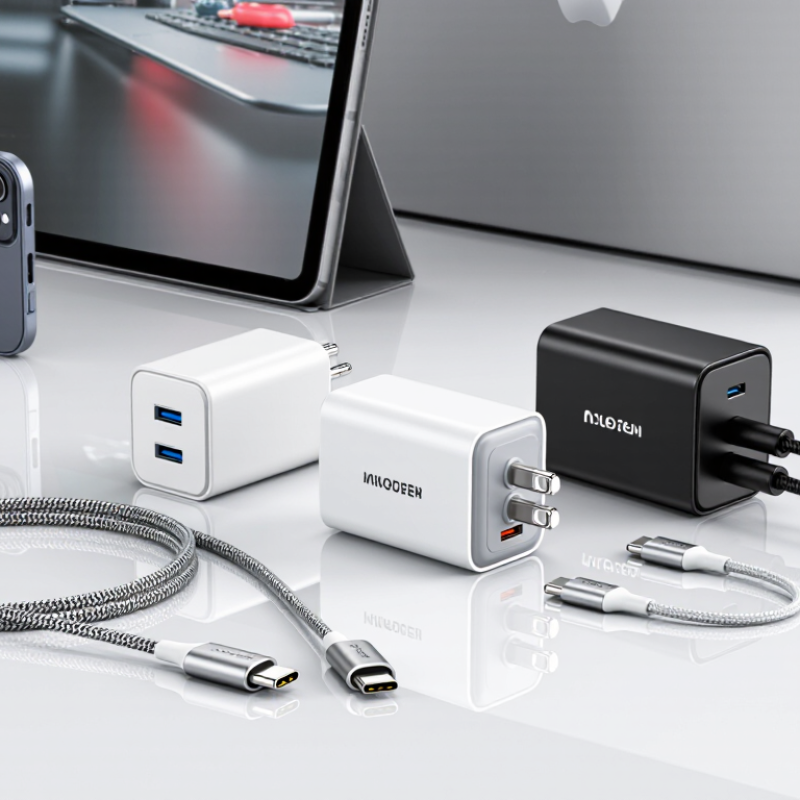
USB-C describes the connector, not the charging speed. A fast charger should support USB Power Delivery, which lets the charger and device negotiate voltage and current safely. Common power ratings include 20W, 30W, 65W, and 100W. Higher wattage is not automatically better. A phone may accept only 25W, while a laptop may require 65W or more.
Check the device manual before buying. It usually lists the required voltage, current, or wattage. Programmable Power Supply can adjust voltage in smaller steps, reducing wasted energy and heat on compatible devices. USB Power Delivery 3.1 can support very high outputs, but the device, charger, and cable must all support that level. One weak link limits performance. The cable matters.
Choose a cable rated for the charger’s output. Some high-power cables include an electronic marker that identifies their safe capacity. During testing, I watch charging speed, connector warmth, and battery behavior rather than trusting the printed wattage alone. Charging often slows near full capacity. That is normal. I once blamed a charger for slow results, then found the phone was hot from navigation and video playback. My first judgment was wrong. Reliable choices also include recognized electrical safety certification and clear technical specifications. Avoid vague claims such as “ultra-fast” without voltage, current, and power details.
Checking Device Compatibility, Charging Speed, and Port Requirements
7 Tips for Choosing the Best Fast C Charger
Checking Device Compatibility, Charging Speed, and Port Requirements
A fast charger is only useful when it matches your device’s needs. Check the device manual for its supported voltage, wattage, and charging protocol. Do not guess. A charger with higher output will not always charge faster. The device controls how much power it accepts, and excessive power may provide no practical benefit. Look for reliable safety certification and clear electrical specifications before buying.
Port design matters as much as charging speed. Identify whether your phone, tablet, or laptop uses USB-C, a smaller legacy port, or another connection. Then choose a cable rated for the charger’s output. A weak or damaged cable can reduce speed and create unnecessary heat. Ports matter. If you charge several devices, compare the shared output rather than the advertised maximum. Two devices connected together may charge more slowly.
In my own testing, compact chargers were convenient, but some became noticeably warm beside a bed or in a crowded travel bag. That experience changed how I judge performance. Size is not everything. Check heat control, overload protection, and the charger’s operating environment. I also found that fast charging often slows near full capacity, which is normal and better for battery care. Still, specifications can be confusing, and even careful buyers may overlook cable quality or regional power requirements. Read independent testing when available, and replace any charger with cracked housing, loose ports, or unstable performance.
Choosing the Right Charger Size for Home, Office, or Travel
Choosing the right fast C charger starts with where it will live. At home, a 30–65 watt charger suits most phones, tablets, and smaller laptops. Check your device’s required input before buying. More wattage does not force extra power into a compatible device. It simply provides more capacity. I keep a compact charger beside the sofa, but its cable sometimes slips behind the table. Small details matter.
An office charger should handle several devices without becoming a warm block on your desk. A model with two or three ports can charge a phone, earbuds, and laptop together. Check the shared wattage, not only the headline number. Some chargers reduce laptop speed when another port is active. Look for recognized electrical safety testing and protection against overheating, overcurrent, and short circuits. These specifications matter more than polished advertising.
Travel changes the choice. A 45–65 watt unit is often enough for a phone and tablet, while heavier laptops may need 90 watts or more. Confirm outlet compatibility before leaving home. Pack a cable rated for the charger’s output. A foldable plug helps in crowded airport sockets. I once chose the smallest charger available and regretted it. It charged slowly beside a full hotel room, where every outlet was already occupied. A slightly larger charger would have been more practical.
7 Tips for Choosing the Best Fast C Charger
Choose the charger size that matches your devices, location, and portability needs.
How to read this chart: A 20–30W charger is generally suitable for phones and travel. A 45–65W charger is a practical choice for office use and many tablets or lightweight laptops. A 100W charger is better for home use with larger laptops or multiple USB-C devices. Actual charging speed depends on the device, cable, battery level, and power-sharing design.
- Check the power requirement of your device before buying.
- Choose USB-C Power Delivery support for broadly compatible fast charging.
- Use a higher-wattage charger only when your device supports it.
- For travel, prioritize compact size and a 20–30W output.
- For an office, consider 45–65W for phones, tablets, and lightweight laptops.
- For home use, 65–100W can support larger laptops and multiple devices.
- Use a certified cable rated for the charger’s maximum power.
Comparing Safety Features, Build Quality, and Energy Efficiency
Choosing a fast C charger requires more than checking its highest wattage. In daily use, I look for overcurrent, overvoltage, short-circuit, and thermal protection. A charger should also carry recognized safety certification for your region. USB Power Delivery support matters because it helps the charger negotiate suitable voltage with compatible devices. Without that communication, fast charging may become unreliable.
Build quality reveals itself through small details. I check whether the plug feels firm and whether the cable connection has flexible strain relief. A strong outer shell should resist heat and minor drops, but it should not feel excessively heavy. During testing, I watch the charger after thirty minutes of charging. Warm is normal. Uncomfortably hot is a warning. Loose pins or a faint electrical smell deserve immediate attention. I once focused too much on charging speed and ignored cable quality; that was a poor decision.
Energy efficiency affects both heat and household electricity use. Look for efficient conversion across common power levels, not only at maximum output. Low standby consumption is useful when the charger stays plugged in overnight. A compact design may use advanced switching components, but size alone proves nothing. Compare measured performance, safety documentation, and warranty terms. Also check whether the cable supports the advertised current. Marketing labels can be confusing. Trust clear specifications more than dramatic numbers. A slower, cooler charger may serve better over several years.
Evaluating Cable Quality, Brand Reliability, and Overall Value
7 Tips for Choosing the Best Fast C Charger
A fast charger is only as dependable as its cable. The USB Implementers Forum specifies USB Power Delivery levels up to 240 watts, but not every cable supports them. Check the printed wattage and certification details. Avoid unusually thin cables with loose connectors. They may feel fast at first. I once bought a cheap cable that became warm near the plug after several weeks. That mistake changed my buying habits.
Look for reinforced strain relief, clear power ratings, and a warranty with realistic support. Independent safety testing matters more than attractive packaging. The European Commission’s common-charger rules emphasize USB-C compatibility and reduce unnecessary charger waste.
ENERGY STAR testing also evaluates active efficiency and no-load power, which affect long-term electricity use. Compare the charger, cable, warranty, and expected lifespan together. A lower purchase price can become poor value after repeated replacements. Check the fine print. Some “fast” chargers reach maximum speed only with specific devices and cables. Professional reviews should test temperature, charging consistency, and protection against overcurrent. User comments can reveal connector failures, but they are not laboratory evidence. Reliability is difficult to judge from one glowing review. Use several sources. Pay for verified performance, not impressive numbers alone.