
News

Miro: A New Standard in Responsible Innovation

Miro: A New Standard in Responsible Innovation The Miro monitor arm is setting new benchmarks in sustainability. It offers a high-performance solution without compromising on environmental responsibility. Designed with careful material selection, local sourcing, and longevity in mind, Miro’s responsible approach to design and unique manoeuvrability set it apart from the competition. Sustainable Choices Miro is crafted from energy-efficient materials with a lower carbon impact....

Read more
HSE Advisor

Role Purpose Support in the development, implementation and maintenance of the company’s Health, Safety & Environmental policies, processes, operational procedures, and standards.  Ensuring best practice and championing a continually improving HSE culture within the business. Key Responsibilities Liaise with and provide support to all areas of the business to eliminate, mitigate or reduce identified HSE exposures. Partner with the production management team and team leaders,...

Read more
CMD Ltd LAUNCHES 48-HOUR TURNAROUND ON BETATRAK® RAPID ORDERING SERVICE

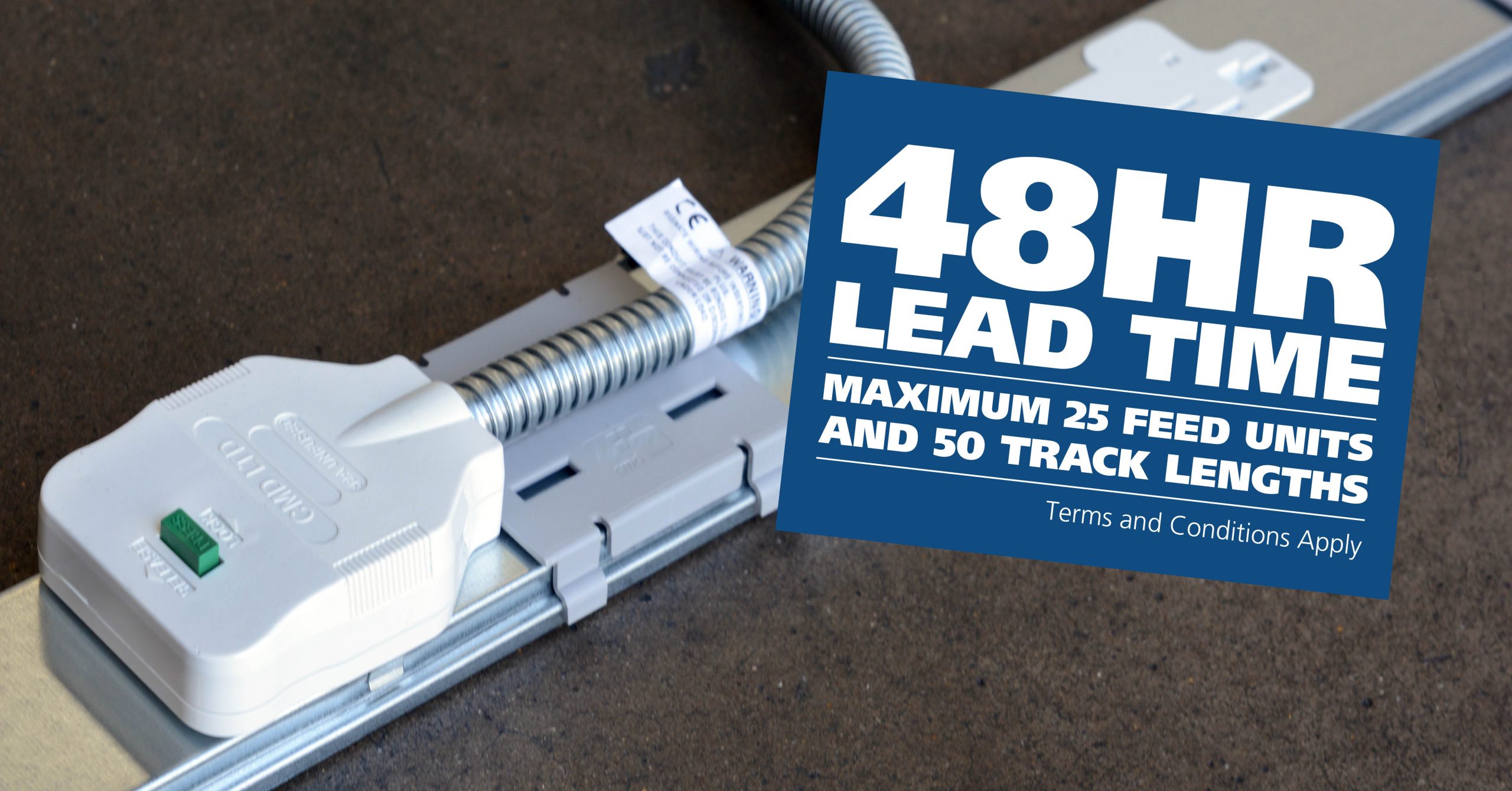
CMD Ltd, the specialist in power distribution systems, workstation power and monitor arms, has launched a rapid ordering service for its Betatrak® underfloor powertrack distribution systems and accessories, with a commitment to delivering within 48-hours of an approved purchase order*. The service enables customers to order up to 50 lengths of Standard or Clean Earth (C/E) low noise Betatrak, along with up to 25 feed...

Read more
CMD INVESTS £1/4 MILLION IN NEW MACHINE AS PART OF FACTORY UPGRADE

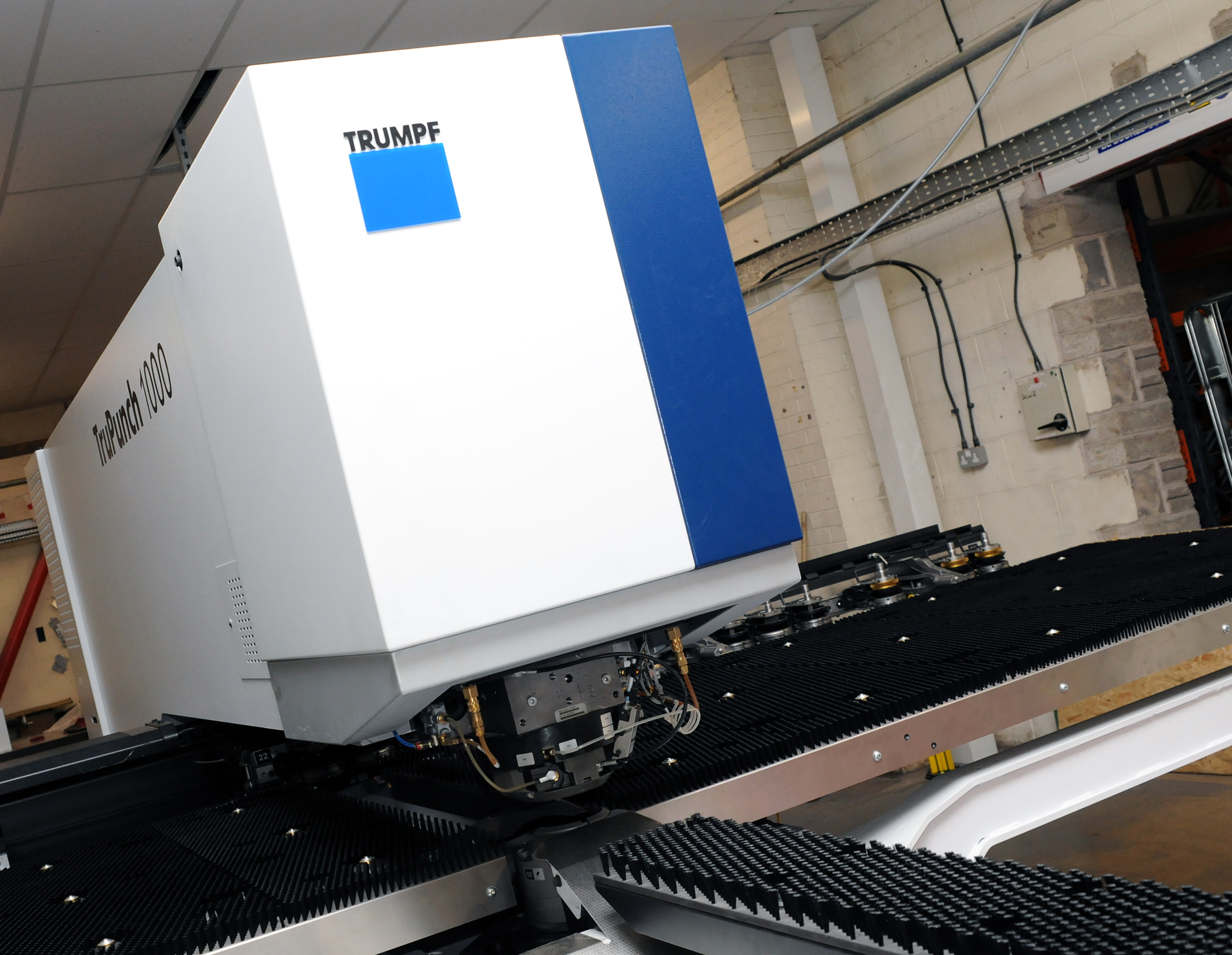
We have invested in a new £1/4m TRUMPF CNC metal punch as part of an asset renewal strategy for our UK manufacturing capability. The new machine will be used in the production of a wide variety of our power distribution systems and workstation power products at our Rotherham factory. Suitable for handling sheet metal between 0.9mm and 3.0mm thick, the new machine will replace one...

Read more
CMD CATALOGUE PROVIDES TECHNICAL POWER DISTRIBUTION GUIDE

CMD Ltd has released a new catalogue, providing an easy to follow technical guide to our power distribution systems and plug and play desk modules. Detailing CMD’s full range of UK-manufactured power distribution systems and plug and play desk modules, the catalogue will be a helpful source of information to M&E engineers and contractors alike to understand how our power distribution systems connect together and...

Read more
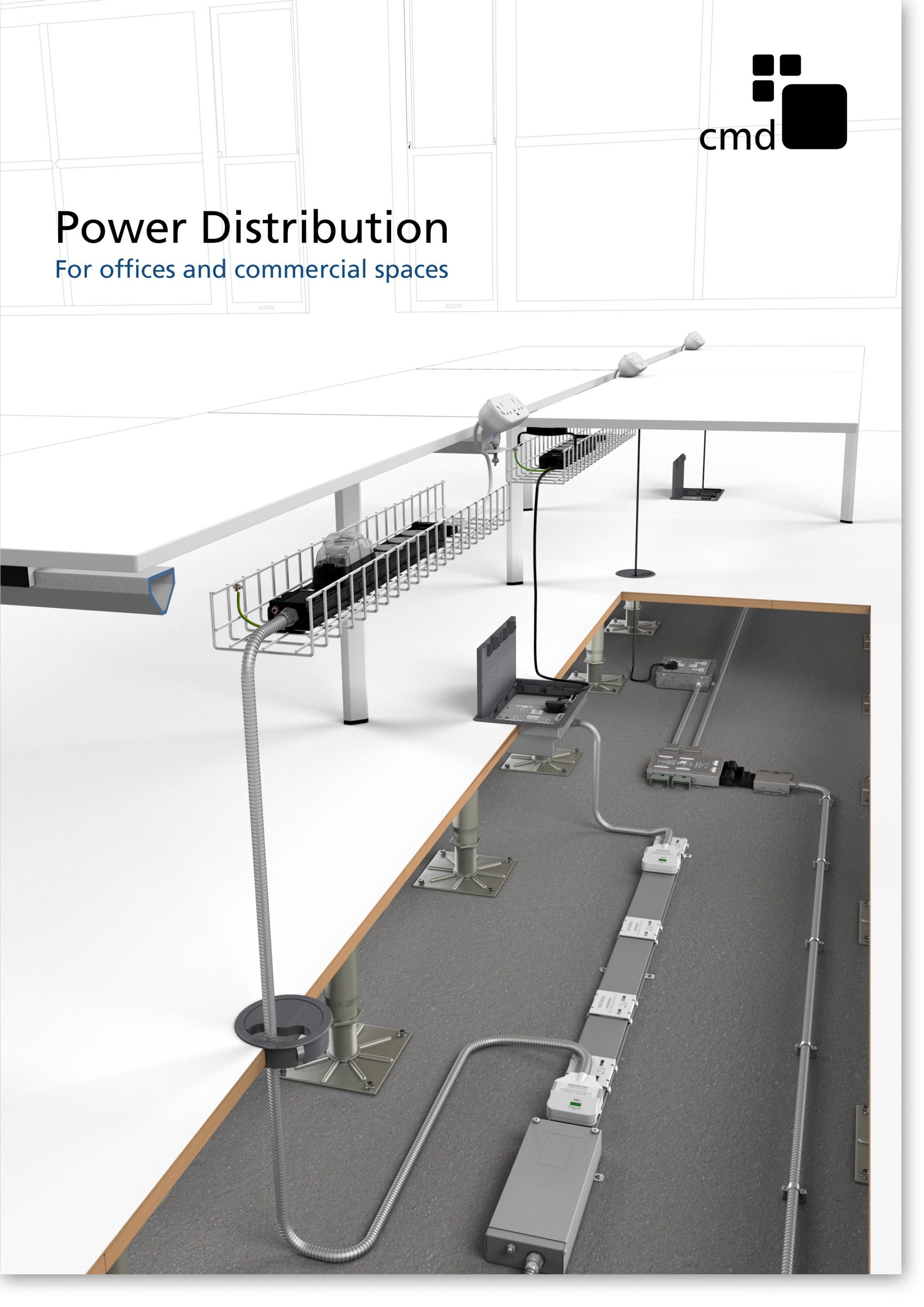
Power Distribution Catalogue
CMD Ltd PLAYS ESSENTIAL ROLE IN ELECTRICAL FIT OUT AT LONDON’S PRESTIGIOUS OFFICE DEVELOPMENT

CMD Ltd, specialist in workplace connectivity and ergonomic solutions, has provided a flexible and high-quality power distribution network for The Ray, a prestigious office development in London’s Farringdon. Well-known for being the former site of The Guardian newspaper, The Ray now stands as an 83,000ft² office development characterised by a modernised warehouse aesthetic, with level two now occupied by a global social media company. The...

Read more

The Ray
CMD plugs in to european opportunity with Schuko Capsule unit launch

CMD Ltd, the specialist in power and connectivity solutions for commercial environments, has launched a Schuko version of its popular fixed format Capsule workstation power module for export to mainland Europe and beyond. A popular on desk power module comprising two sockets and dual USB (type A and C) chargers, CMD’s Capsule unit is already widely specified in the UK as an off-the-shelf workstation power...

Read more
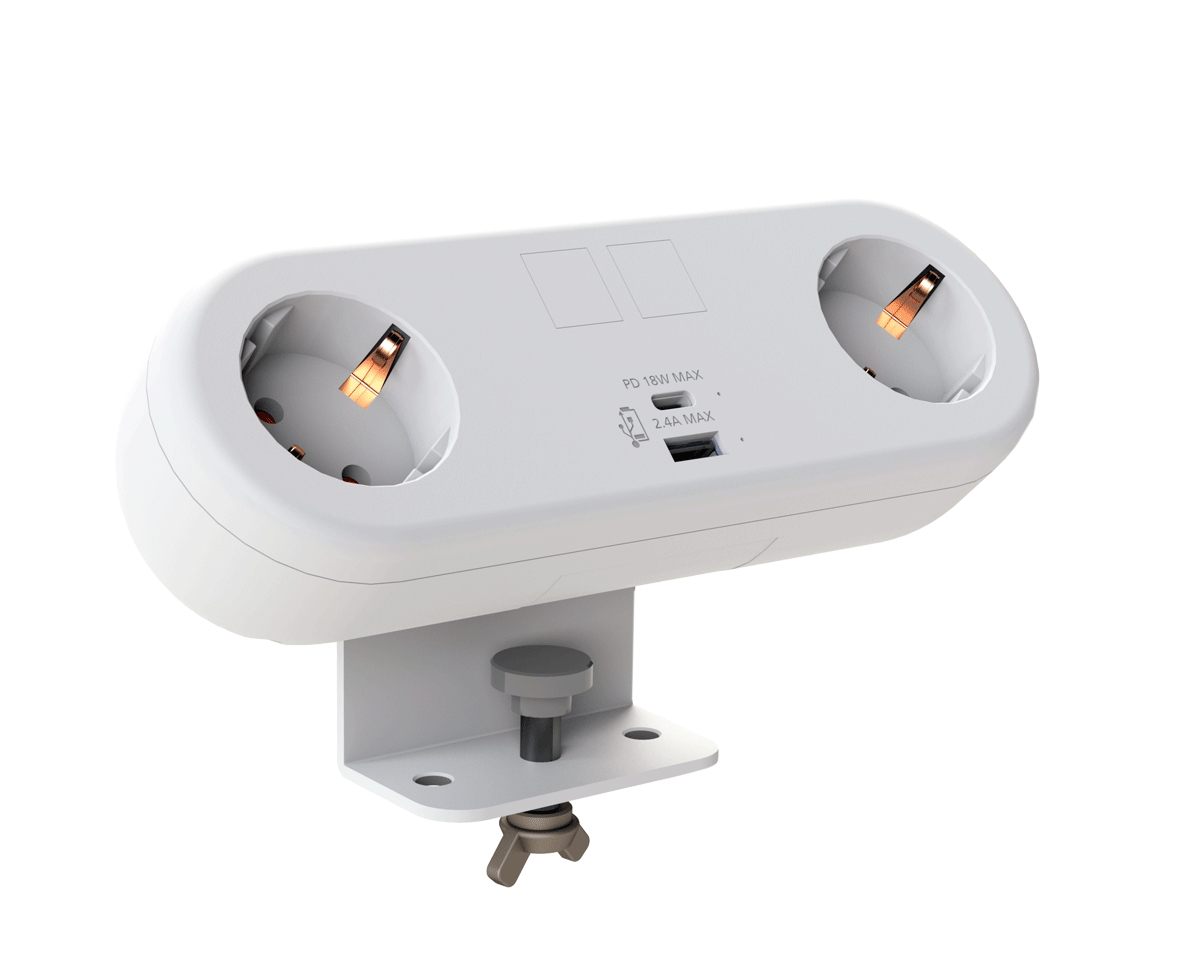
CMD White Schuko Capsule Desk Power Module
CMD LTD EXTENDS MONITOR ARM RANGE WITH THE LAUNCH OF REACH PLUS

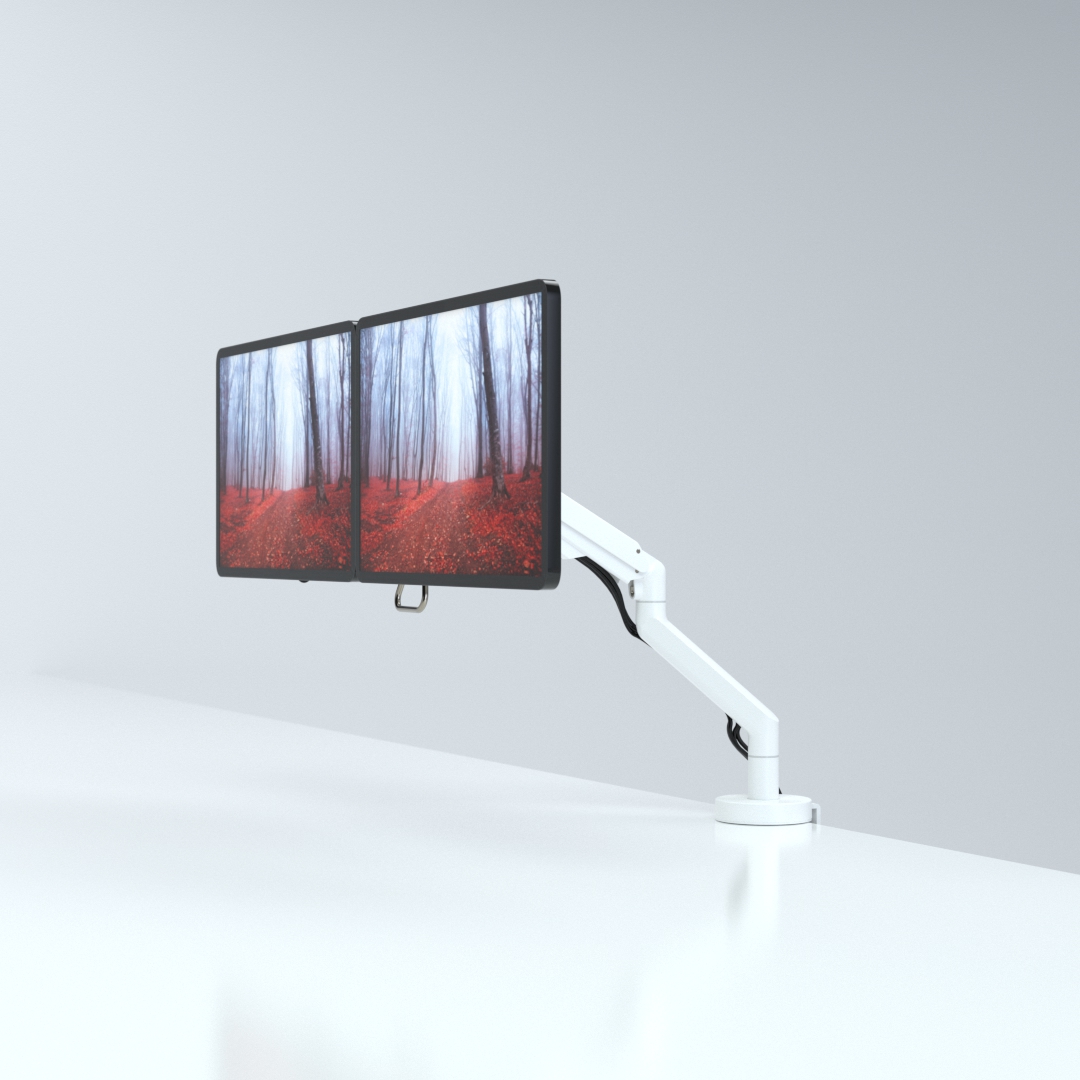
CMD Ltd, the specialist in ergonomic and connectivity solutions for commercial interiors, has completed its Reach monitor arm range with the launch of the Reach Plus. Available in single or dual screen options, the Reach Plus has been designed to provide an ideal solution for both single and dual screen workstation configurations, or can be used with next generation of large format curved screens. Suitable...

Read more
CMD Ltd DEMONSTRATES THE ART OF POWER DISTRIBUTION AT THE UNIVERSITY OF WARWICK

CMD Ltd, the specialist in workplace connectivity and ergonomic solutions, has provided Betatrak busbar power distribution and a range of electrical accessories for two major capital investment projects at the University of Warwick. Designed by Fielden Clegg Bradley Studios, the £33 million Faculty of Arts building is a showpiece development comprising four interconnected structures set around a central atrium, which will enable inter-disciplinary collaboration across...

Read more

University of Warwick
CMD BRINGS HARMONY TO COVENTRY UNIVERSITY RESEARCH FACILITIES

CMD Ltd, the specialist in power distribution solutions and workstation power and ergonomics, has provided under desk and on desk power modules for the refurbishment of three Coventry University research buildings. Located on Coventry University Technology Park, a business park designed to encourage collaboration between the university and knowledge-based businesses, the three buildings are being repurposed as office accommodation for university research teams. The refurbishment...

Read more

Coventry University

What Is the Best C Fast Charger for Global Buyers?

Choosing the best c fast charger for global buyers is not simply a wattage contest. It is a compatibility decision involving safety, charging protocols, plug standards, and long-term device support. USB-IF’s USB Power Delivery 3.1 specification supports power levels up to 240 watts, although most phones still require far less. More power is not automatically better.

Market evidence shows why careful selection matters. The International Data Corporation reported approximately 1.17 billion smartphones shipped worldwide in 2023. Meanwhile, the European Union’s common-charger rules are accelerating USB-C adoption across consumer electronics. These trends make USB-C increasingly practical for international travel, shared offices, and multi-device households. Still, regional voltage differences and plug shapes remain easy to overlook.

Jeff Ravencraft, USB Implementers Forum President and COO, has described USB Power Delivery as “a flexible power delivery solution that enables devices to negotiate the power they need.” That principle should guide every purchase. A reliable c fast charger should identify connected devices, adjust output safely, and support widely used standards such as USB PD and PPS. Look for GaN construction, thermal protection, surge protection, and certified compliance. Check the cable, too. A 240-watt charger paired with a weak cable creates a disappointing setup.

The best choice depends on the buyer’s devices. A 30-watt model may suit a phone. A 100-watt charger may better serve a laptop and tablet together. Independent testing is preferable to dramatic packaging claims. Even respected reports have limitations, especially when regional samples differ. That uncertainty deserves attention.

What Is the Best C Fast Charger for Global Buyers?

What a C Fast Charger Is and Why Global Buyers Need One

A C fast charger is a USB-C power adapter designed to deliver electricity quickly and safely. It uses charging standards such as USB Power Delivery or PPS to adjust voltage and current. Unlike basic adapters, it can support phones, tablets, cameras, and some laptops. A compatible cable is essential. Without it, charging speed may drop sharply. That difference matters.

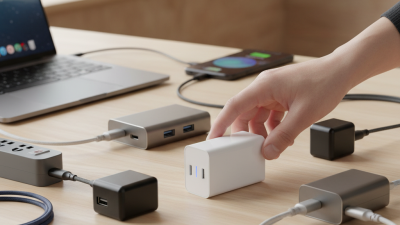
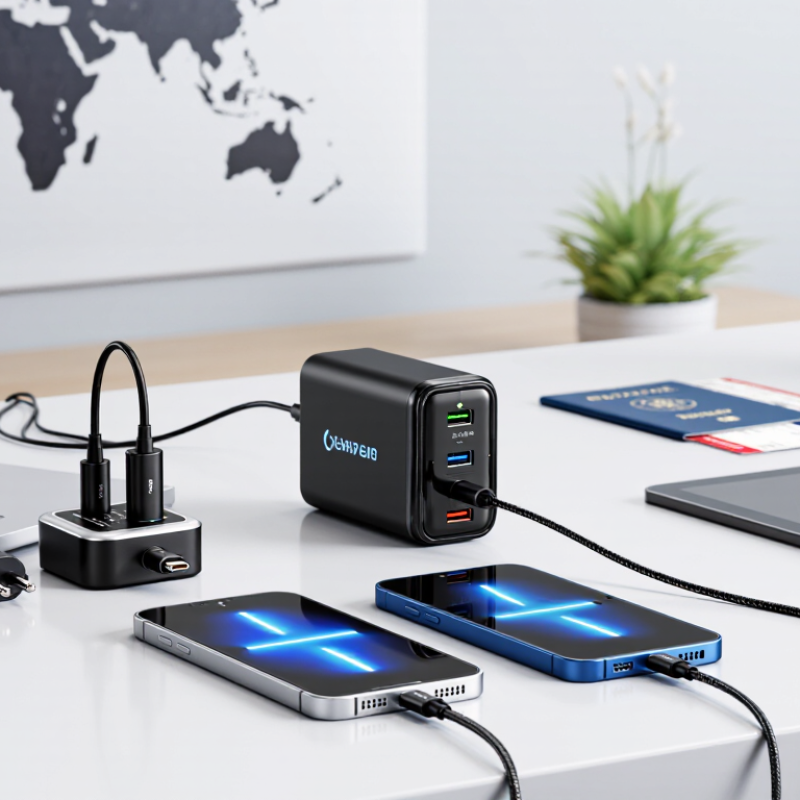
For global buyers, a C fast charger can reduce luggage and daily clutter. One compact adapter may replace several older chargers. At an airport, a 65-watt model can charge a phone while powering a small laptop. Travelers should check its input range, ideally 100–240V, before using it overseas. A plug adapter changes shape, not voltage. Regional plug compatibility still matters.

Safety and reliability require more than a high wattage number. Look for clear output specifications, temperature control, overcurrent protection, and recognized safety testing. A cable should match the charger’s power rating and connector standard. In practical use, a charger may feel slower when several devices share its ports.

More power is not always better.

A compact 45-watt model may suit a phone owner, while a 100-watt unit may help mobile workers. Specifications can mislead. I once assumed a smaller charger would perform equally, but its shared-port output weakened under load. That detail changed how I compare chargers: real charging behavior matters as much as printed power.

How Charging Speed, USB-C Standards, and Power Ratings Work

A USB-C charger is not automatically fast. Charging speed depends on the charger, cable, device, and charging protocol. USB Power Delivery can negotiate voltage and current between them. Some devices also use PPS, which adjusts power in smaller steps. This can reduce heat and improve charging efficiency. A charger marked 65 watts may deliver less to a phone that accepts only 25 watts. The device sets the limit.

In practical testing, I check real output with a USB power meter. A laptop may briefly draw 60 watts, then reduce demand near full charge. A warm cable or loose connector can also lower performance. Cable ratings matter. A high-power USB-C cable should clearly support the required wattage and data standard. I still get this wrong sometimes. A thicker cable is not always a better cable.

Global buyers should inspect the input range, such as 100–240 volts, before traveling. The plug shape may still require a local adapter. A reliable charger should list output profiles, protection features, and recognized safety testing. Power ratings describe maximum capacity, not constant delivery. For example, a 100-watt unit may split power when two devices are connected. Check the charging screen, measure actual output, and treat impressive numbers with caution.

Which Features Matter Across Countries and Device Types

What Is the Best C Fast Charger for Global Buyers?

The best C fast charger is not simply the one with the highest wattage. It should support USB Power Delivery, which the USB Implementers Forum defines as a flexible standard reaching up to 240 watts. Actual charging still depends on the device, cable, and power profile. A 65-watt charger may quickly power a laptop, yet offer little advantage for a phone limited to 25 watts. More power is not always better.

Country compatibility matters. Travelers should check input ranges from 100 to 240 volts and confirm the correct regional plug adapter. The International Energy Agency reported that global electricity demand reached a record level in 2024, making energy efficiency more relevant for everyday electronics. GaN designs can reduce size and heat, but efficiency claims need independent testing. Numbers can sound impressive.

Device diversity creates another concern. IDC recorded approximately 1.24 billion smartphone shipments worldwide in 2024, alongside laptops, tablets, cameras, and handheld consoles. A useful charger should provide multiple ports, but shared output may reduce charging speed. Look for clearly stated power allocation, cable compatibility, thermal protection, and overcurrent protection. USB-IF certification adds confidence, although certification does not guarantee perfect performance with every device. I would also test charging stability under load, not only the first five minutes. That practical check is easy to overlook.

How to Compare Safety, Compatibility, Efficiency, and Total Cost

What Is the Best C Fast Charger for Global Buyers?

A good USB-C charger must match real device needs, not just advertise a high wattage. The USB Implementers Forum’s USB Power Delivery specification supports power levels up to 240W, but phones and laptops may request very different profiles. Check USB PD and PPS support, then verify the cable’s current rating. A 100W charger paired with a weak cable can become an expensive mismatch. It happens easily.

Safety requires more than a familiar plug shape. IEC 62680-1-3 defines USB Type-C connector requirements, while regional approval marks address electrical safety and electromagnetic compatibility. Buyers should confirm input support from 100–240V, suitable plug arrangements, over-temperature protection, and short-circuit protection. Independent laboratory testing is more convincing than unclear marketplace claims. I once focused too heavily on output power; that was a poor comparison method.

Efficiency changes both heat and ownership cost. The European Commission’s Ecodesign Regulation (EU) 2019/1782 sets efficiency and no-load limits for external power supplies. For example, delivering 65W for four hours daily, an 80% efficient charger uses about 13 kWh more yearly than a 90% efficient model. Electricity prices vary, so the saving may seem modest. Still, cooler operation can improve comfort and reduce stress on nearby cables. Total cost also includes adapters, certified cables, warranty length, and replacement risk—not merely the checkout price.

How to Choose the Best C Fast Charger for Your Market

Choosing the best C fast charger for your market starts with real usage, not the highest wattage printed on a box. USB-IF’s USB Power Delivery 3.1 specification supports power levels up to 240 watts. However, the charger, cable, and device must share the same profile. A 100-watt adapter may deliver much less during heat protection. I have seen this confuse buyers.

Market demand also varies by device mix. IDC’s Worldwide Quarterly Mobile Phone Tracker recorded about 1.17 billion smartphone shipments in 2023. That figure includes phones with different charging limits and regional plug requirements. A practical model should support common USB-C Power Delivery profiles, programmable power supply, and clear regional certifications. IEC 62368-1 safety compliance is important for many commercial markets. Always verify the required approval before importing.

Regulation can change purchasing decisions quickly. The European Commission’s common-charger rules require USB-C charging for many portable devices from December 2024, while laptops follow in April 2026. This makes compatibility a stronger selling point in Europe. Other markets may value compact size, replaceable cables, or lower standby consumption more. Gallium nitride designs can reduce size, but smaller is not automatically safer or cooler. Test samples under continuous load, not only during a five-minute demonstration. The imperfect part is pricing: a cheaper unit may win initial orders, yet higher failure rates can damage trust and service costs.