

News

Miro: A New Standard in Responsible Innovation

Miro: A New Standard in Responsible Innovation The Miro monitor arm is setting new benchmarks in sustainability. It offers a high-performance solution without compromising on environmental responsibility. Designed with careful material selection, local sourcing, and longevity in mind, Miro’s responsible approach to design and unique manoeuvrability set it apart from the competition. Sustainable Choices Miro is crafted from energy-efficient materials with a lower carbon impact....

Read more
HSE Advisor

Role Purpose Support in the development, implementation and maintenance of the company’s Health, Safety & Environmental policies, processes, operational procedures, and standards.  Ensuring best practice and championing a continually improving HSE culture within the business. Key Responsibilities Liaise with and provide support to all areas of the business to eliminate, mitigate or reduce identified HSE exposures. Partner with the production management team and team leaders,...

Read more
CMD Ltd LAUNCHES 48-HOUR TURNAROUND ON BETATRAK® RAPID ORDERING SERVICE

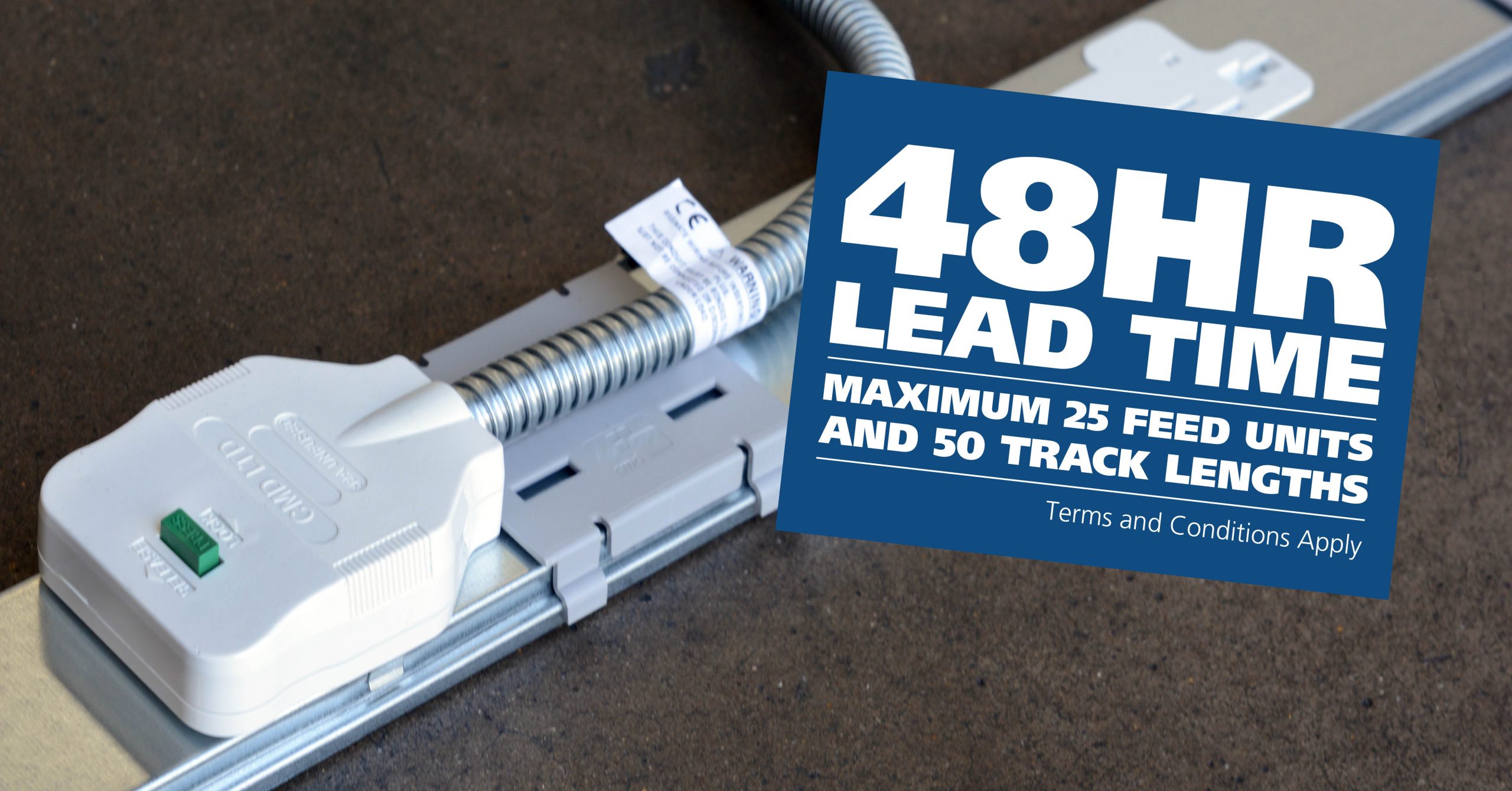
CMD Ltd, the specialist in power distribution systems, workstation power and monitor arms, has launched a rapid ordering service for its Betatrak® underfloor powertrack distribution systems and accessories, with a commitment to delivering within 48-hours of an approved purchase order*. The service enables customers to order up to 50 lengths of Standard or Clean Earth (C/E) low noise Betatrak, along with up to 25 feed...

Read more
CMD INVESTS £1/4 MILLION IN NEW MACHINE AS PART OF FACTORY UPGRADE

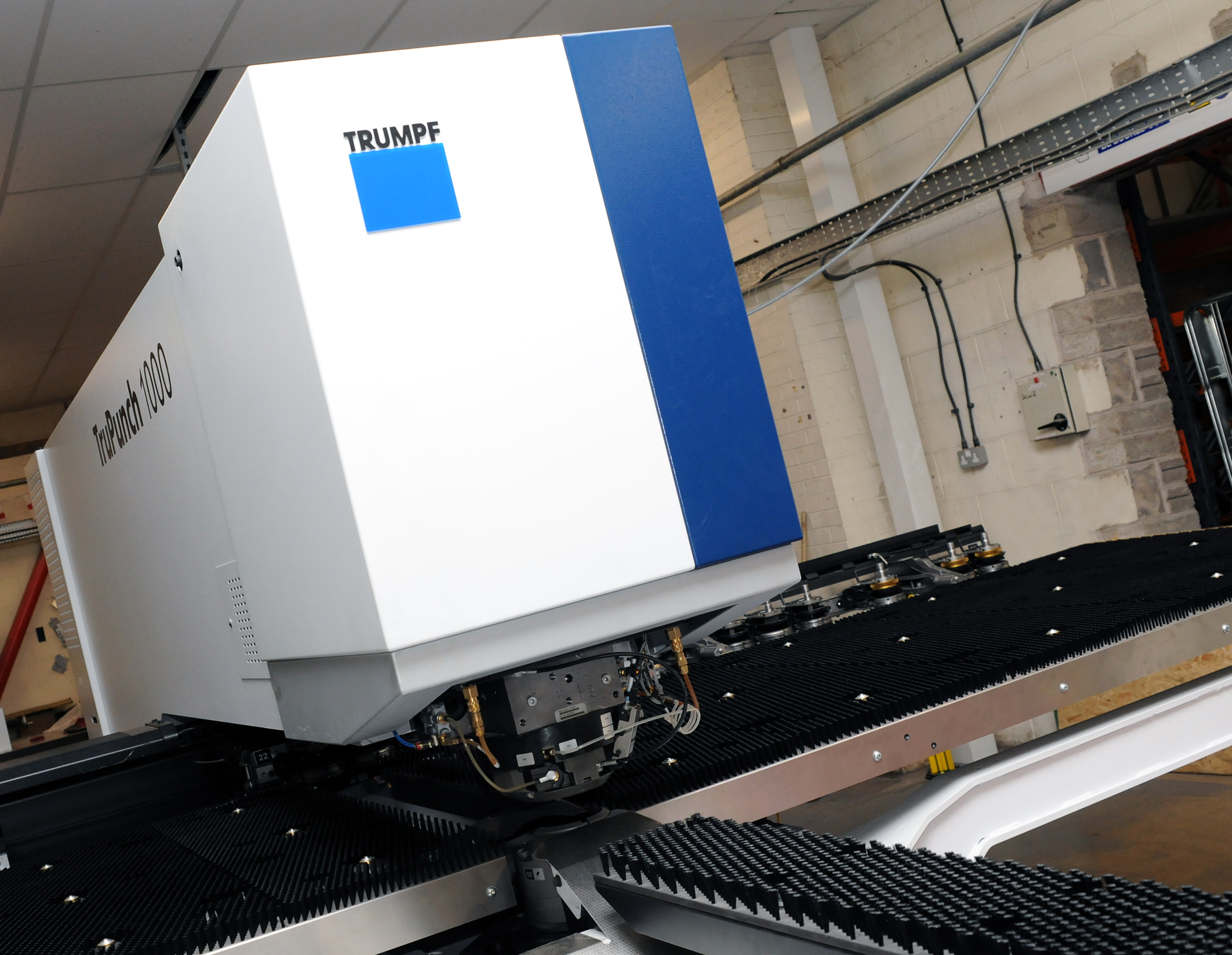
We have invested in a new £1/4m TRUMPF CNC metal punch as part of an asset renewal strategy for our UK manufacturing capability. The new machine will be used in the production of a wide variety of our power distribution systems and workstation power products at our Rotherham factory. Suitable for handling sheet metal between 0.9mm and 3.0mm thick, the new machine will replace one...

Read more
CMD CATALOGUE PROVIDES TECHNICAL POWER DISTRIBUTION GUIDE

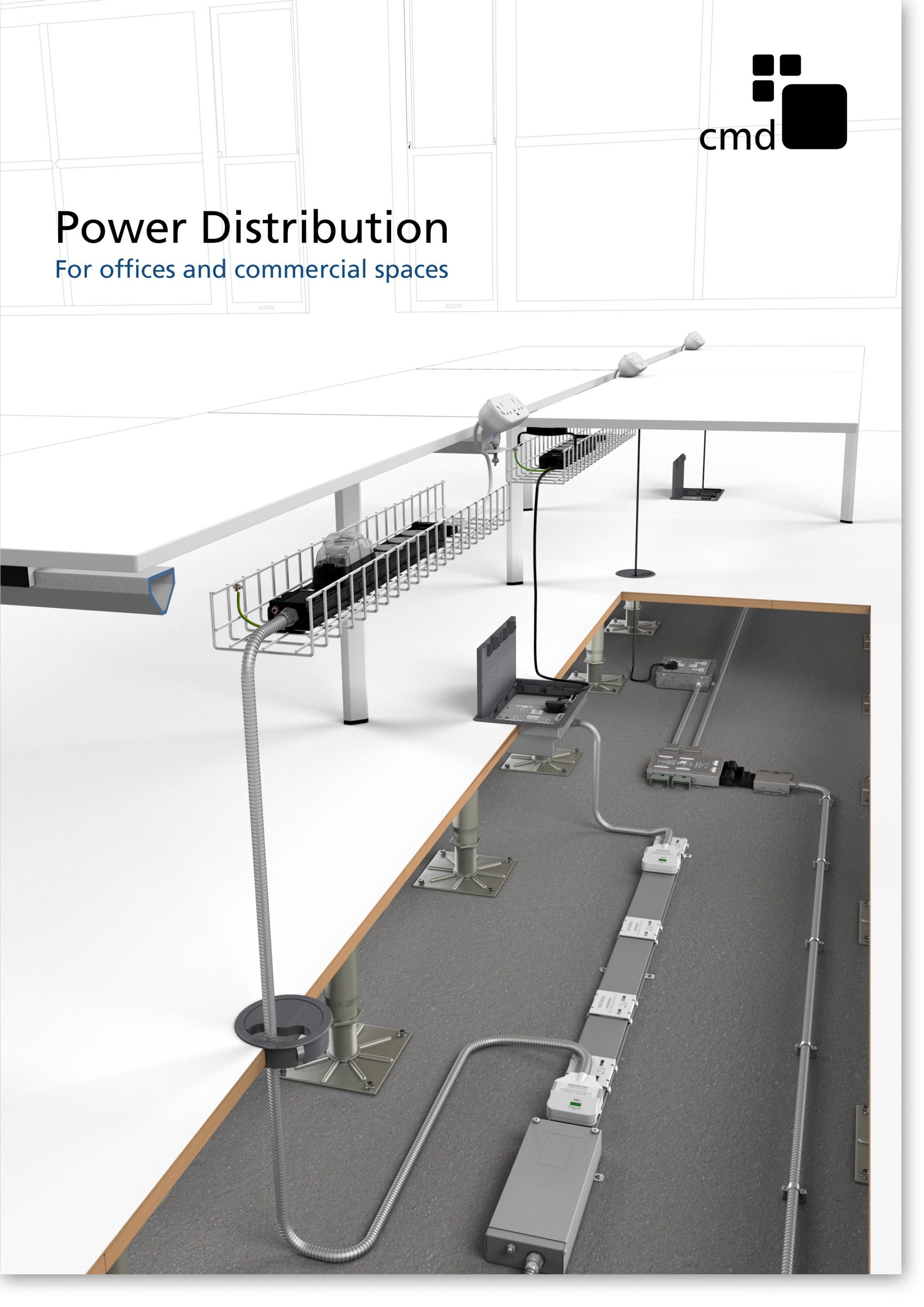
CMD Ltd has released a new catalogue, providing an easy to follow technical guide to our power distribution systems and plug and play desk modules. Detailing CMD’s full range of UK-manufactured power distribution systems and plug and play desk modules, the catalogue will be a helpful source of information to M&E engineers and contractors alike to understand how our power distribution systems connect together and...

Read more
Power Distribution Catalogue
CMD Ltd PLAYS ESSENTIAL ROLE IN ELECTRICAL FIT OUT AT LONDON’S PRESTIGIOUS OFFICE DEVELOPMENT

CMD Ltd, specialist in workplace connectivity and ergonomic solutions, has provided a flexible and high-quality power distribution network for The Ray, a prestigious office development in London’s Farringdon. Well-known for being the former site of The Guardian newspaper, The Ray now stands as an 83,000ft² office development characterised by a modernised warehouse aesthetic, with level two now occupied by a global social media company. The...

Read more

The Ray
CMD plugs in to european opportunity with Schuko Capsule unit launch

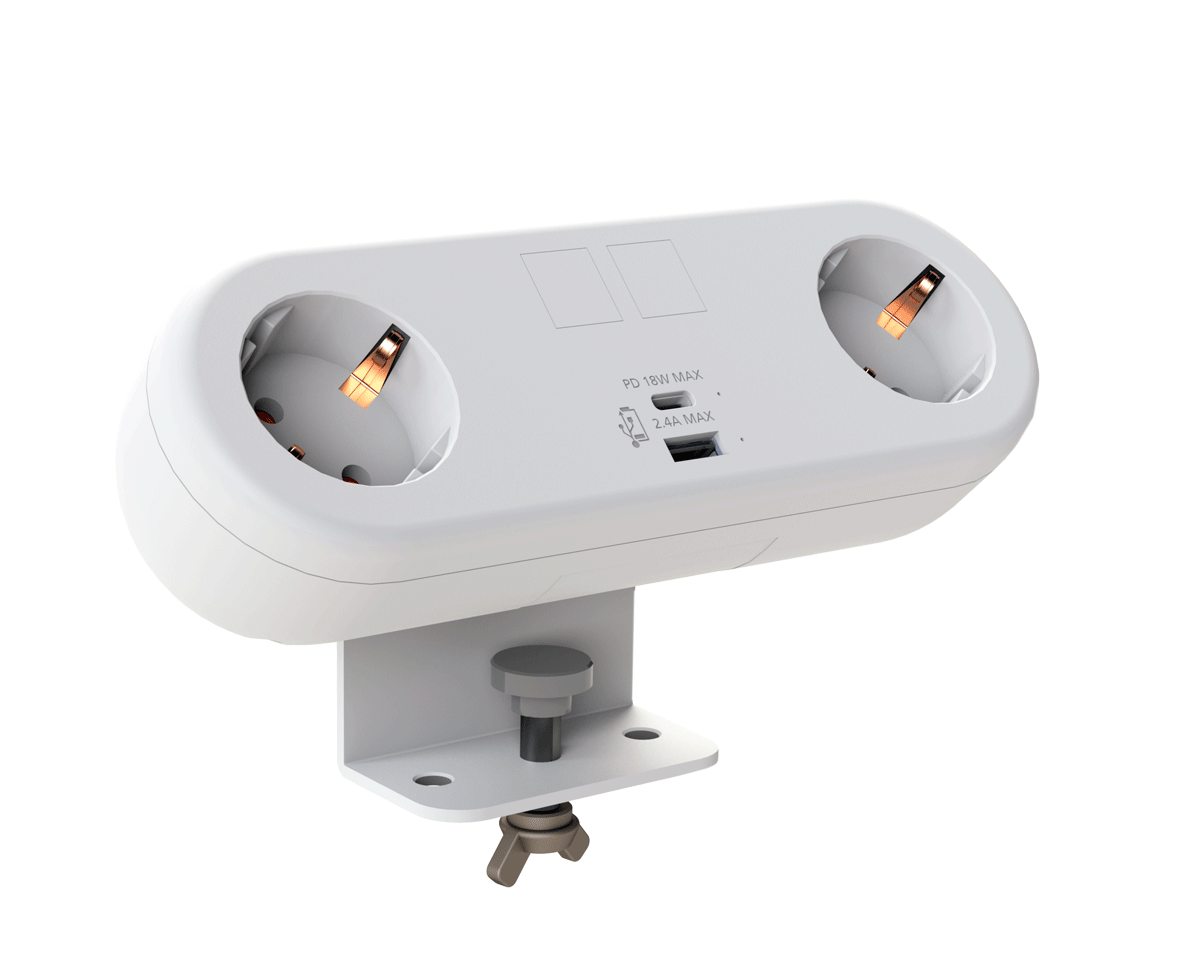
CMD Ltd, the specialist in power and connectivity solutions for commercial environments, has launched a Schuko version of its popular fixed format Capsule workstation power module for export to mainland Europe and beyond. A popular on desk power module comprising two sockets and dual USB (type A and C) chargers, CMD’s Capsule unit is already widely specified in the UK as an off-the-shelf workstation power...

Read more
CMD White Schuko Capsule Desk Power Module
CMD LTD EXTENDS MONITOR ARM RANGE WITH THE LAUNCH OF REACH PLUS

CMD Ltd, the specialist in ergonomic and connectivity solutions for commercial interiors, has completed its Reach monitor arm range with the launch of the Reach Plus. Available in single or dual screen options, the Reach Plus has been designed to provide an ideal solution for both single and dual screen workstation configurations, or can be used with next generation of large format curved screens. Suitable...

Read more

CMD Ltd DEMONSTRATES THE ART OF POWER DISTRIBUTION AT THE UNIVERSITY OF WARWICK

CMD Ltd, the specialist in workplace connectivity and ergonomic solutions, has provided Betatrak busbar power distribution and a range of electrical accessories for two major capital investment projects at the University of Warwick. Designed by Fielden Clegg Bradley Studios, the £33 million Faculty of Arts building is a showpiece development comprising four interconnected structures set around a central atrium, which will enable inter-disciplinary collaboration across...

Read more

University of Warwick
CMD BRINGS HARMONY TO COVENTRY UNIVERSITY RESEARCH FACILITIES

CMD Ltd, the specialist in power distribution solutions and workstation power and ergonomics, has provided under desk and on desk power modules for the refurbishment of three Coventry University research buildings. Located on Coventry University Technology Park, a business park designed to encourage collaboration between the university and knowledge-based businesses, the three buildings are being repurposed as office accommodation for university research teams. The refurbishment...

Read more

Coventry University

Why Do You Need an Oxygen Sensor Adapter?

An oxygen sensor adapter is a small component, but its role can affect an entire exhaust diagnostic process. It connects an oxygen sensor to a threaded exhaust port when the original fit is unsuitable. In some vehicles, the sensor may sit too close to a pipe wall, heat source, or exhaust component. An adapter can provide needed clearance and help place the sensor in a more practical position.

Small change. Real difference.

The need for an oxygen sensor adapter often appears after replacing an exhaust manifold, catalytic converter, or modified downpipe. Experienced technicians check thread size, sensor reach, exhaust temperature, and available space before choosing one. The wrong adapter may create leaks, damage threads, or expose the sensor to excessive heat. It may also affect readings if it changes the sensor’s position too much. Manufacturer specifications should guide every decision.

An adapter is not a substitute for proper diagnosis. A warning light may come from wiring damage, vacuum leaks, poor exhaust sealing, or a failing sensor. Installing an adapter without checking these causes can hide the real problem. That is an easy mistake to make. Quality materials, accurate machining, and a secure seal matter more than appearance. In practical terms, the correct oxygen sensor adapter should support reliable sensor operation while preserving the vehicle’s intended emissions-control function. When uncertainty remains, a qualified technician can verify compatibility and confirm the final readings with suitable diagnostic equipment.

Why Do You Need an Oxygen Sensor Adapter?

What an Oxygen Sensor Adapter Is and How It Works

Why Do You Need an Oxygen Sensor Adapter?

What an Oxygen Sensor Adapter Is and How It Works

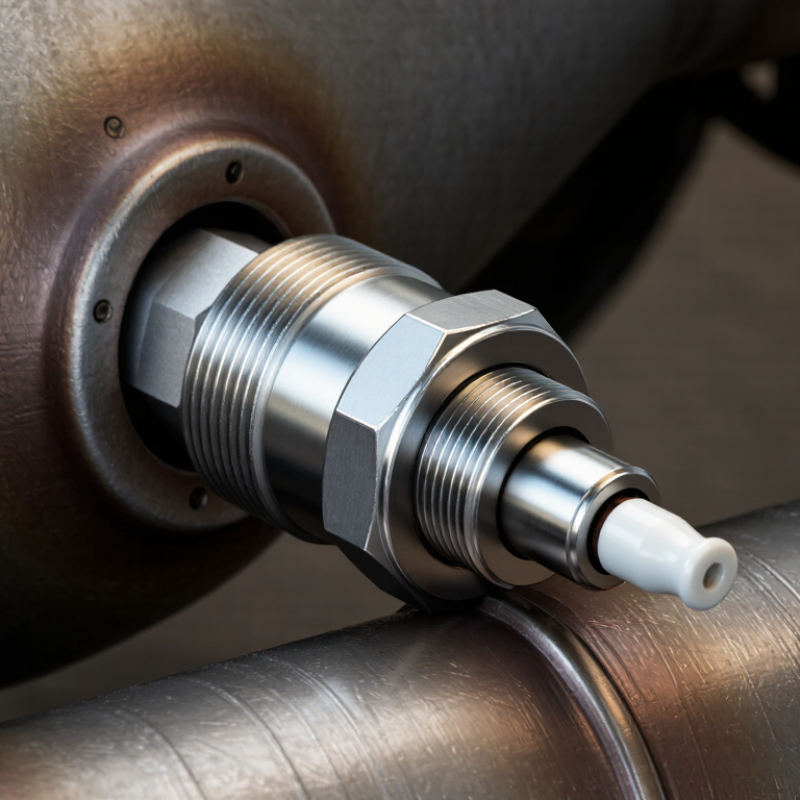
An oxygen sensor adapter is a threaded fitting that connects a sensor to an exhaust pipe or manifold. It may change the thread size, sensor angle, or installation depth. Some adapters also provide a small extension between the sensor and exhaust flow. The correct design depends on the vehicle, sensor type, and available clearance.

Inside the sensor, a ceramic element detects oxygen levels in exhaust gases. The sensor then sends a voltage signal to the engine control unit. An adapter does not create this signal. It only positions the sensor and helps secure its connection. A precise fit matters. Poor alignment can cause exhaust leaks, damaged threads, or inaccurate readings. Tighten it carefully, but avoid excessive force.

A practical inspection starts with the sensor thread and exhaust port. Check for carbon buildup, corrosion, and damaged sealing surfaces. Measure the available space near wiring and heat shields. The adapter should not touch nearby components when the engine moves. It is also important to confirm that the adapter suits the original sensor and meets local emissions requirements.

The adapter is not a magic fix. If the sensor, wiring, or exhaust system has a fault, changing its position may hide the real problem. In some cases, the installation seems correct but still produces unstable readings. That is why technicians should verify live data, inspect for leaks, and reassess the setup after installation.

Why Modern Vehicles May Need an Oxygen Sensor Adapter

Why Do You Need an Oxygen Sensor Adapter?

Why Modern Vehicles May Need an Oxygen Sensor Adapter

Modern vehicles often use several oxygen sensors around the catalytic converter. Their locations, thread sizes, wiring plugs, and exhaust clearances can differ greatly. An oxygen sensor adapter helps connect a replacement sensor correctly or provides extra clearance near tight exhaust components.

The need is partly driven by stricter emissions control. The U.S. Environmental Protection Agency’s 2024 Automotive Trends Report recorded an average fuel economy of about 27.1 miles per gallon for new vehicles in model year 2023. Better economy depends on precise air-fuel control. Oxygen sensors supply feedback, while the engine computer adjusts fuel delivery within milliseconds. A poor connection can create unstable readings, warning lights, rough running, or increased fuel consumption.

In practical inspections, a suitable adapter can solve a mismatched connector or thread problem without forcing the sensor into an unsafe position. However, an adapter is not a universal repair. It must match the sensor specification, exhaust temperature, thread depth, and wiring route. The International Organization for Standardization’s ISO 2575 guidance helps standardize vehicle control symbols, but it does not make every sensor interchangeable. That detail is easy to overlook.

Never use an adapter to defeat emissions monitoring. Regulations differ by region, and disabling a required monitoring function may be prohibited. Check service data and perform a leak test after installation. Even experienced technicians can miss a small exhaust leak near the sensor. That mistake can imitate a failed sensor.

How an Adapter Helps Maintain Proper Sensor Placement

Why Do You Need an Oxygen Sensor Adapter?

An oxygen sensor adapter is more than a simple spacer. It helps keep the sensor tip correctly positioned inside the exhaust stream. Proper placement supports stable readings during changing engine loads. The sensor should not touch the pipe wall. Its connector also needs protection from direct heat and road moisture. Small details matter.

EPA onboard diagnostic rules generally require emissions faults to trigger when emissions reach 1.5 times applicable standards. That threshold shows why sensor readings need consistency. A misplaced sensor may receive diluted gas, excessive heat, or condensation. The engine computer can then adjust the air-fuel mixture incorrectly. Fuel economy may suffer. Emissions can rise. The warning light may appear later, or not as expected.

Fitment still needs judgment. An adapter must match the sensor thread, exhaust angle, and available clearance. It should not obstruct gas flow or create an exhaust leak. In workshop practice, technicians often check sensor depth before tightening anything. A perfect-looking installation can still place the sensing tip too far outside the main flow. I have found this is easy to overlook. Rechecking cable routing and heat exposure is worthwhile. SAE diagnostic standards also emphasize reliable data communication, but reliable data starts with reliable sensor placement.

Key Benefits of Installing an Oxygen Sensor Adapter

Why Do You Need an Oxygen Sensor Adapter?

An oxygen sensor adapter can improve sensor fitment after exhaust modifications or component replacement. It creates a secure connection between the sensor and the exhaust system. A correct fit helps prevent leaks near the sensor tip. Even a small leak can affect readings and create confusing diagnostic results. The adapter may also position the sensor away from excessive heat or direct exhaust pulses. This can support more stable measurements in suitable applications. Better positioning may help the engine control system interpret oxygen levels more consistently. That matters for fuel control, drivability, and emissions monitoring.

Key Benefits of Installing an Oxygen Sensor Adapter

A major benefit is installation flexibility. Some adapters solve clearance problems around pipes, heat shields, or nearby components. They can also protect sensor wiring from sharp edges and unnecessary strain. During service inspections, technicians should check thread condition, sealing surfaces, and sensor depth. Small details matter. An adapter is not a repair for a failing sensor, vacuum leak, or wiring fault. It cannot correct every warning light either. I have found that fitment assumptions often cause trouble, especially when thread sizes look similar. The vehicle’s service data should guide selection. Use only a compatible adapter and follow local emissions requirements. Poorly chosen parts may delay diagnosis or produce unreliable readings. A careful installation, leak test, and scan-tool check provide stronger evidence than appearance alone.

How to Choose and Install the Right Adapter

An oxygen sensor adapter is useful when an exhaust change moves the sensor away from its original position. It can also correct limited clearance near a heat shield or crossmember. The fit must remain secure and leak-free. A loose adapter can draw outside air into the exhaust stream. That may create false oxygen readings and unstable fuel control.

Choose the adapter by checking thread size, sensor angle, exhaust material, and available clearance. Many sensors use an M18×1.5 thread, but never assume it. Confirm the vehicle service data first. The adapter should use heat-resistant stainless steel and provide enough space for the sensor wire. Avoid designs that restrict exhaust flow or position the sensor directly in heavy condensation. According to U.S. EPA OBD regulations, emissions faults may require detection when emissions exceed 1.5 times the applicable standard. Poor adapter placement can trigger that diagnostic process.

Installation starts with a cool exhaust system. Remove carbon from the original bung and inspect its threads. Apply only sensor-safe thread compound, if the service instructions permit it. Tighten the adapter to the specified torque, then route the wiring away from heat and moving parts. Start the engine and check for leaks, warning lights, and live sensor data. SAE technical guidance emphasizes stable sensor temperature and representative exhaust flow for reliable measurements. In practice, a small angle error can matter. I have seen clean-looking installations fail because the sensor sat too close to a shield. Recheck clearance after a short heat cycle.