

News

Miro: A New Standard in Responsible Innovation

Miro: A New Standard in Responsible Innovation The Miro monitor arm is setting new benchmarks in sustainability. It offers a high-performance solution without compromising on environmental responsibility. Designed with careful material selection, local sourcing, and longevity in mind, Miro’s responsible approach to design and unique manoeuvrability set it apart from the competition. Sustainable Choices Miro is crafted from energy-efficient materials with a lower carbon impact....

Read more
HSE Advisor

Role Purpose Support in the development, implementation and maintenance of the company’s Health, Safety & Environmental policies, processes, operational procedures, and standards.  Ensuring best practice and championing a continually improving HSE culture within the business. Key Responsibilities Liaise with and provide support to all areas of the business to eliminate, mitigate or reduce identified HSE exposures. Partner with the production management team and team leaders,...

Read more
CMD Ltd LAUNCHES 48-HOUR TURNAROUND ON BETATRAK® RAPID ORDERING SERVICE

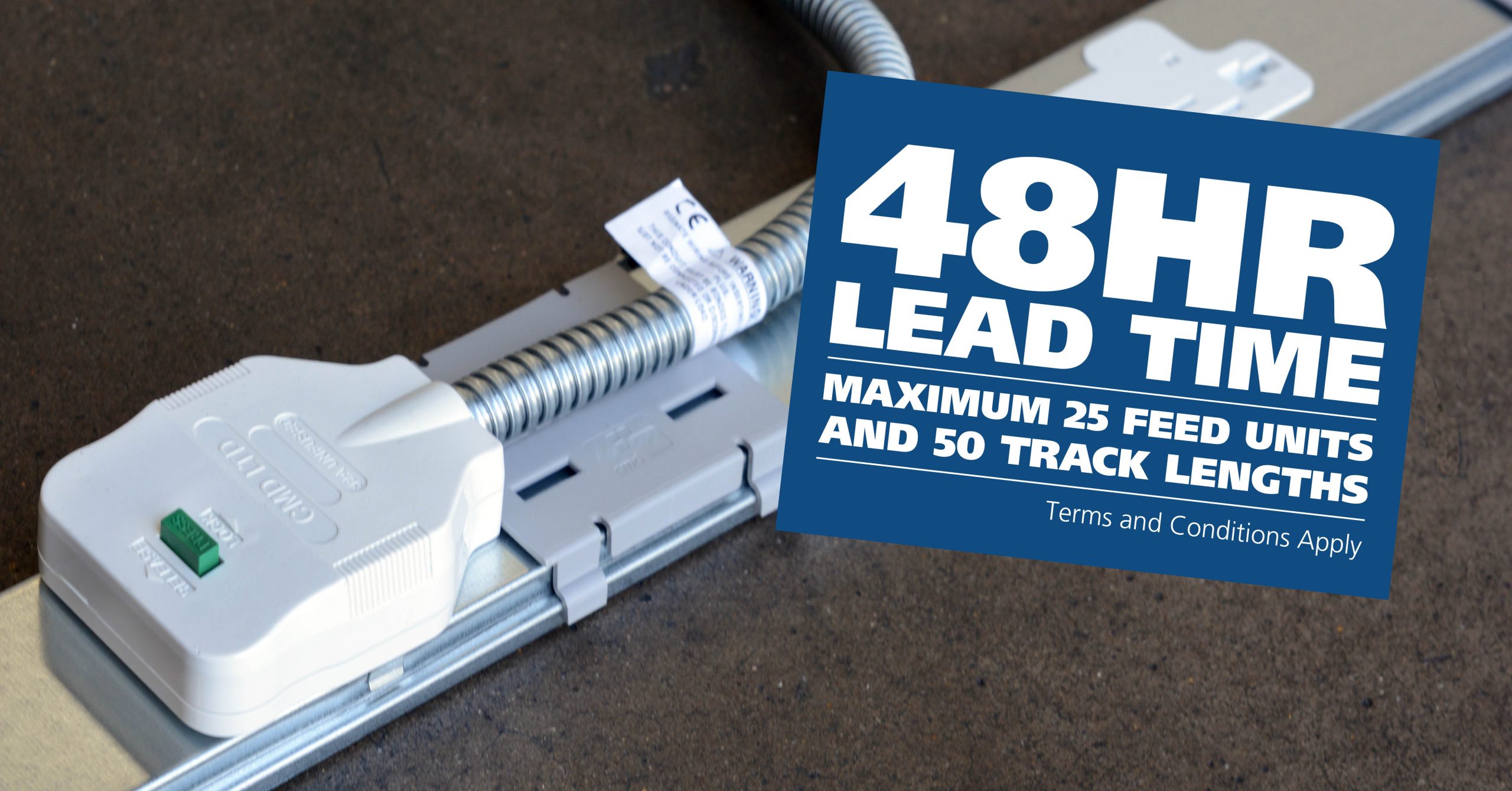
CMD Ltd, the specialist in power distribution systems, workstation power and monitor arms, has launched a rapid ordering service for its Betatrak® underfloor powertrack distribution systems and accessories, with a commitment to delivering within 48-hours of an approved purchase order*. The service enables customers to order up to 50 lengths of Standard or Clean Earth (C/E) low noise Betatrak, along with up to 25 feed...

Read more
CMD INVESTS £1/4 MILLION IN NEW MACHINE AS PART OF FACTORY UPGRADE

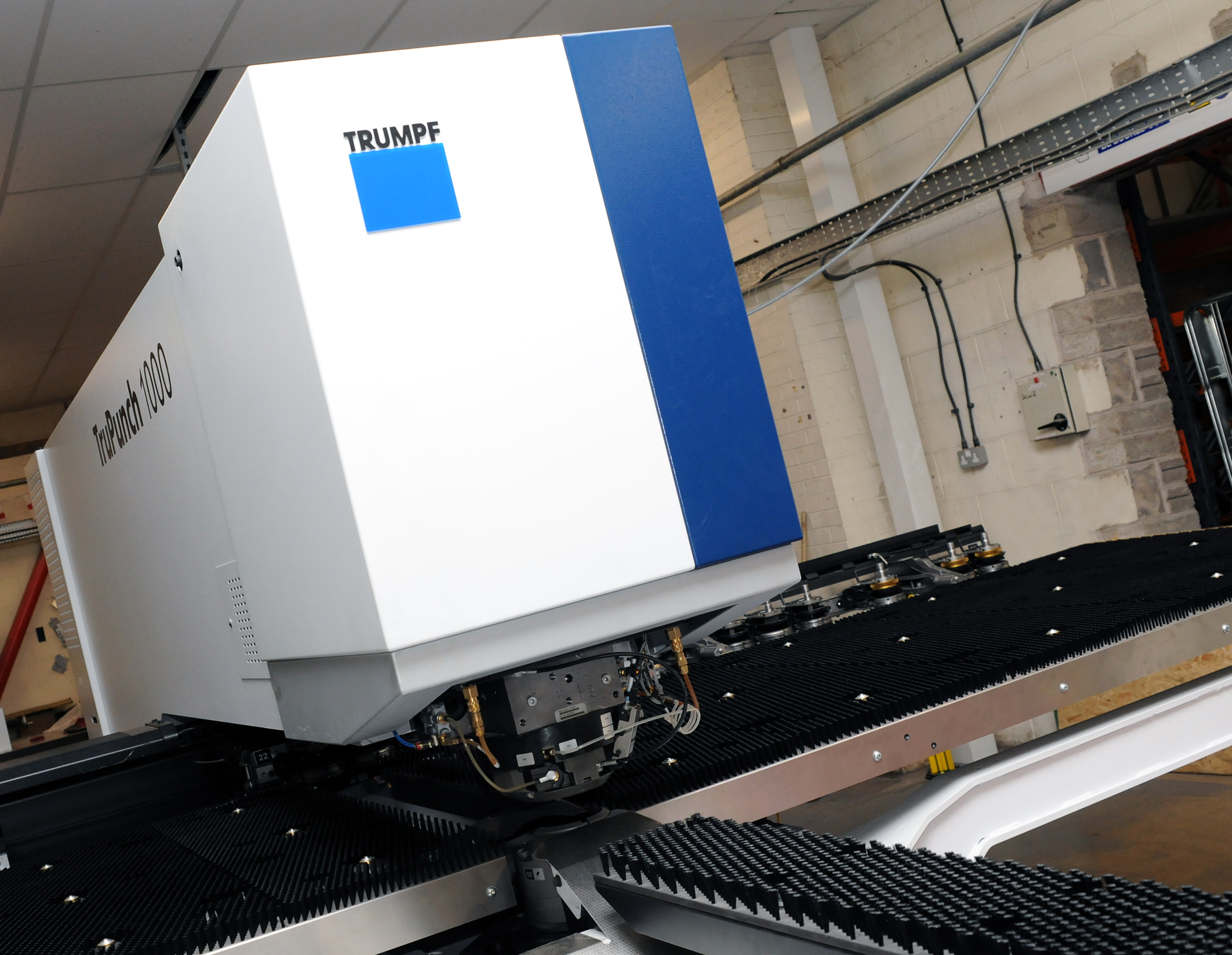
We have invested in a new £1/4m TRUMPF CNC metal punch as part of an asset renewal strategy for our UK manufacturing capability. The new machine will be used in the production of a wide variety of our power distribution systems and workstation power products at our Rotherham factory. Suitable for handling sheet metal between 0.9mm and 3.0mm thick, the new machine will replace one...

Read more
CMD CATALOGUE PROVIDES TECHNICAL POWER DISTRIBUTION GUIDE

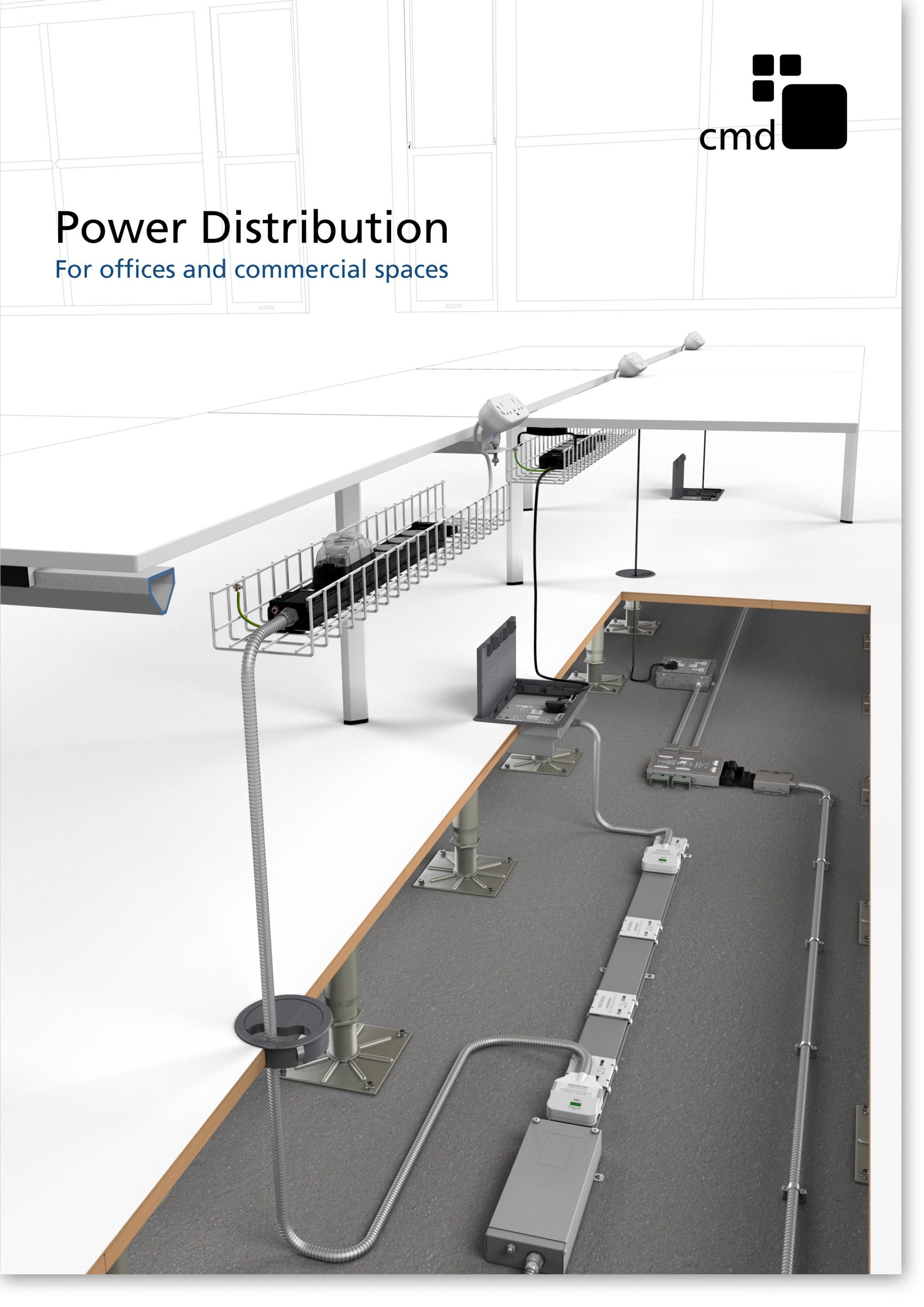
CMD Ltd has released a new catalogue, providing an easy to follow technical guide to our power distribution systems and plug and play desk modules. Detailing CMD’s full range of UK-manufactured power distribution systems and plug and play desk modules, the catalogue will be a helpful source of information to M&E engineers and contractors alike to understand how our power distribution systems connect together and...

Read more
Power Distribution Catalogue
CMD Ltd PLAYS ESSENTIAL ROLE IN ELECTRICAL FIT OUT AT LONDON’S PRESTIGIOUS OFFICE DEVELOPMENT

CMD Ltd, specialist in workplace connectivity and ergonomic solutions, has provided a flexible and high-quality power distribution network for The Ray, a prestigious office development in London’s Farringdon. Well-known for being the former site of The Guardian newspaper, The Ray now stands as an 83,000ft² office development characterised by a modernised warehouse aesthetic, with level two now occupied by a global social media company. The...

Read more

The Ray
CMD plugs in to european opportunity with Schuko Capsule unit launch

CMD Ltd, the specialist in power and connectivity solutions for commercial environments, has launched a Schuko version of its popular fixed format Capsule workstation power module for export to mainland Europe and beyond. A popular on desk power module comprising two sockets and dual USB (type A and C) chargers, CMD’s Capsule unit is already widely specified in the UK as an off-the-shelf workstation power...

Read more

CMD White Schuko Capsule Desk Power Module
CMD LTD EXTENDS MONITOR ARM RANGE WITH THE LAUNCH OF REACH PLUS

CMD Ltd, the specialist in ergonomic and connectivity solutions for commercial interiors, has completed its Reach monitor arm range with the launch of the Reach Plus. Available in single or dual screen options, the Reach Plus has been designed to provide an ideal solution for both single and dual screen workstation configurations, or can be used with next generation of large format curved screens. Suitable...

Read more

CMD Ltd DEMONSTRATES THE ART OF POWER DISTRIBUTION AT THE UNIVERSITY OF WARWICK

CMD Ltd, the specialist in workplace connectivity and ergonomic solutions, has provided Betatrak busbar power distribution and a range of electrical accessories for two major capital investment projects at the University of Warwick. Designed by Fielden Clegg Bradley Studios, the £33 million Faculty of Arts building is a showpiece development comprising four interconnected structures set around a central atrium, which will enable inter-disciplinary collaboration across...

Read more

University of Warwick
CMD BRINGS HARMONY TO COVENTRY UNIVERSITY RESEARCH FACILITIES

CMD Ltd, the specialist in power distribution solutions and workstation power and ergonomics, has provided under desk and on desk power modules for the refurbishment of three Coventry University research buildings. Located on Coventry University Technology Park, a business park designed to encourage collaboration between the university and knowledge-based businesses, the three buildings are being repurposed as office accommodation for university research teams. The refurbishment...

Read more

Coventry University

Why Choose Flour Pouch Packaging for Global Buyers?

Why Choose Flour Pouch Packaging for Global Buyers?

Global flour trade demands packaging that protects quality across long distances, changing climates, and repeated handling. The Food and Agriculture Organization reported global cereal production near 2.85 billion tonnes in 2024. That scale creates pressure on mills, exporters, and retailers to reduce losses without increasing unnecessary material use.

A well-designed Flour Pouch can provide a practical balance. Its laminated structure may resist moisture, oxygen, punctures, and dusty warehouse conditions. Strong heat seals help protect fine flour during container transport. Flat surfaces also improve pallet stability and shelf presentation. Smithers’ The Future of Flexible Packaging to 2028 forecasts continued growth in flexible packaging, driven by lightweight formats, convenience, and material efficiency. The report also highlights recycling challenges. Important detail.

Alison Keane, former president and CEO of the Flexible Packaging Association, stated, “Flexible packaging uses less material, energy, and water than rigid packaging.” This principle explains its appeal to global buyers. Lower package weight can support freight efficiency. Compact rolls and pouches may also reduce storage volume before filling.

Still, no pouch solves every problem. Multi-layer structures can complicate recycling. Barrier performance may decline when specifications are chosen poorly. Buyers should request migration documentation, seal-strength testing, moisture-barrier data, and food-contact compliance records. They should also test filled samples under realistic shipping conditions.

The best Flour Pouch is not simply the lightest option. It is the format that protects flour reliably, communicates quality clearly, and supports responsible end-of-life planning. That requires evidence, not attractive claims.

Why Choose Flour Pouch Packaging for Global Buyers?

What Is Flour Pouch Packaging and How Does It Work?

Flour pouch packaging is a flexible container made from laminated film, paper, or recyclable barrier materials. It protects flour from moisture, dust, light, and handling damage. The pouch usually includes a wide opening, a heat-sealed edge, and a flat bottom for shelf stability. Some formats use a zipper, but fine flour can collect inside the track and reduce closure performance.

During production, flour is measured into the pouch through an automated filling machine. The machine removes excess air when required, then seals the top with controlled heat and pressure. Operators check seal strength, pouch weight, dimensions, and print clarity.

A small leak can allow humidity inside. That matters because flour may clump before the package looks damaged.

For global buyers, pouch construction should match the transport route and storage conditions. A thicker barrier layer may help during long sea shipments, while a lighter structure can reduce material use. Packaging teams often test filled pouches by dropping, stacking, and storing them in warm, humid conditions. These tests reveal practical weaknesses. Still, no pouch design is perfect. A strong package can fail when sealing temperature, filling speed, or warehouse handling is poorly controlled. Buyers should request food-contact documentation, migration information, and quality records from the packaging supplier. Local recycling systems also deserve attention, because a technically recyclable pouch may not be accepted everywhere.

Which Materials and Designs Are Used for Flour Pouches?

Flour pouches combine practical materials with efficient designs for global buyers. The Flexible Packaging Association reported U.S. flexible packaging sales of about $39.5 billion in 2022. This scale reflects strong demand for lightweight, adaptable formats. Common structures include kraft paper with PE lining, woven PP, and laminated PET/PE films. Paper gives a natural surface and print quality. Plastic layers improve moisture resistance. Important for flour.

Some designs use flat-bottom bags for shelf stability and stronger pallet stacking. Stand-up pouches offer easier handling, but their shape may reduce warehouse efficiency. Resealable zippers help control humidity after opening. Heat-sealed tops provide stronger protection during long-distance transport. High-barrier films can limit oxygen and water vapor, although they may complicate recycling. The design is not perfect. A cheaper pouch can create higher product losses.

Tips: Match the material to flour type, filling weight, climate, and transport time. Test drop strength, seal performance, and moisture protection before ordering large volumes. FAO estimates that 14% of food is lost between harvest and retail. Better packaging can reduce some losses, but it cannot repair poor storage practices. Include clear batch information, handling instructions, and readable measurement panels. Small details matter.

Why Choose Flour Pouch Packaging for Global Buyers? - Which Materials and Designs Are Used for Flour Pouches?

Pouch Material or Design Typical Structure Main Packaging Functions Advantages for Global Buyers Important Considerations Common Flour Applications
Kraft Paper Laminate Pouch Paper outer layer combined with polyethylene or another heat-sealable inner layer Printability, stiffness, product containment and heat sealing Natural appearance, strong shelf appeal and good compatibility with printed product information The paper layer does not by itself provide a complete moisture barrier; recycling depends on the final composite structure and local facilities All-purpose flour, baking flour and specialty baking mixes
PE Monomaterial Pouch One polyethylene-based film family, often using a sealable PE layer and printed outer surface Moisture protection, flexible packaging and reliable heat sealing Lightweight, durable and potentially easier to sort for recycling where PE film collection is available Recyclability is not automatic; local collection, sorting and accepted film specifications must be checked Retail flour, private-label flour and refill-oriented formats
PET/PE Laminated Pouch Polyester outer film laminated to polyethylene sealing film High-quality graphics, puncture resistance and secure sealing Suitable for demanding transport routes and high-resolution product presentation A multi-material laminate is generally more difficult to recycle than a compatible single-polymer pouch Premium flour, organic flour and export-oriented retail packs
BOPP/PE Pouch Biaxially oriented polypropylene outer film with polyethylene inner sealing film Surface protection, strong graphics and heat sealing Good clarity or gloss options, efficient filling performance and broad printing capability The combined PP and PE structure may require specialized recycling routes; seal strength must be validated for fine powders Standard wheat flour, corn flour and blended baking products
PET/Aluminum Foil/PE Pouch Polyester outer layer, thin aluminum foil barrier and polyethylene sealing layer High barrier against light, oxygen and moisture Useful for long supply chains and products requiring enhanced protection from external conditions Higher material complexity and cost; not normally compatible with standard flexible-plastic recycling systems Fortified flour, specialty flour and long-distance export formats
Stand-Up Pouch Flexible laminated or monomaterial film with a bottom gusset Upright shelf display, efficient storage and convenient handling Attractive retail presentation and efficient use of shelf space compared with rigid containers The gusset and seal areas must be engineered to support the product weight and prevent powder leakage Small and medium retail packs, premium flour and baking ingredients
Flat Pouch or Three-Side-Seal Bag Flexible film sealed along three edges, with the filling opening sealed afterward Simple construction, compact packing and efficient material use Suitable for automated filling and economical for lighter product quantities It does not stand independently and may offer less convenient storage after opening Sample packs, small flour portions and baking premixes
Quad-Seal or Block-Bottom Pouch Four sealed corners or a structured bottom made from paper-based or flexible laminated materials Stability, vertical display, load distribution and high-volume packing Provides a bag-like appearance with strong shelf presence and good use of warehouse space More seals and folds require careful testing for dust contamination, seal integrity and filling-line compatibility Large retail packs, foodservice flour and wholesale portions
Buyer checklist: Confirm the required pack weight, moisture protection, seal strength, filling equipment, transport conditions, labeling rules and end-of-life requirements in the destination market. Recyclability claims should be based on the complete pouch structure and the availability of suitable local collection and recycling infrastructure.

How Do Flour Pouches Protect Flour During Global Shipping?

Flour faces several risks before it reaches a global buyer. Humidity can enter through weak seals, while vibration may create tiny leaks. A well-designed flour pouch uses layered film to resist moisture, oxygen, and abrasion. The inner food-contact layer helps keep flour clean and dry. The outer layer withstands rubbing against cartons, pallets, and nearby bags. It also reduces exposure to light and sudden temperature changes.

Strong heat seals are critical during long sea and road shipments. A clean sealing area prevents flour dust from weakening the closure. Pouches with suitable thickness can handle stacking pressure without splitting easily. Their flexible shape also fills empty spaces better than rigid containers. Less movement inside the carton means fewer punctures. Small details matter here. Overfilling, however, can stretch the seal and increase failure risk. This is an easy mistake to overlook.

Practical inspections should include seal checks, drop testing, and visual inspection under bright light. A slight wrinkle near the seal may deserve another test. Buyers can also request moisture-barrier data, film thickness, and packing specifications. These details make quality decisions more reliable. No pouch can prevent every shipping problem. Sharp pallet edges, rough handling, or incorrect stacking can still cause damage. That limitation is worth admitting, because packaging performance depends on the entire shipping system.

What Cost and Sustainability Benefits Do Flour Pouches Offer?

Why Choose Flour Pouch Packaging for Global Buyers?

What Cost and Sustainability Benefits Do Flour Pouches Offer?

Flour pouches can reduce packaging weight without sacrificing product protection. A lighter pack usually needs less material and lowers freight costs. It also takes less warehouse space than rigid containers of similar capacity. For exporters, this can improve pallet efficiency and reduce handling pressure at busy distribution centers. Small gains matter across thousands of units.

Sustainability depends on the pouch structure, not its appearance. Paper-based outer layers can support renewable material goals when sourced responsibly. A suitable inner barrier helps resist moisture, dust, and accidental tearing during long-distance transport. Some pouch formats also use fewer components than traditional bags with separate closures. Less material can mean less waste, but only when the design remains strong enough for real shipping conditions.

The trade-off is real. Laminated films may protect flour well, yet recycling them can be difficult in many regions. Buyers should check local collection systems, material labels, and supplier test data before making environmental claims. Cost calculations should include filling speed, sealing performance, damage rates, and disposal fees. A cheap pouch that splits during unloading is not truly economical. This is where practical trials help: fill samples, stack them, expose them to humidity, and inspect the seams. The result may challenge expectations. That is useful information.

How Should Global Buyers Select a Flour Pouch Supplier?

Global buyers should choose a flour pouch supplier by evidence, not attractive artwork.

FAO Food Outlook 2024 forecast global wheat production at about 789 million tonnes for 2024/25. That scale makes dependable packaging capacity important. Ask for resin, film, ink, and adhesive declarations for food contact use. Request batch-level traceability, migration testing, and a recent audit record. ISO 22000 certification helps, but it does not replace site verification.

Supplier selection should match pouch structure to flour conditions.

A laminated pouch may need moisture and oxygen barriers, reliable seals, and filling-line compatibility. Ask for WVTR and OTR values, seal-strength results, and drop-test records. Test filled pouches after heat, humidity, stacking, and transport. A zipper can improve household use, yet add cost and failure points. Samples must run on actual filling equipment. Desk samples can mislead.

Compare MOQ, lead time, tooling charges, replenishment capacity, and Incoterms in one landed-cost model. The World Bank’s What a Waste 2.0 estimates 2.01 billion tonnes of municipal waste annually, rising to 3.40 billion by 2050. Material reduction deserves attention, but thinner film is not automatically better. UNEP’s Turning off the Tap report says plastic pollution could fall 80% by 2040 with existing solutions. Ask suppliers for downgauging trials, recyclability evidence, and realistic recovery limits in destination markets. In production reviews, specifications often fail when humidity is ignored. That mistake is easy to repeat. A documented pilot order is safer than a large first shipment.