

News

Miro: A New Standard in Responsible Innovation

Miro: A New Standard in Responsible Innovation The Miro monitor arm is setting new benchmarks in sustainability. It offers a high-performance solution without compromising on environmental responsibility. Designed with careful material selection, local sourcing, and longevity in mind, Miro’s responsible approach to design and unique manoeuvrability set it apart from the competition. Sustainable Choices Miro is crafted from energy-efficient materials with a lower carbon impact....

Read more
HSE Advisor

Role Purpose Support in the development, implementation and maintenance of the company’s Health, Safety & Environmental policies, processes, operational procedures, and standards.  Ensuring best practice and championing a continually improving HSE culture within the business. Key Responsibilities Liaise with and provide support to all areas of the business to eliminate, mitigate or reduce identified HSE exposures. Partner with the production management team and team leaders,...

Read more
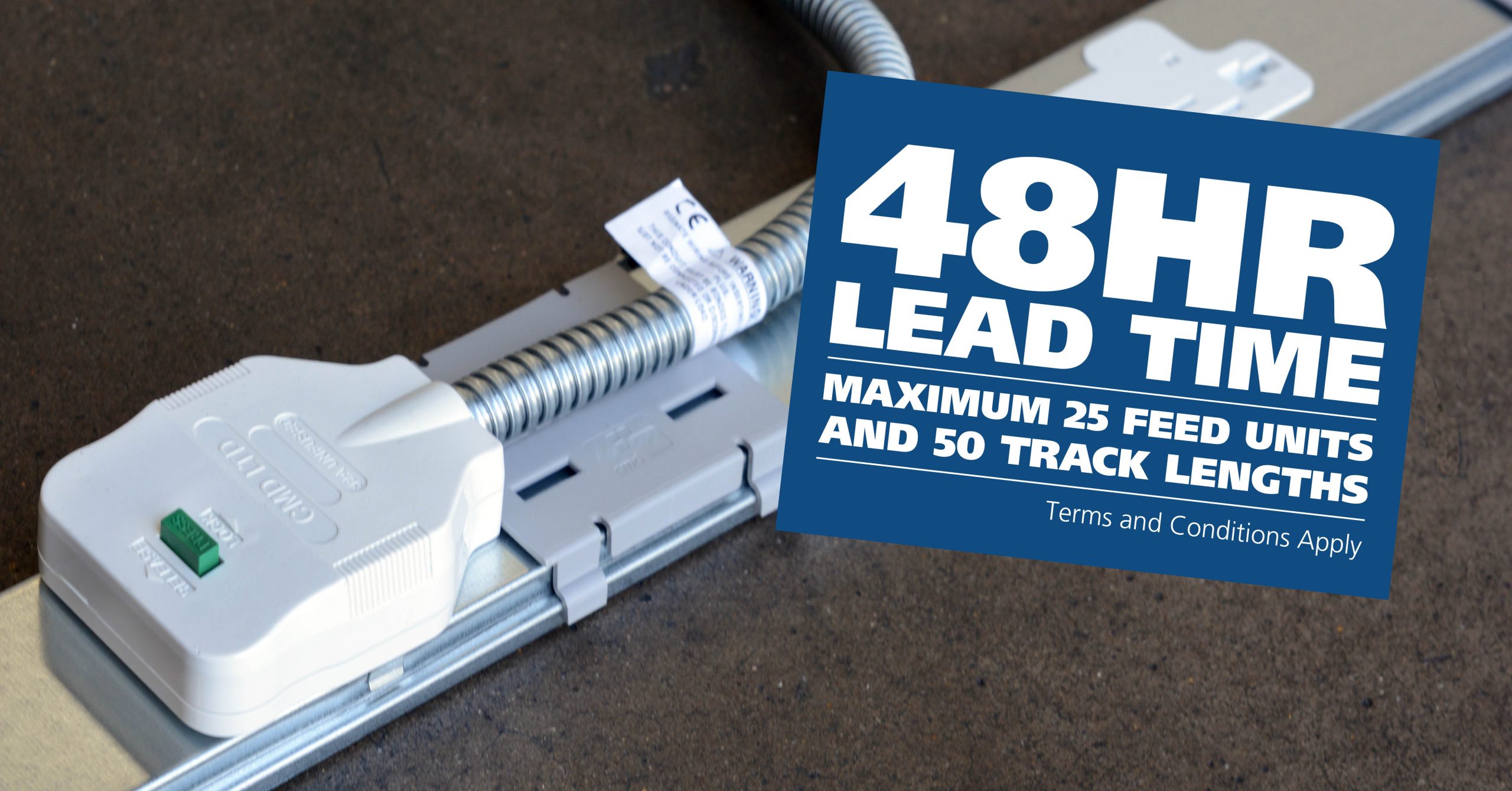
CMD Ltd LAUNCHES 48-HOUR TURNAROUND ON BETATRAK® RAPID ORDERING SERVICE

CMD Ltd, the specialist in power distribution systems, workstation power and monitor arms, has launched a rapid ordering service for its Betatrak® underfloor powertrack distribution systems and accessories, with a commitment to delivering within 48-hours of an approved purchase order*. The service enables customers to order up to 50 lengths of Standard or Clean Earth (C/E) low noise Betatrak, along with up to 25 feed...

Read more
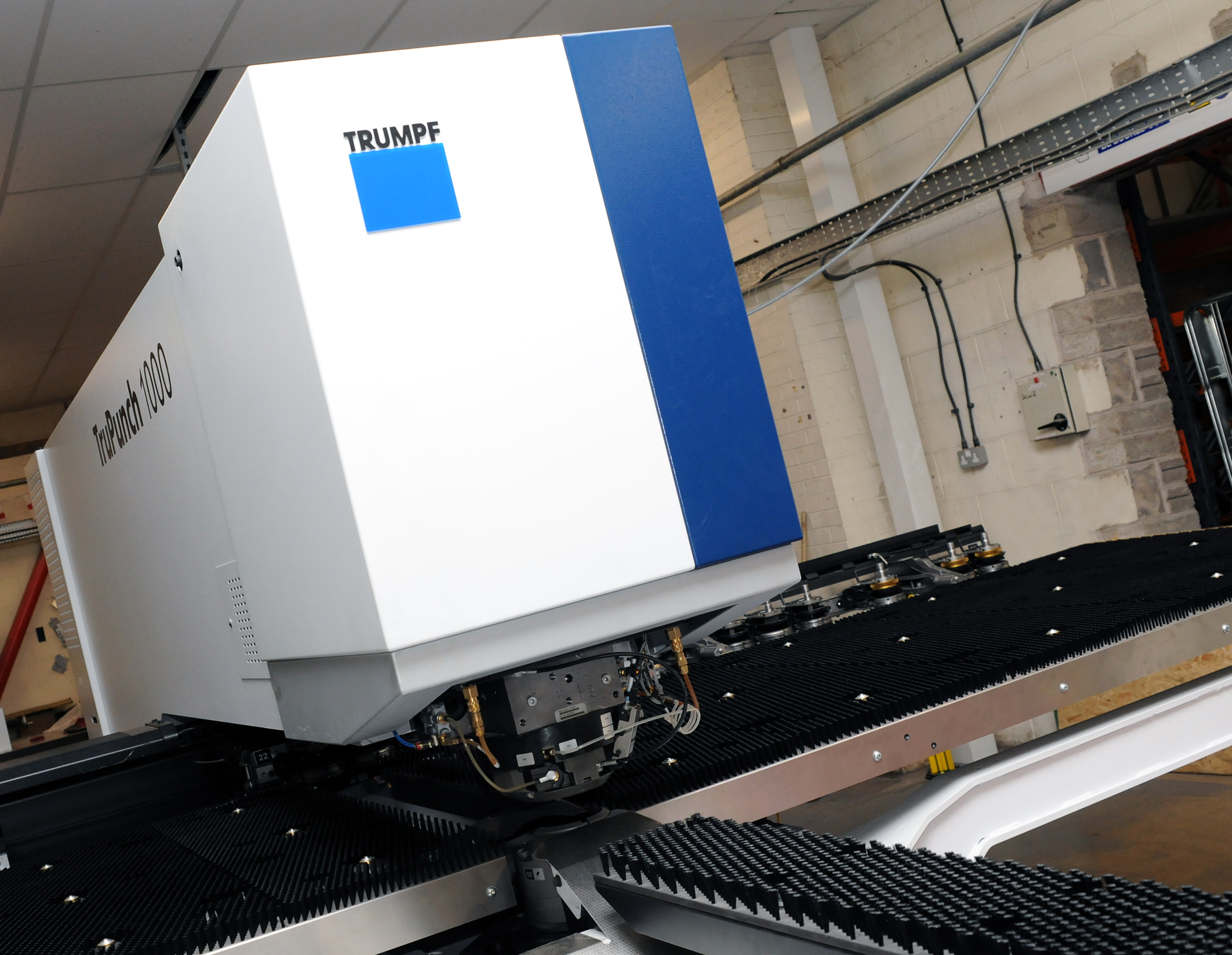
CMD INVESTS £1/4 MILLION IN NEW MACHINE AS PART OF FACTORY UPGRADE

We have invested in a new £1/4m TRUMPF CNC metal punch as part of an asset renewal strategy for our UK manufacturing capability. The new machine will be used in the production of a wide variety of our power distribution systems and workstation power products at our Rotherham factory. Suitable for handling sheet metal between 0.9mm and 3.0mm thick, the new machine will replace one...

Read more
CMD CATALOGUE PROVIDES TECHNICAL POWER DISTRIBUTION GUIDE

CMD Ltd has released a new catalogue, providing an easy to follow technical guide to our power distribution systems and plug and play desk modules. Detailing CMD’s full range of UK-manufactured power distribution systems and plug and play desk modules, the catalogue will be a helpful source of information to M&E engineers and contractors alike to understand how our power distribution systems connect together and...

Read more
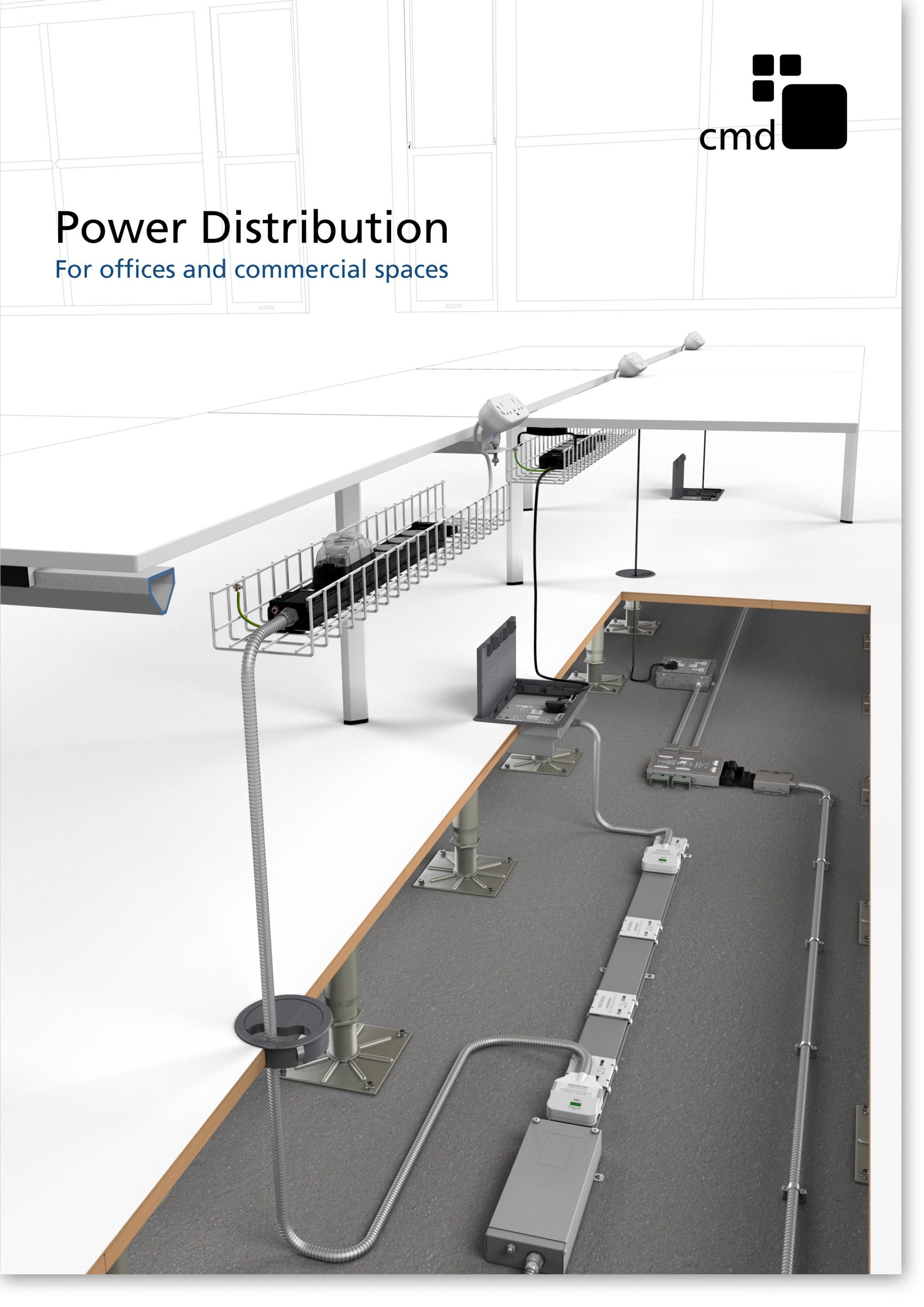
Power Distribution Catalogue
CMD Ltd PLAYS ESSENTIAL ROLE IN ELECTRICAL FIT OUT AT LONDON’S PRESTIGIOUS OFFICE DEVELOPMENT

CMD Ltd, specialist in workplace connectivity and ergonomic solutions, has provided a flexible and high-quality power distribution network for The Ray, a prestigious office development in London’s Farringdon. Well-known for being the former site of The Guardian newspaper, The Ray now stands as an 83,000ft² office development characterised by a modernised warehouse aesthetic, with level two now occupied by a global social media company. The...

Read more

The Ray
CMD plugs in to european opportunity with Schuko Capsule unit launch

CMD Ltd, the specialist in power and connectivity solutions for commercial environments, has launched a Schuko version of its popular fixed format Capsule workstation power module for export to mainland Europe and beyond. A popular on desk power module comprising two sockets and dual USB (type A and C) chargers, CMD’s Capsule unit is already widely specified in the UK as an off-the-shelf workstation power...

Read more
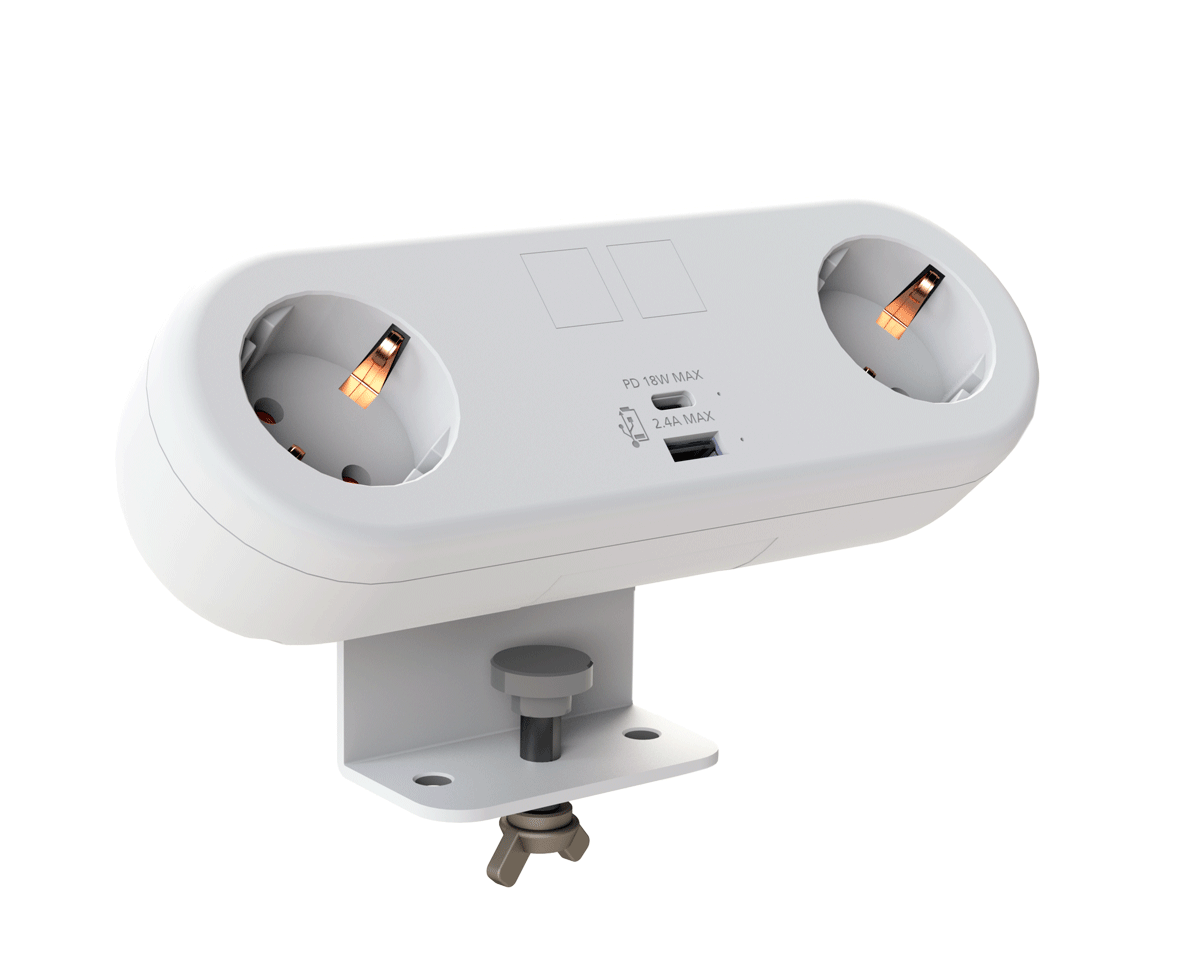
CMD White Schuko Capsule Desk Power Module
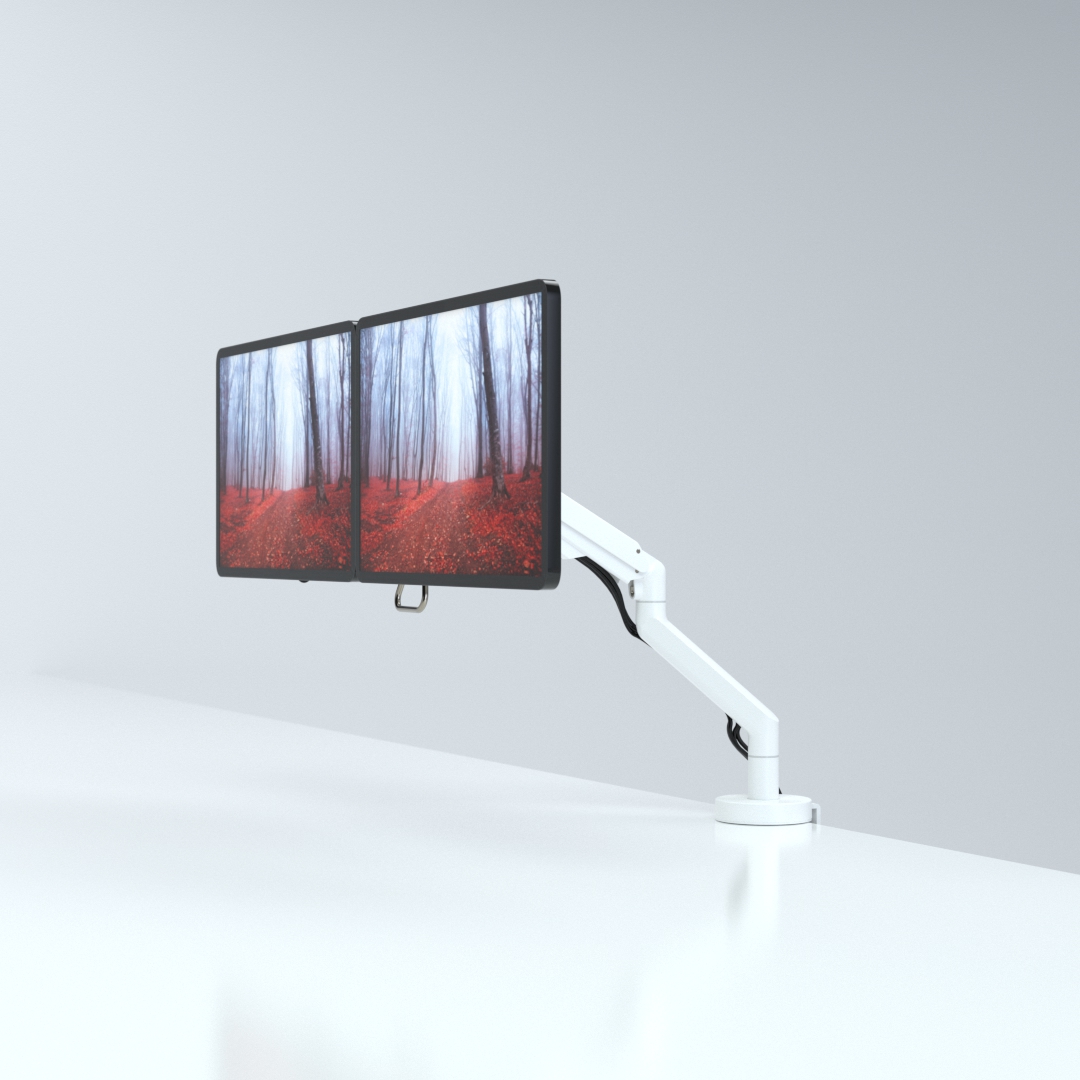
CMD LTD EXTENDS MONITOR ARM RANGE WITH THE LAUNCH OF REACH PLUS

CMD Ltd, the specialist in ergonomic and connectivity solutions for commercial interiors, has completed its Reach monitor arm range with the launch of the Reach Plus. Available in single or dual screen options, the Reach Plus has been designed to provide an ideal solution for both single and dual screen workstation configurations, or can be used with next generation of large format curved screens. Suitable...

Read more
CMD Ltd DEMONSTRATES THE ART OF POWER DISTRIBUTION AT THE UNIVERSITY OF WARWICK

CMD Ltd, the specialist in workplace connectivity and ergonomic solutions, has provided Betatrak busbar power distribution and a range of electrical accessories for two major capital investment projects at the University of Warwick. Designed by Fielden Clegg Bradley Studios, the £33 million Faculty of Arts building is a showpiece development comprising four interconnected structures set around a central atrium, which will enable inter-disciplinary collaboration across...

Read more

University of Warwick
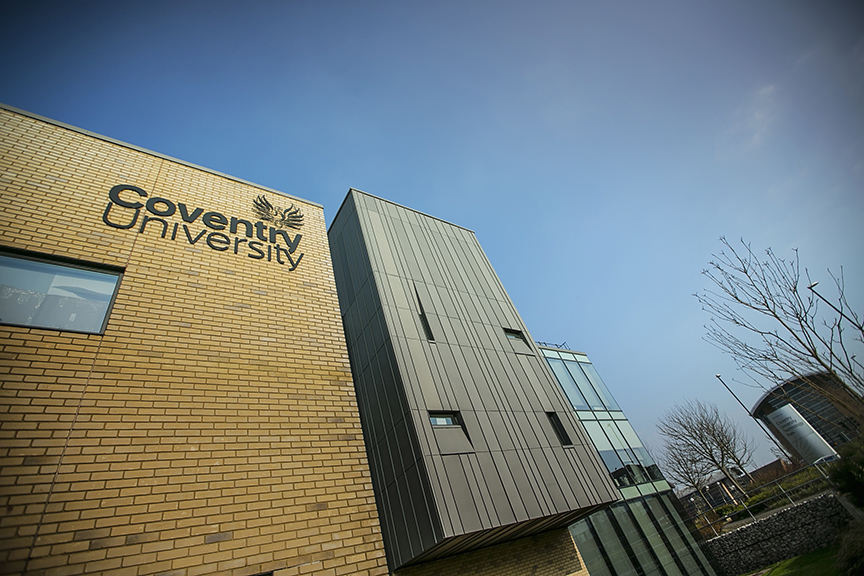
CMD BRINGS HARMONY TO COVENTRY UNIVERSITY RESEARCH FACILITIES

CMD Ltd, the specialist in power distribution solutions and workstation power and ergonomics, has provided under desk and on desk power modules for the refurbishment of three Coventry University research buildings. Located on Coventry University Technology Park, a business park designed to encourage collaboration between the university and knowledge-based businesses, the three buildings are being repurposed as office accommodation for university research teams. The refurbishment...

Read more
Coventry University

Why Choose an HDD Machine for Global Projects?

Global infrastructure projects face hard ground, long distances, and strict schedule pressure. In this environment, an HDD machine can offer a controlled way to install utilities beneath roads, rivers, railways, and developed sites. Horizontal directional drilling reduces open excavation, helping protect traffic flow, landscaping, and existing surfaces. It also supports projects where surface disruption could create serious community and commercial costs.

Choosing equipment requires more than comparing engine power or drilling diameter. Contractors should examine soil reports, bore length, entry space, fluid management, tracking accuracy, and local service capacity. A machine that performs well in soft clay may struggle in cobbles or fractured rock. Experienced teams match the rig, tooling, drilling fluid, and locating system to actual ground conditions. They also verify operator training, spare-part access, fuel requirements, and regional safety expectations before mobilization. Small details matter. A delayed sensor can stop an entire spread.

Global work is rarely predictable. Weather changes. Ground records can be incomplete. Even a carefully designed bore may need adjustment after the pilot head meets unexpected material. Therefore, the largest HDD machine is not always the best choice. Reliability, maintainability, documented performance, and responsive technical support may deliver greater value across several countries and seasons. This article explores these practical considerations while recognizing an uncomfortable truth: no machine removes project risk. Good planning only makes risk more visible, measurable, and manageable.

Why Choose an HDD Machine for Global Projects?

What Is an HDD Machine and How Does It Work?

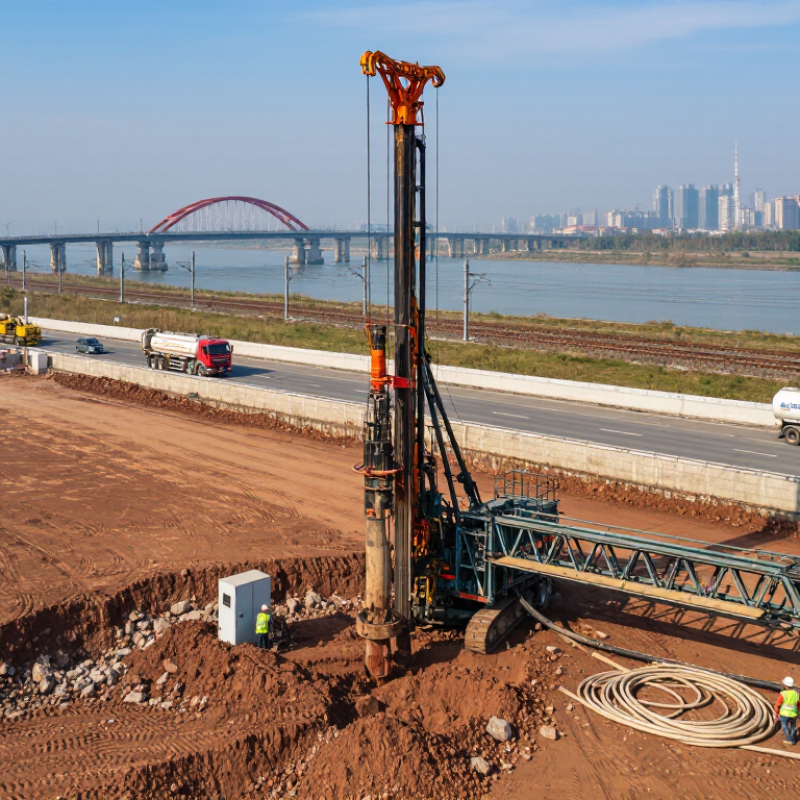
An HDD machine, or horizontal directional drilling machine, installs underground pipes and cables with limited surface excavation. It works from a compact entry area, often beside a road or river. A drill head creates a guided pilot bore beneath the obstacle. Operators then enlarge the bore with a reamer and pull the product pipe through it. That sounds simple. It is not.

The operator steers the drill head by reading its depth, pitch, and direction. Drilling fluid cools the head, carries soil away, and helps stabilize the bore. According to the U.S. Federal Highway Administration’s Horizontal Directional Drilling Good Practices Guidelines, successful work depends on ground investigation, accurate alignment, fluid control, and pullback planning. A small deviation can become expensive after several hundred meters. This is where field experience matters.

HDD can reduce road closures, spoil removal, and surface restoration. The European Commission reports that construction and demolition waste represents more than one-third of waste generated in the European Union. Less open excavation may reduce this burden, but the benefit is not automatic. Rock, groundwater, unstable soil, and poor utility records can change the method completely. A machine may look powerful on site. It still needs a realistic bore plan, careful tracking, and time for unexpected ground conditions.

Which Ground Conditions Suit HDD Machine Applications?

Ground conditions determine whether an HDD machine performs smoothly or struggles underground. Cohesive clay usually offers stable bore walls and predictable steering. Firm silt can also work, but groundwater may soften it quickly. Loose sand needs careful drilling-fluid control. Otherwise, the bore may collapse before pipe installation.

The Federal Highway Administration’s Horizontal Directional Drilling Good Practices Guidelines emphasize soil investigation before equipment selection. Field teams should review bore logs, groundwater levels, grain size, and rock strength. ASTM F1962 also links design decisions to soil conditions, drilling fluid behavior, and pullback loads. In practical work, a 1% pilot-hole deviation limit is often specified for controlled installations. Small errors become serious near roads, rivers, or existing utilities. That part is easy to underestimate.

HDD machines are less suitable for uncontrolled cobbles, fractured rock, karst voids, or mixed layers with sudden changes. Hard rock can still be drilled with suitable cutters and torque, but progress may slow sharply. The 2023 U.S. Geological Survey groundwater assessment data shows why water conditions matter: aquifer materials vary greatly in permeability and storage. A sandy aquifer may accept fluid rapidly, while dense clay may retain pressure. I have seen projects where the soil report looked adequate, yet unexpected gravel changed the drilling plan overnight. Better investigation helps, but it never removes uncertainty. A test bore, real-time pressure monitoring, and conservative pullback calculations remain valuable.

How Do HDD Machines Support Global Project Efficiency?

Why Choose an HDD Machine for Global Projects?

Horizontal directional drilling machines support global project efficiency by reducing surface disruption and shortening installation routes. Crews can place utility lines beneath roads, railways, rivers, and landscaped areas without opening a continuous trench. This protects traffic flow and lowers restoration work. In practice, a pilot bore must follow a planned alignment, while locating systems track depth, angle, and drill-head position. Small errors can become expensive underground.

The machine also improves coordination across international project teams. Operators can adjust drilling torque, thrust, rotation speed, and fluid pressure for changing ground conditions. Rocky soil needs different control than loose sand or clay. Digital records help engineers compare planned depth with actual progress. Yet HDD is not a universal answer. Early soil assumptions can fail, and poor fluid planning may slow production. That is where experienced supervision matters.

Tips: Survey the route carefully. Confirm soil data before mobilization. Match tooling to ground conditions. Keep spare locating equipment available. Train local operators with practical demonstrations, not manuals alone. Check access space, spoil handling, water supply, and equipment maintenance before drilling begins. A compact worksite may look efficient, but limited room can complicate pipe handling. Global projects also require clear shift reports and consistent safety checks. These details seem ordinary. They often decide whether the machine saves time or creates avoidable delays.

What Factors Determine the Right HDD Machine Choice?

Choosing the right HDD machine for a global project starts with ground conditions, not machine size. Clay, sand, gravel, and fractured rock demand different cutting and steering responses. A compact rig may suit a short urban crossing, while a longer installation needs greater pullback force and torque. Bigger is not always better.

The planned pipe diameter and bore length also shape the decision. Engineers should check maximum pullback, drilling fluid capacity, rod strength, and steering accuracy together. In rocky ground, tooling compatibility matters as much as engine power. Mud recycling can reduce water use and improve bore stability, especially where disposal rules are strict. Small details matter.

Transport and local support can change the practical choice. A machine that fits through a narrow gate may save hours of preparation. Remote projects need accessible spare parts, clear maintenance procedures, and operators trained for changing soil behavior. Electrical supply, noise limits, weather, and regional safety requirements also deserve early review. Field teams sometimes select excessive capacity for reassurance, then face higher transport costs and slower setup. That choice can be wrong. A realistic risk assessment, supported by site data and verified calculations, is more dependable than relying on habit. Buried utilities, unstable entry pits, and unexpected cobbles still require contingency planning. No model removes those uncertainties.

How Are HDD Machines Used Across International Infrastructure Projects?

Horizontal directional drilling (HDD) machines support infrastructure work where open excavation is disruptive or impractical. Across international projects, crews use them beneath highways, railways, rivers, and crowded urban streets. They install fiber-optic conduits, water lines, power cables, and selected utility pipelines with limited surface disturbance.

Project conditions vary sharply between regions. A machine suitable for compact clay may struggle in fractured rock or loose sand. Experienced teams study geological reports, utility maps, groundwater levels, and local construction requirements before drilling.

Real-time tracking helps operators control depth and alignment. However, surveys can be incomplete. Unexpected boulders, undocumented cables, or changing soil layers still create serious risks. A reliable plan includes safe separation distances, drilling-fluid controls, and a practical recovery method.

Tips: Match machine torque and pullback capacity to the ground profile and installation length. Confirm local permits and utility records before mobilization. Keep communication clear between the operator, locator, engineer, and site supervisor. Small alignment errors can become expensive at the exit point. Short briefings help. Document drilling pressure, fluid returns, and location data throughout the operation. These records support quality checks and improve decisions when field conditions change. Overly confident schedules often fail, especially when weather, customs delays, or unfamiliar regulations affect international work.