

News

Miro: A New Standard in Responsible Innovation

Miro: A New Standard in Responsible Innovation The Miro monitor arm is setting new benchmarks in sustainability. It offers a high-performance solution without compromising on environmental responsibility. Designed with careful material selection, local sourcing, and longevity in mind, Miro’s responsible approach to design and unique manoeuvrability set it apart from the competition. Sustainable Choices Miro is crafted from energy-efficient materials with a lower carbon impact....

Read more
HSE Advisor

Role Purpose Support in the development, implementation and maintenance of the company’s Health, Safety & Environmental policies, processes, operational procedures, and standards.  Ensuring best practice and championing a continually improving HSE culture within the business. Key Responsibilities Liaise with and provide support to all areas of the business to eliminate, mitigate or reduce identified HSE exposures. Partner with the production management team and team leaders,...

Read more
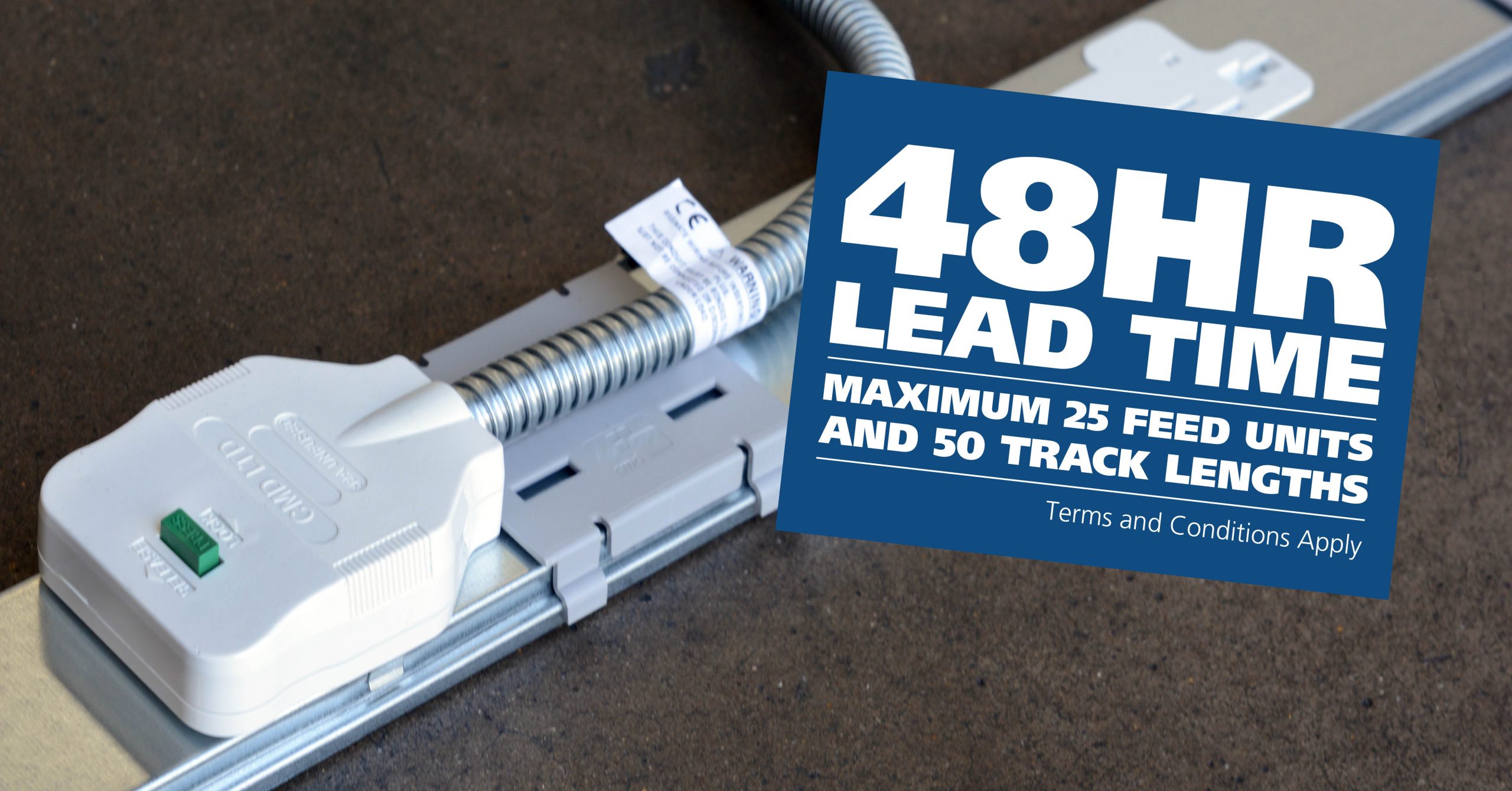
CMD Ltd LAUNCHES 48-HOUR TURNAROUND ON BETATRAK® RAPID ORDERING SERVICE

CMD Ltd, the specialist in power distribution systems, workstation power and monitor arms, has launched a rapid ordering service for its Betatrak® underfloor powertrack distribution systems and accessories, with a commitment to delivering within 48-hours of an approved purchase order*. The service enables customers to order up to 50 lengths of Standard or Clean Earth (C/E) low noise Betatrak, along with up to 25 feed...

Read more
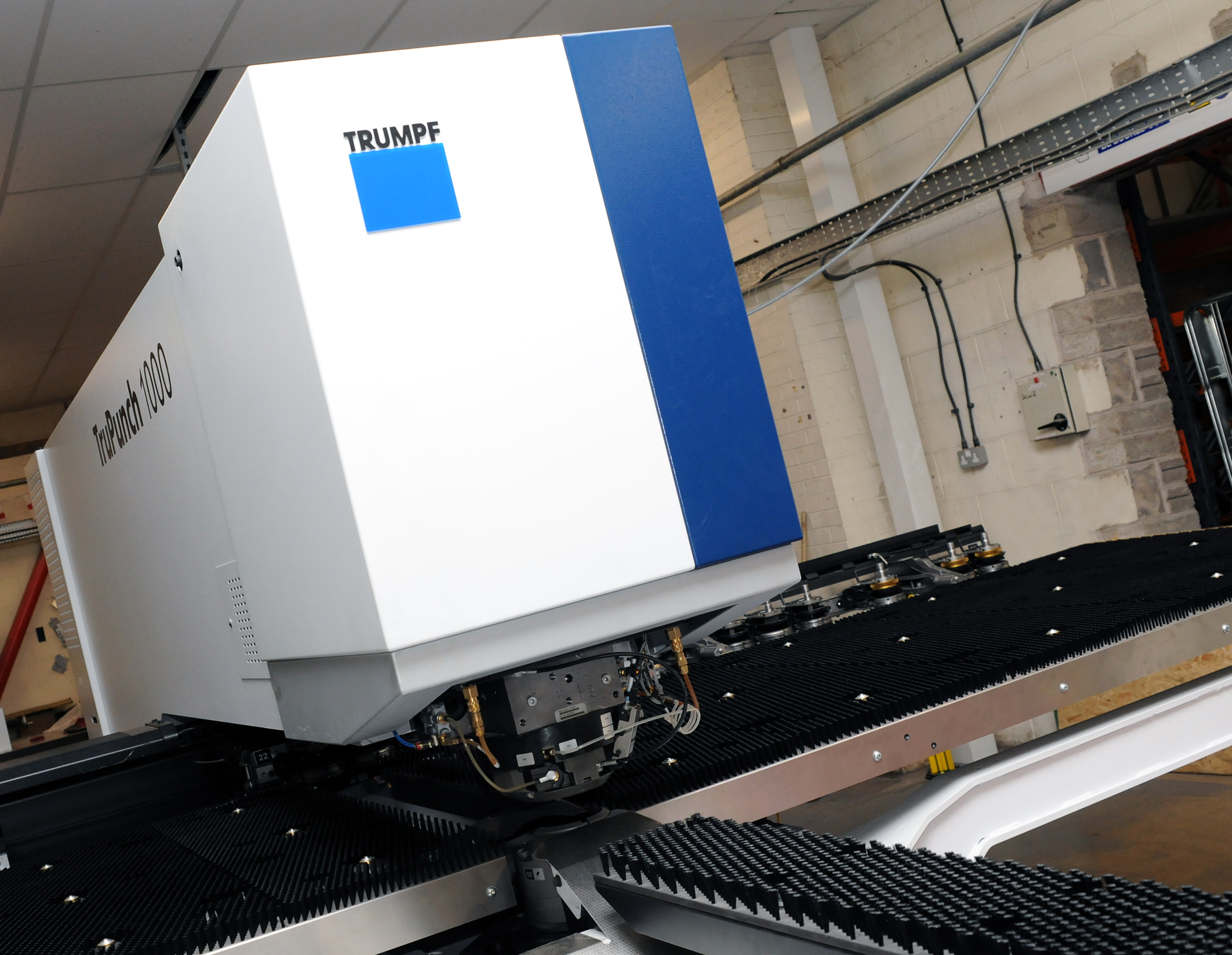
CMD INVESTS £1/4 MILLION IN NEW MACHINE AS PART OF FACTORY UPGRADE

We have invested in a new £1/4m TRUMPF CNC metal punch as part of an asset renewal strategy for our UK manufacturing capability. The new machine will be used in the production of a wide variety of our power distribution systems and workstation power products at our Rotherham factory. Suitable for handling sheet metal between 0.9mm and 3.0mm thick, the new machine will replace one...

Read more
CMD CATALOGUE PROVIDES TECHNICAL POWER DISTRIBUTION GUIDE

CMD Ltd has released a new catalogue, providing an easy to follow technical guide to our power distribution systems and plug and play desk modules. Detailing CMD’s full range of UK-manufactured power distribution systems and plug and play desk modules, the catalogue will be a helpful source of information to M&E engineers and contractors alike to understand how our power distribution systems connect together and...

Read more
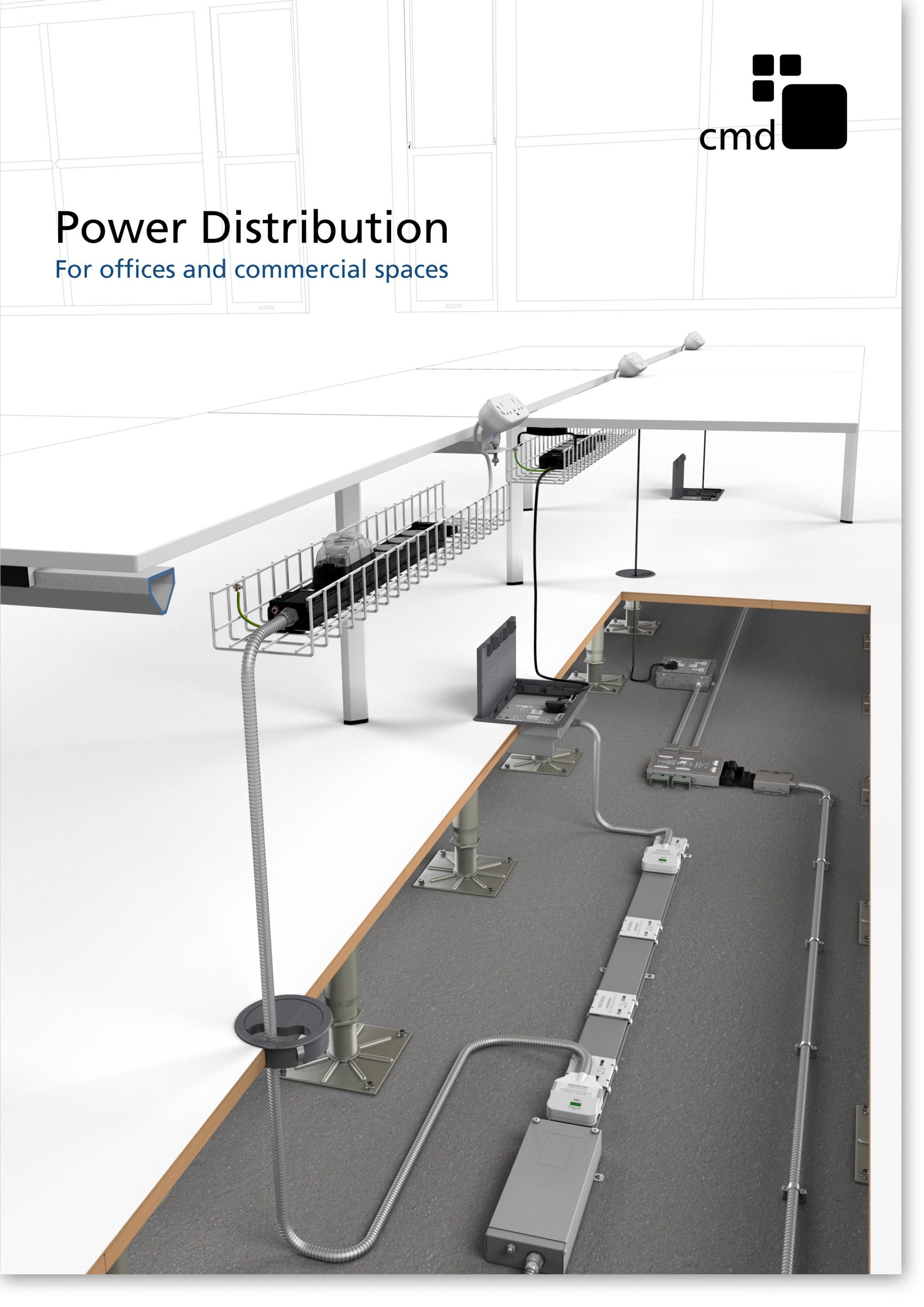
Power Distribution Catalogue
CMD Ltd PLAYS ESSENTIAL ROLE IN ELECTRICAL FIT OUT AT LONDON’S PRESTIGIOUS OFFICE DEVELOPMENT

CMD Ltd, specialist in workplace connectivity and ergonomic solutions, has provided a flexible and high-quality power distribution network for The Ray, a prestigious office development in London’s Farringdon. Well-known for being the former site of The Guardian newspaper, The Ray now stands as an 83,000ft² office development characterised by a modernised warehouse aesthetic, with level two now occupied by a global social media company. The...

Read more

The Ray
CMD plugs in to european opportunity with Schuko Capsule unit launch

CMD Ltd, the specialist in power and connectivity solutions for commercial environments, has launched a Schuko version of its popular fixed format Capsule workstation power module for export to mainland Europe and beyond. A popular on desk power module comprising two sockets and dual USB (type A and C) chargers, CMD’s Capsule unit is already widely specified in the UK as an off-the-shelf workstation power...

Read more
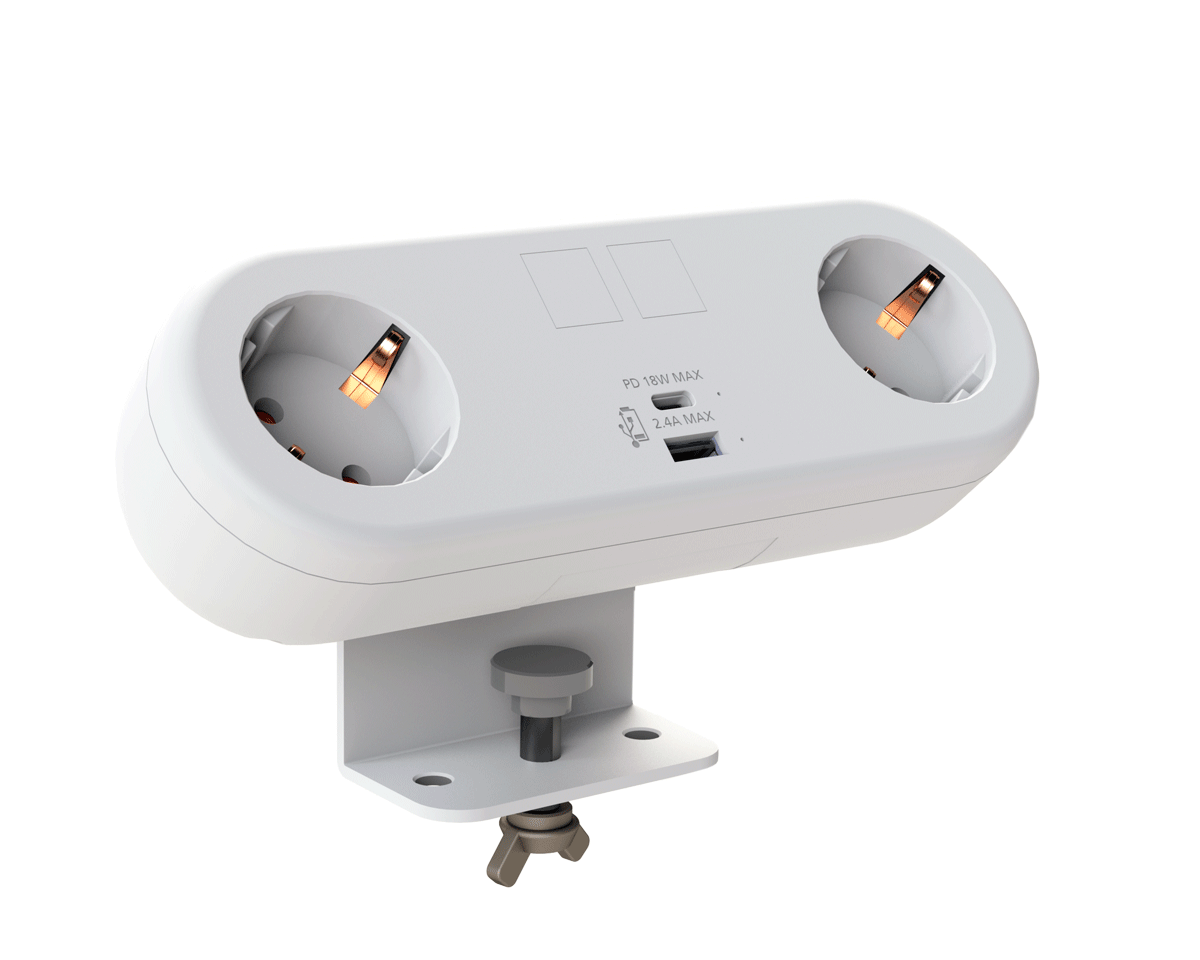
CMD White Schuko Capsule Desk Power Module
CMD LTD EXTENDS MONITOR ARM RANGE WITH THE LAUNCH OF REACH PLUS

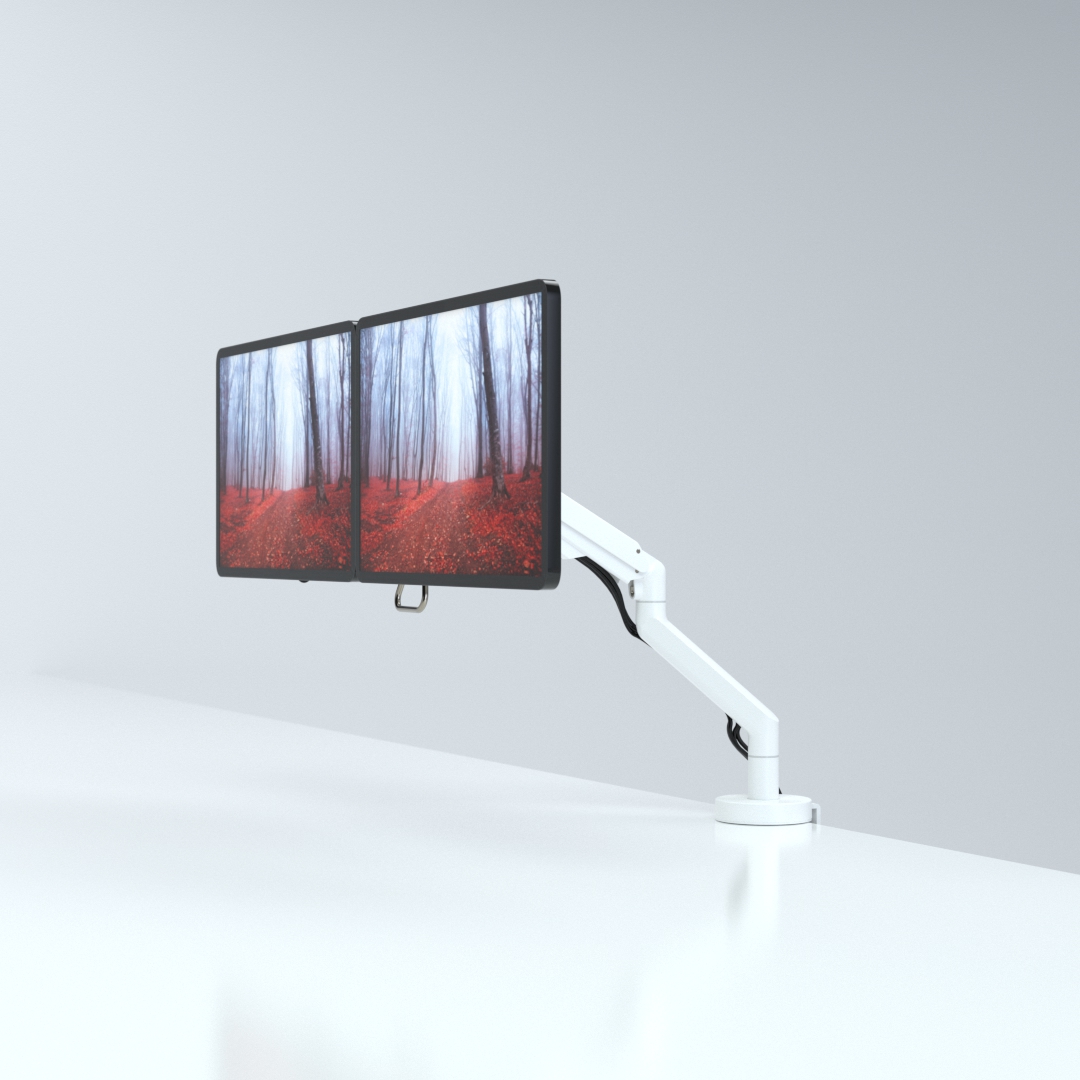
CMD Ltd, the specialist in ergonomic and connectivity solutions for commercial interiors, has completed its Reach monitor arm range with the launch of the Reach Plus. Available in single or dual screen options, the Reach Plus has been designed to provide an ideal solution for both single and dual screen workstation configurations, or can be used with next generation of large format curved screens. Suitable...

Read more
CMD Ltd DEMONSTRATES THE ART OF POWER DISTRIBUTION AT THE UNIVERSITY OF WARWICK

CMD Ltd, the specialist in workplace connectivity and ergonomic solutions, has provided Betatrak busbar power distribution and a range of electrical accessories for two major capital investment projects at the University of Warwick. Designed by Fielden Clegg Bradley Studios, the £33 million Faculty of Arts building is a showpiece development comprising four interconnected structures set around a central atrium, which will enable inter-disciplinary collaboration across...

Read more

University of Warwick
CMD BRINGS HARMONY TO COVENTRY UNIVERSITY RESEARCH FACILITIES

CMD Ltd, the specialist in power distribution solutions and workstation power and ergonomics, has provided under desk and on desk power modules for the refurbishment of three Coventry University research buildings. Located on Coventry University Technology Park, a business park designed to encourage collaboration between the university and knowledge-based businesses, the three buildings are being repurposed as office accommodation for university research teams. The refurbishment...

Read more

Coventry University

What Is the Best Brushless Electric Chainsaw?

Choosing the best Brushless Electric Chainsaw is not a simple matter of comparing battery voltage or motor speed. Real performance depends on cutting control, chain braking, vibration, runtime, and service support. A saw that feels powerful in a showroom may struggle with a damp 10-inch log. That detail matters.

Grand View Research identifies cordless technology, improved batteries, and quieter operation as major forces shaping the electric chainsaw market. Its industry analysis also reflects growing interest in tools that reduce maintenance and local emissions. However, market growth does not prove that every brushless model is suitable for every user. The U.S. Consumer Product Safety Commission’s NEISS data continues to show chainsaw injuries reaching tens of thousands of emergency-department cases in many years. Safety must remain part of the buying decision.

Tim Ard, founder of Game of Logging and a widely recognized chainsaw safety instructor, offers a useful warning: “There is no such thing as a safe chainsaw; there are only safe chainsaw operators.” His point is uncomfortable, but important. Brushless motors can deliver smoother power, longer service life, and less brush wear. They cannot correct poor stance, a dull chain, or careless handling.

This guide compares leading models through practical testing factors, including hardwood cuts, oil delivery, battery balance, noise, and kickback controls. We will not pretend that one saw wins every situation. A homeowner pruning branches needs different performance from a storm-cleanup worker. The right choice should feel controlled, not merely powerful.

What Is the Best Brushless Electric Chainsaw?

What Defines a Brushless Electric Chainsaw?

What Defines a Brushless Electric Chainsaw?

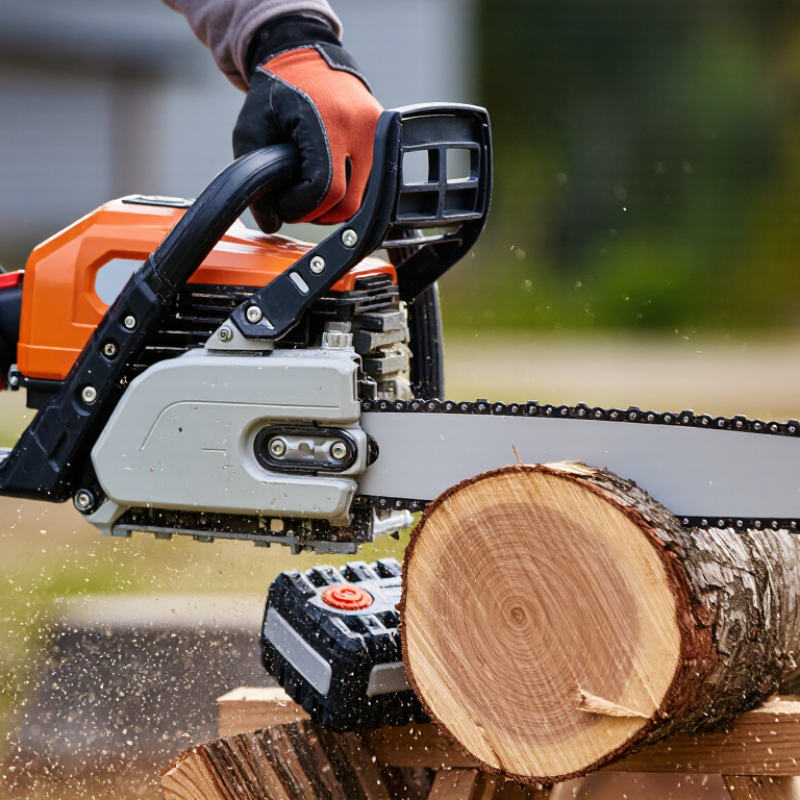
A brushless electric chainsaw uses an electronically controlled motor instead of brushes that rub against a rotating part. Without that contact, the motor can lose less energy to friction and may need less routine motor maintenance. Sensors and electronic controls adjust power as cutting resistance changes. This helps the saw respond when its chain meets denser wood, though it does not make every cut effortless.

The motor is only one part of the experience. Battery capacity, chain speed, bar length, chain sharpness, and the saw’s balance all affect cutting performance. In practical use, a well-matched saw should feel manageable while trimming branches or cutting suitable logs. A dull chain can still bind, heat up, or cut slowly. Brushless does not mean maintenance-free.

Tips: Check the chain tension and sharpness before cutting. Keep both hands on the handles, wear suitable protective equipment, and follow the saw’s manual. Let the chain do the work; forcing it can reduce control. A brushless motor may run efficiently, but battery life varies with wood thickness, cutting technique, and temperature. Don’t assume one test cut predicts a full day’s performance.

How Brushless Motors Improve Chainsaw Performance

A brushless electric chainsaw uses electronic controls instead of carbon brushes to drive its motor. With fewer parts rubbing together, it can waste less energy as heat and require less routine motor maintenance. During a cut, that efficiency may help the saw maintain useful chain speed as the wood pushes back. The difference is most noticeable when cutting a steady stack of branches, not during a quick trim.

There is a trade-off. Brushless motors can deliver strong torque in a compact tool, but performance still depends on battery capacity, chain sharpness, and wood condition. A dull chain can make even a capable saw feel sluggish. Keep the chain properly tensioned, and let the motor work without forcing the bar through the cut. Listen for changes in sound; a slowing chain is a cue to ease pressure. Small details matter.

For a practical choice, compare cutting capacity, weight, battery availability, and how comfortably the saw balances in your hands. A well-balanced model feels less tiring when you make several cuts at shoulder height. Brushless does not mean maintenance-free: the chain needs oil, and debris should be cleared after use. I would not choose by motor type alone. Real performance can vary, and a heavier saw may tire you sooner than its extra power suggests.

Key Features for Comparing Brushless Electric Chainsaws

Comparing brushless electric chainsaws starts with the motor, not the advertising label. Brushless designs usually create less friction, heat, and maintenance than brushed systems. The U.S. Department of Energy reports that electric motor systems consume over 46% of global electricity. Efficiency therefore matters, even in a compact saw. Check chain speed, cutting torque, and thermal protection. A fast chain can feel impressive, but steady torque matters more during wet, dense wood cutting.

Battery capacity needs careful interpretation. A 5.0 Ah battery stores more energy than a 2.5 Ah pack, but actual runtime depends on wood hardness, chain sharpness, and cutting pressure. The European Commission’s battery guidance emphasizes capacity, durability, and safety across battery products. Look for tool-free tensioning, clear oil-level visibility, and automatic lubrication. These details save time beside a woodpile. Claimed runtime remains imperfect.

Noise and handling deserve equal attention. NIOSH identifies 85 dBA over an eight-hour workday as a recommended exposure limit. Electric saws often feel quieter, but cutting noise can still harm hearing. Compare measured sound levels, not vague “low-noise” claims. A balanced saw should keep the battery close to the body and provide a responsive chain brake. Check total weight with the battery attached. That overlooked number changes fatigue quickly. My own preference is a slightly slower saw with predictable control, though this choice may reduce cutting speed.

What Is the Best Brushless Electric Chainsaw? — Key Features for Comparing Brushless Electric Chainsaws

Feature What to Compare How It Affects Your Choice
Brushless motor Check that the product specifications explicitly identify a brushless motor. Compare the manufacturer’s stated performance, runtime, and maintenance information. Brushless motors avoid the motor brushes used in brushed designs. Actual cutting performance and runtime still depend on the saw, battery, chain, wood, and operating conditions.
Bar length Compare the bar length with the diameter of the wood you expect to cut. Common cordless chainsaw bar lengths include roughly 10–18 inches, depending on the model. A longer bar can reach through larger cuts, but it can add weight and requires suitable power and handling. Follow the saw’s specified cutting limits.
Battery voltage and capacity Compare the battery voltage and amp-hour (Ah) rating, and confirm whether the battery and charger are included. Voltage describes the battery system; Ah indicates charge capacity. Neither figure alone guarantees runtime or cutting power, which also depend on the saw and workload.
Cutting speed and power Review published chain-speed figures and any manufacturer-provided cutting or performance tests. Check that comparisons use similar conditions. Higher chain speed can support faster cutting, but results vary with chain sharpness, wood type, cutting technique, and battery charge.
Weight and balance Compare the saw’s weight both with and without the battery, and consider handle position and overall balance. Lower weight and good balance can make overhead or extended work less tiring. The battery adds weight during use, so check the complete operating weight when available.
Chain tensioning Look for clear instructions and an accessible tensioning system. Some saws use tool-free adjustment; others require a wrench. Convenient adjustment can simplify routine chain maintenance. Always follow the manual and disconnect the battery before servicing the chain.
Chain lubrication Check whether the saw has automatic oiling, an oil-level window, and a refillable bar-and-chain oil reservoir. Proper lubrication helps reduce friction and wear. Automatic oiling does not remove the need to check the oil level and maintain the saw.
Safety features Check for a chain brake, hand guard, trigger lockout, and clear safety instructions. Confirm the saw complies with applicable local requirements. Safety features help reduce risk but cannot prevent every injury. Use appropriate protective equipment and follow the operating manual.
Noise and emissions Compare published noise information and consider the work setting. Battery-powered saws have no direct exhaust emissions during operation. They may be more convenient than gasoline saws where avoiding local exhaust is useful, but they still produce hazardous cutting noise and require hearing protection as appropriate.
Best fit by task For pruning and light yard work, prioritize manageable weight and suitable shorter-bar capacity. For firewood or larger cuts, assess power, bar length, battery capacity, and duty requirements together. The best choice is the saw that matches your material, cut size, expected workload, and handling needs—not simply the model with the longest bar or largest battery.

Which Cutting Tasks Suit Different Chainsaw Models?

What Is the Best Brushless Electric Chainsaw?

Which Cutting Tasks Suit Different Chainsaw Models?

A compact brushless saw with a 10- to 12-inch bar suits pruning and small branches around the yard. It is easier to control near shrubs, though it may feel underpowered on thick, dense wood. For firewood and routine limb removal, a 14- to 16-inch model offers a useful balance of reach and handling. Match bar length to the wood: a longer bar is not automatically better, especially for occasional users.

For larger logs and frequent property work, consider a 16- to 18-inch saw, but check its cutting capacity, weight, and battery runtime before buying. A long cut through hardwood can drain a battery faster than trimming scattered limbs. That matters. The U.S. National Institute for Occupational Safety and Health recommends limiting occupational noise exposure to 85 dBA over eight hours; chainsaw work can be loud, so use suitable hearing protection and check the saw’s measured noise level. Its criteria document provides the exposure benchmark, not a chainsaw-specific rating. A brushless motor may improve efficiency, but it cannot replace sharp-chain maintenance, stable footing, or realistic expectations about workload. I would choose for the wood actually cut most weeks, not the biggest log imagined once a year.

How to Choose the Best Brushless Electric Chainsaw for Your Needs

Choosing the best brushless electric chainsaw starts with the work you actually do. For pruning branches and cutting small logs, a lighter saw with a shorter bar can feel easier to control. For frequent firewood cutting, consider a model with enough power and battery capacity for longer sessions. Brushless motors generally reduce friction and maintenance needs, but they do not make a saw maintenance-free. Check chain tension, lubrication, and the manufacturer’s operating instructions before use.

Pay attention to weight with the battery installed, not just the number on the box. A saw that feels manageable for five minutes may strain your arms during repeated cuts. Look for a comfortable grip, a responsive chain brake, and clear access to tension adjustments. Battery compatibility can also affect cost and convenience if you already own compatible tools. One detail is easy to overlook: cold weather and thick wood can shorten working time. Product specifications help, but they cannot predict every cutting condition.

Tips: Match bar length to the wood you usually cut, and avoid choosing a longer bar just for appearance. Wear eye, hearing, hand, and leg protection. Keep both hands on the saw, and let the chain reach full speed before cutting. Take breaks. Your judgment can get less precise when you’re tired.

What Is the Best Brushless Electric Chainsaw?

How to choose a bar length that suits your cutting needs

How to use this chart: Shorter bars are generally easier to handle for pruning and smaller cuts, while longer bars can accommodate larger cuts but may add weight and require more power. Choose a bar length compatible with the saw, and follow its manual. Centimeter values are conversions of the inch measurements.