

News

Miro: A New Standard in Responsible Innovation

Miro: A New Standard in Responsible Innovation The Miro monitor arm is setting new benchmarks in sustainability. It offers a high-performance solution without compromising on environmental responsibility. Designed with careful material selection, local sourcing, and longevity in mind, Miro’s responsible approach to design and unique manoeuvrability set it apart from the competition. Sustainable Choices Miro is crafted from energy-efficient materials with a lower carbon impact....

Read more
HSE Advisor

Role Purpose Support in the development, implementation and maintenance of the company’s Health, Safety & Environmental policies, processes, operational procedures, and standards.  Ensuring best practice and championing a continually improving HSE culture within the business. Key Responsibilities Liaise with and provide support to all areas of the business to eliminate, mitigate or reduce identified HSE exposures. Partner with the production management team and team leaders,...

Read more
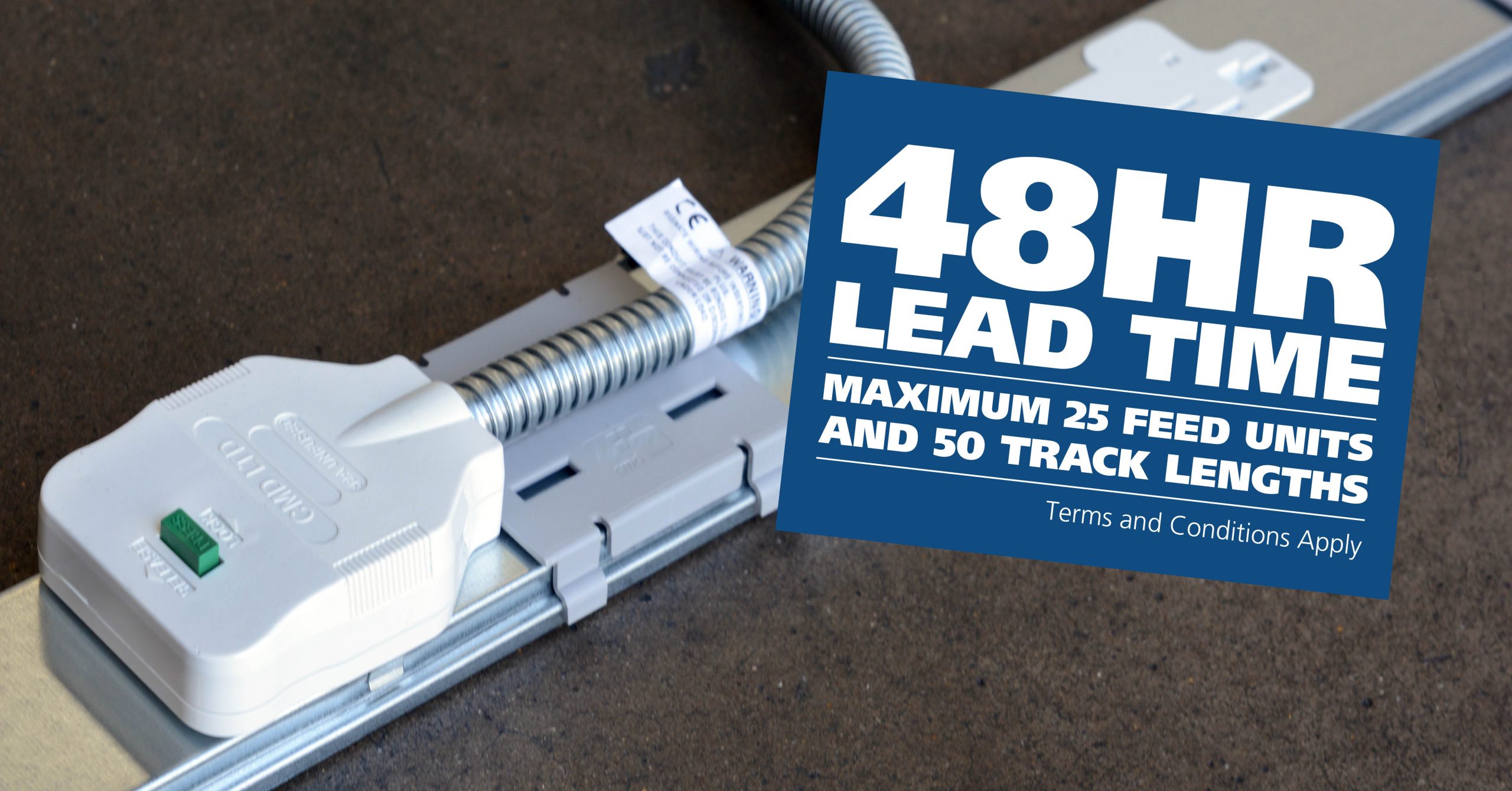
CMD Ltd LAUNCHES 48-HOUR TURNAROUND ON BETATRAK® RAPID ORDERING SERVICE

CMD Ltd, the specialist in power distribution systems, workstation power and monitor arms, has launched a rapid ordering service for its Betatrak® underfloor powertrack distribution systems and accessories, with a commitment to delivering within 48-hours of an approved purchase order*. The service enables customers to order up to 50 lengths of Standard or Clean Earth (C/E) low noise Betatrak, along with up to 25 feed...

Read more
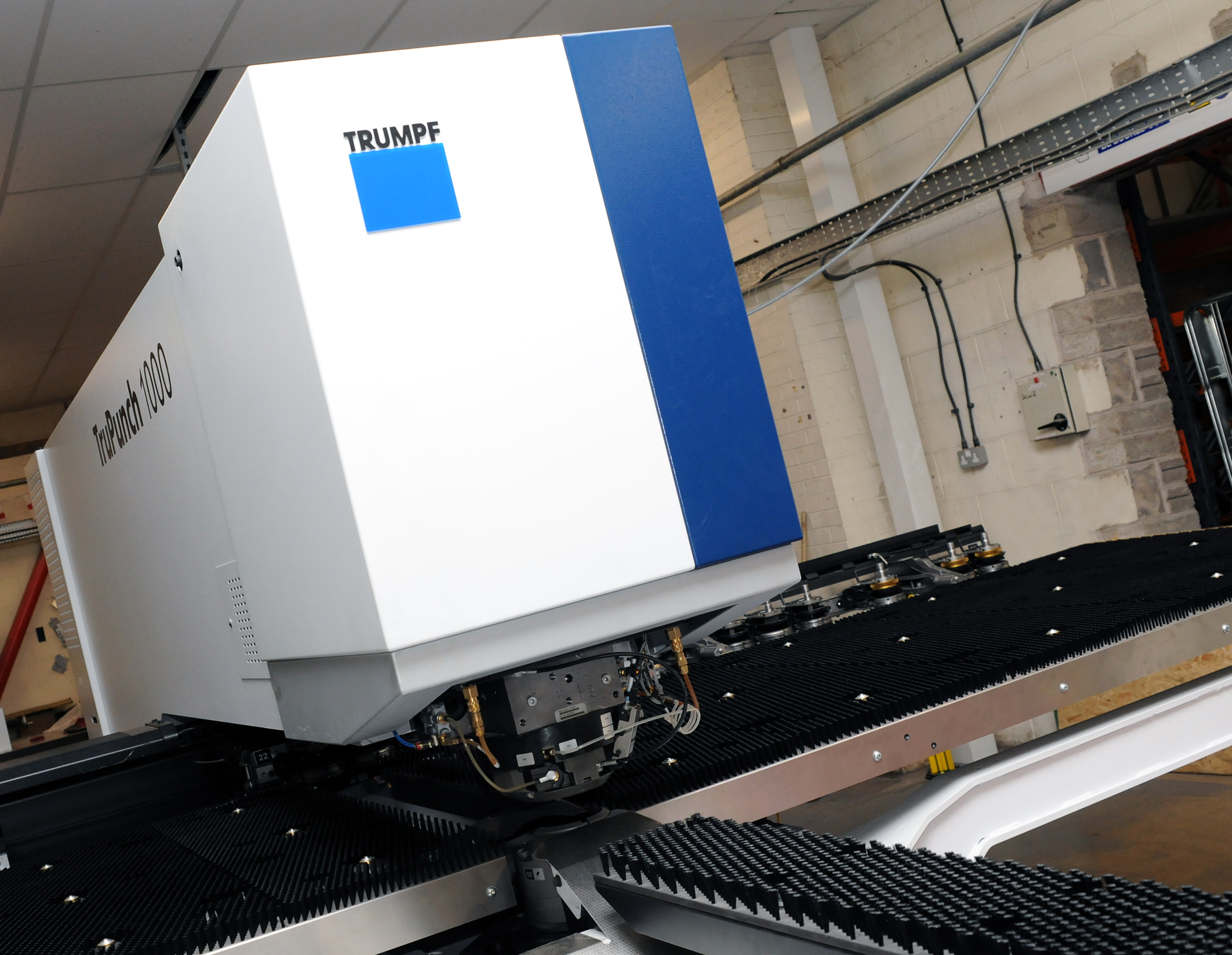
CMD INVESTS £1/4 MILLION IN NEW MACHINE AS PART OF FACTORY UPGRADE

We have invested in a new £1/4m TRUMPF CNC metal punch as part of an asset renewal strategy for our UK manufacturing capability. The new machine will be used in the production of a wide variety of our power distribution systems and workstation power products at our Rotherham factory. Suitable for handling sheet metal between 0.9mm and 3.0mm thick, the new machine will replace one...

Read more
CMD CATALOGUE PROVIDES TECHNICAL POWER DISTRIBUTION GUIDE

CMD Ltd has released a new catalogue, providing an easy to follow technical guide to our power distribution systems and plug and play desk modules. Detailing CMD’s full range of UK-manufactured power distribution systems and plug and play desk modules, the catalogue will be a helpful source of information to M&E engineers and contractors alike to understand how our power distribution systems connect together and...

Read more
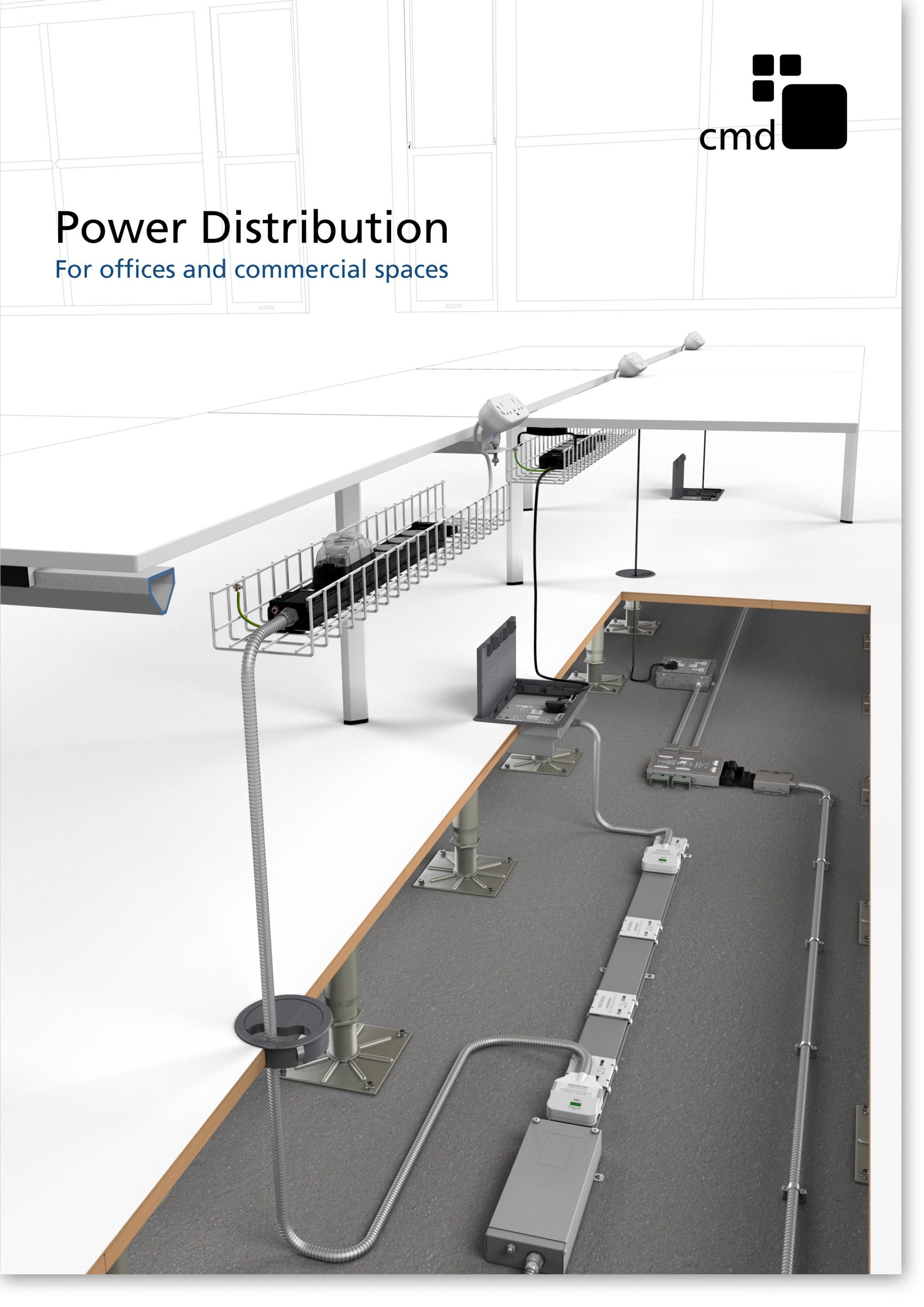
Power Distribution Catalogue
CMD Ltd PLAYS ESSENTIAL ROLE IN ELECTRICAL FIT OUT AT LONDON’S PRESTIGIOUS OFFICE DEVELOPMENT

CMD Ltd, specialist in workplace connectivity and ergonomic solutions, has provided a flexible and high-quality power distribution network for The Ray, a prestigious office development in London’s Farringdon. Well-known for being the former site of The Guardian newspaper, The Ray now stands as an 83,000ft² office development characterised by a modernised warehouse aesthetic, with level two now occupied by a global social media company. The...

Read more
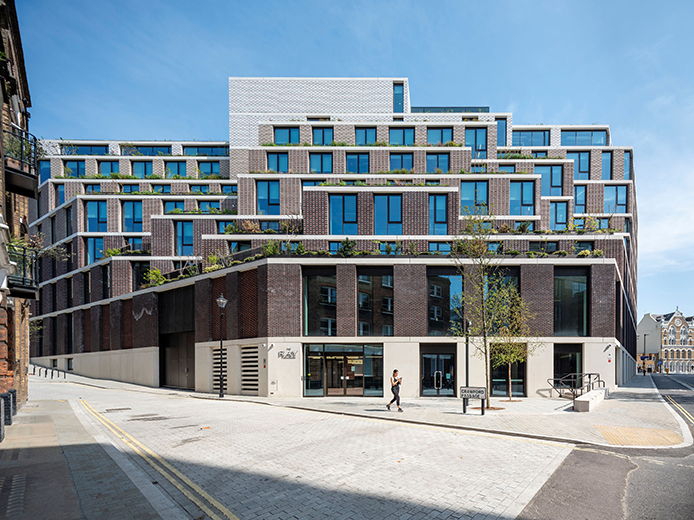
The Ray
CMD plugs in to european opportunity with Schuko Capsule unit launch

CMD Ltd, the specialist in power and connectivity solutions for commercial environments, has launched a Schuko version of its popular fixed format Capsule workstation power module for export to mainland Europe and beyond. A popular on desk power module comprising two sockets and dual USB (type A and C) chargers, CMD’s Capsule unit is already widely specified in the UK as an off-the-shelf workstation power...

Read more
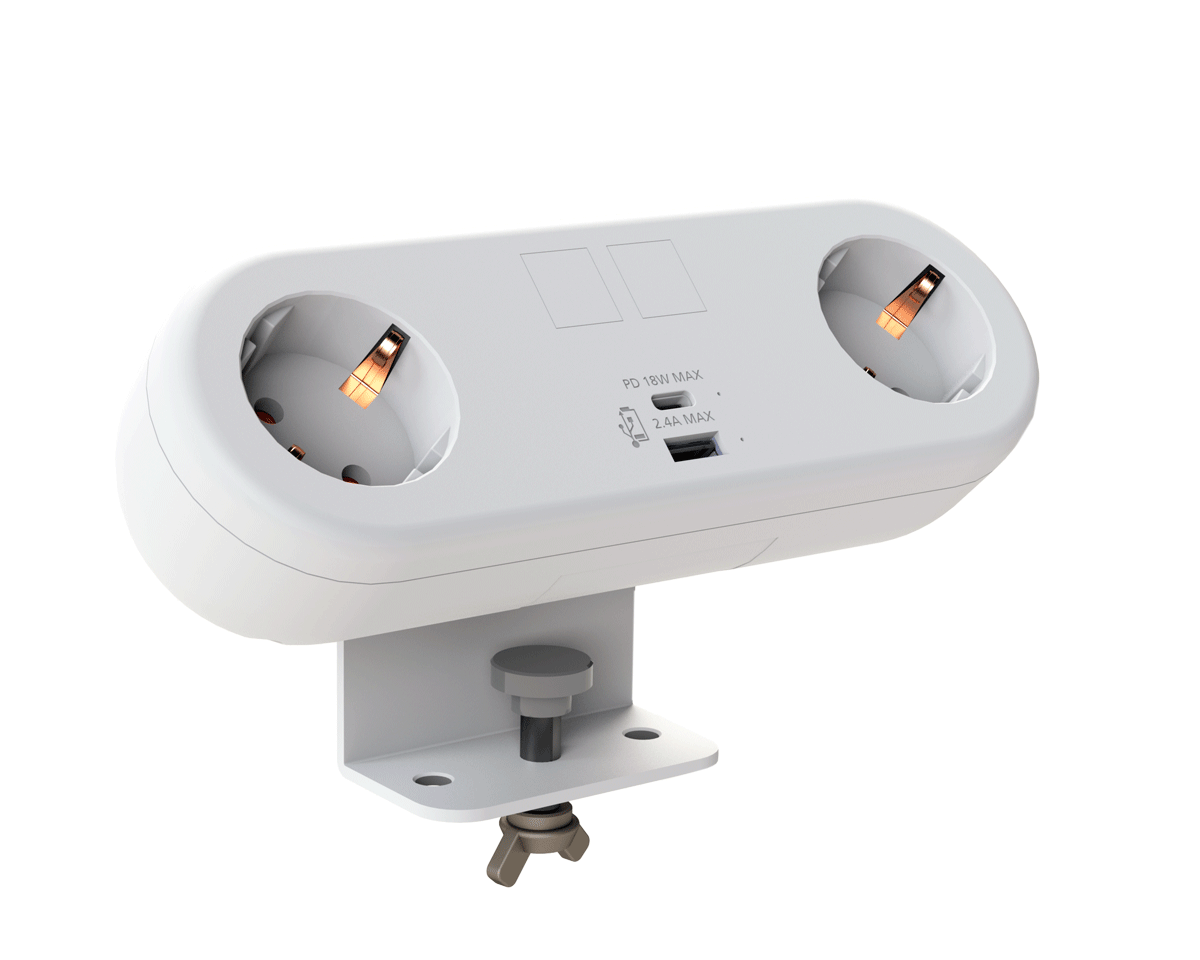
CMD White Schuko Capsule Desk Power Module
CMD LTD EXTENDS MONITOR ARM RANGE WITH THE LAUNCH OF REACH PLUS

CMD Ltd, the specialist in ergonomic and connectivity solutions for commercial interiors, has completed its Reach monitor arm range with the launch of the Reach Plus. Available in single or dual screen options, the Reach Plus has been designed to provide an ideal solution for both single and dual screen workstation configurations, or can be used with next generation of large format curved screens. Suitable...

Read more
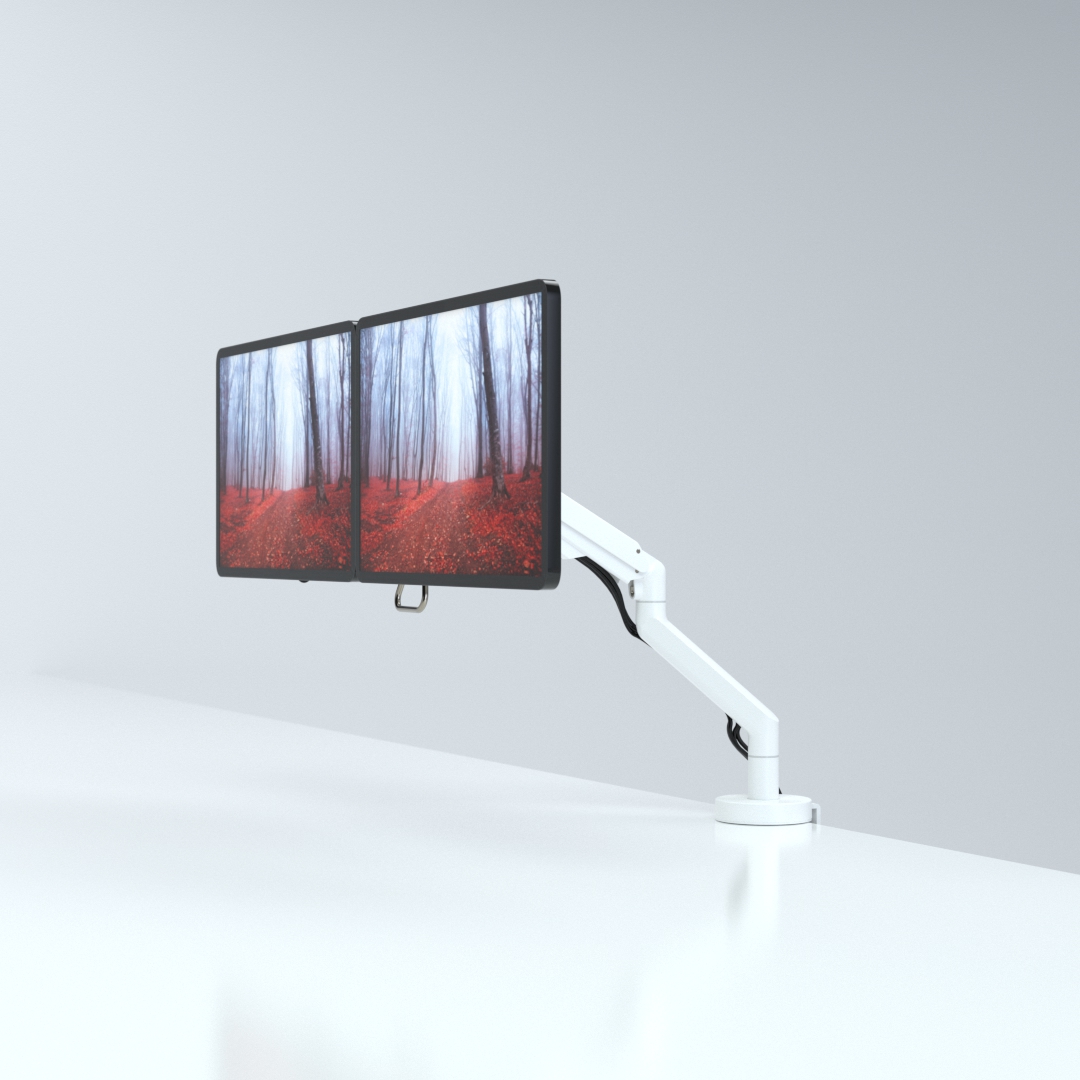
CMD Ltd DEMONSTRATES THE ART OF POWER DISTRIBUTION AT THE UNIVERSITY OF WARWICK

CMD Ltd, the specialist in workplace connectivity and ergonomic solutions, has provided Betatrak busbar power distribution and a range of electrical accessories for two major capital investment projects at the University of Warwick. Designed by Fielden Clegg Bradley Studios, the £33 million Faculty of Arts building is a showpiece development comprising four interconnected structures set around a central atrium, which will enable inter-disciplinary collaboration across...

Read more

University of Warwick
CMD BRINGS HARMONY TO COVENTRY UNIVERSITY RESEARCH FACILITIES

CMD Ltd, the specialist in power distribution solutions and workstation power and ergonomics, has provided under desk and on desk power modules for the refurbishment of three Coventry University research buildings. Located on Coventry University Technology Park, a business park designed to encourage collaboration between the university and knowledge-based businesses, the three buildings are being repurposed as office accommodation for university research teams. The refurbishment...

Read more
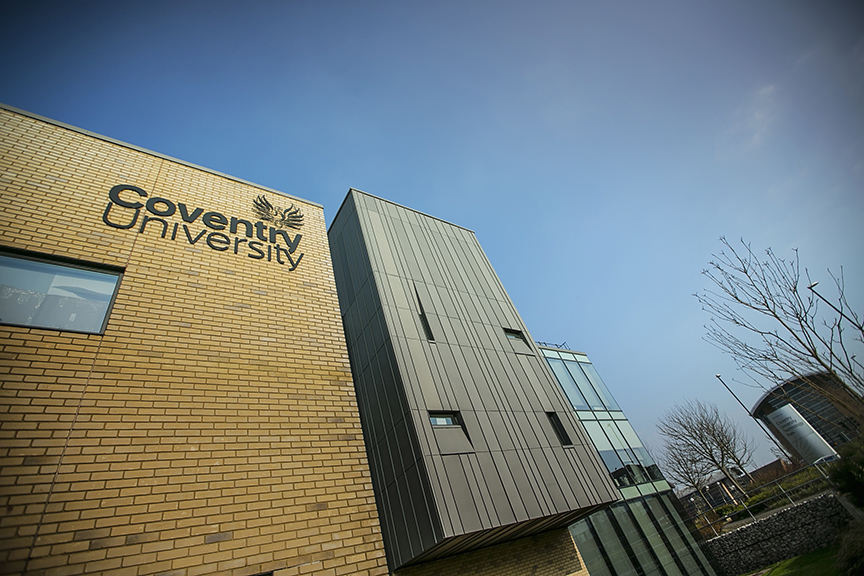
Coventry University

What Is a Profile Wrapping Machine Used For?

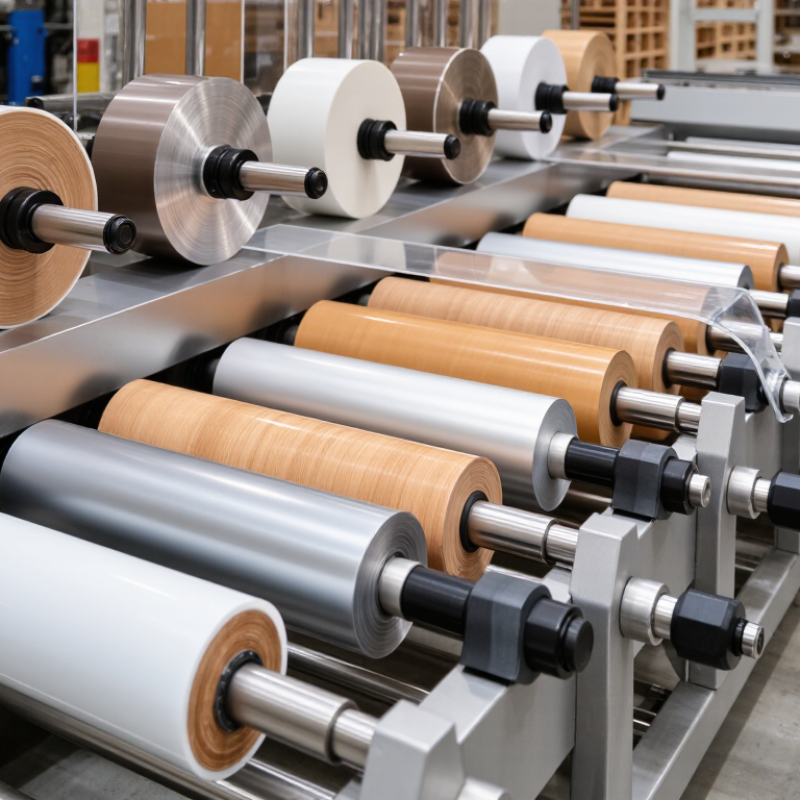
A Profile Wrapping Machine covers long, narrow components with a continuous decorative or protective film. Common workpieces include wood, aluminum, and PVC profiles used for window frames, cabinet trim, flooring, and furniture. The machine guides each piece through feed rollers while film is positioned and pressed onto its surfaces. Depending on the model and material, wrapping may use pre-applied adhesive, heated adhesive, or another bonding method. The goal is a consistent finish along edges and faces. Small details matter.

A wrapped profile can resemble wood grain, carry a solid color, or gain a surface designed to resist everyday scuffs. These finishes help manufacturers offer more options without producing every profile from a different base material. Yet the machine does not guarantee a flawless result. Dust, uneven profile dimensions, incorrect film tension, or unsuitable adhesive can cause wrinkles, bubbles, or poor bonding. Operators typically check settings, inspect sample pieces, and adjust the line for each material and film combination. A practical evaluation should consider profile shape, production speed, film width, changeover time, and maintenance access. Ask suppliers for specifications and trial runs using representative workpieces. The best choice depends on the actual production mix, not only the advertised speed. That part is easy to overlook. A Profile Wrapping Machine can improve finish consistency and expand design choices, but setup and quality checks remain essential.

What Is a Profile Wrapping Machine Used For?

What a Profile Wrapping Machine Is

A profile wrapping machine covers long, narrow components with a continuous decorative or protective film. Typical workpieces include skirting boards, door and window trim, furniture edging, and shaped wood or plastic profiles. The machine guides each piece through rollers while adhesive bonds the film to its surface. Depending on the setup, operators may adjust feed speed, roller pressure, and temperature. Those settings matter. A small change can cause wrinkles, bubbles, or uneven edges.

The Food and Agriculture Organization’s Global Forest Products Facts and Figures 2022 reports worldwide wood-based panel production of about 400 million cubic metres that year. This figure does not measure profile wrapping, but it shows the scale of related wood-product manufacturing. In practice, wrapping equipment helps apply a consistent finish across repeated components, including grooves and curved edges. Operators still need to check film alignment, adhesive coverage, and the workpiece itself; dust or uneven profiles can spoil the result. Not quite automatic perfection. Machine capability also varies, so buyers should test their own profile and film combination before setting production targets.

How the Profile Wrapping Process Works

A profile wrapping machine covers long, shaped components with decorative or protective film, paper, or laminate. Typical substrates include MDF, wood, and plastic trim. The operator feeds each profile through guides while rollers keep it aligned. Small misalignments matter. A slight twist can leave wrinkles or exposed edges.

The wrapping process begins with cleaning and feeding the profile, followed by adhesive application to the surface or facing material. The machine then brings the facing into contact with the profile. Forming rollers press it around flat faces, grooves, and edges; heat may soften thermoplastic film or activate adhesive. Cutting and cooling follow, then operators inspect for bubbles, lifted corners, and uneven seams. PMMI’s 2023 State of the Industry report valued U.S. packaging machinery shipments at about $10 billion in 2022; that broad figure covers many machine types, not profile wrappers alone. Sensors and controlled drives can help maintain feed speed and pressure. The International Federation of Robotics reported 162 robots per 10,000 manufacturing employees worldwide in 2023, a useful indicator of wider factory automation, not a profile-wrapping adoption rate. Still, setup remains sensitive: adhesive choice, roller pressure, and profile geometry need testing, and a first pass may not be perfect.

Materials and Shapes the Machine Can Wrap

A profile wrapping machine covers long components with a decorative or protective surface. Common substrates include wood, MDF, aluminum, PVC, and composite profiles. The machine feeds a roll of film, paper, veneer, or laminate over the profile, pressing it into place with rollers. Adhesive, heat, or both may be used, depending on the material and machine setup.

The shapes can range from flat strips and square edges to rounded rails, grooved trim, channels, and molded profiles. Rollers guide the covering around corners and into shallow details. Deep grooves and tight curves are harder. A film may bridge a recess or wrinkle at a sharp turn, even when the setup looks correct. Results depend on the profile’s dimensions, surface condition, covering flexibility, and adhesive compatibility, so test pieces matter.

Tips: Match the covering width and flexibility to the profile. Check that edges stay bonded, especially around grooves and corners. A small trial run can reveal problems before a full production batch.

Products and Industries That Use Profile Wrapping

A profile wrapping machine covers long, shaped components with decorative or protective material. Typical products include skirting boards, door frames, window components, cabinet edges, and flooring trims. These parts may be made from MDF, wood, aluminum, PVC, or composite materials. The machine feeds film, paper, or veneer over the profile, while rollers press the covering around its faces and edges. The fit matters.

Furniture and cabinetry manufacturers use wrapping lines for drawer fronts, shelves, and decorative moldings. Flooring producers may wrap transition strips and matching trim. In building-material production, wrapped profiles can provide a consistent surface finish across batches, while helping shield the substrate from scuffs during handling. A small radius or uneven edge can affect how neatly the covering sits, so profile shape and material compatibility deserve testing before a full production run.

Different industries need different finishes. A wood-look film may suit interior trim, while a durable, easy-to-clean surface may be more useful for furniture components. Adhesive choice, feed speed, and roller pressure all influence the result. Not every profile behaves alike. Even a familiar shape may need adjustment when its dimensions or surface change. It is tempting to focus on machine speed, but finish quality and changeover time can matter just as much. A trial run can reveal wrinkles, lifting edges, or poor adhesion before they become repeated defects.

Benefits and Practical Operating Considerations

What Is a Profile Wrapping Machine Used For?

Benefits and Practical Operating Considerations

A profile wrapping machine covers long components with decorative or protective film. It is commonly used for wood, aluminum, or plastic profiles. Feed rollers guide each piece while pressure rollers help bond the film to its surface. Depending on the system and material, heat or adhesive may also be involved. The result can be a more consistent finish than hand application, with fewer exposed surfaces vulnerable to scuffs during handling. Small errors show.

Reliable results depend on matching the setup to the profile. Check the profile dimensions, film width, roller pressure, and feed speed before production. Dust, oil, or moisture can interfere with adhesion, especially around edges and corners. Run a test piece and inspect its full length, not just the visible face. A neat first pass can still hide weak adhesion at corners. Operators should keep hands clear of moving rollers and use the machine’s fitted guards.

Tips: Keep the film roll aligned and check tension as it unwinds. If wrinkles appear, pause and inspect the feed path before changing several settings at once. Record settings that work, but recheck them when the profile or film changes.