

News

Miro: A New Standard in Responsible Innovation

Miro: A New Standard in Responsible Innovation The Miro monitor arm is setting new benchmarks in sustainability. It offers a high-performance solution without compromising on environmental responsibility. Designed with careful material selection, local sourcing, and longevity in mind, Miro’s responsible approach to design and unique manoeuvrability set it apart from the competition. Sustainable Choices Miro is crafted from energy-efficient materials with a lower carbon impact....

Read more
HSE Advisor

Role Purpose Support in the development, implementation and maintenance of the company’s Health, Safety & Environmental policies, processes, operational procedures, and standards.  Ensuring best practice and championing a continually improving HSE culture within the business. Key Responsibilities Liaise with and provide support to all areas of the business to eliminate, mitigate or reduce identified HSE exposures. Partner with the production management team and team leaders,...

Read more
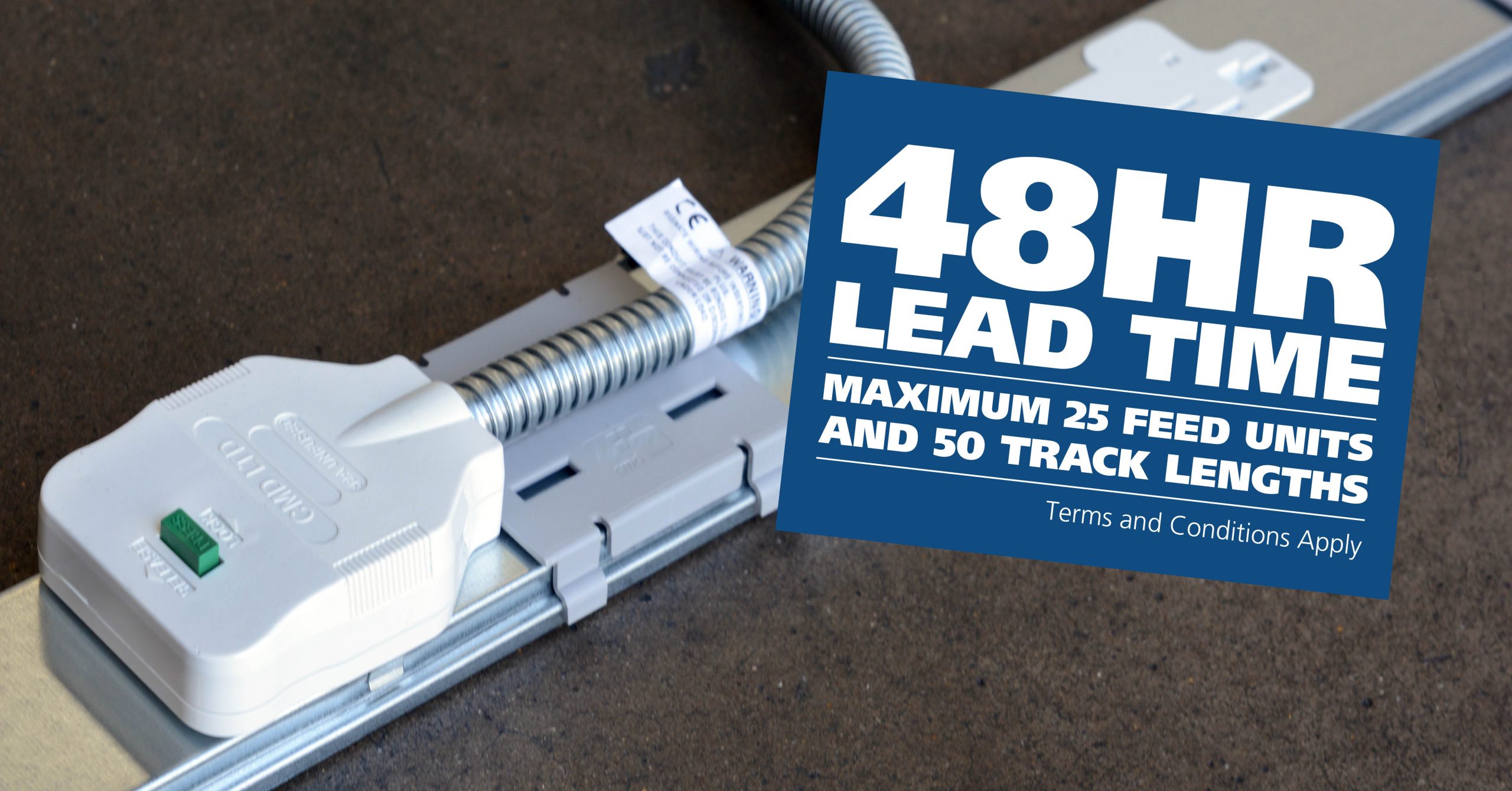
CMD Ltd LAUNCHES 48-HOUR TURNAROUND ON BETATRAK® RAPID ORDERING SERVICE

CMD Ltd, the specialist in power distribution systems, workstation power and monitor arms, has launched a rapid ordering service for its Betatrak® underfloor powertrack distribution systems and accessories, with a commitment to delivering within 48-hours of an approved purchase order*. The service enables customers to order up to 50 lengths of Standard or Clean Earth (C/E) low noise Betatrak, along with up to 25 feed...

Read more
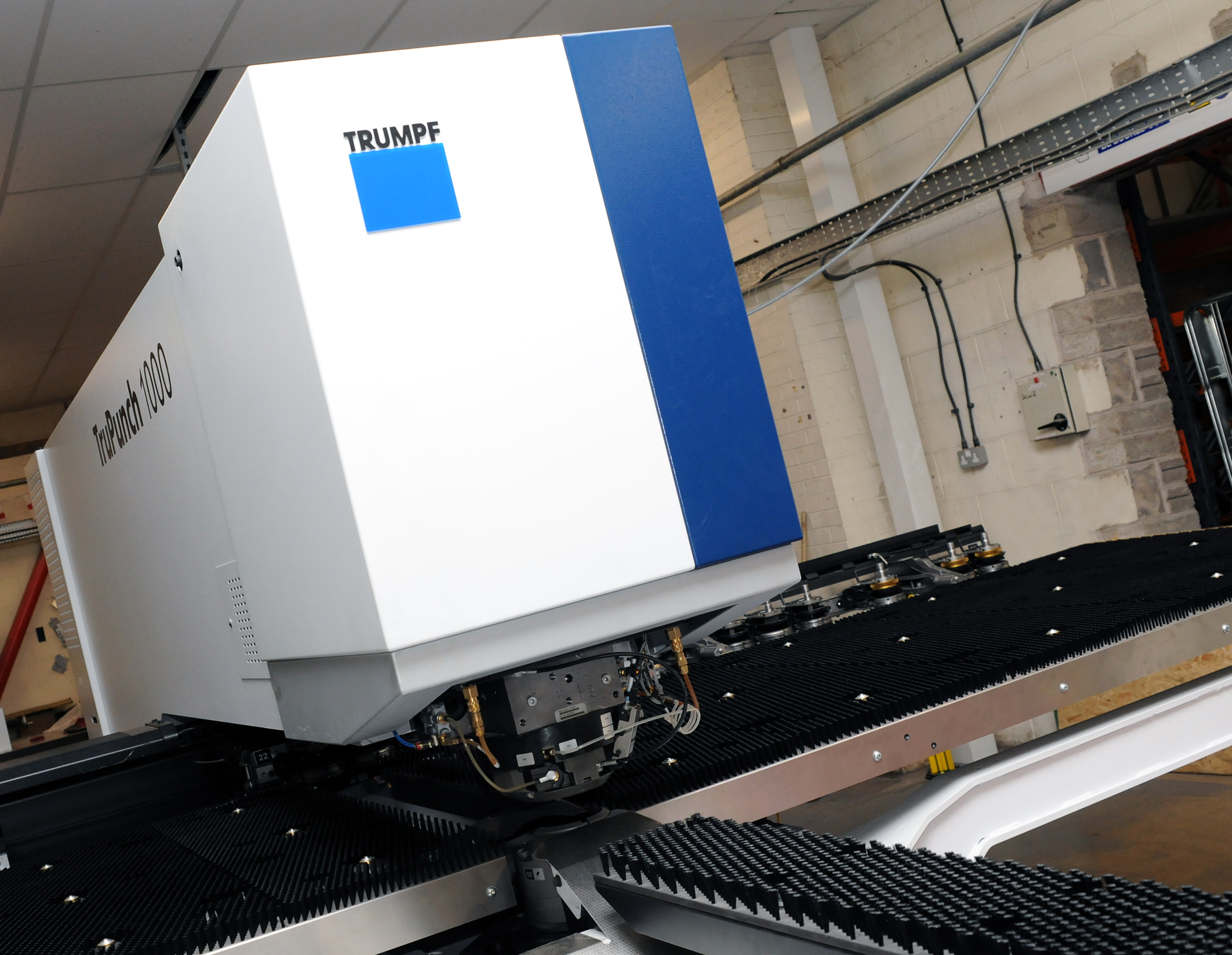
CMD INVESTS £1/4 MILLION IN NEW MACHINE AS PART OF FACTORY UPGRADE

We have invested in a new £1/4m TRUMPF CNC metal punch as part of an asset renewal strategy for our UK manufacturing capability. The new machine will be used in the production of a wide variety of our power distribution systems and workstation power products at our Rotherham factory. Suitable for handling sheet metal between 0.9mm and 3.0mm thick, the new machine will replace one...

Read more
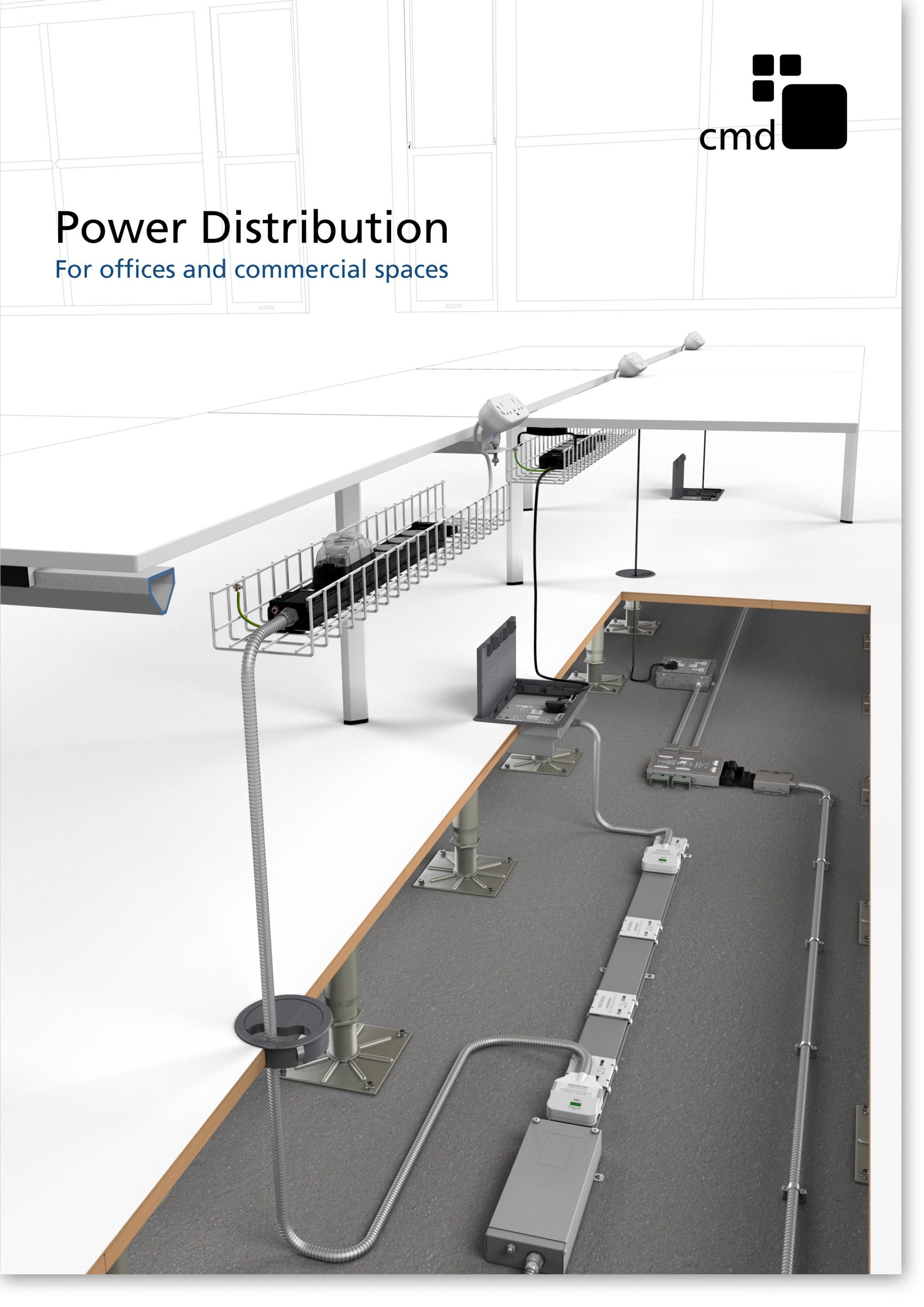
CMD CATALOGUE PROVIDES TECHNICAL POWER DISTRIBUTION GUIDE

CMD Ltd has released a new catalogue, providing an easy to follow technical guide to our power distribution systems and plug and play desk modules. Detailing CMD’s full range of UK-manufactured power distribution systems and plug and play desk modules, the catalogue will be a helpful source of information to M&E engineers and contractors alike to understand how our power distribution systems connect together and...

Read more
Power Distribution Catalogue
CMD Ltd PLAYS ESSENTIAL ROLE IN ELECTRICAL FIT OUT AT LONDON’S PRESTIGIOUS OFFICE DEVELOPMENT

CMD Ltd, specialist in workplace connectivity and ergonomic solutions, has provided a flexible and high-quality power distribution network for The Ray, a prestigious office development in London’s Farringdon. Well-known for being the former site of The Guardian newspaper, The Ray now stands as an 83,000ft² office development characterised by a modernised warehouse aesthetic, with level two now occupied by a global social media company. The...

Read more

The Ray
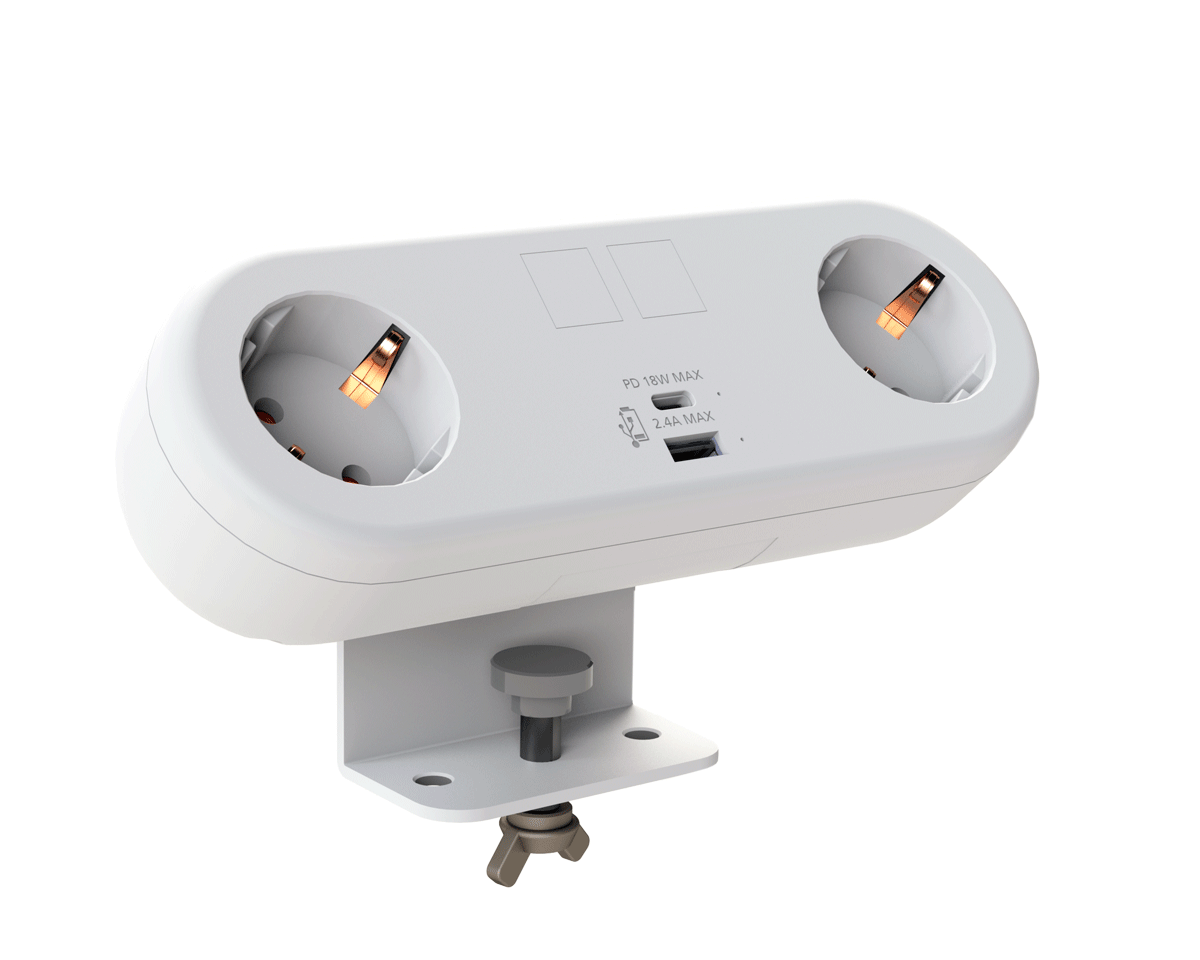
CMD plugs in to european opportunity with Schuko Capsule unit launch

CMD Ltd, the specialist in power and connectivity solutions for commercial environments, has launched a Schuko version of its popular fixed format Capsule workstation power module for export to mainland Europe and beyond. A popular on desk power module comprising two sockets and dual USB (type A and C) chargers, CMD’s Capsule unit is already widely specified in the UK as an off-the-shelf workstation power...

Read more
CMD White Schuko Capsule Desk Power Module
CMD LTD EXTENDS MONITOR ARM RANGE WITH THE LAUNCH OF REACH PLUS

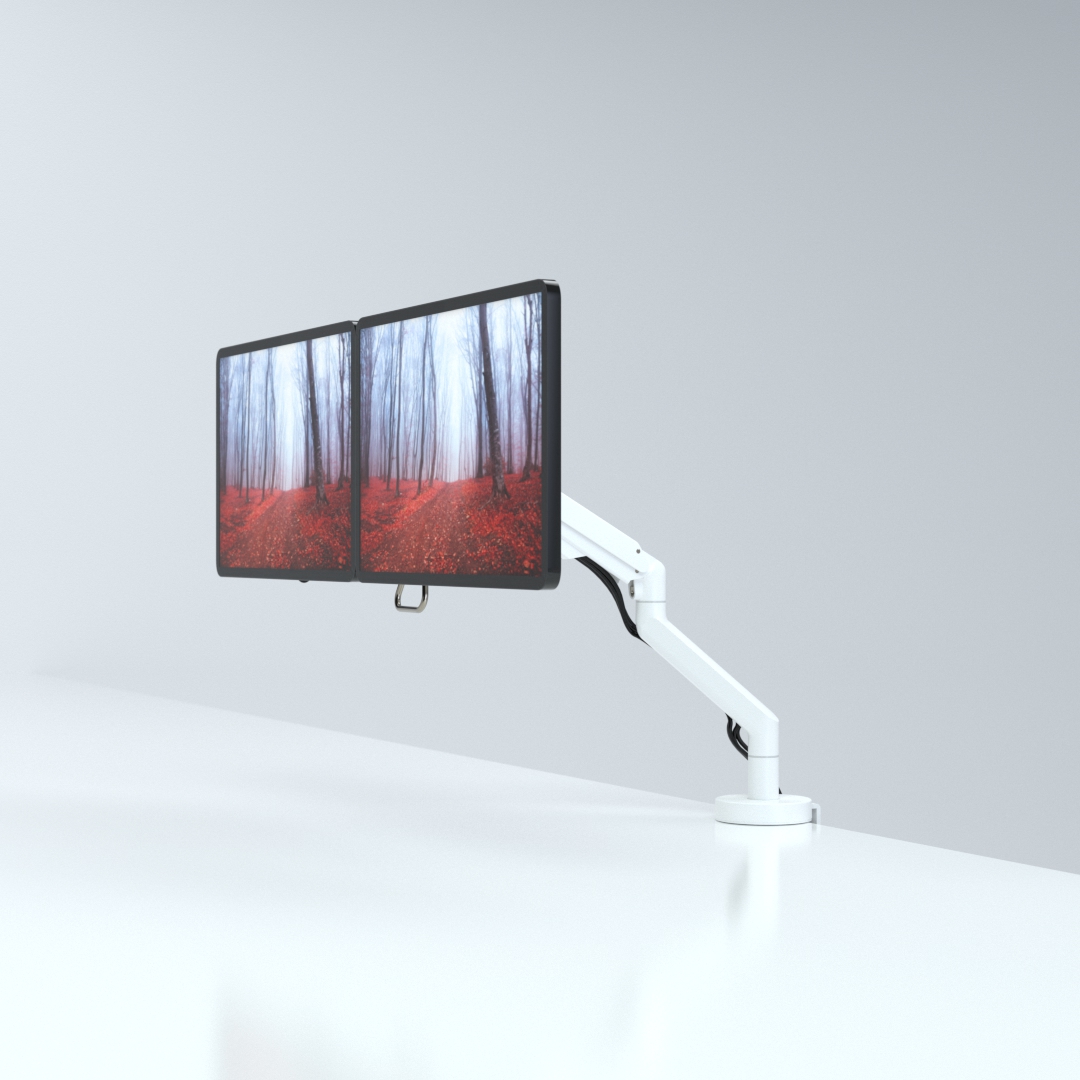
CMD Ltd, the specialist in ergonomic and connectivity solutions for commercial interiors, has completed its Reach monitor arm range with the launch of the Reach Plus. Available in single or dual screen options, the Reach Plus has been designed to provide an ideal solution for both single and dual screen workstation configurations, or can be used with next generation of large format curved screens. Suitable...

Read more
CMD Ltd DEMONSTRATES THE ART OF POWER DISTRIBUTION AT THE UNIVERSITY OF WARWICK

CMD Ltd, the specialist in workplace connectivity and ergonomic solutions, has provided Betatrak busbar power distribution and a range of electrical accessories for two major capital investment projects at the University of Warwick. Designed by Fielden Clegg Bradley Studios, the £33 million Faculty of Arts building is a showpiece development comprising four interconnected structures set around a central atrium, which will enable inter-disciplinary collaboration across...

Read more

University of Warwick
CMD BRINGS HARMONY TO COVENTRY UNIVERSITY RESEARCH FACILITIES

CMD Ltd, the specialist in power distribution solutions and workstation power and ergonomics, has provided under desk and on desk power modules for the refurbishment of three Coventry University research buildings. Located on Coventry University Technology Park, a business park designed to encourage collaboration between the university and knowledge-based businesses, the three buildings are being repurposed as office accommodation for university research teams. The refurbishment...

Read more

Coventry University

What Are Quartz Watches and How Do They Work?

Quartz Watches are often introduced as simple, accurate, and affordable timekeepers. That description is useful, but incomplete. Inside the case, a small quartz crystal vibrates at 32,768 times per second. An integrated circuit counts those vibrations and converts them into regular electrical pulses. A stepper motor then moves the hands, usually one clean tick at a time.

Watchmaker and horological authority George Daniels wrote, “A watch is a machine for telling the time.” His observation fits Quartz Watches especially well. They reduce mechanical complexity while preserving a familiar visual rhythm. A battery powers the circuit. The crystal provides a stable reference. The motor transfers that signal to the hands.

The process feels almost invisible.

Yet quartz technology is not perfectly exact. Temperature changes can alter crystal frequency. Battery age can affect performance. Some models gain or lose several seconds each month, while thermocompensated versions perform far better. Digital quartz watches may display time precisely, but their accuracy still depends on the oscillator and electronic control.

This guide will examine how these parts cooperate inside a compact case. It will also distinguish ordinary quartz movements from solar, high-accuracy, and radio-controlled designs. Practical details matter, such as battery replacement, water resistance, and end-of-life warnings.

Quartz Watches are not merely inexpensive alternatives to Mechanical Watches. They represent a different engineering decision. Their strength is dependable measurement with minimal adjustment. Their limitation is easy to overlook: convenience can hide complexity. Understanding both sides makes the technology more trustworthy, and perhaps more interesting.

What Are Quartz Watches and How Do They Work?

Quartz Watches: Definition and Key Characteristics

Quartz Watches: Definition and Key Characteristics

A quartz watch measures time with a small quartz crystal and an electronic circuit. The crystal vibrates at 32,768 times per second when powered. This steady vibration creates a reliable reference for timekeeping. The circuit divides the signal into one-second intervals. In an analog model, a stepper motor then moves the hands. Some seconds hands tick once per second. Others use smoother movements.

Battery power is a key characteristic. Many quartz watches run for two to four years, depending on the movement and functions. A basic model may show hours, minutes, and seconds. More advanced versions can include a calendar, stopwatch, alarm, or backlight. Quartz watches are usually lighter and easier to maintain than mechanical watches. They do not need daily winding. Their accuracy often reaches about 15 seconds per month, although temperature and battery condition can affect performance.

I once assumed quartz meant perfect accuracy. That was too simple. A watch can gain time, lose time, or stop when its battery weakens. The crystal and circuit also need protection from moisture, impact, and extreme heat. In daily use, quartz watches are practical for commuting, travel, and work. Their clearest strength is consistency. Their least discussed weakness is dependence on a small battery that eventually needs careful replacement.

What Are Quartz Watches and How Do They Work? - Quartz Watches: Definition and Key Characteristics

Dimension Key Information How It Affects the Watch
Definition A quartz watch is an electronic timepiece that uses the regular vibrations of a quartz crystal to measure time. It provides a stable and highly consistent timing reference without requiring a traditional mechanical escapement.
Energy Source Most quartz watches use a small battery to provide electrical power. Some models can also use light or motion-based charging systems. The energy source powers the oscillator, electronic circuit, and display or motor that moves the hands.
Quartz Oscillator The crystal is commonly cut and tuned to vibrate at 32,768 times per second, a frequency that can be electronically divided into one-second intervals. The high-frequency vibration allows the watch to create precise and regular time signals.
Piezoelectric Effect Quartz produces a small electrical signal when it is mechanically stressed, and it also vibrates when an electrical signal is applied. This two-way relationship allows the crystal to function as a precise electronic resonator.
Electronic Circuit An integrated circuit maintains the crystal's oscillation and divides its frequency into a one-pulse-per-second signal. The circuit converts the crystal's rapid vibrations into usable timekeeping intervals.
Time Display Analog quartz watches usually use a small stepper motor to advance the hands, while digital models use an electronic display. Analog hands commonly move once per second, whereas digital displays show the calculated time directly.
Typical Accuracy Many standard quartz watches are rated around ±15 seconds per month, although actual performance varies with temperature, battery condition, and construction. They generally require less time adjustment than most mechanical watches.
Battery Life A conventional battery commonly lasts about 1 to 3 years, depending on the movement, functions, and battery capacity. Additional features such as alarms, chronographs, lighting, and frequent use can increase energy consumption.
Maintenance Routine care usually includes battery replacement, inspection of seals, cleaning, and occasional replacement of worn components. Quartz watches typically need less frequent mechanical servicing than watches with complex gear trains.
Temperature Sensitivity Quartz frequency changes slightly with temperature, which can affect accuracy. Temperature-compensated designs can reduce this effect and improve long-term precision.
Shock Resistance Quartz watches generally have fewer moving parts than mechanical watches, but the crystal, circuit, motor, and hands can still be affected by severe impacts. Basic quartz construction is often practical for everyday wear, although it is not immune to physical damage.
Power Reserve Behavior When the battery is depleted, the electronic circuit stops producing timing pulses and the watch eventually stops. The time normally needs to be reset after the battery is replaced unless the movement includes a backup power system.
Quartz Compared with Mechanical Watches Quartz watches use electronic regulation and a battery or rechargeable power source; mechanical watches use a wound spring, gears, and an escapement. Quartz models are generally more accurate, lower-maintenance, and less expensive to operate, while mechanical models emphasize traditional craftsmanship and mechanical construction.
Common Functions Quartz movements can support date displays, alarms, chronographs, timers, dual time zones, backlights, and other electronic features. The electronic architecture makes it practical to add functions without relying entirely on complex mechanical components.
Main Advantages Key benefits include high accuracy, affordable production, low maintenance, compact construction, and reliable everyday operation. These qualities make quartz watches suitable for regular use, travel, work, and situations where dependable timekeeping is important.
Main Limitations Limitations may include battery replacement, electronic component failure, reduced performance from temperature changes, and less mechanical interaction for users who prefer traditional watchmaking. Long-term ownership may require specialized replacement parts if the electronic movement becomes obsolete or damaged.

The Main Components Inside a Quartz Watch

What Are Quartz Watches and How Do They Work?

The Main Components Inside a Quartz Watch

A quartz watch measures time through a small electronic system. Its battery supplies energy to the circuit and motor. The battery is usually a button cell hidden beneath the movement. I have opened quartz watches where the cell looked tiny, yet it powered the mechanism for years. Small parts matter.

At the center sits a quartz crystal, often shaped like a tuning fork. When electricity reaches it, the crystal vibrates at a precise frequency. A common crystal vibrates 32,768 times each second. An integrated circuit counts these vibrations and divides them into regular one-second signals. This process is quiet and remarkably stable.

The signal then reaches a coil and miniature stepper motor. The coil creates a magnetic force that moves the motor’s rotor. A gear train transfers that motion to the seconds, minutes, and hours hands. Digital quartz watches use the same timing principle but send signals to a display instead. The circuit board, contacts, battery holder, and protective case support the system.

Not perfectly accurate.

Temperature can change crystal performance. Battery age also affects reliability. In practice, a watch may gain or lose several seconds each month. I once blamed a slow watch on damaged gears, but a weak battery caused the problem. That mistake was useful. It showed why careful testing matters before replacing mechanical parts.

How a Quartz Movement Measures Time Step by Step

What Are Quartz Watches and How Do They Work?

How a Quartz Movement Measures Time Step by Step

A quartz watch begins with a small battery. The battery sends electrical energy through a quartz crystal inside the movement. Quartz has a useful property called piezoelectricity. When voltage reaches the crystal, it vibrates at a steady frequency. Most movements use 32,768 vibrations per second. That number is not random. Electronic circuits can divide it by two repeatedly until one pulse remains each second.

The circuit counts those vibrations with remarkable consistency. Every second, it sends a small electrical signal to a stepper motor. The motor turns a tiny gear by a fixed amount. Several gears transfer that motion to the seconds, minutes, and hour hands. You can often hear a faint tick as the motor advances the seconds hand. The hands do not move because of a wound spring. They move because controlled electrical pulses create measured mechanical steps.

The process is precise, but not perfect. Temperature can slightly change the crystal’s vibration rate. Battery strength, aging components, and physical shocks may also affect timing. In daily use, a quartz watch can still remain accurate within a small number of seconds each month. That figure depends on the movement and its conditions. Checking the watch against a reliable time source can reveal its actual behavior. My own practical assumption would be simple: “accurate” does not mean “unchanging.” Small errors still deserve attention.

Battery Power and the Quartz Timekeeping Circuit

What Are Quartz Watches and How Do They Work?

Battery Power and the Quartz Timekeeping Circuit

A quartz watch keeps time through a small electronic system powered by a battery. The battery sends steady direct current through the circuit. This energy makes a quartz crystal vibrate at a precise frequency, usually 32,768 times per second. That number is useful because electronic dividers can reduce it by powers of two. After repeated division, the circuit produces one electrical pulse each second. The process is quiet and remarkably consistent.

The pulse reaches a control circuit and often drives a tiny stepping motor. Each pulse moves the motor by a fixed angle. Gears then transfer that motion to the second, minute, and hour hands. In a digital design, the circuit sends timing signals to a display instead. A fresh battery does not make every watch equally accurate. Temperature, crystal aging, mechanical friction, and circuit quality also matter. Watchmakers often check the seconds over several days, not just one afternoon.

It is tempting to call quartz watches perfectly accurate. They are not. A well-adjusted movement may gain or lose a few seconds each month, while sharp temperature changes can increase the error. Battery voltage can also fall gradually, although the circuit remains stable for much of its life. When the second hand jumps in larger steps or the display fades, the battery may be near exhaustion. That clue is practical, but not conclusive. A weak contact or damaged circuit can look similar. A careful test matters more than a quick assumption.

Quartz Watches Compared with Mechanical Timepieces

What Are Quartz Watches and How Do They Work?

Quartz Watches Compared with Mechanical Timepieces

A quartz watch measures time through a vibrating quartz crystal. An electronic circuit counts those vibrations and moves the hands with a small motor. Most crystals vibrate 32,768 times per second, creating a stable reference for timekeeping. In daily use, this usually means strong accuracy with little adjustment. I have found quartz watches especially practical during travel, workdays, and sudden temperature changes.

Mechanical watches use springs, gears, and an escapement instead. A hand-wound model needs regular winding, while an automatic model gains energy from wrist movement. Their moving parts create a visible sense of craft, but friction and position can affect accuracy. They also need periodic servicing because oils dry and components wear. That maintenance is easy to overlook. It can become expensive.

The comparison is not perfectly fair. Quartz watches often win for precision, thin cases, and convenience. Mechanical timepieces offer tactile feedback, smoother hand movement, and a closer connection to traditional watchmaking. However, “smoother” does not automatically mean better timekeeping. A quartz second hand may tick, yet the watch can remain more accurate. Mechanical watches can also run reliably when properly regulated and serviced. Still, I would not choose either movement by accuracy alone. Battery replacement, long-term repairability, personal habits, and emotional value matter too. A quartz watch may feel ordinary until it keeps time through a busy month without attention. A mechanical watch may demand patience, and that demand is part of its appeal.