

News

Miro: A New Standard in Responsible Innovation

Miro: A New Standard in Responsible Innovation The Miro monitor arm is setting new benchmarks in sustainability. It offers a high-performance solution without compromising on environmental responsibility. Designed with careful material selection, local sourcing, and longevity in mind, Miro’s responsible approach to design and unique manoeuvrability set it apart from the competition. Sustainable Choices Miro is crafted from energy-efficient materials with a lower carbon impact....

Read more
HSE Advisor

Role Purpose Support in the development, implementation and maintenance of the company’s Health, Safety & Environmental policies, processes, operational procedures, and standards.  Ensuring best practice and championing a continually improving HSE culture within the business. Key Responsibilities Liaise with and provide support to all areas of the business to eliminate, mitigate or reduce identified HSE exposures. Partner with the production management team and team leaders,...

Read more
CMD Ltd LAUNCHES 48-HOUR TURNAROUND ON BETATRAK® RAPID ORDERING SERVICE

CMD Ltd, the specialist in power distribution systems, workstation power and monitor arms, has launched a rapid ordering service for its Betatrak® underfloor powertrack distribution systems and accessories, with a commitment to delivering within 48-hours of an approved purchase order*. The service enables customers to order up to 50 lengths of Standard or Clean Earth (C/E) low noise Betatrak, along with up to 25 feed...

Read more

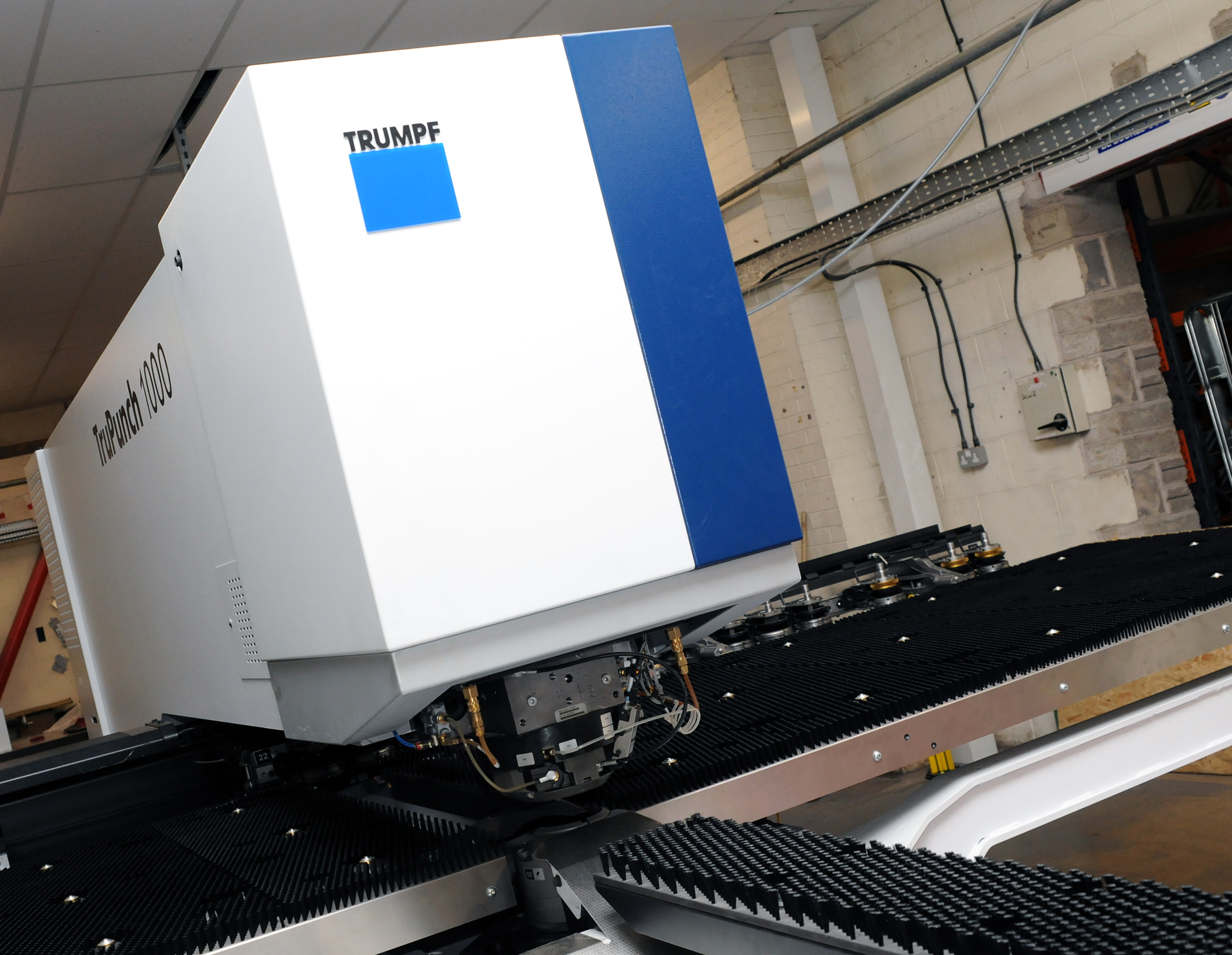
CMD INVESTS £1/4 MILLION IN NEW MACHINE AS PART OF FACTORY UPGRADE

We have invested in a new £1/4m TRUMPF CNC metal punch as part of an asset renewal strategy for our UK manufacturing capability. The new machine will be used in the production of a wide variety of our power distribution systems and workstation power products at our Rotherham factory. Suitable for handling sheet metal between 0.9mm and 3.0mm thick, the new machine will replace one...

Read more
CMD CATALOGUE PROVIDES TECHNICAL POWER DISTRIBUTION GUIDE

CMD Ltd has released a new catalogue, providing an easy to follow technical guide to our power distribution systems and plug and play desk modules. Detailing CMD’s full range of UK-manufactured power distribution systems and plug and play desk modules, the catalogue will be a helpful source of information to M&E engineers and contractors alike to understand how our power distribution systems connect together and...

Read more

Power Distribution Catalogue
CMD Ltd PLAYS ESSENTIAL ROLE IN ELECTRICAL FIT OUT AT LONDON’S PRESTIGIOUS OFFICE DEVELOPMENT

CMD Ltd, specialist in workplace connectivity and ergonomic solutions, has provided a flexible and high-quality power distribution network for The Ray, a prestigious office development in London’s Farringdon. Well-known for being the former site of The Guardian newspaper, The Ray now stands as an 83,000ft² office development characterised by a modernised warehouse aesthetic, with level two now occupied by a global social media company. The...

Read more

The Ray
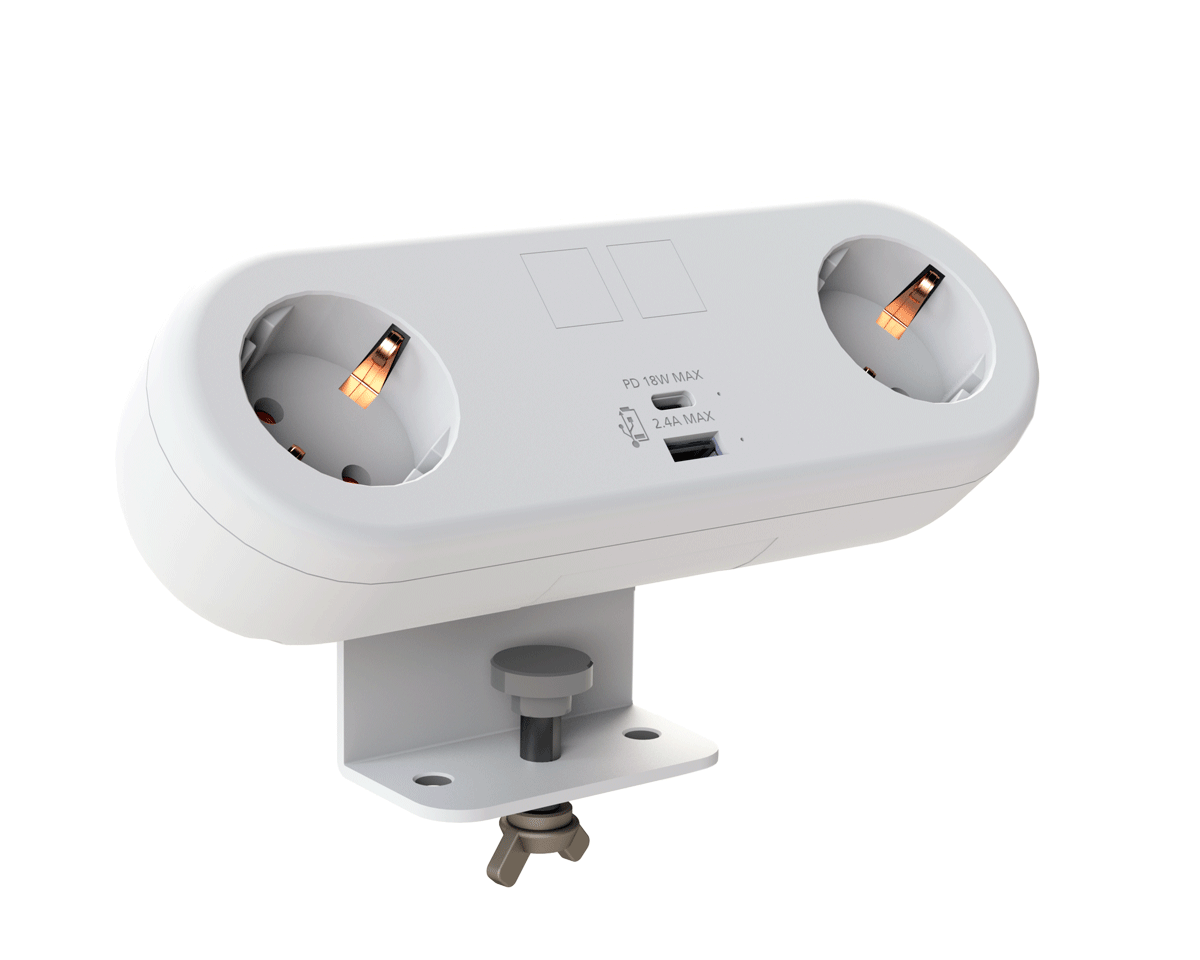
CMD plugs in to european opportunity with Schuko Capsule unit launch

CMD Ltd, the specialist in power and connectivity solutions for commercial environments, has launched a Schuko version of its popular fixed format Capsule workstation power module for export to mainland Europe and beyond. A popular on desk power module comprising two sockets and dual USB (type A and C) chargers, CMD’s Capsule unit is already widely specified in the UK as an off-the-shelf workstation power...

Read more
CMD White Schuko Capsule Desk Power Module
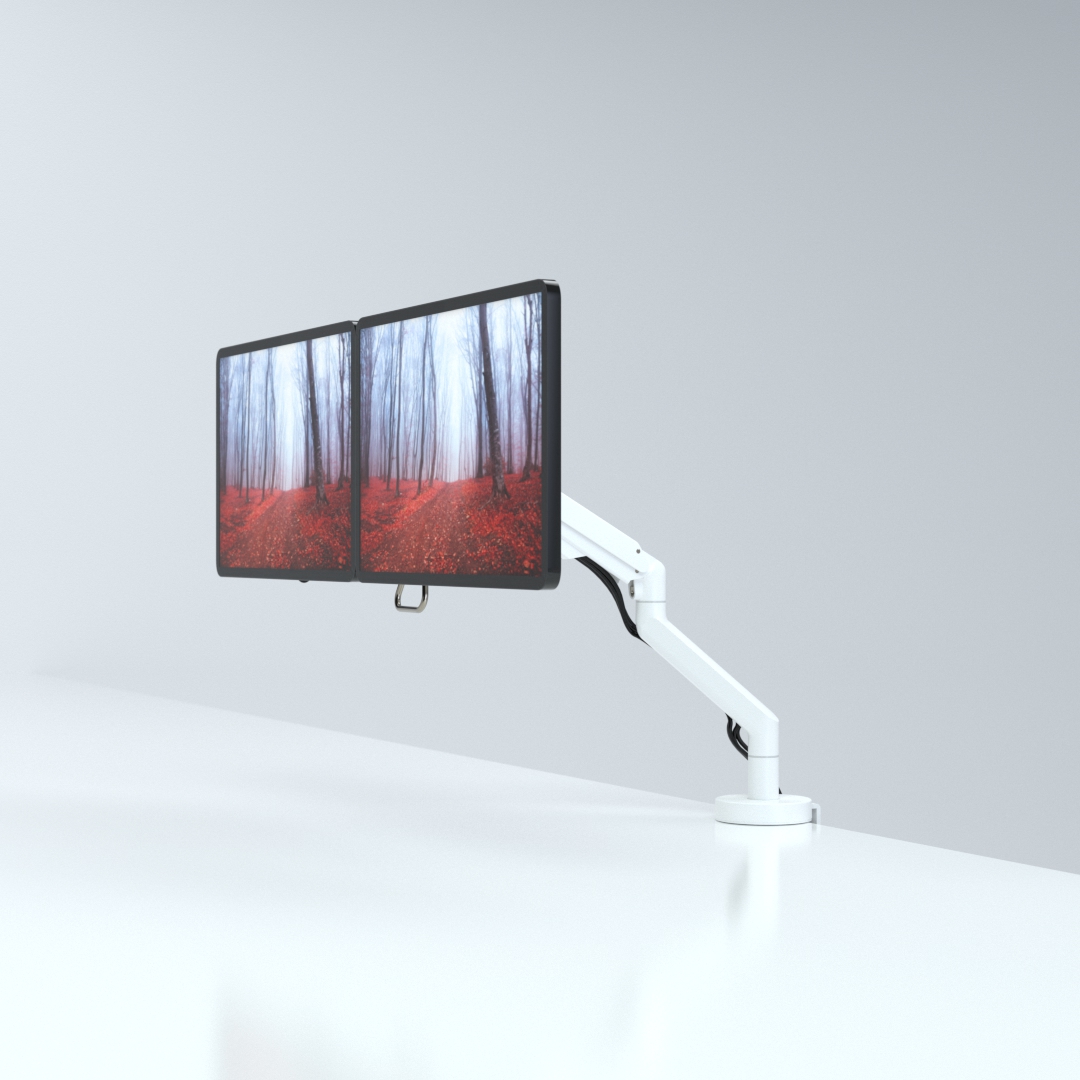
CMD LTD EXTENDS MONITOR ARM RANGE WITH THE LAUNCH OF REACH PLUS

CMD Ltd, the specialist in ergonomic and connectivity solutions for commercial interiors, has completed its Reach monitor arm range with the launch of the Reach Plus. Available in single or dual screen options, the Reach Plus has been designed to provide an ideal solution for both single and dual screen workstation configurations, or can be used with next generation of large format curved screens. Suitable...

Read more
CMD Ltd DEMONSTRATES THE ART OF POWER DISTRIBUTION AT THE UNIVERSITY OF WARWICK

CMD Ltd, the specialist in workplace connectivity and ergonomic solutions, has provided Betatrak busbar power distribution and a range of electrical accessories for two major capital investment projects at the University of Warwick. Designed by Fielden Clegg Bradley Studios, the £33 million Faculty of Arts building is a showpiece development comprising four interconnected structures set around a central atrium, which will enable inter-disciplinary collaboration across...

Read more

University of Warwick
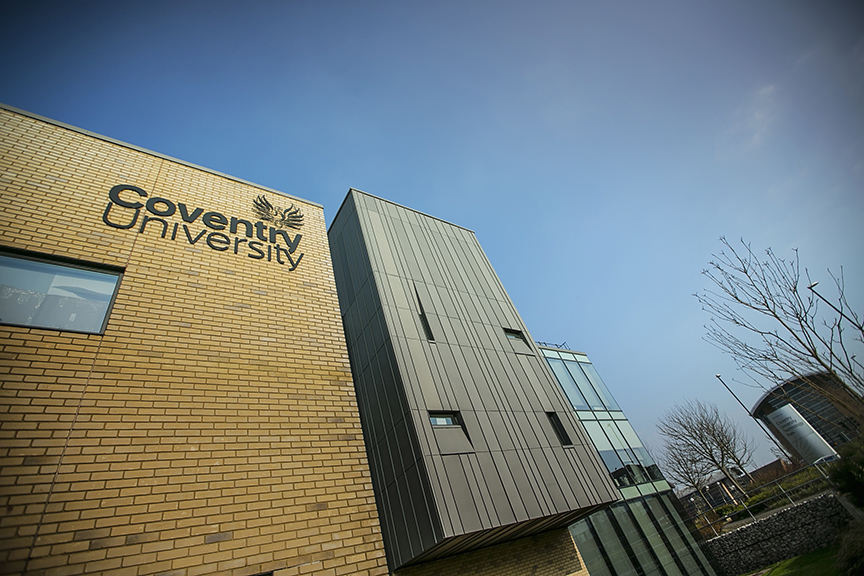
CMD BRINGS HARMONY TO COVENTRY UNIVERSITY RESEARCH FACILITIES

CMD Ltd, the specialist in power distribution solutions and workstation power and ergonomics, has provided under desk and on desk power modules for the refurbishment of three Coventry University research buildings. Located on Coventry University Technology Park, a business park designed to encourage collaboration between the university and knowledge-based businesses, the three buildings are being repurposed as office accommodation for university research teams. The refurbishment...

Read more

Coventry University

How to Use PMK Powder for Effective Synthesis Techniques?

In recent years, the usage of pmk powder has gained attention in various synthesis techniques. This interest stems from its unique properties and versatility in chemical reactions. Many researchers have explored creative ways to utilize PMK powder, but challenges remain.

When working with pmk powder, precision is crucial. It’s essential to measure ingredients carefully. Small mistakes can lead to unexpected results. Observing reaction conditions closely can improve outcomes. Not all methods yield the same efficiency; some may require adjustments. Experimentation is often needed to find the right approach.

Moreover, safety is paramount while working with PMK powder. Understanding potential risks can lead to safer handling practices. Researchers must reflect on their techniques to enhance effectiveness continually. By evaluating previous experiments, one can refine methods and develop a deeper understanding of PMK powder's properties. This ongoing process of learning and adaptation is key to successful synthesis techniques.

How to Use PMK Powder for Effective Synthesis Techniques?

Understanding PMK Powder: Properties and Applications

PMK powder is increasingly recognized for its unique properties. Derived from specific chemical precursors, it plays a crucial role in various synthesis techniques. This powder exhibits a fine crystalline form, making it easy to handle. PMK's stability under controlled conditions allows for reliable results in different applications. Its versatile nature is appealing to chemists exploring innovative pathways.

Tips for using PMK powder effectively include maintaining proper storage. Keep it in a cool, dry place to avoid moisture absorption. Always use protective gear, such as gloves and goggles, during handling. Accurate measurements are critical. Using a precise scale ensures consistent results, which can affect synthesis outcomes significantly.

While PMK shows promise, it's essential to recognize potential challenges. Some reactions may require specific conditions. Experimenting with different solvents or temperatures can yield varying results. A trial-and-error approach might be necessary for optimal outcomes. Consistently recording observations can help refine techniques, leading to improved synthesis in future projects.

PMK Powder Applications and Properties

Preparing for Synthesis: Essential Tools and Safety Precautions

When preparing for synthesis using PMK powder, safety is paramount. Always wear protective gear like gloves, goggles, and a lab coat. This minimizes exposure to harmful substances. Set up in a well-ventilated area to avoid inhaling fumes. A fume hood is ideal if available.

Organizing your workspace is crucial. Keep essential tools within arm's reach: scale, beakers, and stirrers. Use non-reactive materials for containers to prevent unwanted reactions. Proper labeling of all substances is vital. Mislabeling can lead to serious mistakes.

It’s easy to overlook minor details. Ensure your weighing scale is calibrated. A slight inaccuracy can impact your synthesis outcome. Document every step of your process, even if it seems trivial. This reflection helps identify areas for improvement. Remember, a safe and organized environment leads to effective synthesis techniques.

Step-by-Step Guide to Synthesizing with PMK Powder

When working with PMK powder, a clear strategy is essential. Start with gathering your materials. You'll need a suitable workspace and safety gear. Accurate measurements are critical for each step. Always double-check your scales and ensure everything is in order. This preparation minimizes potential errors.

Once you're ready, mix the PMK powder with the appropriate solvent. Stir gently but thoroughly. Watch the temperature; too high can ruin the reaction. Timing is also vital. Set a timer to avoid overstretching the process. Reflect on your techniques throughout. If a step doesn’t go as planned, take a moment to assess what went wrong.

Finally, if you're not achieving the desired results, reevaluate your approach. It may be necessary to adjust ratios or quantities. This might take several attempts. Learning from each synthesis can be really beneficial. Every mistake can teach you something valuable. Embrace this journey as a learning experience, rather than just a task.

Common Techniques for Enhancing Synthesis Efficiency

Synthesis efficiency is crucial in the field of chemistry. Many techniques can enhance this process. One effective way is optimizing reaction conditions. Adjusting temperature and pressure plays a vital role. For instance, raising the temperature can increase reaction rates. A study indicated a 30% efficiency gain at elevated temperatures for certain reactions.

Another important technique involves the use of catalysts. These substances can accelerate reaction rates without being consumed. According to recent data, employing catalysts can improve yield by up to 50%. However, selecting the right catalyst requires careful consideration. Not all catalysts work well for every reaction, leading to potential trial and error. This can cause delays and increase overall costs.

Using PMK powder in synthesis requires understanding these techniques. Practical approaches also include optimizing reagent concentrations. Balancing reagent amounts can prevent waste and enhance efficiency. However, this can be challenging, as too much or too little can lead to failed reactions. Reflection on past experiments can guide future attempts. Data analysis and adjustments are essential for continuous improvement in synthesis processes.

Troubleshooting Synthesis Issues with PMK Powder

When working with PMK powder, troubleshooting synthesis issues can be challenging. A common problem is yield inconsistency. Research suggests that users often experience fluctuations between 70% to 95% yield. It's essential to maintain precise control over reaction conditions. Small deviations in temperature or reagent purity can lead to significant changes in output quality.

Another frequent issue is contamination. Sources indicate that impurities can reduce the effectiveness of PMK powder substantially. This can introduce unwanted byproducts into your synthesis. Ensuring that all equipment is properly cleaned and that reagents are of the highest quality is vital. Even minor residue from previous reactions can alter results dramatically, sometimes reducing purity to below acceptable levels.

Environmental factors may also affect synthesis. Humidity and ambient temperature can influence chemical reactions. A recent study indicated that reactions conducted in overly humid conditions resulted in a 15% reduction in purity. It's important to monitor the lab environment closely and adjust conditions accordingly. Reflecting on past inconsistencies can provide valuable lessons. Understanding these challenges leads to better programming of synthesis methods.

Article Source: