
News

Miro: A New Standard in Responsible Innovation

Miro: A New Standard in Responsible Innovation The Miro monitor arm is setting new benchmarks in sustainability. It offers a high-performance solution without compromising on environmental responsibility. Designed with careful material selection, local sourcing, and longevity in mind, Miro’s responsible approach to design and unique manoeuvrability set it apart from the competition. Sustainable Choices Miro is crafted from energy-efficient materials with a lower carbon impact....

Read more
HSE Advisor

Role Purpose Support in the development, implementation and maintenance of the company’s Health, Safety & Environmental policies, processes, operational procedures, and standards.  Ensuring best practice and championing a continually improving HSE culture within the business. Key Responsibilities Liaise with and provide support to all areas of the business to eliminate, mitigate or reduce identified HSE exposures. Partner with the production management team and team leaders,...

Read more
CMD Ltd LAUNCHES 48-HOUR TURNAROUND ON BETATRAK® RAPID ORDERING SERVICE

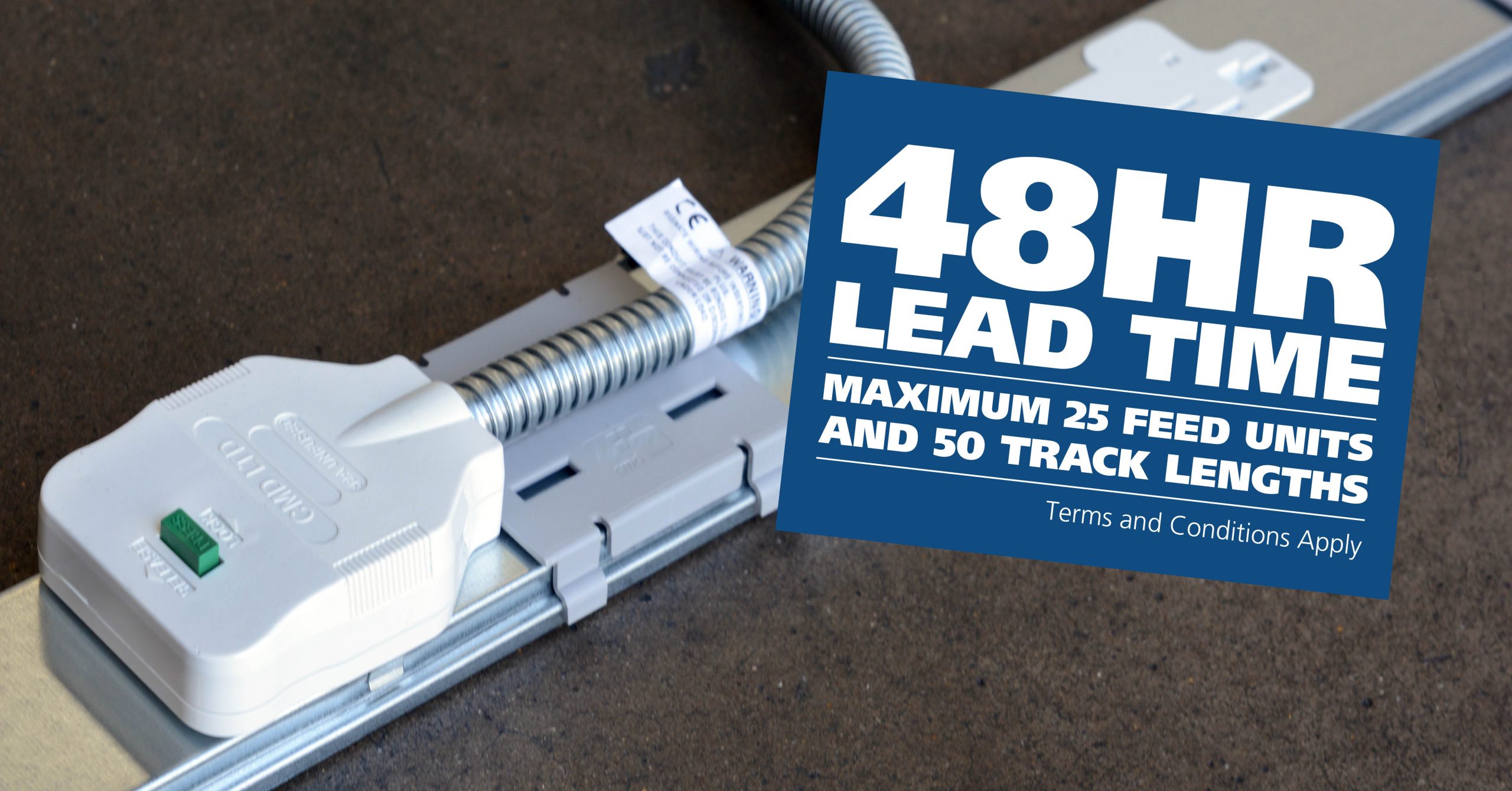
CMD Ltd, the specialist in power distribution systems, workstation power and monitor arms, has launched a rapid ordering service for its Betatrak® underfloor powertrack distribution systems and accessories, with a commitment to delivering within 48-hours of an approved purchase order*. The service enables customers to order up to 50 lengths of Standard or Clean Earth (C/E) low noise Betatrak, along with up to 25 feed...

Read more
CMD INVESTS £1/4 MILLION IN NEW MACHINE AS PART OF FACTORY UPGRADE

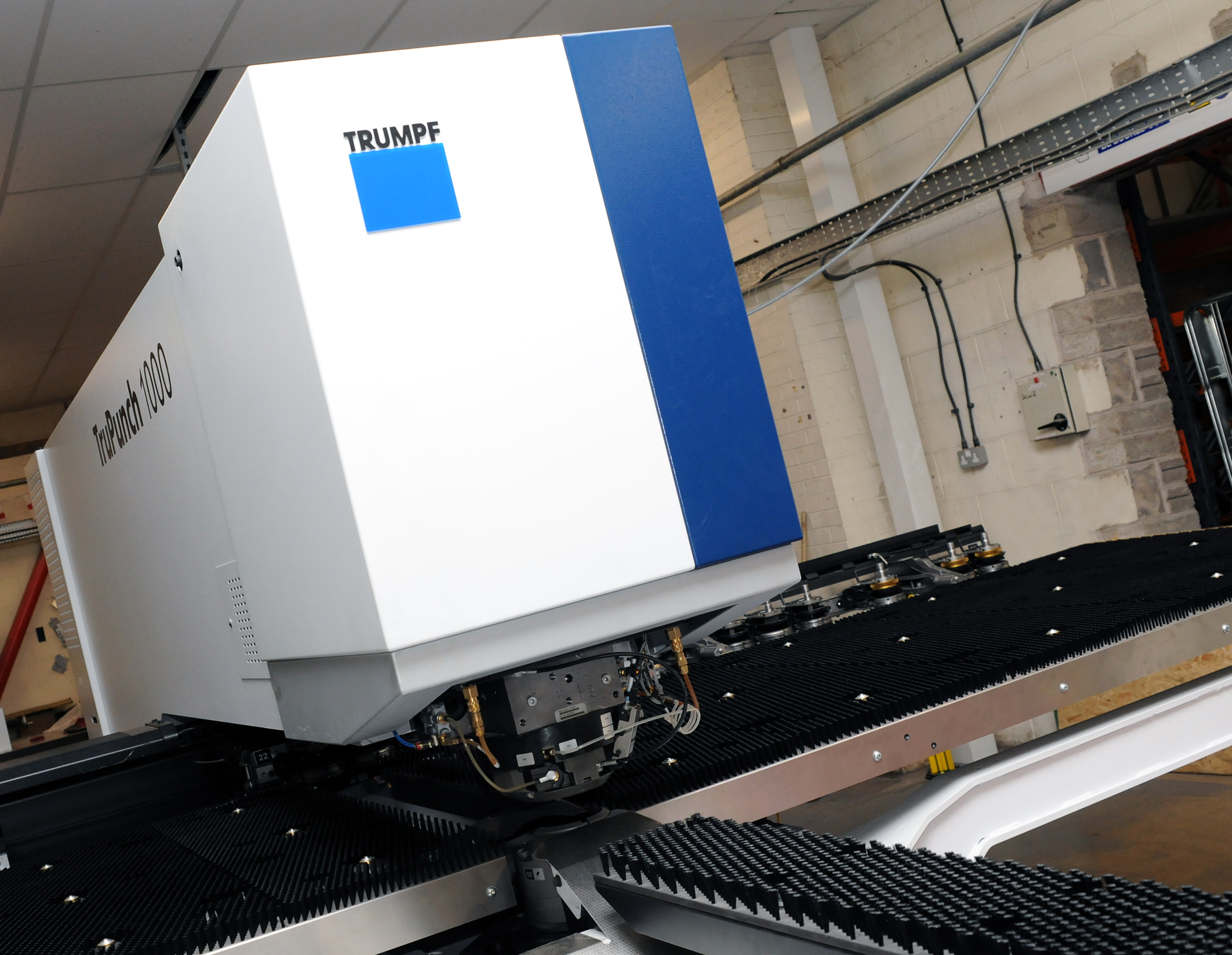
We have invested in a new £1/4m TRUMPF CNC metal punch as part of an asset renewal strategy for our UK manufacturing capability. The new machine will be used in the production of a wide variety of our power distribution systems and workstation power products at our Rotherham factory. Suitable for handling sheet metal between 0.9mm and 3.0mm thick, the new machine will replace one...

Read more
CMD CATALOGUE PROVIDES TECHNICAL POWER DISTRIBUTION GUIDE

CMD Ltd has released a new catalogue, providing an easy to follow technical guide to our power distribution systems and plug and play desk modules. Detailing CMD’s full range of UK-manufactured power distribution systems and plug and play desk modules, the catalogue will be a helpful source of information to M&E engineers and contractors alike to understand how our power distribution systems connect together and...

Read more
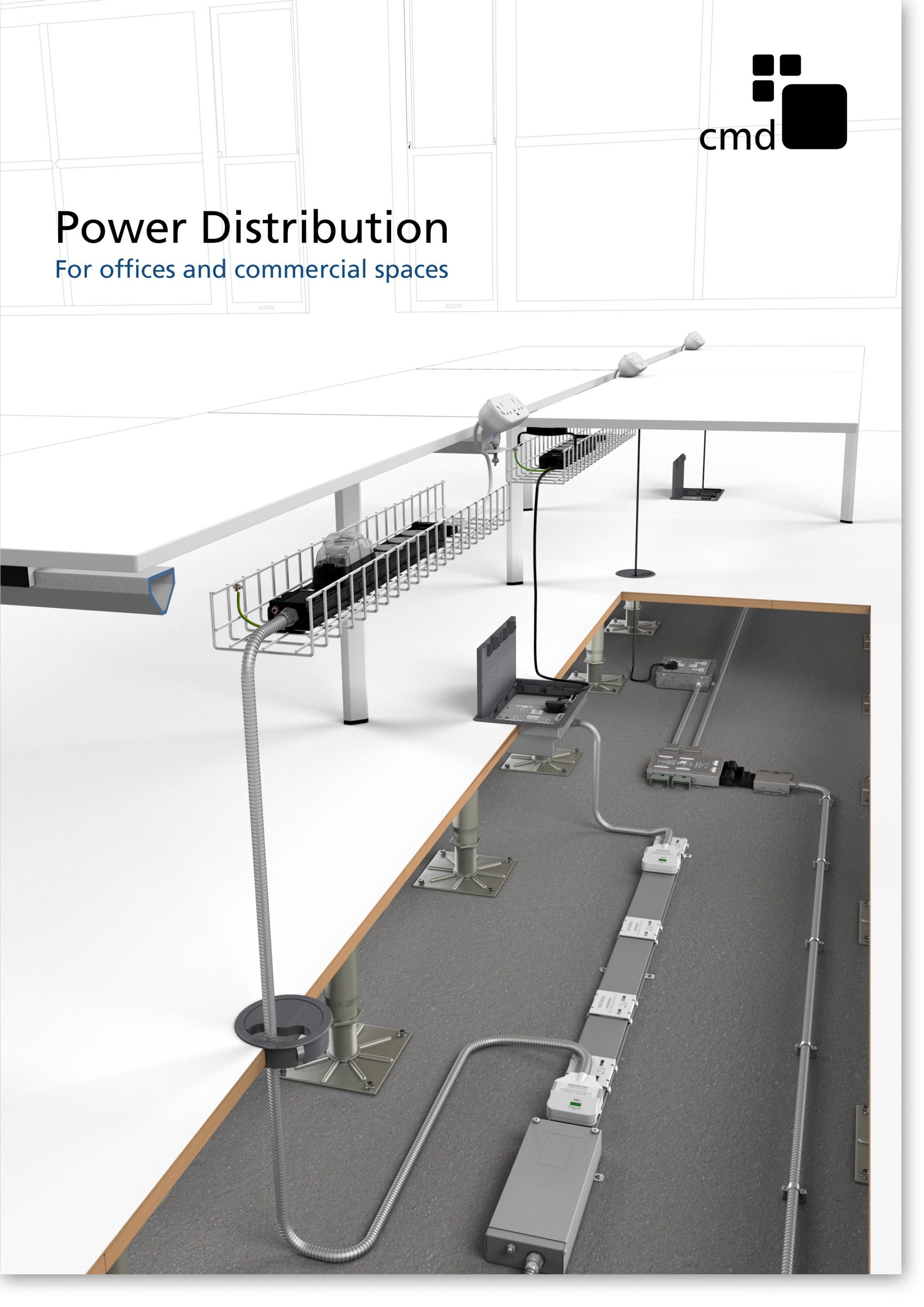
Power Distribution Catalogue
CMD Ltd PLAYS ESSENTIAL ROLE IN ELECTRICAL FIT OUT AT LONDON’S PRESTIGIOUS OFFICE DEVELOPMENT

CMD Ltd, specialist in workplace connectivity and ergonomic solutions, has provided a flexible and high-quality power distribution network for The Ray, a prestigious office development in London’s Farringdon. Well-known for being the former site of The Guardian newspaper, The Ray now stands as an 83,000ft² office development characterised by a modernised warehouse aesthetic, with level two now occupied by a global social media company. The...

Read more

The Ray
CMD plugs in to european opportunity with Schuko Capsule unit launch

CMD Ltd, the specialist in power and connectivity solutions for commercial environments, has launched a Schuko version of its popular fixed format Capsule workstation power module for export to mainland Europe and beyond. A popular on desk power module comprising two sockets and dual USB (type A and C) chargers, CMD’s Capsule unit is already widely specified in the UK as an off-the-shelf workstation power...

Read more
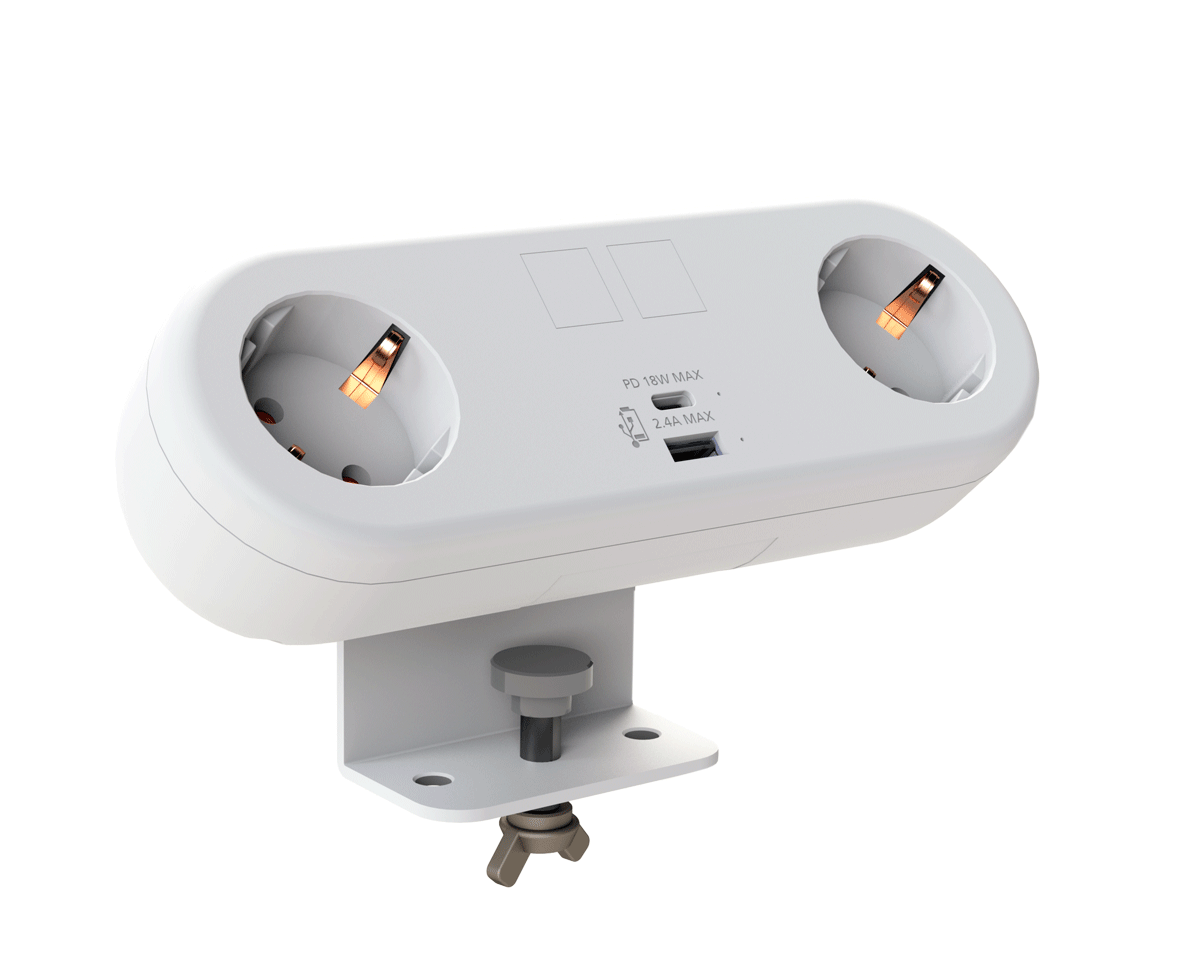
CMD White Schuko Capsule Desk Power Module
CMD LTD EXTENDS MONITOR ARM RANGE WITH THE LAUNCH OF REACH PLUS

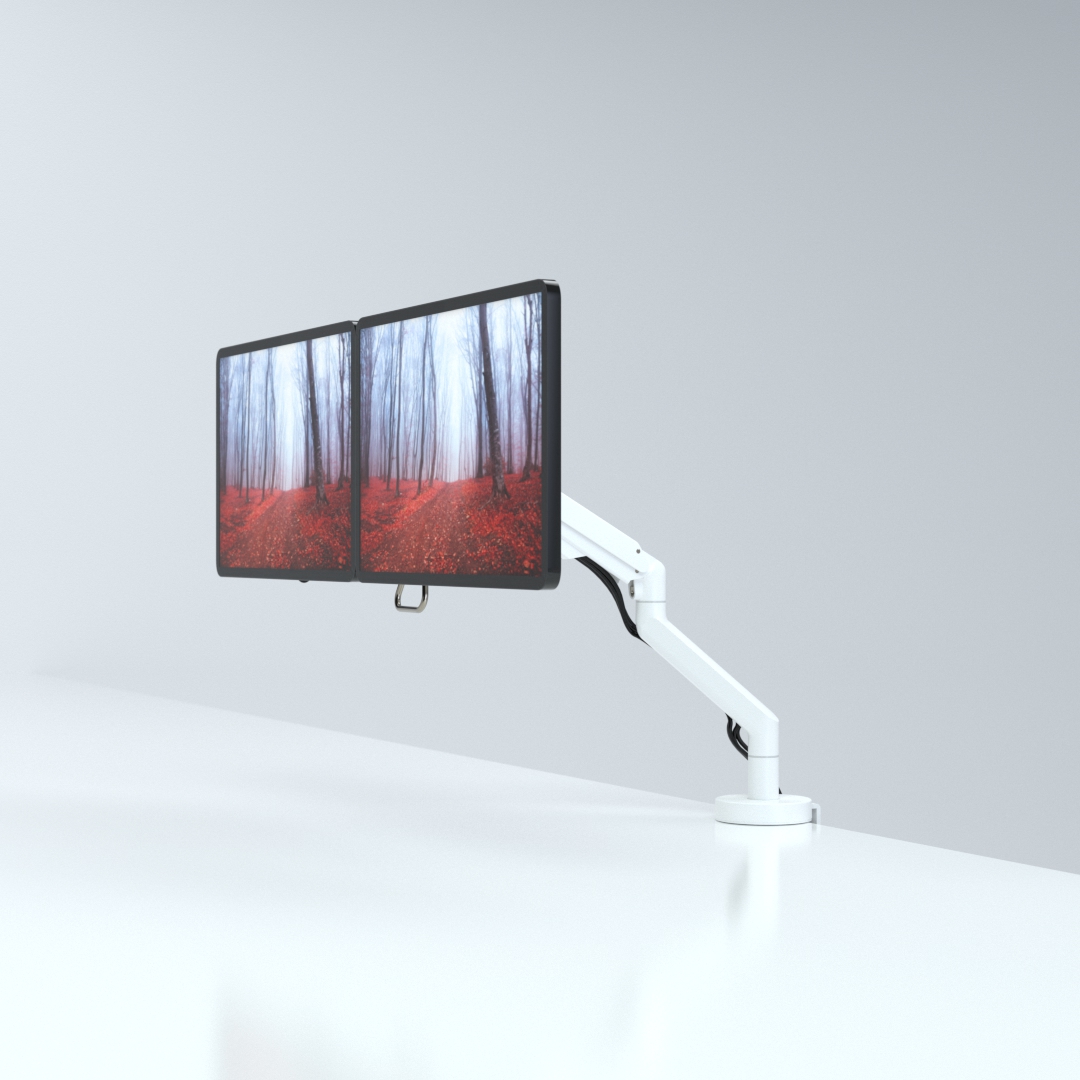
CMD Ltd, the specialist in ergonomic and connectivity solutions for commercial interiors, has completed its Reach monitor arm range with the launch of the Reach Plus. Available in single or dual screen options, the Reach Plus has been designed to provide an ideal solution for both single and dual screen workstation configurations, or can be used with next generation of large format curved screens. Suitable...

Read more
CMD Ltd DEMONSTRATES THE ART OF POWER DISTRIBUTION AT THE UNIVERSITY OF WARWICK

CMD Ltd, the specialist in workplace connectivity and ergonomic solutions, has provided Betatrak busbar power distribution and a range of electrical accessories for two major capital investment projects at the University of Warwick. Designed by Fielden Clegg Bradley Studios, the £33 million Faculty of Arts building is a showpiece development comprising four interconnected structures set around a central atrium, which will enable inter-disciplinary collaboration across...

Read more

University of Warwick
CMD BRINGS HARMONY TO COVENTRY UNIVERSITY RESEARCH FACILITIES

CMD Ltd, the specialist in power distribution solutions and workstation power and ergonomics, has provided under desk and on desk power modules for the refurbishment of three Coventry University research buildings. Located on Coventry University Technology Park, a business park designed to encourage collaboration between the university and knowledge-based businesses, the three buildings are being repurposed as office accommodation for university research teams. The refurbishment...

Read more


Coventry University

What is a Type C Laptop Charger and How Does It Work?

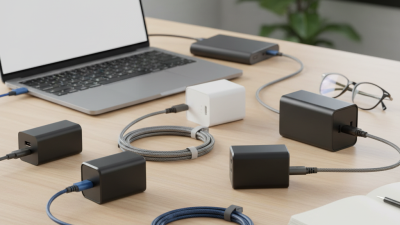
In recent years, the Type C laptop charger has become increasingly popular among tech users. According to a report by MarketsandMarkets, the global USB Type-C market is expected to grow at a CAGR of 29.6% from 2021 to 2026. This rapid adoption highlights the shift towards standardized charging solutions. A Type C laptop charger offers greater flexibility and speed than its predecessors, allowing devices to charge faster and transfer data more efficiently.

With a reversible connector, a Type C laptop charger is user-friendly. However, not all devices support this technology. Some older models may require different chargers, which can be confusing for consumers. Additionally, counterfeit products can pose safety risks. Statistics show that about 30% of chargers in circulation do not meet safety standards. Users must exercise caution when purchasing these essential accessories.

Understanding how a Type C laptop charger works can help users make informed choices. It integrates power delivery technology, allowing one charger to power various devices. This versatility is advantageous but can lead to compatibility issues. As the industry evolves, ongoing education about these devices is crucial to ensuring a seamless user experience.

What is a Type C Laptop Charger and How Does It Work?

Understanding the Basics of Type C Laptop Chargers

What is a Type C Laptop Charger and How Does It Work?

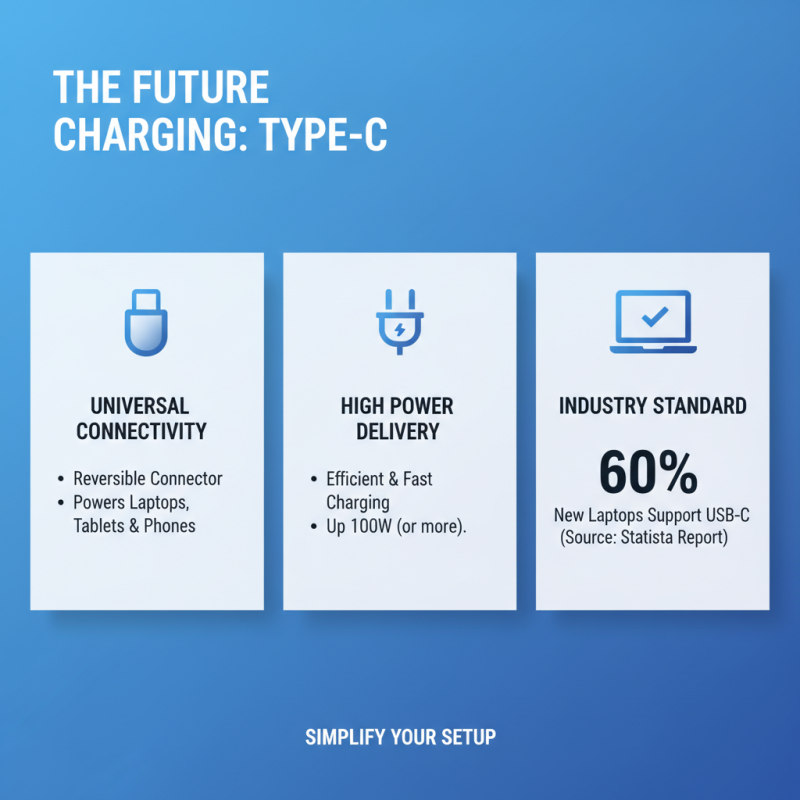
Type C laptop chargers represent a significant advancement in charging technology. They utilize a reversible connector and deliver power through the USB-C interface. Notably, this versatility allows Type C chargers to power various devices, not just laptops. According to a report by *Statista*, about 60% of new laptops now support USB-C, emphasizing its growing standard in the industry.

The charging capacity of Type C can reach up to 100 watts. This is crucial for powering larger laptops that require more energy. A study by the *USB Implementers Forum* indicates that USB-C has the potential to simplify charging processes significantly. However, compatibility issues can arise. Users often find different power outputs among chargers, sometimes leading to slower charging times. It's vital to check device specifications to ensure optimal performance.

Despite its advantages, there are downsides to consider. Not every cable supports the same power output or data transfer speed. This inconsistency can confuse consumers. Moreover, not all manufacturers adopt the USB-C standard equally. This gap in implementation can frustrate users who expect universal compatibility. Understanding these intricacies is key to making the most of Type C laptop chargers.

The Technology Behind USB Type C Connections

USB Type C has revolutionized how devices connect. It offers faster data transfer and charging capabilities. Reports by the USB Implementers Forum indicate that it can deliver up to 100 watts of power. This means a Type C laptop charger can power even more demanding devices. The technology supports a wide range of applications, from laptops to smartphones.

The design of Type C connectors is symmetrical, eliminating the hassle of plugging in. Users can connect their devices without worrying about orientation. Additionally, Type C supports video output, allowing for seamless connection to external displays. However, not all Type C cables are created equal. Some may not support the full power or data transfer capabilities. This inconsistency can lead to user frustration.

Many users still grapple with compatibility issues. Although Type C promotes universal connections, real-world scenarios often reveal pitfalls. Devices from different manufacturers may not always sync as expected. Understanding the nuances of Type C is essential. Users should invest time in choosing high-quality cables that meet their needs. It's a growing technology, yet the journey is not without its bumps.

How Type C Chargers Deliver Power to Laptops

Type C chargers are an emerging standard that changes how laptops receive power. They use a small, reversible connector that adds convenience in charging. According to a report by the International Electrotechnical Commission, Type C connectors handle up to 100 watts, making them powerful for laptops. That’s enough say for most modern devices.

How do Type C chargers work? They deliver power through a method called USB Power Delivery (USB PD). This protocol allows devices to negotiate power needs dynamically. For example, it can adjust the output from 5 watts for a smartphone to 100 watts for a laptop. Not every Type C cable supports this, though. Many cables are just data cables and can’t handle high power. Users often find this out the hard way.

The fast charging capability of Type C is appealing but comes with challenges. Not all devices are compatible with the same power specifications. This can lead to confusion and improper charging. Additionally, some cables may overheat, which poses safety risks. Users need to choose cables wisely to avoid these pitfalls.

Compatibility and Advantages of Type C Laptop Chargers

What is a Type C Laptop Charger and How Does It Work?

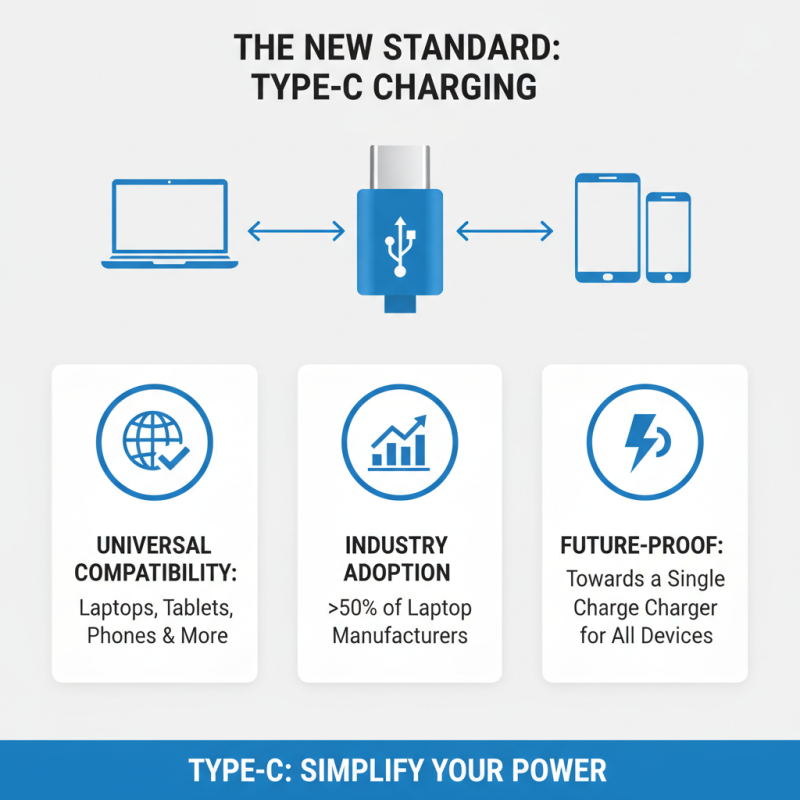
Type C laptop chargers are becoming the standard for many devices. Their compatibility with a wide range of gadgets is one key advantage. According to a recent industry report, over 50% of laptop manufacturers now include USB Type C ports. This trend is rapidly growing, seen as a move towards universal charging solutions.

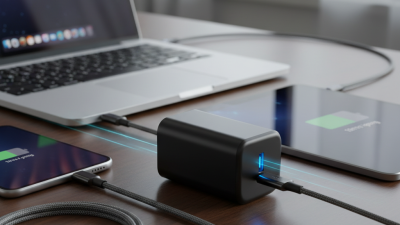
With a single Type C charger, users can power laptops, tablets, and smartphones alike. This universality reduces the need for multiple chargers, simplifying the user's experience. However, not all Type C ports support the same power levels. Some devices charge slower than others, leading to frustrations. A study found that 30% of users experience confusion over charging speeds related to different USB Type C specifications.

The compact design of Type C connectors also contributes to their appeal. They are smaller and reversible, making them user-friendly. However, the lack of widespread adoption across all devices can create hurdles. Many customers may still encounter older devices that do not support Type C. This transition phase presents challenges as the industry moves towards a more unified charging solution.

Common Misconceptions About Type C Charging Standards

Type C chargers have gained popularity, yet misconceptions continue to confuse users. One common myth is that all Type C chargers are the same. This is far from the truth. While they share the same connector, the power they deliver can vary greatly. Some can charge a device quickly, while others may take much longer. Users should always check the specifications before plugging in.


Another misunderstanding is regarding compatibility. Many believe that any Type C charger can charge any Type C device. In reality, device requirements differ. A laptop may need more power than a smartphone. Using an insufficient charger can lead to slow charging or even battery damage. Safety features in chargers do help, yet it’s important to be informed.


Many people overlook the significance of cable quality too. Cheap cables can lead to overheating or reduced performance. It's tempting to save money, but this can backfire. A bad cable can affect the entire charging process. Awareness is key; understanding these details can enhance the charging experience.