

News

Miro: A New Standard in Responsible Innovation

Miro: A New Standard in Responsible Innovation The Miro monitor arm is setting new benchmarks in sustainability. It offers a high-performance solution without compromising on environmental responsibility. Designed with careful material selection, local sourcing, and longevity in mind, Miro’s responsible approach to design and unique manoeuvrability set it apart from the competition. Sustainable Choices Miro is crafted from energy-efficient materials with a lower carbon impact....

Read more
HSE Advisor

Role Purpose Support in the development, implementation and maintenance of the company’s Health, Safety & Environmental policies, processes, operational procedures, and standards.  Ensuring best practice and championing a continually improving HSE culture within the business. Key Responsibilities Liaise with and provide support to all areas of the business to eliminate, mitigate or reduce identified HSE exposures. Partner with the production management team and team leaders,...

Read more
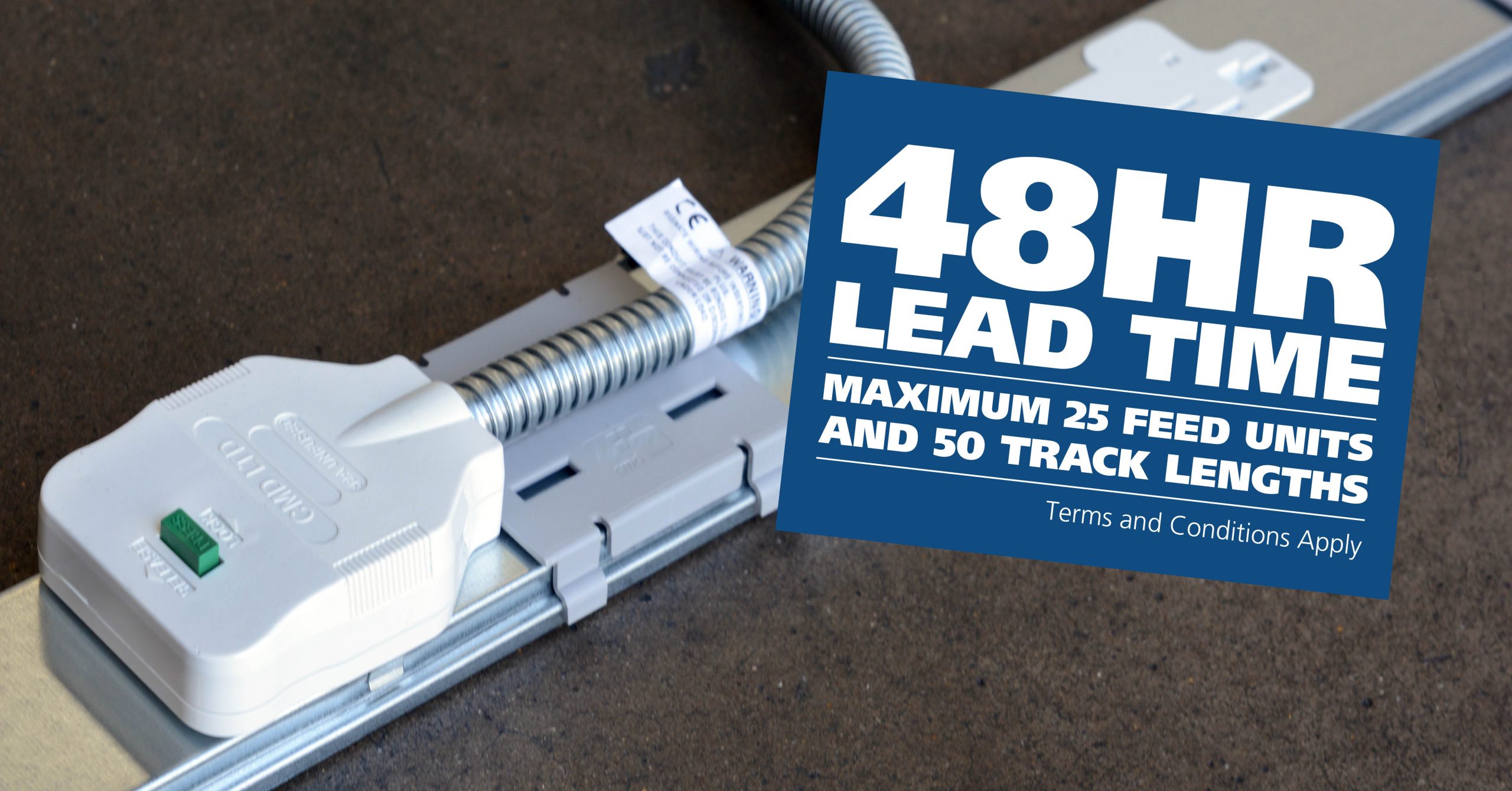
CMD Ltd LAUNCHES 48-HOUR TURNAROUND ON BETATRAK® RAPID ORDERING SERVICE

CMD Ltd, the specialist in power distribution systems, workstation power and monitor arms, has launched a rapid ordering service for its Betatrak® underfloor powertrack distribution systems and accessories, with a commitment to delivering within 48-hours of an approved purchase order*. The service enables customers to order up to 50 lengths of Standard or Clean Earth (C/E) low noise Betatrak, along with up to 25 feed...

Read more
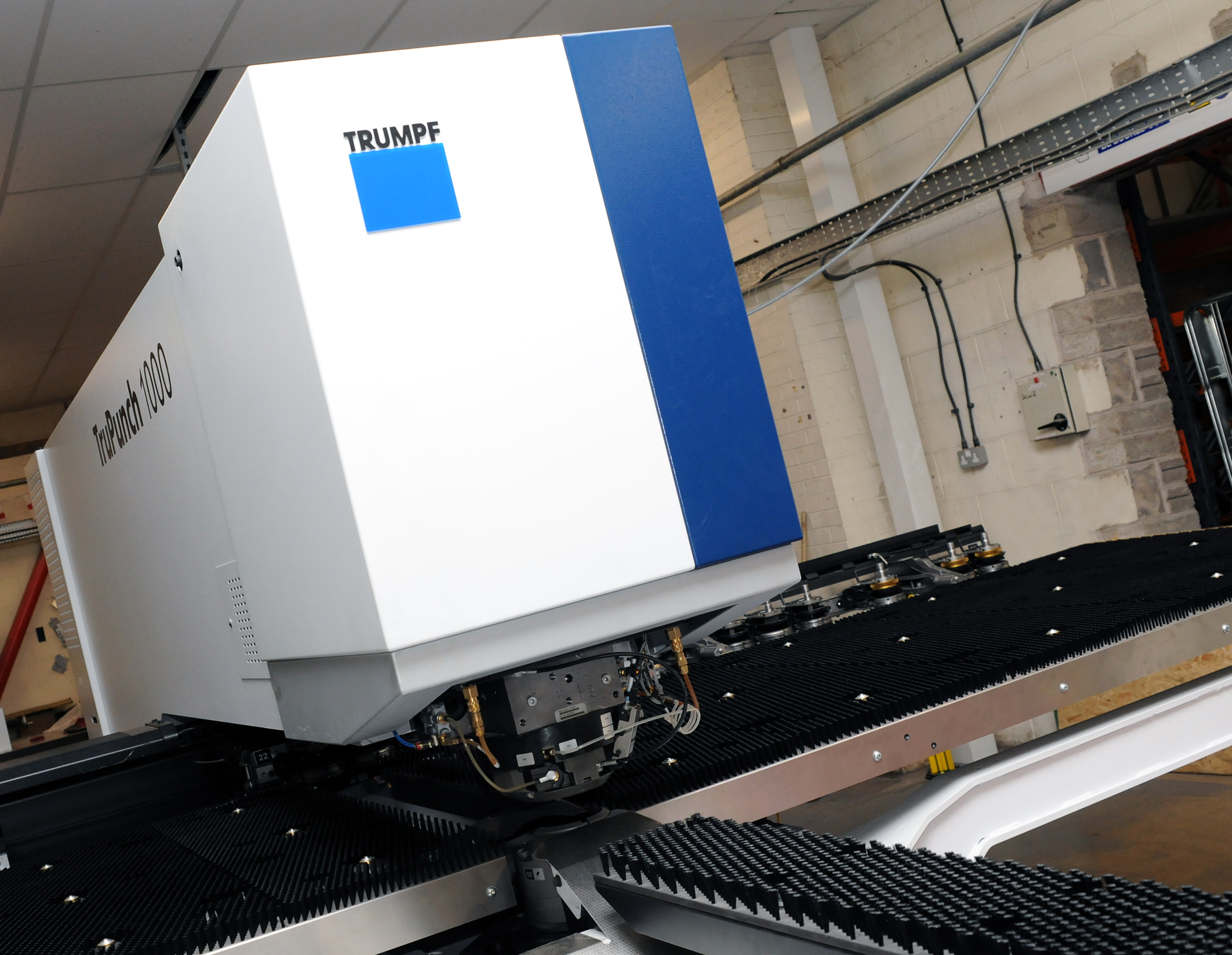
CMD INVESTS £1/4 MILLION IN NEW MACHINE AS PART OF FACTORY UPGRADE

We have invested in a new £1/4m TRUMPF CNC metal punch as part of an asset renewal strategy for our UK manufacturing capability. The new machine will be used in the production of a wide variety of our power distribution systems and workstation power products at our Rotherham factory. Suitable for handling sheet metal between 0.9mm and 3.0mm thick, the new machine will replace one...

Read more
CMD CATALOGUE PROVIDES TECHNICAL POWER DISTRIBUTION GUIDE

CMD Ltd has released a new catalogue, providing an easy to follow technical guide to our power distribution systems and plug and play desk modules. Detailing CMD’s full range of UK-manufactured power distribution systems and plug and play desk modules, the catalogue will be a helpful source of information to M&E engineers and contractors alike to understand how our power distribution systems connect together and...

Read more
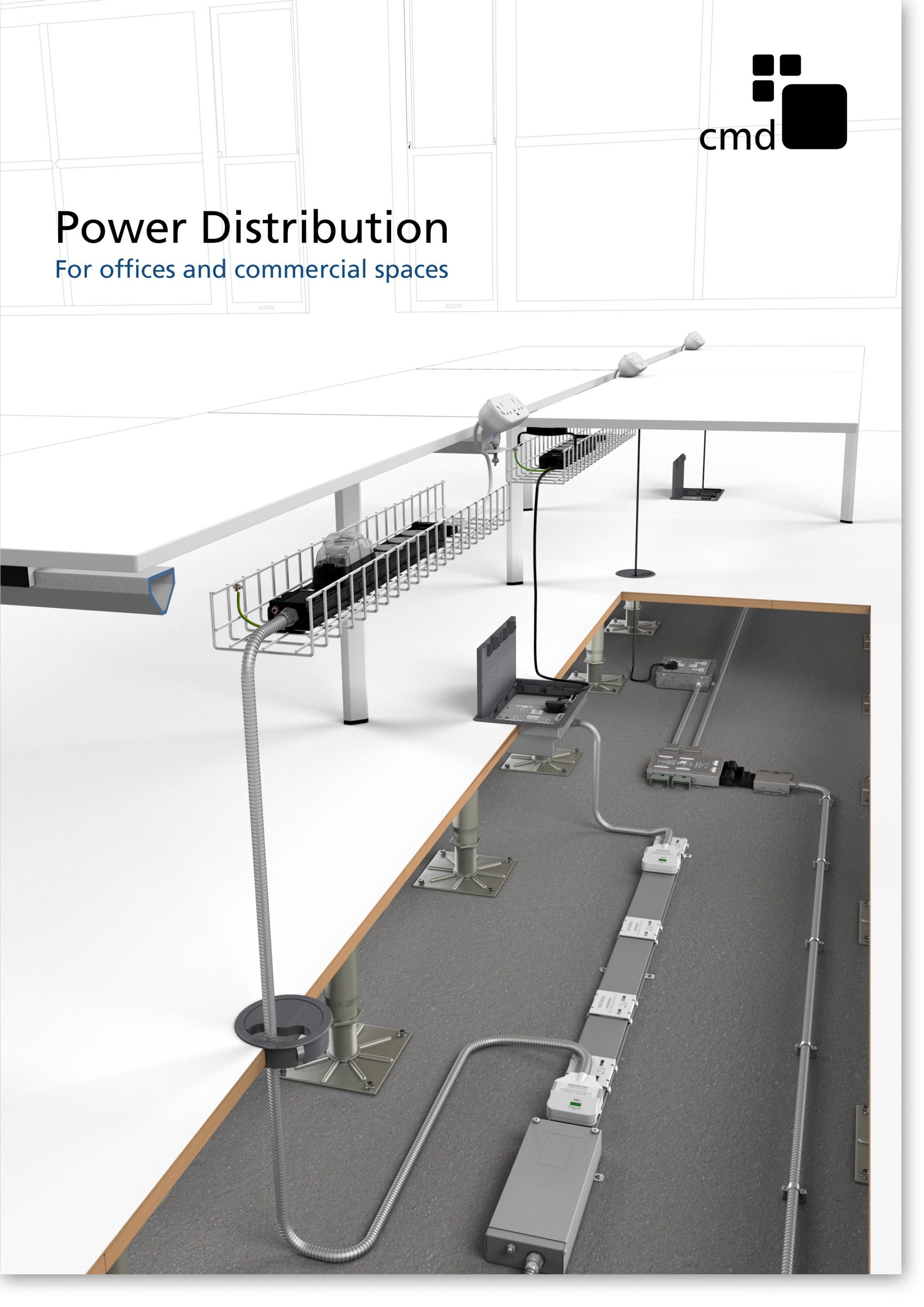
Power Distribution Catalogue
CMD Ltd PLAYS ESSENTIAL ROLE IN ELECTRICAL FIT OUT AT LONDON’S PRESTIGIOUS OFFICE DEVELOPMENT

CMD Ltd, specialist in workplace connectivity and ergonomic solutions, has provided a flexible and high-quality power distribution network for The Ray, a prestigious office development in London’s Farringdon. Well-known for being the former site of The Guardian newspaper, The Ray now stands as an 83,000ft² office development characterised by a modernised warehouse aesthetic, with level two now occupied by a global social media company. The...

Read more

The Ray
CMD plugs in to european opportunity with Schuko Capsule unit launch

CMD Ltd, the specialist in power and connectivity solutions for commercial environments, has launched a Schuko version of its popular fixed format Capsule workstation power module for export to mainland Europe and beyond. A popular on desk power module comprising two sockets and dual USB (type A and C) chargers, CMD’s Capsule unit is already widely specified in the UK as an off-the-shelf workstation power...

Read more
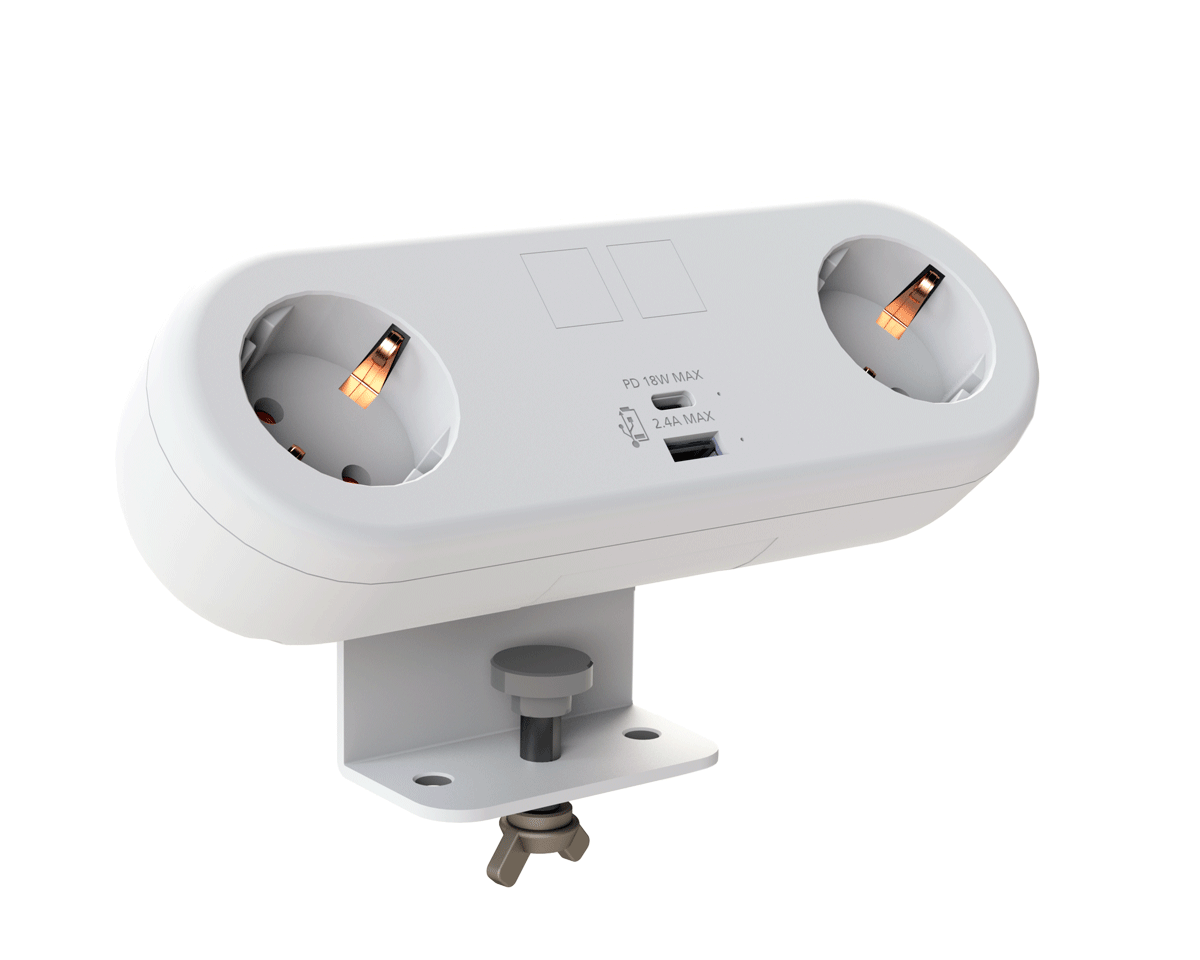
CMD White Schuko Capsule Desk Power Module
CMD LTD EXTENDS MONITOR ARM RANGE WITH THE LAUNCH OF REACH PLUS

CMD Ltd, the specialist in ergonomic and connectivity solutions for commercial interiors, has completed its Reach monitor arm range with the launch of the Reach Plus. Available in single or dual screen options, the Reach Plus has been designed to provide an ideal solution for both single and dual screen workstation configurations, or can be used with next generation of large format curved screens. Suitable...

Read more

CMD Ltd DEMONSTRATES THE ART OF POWER DISTRIBUTION AT THE UNIVERSITY OF WARWICK

CMD Ltd, the specialist in workplace connectivity and ergonomic solutions, has provided Betatrak busbar power distribution and a range of electrical accessories for two major capital investment projects at the University of Warwick. Designed by Fielden Clegg Bradley Studios, the £33 million Faculty of Arts building is a showpiece development comprising four interconnected structures set around a central atrium, which will enable inter-disciplinary collaboration across...

Read more

University of Warwick
CMD BRINGS HARMONY TO COVENTRY UNIVERSITY RESEARCH FACILITIES

CMD Ltd, the specialist in power distribution solutions and workstation power and ergonomics, has provided under desk and on desk power modules for the refurbishment of three Coventry University research buildings. Located on Coventry University Technology Park, a business park designed to encourage collaboration between the university and knowledge-based businesses, the three buildings are being repurposed as office accommodation for university research teams. The refurbishment...

Read more

Coventry University

Top 10 Types of Logistics Trolleys for Global Buyers

Global buyers rarely choose logistics equipment by appearance alone. They examine load capacity, wheel performance, handle height, storage space, safety features, and total operating cost. Logistics Trolleys may move cartons through a warehouse, parcels across a loading bay, or medical supplies between controlled areas. Each setting creates different demands.

Martin Christopher, a widely respected supply-chain expert, stated, “Competition is no longer between companies, but supply chains.” His observation remains practical today. A reliable trolley can shorten picking routes, reduce lifting strain, and protect goods during busy transfers. However, the wrong model may create noise, damage floors, or slow workers at narrow doors.

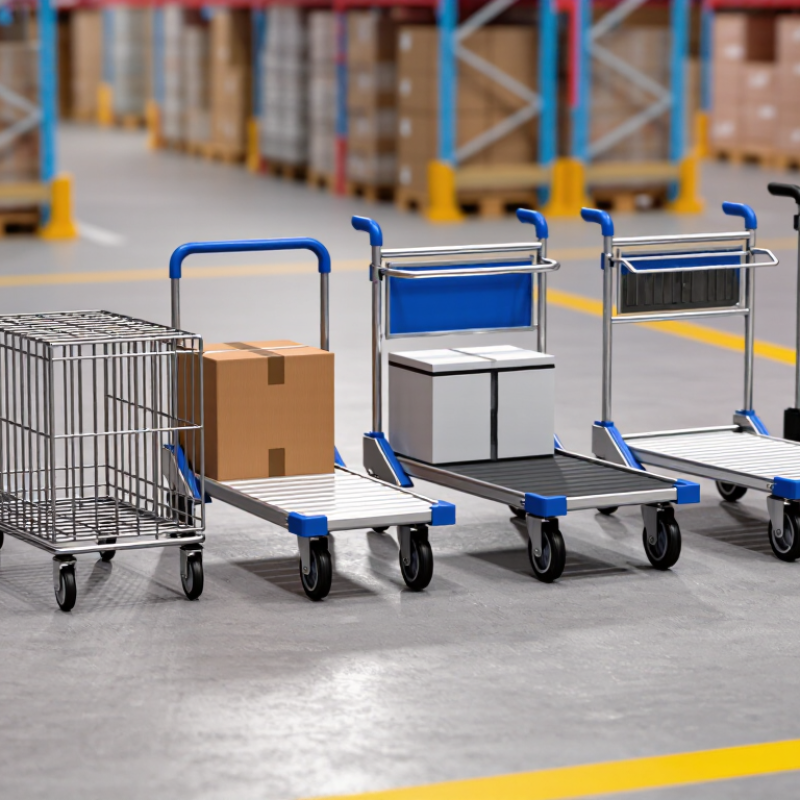
This guide introduces the top 10 types of Logistics Trolleys for global buyers. It considers platform trolleys, cage trolleys, folding models, sack trucks, warehouse picking carts, and specialized designs. The comparison focuses on real purchasing concerns, including materials, wheel layouts, braking systems, corrosion resistance, and maintenance access. Small details matter.

A 125-millimeter wheel may cross a smooth warehouse floor easily, yet struggle over a damaged threshold. A steel frame can carry heavy loads, but it may increase handling effort. These trade-offs are easy to overlook. No trolley wins everywhere.

Buyers should also review supplier documentation, testing records, warranty terms, and replacement-part availability. Product names can vary between regions, which sometimes causes confusion. Specifications deserve more attention than attractive photographs. Even experienced purchasing teams can miss this point. The best choice balances worker comfort, product durability, site conditions, and long-term value.

Top 10 Types of Logistics Trolleys for Global Buyers

What Logistics Trolleys Are and Why Global Buyers Use Them

Logistics trolleys are wheeled handling units used to move cartons, bins, tools, or garments across warehouses, stores, and loading areas. They reduce repeated lifting and keep goods closer to the worker. Common designs include platform trolleys, cage trolleys, two-wheel hand trucks, picking carts, roll containers, and folding models. Each serves a different load pattern.

Global buyers use them because internal movement often creates hidden delays. A trolley can shorten walking routes, support batch picking, and reduce handling damage. MHI’s 2024 Annual Industry Report found that 83% of supply chain professionals expect robotics and automation adoption within five years. Basic trolleys remain relevant because they are affordable, flexible, and easy to deploy beside automated systems. They also require less training. That matters in facilities with changing labor teams.

The right choice depends on load weight, aisle width, floor condition, wheel material, and storage height. A cage trolley suits loose parcels, while a platform model handles bulky cartons. In practical warehouse assessments, poor wheel selection often causes more trouble than trolley price. Small wheels struggle on uneven floors. Narrow frames can tip under tall loads. Buyers should test turning radius and brake control with a real load, not an empty sample. This step is easy to skip. It should not be. The World Bank’s 2023 Logistics Performance Index also highlights the importance of reliable logistics processes, where simple handling equipment can support consistent warehouse performance.

Top 10 Types of Logistics Trolleys for Global Buyers

Logistics trolleys are wheeled handling equipment used to move goods safely and efficiently across warehouses, factories, retail facilities, airports, and distribution centers.

The chart compares representative nominal load capacities commonly specified for each trolley type. Actual capacity varies by frame material, wheel design, platform size, and supplier configuration. Global buyers select trolleys according to load requirements, maneuverability, storage efficiency, and operating environment.

Platform, Flatbed, and Cage Trolleys for General Cargo Handling

Top 10 Types of Logistics Trolleys for Global Buyers

Platform, Flatbed, and Cage Trolleys for General Cargo Handling

Platform trolleys suit cartons, bins, and irregular loads that need quick movement. Flatbed trolleys offer lower decks and wider loading areas for stacked boxes or long packages. Cage trolleys add mesh sides, reducing product loss during transfers between storage zones. In practical warehouse trials, wheel diameter, deck height, handle strength, and turning radius often matter more than maximum load capacity. A trolley that carries 500 kilograms may still perform poorly in narrow aisles.

MHI’s 2024 Annual Industry Report found that 55% of surveyed supply chain leaders used cloud computing, while 42% used sensors or automatic identification technologies. This shift makes trolley selection more data-driven. Buyers should match trolley design with barcode scanning, route visibility, and loading frequency. Platform models work well near docks. Flatbeds support heavier general cargo. Cage models protect smaller parcels during repeated internal journeys. Not every cage is easy to clean.

The World Bank’s 2023 Logistics Performance Index assessed logistics systems across 139 economies. It highlighted persistent delays in handling, transfers, and delivery coordination. Simple trolley improvements can address part of this problem. Larger casters reduce vibration across uneven floors. Brakes improve parking safety on ramps. Replaceable wheels reduce downtime. Yet specifications can mislead. Test the trolley with real cartons, real operators, and the narrowest route before placing a large order.

Pallet, Bin, and Picking Trolleys for Warehouse Operations

Warehouse trolley selection starts with the load, not the catalogue photo. Pallet trolleys handle heavy, standardized loads across wider aisles. Their forks, wheel size, and turning radius affect daily productivity. A low-clearance frame may fit beneath pallets, but uneven floors can expose weak casters. I have seen operators lose time pushing overloaded units through narrow dock lanes. That small delay becomes expensive.

Bin trolleys suit smaller parts and stacked containers. Adjustable shelves help when inventory sizes change. Picking trolleys need clear labeling areas, stable handles, and smooth movement between storage zones. A shallow upper shelf keeps frequently picked items within reach. Deep bins can hold more, but they also hide misplaced stock. Good design reduces searching.

Durability needs practical checking. Weld quality, coating thickness, wheel bearings, and brake performance matter during repeated shifts. A trolley may pass a showroom test and still fail beside a cold loading door. I once underestimated handle height; shorter workers found the same model uncomfortable. That mistake changed our evaluation process.

Ask suppliers for load ratings, wheel materials, replacement parts, and test records. Confirm aisle width before ordering. Measure the real route, including ramps, thresholds, and lift entrances. A bright finish looks professional, but corrosion resistance and cleanability matter more in busy warehouse operations.

Scissor-Lift, Stair-Climbing, and Heavy-Duty Trolleys

Top 10 Types of Logistics Trolleys for Global Buyers

Scissor-lift trolleys support safer pallet positioning, picking, and workstation transfers. Their raised platforms reduce repeated bending, especially beside low storage racks. The NIOSH Revised Lifting Equation uses a 23 kg load constant under ideal conditions. This is not a universal safe lifting limit. Buyers should check reach distance, grip quality, posture, and travel frequency. A trolley rated for 500 kg may still perform poorly on uneven concrete.

Stair-climbing trolleys suit buildings without reliable lift access. Powered models can move boxed equipment over steps, but landing depth and stair-edge geometry remain critical. The UK Health and Safety Executive’s Manual Handling guidance recommends avoiding hazardous lifting where reasonably practicable. In practice, operators still need training, controlled speed, and a secure load restraint. One missed strap can change a routine delivery into a serious handling problem. Stair trolleys also need compact frames and brakes that hold on sloped landings.

Heavy-duty trolleys serve machinery, warehouse bins, and dense components. Select welded frames, load-rated casters, corrosion-resistant surfaces, and replaceable wheels. ISO 11228 handling guidance highlights the importance of force, distance, and workplace conditions. Buyers should request test methods, not only headline capacity. My practical concern is simple: specifications often describe perfect floors. Real sites contain thresholds, debris, and tight corners. Trial the trolley with the actual load before approving a global purchase.

How to Compare Trolley Types for International Purchasing

Top 10 Types of Logistics Trolleys for Global Buyers

How to Compare Trolley Types for International Purchasing

Global buyers should compare trolley types by task, load, route, and service conditions. Common options include platform, cage, shelf, picking, sack, drum, panel, linen, folding, and stair-climbing trolleys. A platform trolley suits boxed cargo on smooth floors. A cage trolley protects mixed parcels. Shelf and picking models support faster order assembly. Drum and panel trolleys require specialized load control. Folding models save container space, but their joints may wear sooner.

The World Bank Logistics Performance Index 2023 evaluates 139 economies through customs, infrastructure, logistics competence, tracking, and timeliness. These factors also shape trolley selection. Buyers should request wheel diameter, turning radius, frame steel grade, brake design, and rated capacity. Check whether the trolley fits standard doors, lifts, pallets, and storage aisles. Small details matter. A 150-kilogram rating may fail on uneven floors or ramps.

MHI’s 2024 Annual Industry Report highlights continuing investment in automation, robotics, and connected operations. That trend makes compatibility increasingly important. Choose handles and heights that support safe worker movement. Measure folded dimensions before comparing shipping costs. Ask for load tests, corrosion data, replacement-part availability, and inspection records. I would not trust attractive catalog photos alone. A cheaper trolley can become expensive after damaged wheels, poor documentation, or difficult spare-part sourcing. Local operating habits also deserve review; a technically strong choice may still perform badly in crowded facilities.