

News

Miro: A New Standard in Responsible Innovation

Miro: A New Standard in Responsible Innovation The Miro monitor arm is setting new benchmarks in sustainability. It offers a high-performance solution without compromising on environmental responsibility. Designed with careful material selection, local sourcing, and longevity in mind, Miro’s responsible approach to design and unique manoeuvrability set it apart from the competition. Sustainable Choices Miro is crafted from energy-efficient materials with a lower carbon impact....

Read more
HSE Advisor

Role Purpose Support in the development, implementation and maintenance of the company’s Health, Safety & Environmental policies, processes, operational procedures, and standards.  Ensuring best practice and championing a continually improving HSE culture within the business. Key Responsibilities Liaise with and provide support to all areas of the business to eliminate, mitigate or reduce identified HSE exposures. Partner with the production management team and team leaders,...

Read more
CMD Ltd LAUNCHES 48-HOUR TURNAROUND ON BETATRAK® RAPID ORDERING SERVICE

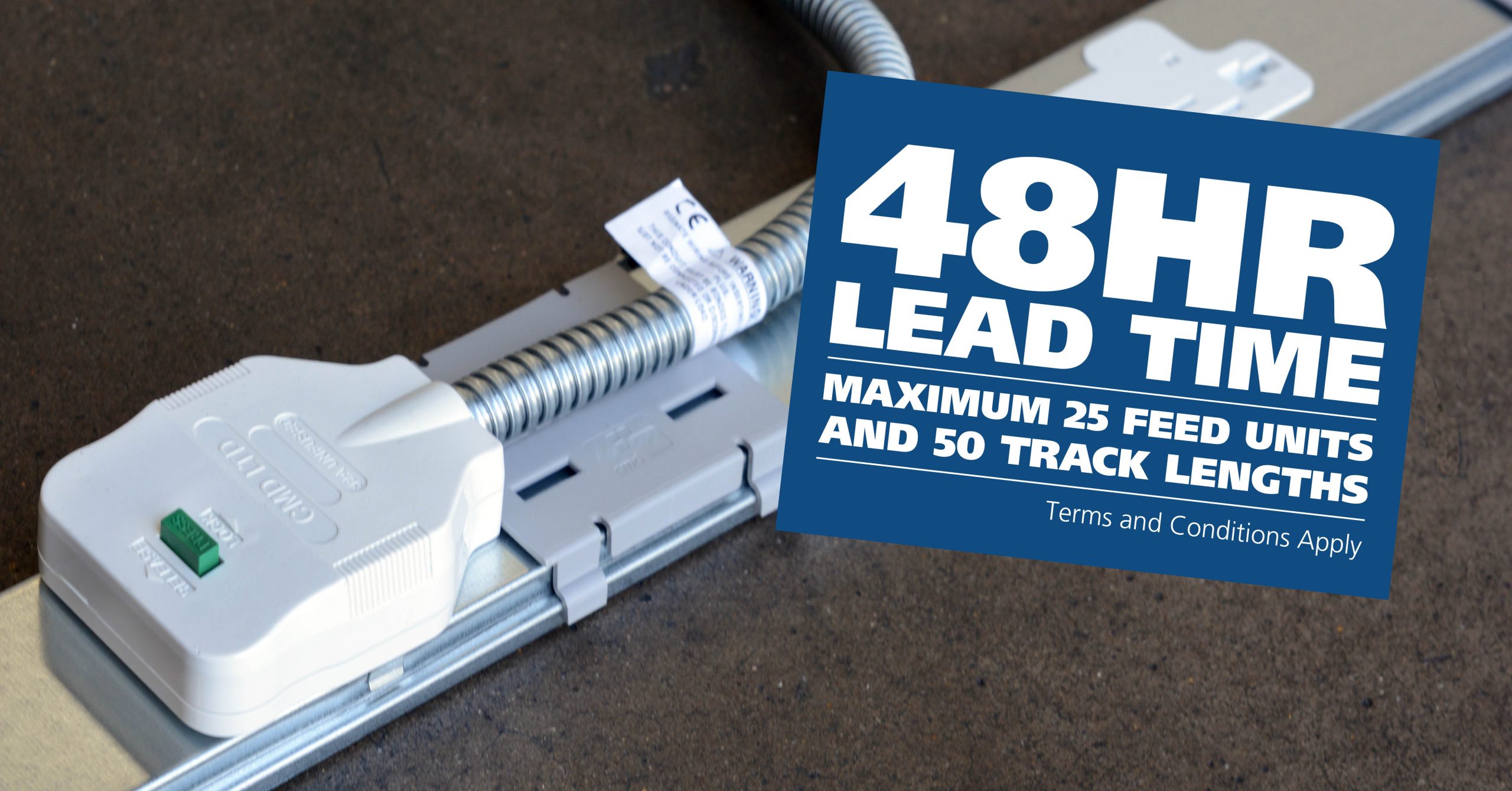
CMD Ltd, the specialist in power distribution systems, workstation power and monitor arms, has launched a rapid ordering service for its Betatrak® underfloor powertrack distribution systems and accessories, with a commitment to delivering within 48-hours of an approved purchase order*. The service enables customers to order up to 50 lengths of Standard or Clean Earth (C/E) low noise Betatrak, along with up to 25 feed...

Read more
CMD INVESTS £1/4 MILLION IN NEW MACHINE AS PART OF FACTORY UPGRADE

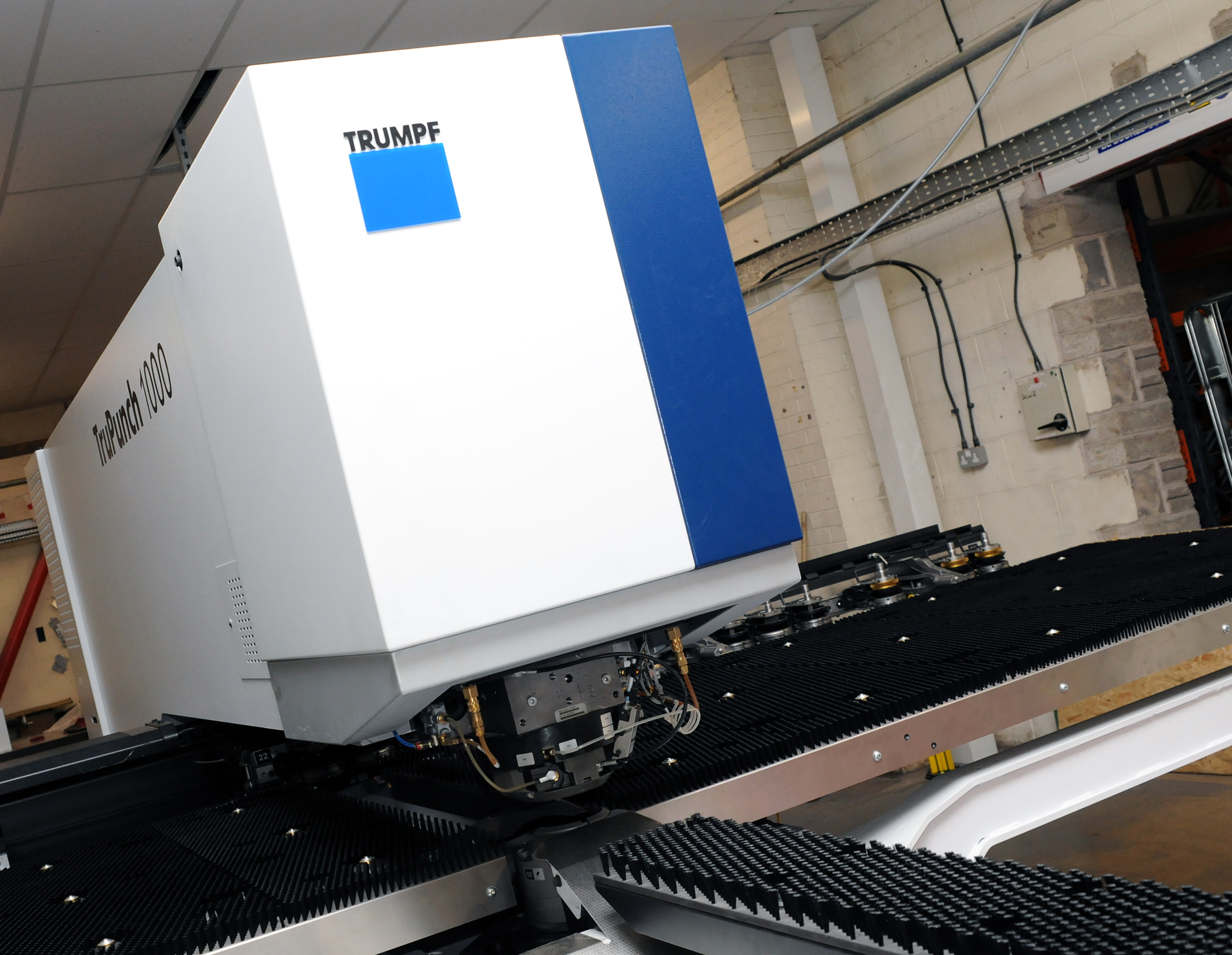
We have invested in a new £1/4m TRUMPF CNC metal punch as part of an asset renewal strategy for our UK manufacturing capability. The new machine will be used in the production of a wide variety of our power distribution systems and workstation power products at our Rotherham factory. Suitable for handling sheet metal between 0.9mm and 3.0mm thick, the new machine will replace one...

Read more
CMD CATALOGUE PROVIDES TECHNICAL POWER DISTRIBUTION GUIDE

CMD Ltd has released a new catalogue, providing an easy to follow technical guide to our power distribution systems and plug and play desk modules. Detailing CMD’s full range of UK-manufactured power distribution systems and plug and play desk modules, the catalogue will be a helpful source of information to M&E engineers and contractors alike to understand how our power distribution systems connect together and...

Read more
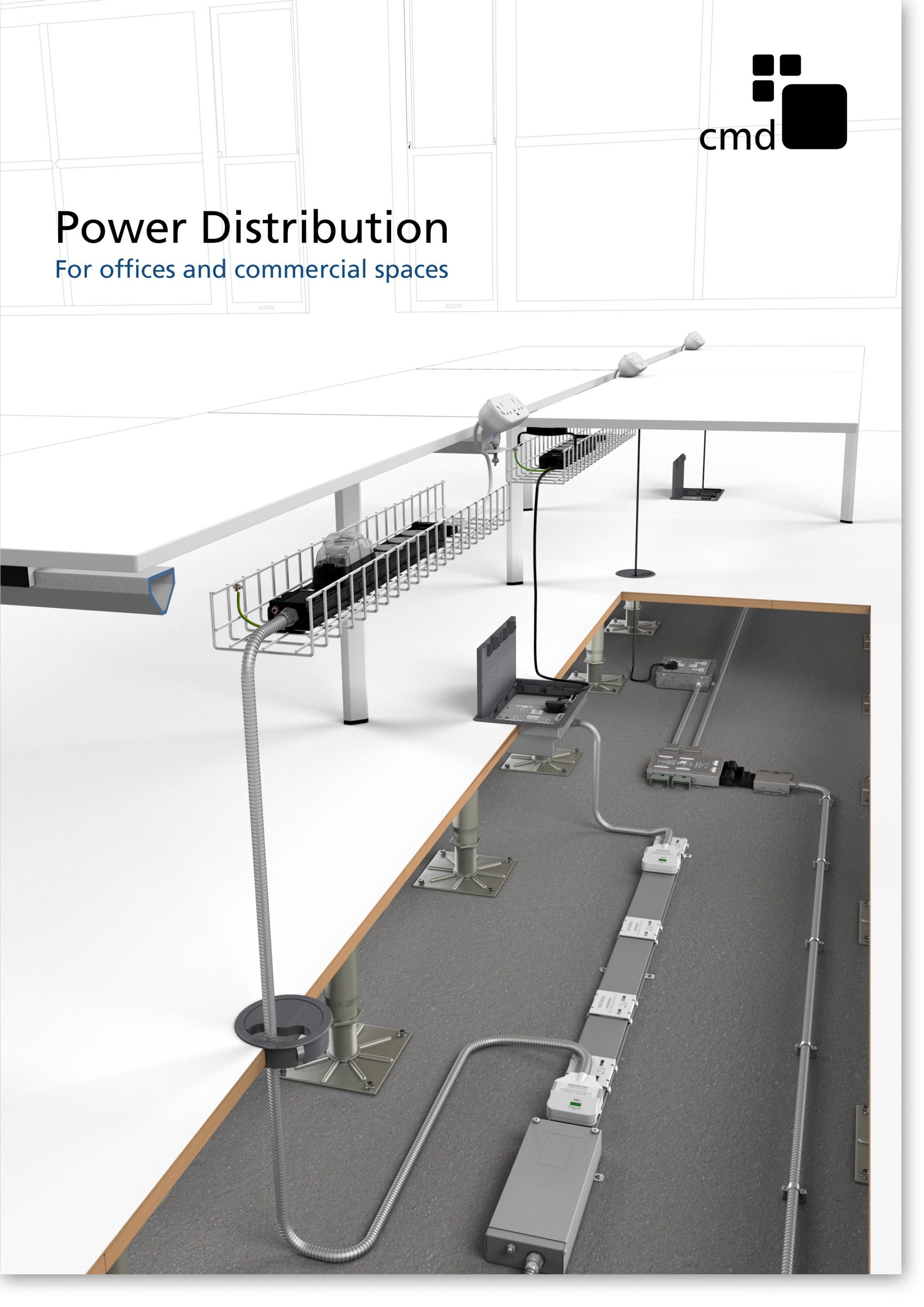
Power Distribution Catalogue
CMD Ltd PLAYS ESSENTIAL ROLE IN ELECTRICAL FIT OUT AT LONDON’S PRESTIGIOUS OFFICE DEVELOPMENT

CMD Ltd, specialist in workplace connectivity and ergonomic solutions, has provided a flexible and high-quality power distribution network for The Ray, a prestigious office development in London’s Farringdon. Well-known for being the former site of The Guardian newspaper, The Ray now stands as an 83,000ft² office development characterised by a modernised warehouse aesthetic, with level two now occupied by a global social media company. The...

Read more

The Ray
CMD plugs in to european opportunity with Schuko Capsule unit launch

CMD Ltd, the specialist in power and connectivity solutions for commercial environments, has launched a Schuko version of its popular fixed format Capsule workstation power module for export to mainland Europe and beyond. A popular on desk power module comprising two sockets and dual USB (type A and C) chargers, CMD’s Capsule unit is already widely specified in the UK as an off-the-shelf workstation power...

Read more
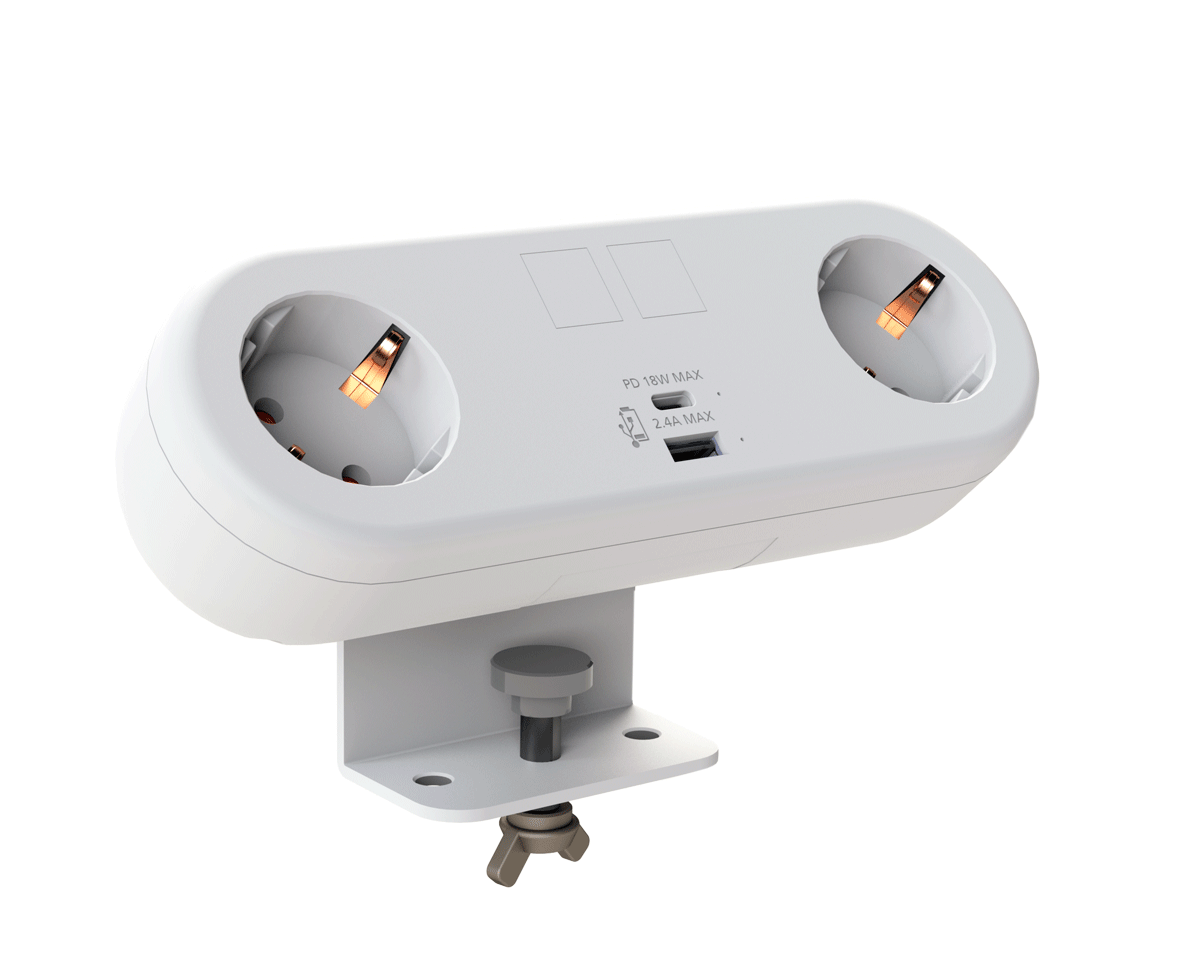
CMD White Schuko Capsule Desk Power Module
CMD LTD EXTENDS MONITOR ARM RANGE WITH THE LAUNCH OF REACH PLUS

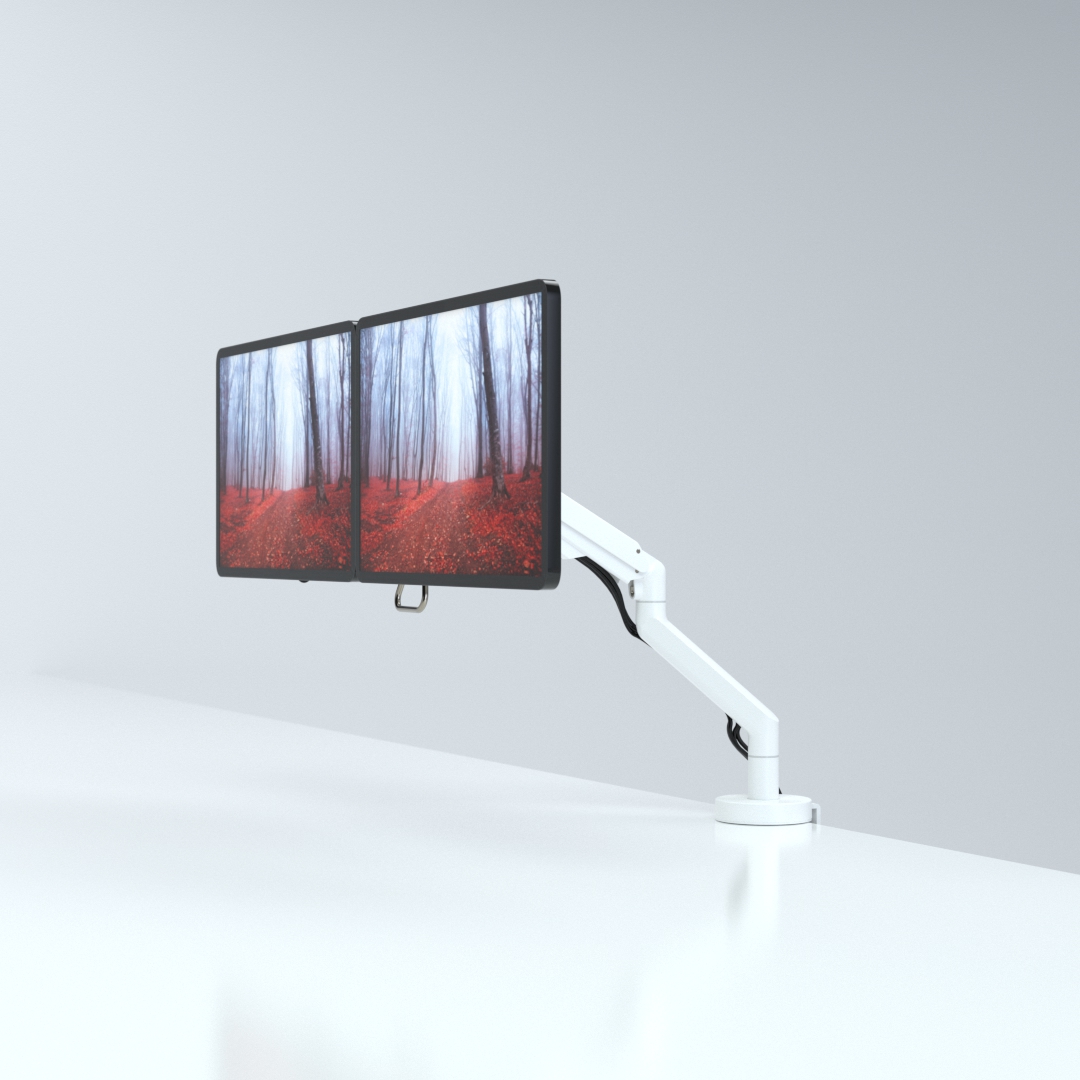
CMD Ltd, the specialist in ergonomic and connectivity solutions for commercial interiors, has completed its Reach monitor arm range with the launch of the Reach Plus. Available in single or dual screen options, the Reach Plus has been designed to provide an ideal solution for both single and dual screen workstation configurations, or can be used with next generation of large format curved screens. Suitable...

Read more
CMD Ltd DEMONSTRATES THE ART OF POWER DISTRIBUTION AT THE UNIVERSITY OF WARWICK

CMD Ltd, the specialist in workplace connectivity and ergonomic solutions, has provided Betatrak busbar power distribution and a range of electrical accessories for two major capital investment projects at the University of Warwick. Designed by Fielden Clegg Bradley Studios, the £33 million Faculty of Arts building is a showpiece development comprising four interconnected structures set around a central atrium, which will enable inter-disciplinary collaboration across...

Read more

University of Warwick
CMD BRINGS HARMONY TO COVENTRY UNIVERSITY RESEARCH FACILITIES

CMD Ltd, the specialist in power distribution solutions and workstation power and ergonomics, has provided under desk and on desk power modules for the refurbishment of three Coventry University research buildings. Located on Coventry University Technology Park, a business park designed to encourage collaboration between the university and knowledge-based businesses, the three buildings are being repurposed as office accommodation for university research teams. The refurbishment...

Read more

Coventry University

Top LED Linear Modules for Commercial Lighting

Commercial lighting decisions are rarely made by comparing wattage alone. A corridor may need even, low-glare light; a retail counter may need accurate color and tighter beam control. The LED linear module sits at the center of these choices, but performance depends on its driver, optics, thermal design, and compatibility with the fixture. Small details matter.

The International Energy Agency has estimated that lighting accounts for about 15% of global electricity use. The U.S. Department of Energy reports that LED products use at least 75% less energy than incandescent lighting, though that comparison does not predict savings against every existing commercial system. For buyers, the useful question is narrower: how much light reaches the work surface, and how consistently does it perform over time? Lumens per watt, color consistency, dimming behavior, service access, and documented lifetime claims deserve close review. A datasheet cannot tell the whole story.

Former U.S. Department of Energy lighting program manager James Brodrick has emphasized evaluating lighting as a system; paraphrased, the practical advice is to assess the complete luminaire, not just its LED source. That distinction matters when comparing linear modules for offices, warehouses, and retail spaces. A high-efficiency board can still disappoint if heat builds up or the driver flickers at low dimming levels. No single module suits every ceiling. This guide compares leading options through specifications and real installation considerations, while recognizing that product data and field results do not always align perfectly. That gap deserves attention.

Top LED Linear Modules for Commercial Lighting

What LED Linear Modules Are and How They Work

LED linear modules are compact assemblies of light-emitting diodes mounted in a straight row on a circuit board. They sit inside luminaires such as office troffers, shop lights, and suspended ceiling fixtures. A module usually includes the LED board and may include lenses or reflectors to shape the beam. It is not always a complete light: a compatible driver supplies controlled electrical current, while the fixture provides housing and heat management. A simple distinction, but one that is easy to overlook.

When powered, the LEDs convert electrical energy into light and heat. The board conducts heat toward the fixture, so material, mounting contact, and airflow can affect operating temperature and service life. In a real installation, a loose screw or uneven contact can matter. The driver also needs to match the module’s voltage or current requirements; check its specifications rather than relying on connector fit. Optics influence whether light spreads across a work surface or creates brighter spots. For commercial projects, compare lumen output, color temperature, color rendering, and photometric data for the actual module and fixture combination. I would not assume that every linear module will behave alike. Measurements and installation conditions still matter.

Top LED Linear Modules for Commercial Lighting: What They Are and How They Work

LED linear modules are elongated circuit boards carrying multiple LEDs, often paired with optics and a suitable driver. The driver supplies controlled electrical power, and the LEDs convert some of it into light. This example shows the electrical relationship for a 24 V constant-voltage module: power equals voltage multiplied by current. Values are calculated examples, not specifications for a particular product; real modules may differ and driver losses are not included.

Main Types and Configurations for Commercial Lighting

Commercial lighting uses several LED linear module configurations, each suited to different fixture shapes and light patterns. Rigid, board-based modules fit straight channels in offices, shops, and corridors. Flexible modules bend around shallow curves, though tight bends can stress conductors and shorten service life. Integrated linear light engines combine LEDs and supporting components into a compact assembly. They can simplify fixture design, but replacement may require changing a larger section.

Module length, LED spacing, and output shape affect the finished light. Closely spaced LEDs can reduce visible gaps behind a diffuser. Wider spacing may create uneven bands, especially with a shallow lens. A continuous row works well over counters or workstations, while separate segments can suit display cases and irregular ceilings.

Small details matter. Check the driver’s electrical ratings and dimming compatibility, then confirm that the housing can manage heat.

Heat has consequences.

A configuration that looks efficient on paper may perform differently in a warm, enclosed fixture. Sample testing helps reveal glare, dark spots, and color differences before a full installation.

Key Performance Features and Specifications

A commercial LED linear module should be judged by how it performs inside the intended fixture, not by wattage alone. Check luminous efficacy, measured in lumens per watt, alongside total light output. A 4,000-lumen module may suit a corridor, while a high-ceiling workspace often needs more output or carefully spaced fixtures. Match correlated color temperature to the task: 3,000K gives a warmer appearance, while 4,000K is common in offices and retail areas. Look for a color rendering index of 80 or higher for general use; detailed product displays may benefit from stronger color fidelity. Small differences matter.

Thermal performance affects both light output and service life. Review the module’s stated operating temperature and test conditions, then consider airflow inside the actual housing. A compact aluminum channel can help move heat away from the LEDs. Check driver compatibility, dimming method, and flicker data before installation, especially where cameras or sensitive tasks are involved. For long operating hours, compare lifetime ratings and their maintenance assumptions, rather than treating a single lifetime figure as a guarantee. Also verify dimensions, mounting points, and ingress protection for dusty or damp locations. One caveat: published figures rarely capture every fixture’s real-world conditions. A sample installed in the intended housing can reveal issues that a datasheet misses.

Leading Module Options for Different Commercial Applications

Top LED Linear Modules for Commercial Lighting

Leading Module Options for Different Commercial Applications

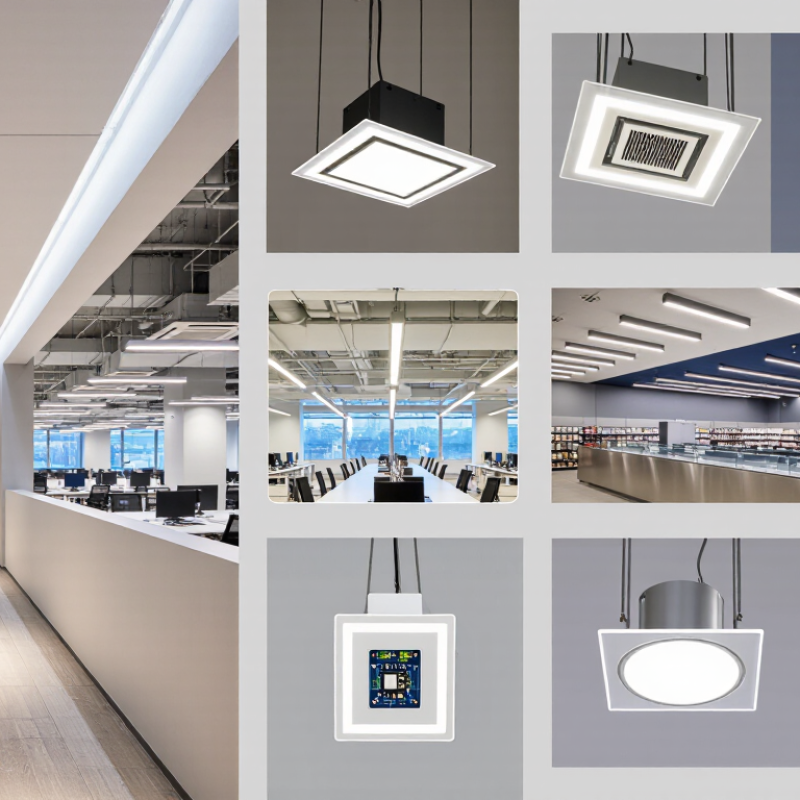
Commercial spaces need different kinds of linear light. Open offices benefit from modules with broad, even output that reduces harsh contrast across desks and screens. A diffused lens can soften visible LED points, while a suitable color temperature helps keep meeting rooms and work areas visually consistent. Details matter.

Retail displays often need stronger directional control. Modules paired with narrow or asymmetric optics can highlight shelves without spilling excessive light onto nearby walkways. For a grocery aisle, check how the beam reaches the lower shelves, not just the products at eye level. High color rendering can also help merchandise appear closer to its natural color.

Warehouses and service areas call for dependable output over long operating hours. Choose modules with effective thermal management, compatible drivers, and an appropriate ingress rating for the installation conditions. In a high-bay space, verify that the mounting height and beam distribution provide useful light at floor level. A specification sheet cannot reveal every site condition. I have seen layouts look balanced on paper yet leave dim patches between racks; a mock-up can catch that before full installation.

Healthcare corridors and education buildings may prioritize low glare, stable dimming, and consistent color across connected rooms. Confirm control compatibility before ordering, since a mismatch can cause flicker or limited dimming. Not every module suits every ceiling. Installation access, ambient temperature, and maintenance plans should shape the selection as much as initial brightness.

How to Select and Maintain LED Linear Modules

Top LED Linear Modules for Commercial Lighting

How to Select and Maintain LED Linear Modules

For offices, corridors, and retail aisles, choose a module by light output, not wattage alone. Check lumens, color temperature, color-rendering index, and beam distribution against the task. Neutral white light around 3500 K can suit shared work areas, while high-CRI light helps colors appear more faithful. Confirm the driver’s dimming protocol, input voltage, thermal limits, and physical fit before ordering. Review photometric files and warranty terms, too. A bright sample on a bench can look very different across a long ceiling.

Maintenance starts with safe access and a documented inspection schedule. Dust on lenses and heat sinks traps warmth and can reduce useful output. Check for loose connectors, discoloration, flicker, and blocked ventilation. Replace damaged parts only with electrically compatible components. The U.S. Department of Energy’s Energy Saver guidance says LEDs use at least 75% less energy and last up to 25 times longer than incandescent lighting. Treat these figures as a benchmark, not a guarantee: heat, driver quality, switching, and operating hours affect service life. Record failures by location; patterns may reveal poor airflow or a mismatched driver.

Tips: Keep a compatible spare driver, photograph wiring before service, and clean lenses with a soft, dry cloth. Don’t overtighten clips. Uneven light can follow.