

News

Miro: A New Standard in Responsible Innovation

Miro: A New Standard in Responsible Innovation The Miro monitor arm is setting new benchmarks in sustainability. It offers a high-performance solution without compromising on environmental responsibility. Designed with careful material selection, local sourcing, and longevity in mind, Miro’s responsible approach to design and unique manoeuvrability set it apart from the competition. Sustainable Choices Miro is crafted from energy-efficient materials with a lower carbon impact....

Read more
HSE Advisor

Role Purpose Support in the development, implementation and maintenance of the company’s Health, Safety & Environmental policies, processes, operational procedures, and standards.  Ensuring best practice and championing a continually improving HSE culture within the business. Key Responsibilities Liaise with and provide support to all areas of the business to eliminate, mitigate or reduce identified HSE exposures. Partner with the production management team and team leaders,...

Read more
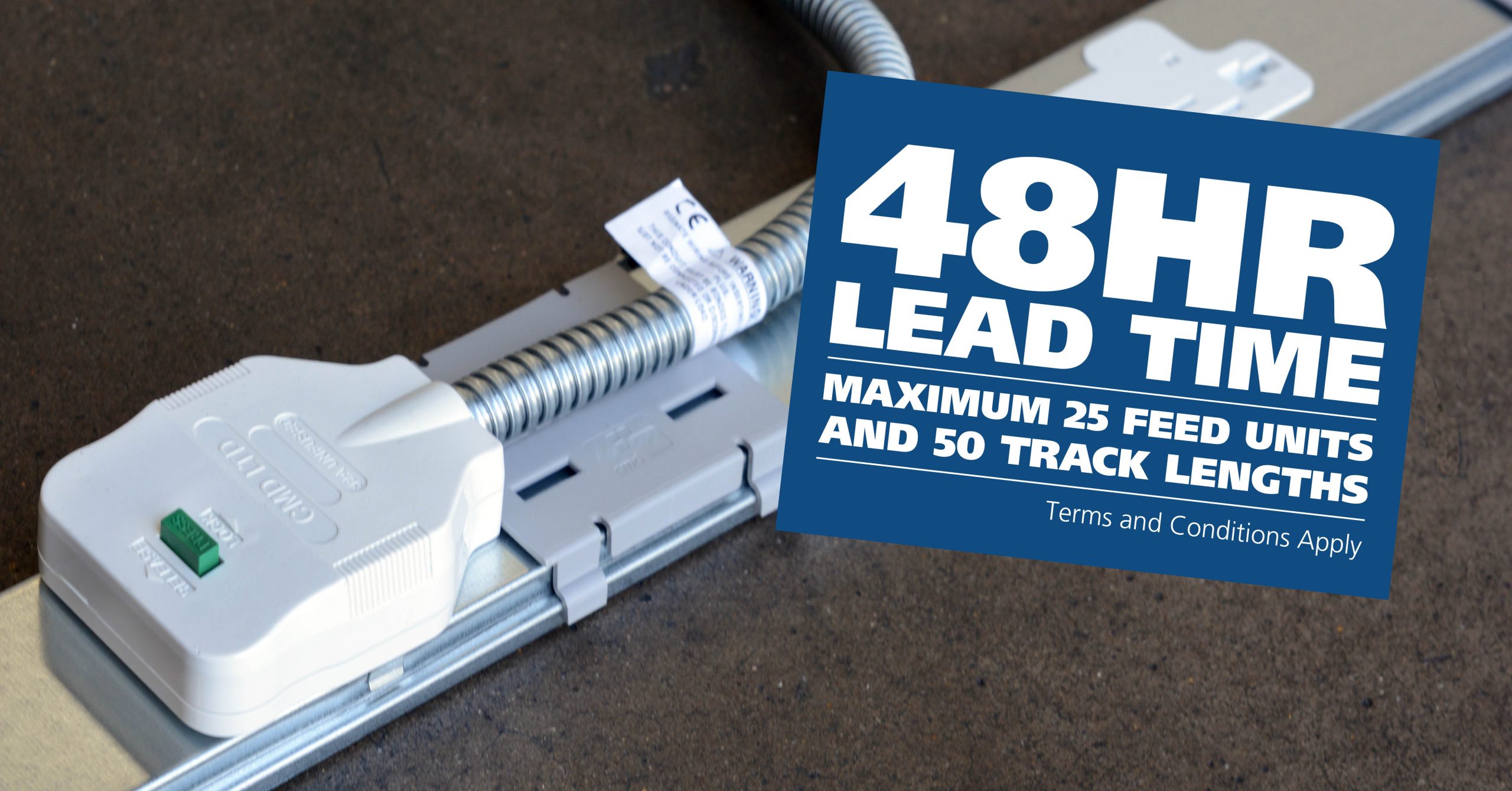
CMD Ltd LAUNCHES 48-HOUR TURNAROUND ON BETATRAK® RAPID ORDERING SERVICE

CMD Ltd, the specialist in power distribution systems, workstation power and monitor arms, has launched a rapid ordering service for its Betatrak® underfloor powertrack distribution systems and accessories, with a commitment to delivering within 48-hours of an approved purchase order*. The service enables customers to order up to 50 lengths of Standard or Clean Earth (C/E) low noise Betatrak, along with up to 25 feed...

Read more
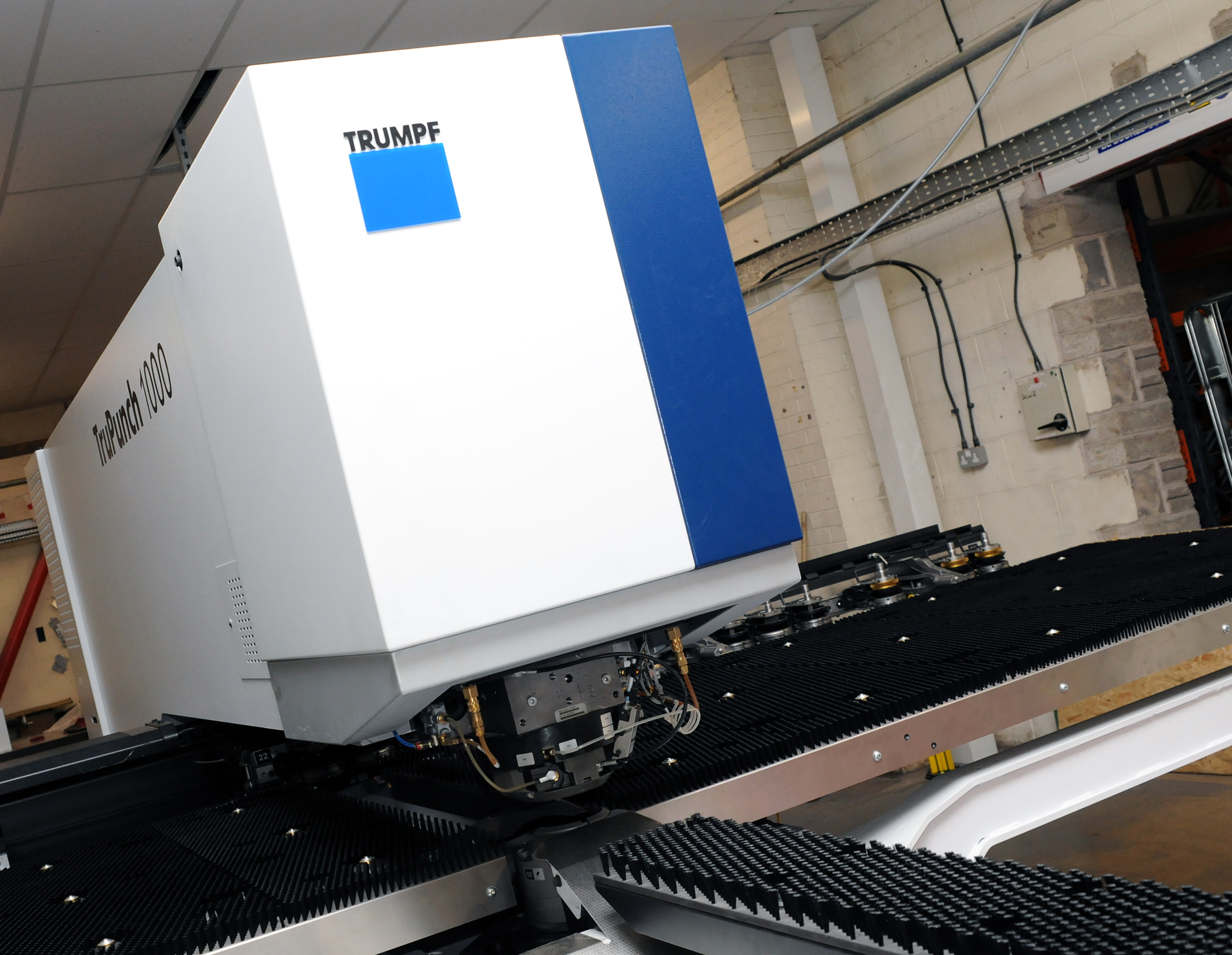
CMD INVESTS £1/4 MILLION IN NEW MACHINE AS PART OF FACTORY UPGRADE

We have invested in a new £1/4m TRUMPF CNC metal punch as part of an asset renewal strategy for our UK manufacturing capability. The new machine will be used in the production of a wide variety of our power distribution systems and workstation power products at our Rotherham factory. Suitable for handling sheet metal between 0.9mm and 3.0mm thick, the new machine will replace one...

Read more
CMD CATALOGUE PROVIDES TECHNICAL POWER DISTRIBUTION GUIDE

CMD Ltd has released a new catalogue, providing an easy to follow technical guide to our power distribution systems and plug and play desk modules. Detailing CMD’s full range of UK-manufactured power distribution systems and plug and play desk modules, the catalogue will be a helpful source of information to M&E engineers and contractors alike to understand how our power distribution systems connect together and...

Read more
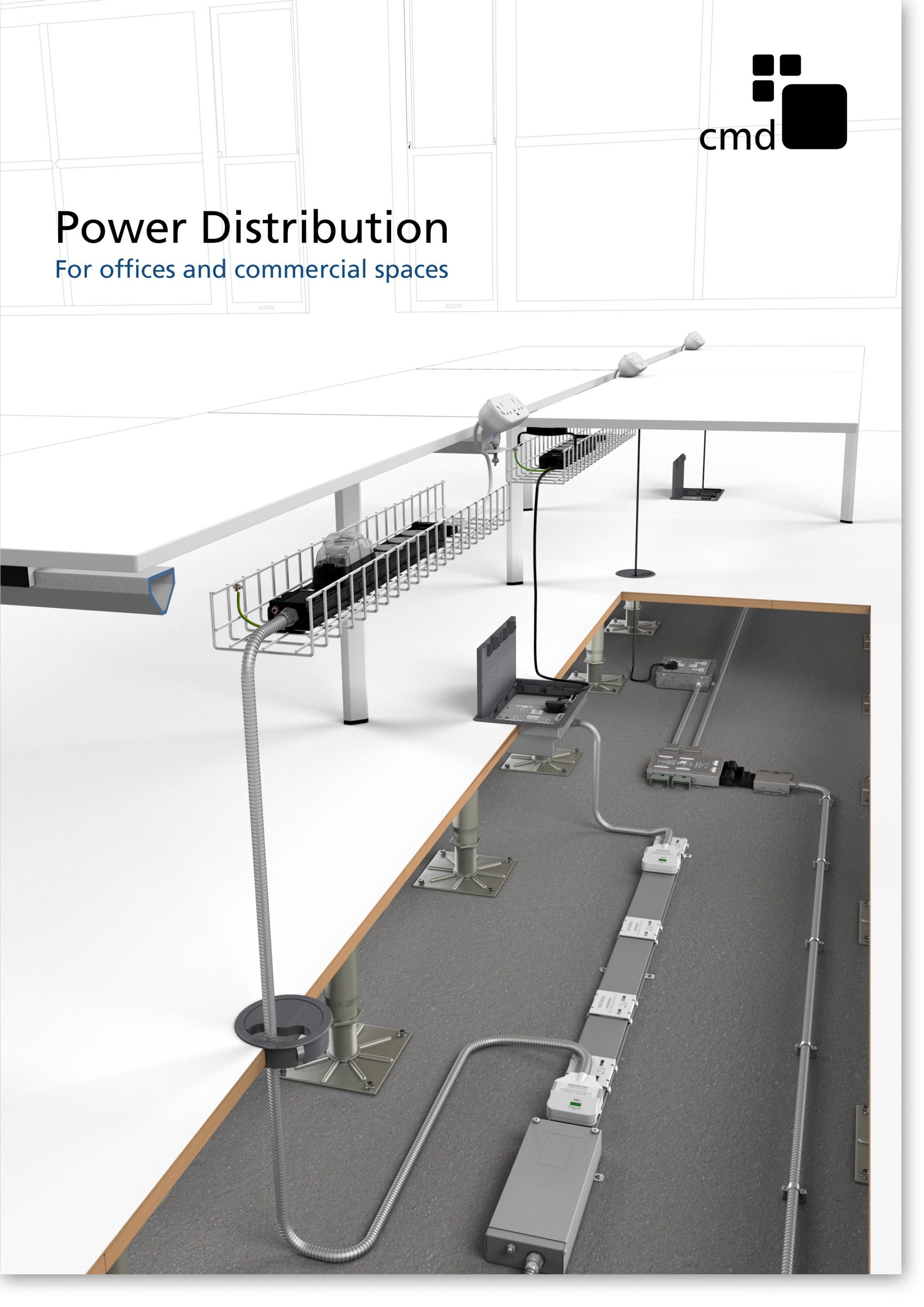
Power Distribution Catalogue
CMD Ltd PLAYS ESSENTIAL ROLE IN ELECTRICAL FIT OUT AT LONDON’S PRESTIGIOUS OFFICE DEVELOPMENT

CMD Ltd, specialist in workplace connectivity and ergonomic solutions, has provided a flexible and high-quality power distribution network for The Ray, a prestigious office development in London’s Farringdon. Well-known for being the former site of The Guardian newspaper, The Ray now stands as an 83,000ft² office development characterised by a modernised warehouse aesthetic, with level two now occupied by a global social media company. The...

Read more

The Ray
CMD plugs in to european opportunity with Schuko Capsule unit launch

CMD Ltd, the specialist in power and connectivity solutions for commercial environments, has launched a Schuko version of its popular fixed format Capsule workstation power module for export to mainland Europe and beyond. A popular on desk power module comprising two sockets and dual USB (type A and C) chargers, CMD’s Capsule unit is already widely specified in the UK as an off-the-shelf workstation power...

Read more
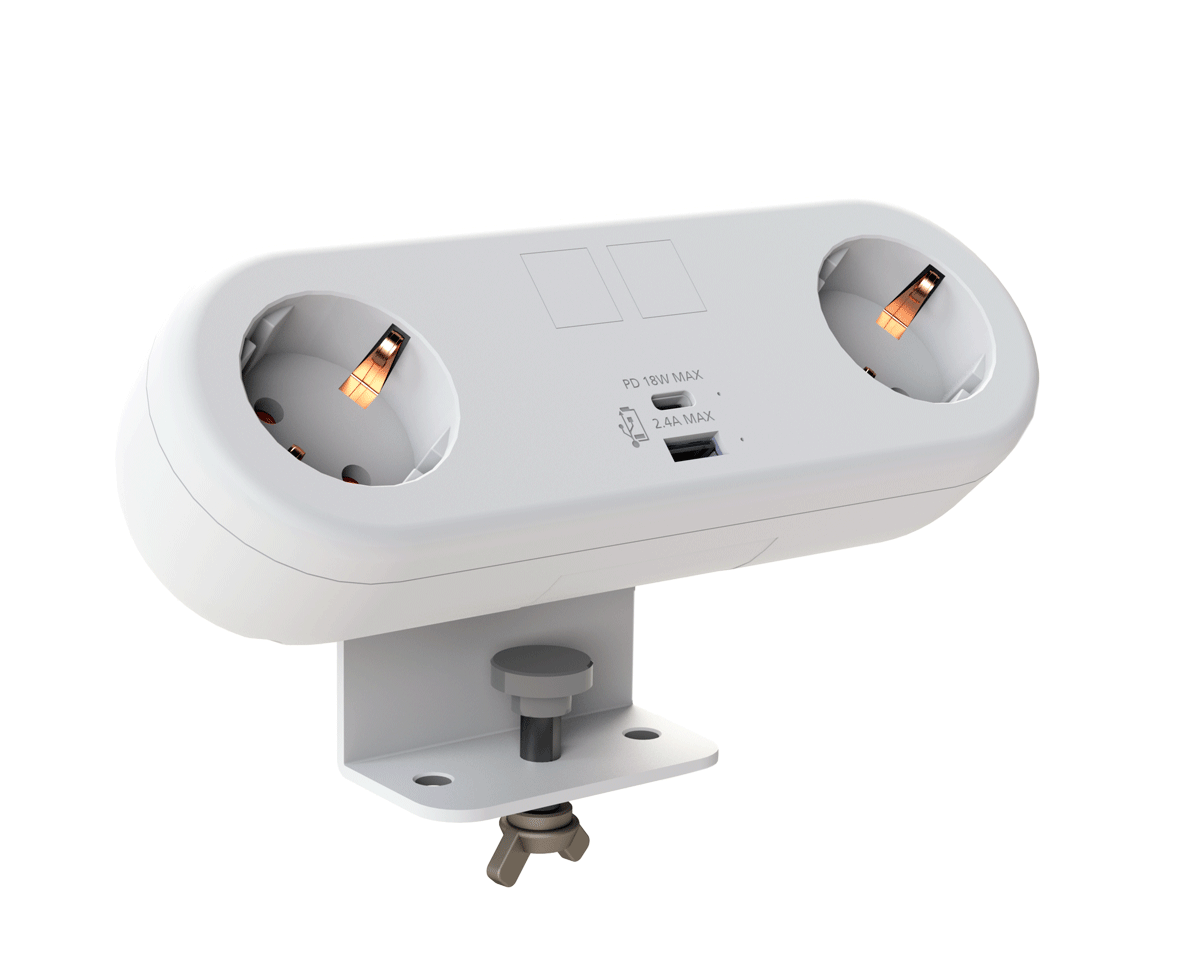
CMD White Schuko Capsule Desk Power Module
CMD LTD EXTENDS MONITOR ARM RANGE WITH THE LAUNCH OF REACH PLUS

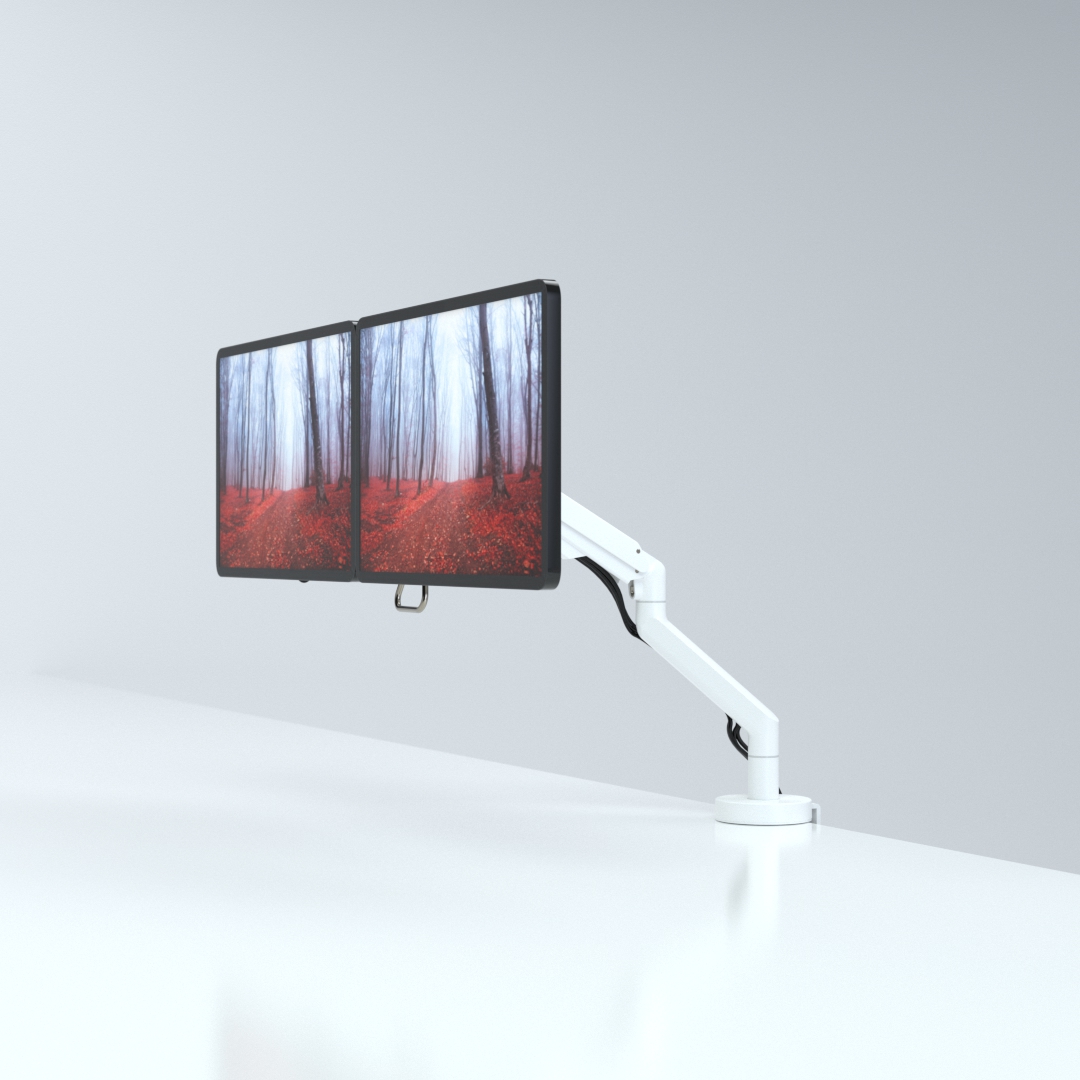
CMD Ltd, the specialist in ergonomic and connectivity solutions for commercial interiors, has completed its Reach monitor arm range with the launch of the Reach Plus. Available in single or dual screen options, the Reach Plus has been designed to provide an ideal solution for both single and dual screen workstation configurations, or can be used with next generation of large format curved screens. Suitable...

Read more
CMD Ltd DEMONSTRATES THE ART OF POWER DISTRIBUTION AT THE UNIVERSITY OF WARWICK

CMD Ltd, the specialist in workplace connectivity and ergonomic solutions, has provided Betatrak busbar power distribution and a range of electrical accessories for two major capital investment projects at the University of Warwick. Designed by Fielden Clegg Bradley Studios, the £33 million Faculty of Arts building is a showpiece development comprising four interconnected structures set around a central atrium, which will enable inter-disciplinary collaboration across...

Read more

University of Warwick
CMD BRINGS HARMONY TO COVENTRY UNIVERSITY RESEARCH FACILITIES

CMD Ltd, the specialist in power distribution solutions and workstation power and ergonomics, has provided under desk and on desk power modules for the refurbishment of three Coventry University research buildings. Located on Coventry University Technology Park, a business park designed to encourage collaboration between the university and knowledge-based businesses, the three buildings are being repurposed as office accommodation for university research teams. The refurbishment...

Read more


Coventry University

Top Furniture Suction Cup Manufacturers in China?

China’s furniture supply chain relies on many small components that rarely attract attention—until a fitting slips or a glass panel moves. Furniture Suction Cup buyers therefore need more than a low quotation. They need consistent materials, clear load ratings, and repeatable production. Grand View Research valued the global furniture market at approximately US$736.6 billion in 2023, with projected growth through 2030 (Furniture Market Size, Share & Trends Analysis Report, 2024). This broad market figure does not measure suction cups directly, but it shows why dependable component sourcing matters.

Choosing a Chinese manufacturer calls for practical checks. Ask about cup material, diameter, surface finish, temperature range, and testing conditions. Request samples, inspection records, and details about how stated holding capacity was measured. A cup that grips clean glass in a factory may behave differently on textured or dusty surfaces. Small details matter. Still, a polished catalog is not proof of dependable production, and supplier claims deserve verification.

This guide introduces leading Furniture Suction Cup manufacturers in China and the factors buyers can use to compare them. It considers product range, customization, quality-control practices, production capability, and communication. Public information can be incomplete, so rankings should not replace direct due diligence. That limitation is easy to overlook. The goal is a clearer shortlist, not a promise that one supplier fits every furniture design or purchasing requirement.

Top Furniture Suction Cup Manufacturers in China?

What Furniture Suction Cups Do and Where China’s Manufacturers Fit

Furniture suction cups use a flexible rim to form a seal against a smooth, nonporous surface. The pressure difference helps hold the cup in place. In furniture applications, cups may secure glass shelves, attach small fittings, or reduce movement on suitable surfaces. The exact use depends on the cup’s shape, material, and rated load.

Not magic. Dust, grease, and textured surfaces can weaken the seal. A cup that feels firm during installation may loosen after repeated movement or temperature changes. In practical testing, check the surface, clean it, press the cup evenly, then inspect it after use. Suction alone should not support heavy furniture or replace a required mechanical fixing.

China’s manufacturers fit into this supply chain through material processing, tooling, and high-volume production. Some can adjust cup diameter, thickness, hardness, and attachment features to suit furniture designs. Buyers should request material details, load-test conditions, and samples that match the intended surface. A sample may perform well on glass but poorly on a textured panel. That difference is easy to overlook. Consistent inspection matters, yet production checks cannot correct an unsuitable design or an inaccurate load assumption.

Which Cup Designs and Materials Suit Furniture Loads and Surfaces

Top Furniture Suction Cup Manufacturers in China?

Which Cup Designs and Materials Suit Furniture Loads and Surfaces

Furniture suction cups work best on clean, smooth, nonporous surfaces, such as glass or polished metal. They may lose grip on wood grain, dusty finishes, or textured laminate. A wide cup spreads force across a larger area, while a flexible rim can adapt to slight surface irregularities. For narrow contact points, a smaller cup may fit better, but it usually supports less load. Match the cup to the actual contact surface, not just the furniture’s total weight.

Material matters. Silicone stays flexible across a useful range of temperatures and often seals well on smooth surfaces. PVC can be a cost-conscious option, though stiffness and aging vary by formulation. Cup shape matters too: a shallow profile may suit light accessories, while a deeper bellows design can offer more movement and grip. Neither design makes suction reliable on porous surfaces. Test the finished assembly, including sideways pull and repeated loading. Real use can surprise you.

Tips: Clean both surfaces and let them dry fully before installation. Check the cup after a few hours, then periodically. Ask manufacturers for material details, load-test conditions, and aging results. A stated load rating is only meaningful when the test surface and direction match your application.

Top Furniture Suction Cup Manufacturers in China? Which Cup Designs and Materials Suit Furniture Loads and Surfaces

Comparative surface-fit ratings for common suction cup design and material combinations

How to read this: Ratings are qualitative comparisons, not measured test results or load capacities. Suction cups generally seal best on clean, smooth, non-porous surfaces; textured or porous wood can prevent a reliable seal. Actual holding performance depends on cup size, surface condition, temperature, load direction, and installation.

How Suction Force Works: Pressure Difference × Contact Area, Up to 101.3 kPa

A suction cup holds furniture through a pressure difference across its sealed contact area. Pressing the cup against a smooth surface pushes out some air. If the rim seals well, the lower pressure inside lets outside air press the cup inward. The basic estimate is simple: holding force equals pressure difference multiplied by contact area.

At sea level, atmospheric pressure is about 101.3 kPa, so this is the theoretical upper limit for the pressure difference. It is not a guaranteed working force. A 5-centimeter-wide cup has roughly 0.00196 square meters of area; at the theoretical limit, the estimate is about 199 newtons. Real performance is lower. Dust, wood grain, curved panels, and tiny rim gaps can all weaken the seal. A clean, glossy cabinet panel may hold well; a textured drawer front may not. Small details matter.

For manufacturers, testing should reflect actual use: surface type, load direction, temperature, and time under load. Pulling straight away is different from sliding downward. That neat calculation can be misleading. I would treat it as a starting point, then measure holding force on the intended furniture surface. A cup that grips firmly for one minute may creep after hours, especially under a warm lamp or uneven load.

How to Check Furniture Performance: GB/T 10357.4-2013 Table Tests

When comparing furniture suction cup manufacturers in China, do not judge a table by its fittings alone. GB/T 10357.4-2013 addresses table stability, helping assess whether a complete table resists tipping under specified test conditions. It does not, by itself, certify an individual suction cup.

A useful test begins with the table assembled as intended on a level, rigid surface. Record its dimensions, leg positions, and any adjustable parts before testing. Apply the prescribed forces at the points and in the sequence required by the standard, then observe whether the table lifts, shifts, or overturns. Small details matter. A slightly uneven floor can distort results, so setup and calibration should be documented.

Ask for the laboratory report, not just a pass statement. Check that it identifies the tested model, configuration, method, and observations. Compare results only when test conditions match; different table sizes or support layouts can behave differently. For a suction-cup design, also inspect how the cup attaches to the tabletop and whether the contact surface stays clean and flat. That practical check is not a substitute for standardized testing, and it can be easy to overlook. The standard’s exact requirements should be confirmed in the official text and matched to the table’s intended use.

Top Furniture Suction Cup Manufacturers in China? - How to Check Furniture Performance: GB/T 10357.4-2013 Table Tests

GB/T 10357.4-2013 covers strength and durability test methods for tables. It is a table-performance standard, not a manufacturer ranking or a suction-cup-specific certification. Test requirements and applicable procedures depend on the table type and relevant standard provisions.

Evaluation dimension What the standard establishes Information to record for a test Suction-cup relevance
Standard scope Strength and durability test methods for tables. Standard number and edition; table type; test date; laboratory; cited test clauses. The standard evaluates the table; it does not rank suction-cup manufacturers.
Test specimen and configuration Tests are performed on a defined table specimen using the applicable procedure. Table construction, dimensions, assembly condition, surface finish, and any attached accessories. Record whether suction cups are fitted, their locations, and the surfaces they contact.
Loading and test procedure The applicable clauses define the relevant loading and durability procedures; exact conditions should be taken from the standard. Applicable clause, applied load or force, loading position, duration or repetitions, and test equipment. Do not treat a component pull-off test as a GB/T 10357.4 table test unless the applicable procedure says so.
Observed performance Performance is assessed against the applicable test procedure and its requirements. Record movement, deformation, loosening, cracking, detachment, or other observations, along with measured values where applicable. For suction-cup-equipped tables, note any cup slipping, loss of contact, or detachment as observations; do not present these as standalone standard limits.
Pass/fail conclusion A conclusion should be based on the applicable requirements and test results, not an assumed universal threshold. Report the clause-specific result, deviations, and pass/fail status; use “not tested” where no test was performed. A table-level result alone does not establish a suction cup’s separate material or attachment rating.
Supplementary suction-cup checks These checks are supplementary and should not be misidentified as requirements of GB/T 10357.4-2013. Substrate type and condition, installation method, attachment force if measured, test duration, environmental conditions, and repeat-test results. Use a separately defined test method and report its conditions so results can be compared fairly.

Numeric loads, cycles, and acceptance limits are intentionally not listed here: they should be verified in the applicable clauses of the standard for the specific table type and test.

How to Compare Chinese Suppliers: Quality Systems, Testing, MOQ, and Export Capability

Top Furniture Suction Cup Manufacturers in China?

Compare suppliers by evidence, not catalog claims. Ask for the current ISO 9001 certificate, its scope, and recent audit findings. A quality system matters, but it does not guarantee every batch performs well. Look for incoming-material checks, documented production inspections, and traceable batch records. A polished folder can still hide inconsistent output.

Request test reports for holding force, leakage, temperature aging, and repeated attachment on glass, tile, or other intended surfaces. Check sample size, test conditions, and acceptance limits; results without these details are hard to compare. For furniture use, ask suppliers to test the actual cup-and-fitting assembly, not just the rubber component. Small differences matter.

Tip: Agree on a pre-production sample and written inspection criteria before discussing price. Compare MOQ against your forecast, packaging needs, and the cost of storing extra stock. Ask who arranges export documents, protective packing, and shipment updates. The World Bank’s 2023 Logistics Performance Index ranked China 19th among 139 economies, but national logistics performance cannot predict one supplier’s service. Verify lead times with recent shipment records. Leave room for doubt: one successful order is not a trend.