

News

Miro: A New Standard in Responsible Innovation

Miro: A New Standard in Responsible Innovation The Miro monitor arm is setting new benchmarks in sustainability. It offers a high-performance solution without compromising on environmental responsibility. Designed with careful material selection, local sourcing, and longevity in mind, Miro’s responsible approach to design and unique manoeuvrability set it apart from the competition. Sustainable Choices Miro is crafted from energy-efficient materials with a lower carbon impact....

Read more
HSE Advisor

Role Purpose Support in the development, implementation and maintenance of the company’s Health, Safety & Environmental policies, processes, operational procedures, and standards.  Ensuring best practice and championing a continually improving HSE culture within the business. Key Responsibilities Liaise with and provide support to all areas of the business to eliminate, mitigate or reduce identified HSE exposures. Partner with the production management team and team leaders,...

Read more
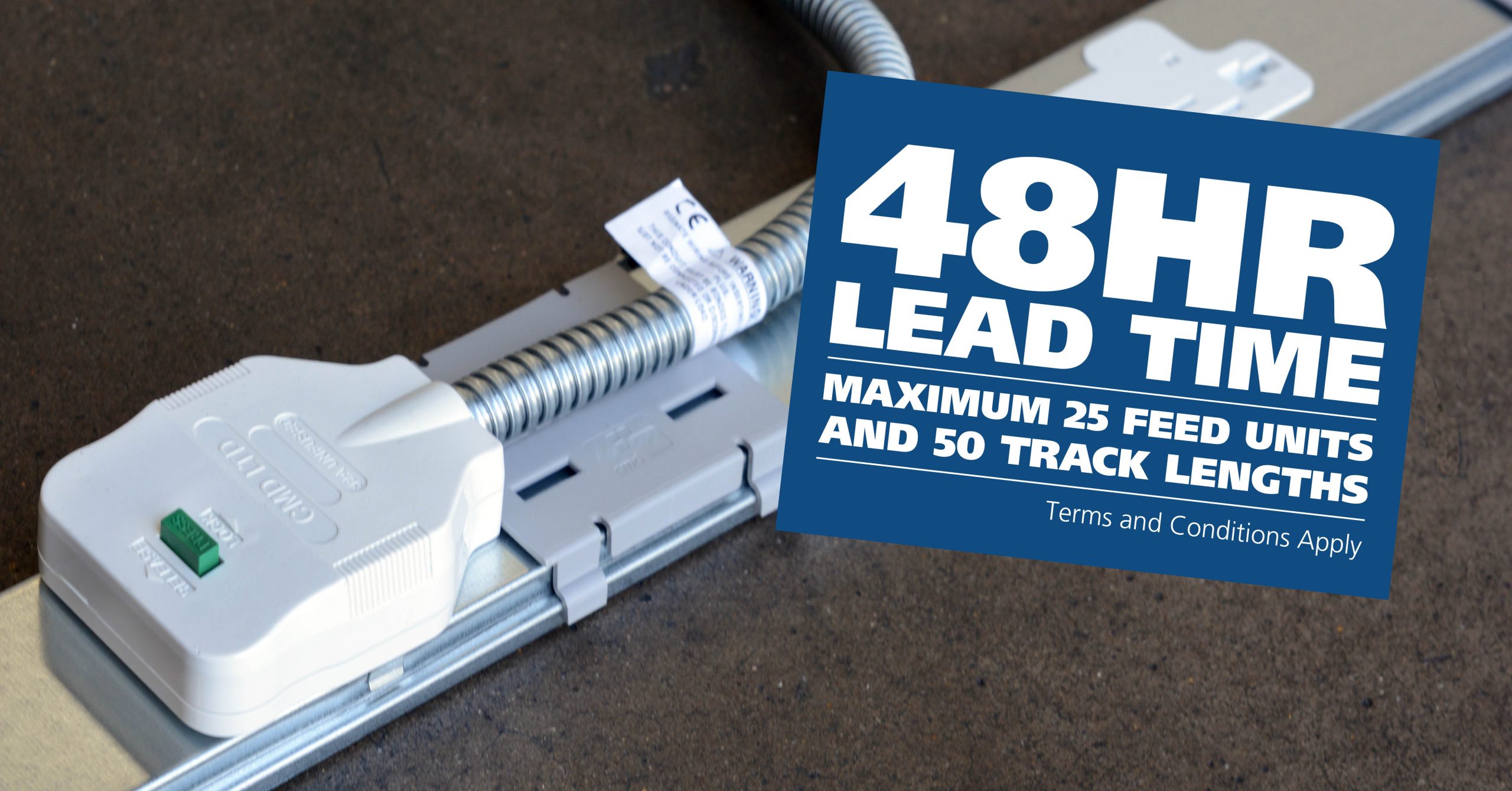
CMD Ltd LAUNCHES 48-HOUR TURNAROUND ON BETATRAK® RAPID ORDERING SERVICE

CMD Ltd, the specialist in power distribution systems, workstation power and monitor arms, has launched a rapid ordering service for its Betatrak® underfloor powertrack distribution systems and accessories, with a commitment to delivering within 48-hours of an approved purchase order*. The service enables customers to order up to 50 lengths of Standard or Clean Earth (C/E) low noise Betatrak, along with up to 25 feed...

Read more
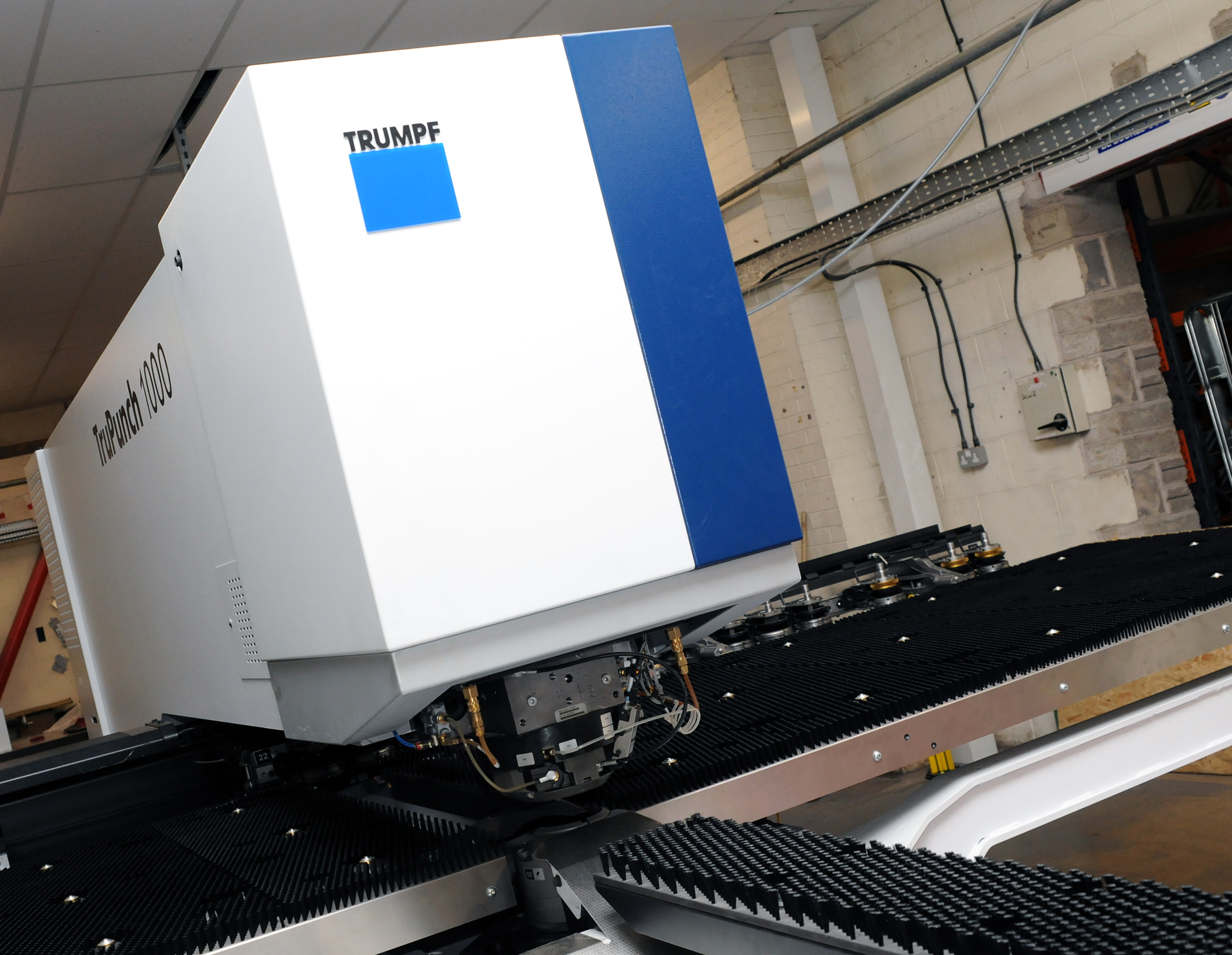
CMD INVESTS £1/4 MILLION IN NEW MACHINE AS PART OF FACTORY UPGRADE

We have invested in a new £1/4m TRUMPF CNC metal punch as part of an asset renewal strategy for our UK manufacturing capability. The new machine will be used in the production of a wide variety of our power distribution systems and workstation power products at our Rotherham factory. Suitable for handling sheet metal between 0.9mm and 3.0mm thick, the new machine will replace one...

Read more
CMD CATALOGUE PROVIDES TECHNICAL POWER DISTRIBUTION GUIDE

CMD Ltd has released a new catalogue, providing an easy to follow technical guide to our power distribution systems and plug and play desk modules. Detailing CMD’s full range of UK-manufactured power distribution systems and plug and play desk modules, the catalogue will be a helpful source of information to M&E engineers and contractors alike to understand how our power distribution systems connect together and...

Read more
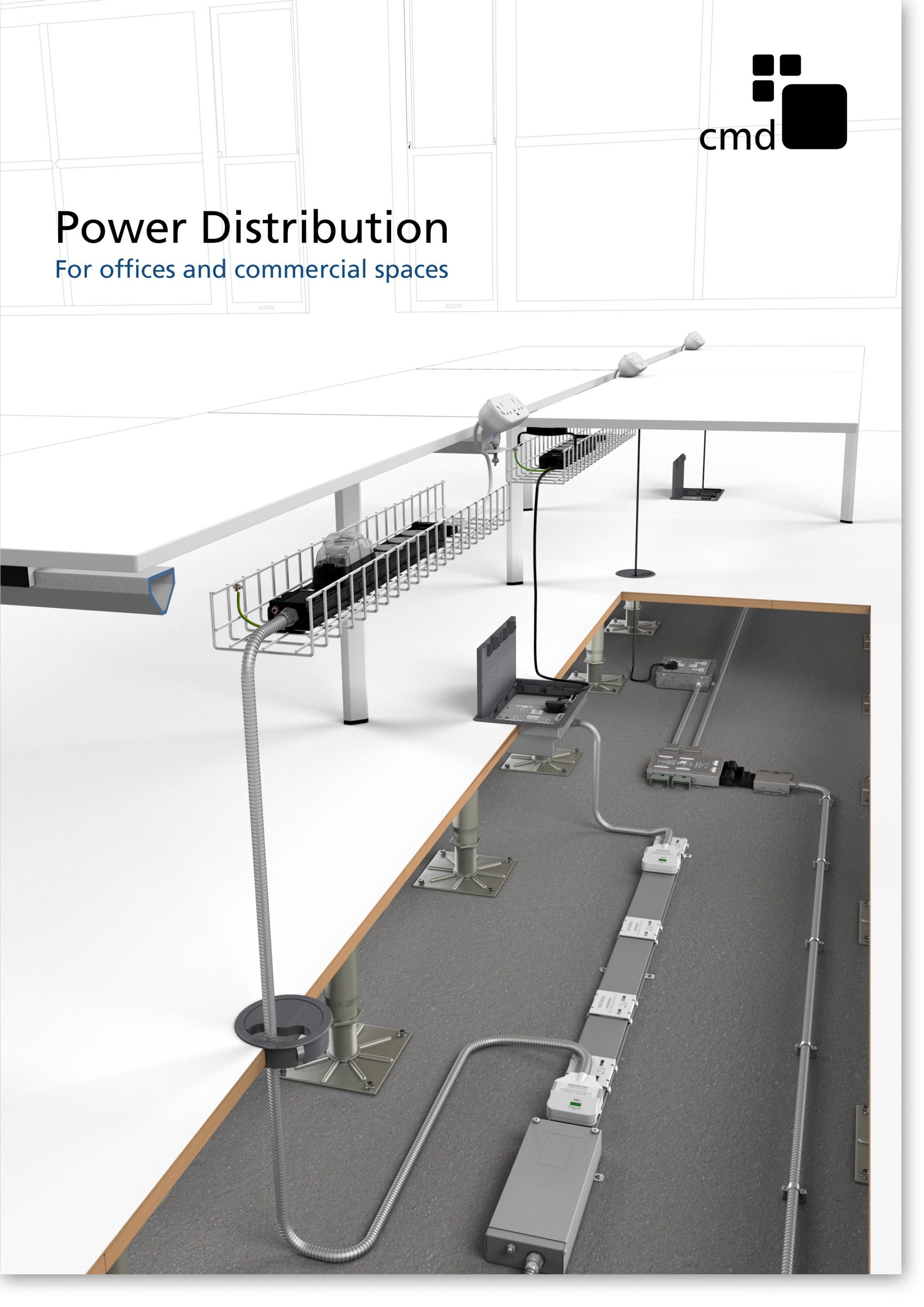
Power Distribution Catalogue
CMD Ltd PLAYS ESSENTIAL ROLE IN ELECTRICAL FIT OUT AT LONDON’S PRESTIGIOUS OFFICE DEVELOPMENT

CMD Ltd, specialist in workplace connectivity and ergonomic solutions, has provided a flexible and high-quality power distribution network for The Ray, a prestigious office development in London’s Farringdon. Well-known for being the former site of The Guardian newspaper, The Ray now stands as an 83,000ft² office development characterised by a modernised warehouse aesthetic, with level two now occupied by a global social media company. The...

Read more

The Ray
CMD plugs in to european opportunity with Schuko Capsule unit launch

CMD Ltd, the specialist in power and connectivity solutions for commercial environments, has launched a Schuko version of its popular fixed format Capsule workstation power module for export to mainland Europe and beyond. A popular on desk power module comprising two sockets and dual USB (type A and C) chargers, CMD’s Capsule unit is already widely specified in the UK as an off-the-shelf workstation power...

Read more
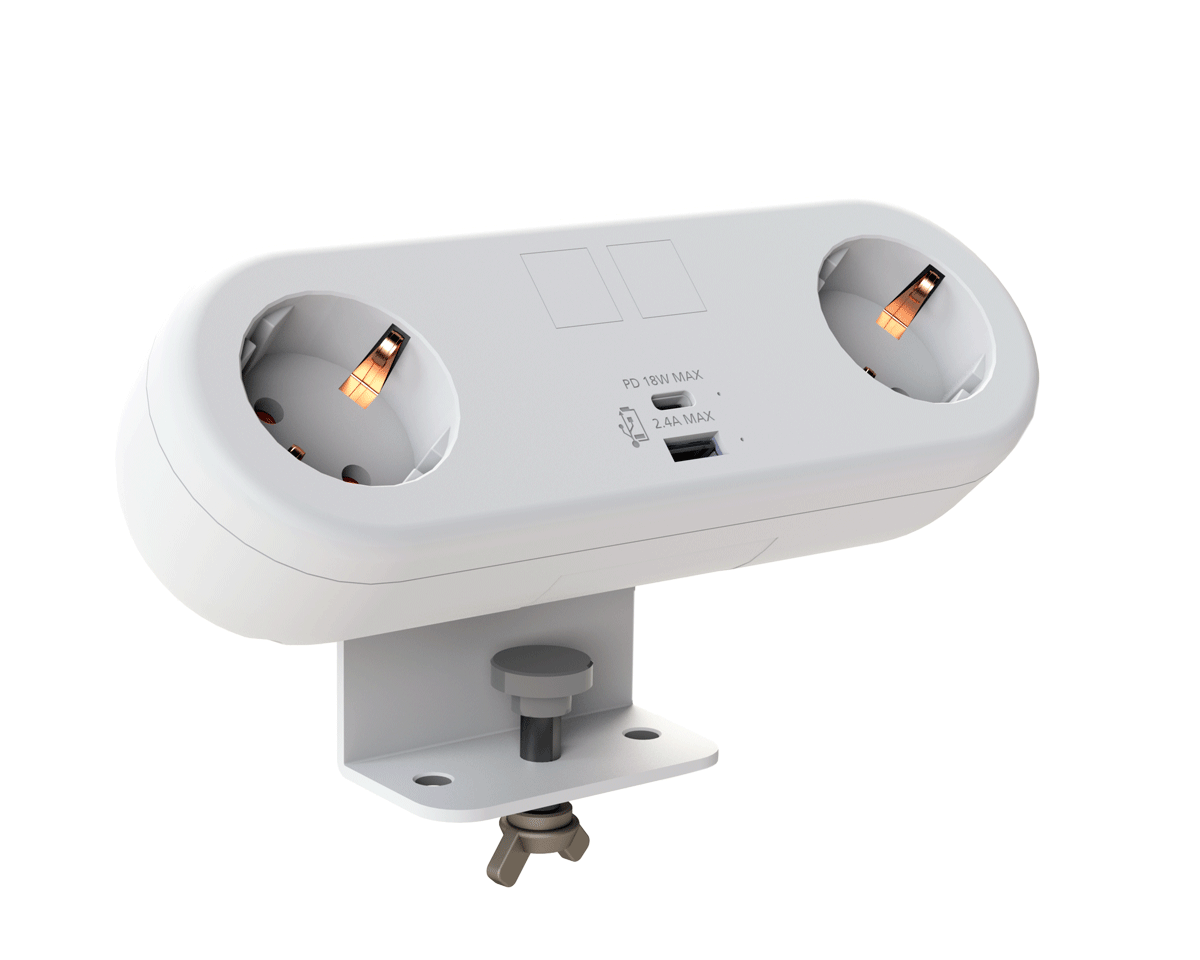
CMD White Schuko Capsule Desk Power Module
CMD LTD EXTENDS MONITOR ARM RANGE WITH THE LAUNCH OF REACH PLUS

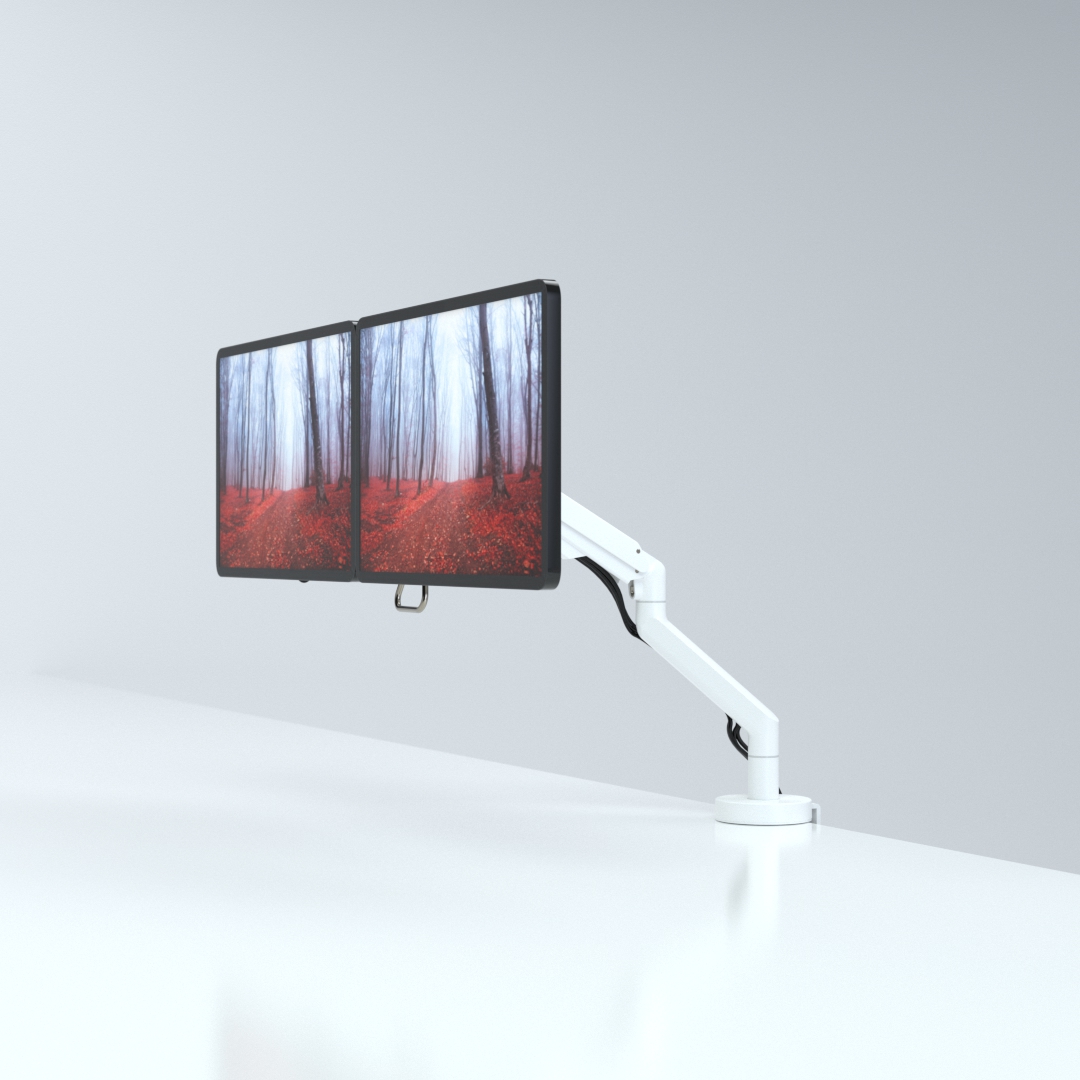
CMD Ltd, the specialist in ergonomic and connectivity solutions for commercial interiors, has completed its Reach monitor arm range with the launch of the Reach Plus. Available in single or dual screen options, the Reach Plus has been designed to provide an ideal solution for both single and dual screen workstation configurations, or can be used with next generation of large format curved screens. Suitable...

Read more
CMD Ltd DEMONSTRATES THE ART OF POWER DISTRIBUTION AT THE UNIVERSITY OF WARWICK

CMD Ltd, the specialist in workplace connectivity and ergonomic solutions, has provided Betatrak busbar power distribution and a range of electrical accessories for two major capital investment projects at the University of Warwick. Designed by Fielden Clegg Bradley Studios, the £33 million Faculty of Arts building is a showpiece development comprising four interconnected structures set around a central atrium, which will enable inter-disciplinary collaboration across...

Read more

University of Warwick
CMD BRINGS HARMONY TO COVENTRY UNIVERSITY RESEARCH FACILITIES

CMD Ltd, the specialist in power distribution solutions and workstation power and ergonomics, has provided under desk and on desk power modules for the refurbishment of three Coventry University research buildings. Located on Coventry University Technology Park, a business park designed to encourage collaboration between the university and knowledge-based businesses, the three buildings are being repurposed as office accommodation for university research teams. The refurbishment...

Read more

Coventry University

Top 10 Types of Flavored Air Pens for Global Buyers

For global buyers, choosing a Flavored Air Pen involves more than comparing colors, flavors, and package prices. Product design, ingredient transparency, manufacturing quality, and regional compliance can vary widely. A pen that performs well in one market may require different labeling or testing elsewhere. That reality deserves attention.

This guide examines ten common types, including fruit-flavored, mint-inspired, botanical, dessert-style, disposable, refillable, and customizable models. Each category offers practical differences. Buyers can compare mouthfeel, flavor consistency, battery design, leakage resistance, packaging, and storage requirements. Small details matter. A loose cap can affect freshness during long-distance shipping. Poorly sealed packaging can also damage consumer confidence.

Reliable sourcing begins with documented specifications and supplier communication. Request ingredient lists, safety data, batch information, quality certificates, and samples before placing large orders. Avoid unsupported wellness claims, unclear ingredients, and products that conflict with local rules. Requirements may differ for labeling, advertising, age control, import documentation, and product testing. Professional buyers should confirm these points with qualified local advisers.

Not every attractive pen is a dependable one. We have seen promising samples fail after repeated use, especially when flavor delivery became weak or inconsistent. That limitation is worth mentioning. Product comparisons can never replace independent verification. Still, a structured review helps buyers identify suitable options for retail, hospitality, promotional, or private-label programs. The following overview focuses on responsible selection, practical performance, and transparent supplier evaluation across international markets.

Top 10 Types of Flavored Air Pens for Global Buyers

What Flavored Air Pens Are and How They Work

Flavored Air pens are small, portable devices that deliver taste or aroma through controlled airflow. They do not need combustion, nicotine, or prohibited substances. Most designs use a sealed cartridge, an air channel, and a draw-activated valve. When the user inhales, air passes over a flavor medium and carries its volatile compounds forward. The sensation is usually light, not a dense vapor cloud.

Common formats include single-flavor pens, blended-flavor pens, passive aroma tubes, replaceable-cartridge models, and rechargeable airflow devices. Some products use food-grade ingredients, but food safety does not automatically prove inhalation safety. Buyers should request ingredient specifications, migration testing, batch records, and instructions for the intended route of use. That detail is often missing.

The Global Wellness Institute valued the global wellness economy at US$5.6 trillion in 2022. Grand View Research also reported a multi-billion-dollar aromatherapy market, with strong projected growth through 2030. These figures indicate wider consumer interest, not confirmed demand for flavored air pens specifically. The category remains poorly standardized. That matters. A pleasant flavor can create a false sense of safety. Suppliers should avoid medical claims and verify local rules for inhalable products, packaging, age controls, and advertising. Independent laboratory testing adds credibility, although one test cannot answer every safety question.

Top 10 Types of Flavored Air Pens for Global Buyers - What Flavored Air Pens Are and How They Work

No. Type of Flavored Air Pen How It Works Typical Flavor Delivery Power Source Common Reuse Model Key Buyer Considerations
1 Passive Scent-Inhalation Pen Ambient air is drawn through a scented insert or aromatic material when the user inhales through the mouthpiece. No liquid is heated or aerosolized. Light, localized aroma with a relatively low intensity. None Replaceable scent insert or cartridge. Simple construction, low operating cost, and no battery transport requirements. Flavor longevity depends on the volatility of the aroma material.
2 Replaceable Aroma-Cartridge Pen A removable cartridge containing a scented wick, bead, or pad is positioned in the airflow path. Air passes over the material during inhalation. More consistent than an open scent pad because the cartridge controls exposure to air. None Replaceable cartridge; reusable outer shell. Buyers should check cartridge compatibility, sealing quality, material safety, and packaging requirements for international shipping.
3 Refillable Essential-Oil Aroma Pen A small absorbent wick or reservoir holds a limited amount of diluted aromatic oil. Inhaled air passes over the wick without direct heating. Distinct botanical or fragrance notes, usually stronger than a dry insert. None Refillable wick or reservoir, depending on the design. Oil compatibility, leakage prevention, allergen labeling, and avoidance of direct ingestion are important for product documentation.
4 Venturi Air-Mixing Pen Fast-moving inhaled air creates a pressure difference that draws aroma from a small chamber and mixes it with the airflow. Noticeable aroma that varies with inhalation speed. None Reusable body with a replaceable aroma chamber. Performance depends on airflow resistance, chamber geometry, and the consistency of the scent medium.
5 Vapor-Free Hydration-Flavored Air Pen The device delivers scented air only; it does not intentionally produce water vapor, smoke, or heated aerosol. Flavor perception comes mainly from aroma compounds. Perceived flavor is primarily retronasal aroma rather than a liquid taste. None Usually disposable or fitted with a replaceable scent element. Marketing should clearly distinguish aroma delivery from hydration, nicotine delivery, and vapor production.
6 Battery-Powered Aroma-Fan Pen A small fan moves air across a scented pad or cartridge when an airflow sensor or button activates the device. More controlled output than passive designs, with relatively stable airflow. Rechargeable or replaceable battery Rechargeable body with replaceable scent media. Battery capacity, charging connector, electrical safety testing, noise level, and air-path cleanliness matter for global buyers.
7 Airflow-Activated Aroma Pen An airflow sensor detects inhalation and activates a small fan or valve that exposes the aroma chamber to moving air. Flavor is released only during use, helping reduce passive scent loss. Usually rechargeable Rechargeable device with replaceable or sealed aroma module. Sensor reliability, activation threshold, battery protection, and resistance to accidental activation should be evaluated.
8 Multi-Flavor Selector Pen Two or more separate aroma chambers are connected to a mechanical selector or airflow switch, allowing the user to choose one chamber at a time. Multiple flavor options with reduced cross-mixing when chambers are properly isolated. Usually none Replaceable chambers or replaceable scent inserts. Selector durability, chamber separation, cleaning access, and clear flavor identification are key purchasing factors.
9 Timed-Pulse Aroma Pen A small electronic controller releases aroma through brief fan or valve pulses rather than continuous airflow. Intermittent aroma designed to limit material consumption and maintain a predictable dose of scent exposure. Rechargeable or replaceable battery Rechargeable body with replaceable aroma module. Timer accuracy, battery runtime, control simplicity, and compliance with electronic-product shipping rules should be reviewed.
10 Disposable Pre-Filled Flavored Air Pen The outer shell, airflow channel, and pre-filled scented element are supplied as one sealed unit. The user inhales through the mouthpiece until the aroma fades. Convenient, ready-to-use aroma with a fixed flavor and service life. None or sealed battery Normally replaced rather than refilled. Packaging waste, shelf life, leakage prevention, labeling, recycling requirements, and destination-market regulations should be assessed.

Important: Flavored air pens are generally designed to provide aroma through inhaled air. They should not be assumed to deliver hydration, medication, nicotine, or a therapeutic effect unless the product has been specifically authorized and labeled for that purpose.

Main Types of Flavored Air Pens by Design and Use

Top 10 Types of Flavored Air Pens for Global Buyers

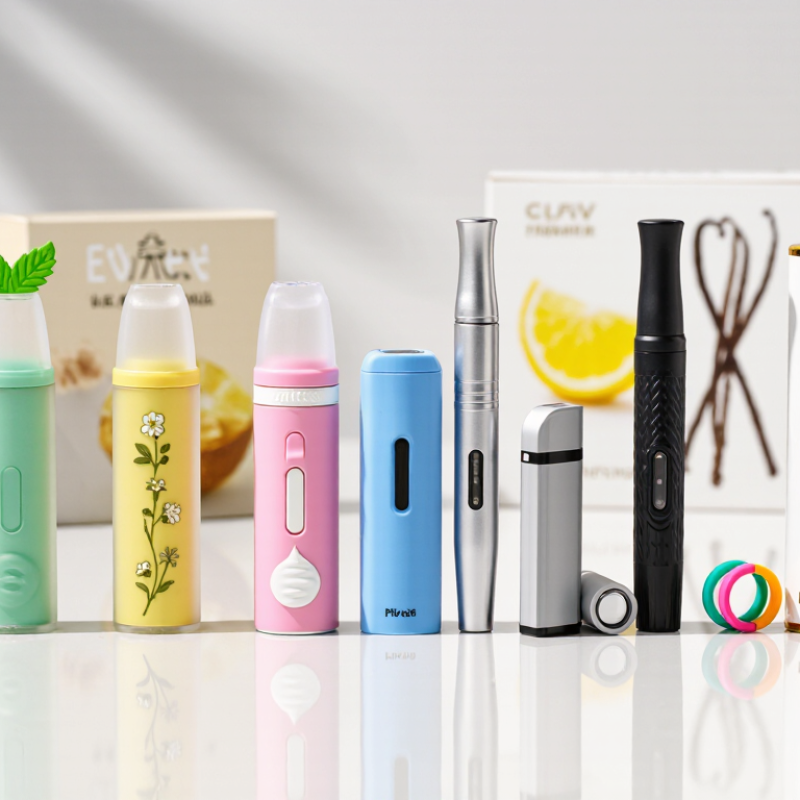
Flavored air pens vary by design, airflow, and intended setting. Pocket clip pens suit commuters because they attach firmly to a bag or shirt. Twist-select models let users change scent strength without opening the casing. Replaceable-cartridge pens reduce waste, although cartridge compatibility can become confusing. Single-scent pens are simpler and often easier for large event distribution. They need clear storage instructions.

Desk aroma pens usually have wider bases and controlled airflow for offices or reception areas. Travel models use sealed caps to prevent accidental activation inside luggage. Hospitality pens may feature neutral shapes and individually wrapped components. Educational sensory pens require rounded edges, non-toxic materials, and adult supervision. Custom-shaped pens attract attention, but decorative parts can weaken durability. Filtered-air designs are useful where buyers want fragrance without smoke, heat, or visible vapor. Keep it simple.

For international purchasing, examine material certificates, allergen disclosures, packaging language, and batch controls. The product should be a non-medical, non-ingestible aroma accessory, with no nicotine or restricted substances. Local rules may still differ for fragrance products, children’s items, and transport.

A low price can hide weak seals or inconsistent airflow. In testing, check the cap, mouthpiece, scent stability, and leakage after repeated use. Performance often changes in hot warehouses. That detail is easy to miss.

Even experienced buyers should request samples and independent documentation before approving a large order.

Flavor Profiles and Their Sensory Characteristics

Top 10 Types of Flavored Air Pens for Global Buyers

Flavor Profiles and Their Sensory Characteristics

Flavor selection begins with sensory structure, not colorful naming. Mint delivers a sharp, cooling sensation with a clean finish. Citrus feels bright, acidic, and lightly bitter. Berry profiles seem softer, sweeter, and more rounded. Tropical notes add ripe fruit aromas, but they can become heavy quickly. Tea-inspired profiles often provide gentle dryness and a calmer aroma.

Herbal flavors may feel green, earthy, or slightly medicinal. Dessert profiles create creamy associations, although sweetness can reduce perceived freshness. Spice notes add warmth and lingering complexity. Neutral profiles offer minimal aroma for users sensitive to strong sensations. There is also a tenth category: blended profiles, such as citrus-herbal or berry-tea combinations.

Industry evidence supports careful variation. Mintel’s 2024 Global Food and Drink Trends report highlights growing interest in familiar flavors with added sensory contrast. Innova Market Insights’ 2024 flavor analysis also identifies nostalgia, fruit combinations, and botanical cues as strong development themes. These findings help global buyers compare air pens by aroma intensity, cooling effect, sweetness, and aftertaste.

Sensory testing should use trained panels and ordinary consumers. ISO 13299 recommends documenting attributes before scoring products. That discipline matters. A “fresh” profile may feel cold in one market and medicinal in another. Climate, food culture, and usage habits influence perception.

Even small differences in airflow can change aroma release. This is easy to overlook. Buyers should request blind-test results, ingredient compliance documents, and stability data across storage temperatures. Trend reports guide decisions, but they cannot replace local testing. Some assumptions will fail. That is useful information.

Safety, Materials, and Quality Standards for Global Buyers

For global buyers, flavored air pens should be assessed as inhalation-contact products, not novelty gifts. The World Health Organization reported in its 2022 air-quality update that 99% of the world’s population breathed air exceeding its guideline limits in 2019. This finding raises the bar for clean materials and controlled ingredients. Ask suppliers for formulation disclosure, allergen screening, and migration testing. “Natural” is not a safety certificate. It can still irritate sensitive users.

Housing should use traceable food-contact or medical-grade polymers, where applicable, with no unexplained coatings. ISO 18562 evaluates emissions from breathing-gas pathways, while ISO 10993 supports biological evaluation of patient-contacting materials. These standards are useful references, not automatic approval. Check extractables, leachables, heavy metals, and particulate release during heat exposure and storage. The 2024 Global E-waste Monitor recorded 62 million tonnes of e-waste in 2022. Buyers should therefore question batteries, recyclability, and take-back arrangements. Small devices still create waste.

Quality control should include batch coding, leak tests, airflow consistency, flavor stability, and accelerated aging. Independent laboratories should verify results against destination-market requirements. Test reports must match the shipped model, not a similar sample. That detail is often missed. Require clear instructions, suitable packaging, and adverse-event contact channels. A perfect checklist does not exist. Buyers should document exceptions, review complaints, and retest after every material or supplier change.

Top 10 Types of Flavored Air Pens for Global Buyers: Safety, Materials, and Quality Standards

This chart compares the number of common buyer verification checkpoints typically relevant to each flavored air-pen format. The six checkpoints are electrical safety, battery transport, ingredient disclosure, packaging safety, emissions or performance testing, and restricted-substance screening. The values are a procurement screening guide, not a certification score.

Buyer note: Battery-powered and liquid-containing formats usually require more verification than non-heated aroma inhalers. Global buyers should confirm the applicable destination-market rules, technical files, safety tests, material declarations, labeling, and transport documentation before purchase.

How to Compare Suppliers, Pricing, and Customization Options

Global buyers should compare flavored air pens by use case, materials, and supplier controls. Common options include fruit, mint, beverage, botanical, dessert, and cooling profiles. Each type creates different sourcing questions. Ask whether the aroma is stable, clearly documented, and suitable for the intended non-medicated product. Do not accept vague safety statements. Request ingredient declarations, batch records, material specifications, and independent test reports. A reliable supplier should explain production limits without exaggeration.

Tips: Compare landed cost, not only unit price. Include samples, tooling, packaging, inspections, freight, duties, and payment fees. Check the minimum order quantity and sample lead time. Ask for two or three flavor trials from the same batch. Small details matter. A citrus note may fade during storage. I have seen buyers overlook this issue. That mistake became expensive.

Customization can cover flavor intensity, pen shape, color, label design, packaging, and regional language. Confirm which changes require new molds or setup charges. Request a written approval sample before mass production. Suppliers should also explain quality checks, replacement policies, and delivery terms. Pricing often falls with larger orders, but low prices can hide thinner materials or weaker inspection. My own comparison sheets have sometimes missed packaging waste, so I now calculate the full cost per sellable unit. Treat supplier claims as starting evidence, not final proof.

Article Source: