

News

Miro: A New Standard in Responsible Innovation

Miro: A New Standard in Responsible Innovation The Miro monitor arm is setting new benchmarks in sustainability. It offers a high-performance solution without compromising on environmental responsibility. Designed with careful material selection, local sourcing, and longevity in mind, Miro’s responsible approach to design and unique manoeuvrability set it apart from the competition. Sustainable Choices Miro is crafted from energy-efficient materials with a lower carbon impact....

Read more
HSE Advisor

Role Purpose Support in the development, implementation and maintenance of the company’s Health, Safety & Environmental policies, processes, operational procedures, and standards.  Ensuring best practice and championing a continually improving HSE culture within the business. Key Responsibilities Liaise with and provide support to all areas of the business to eliminate, mitigate or reduce identified HSE exposures. Partner with the production management team and team leaders,...

Read more
CMD Ltd LAUNCHES 48-HOUR TURNAROUND ON BETATRAK® RAPID ORDERING SERVICE

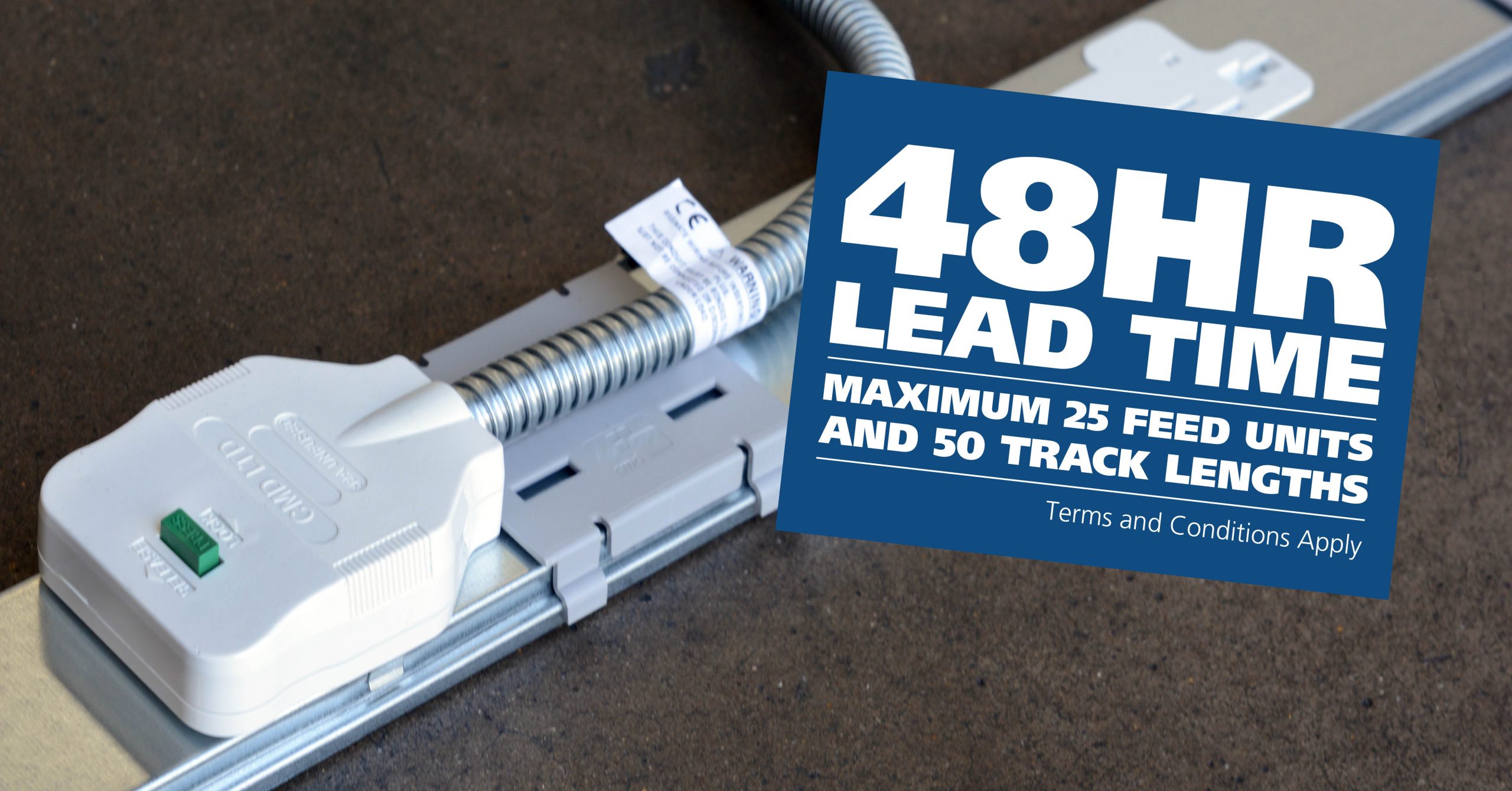
CMD Ltd, the specialist in power distribution systems, workstation power and monitor arms, has launched a rapid ordering service for its Betatrak® underfloor powertrack distribution systems and accessories, with a commitment to delivering within 48-hours of an approved purchase order*. The service enables customers to order up to 50 lengths of Standard or Clean Earth (C/E) low noise Betatrak, along with up to 25 feed...

Read more
CMD INVESTS £1/4 MILLION IN NEW MACHINE AS PART OF FACTORY UPGRADE

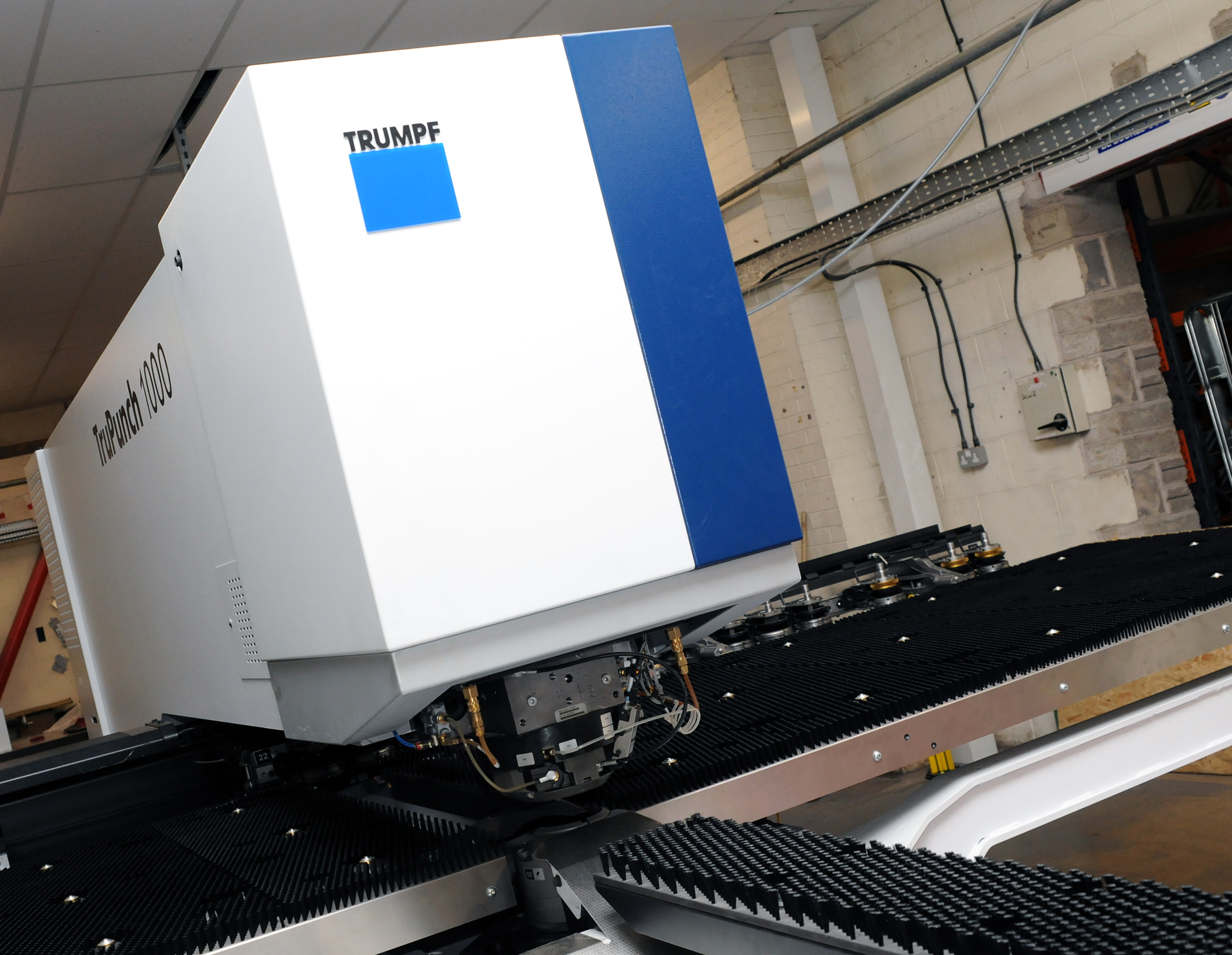
We have invested in a new £1/4m TRUMPF CNC metal punch as part of an asset renewal strategy for our UK manufacturing capability. The new machine will be used in the production of a wide variety of our power distribution systems and workstation power products at our Rotherham factory. Suitable for handling sheet metal between 0.9mm and 3.0mm thick, the new machine will replace one...

Read more
CMD CATALOGUE PROVIDES TECHNICAL POWER DISTRIBUTION GUIDE

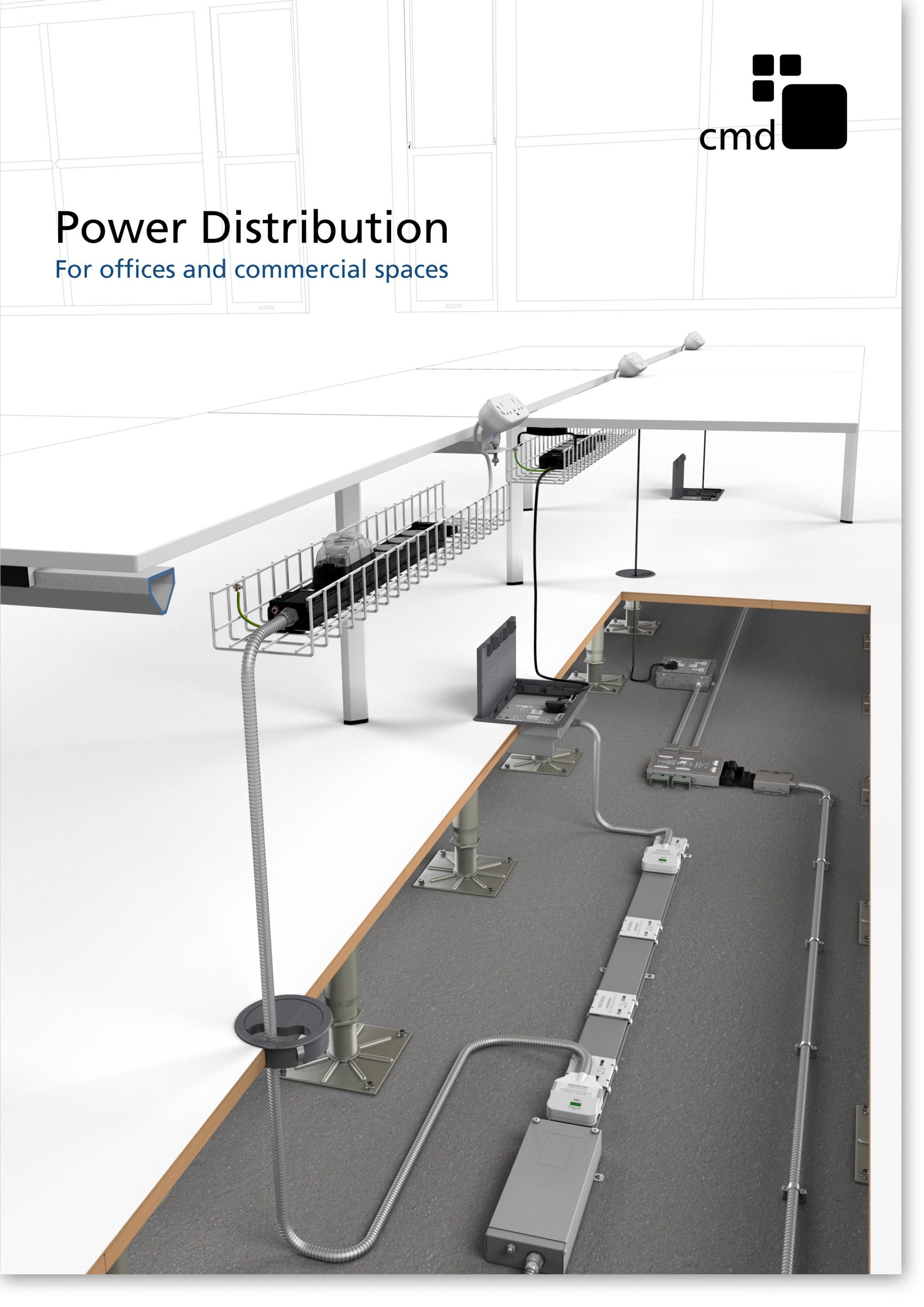
CMD Ltd has released a new catalogue, providing an easy to follow technical guide to our power distribution systems and plug and play desk modules. Detailing CMD’s full range of UK-manufactured power distribution systems and plug and play desk modules, the catalogue will be a helpful source of information to M&E engineers and contractors alike to understand how our power distribution systems connect together and...

Read more
Power Distribution Catalogue
CMD Ltd PLAYS ESSENTIAL ROLE IN ELECTRICAL FIT OUT AT LONDON’S PRESTIGIOUS OFFICE DEVELOPMENT

CMD Ltd, specialist in workplace connectivity and ergonomic solutions, has provided a flexible and high-quality power distribution network for The Ray, a prestigious office development in London’s Farringdon. Well-known for being the former site of The Guardian newspaper, The Ray now stands as an 83,000ft² office development characterised by a modernised warehouse aesthetic, with level two now occupied by a global social media company. The...

Read more

The Ray
CMD plugs in to european opportunity with Schuko Capsule unit launch

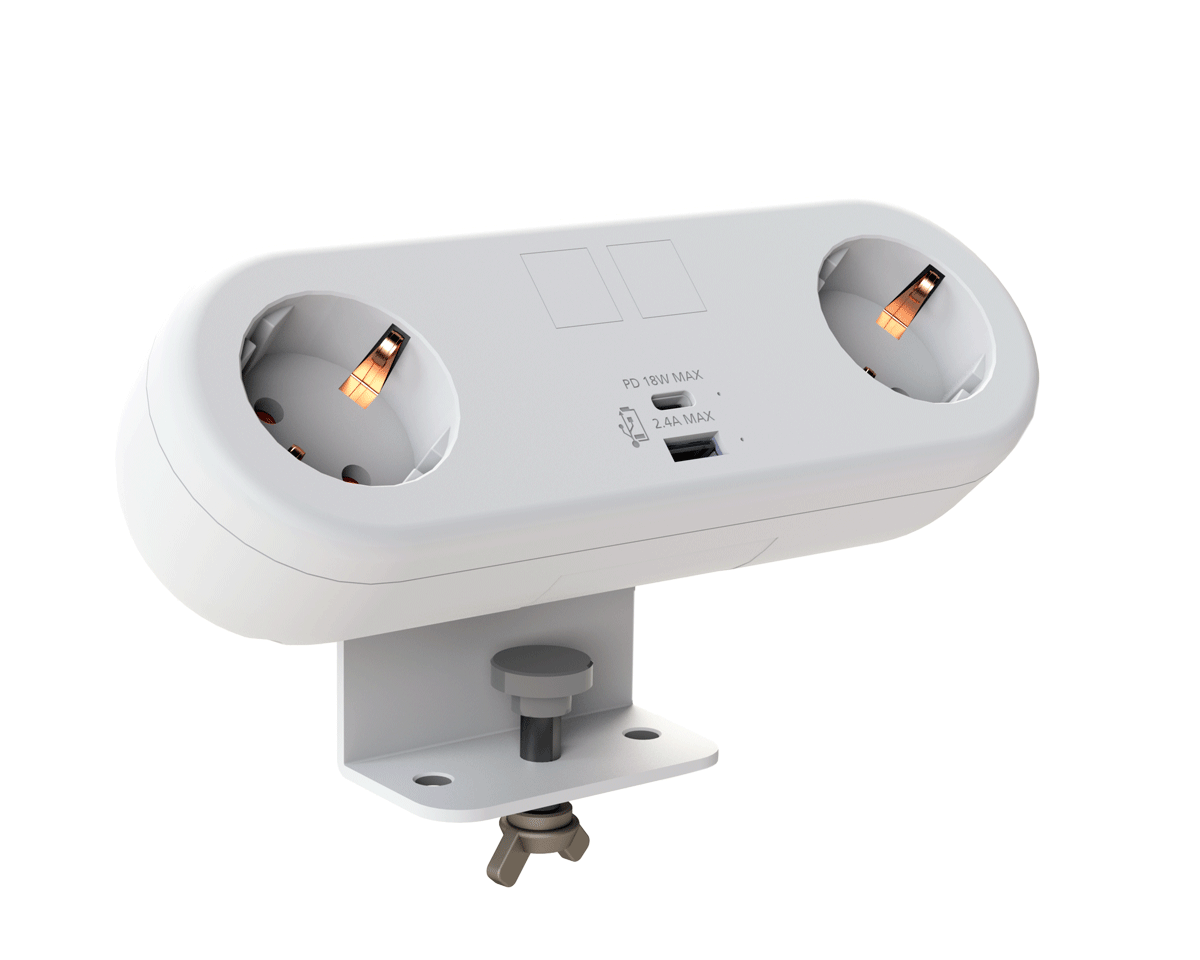
CMD Ltd, the specialist in power and connectivity solutions for commercial environments, has launched a Schuko version of its popular fixed format Capsule workstation power module for export to mainland Europe and beyond. A popular on desk power module comprising two sockets and dual USB (type A and C) chargers, CMD’s Capsule unit is already widely specified in the UK as an off-the-shelf workstation power...

Read more
CMD White Schuko Capsule Desk Power Module
CMD LTD EXTENDS MONITOR ARM RANGE WITH THE LAUNCH OF REACH PLUS

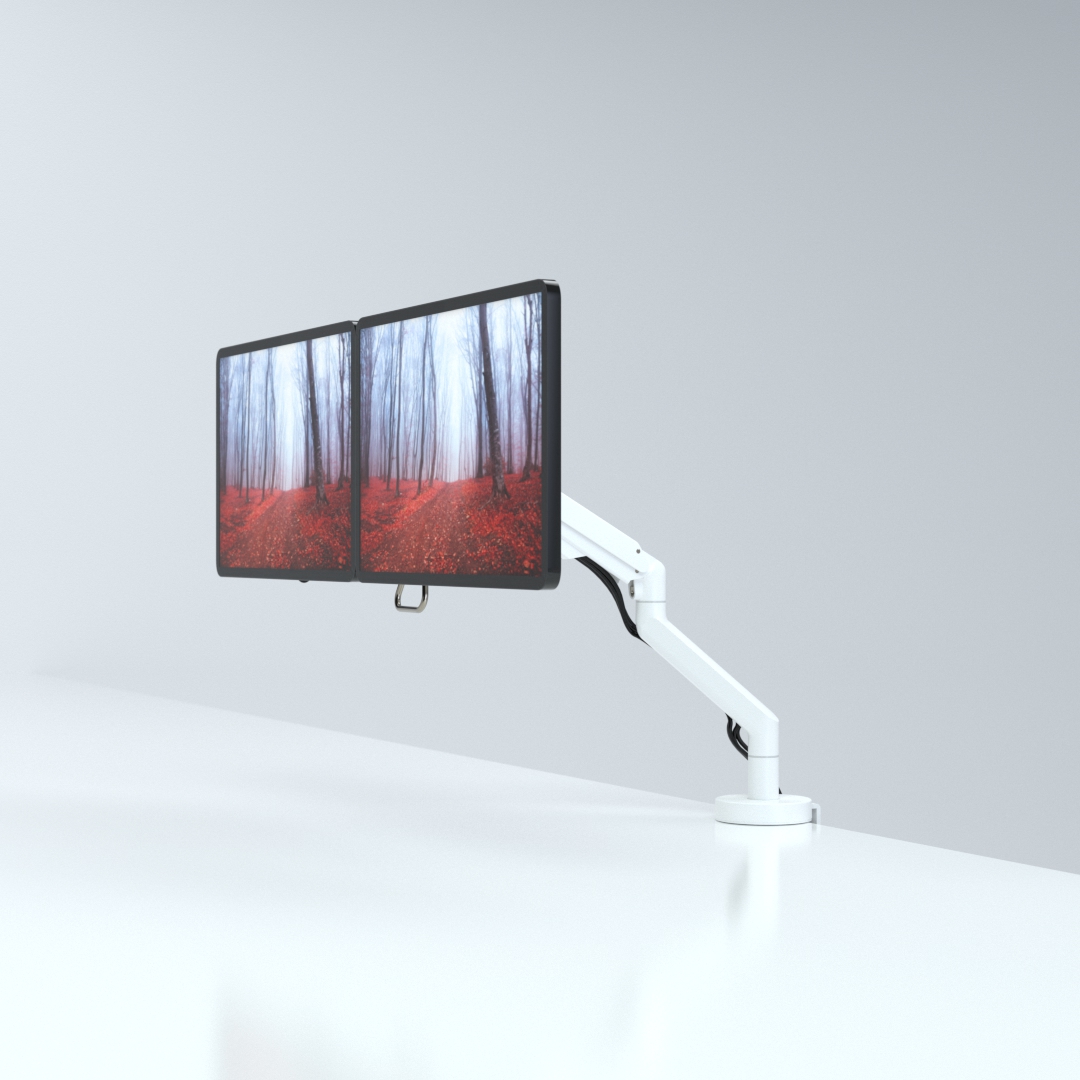
CMD Ltd, the specialist in ergonomic and connectivity solutions for commercial interiors, has completed its Reach monitor arm range with the launch of the Reach Plus. Available in single or dual screen options, the Reach Plus has been designed to provide an ideal solution for both single and dual screen workstation configurations, or can be used with next generation of large format curved screens. Suitable...

Read more
CMD Ltd DEMONSTRATES THE ART OF POWER DISTRIBUTION AT THE UNIVERSITY OF WARWICK

CMD Ltd, the specialist in workplace connectivity and ergonomic solutions, has provided Betatrak busbar power distribution and a range of electrical accessories for two major capital investment projects at the University of Warwick. Designed by Fielden Clegg Bradley Studios, the £33 million Faculty of Arts building is a showpiece development comprising four interconnected structures set around a central atrium, which will enable inter-disciplinary collaboration across...

Read more

University of Warwick
CMD BRINGS HARMONY TO COVENTRY UNIVERSITY RESEARCH FACILITIES

CMD Ltd, the specialist in power distribution solutions and workstation power and ergonomics, has provided under desk and on desk power modules for the refurbishment of three Coventry University research buildings. Located on Coventry University Technology Park, a business park designed to encourage collaboration between the university and knowledge-based businesses, the three buildings are being repurposed as office accommodation for university research teams. The refurbishment...

Read more

Coventry University

What Is a China Top Dense Load FIBC Exporter?

What Is a China Top Dense Load Fibc Exporter? The question reaches beyond factory location or shipment volume. It concerns verified design, controlled production, and dependable export support for Flexible Intermediate Bulk Containers used with dense materials. A China Top Dense Load Fibc Exporter should understand how product density, filling pressure, lifting loops, liner selection, and discharge design affect safe handling.

Industry evidence supports this broader view. Smithers’ market research on flexible intermediate bulk containers highlights demand for stronger, more application-specific packaging across chemicals, minerals, food ingredients, agriculture, and construction materials. Grand View Research also identifies industrial bulk packaging as a growing market, driven by transport efficiency and rising international trade. Numbers vary between reports. Definitions vary too. That is worth remembering.

ISO 21898 provides a recognized framework for FIBC design, testing, and performance requirements. However, compliance language alone cannot replace production experience. A reliable exporter should provide batch traceability, fabric specifications, seam inspection records, and documented load testing. Ask for evidence. Do not rely on attractive photographs.

UNCTAD reports that more than 80% of global merchandise trade by volume moves by sea. Therefore, export quality includes more than the bag itself. Moisture protection, pallet stability, container loading, labeling accuracy, and communication can influence the final result. A capable China Top Dense Load Fibc Exporter should also clarify whether “dense load” describes higher material density, increased filling weight, or a customized safety factor. Those details are easy to overlook. They should not be. The best supplier is not simply the cheapest one, but the partner that explains limitations honestly and improves the specification before production begins.

What Is a China Top Dense Load FIBC Exporter?

What Defines a China Top Dense Load FIBC Exporter?

What Is a China Top Dense Load FIBC Exporter?

A top dense load FIBC exporter is defined by controlled engineering, not shipment volume alone. Dense powders and minerals create high pressure on seams, lifting loops, and discharge spouts. Therefore, the exporter should confirm safe working load, filling ratio, fabric strength, and stacking conditions for every order. ISO 21898:2004 provides a recognized framework for FIBCs carrying non-dangerous bulk materials. Reliable suppliers also use documented drop, lift, seam, and top-lift tests before shipment.

Testing must be traceable.

Industry demand supports stricter evaluation. A 2024 market assessment by Mordor Intelligence projects the global FIBC market to grow at roughly 6% annually through 2029. This growth increases competition, but it does not prove technical capability. A serious exporter should provide batch records, material specifications, inspection results, and clear packing photographs. FIBCA guidance commonly references 5:1 or 6:1 safety factors, depending on the bag’s application and design. Buyers should verify the actual factor, rather than accept a general claim. Some exporters still focus too heavily on price. That can hide thinner fabric, inconsistent polypropylene, or weak stitching. In practice, a strong exporter combines factory experience with independent inspection, stable lead times, and responsive corrective action. No supplier should promise perfect performance. A better sign is honest risk discussion, especially for heavy, abrasive, or unevenly filled loads.

How Dense Load FIBCs Are Designed and Manufactured in China

What Is a China Top Dense Load FIBC Exporter?

Dense load FIBCs are engineered for heavy, compact materials such as minerals, powders, and industrial granules. Their design begins with product density, filling method, discharge style, and lifting conditions. Woven polypropylene fabric is selected by tensile strength and coating requirements. A typical heavy-duty bag may use reinforced seams, four lifting loops, and a laminated inner surface. Details matter.

Grand View Research estimated the global FIBC market at about USD 6.5 billion in 2023, with continued growth expected through 2030. This demand is pushing Chinese manufacturers toward tighter process control. According to ISO 21898 requirements, FIBCs need performance testing for lifting, stacking, and repeated handling. Load tests can expose weak corners quickly. In production, fabric rolls are inspected, panels are cut, and seams are checked before final testing. Some factories also use traceable batch records and calibrated weighing equipment. That is reassuring, but not perfect.

A capable exporter should provide test reports, production photos, material specifications, and clear answers about safety factors. For dense loads, a 5:1 or 6:1 design may be selected after application review. The correct choice depends on reuse, filling speed, and transport conditions. A stronger bag is not automatically safer. Poor filling can still create uneven pressure, tilted lifting, or seam stress. This is where practical manufacturing experience becomes more valuable than a sales claim.

Which Industries Use Top-Quality Dense Load FIBCs?

What Is a China Top Dense Load FIBC Exporter?

Top-quality dense load FIBCs serve industries that move heavy powders and granules efficiently. Agriculture uses them for seed, feed additives, fertilizer, and mineral soil products. Food processors use food-grade bags for flour, starch, sugar, and other dry ingredients. These bags need clean interiors, secure seams, and controlled discharge.

Construction and mining operations also depend on dense load FIBCs. Cement, sand, pigments, and mineral powders can create severe stress during lifting. A reliable exporter should match the bag design to the product weight, filling method, storage time, and transport conditions. Key details include safe working load, safety factor, fabric strength, lifting-loop construction, and moisture protection. Test records and traceable production documents matter.

Chemical manufacturers may use FIBCs for lawful, non-hazardous powders and granules. They often require liners, antistatic fabric, or specialized discharge designs. Recycling facilities can use them for plastic pellets, rubber granules, and recovered materials. Small design errors become costly quickly. A weak seam may fail during forklift handling. A poorly fitted liner may slow emptying. In practice, even experienced buyers sometimes focus too much on price and overlook warehouse humidity or pallet movement. Exporters with technical inspection experience can help correct those details before production. No bag fits every operation.

How to Evaluate a Reliable China Dense Load FIBC Exporter

What Is a China Top Dense Load FIBC Exporter?

A China top dense load FIBC exporter supplies flexible bulk bags for heavy, compact materials. These bags need strong fabric, stable seams, and dependable lifting loops. A reliable exporter should explain safe working load, safety factor, fabric weight, and bag dimensions clearly. Generic promises are not enough.

How to Evaluate a Reliable China Dense Load FIBC Exporter

Ask for recent test reports, production samples, and batch traceability records. Check whether the factory performs tensile, seam, drop, and load tests before shipment. Review the stitching closely. Uneven thread tension or loose corners may reveal weak process control. A capable technical team can recommend coated fabric, liner options, and suitable discharge designs for your material. Communication matters too. Confirm tolerances, packaging details, inspection stages, and delivery terms in writing. A polished catalog can still hide production gaps. This is where careful verification matters.

Tips: Request one sample before placing a large order. Compare the sample with the approved drawing. Ask for photos of real production, not only studio images. Verify the exporter’s factory address and quality records. If answers change repeatedly, pause the order. Small inconsistencies become costly later. A third-party inspection can also provide useful evidence, although it cannot replace your own technical judgment. Reflect on the full supply chain, not only the lowest quotation. Dense loads can shift during handling, so bag design must match the actual filling, storage, and transport conditions.

What Standards Guide Dense Load FIBC Quality and Export Compliance?

What Is a China Top Dense Load FIBC Exporter?

A reliable dense load FIBC exporter supplies bulk bags designed for heavy, compact materials. Quality begins with correct fabric selection, seam construction, and lifting design. Polypropylene fabric must match the required safe working load, filling method, and discharge system. For international trade, ISO 21898 provides a key framework for FIBC design, performance, and testing. Buyers should request test reports covering drop tests, top-lift strength, stacking, seam resistance, and safe working load. A certificate alone is not enough. Its scope, testing date, and product reference require careful checking.

Export compliance also depends on the cargo and destination. The exporter should verify packaging marks, shipping documents, labeling, and traceability records. Food-contact applications may require separate hygiene controls and regional material declarations. Chemical or moisture-sensitive powders can demand liners, antistatic features, or stronger closures. These features should be selected through a documented risk assessment, not copied from another order. That is where some specifications become unclear. “Heavy duty” sounds useful, but it is not a measurable standard.

Tips: Ask for a complete specification sheet. Check the bag’s SWL and safety factor. Request batch inspection records. Confirm whether the design supports filling, lifting, transport, and discharge. Keep a retained sample for comparison. Small details matter. A dependable exporter explains limitations openly and accepts third-party inspection when the shipment requires extra confidence.