

News

Miro: A New Standard in Responsible Innovation

Miro: A New Standard in Responsible Innovation The Miro monitor arm is setting new benchmarks in sustainability. It offers a high-performance solution without compromising on environmental responsibility. Designed with careful material selection, local sourcing, and longevity in mind, Miro’s responsible approach to design and unique manoeuvrability set it apart from the competition. Sustainable Choices Miro is crafted from energy-efficient materials with a lower carbon impact....

Read more
HSE Advisor

Role Purpose Support in the development, implementation and maintenance of the company’s Health, Safety & Environmental policies, processes, operational procedures, and standards.  Ensuring best practice and championing a continually improving HSE culture within the business. Key Responsibilities Liaise with and provide support to all areas of the business to eliminate, mitigate or reduce identified HSE exposures. Partner with the production management team and team leaders,...

Read more
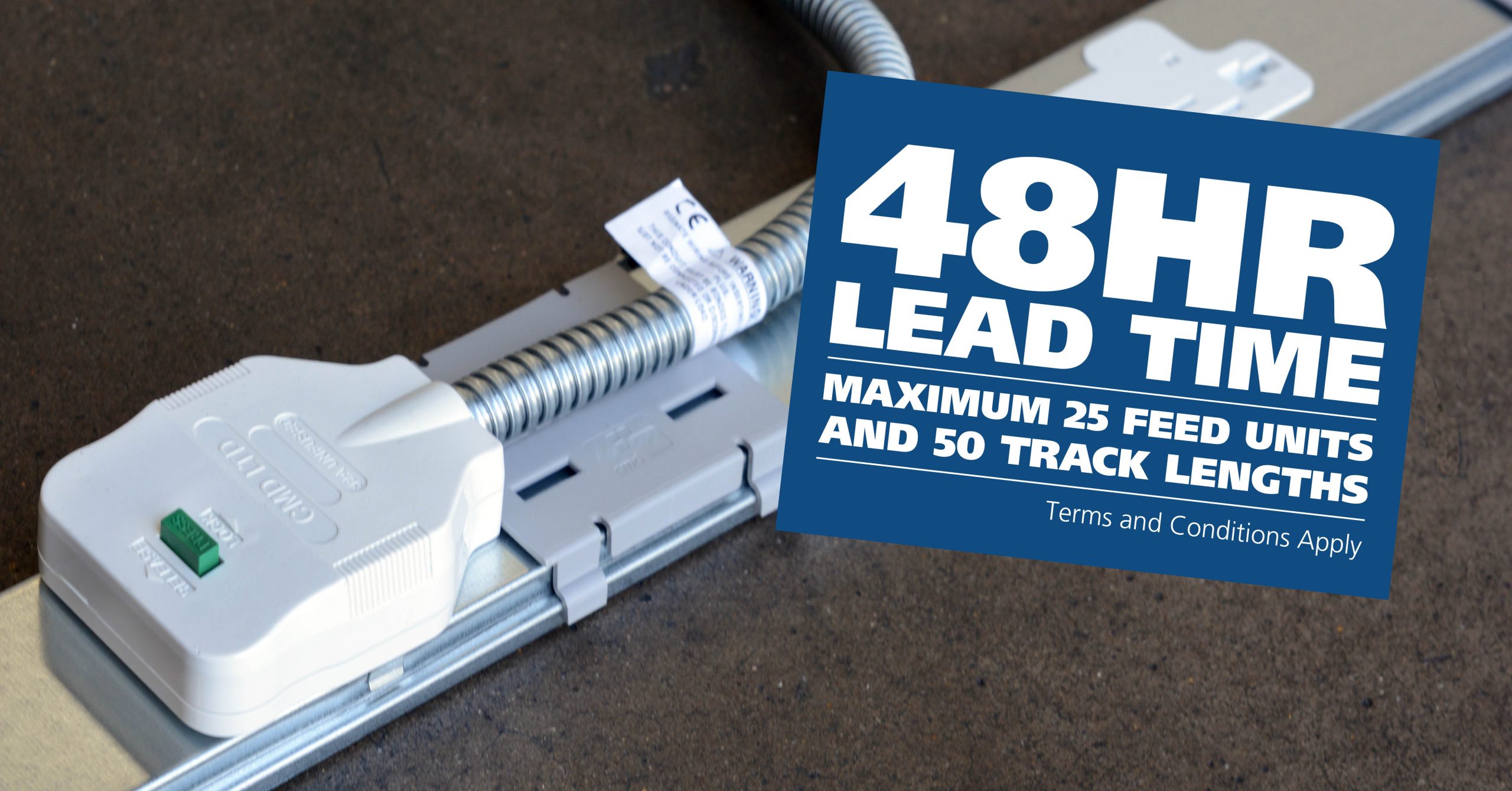
CMD Ltd LAUNCHES 48-HOUR TURNAROUND ON BETATRAK® RAPID ORDERING SERVICE

CMD Ltd, the specialist in power distribution systems, workstation power and monitor arms, has launched a rapid ordering service for its Betatrak® underfloor powertrack distribution systems and accessories, with a commitment to delivering within 48-hours of an approved purchase order*. The service enables customers to order up to 50 lengths of Standard or Clean Earth (C/E) low noise Betatrak, along with up to 25 feed...

Read more
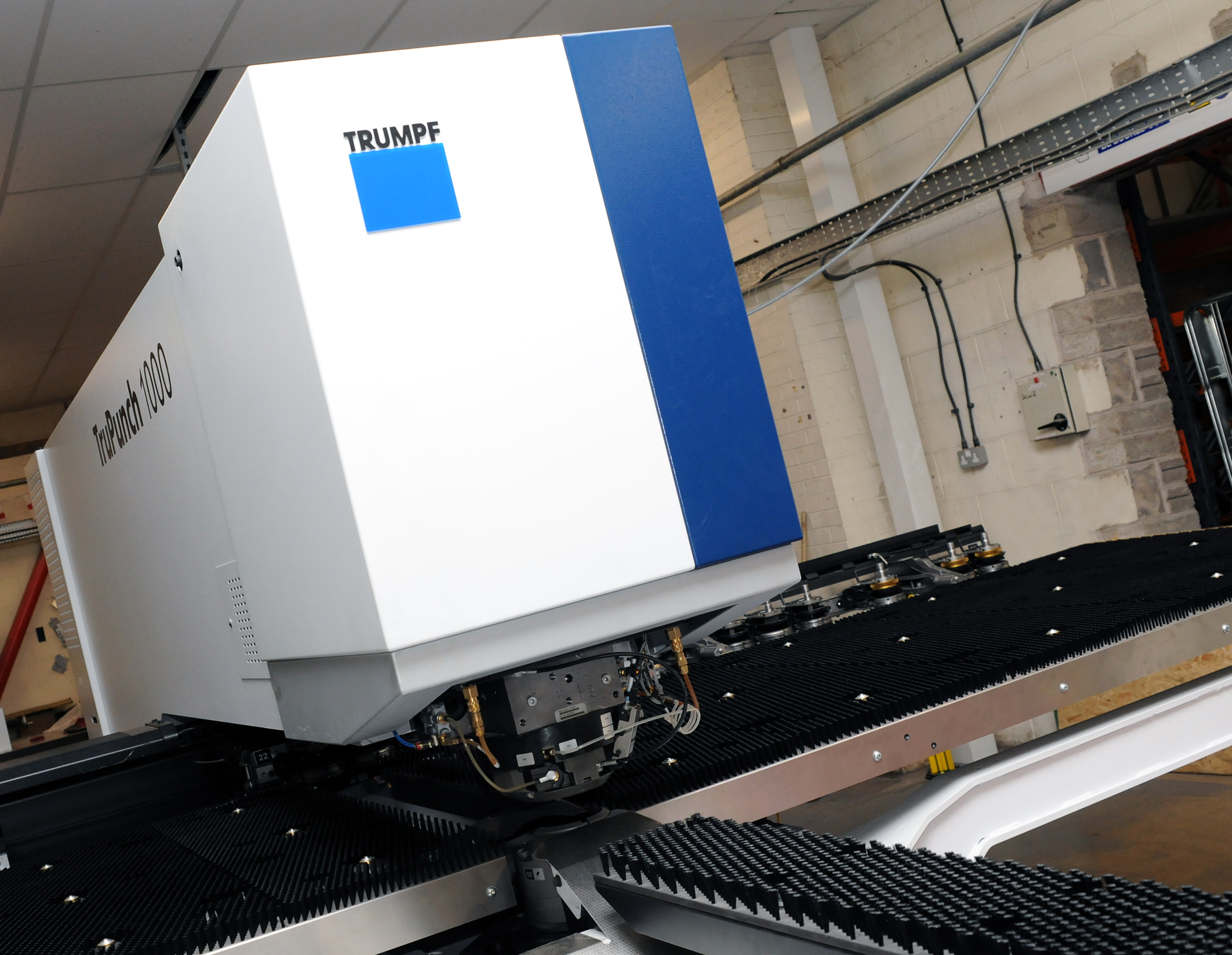
CMD INVESTS £1/4 MILLION IN NEW MACHINE AS PART OF FACTORY UPGRADE

We have invested in a new £1/4m TRUMPF CNC metal punch as part of an asset renewal strategy for our UK manufacturing capability. The new machine will be used in the production of a wide variety of our power distribution systems and workstation power products at our Rotherham factory. Suitable for handling sheet metal between 0.9mm and 3.0mm thick, the new machine will replace one...

Read more
CMD CATALOGUE PROVIDES TECHNICAL POWER DISTRIBUTION GUIDE

CMD Ltd has released a new catalogue, providing an easy to follow technical guide to our power distribution systems and plug and play desk modules. Detailing CMD’s full range of UK-manufactured power distribution systems and plug and play desk modules, the catalogue will be a helpful source of information to M&E engineers and contractors alike to understand how our power distribution systems connect together and...

Read more
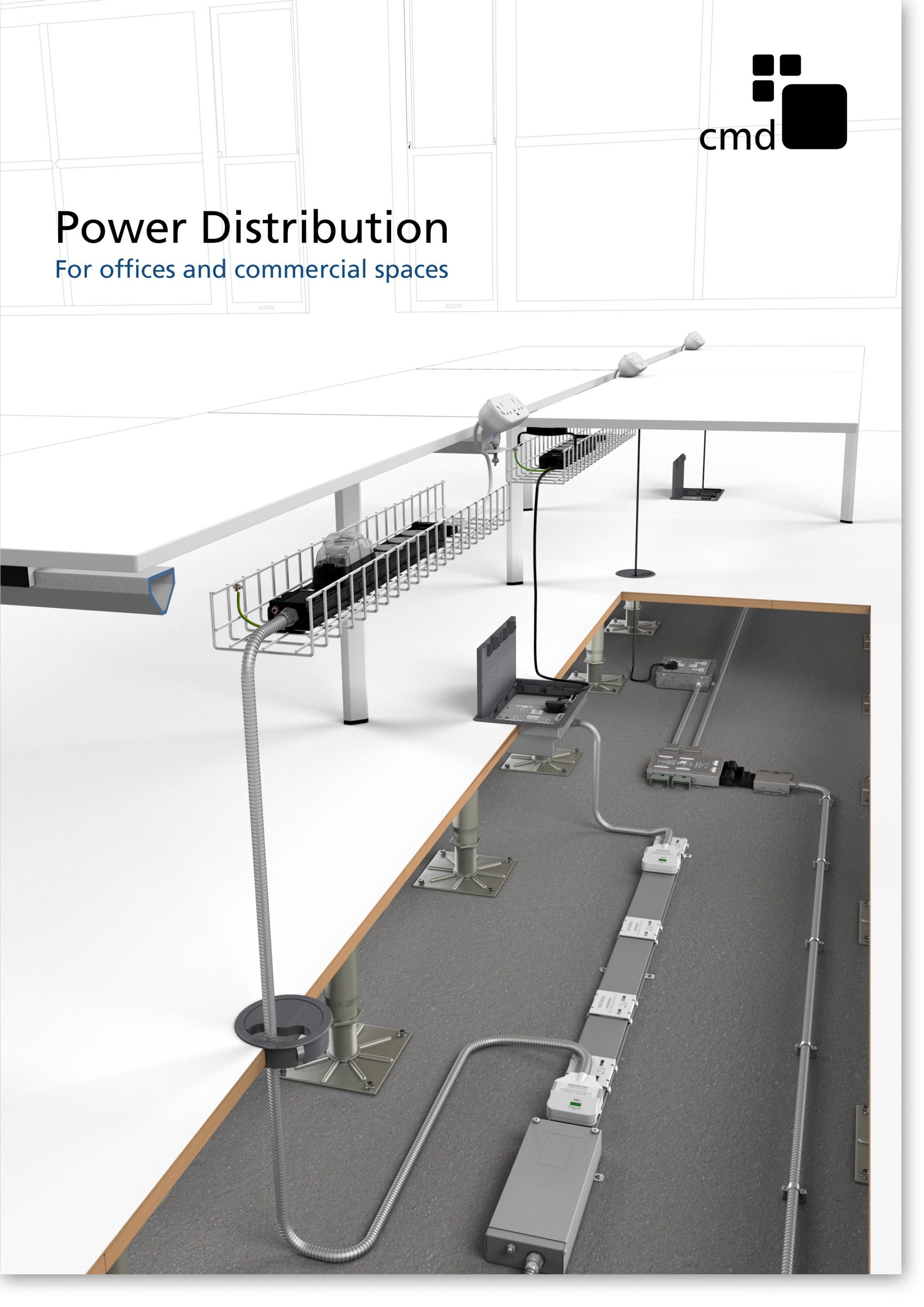
Power Distribution Catalogue
CMD Ltd PLAYS ESSENTIAL ROLE IN ELECTRICAL FIT OUT AT LONDON’S PRESTIGIOUS OFFICE DEVELOPMENT

CMD Ltd, specialist in workplace connectivity and ergonomic solutions, has provided a flexible and high-quality power distribution network for The Ray, a prestigious office development in London’s Farringdon. Well-known for being the former site of The Guardian newspaper, The Ray now stands as an 83,000ft² office development characterised by a modernised warehouse aesthetic, with level two now occupied by a global social media company. The...

Read more

The Ray
CMD plugs in to european opportunity with Schuko Capsule unit launch

CMD Ltd, the specialist in power and connectivity solutions for commercial environments, has launched a Schuko version of its popular fixed format Capsule workstation power module for export to mainland Europe and beyond. A popular on desk power module comprising two sockets and dual USB (type A and C) chargers, CMD’s Capsule unit is already widely specified in the UK as an off-the-shelf workstation power...

Read more
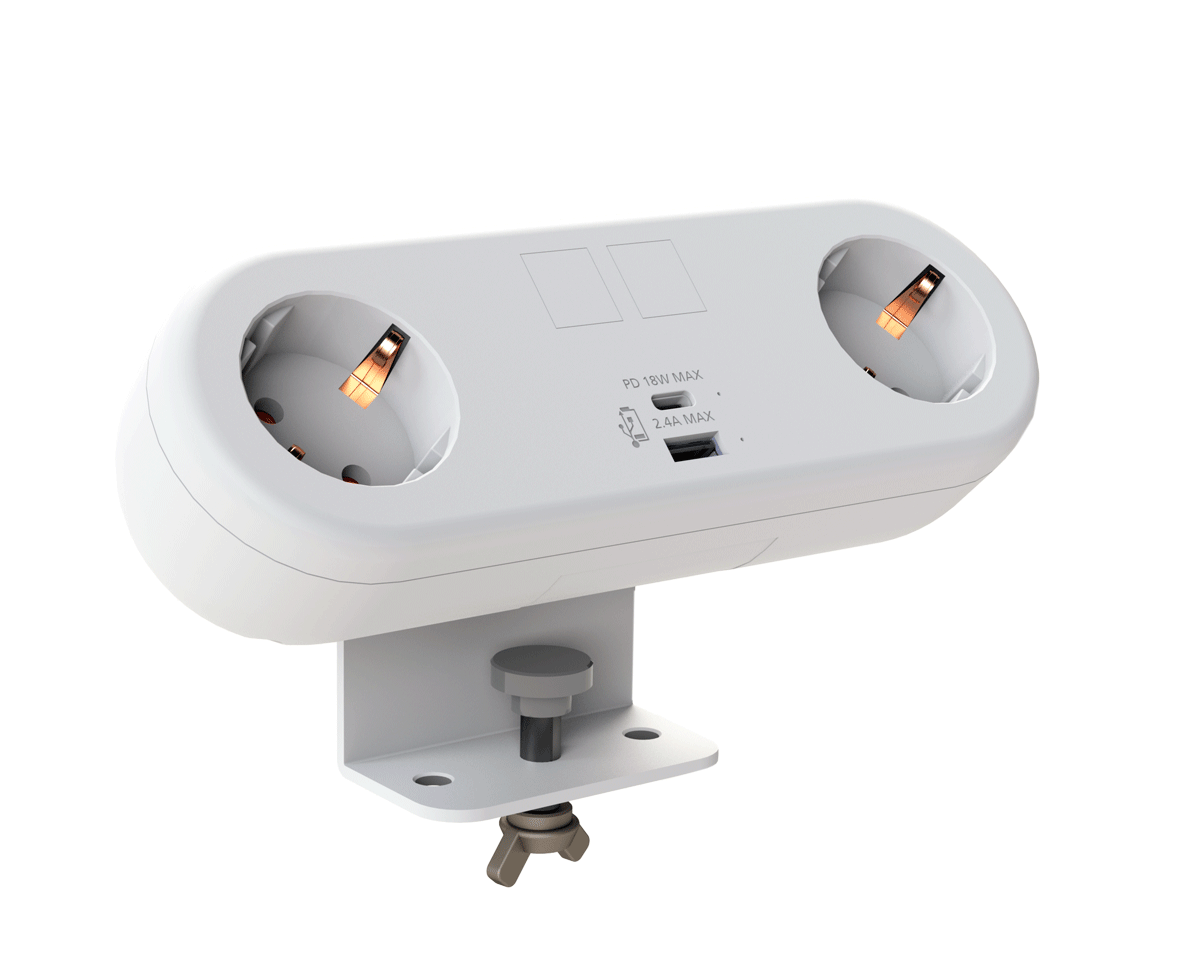
CMD White Schuko Capsule Desk Power Module
CMD LTD EXTENDS MONITOR ARM RANGE WITH THE LAUNCH OF REACH PLUS

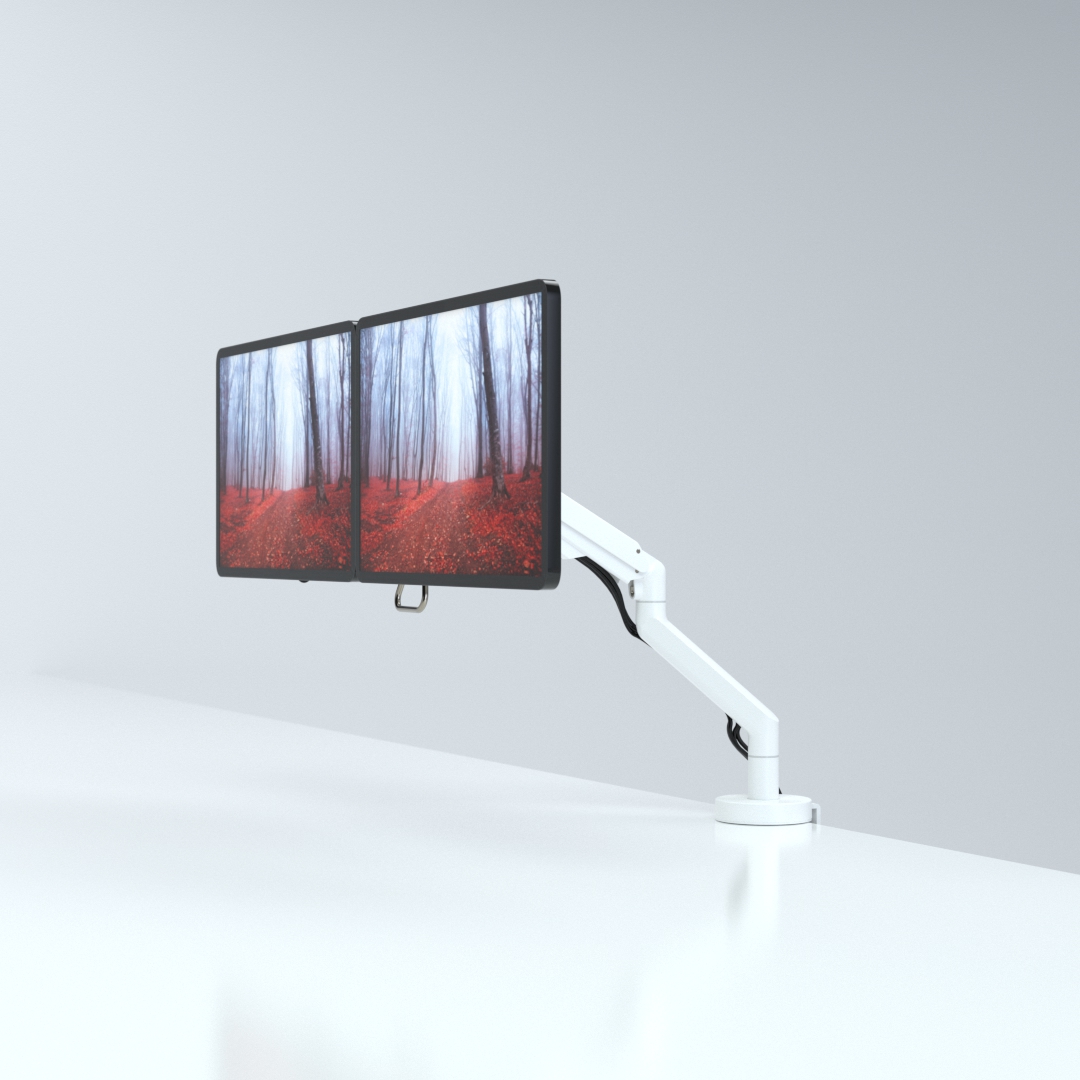
CMD Ltd, the specialist in ergonomic and connectivity solutions for commercial interiors, has completed its Reach monitor arm range with the launch of the Reach Plus. Available in single or dual screen options, the Reach Plus has been designed to provide an ideal solution for both single and dual screen workstation configurations, or can be used with next generation of large format curved screens. Suitable...

Read more
CMD Ltd DEMONSTRATES THE ART OF POWER DISTRIBUTION AT THE UNIVERSITY OF WARWICK

CMD Ltd, the specialist in workplace connectivity and ergonomic solutions, has provided Betatrak busbar power distribution and a range of electrical accessories for two major capital investment projects at the University of Warwick. Designed by Fielden Clegg Bradley Studios, the £33 million Faculty of Arts building is a showpiece development comprising four interconnected structures set around a central atrium, which will enable inter-disciplinary collaboration across...

Read more

University of Warwick
CMD BRINGS HARMONY TO COVENTRY UNIVERSITY RESEARCH FACILITIES

CMD Ltd, the specialist in power distribution solutions and workstation power and ergonomics, has provided under desk and on desk power modules for the refurbishment of three Coventry University research buildings. Located on Coventry University Technology Park, a business park designed to encourage collaboration between the university and knowledge-based businesses, the three buildings are being repurposed as office accommodation for university research teams. The refurbishment...

Read more


Coventry University

What Are the Top 10 Types of Advertising Products?

advertising products turn a brand message into something people can see, use, or remember. The term covers more than giveaway pens. It can include printed materials, branded clothing, product samples, outdoor displays, digital ads, and useful promotional items. Each type serves a different purpose. A canvas tote may keep a logo visible on a commute; a clear window poster can help shoppers notice a nearby offer.

Marketing author Seth Godin has said, “Marketing is no longer about the stuff that you make, but about the stories you tell.” That idea helps explain why the object alone is not enough. A product works best when its design, audience, and message fit together. A premium notebook handed to conference attendees may feel useful. The same item, poorly made or irrelevant, may end up in a drawer. Small details matter: print quality, legible text, durable materials, and a clear call to action.

This guide explores ten common types of advertising products and what each can do well. It looks at promotional merchandise, brochures, packaging, branded apparel, signage, direct mail, samples, and digital formats, among others. No single choice suits every business. Budget, campaign goals, audience habits, and production quality all affect the result. And there is a limitation worth admitting: even attractive advertising products cannot guarantee attention or sales. They can, however, make a message easier to notice and recall.

What Are the Top 10 Types of Advertising Products?

Print Advertising and Direct-Mail Materials

Print advertising and direct-mail materials make a message tangible. A reader can hold a postcard, pin a flyer beside a desk, or save a small booklet for later. These formats work best when the purpose is clear and the audience is well defined. A local event notice, for example, should show its date, location, and next step where people can find them quickly. Keep it readable. Use strong contrast, generous spacing, and type large enough to scan without effort.

Choose the format to match the information. A postcard suits a brief offer or reminder, while a folded brochure can explain several services. Include one clear action, such as visiting a web page or calling a number, and make sure it is easy to spot. Paper weight and finish affect cost and feel; a glossy surface may look polished, but it can create glare under bright lights. Less can work. Before printing a large batch, check a physical proof for color, spelling, and trimming. Track responses with a dedicated address or code, but interpret the results carefully: timing and audience fit can matter as much as the design. Some pieces will still be overlooked. That is worth planning for.

Television and Radio Advertising

What Are the Top 10 Types of Advertising Products?
Television and Radio Advertising

Television and radio remain useful advertising products because they pair broad reach with repeated exposure. Their strengths differ: television can show a product in motion, while radio can reach listeners during commutes, cooking, or work. Details matter.

Nielsen’s The Gauge reported that streaming accounted for 40.3% of U.S. television use in June 2024, highlighting how audiences are split across viewing environments. A TV plan should specify linear, streaming, or both; one “TV” figure can hide that mix. Nielsen’s 2024 Audio Today report estimated that radio reaches 93% of U.S. adults monthly. That reach can suit local reminders, especially when a spot names a service area and repeats one clear action. Radio travels. But monthly reach does not prove an ad was heard or remembered.

Match each format to the task. A 15-second television spot can show a product’s texture or use; radio must create that scene with sound and plain language. Keep the call to action short. Compare results with a baseline, using store visits or coded landing pages where practical. Measurement can be messy: weather, promotions, and overlapping media may shift response. One strong week is not proof. Test different dayparts and creative versions, and record what remains uncertain.

Billboards and Transit Advertising

Billboards and transit advertising remain powerful outdoor advertising products because they meet people during predictable daily journeys. The Outdoor Advertising Association of America reported that U.S. out-of-home advertising revenue reached approximately $9.1 billion in 2023. This growth reflects continued demand for large, location-based exposure.

A roadside billboard can dominate a driver’s view for several seconds. Its message should stay brief, readable, and visually calm. Strong contrast matters, especially under rain, glare, or evening traffic. Transit advertising works differently. Posters inside buses, station panels, and vehicle wraps can reach commuters repeatedly. The American Public Transportation Association recorded about 7.1 billion U.S. public transit trips in 2023. That volume creates frequent contact with working adults, students, and visitors.

Placement still decides much of the outcome. A billboard near a slow intersection may outperform one beside a fast highway. Transit panels benefit from waiting time, when passengers can read more detail. The World Out of Home Organization reported global out-of-home advertising revenue above $40 billion in 2023, supporting the medium’s broad commercial relevance. Measurement remains imperfect, though. Estimated impressions do not prove attention, recall, or purchase. I would test different locations, record footfall patterns, and compare results with brand-search activity. One warning matters: a beautiful design can fail when the lettering is too small.

What Are the Top 10 Types of Advertising Products? — Billboards and Transit Advertising
Advertising Product Typical Placement Key Strength Planning Consideration
Static roadside billboards Along highways, major roads, and urban routes Offer repeated visibility to people traveling along a fixed route. Keep the message brief and ensure the placement is visible from a safe viewing distance.
Digital billboards High-traffic roads and prominent city locations Allow creative to be changed remotely and scheduled for different times. Local rules may limit display brightness, animation, or how frequently content changes.
Transit shelters Bus stops and passenger waiting areas Reach people while they wait, often at a close viewing distance. Choose locations based on passenger activity, visibility, and the surrounding pedestrian environment.
Bus exterior advertising Exterior panels on buses operating on public streets Can carry a message across multiple neighborhoods as vehicles follow their routes. Route coverage and viewing conditions vary; designs should remain legible in brief encounters.
Bus interior advertising Inside buses, including above seats and near passenger areas Passengers may have more time to read while traveling. Match the format to the available panel size and the viewing distance inside the vehicle.
Train and subway car advertising Inside rail cars and subway trains Can reach regular passengers during repeated journeys. Consider the length of typical trips, the interior layout, and passenger sightlines.
Station and platform displays Rail, subway, and commuter station concourses or platforms Reach passengers at transit hubs where people may wait or transfer. Placement should account for passenger flow, dwell time, and competing visual information.
Airport advertising Terminals, baggage claim areas, and other passenger zones Provides access to travelers who may spend extended time in the terminal. Choose locations and formats that fit the airport’s passenger flow and the campaign’s geographic audience.
Taxi and vehicle wraps Exterior surfaces of taxis and other permitted vehicles Move through streets and commercial areas rather than remaining at one fixed site. Exposure depends on vehicle routes, operating hours, and how clearly the design reads in motion.
Street furniture advertising Public benches, kiosks, and other permitted streetside structures Can place messages near pedestrian routes and local destinations. Check local permissions and assess pedestrian visibility, maintenance, and surrounding street conditions.

Search Engine and Social Media Advertising

Search Engine and Social Media Advertising

Search engine and social media advertising are two of the most measurable advertising products today. Search captures active intent, while social media creates demand during browsing, sharing, and short video viewing. DataReportal reported 5.04 billion social media user identities worldwide in January 2024. The same report found that adults spent about 2 hours and 23 minutes daily on social platforms. Attention is abundant, but trust is not.

Search advertising works best when the wording matches a real problem. A small service company might target “emergency boiler repair,” then send users to a page showing prices, response times, and customer questions. The IAB Internet Advertising Revenue Report recorded about 88.8 billion dollars in United States search revenue during 2023. This scale reflects strong demand for measurable clicks, but clicks alone prove little. A weak landing page can waste a carefully targeted budget.

Social advertising needs a different working method. Use a close product demonstration, readable captions, and one clear action. A kitchen tool should appear in a real countertop setting, not only against a polished studio background. IAB reported approximately 72.3 billion dollars in United States social advertising revenue for 2023. That figure shows market momentum, not guaranteed performance. I have seen attractive creative lose because the opening image explained nothing. Testing helps, yet small samples can mislead. Audience fatigue remains easy to underestimate.

Display Advertising and Promotional Merchandise

Display advertising and promotional merchandise remain two practical choices among the top ten advertising product types. Display ads place visual messages across websites, apps, and digital publications. They can reach defined audiences quickly, especially when campaigns use contextual targeting and frequency controls.

The IAB Internet Advertising Revenue Report, prepared with PwC, recorded approximately $225 billion in U.S. internet advertising revenue in 2023. That scale shows strong demand, but it does not guarantee attention. A crowded webpage can reduce visibility.

Promotional merchandise creates a physical reminder through useful items, such as notebooks, tote bags, drinkware, or desk accessories. PPAI’s 2024 Promotional Products Industry Sales Volume Study estimated about $26.6 billion in U.S. promotional product sales for 2023. The figure reflects a mature market, not automatic effectiveness.

In campaign reviews, I often find that practical products outperform decorative items when recipients use them repeatedly. A pen beside a meeting pad feels more memorable than a novelty item left in a drawer.

Measurement still needs discipline. Display campaigns should track viewability, qualified visits, and conversions rather than impressions alone. Merchandise programs can use unique landing pages, QR codes, redemption data, and short recipient surveys.

Keep the message visible. Keep it useful. The choice is rarely perfect. Digital ads offer speed and precise reporting, while physical products provide tactile exposure but slower feedback.

Some teams also underestimate production timing, delivery costs, and waste. That is where planning becomes more important than creative appearance.

Article Source: