

News

Miro: A New Standard in Responsible Innovation

Miro: A New Standard in Responsible Innovation The Miro monitor arm is setting new benchmarks in sustainability. It offers a high-performance solution without compromising on environmental responsibility. Designed with careful material selection, local sourcing, and longevity in mind, Miro’s responsible approach to design and unique manoeuvrability set it apart from the competition. Sustainable Choices Miro is crafted from energy-efficient materials with a lower carbon impact....

Read more
HSE Advisor

Role Purpose Support in the development, implementation and maintenance of the company’s Health, Safety & Environmental policies, processes, operational procedures, and standards.  Ensuring best practice and championing a continually improving HSE culture within the business. Key Responsibilities Liaise with and provide support to all areas of the business to eliminate, mitigate or reduce identified HSE exposures. Partner with the production management team and team leaders,...

Read more
CMD Ltd LAUNCHES 48-HOUR TURNAROUND ON BETATRAK® RAPID ORDERING SERVICE

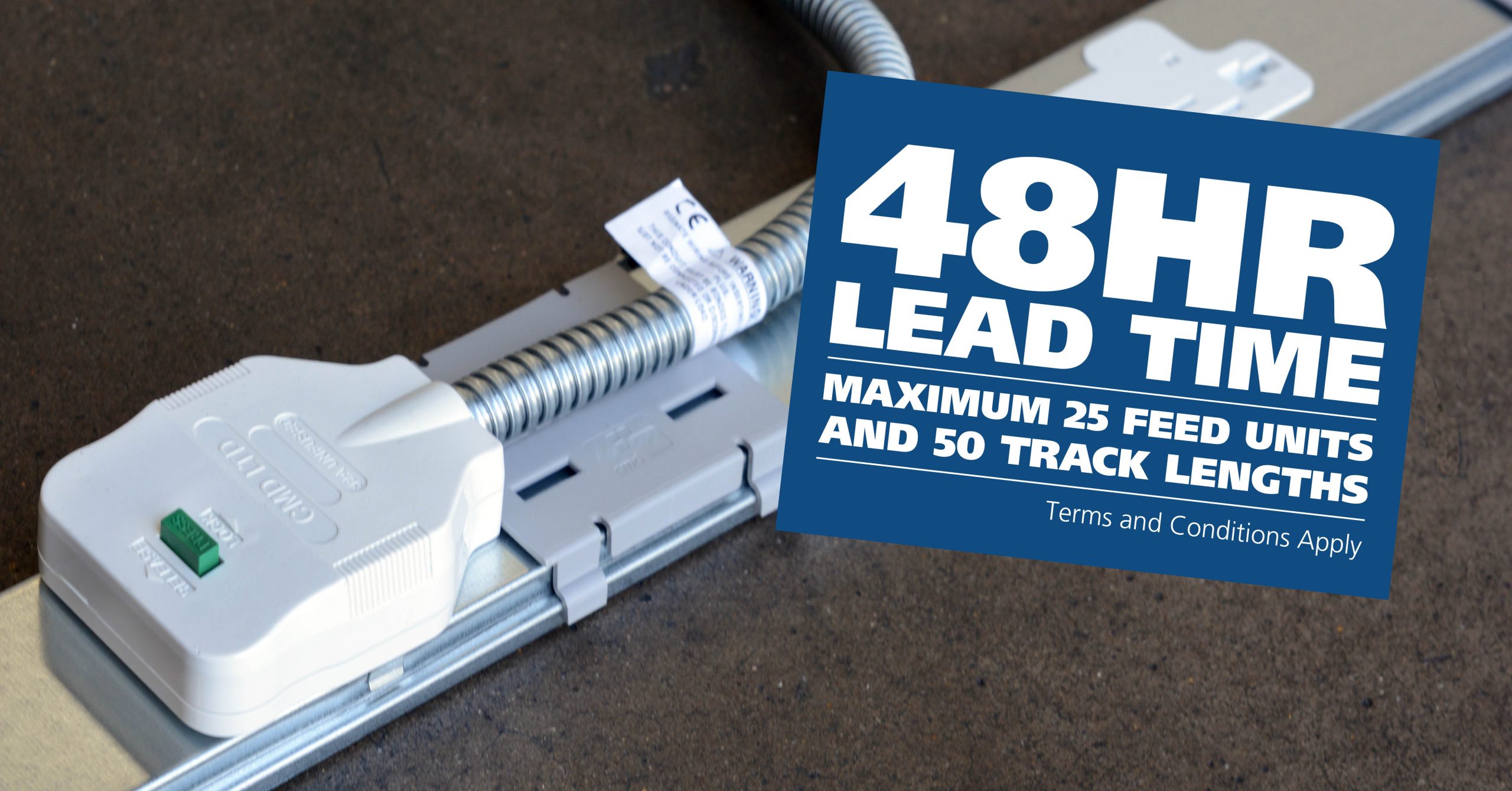
CMD Ltd, the specialist in power distribution systems, workstation power and monitor arms, has launched a rapid ordering service for its Betatrak® underfloor powertrack distribution systems and accessories, with a commitment to delivering within 48-hours of an approved purchase order*. The service enables customers to order up to 50 lengths of Standard or Clean Earth (C/E) low noise Betatrak, along with up to 25 feed...

Read more
CMD INVESTS £1/4 MILLION IN NEW MACHINE AS PART OF FACTORY UPGRADE

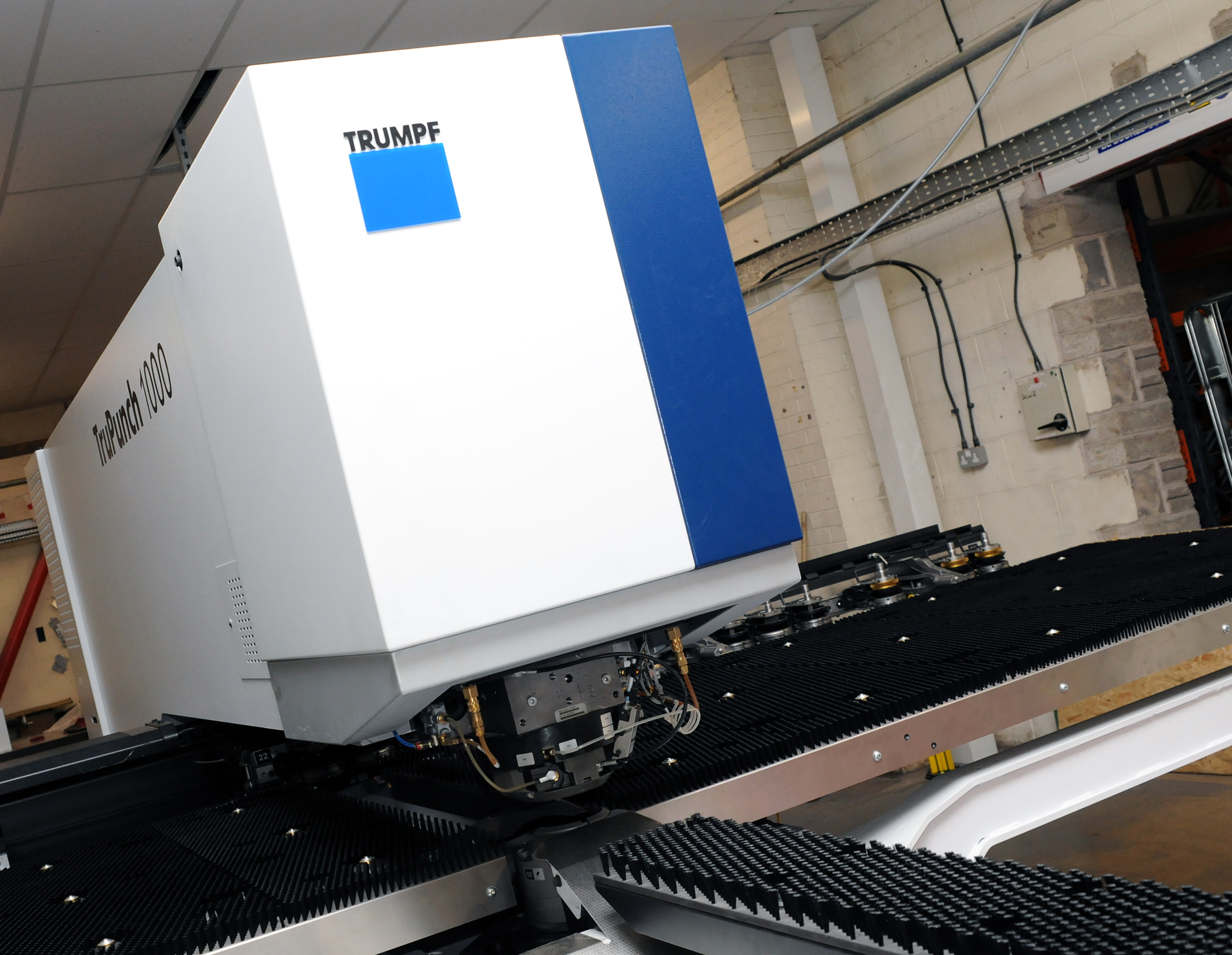
We have invested in a new £1/4m TRUMPF CNC metal punch as part of an asset renewal strategy for our UK manufacturing capability. The new machine will be used in the production of a wide variety of our power distribution systems and workstation power products at our Rotherham factory. Suitable for handling sheet metal between 0.9mm and 3.0mm thick, the new machine will replace one...

Read more
CMD CATALOGUE PROVIDES TECHNICAL POWER DISTRIBUTION GUIDE

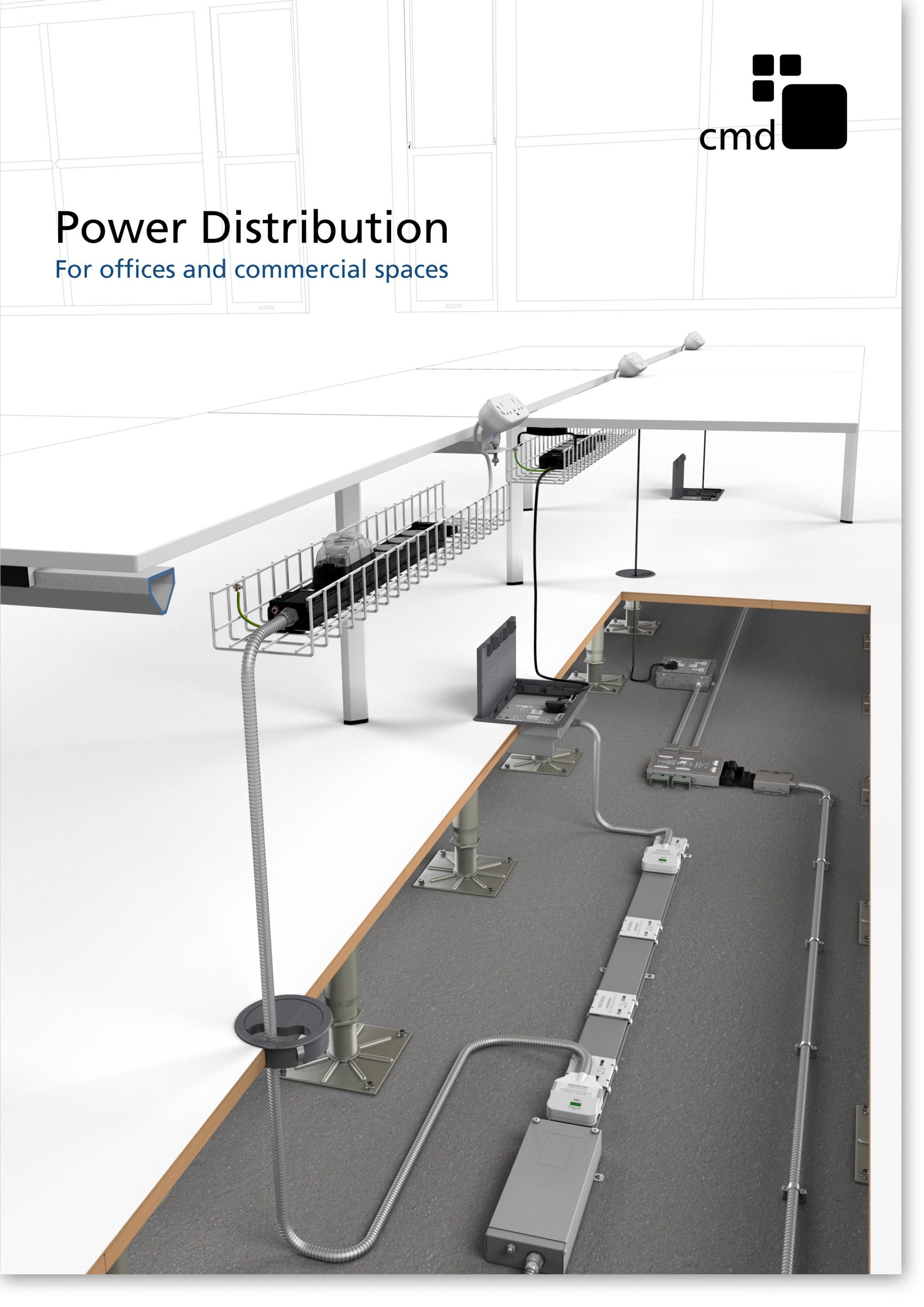
CMD Ltd has released a new catalogue, providing an easy to follow technical guide to our power distribution systems and plug and play desk modules. Detailing CMD’s full range of UK-manufactured power distribution systems and plug and play desk modules, the catalogue will be a helpful source of information to M&E engineers and contractors alike to understand how our power distribution systems connect together and...

Read more
Power Distribution Catalogue
CMD Ltd PLAYS ESSENTIAL ROLE IN ELECTRICAL FIT OUT AT LONDON’S PRESTIGIOUS OFFICE DEVELOPMENT

CMD Ltd, specialist in workplace connectivity and ergonomic solutions, has provided a flexible and high-quality power distribution network for The Ray, a prestigious office development in London’s Farringdon. Well-known for being the former site of The Guardian newspaper, The Ray now stands as an 83,000ft² office development characterised by a modernised warehouse aesthetic, with level two now occupied by a global social media company. The...

Read more

The Ray
CMD plugs in to european opportunity with Schuko Capsule unit launch

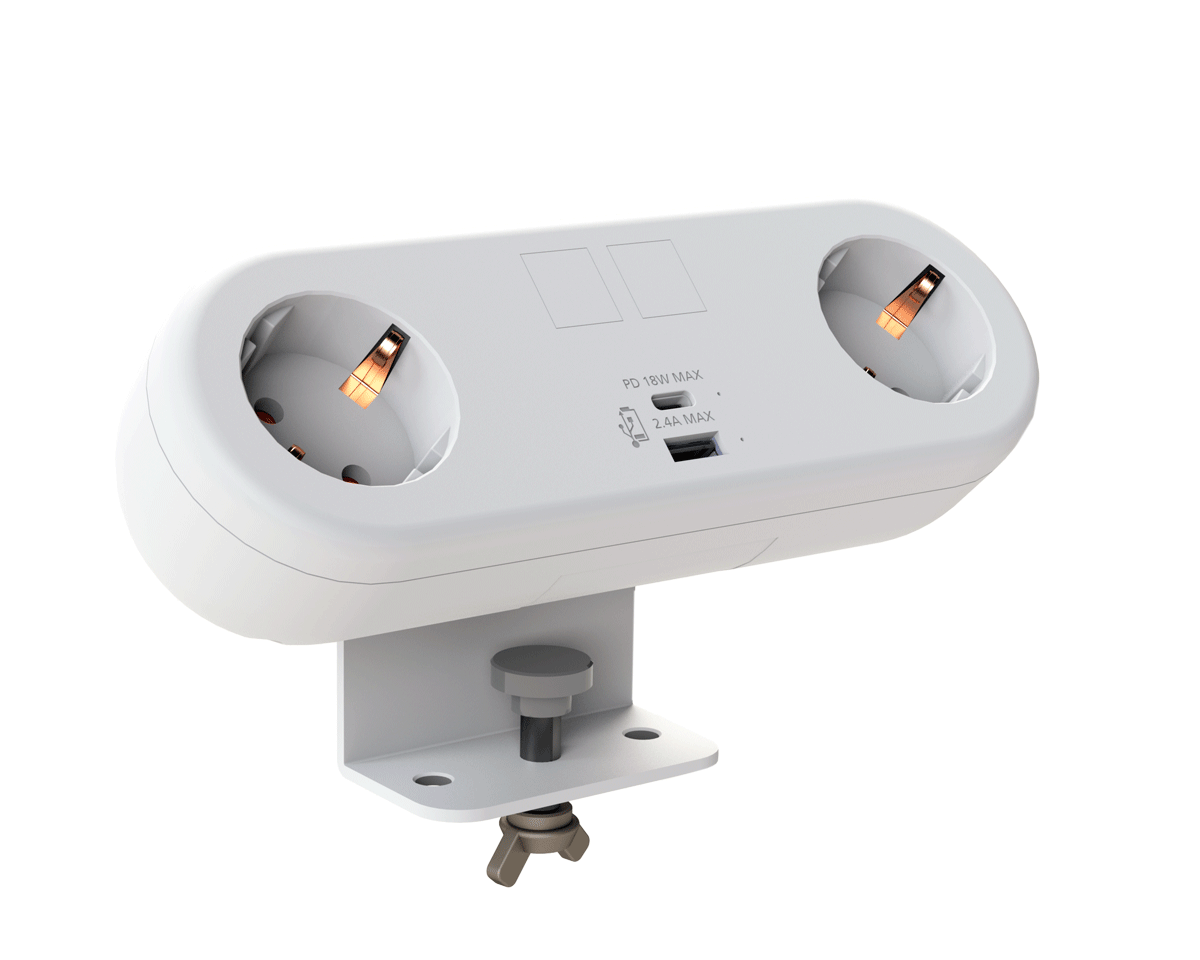
CMD Ltd, the specialist in power and connectivity solutions for commercial environments, has launched a Schuko version of its popular fixed format Capsule workstation power module for export to mainland Europe and beyond. A popular on desk power module comprising two sockets and dual USB (type A and C) chargers, CMD’s Capsule unit is already widely specified in the UK as an off-the-shelf workstation power...

Read more
CMD White Schuko Capsule Desk Power Module
CMD LTD EXTENDS MONITOR ARM RANGE WITH THE LAUNCH OF REACH PLUS

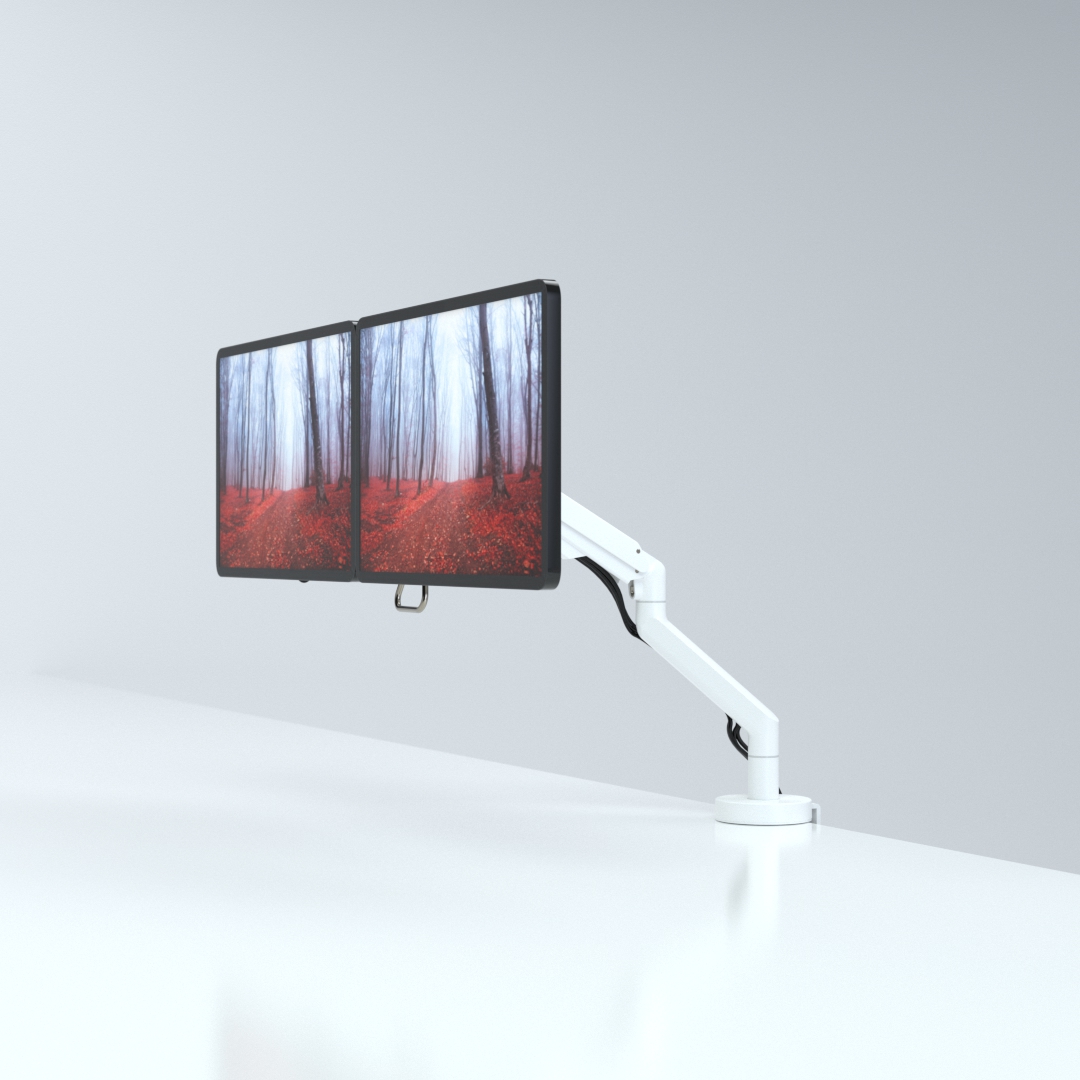
CMD Ltd, the specialist in ergonomic and connectivity solutions for commercial interiors, has completed its Reach monitor arm range with the launch of the Reach Plus. Available in single or dual screen options, the Reach Plus has been designed to provide an ideal solution for both single and dual screen workstation configurations, or can be used with next generation of large format curved screens. Suitable...

Read more
CMD Ltd DEMONSTRATES THE ART OF POWER DISTRIBUTION AT THE UNIVERSITY OF WARWICK

CMD Ltd, the specialist in workplace connectivity and ergonomic solutions, has provided Betatrak busbar power distribution and a range of electrical accessories for two major capital investment projects at the University of Warwick. Designed by Fielden Clegg Bradley Studios, the £33 million Faculty of Arts building is a showpiece development comprising four interconnected structures set around a central atrium, which will enable inter-disciplinary collaboration across...

Read more

University of Warwick
CMD BRINGS HARMONY TO COVENTRY UNIVERSITY RESEARCH FACILITIES

CMD Ltd, the specialist in power distribution solutions and workstation power and ergonomics, has provided under desk and on desk power modules for the refurbishment of three Coventry University research buildings. Located on Coventry University Technology Park, a business park designed to encourage collaboration between the university and knowledge-based businesses, the three buildings are being repurposed as office accommodation for university research teams. The refurbishment...

Read more

Coventry University

Top 10 Modular DIY Acoustic Panel Kits to Buy

Home offices, podcast rooms, classrooms, and open-plan studios increasingly need practical sound control. A Modular DIY Acoustic Panel can reduce reflections without demanding permanent construction or specialist installation. That flexibility matters when rooms change quickly.

Industry research supports this growing interest. Grand View Research reports that the global acoustic panels market was valued at approximately USD 10.6 billion in 2023. Its report also projects continued expansion through 2030, driven by commercial interiors, education, hospitality, and residential renovation. These figures describe market demand, not guaranteed performance. Product selection still requires careful testing.

The World Health Organization identifies excessive noise as a significant environmental health concern. Its Environmental Noise Guidelines for the European Region connect unwanted noise with sleep disturbance, annoyance, and other health risks. Acoustic panels cannot block every sound. They mainly absorb reflections and reduce reverberation inside a room.

This guide examines ten modular kits through practical criteria: absorption materials, panel thickness, mounting flexibility, fire-related documentation, visual finish, coverage, and installation effort. We also consider how panels perform near a desk, microphone, or hard floor. Small details matter. A thin panel placed randomly may look attractive but provide limited control.

Manufacturers often publish Noise Reduction Coefficient values, yet laboratory results may not represent every room. Room volume, wall distance, ceiling height, and panel spacing change the outcome. That limitation deserves attention. Our comparisons therefore combine manufacturer specifications with realistic use cases, while acknowledging that independent testing is not available for every kit. The best choice is not always the most expensive one.

Top 10 Modular DIY Acoustic Panel Kits to Buy

What Modular DIY Acoustic Panel Kits Are and How They Work

Modular DIY acoustic panel kits combine lightweight frames, sound-absorbing cores, fabric covers, and mounting hardware. Their sections connect into patterns on walls or ceilings. Inside a room, porous materials slow down sound energy and reduce reflections. This can improve speech clarity and soften harsh echoes.

The result is not true soundproofing. Panels mainly control reverberation, while doors, walls, and sealed gaps control sound transmission. ISO 354 and ASTM C423 measure absorption in controlled rooms, using ratings such as the Noise Reduction Coefficient. The World Health Organization’s Environmental Noise Guidelines recommend indoor nighttime noise below 30 dB(A). However, wall panels alone rarely achieve that target. Their value is more practical: fewer flutter echoes, clearer meetings, and less vocal strain. I have found that a small room can still sound uneven when panels cover only one wall. That limitation deserves attention.

Tips: Start with reflection points near desks, speakers, or microphones. Use a mirror to locate them. Leave some wall area untreated for natural liveliness. Check the panel’s tested absorption data, not only its thickness. A 50 mm panel with an air gap may perform better than a thicker panel pressed tightly against the wall. Measure the room before buying. Good intentions can still produce a dull, strangely quiet space.

Key Features to Compare Before Choosing an Acoustic Panel Kit

Choosing among the top 10 modular DIY acoustic panel kits requires more than comparing prices. Focus on measurable performance, not attractive fabric alone. A panel’s absorption rating, often shown as NRC, indicates how much sound energy it reduces. However, ratings can vary by testing method. Check the test details.

Panel thickness matters. Thicker cores usually absorb lower frequencies more effectively, while thin panels mainly control high-frequency reflections. A useful kit should offer flexible layouts, secure mounting hardware, and clear installation instructions. Removable modules are valuable when furniture changes or the room serves several purposes. Also inspect the frame quality, fabric breathability, and edge finish. Small gaps may reduce consistency. I have found that room placement often matters as much as the panel itself. That is easy to underestimate.

Tips: Clap near hard walls and listen for sharp echoes before buying. Measure the wall area. Leave an air gap behind panels when possible. Confirm the kit’s fire-safety information and replacement-part availability. Avoid trusting one impressive specification. Compare independent test data, warranty terms, and customer installation reports. A very dense panel is not automatically better. Nor is the most expensive option. Reflect on your room’s real problem: echo, speech clarity, or bass buildup. One kit may not solve all three.

Top 10 Modular DIY Acoustic Panel Kits for Different Room Needs

Top 10 Modular DIY Acoustic Panel Kits to Buy

Top 10 Modular DIY Acoustic Panel Kits for Different Room Needs

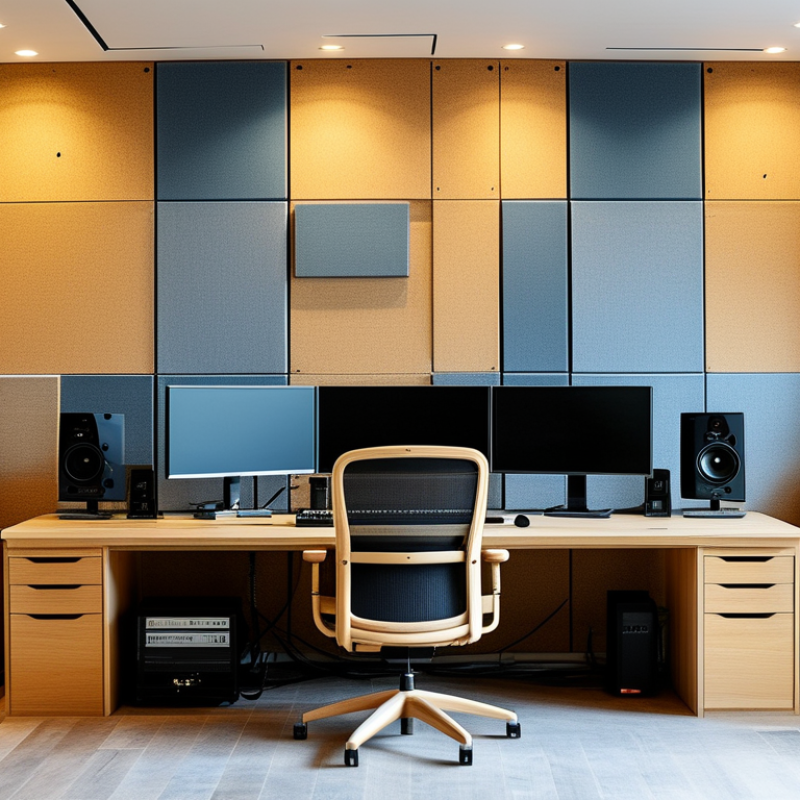
A small bedroom needs slim fabric-wrapped panels that reduce reflected speech without stealing space. A home office benefits from two wall panels behind the desk and one overhead cloud. For a podcast corner, choose dense absorbers with movable stands. They help control room echo during recording. A music practice room needs thicker panels, especially near parallel walls. Bass traps may improve low-frequency buildup, though they cannot fix every room problem. Test before buying.

A gaming room often needs lightweight, decorative modules near the desk and display. A nursery requires securely mounted, low-emission materials with no loose edges. For a living room, use mixed-size panels that blend with furniture and artwork. A home theater needs wider coverage, with absorption near the front and reflection points. Too much absorption can make speech feel dull.

I learned this after covering one room too quickly.

An open-plan workspace needs larger partitions, ceiling panels, or freestanding screens. A rental apartment may need adhesive-free frames and removable feet. Look for modular kits with clear installation instructions, replaceable fabric, and tested acoustic data. Check the panel thickness, fire-safety information, mounting weight, and return policy. Measure the room first. Leave some hard surfaces exposed. DIY installation is practical, but panel placement still matters more than visual symmetry. My own imperfect method is to clap, record the room, install a few panels, and listen again. The result may surprise you.

How to Plan and Install a Modular Acoustic Panel System

How to Plan and Install a Modular Acoustic Panel System

A modular acoustic panel system begins with measurement, not shopping. Walk through the room during its busiest hour. Record room length, ceiling height, hard surfaces, and the listener’s position. Acoustic panels mainly reduce reflected sound. They do not block noise through walls. The WHO Environmental Noise Guidelines (2018) recommend outdoor night exposure below 40 dB Lnight to protect sleep. Your room may still feel loud because reflections increase speech clarity and fatigue.

For a practical plan, place panels at first-reflection points on side walls. Add ceiling panels above desks or recording positions. Use spaced mounts when possible; the air gap improves low-frequency absorption. Choose tested absorption data, such as coefficients measured under ISO 354. Arrange modules in a balanced pattern, leaving access to lights, vents, and fire-safety equipment. Ten small panels may outperform one crowded cluster. Measure again after installation with the same sound source and listening position. My first layout would probably over-treat the front wall. That is worth questioning.

Tips: Mark reflection points with a mirror and a helper. Keep panels level. Leave a small gap behind wall-mounted units. Check the manufacturer’s laboratory ratings, mounting load, and cleaning instructions. Avoid placing every panel at ear height; varied heights usually create more even control. A phone app can show trends, but it cannot replace calibrated testing.

Top 10 Modular DIY Acoustic Panel Kits to Buy

How to Plan and Install a Modular Acoustic Panel System

This planning chart compares ten practical modular layouts using standard 2 × 4 ft acoustic panels. Coverage is calculated from the number of panels, while the recommended layout should be adapted to room size, reflection points, listening position, ceiling height, and available wall space. Start with first-reflection points, then add panels behind the speakers and on the rear wall as needed.

How to Maintain and Upgrade DIY Acoustic Panel Kits Over Time

DIY acoustic panel kits perform best when treated as living room equipment, not permanent decorations. After installation, inspect the fabric, frame, and wall fasteners every few months. Look for loose corners, sagging cloth, or dust blocking the surface. A soft vacuum brush removes dust without damaging the fabric. Avoid soaking the panels, especially when they contain fibrous insulation. Moisture can create odors and reduce their effectiveness.

Upgrades should solve a specific acoustic problem. If speech still sounds harsh, add panels at the first reflection points near speakers or a desk. If bass remains uneven, repositioning the panels may help more than adding new ones. Leaving a small air gap behind each panel can improve low-frequency absorption. Measure the room before buying extra pieces. I once assumed more panels would fix an echo, but poor placement caused a dull, lifeless room instead. That mistake made testing essential.

Tips: Photograph the original layout before moving anything. Mark panel positions with removable tape. Check the mounting hardware after furniture changes. Replace damaged fabric promptly. Keep ventilation clear around the panels. Test one upgrade at a time, using the same music or spoken recording. Listen from several seats, not only the usual listening position. If the room becomes too quiet, remove one panel and reassess. Acoustic treatment is partly technical, but personal judgment still matters.