





News

Miro: A New Standard in Responsible Innovation

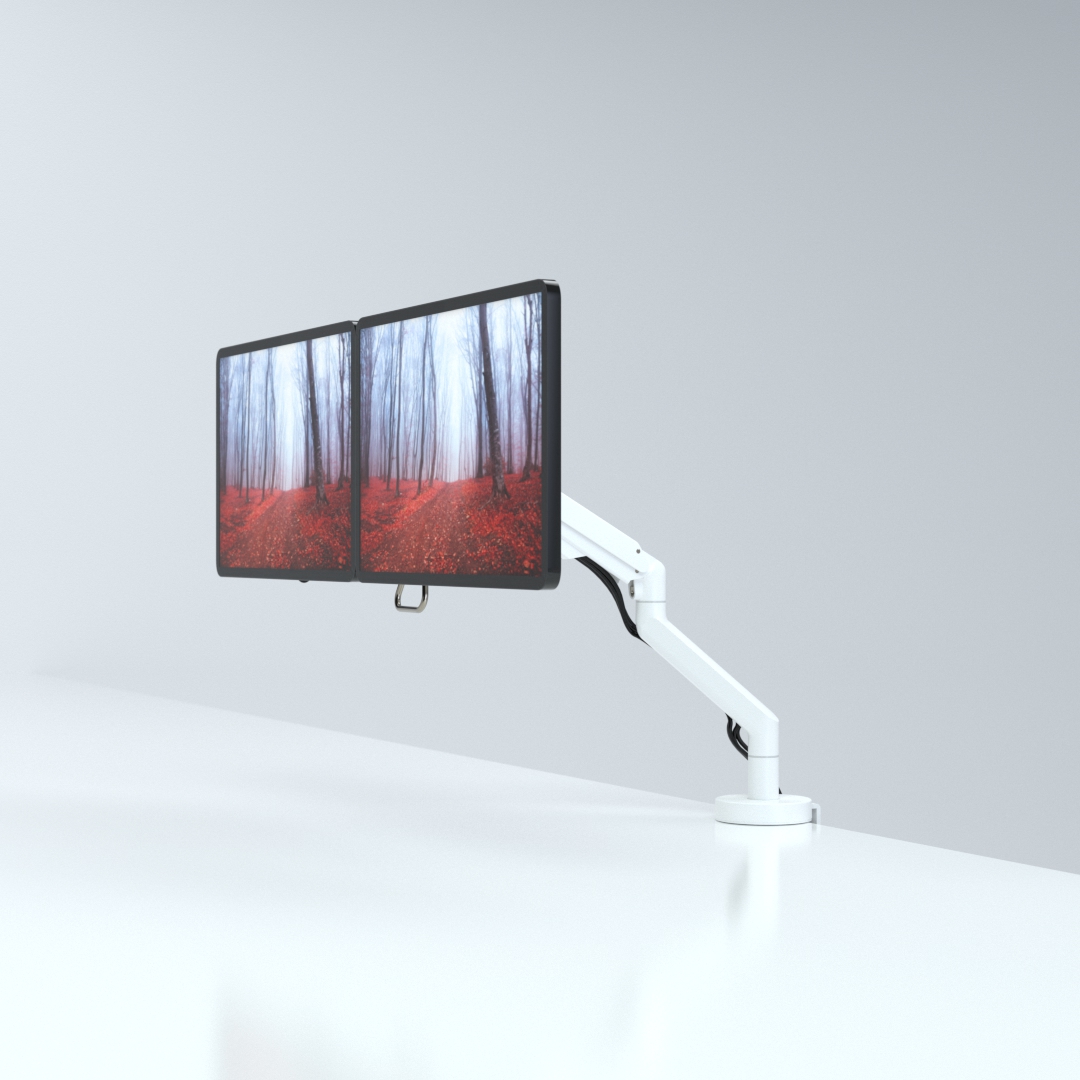
Miro: A New Standard in Responsible Innovation The Miro monitor arm is setting new benchmarks in sustainability. It offers a high-performance solution without compromising on environmental responsibility. Designed with careful material selection, local sourcing, and longevity in mind, Miro’s responsible approach to design and unique manoeuvrability set it apart from the competition. Sustainable Choices Miro is crafted from energy-efficient materials with a lower carbon impact....

Read more
HSE Advisor

Role Purpose Support in the development, implementation and maintenance of the company’s Health, Safety & Environmental policies, processes, operational procedures, and standards.  Ensuring best practice and championing a continually improving HSE culture within the business. Key Responsibilities Liaise with and provide support to all areas of the business to eliminate, mitigate or reduce identified HSE exposures. Partner with the production management team and team leaders,...

Read more
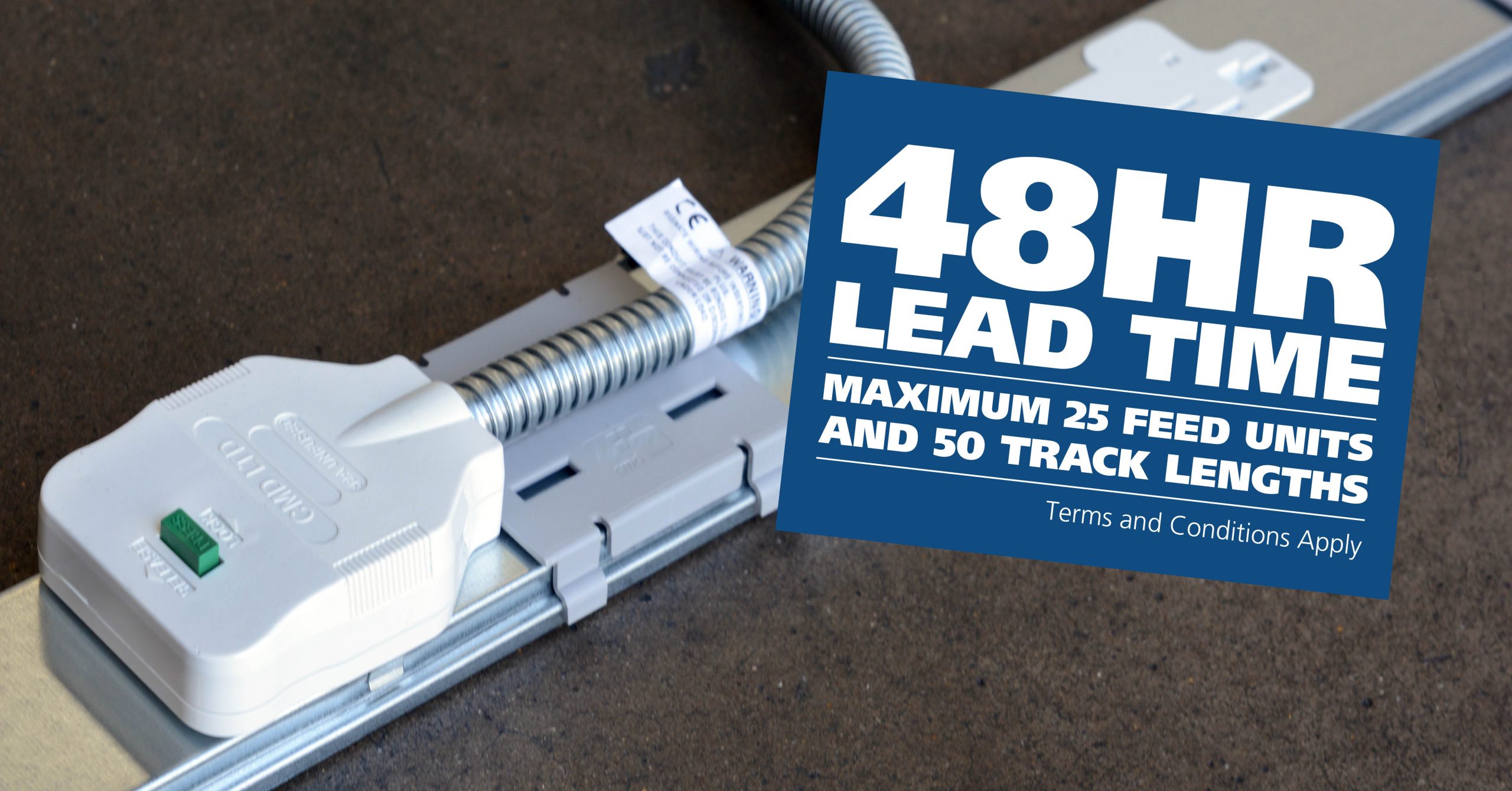
CMD Ltd LAUNCHES 48-HOUR TURNAROUND ON BETATRAK® RAPID ORDERING SERVICE

CMD Ltd, the specialist in power distribution systems, workstation power and monitor arms, has launched a rapid ordering service for its Betatrak® underfloor powertrack distribution systems and accessories, with a commitment to delivering within 48-hours of an approved purchase order*. The service enables customers to order up to 50 lengths of Standard or Clean Earth (C/E) low noise Betatrak, along with up to 25 feed...

Read more
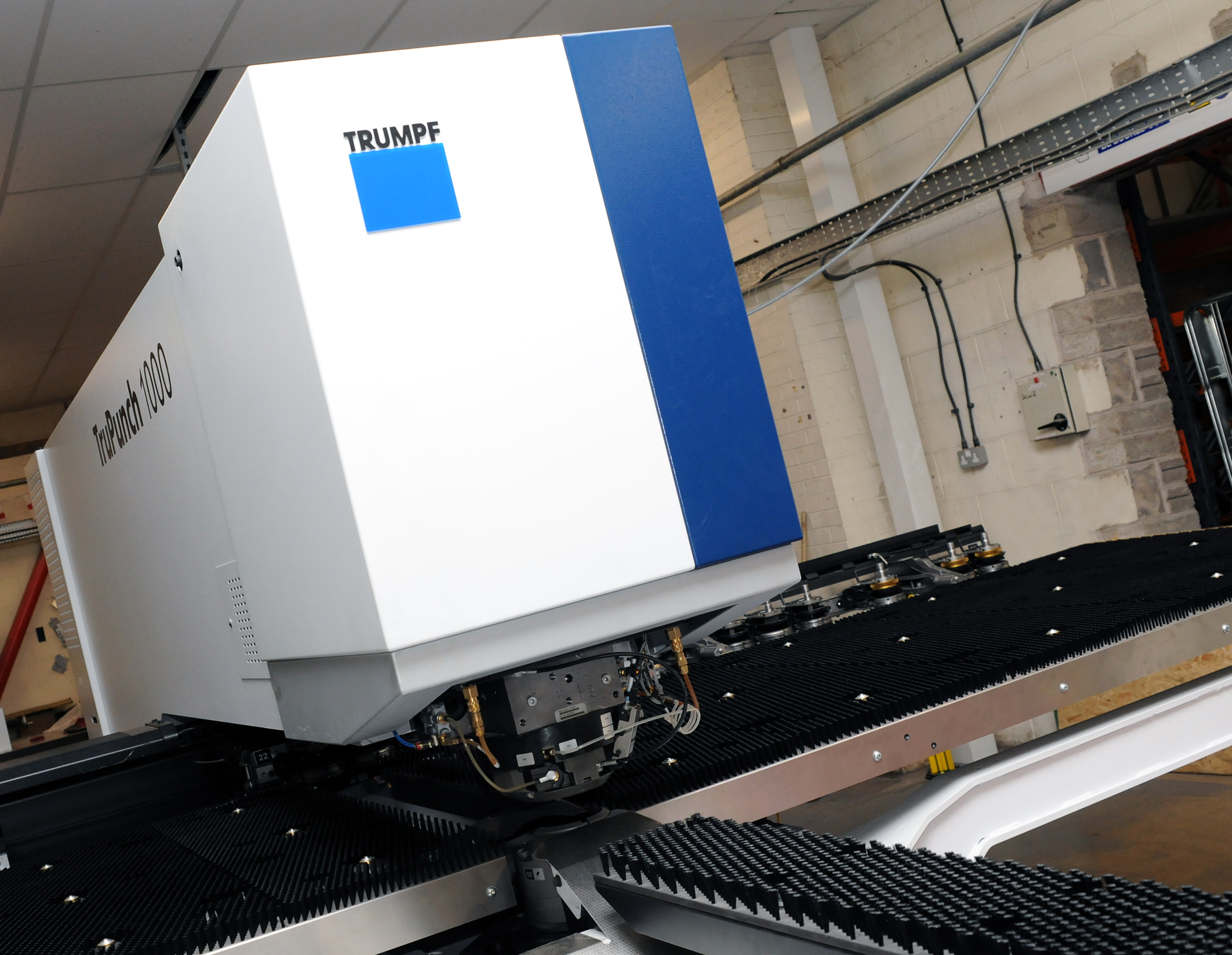
CMD INVESTS £1/4 MILLION IN NEW MACHINE AS PART OF FACTORY UPGRADE

We have invested in a new £1/4m TRUMPF CNC metal punch as part of an asset renewal strategy for our UK manufacturing capability. The new machine will be used in the production of a wide variety of our power distribution systems and workstation power products at our Rotherham factory. Suitable for handling sheet metal between 0.9mm and 3.0mm thick, the new machine will replace one...

Read more
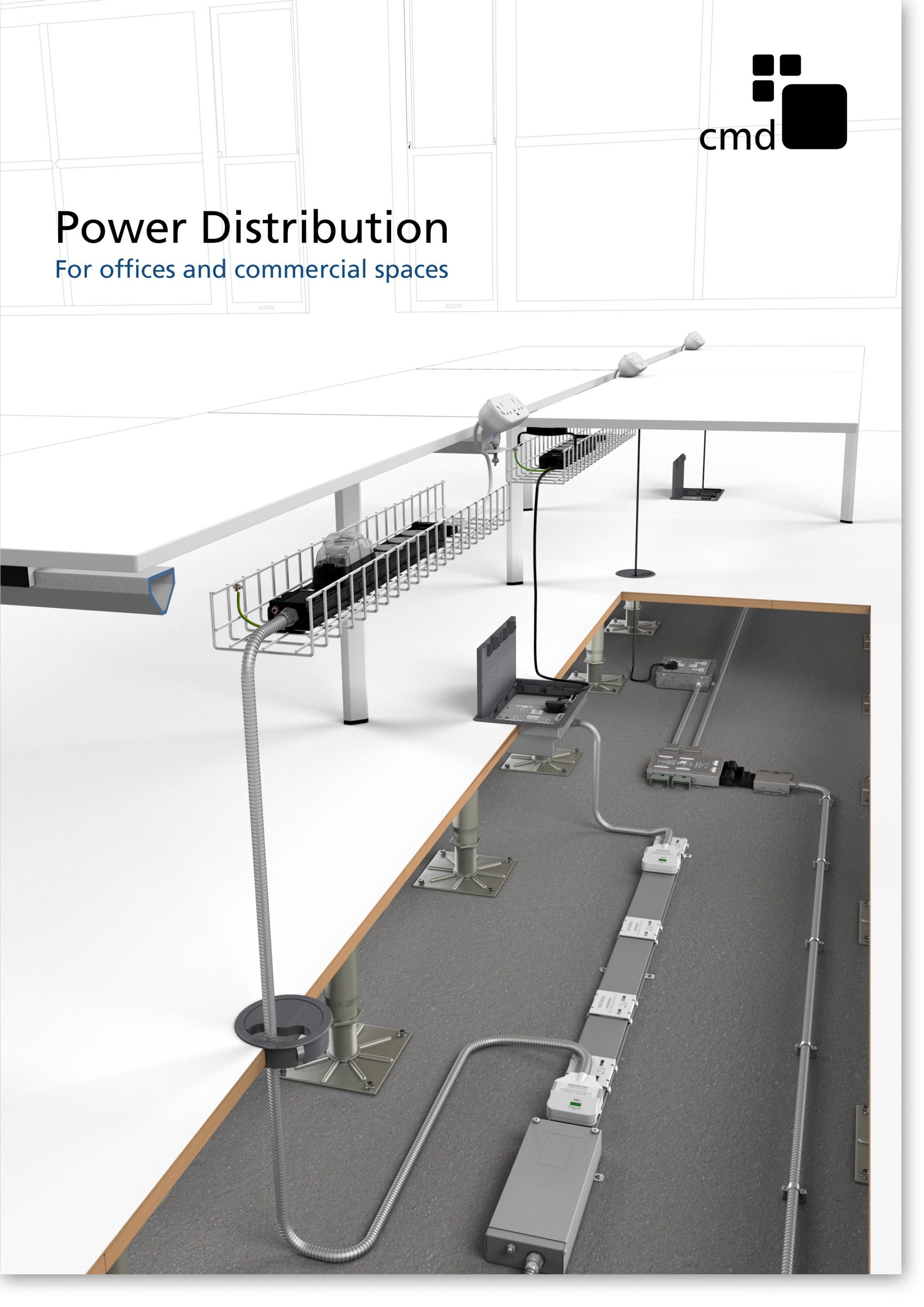
CMD CATALOGUE PROVIDES TECHNICAL POWER DISTRIBUTION GUIDE

CMD Ltd has released a new catalogue, providing an easy to follow technical guide to our power distribution systems and plug and play desk modules. Detailing CMD’s full range of UK-manufactured power distribution systems and plug and play desk modules, the catalogue will be a helpful source of information to M&E engineers and contractors alike to understand how our power distribution systems connect together and...

Read more
Power Distribution Catalogue
CMD Ltd PLAYS ESSENTIAL ROLE IN ELECTRICAL FIT OUT AT LONDON’S PRESTIGIOUS OFFICE DEVELOPMENT

CMD Ltd, specialist in workplace connectivity and ergonomic solutions, has provided a flexible and high-quality power distribution network for The Ray, a prestigious office development in London’s Farringdon. Well-known for being the former site of The Guardian newspaper, The Ray now stands as an 83,000ft² office development characterised by a modernised warehouse aesthetic, with level two now occupied by a global social media company. The...

Read more
The Ray
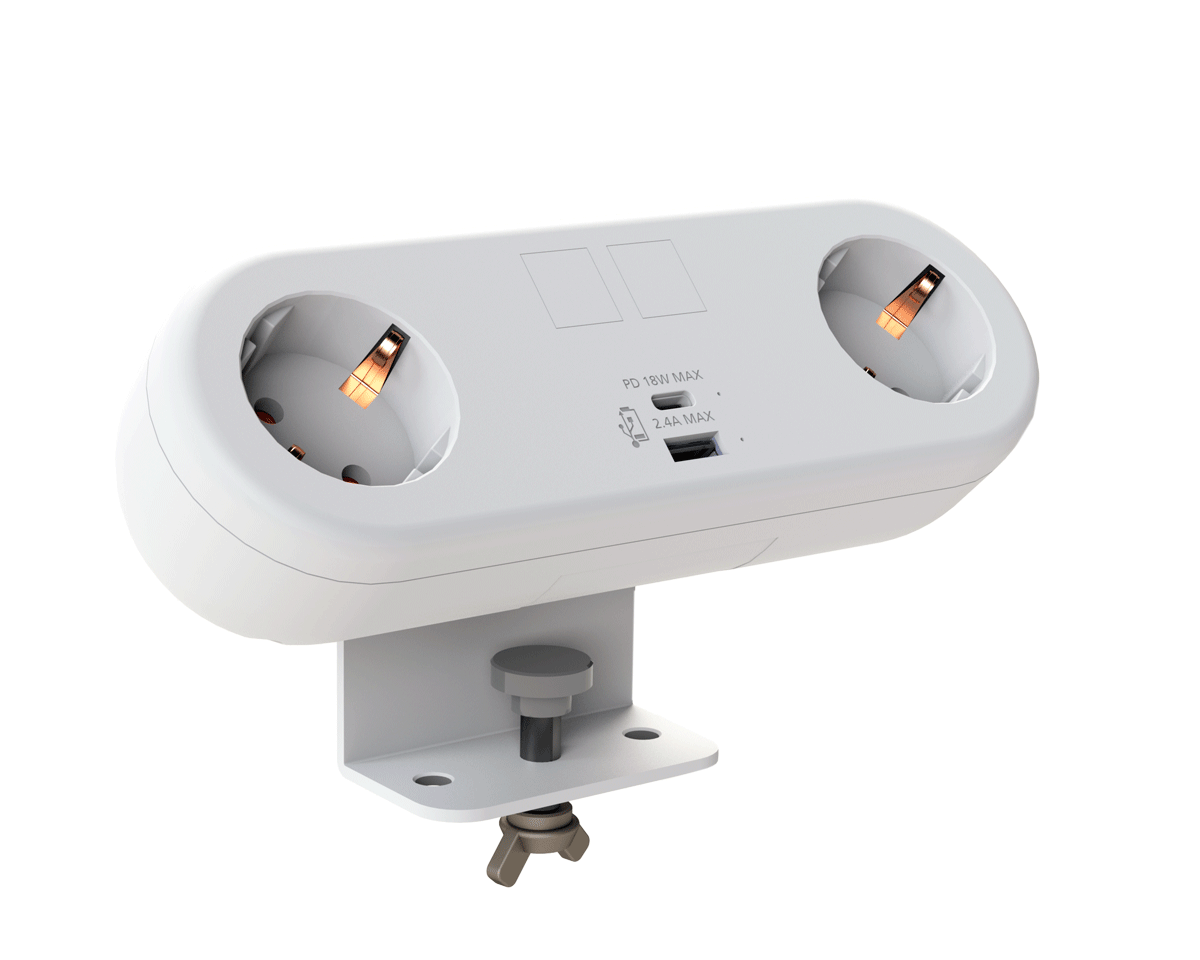
CMD plugs in to european opportunity with Schuko Capsule unit launch

CMD Ltd, the specialist in power and connectivity solutions for commercial environments, has launched a Schuko version of its popular fixed format Capsule workstation power module for export to mainland Europe and beyond. A popular on desk power module comprising two sockets and dual USB (type A and C) chargers, CMD’s Capsule unit is already widely specified in the UK as an off-the-shelf workstation power...

Read more
CMD White Schuko Capsule Desk Power Module
CMD LTD EXTENDS MONITOR ARM RANGE WITH THE LAUNCH OF REACH PLUS

CMD Ltd, the specialist in ergonomic and connectivity solutions for commercial interiors, has completed its Reach monitor arm range with the launch of the Reach Plus. Available in single or dual screen options, the Reach Plus has been designed to provide an ideal solution for both single and dual screen workstation configurations, or can be used with next generation of large format curved screens. Suitable...

Read more
CMD Ltd DEMONSTRATES THE ART OF POWER DISTRIBUTION AT THE UNIVERSITY OF WARWICK

CMD Ltd, the specialist in workplace connectivity and ergonomic solutions, has provided Betatrak busbar power distribution and a range of electrical accessories for two major capital investment projects at the University of Warwick. Designed by Fielden Clegg Bradley Studios, the £33 million Faculty of Arts building is a showpiece development comprising four interconnected structures set around a central atrium, which will enable inter-disciplinary collaboration across...

Read more
University of Warwick
CMD BRINGS HARMONY TO COVENTRY UNIVERSITY RESEARCH FACILITIES

CMD Ltd, the specialist in power distribution solutions and workstation power and ergonomics, has provided under desk and on desk power modules for the refurbishment of three Coventry University research buildings. Located on Coventry University Technology Park, a business park designed to encourage collaboration between the university and knowledge-based businesses, the three buildings are being repurposed as office accommodation for university research teams. The refurbishment...

Read more
Coventry University

10 Tips for Choosing Ultra Wideband Positioning Systems

Choosing an Ultra Wideband Positioning system is not simply a matter of comparing advertised accuracy. A warehouse may need reliable pallet tracking, while a hospital may require room-level asset visibility and strict privacy controls. Walls, metal shelving, human bodies, radio interference, installation height, and battery limits can change performance within a few meters. This guide introduces ten practical tips for evaluating those conditions before selecting hardware, software, and support services.

MIT professor Moe Z. Win describes the core challenge clearly: “Localization is the process of determining the position of an object.” Ultra Wideband Positioning extends that idea through precise time measurements between tags and anchors. Yet precision on a specification sheet does not guarantee dependable results on a busy site. Ask how accuracy was tested. Examine latency, coverage, anchor density, calibration effort, battery life, security, integration options, and total operating cost. Request a live demonstration with moving people, forklifts, doors, and reflective surfaces.

Details matter.

A system that performs beautifully in an empty laboratory may struggle beside steel racks. That is an uncomfortable possibility, but it deserves attention. Reviewers should also check data ownership, firmware updates, local radio requirements, and vendor support after deployment. No single platform fits every environment. The strongest choice usually comes from measured evidence, transparent limitations, and a realistic pilot project. These ten tips will help readers challenge optimistic claims, compare competing architectures, and select Ultra Wideband Positioning technology with greater confidence. They may still revise their decision later. That is not failure; it is responsible engineering.

10 Tips for Choosing Ultra Wideband Positioning Systems

Define Positioning Requirements and Use Cases

Before selecting an ultra wideband positioning system, define the operational problem precisely. Do you need worker safety, asset tracking, process control, or navigation? Each use case requires different accuracy, update rates, coverage, and battery life. A warehouse may need room-level visibility, while robotic handoffs may require decimeter-level precision.

The 2024 MarketsandMarkets report estimates the real-time location systems market will grow from USD 6.1 billion in 2023 to USD 10.3 billion by 2028.

Growth is strong, but buying on market excitement alone is risky.

Tip 1:

Write measurable requirements. Specify accuracy, latency, tag density, installation height, and acceptable signal loss. Test in real conditions, including metal shelving, moving people, dust, and blocked line of sight.

Ultra wideband can deliver highly accurate ranging, but performance still depends on anchor placement and site geometry. Small details matter.

Tip 2:

Connect every requirement to a business action. If a location alert does not change a workflow, question its value. Define who receives the alert, how quickly they respond, and what evidence proves improvement.

A 2023 industry survey by ABI Research reported that many enterprises prioritize operational efficiency when adopting RTLS, yet pilot results often expose unclear ownership and weak data practices.

That is the uncomfortable part.

A technically accurate map may still fail if teams do not trust it or use it consistently. Document exceptions, review them with operators, and revise the use case before expanding deployment.

Compare Accuracy, Coverage, and Update Rates

Choosing an ultra wideband positioning system starts with three measurable questions: How accurate is it, how far does it reach, and how quickly does it refresh? FiRa Consortium technical materials commonly describe UWB ranging accuracy within 10–30 centimeters in suitable indoor conditions. That figure can weaken near metal racks, thick walls, or moving machinery. Test the system in your actual warehouse, not only in a showroom.

Coverage needs equal attention. Many indoor deployments achieve roughly 30–50 meters per anchor in open areas, but concrete and equipment can reduce that distance sharply. A 2024 ABI Research report identifies indoor location as a growing enterprise technology market, yet market growth does not guarantee reliable site performance. Ask for measured coverage maps, anchor spacing, and failure rates. Small details matter. A dead zone beside a loading door can disrupt an entire workflow.

Update rate affects both safety and usability. At 1–10 updates per second, a dashboard may show movement with noticeable delay. Higher rates, such as 20–100 updates per second, support smoother tracking but increase network traffic, battery use, and processing demands. IEEE 802.15.4z provides the technical foundation for secure ranging, but implementation quality still varies. Compare latency under real movement. I would also challenge one common assumption: maximum accuracy is not always the best choice. A stable 30-centimeter result may serve inventory tracking better than an inconsistent 10-centimeter claim.

Evaluate Anchors, Tags, and System Architecture

Choosing an ultra wideband positioning system starts with the anchors, tags, and system architecture. Anchor placement affects every measurement. Walk through the planned space with a floor map, then mark walls, metal racks, ceilings, and moving equipment. These surfaces can weaken or reflect signals. Measure the room.

Use at least four anchors for stable three-dimensional tracking, but do not assume more anchors always improve accuracy. Poor geometry can create blind spots despite higher hardware costs. During a warehouse test, record positions at doorways, corners, and beneath shelving. These locations often expose errors that open areas hide. Small errors matter.

Tags should match the real workflow. Check battery life, attachment methods, update rates, and resistance to dust or impact. A tag worn on a belt may perform differently from one placed inside a container. Test both. The system architecture also deserves close review. Edge processing can reduce response time, while centralized processing may simplify maintenance and historical analysis. Confirm how anchors synchronize, how data moves during network interruptions, and how the platform handles missing measurements. I have seen technically strong pilots fail because installation notes were incomplete. That part is easy to underestimate. Test before scaling.

Choose open interfaces, clear diagnostic tools, and documented accuracy limits. Ask whether staff can replace an anchor without rebuilding the entire configuration. Review access controls and retention settings before collecting location data. A reliable evaluation includes repeated tests at different times, not one impressive demonstration. Real buildings are untidy. Your design should expect that.

Check Integration, Scalability, and Environmental Fit

10 Tips for Choosing Ultra Wideband Positioning Systems

Check Integration, Scalability, and Environmental Fit

Choosing an ultra wideband positioning system starts with integration, not impressive range claims. Check whether its software provides stable APIs, event timestamps, diagnostic logs, and location confidence data. Your existing warehouse platform should receive usable coordinates without repeated manual conversion. Test the complete data path. A clean dashboard can hide messy interfaces. During pilot projects, I prefer connecting one gateway to real workflow software before expanding hardware.

Scalability needs practical evidence. Measure update rates when ten, one hundred, and one thousand tags report together. Watch latency, battery drain, network traffic, and the time required to commission each device. A system that performs well in an empty room may struggle during a busy shift. Leave capacity for seasonal peaks and future zones. However, teams sometimes overestimate growth and purchase unnecessary infrastructure. A staged expansion plan is often safer, though it may feel less ambitious.

Environmental fit is equally important. Metal racks, reinforced concrete, dust, vibration, and changing temperatures can affect signal behavior. Walk the intended site with sample equipment, especially near loading doors and elevators. Record accuracy at different heights and during normal movement. Humidity tests are easy to overlook. So are maintenance routines. Ask whether technicians can replace batteries, recalibrate anchors, and investigate missing readings without specialist support. Document assumptions honestly, because an imperfect pilot often reveals valuable design corrections.

Assess Security, Cost, Support, and Deployment Needs

Choosing an ultra wideband positioning system requires more than comparing accuracy figures. Security should be checked at every layer. Confirm device authentication, encrypted communication, secure key rotation, and role-based access. Ask where location records are stored and who can export them. Collect only the data needed for operations. A system that tracks workers continuously may create unnecessary privacy risks.

Cost estimates often look attractive until deployment begins. Include anchors, tags, cabling, calibration, software integration, batteries, training, and future replacements. Dense walls, metal racks, and moving equipment can increase installation time. Request a site survey and run a small pilot in the hardest area. Cheap hardware is not always cheaper. I have seen budgets fail because maintenance was treated as an afterthought.

Support quality can decide whether a system remains useful after launch. Look for clear documentation, responsive technical assistance, firmware updates, and defined repair times. Test the application programming interface with your existing systems before signing a large contract. Deployment should include accuracy testing, coverage mapping, and staff training. Begin with one zone, measure missed locations, and adjust anchor placement. Some assumptions will be wrong. Leave room to revise them.

10 Tips for Choosing Ultra Wideband Positioning Systems

Compare representative indoor positioning accuracy ranges before evaluating security, total cost, technical support, infrastructure requirements, device density, scalability, and deployment complexity.

The ranges shown are representative industry values: UWB commonly provides approximately 10–30 cm accuracy, while Wi-Fi, Bluetooth Low Energy, and RFID typically vary from about 1–10 m depending on site conditions, infrastructure, calibration, and environmental interference. Actual performance should be validated through a site survey and pilot deployment.

Article Source: