

News

Miro: A New Standard in Responsible Innovation

Miro: A New Standard in Responsible Innovation The Miro monitor arm is setting new benchmarks in sustainability. It offers a high-performance solution without compromising on environmental responsibility. Designed with careful material selection, local sourcing, and longevity in mind, Miro’s responsible approach to design and unique manoeuvrability set it apart from the competition. Sustainable Choices Miro is crafted from energy-efficient materials with a lower carbon impact....

Read more
HSE Advisor

Role Purpose Support in the development, implementation and maintenance of the company’s Health, Safety & Environmental policies, processes, operational procedures, and standards.  Ensuring best practice and championing a continually improving HSE culture within the business. Key Responsibilities Liaise with and provide support to all areas of the business to eliminate, mitigate or reduce identified HSE exposures. Partner with the production management team and team leaders,...

Read more
CMD Ltd LAUNCHES 48-HOUR TURNAROUND ON BETATRAK® RAPID ORDERING SERVICE

CMD Ltd, the specialist in power distribution systems, workstation power and monitor arms, has launched a rapid ordering service for its Betatrak® underfloor powertrack distribution systems and accessories, with a commitment to delivering within 48-hours of an approved purchase order*. The service enables customers to order up to 50 lengths of Standard or Clean Earth (C/E) low noise Betatrak, along with up to 25 feed...

Read more

CMD INVESTS £1/4 MILLION IN NEW MACHINE AS PART OF FACTORY UPGRADE

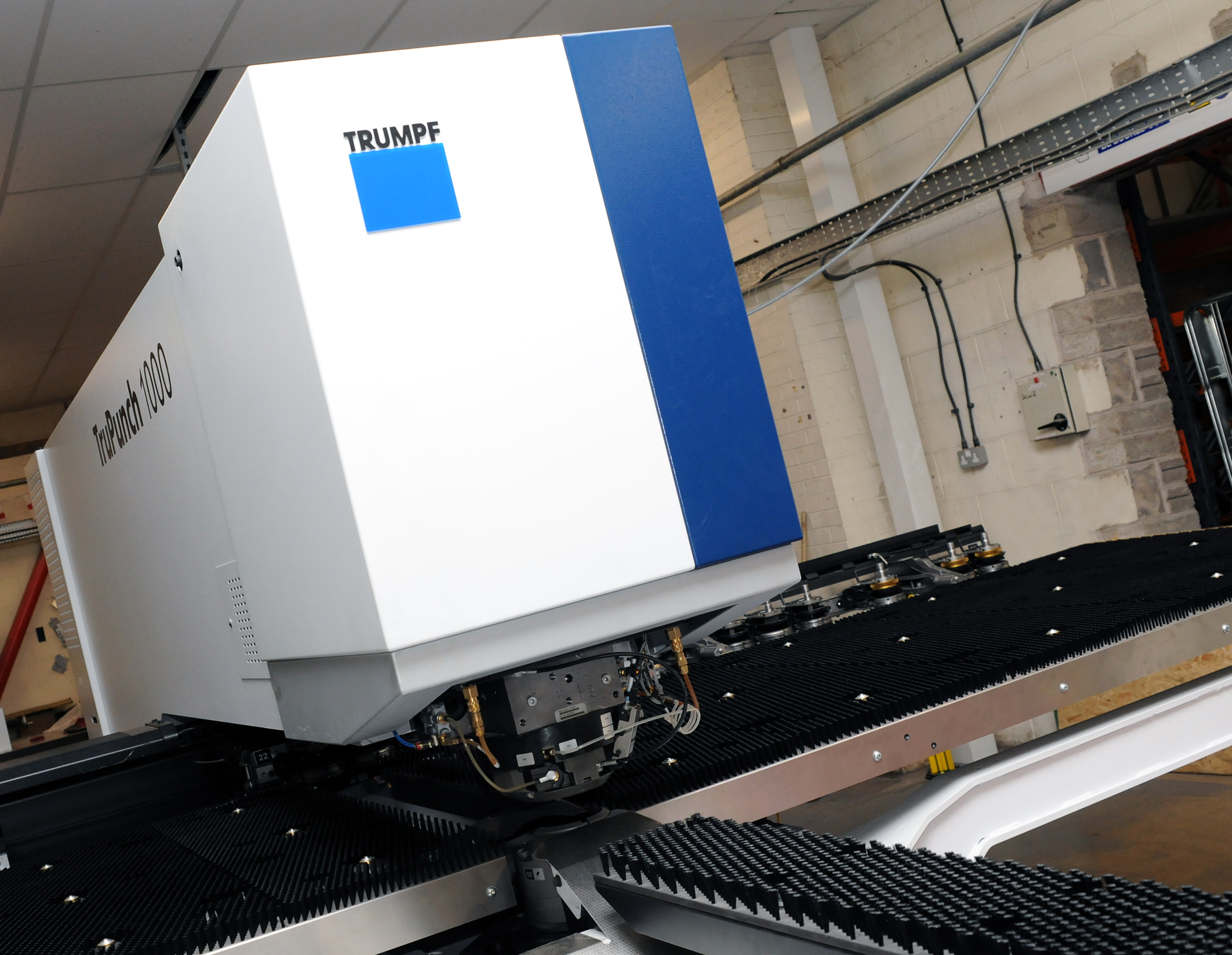
We have invested in a new £1/4m TRUMPF CNC metal punch as part of an asset renewal strategy for our UK manufacturing capability. The new machine will be used in the production of a wide variety of our power distribution systems and workstation power products at our Rotherham factory. Suitable for handling sheet metal between 0.9mm and 3.0mm thick, the new machine will replace one...

Read more
CMD CATALOGUE PROVIDES TECHNICAL POWER DISTRIBUTION GUIDE

CMD Ltd has released a new catalogue, providing an easy to follow technical guide to our power distribution systems and plug and play desk modules. Detailing CMD’s full range of UK-manufactured power distribution systems and plug and play desk modules, the catalogue will be a helpful source of information to M&E engineers and contractors alike to understand how our power distribution systems connect together and...

Read more

Power Distribution Catalogue
CMD Ltd PLAYS ESSENTIAL ROLE IN ELECTRICAL FIT OUT AT LONDON’S PRESTIGIOUS OFFICE DEVELOPMENT

CMD Ltd, specialist in workplace connectivity and ergonomic solutions, has provided a flexible and high-quality power distribution network for The Ray, a prestigious office development in London’s Farringdon. Well-known for being the former site of The Guardian newspaper, The Ray now stands as an 83,000ft² office development characterised by a modernised warehouse aesthetic, with level two now occupied by a global social media company. The...

Read more

The Ray
CMD plugs in to european opportunity with Schuko Capsule unit launch

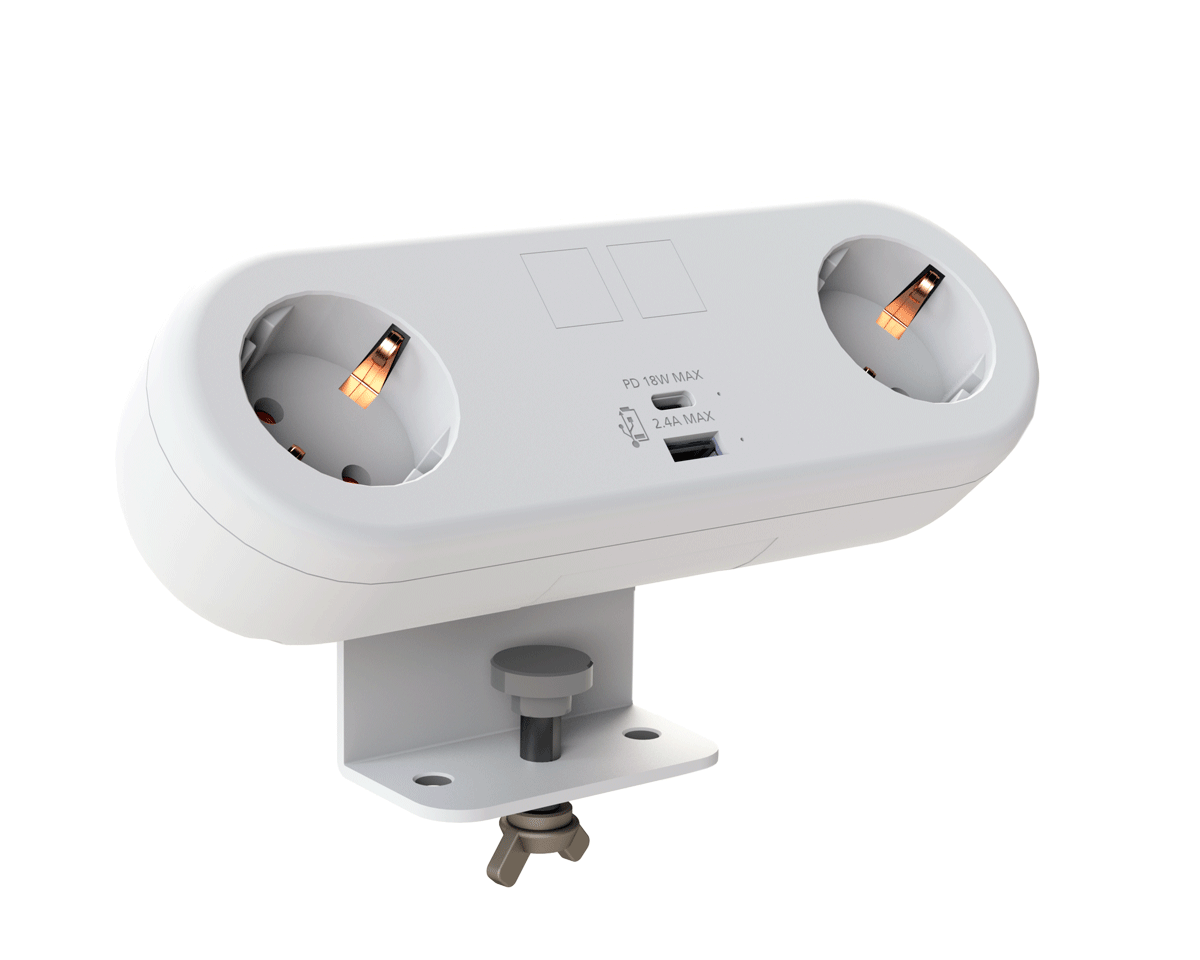
CMD Ltd, the specialist in power and connectivity solutions for commercial environments, has launched a Schuko version of its popular fixed format Capsule workstation power module for export to mainland Europe and beyond. A popular on desk power module comprising two sockets and dual USB (type A and C) chargers, CMD’s Capsule unit is already widely specified in the UK as an off-the-shelf workstation power...

Read more
CMD White Schuko Capsule Desk Power Module
CMD LTD EXTENDS MONITOR ARM RANGE WITH THE LAUNCH OF REACH PLUS

CMD Ltd, the specialist in ergonomic and connectivity solutions for commercial interiors, has completed its Reach monitor arm range with the launch of the Reach Plus. Available in single or dual screen options, the Reach Plus has been designed to provide an ideal solution for both single and dual screen workstation configurations, or can be used with next generation of large format curved screens. Suitable...

Read more

CMD Ltd DEMONSTRATES THE ART OF POWER DISTRIBUTION AT THE UNIVERSITY OF WARWICK

CMD Ltd, the specialist in workplace connectivity and ergonomic solutions, has provided Betatrak busbar power distribution and a range of electrical accessories for two major capital investment projects at the University of Warwick. Designed by Fielden Clegg Bradley Studios, the £33 million Faculty of Arts building is a showpiece development comprising four interconnected structures set around a central atrium, which will enable inter-disciplinary collaboration across...

Read more

University of Warwick
CMD BRINGS HARMONY TO COVENTRY UNIVERSITY RESEARCH FACILITIES

CMD Ltd, the specialist in power distribution solutions and workstation power and ergonomics, has provided under desk and on desk power modules for the refurbishment of three Coventry University research buildings. Located on Coventry University Technology Park, a business park designed to encourage collaboration between the university and knowledge-based businesses, the three buildings are being repurposed as office accommodation for university research teams. The refurbishment...

Read more


Coventry University

How to Source Quality Animal Specimens for Research Purposes?

Sourcing quality animal specimens for research purposes is crucial in various scientific fields. Well-documented specimens enhance the reliability of research findings. Researchers often face challenges in obtaining ethically sourced and high-quality animal specimens. Each species has unique characteristics that require specific attention.

Understanding the needs and standards for animal specimens is essential. Criteria like health status, species origin, and preservation techniques matter. Variability in specimen quality can impact experimental outcomes. Therefore, researchers must invest time in selecting suitable sources. There are both commercial and academic avenues to explore.

Efforts to secure quality specimens should prioritize ethical practices. Collaborating with reputable organizations can ensure compliance with regulatory standards. Awareness of potential biases in sourcing is vital. Researchers should remain critical of their sources. Quality control enhances the integrity of research, yet pitfalls remain. The journey in sourcing animal specimens is filled with challenges, but careful planning leads to better results.

How to Source Quality Animal Specimens for Research Purposes?

Identifying the Types of Animal Specimens Needed for Research

When sourcing animal specimens for research, it’s crucial to identify the specific types needed for your study. This process begins with understanding the objectives of your research. Different studies require different specimens. For instance, studies in genetics may need live, breeding-age animals, while pathological research may require preserved tissue samples.

According to a report by the National Institutes of Health, nearly 80% of biomedical research relies on animal models. Common types include mammals, birds, and reptiles. Each type has unique anatomical and physiological characteristics that can significantly influence research outcomes. Properly identifying the right specimen can enhance data relevance and accuracy. For example, certain species may exhibit different disease susceptibilities, which is crucial for translational research.

Challenges exist in sourcing these specimens. Availability can be limited, and ethical considerations must be addressed. It’s essential to work with reputable sources that adhere to ethical guidelines for animal usage. While many researchers struggle with specimen quality, maintaining high standards ensures valid and reliable results. Remember, not all specimens fulfill research needs, and reflectively assessing your choices is vital for scientific integrity.

Exploring Ethical Guidelines for Sourcing Animal Specimens

Sourcing quality animal specimens for research is a process intertwined with ethical considerations. Researchers need to prioritize the welfare of animals while adhering to established guidelines. The 2021 “Guide for the Care and Use of Laboratory Animals” emphasizes the importance of minimizing suffering and maximizing the scientific value of research.

One challenge in sourcing specimens lies in ensuring that they come from ethical and sustainable sources. According to the American Psychological Association, about 75% of researchers struggle with accessing high-quality, ethically sourced samples. This can lead to compromised research quality or reliance on subpar alternatives.

Tips: Always confirm sourcing channels are compliant with ethical standards. Check if institutional review boards approve the collection methods. Engaging with experienced researchers helps in navigating these challenges.

Furthermore, transparency is crucial. Researchers should document all sourcing processes, showcasing their commitment to ethical practices. Failure to do so can negatively impact research credibility. Regularly review the ethical guidelines set by leading organizations. Embrace reflection on your sourcing methods and seek improvements.

Tips: Reflect on your sourcing protocols. Are they up-to-date? Consider sharing experiences in research communities to learn from others. Continuous education about ethical sourcing can enhance your research integrity.

Evaluating Reputable Suppliers and Sources for Quality Specimens

When sourcing quality animal specimens for research, it is crucial to evaluate suppliers carefully. Look for institutions with a solid reputation in the scientific community. Reliable suppliers often have a track record of transparency. They should readily provide information about their sourcing methods and compliance with ethical standards.

Authentic sources will have appropriate certifications and undergo regular audits. Investigating their history can provide insight into their reliability. It is also wise to review testimonials from other researchers. Feedback from peers can highlight potential concerns. Sometimes, red flags are easy to overlook, such as vague sourcing descriptions or lack of proper documentation.

Another aspect to consider is the variety of specimens offered. A reputable supplier should provide detailed information about species, preservation methods, and storage conditions. Assessing these details can reveal the commitment to quality. Engaging in direct communication can uncover additional insights. Sometimes, direct questions can reveal much about their reliability. Overall, the right supplier can significantly impact the quality of your research outcomes.

Sourcing Quality Animal Specimens for Research Purposes

This chart illustrates the evaluation of different sources for quality animal specimens based on key factors.

Implementing Proper Handling and Storage Practices for Specimens

When sourcing animal specimens for research, proper handling and storage are critical. Studies show that up to 30% of specimens can degrade due to improper practices. Contamination can occur during collection or transportation, leading to compromised integrity. Using sterile containers and tools minimizes risks of cross-contamination. It is vital to ensure that the specimens are collected in a controlled environment.

Storage conditions also play a significant role in preserving specimen quality. Freezing at -80°C is often recommended for many biological samples. However, this requires careful monitoring of freezer conditions. A report by the National Institutes of Health suggests that fluctuations in temperature can reduce sample viability by 25%. Liquid nitrogen storage can be beneficial, but it requires specialized equipment and protocols.

Transporting specimens also demands attention. Specimens should be packed in insulated containers to maintain stable temperatures. Improper transportation can lead to changes in the physiological state of the specimens, affecting research outcomes. Maintaining accurate records during each handling stage is essential. Discrepancies in data can lead to flawed research conclusions, emphasizing the need for meticulous attention to detail.

How to Source Quality Animal Specimens for Research Purposes?

Specimen Type Source Location Collection Date Storage Conditions Notes
Mouse Laboratory A 2023-08-15 -20°C, dry Genetically modified
Rat Laboratory B 2023-07-10 4°C, hydrated Standard control
Rabbit Laboratory C 2023-09-01 -80°C, frozen Prior disease exposure
Dog Veterinary Clinic D 2023-06-25 0°C, fresh Healthy control
Frog Field Collection E 2023-05-18 Room temperature, live Local population

Documenting and Tracking Specimen Usage in Research Projects

Documenting and tracking specimen usage is critical in research projects. Accurate records enhance transparency and reproducibility. Researchers must maintain detailed logs of when and how specimens are used. Each entry should include the date, purpose of use, and results obtained. This level of documentation is vital for ethical compliance and future reference.

Another key aspect is the storage of these records. Digital tools can streamline this process. Spreadsheets or specialized databases work well. Nonetheless, relying solely on digital systems can pose risks. Data corruption or accidental deletions can occur, leading to significant losses. Regular backups and physical copies are advisable.

Additionally, researchers face challenges in communicating specimen usage effectively. Clearly defining specimen states—such as pristine or modified—can avoid misunderstandings. Researchers may struggle with standardizing these definitions across various teams. Regular team meetings may help, but they might not cover everything. Constructive feedback from peers is essential. Continuous improvement in documentation practices ensures more reliable research outcomes in the long run.

Article Source: