

News

Miro: A New Standard in Responsible Innovation

Miro: A New Standard in Responsible Innovation The Miro monitor arm is setting new benchmarks in sustainability. It offers a high-performance solution without compromising on environmental responsibility. Designed with careful material selection, local sourcing, and longevity in mind, Miro’s responsible approach to design and unique manoeuvrability set it apart from the competition. Sustainable Choices Miro is crafted from energy-efficient materials with a lower carbon impact....

Read more
HSE Advisor

Role Purpose Support in the development, implementation and maintenance of the company’s Health, Safety & Environmental policies, processes, operational procedures, and standards.  Ensuring best practice and championing a continually improving HSE culture within the business. Key Responsibilities Liaise with and provide support to all areas of the business to eliminate, mitigate or reduce identified HSE exposures. Partner with the production management team and team leaders,...

Read more
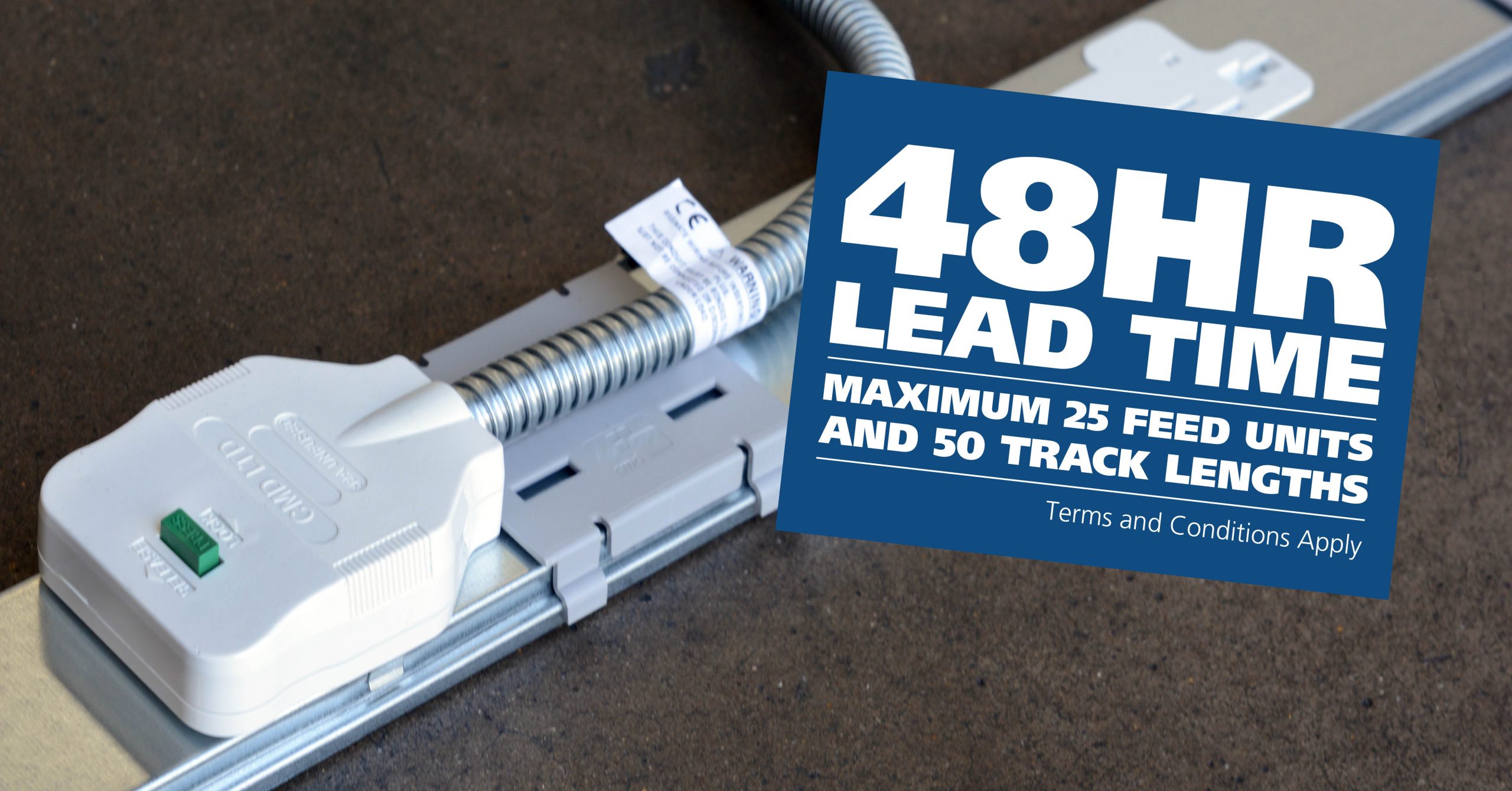
CMD Ltd LAUNCHES 48-HOUR TURNAROUND ON BETATRAK® RAPID ORDERING SERVICE

CMD Ltd, the specialist in power distribution systems, workstation power and monitor arms, has launched a rapid ordering service for its Betatrak® underfloor powertrack distribution systems and accessories, with a commitment to delivering within 48-hours of an approved purchase order*. The service enables customers to order up to 50 lengths of Standard or Clean Earth (C/E) low noise Betatrak, along with up to 25 feed...

Read more
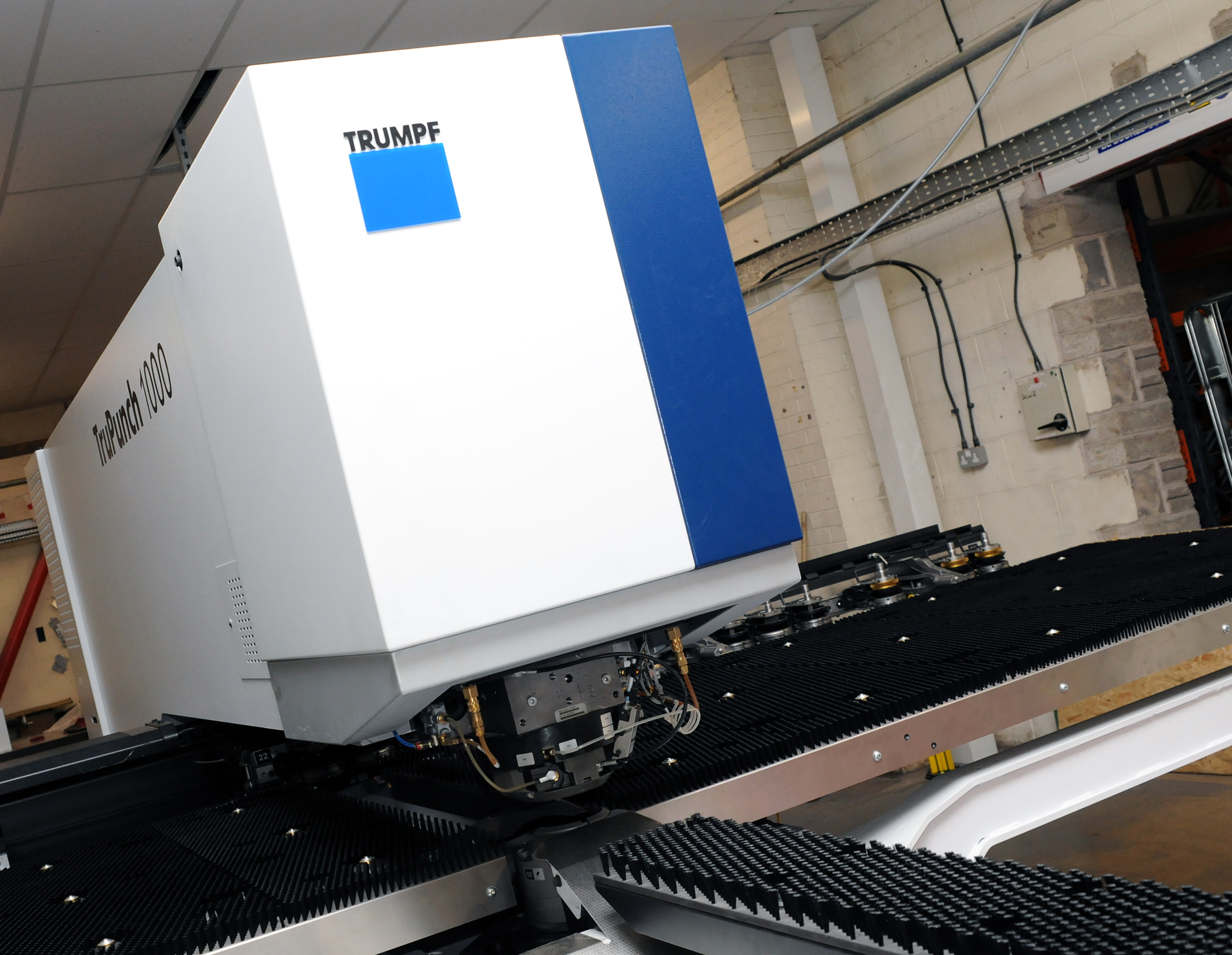
CMD INVESTS £1/4 MILLION IN NEW MACHINE AS PART OF FACTORY UPGRADE

We have invested in a new £1/4m TRUMPF CNC metal punch as part of an asset renewal strategy for our UK manufacturing capability. The new machine will be used in the production of a wide variety of our power distribution systems and workstation power products at our Rotherham factory. Suitable for handling sheet metal between 0.9mm and 3.0mm thick, the new machine will replace one...

Read more
CMD CATALOGUE PROVIDES TECHNICAL POWER DISTRIBUTION GUIDE

CMD Ltd has released a new catalogue, providing an easy to follow technical guide to our power distribution systems and plug and play desk modules. Detailing CMD’s full range of UK-manufactured power distribution systems and plug and play desk modules, the catalogue will be a helpful source of information to M&E engineers and contractors alike to understand how our power distribution systems connect together and...

Read more
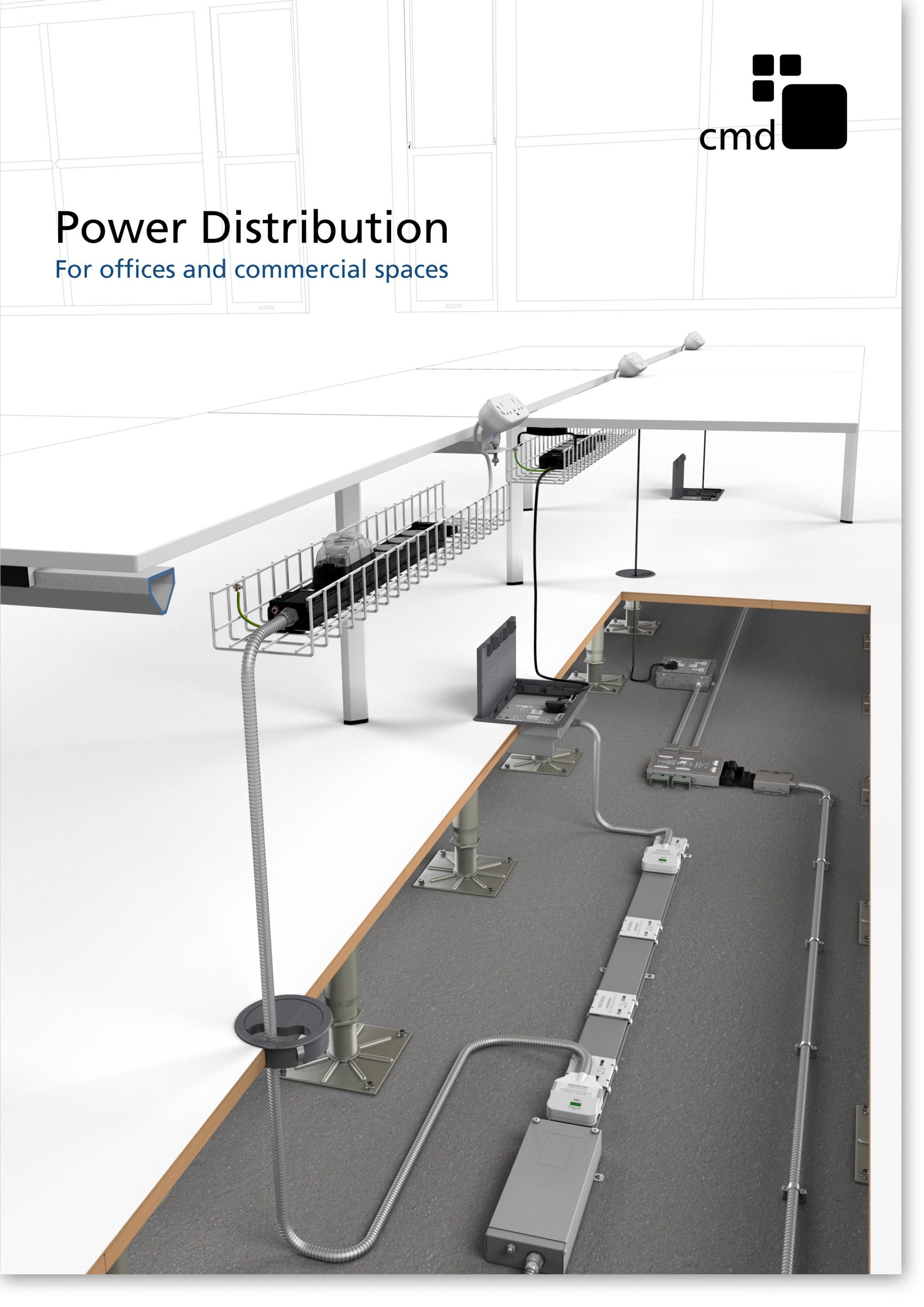
Power Distribution Catalogue
CMD Ltd PLAYS ESSENTIAL ROLE IN ELECTRICAL FIT OUT AT LONDON’S PRESTIGIOUS OFFICE DEVELOPMENT

CMD Ltd, specialist in workplace connectivity and ergonomic solutions, has provided a flexible and high-quality power distribution network for The Ray, a prestigious office development in London’s Farringdon. Well-known for being the former site of The Guardian newspaper, The Ray now stands as an 83,000ft² office development characterised by a modernised warehouse aesthetic, with level two now occupied by a global social media company. The...

Read more

The Ray
CMD plugs in to european opportunity with Schuko Capsule unit launch

CMD Ltd, the specialist in power and connectivity solutions for commercial environments, has launched a Schuko version of its popular fixed format Capsule workstation power module for export to mainland Europe and beyond. A popular on desk power module comprising two sockets and dual USB (type A and C) chargers, CMD’s Capsule unit is already widely specified in the UK as an off-the-shelf workstation power...

Read more
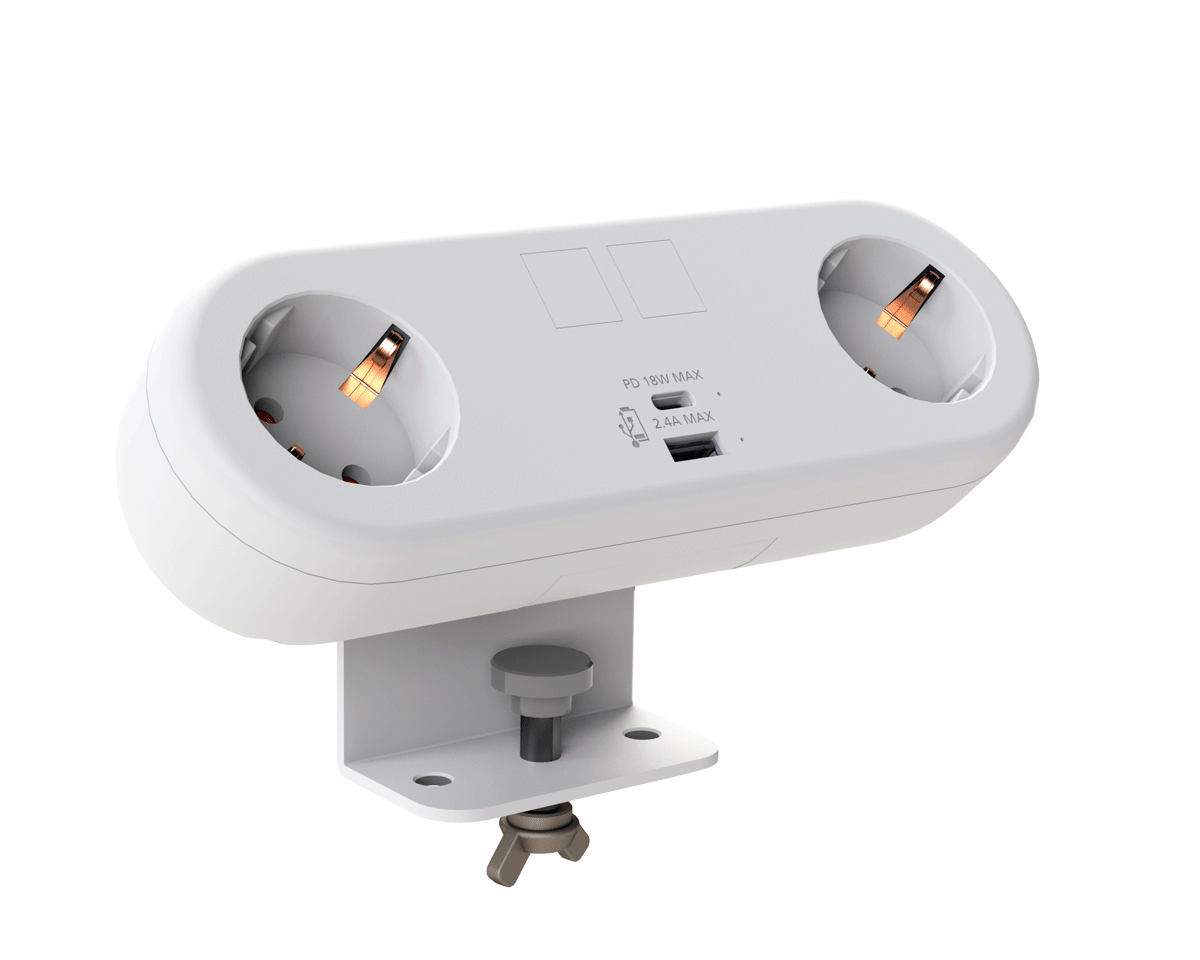
CMD White Schuko Capsule Desk Power Module
CMD LTD EXTENDS MONITOR ARM RANGE WITH THE LAUNCH OF REACH PLUS

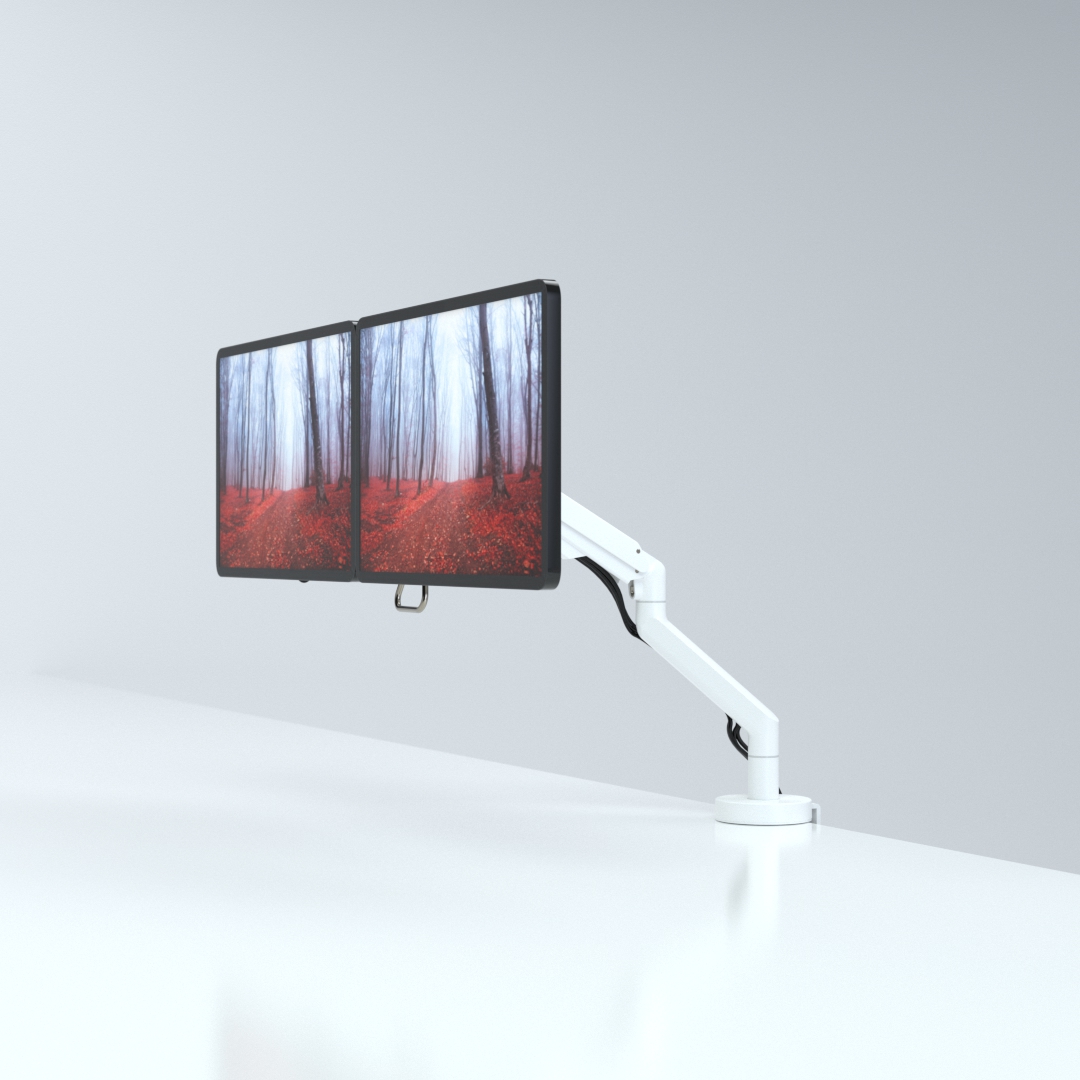
CMD Ltd, the specialist in ergonomic and connectivity solutions for commercial interiors, has completed its Reach monitor arm range with the launch of the Reach Plus. Available in single or dual screen options, the Reach Plus has been designed to provide an ideal solution for both single and dual screen workstation configurations, or can be used with next generation of large format curved screens. Suitable...

Read more
CMD Ltd DEMONSTRATES THE ART OF POWER DISTRIBUTION AT THE UNIVERSITY OF WARWICK

CMD Ltd, the specialist in workplace connectivity and ergonomic solutions, has provided Betatrak busbar power distribution and a range of electrical accessories for two major capital investment projects at the University of Warwick. Designed by Fielden Clegg Bradley Studios, the £33 million Faculty of Arts building is a showpiece development comprising four interconnected structures set around a central atrium, which will enable inter-disciplinary collaboration across...

Read more

University of Warwick
CMD BRINGS HARMONY TO COVENTRY UNIVERSITY RESEARCH FACILITIES

CMD Ltd, the specialist in power distribution solutions and workstation power and ergonomics, has provided under desk and on desk power modules for the refurbishment of three Coventry University research buildings. Located on Coventry University Technology Park, a business park designed to encourage collaboration between the university and knowledge-based businesses, the three buildings are being repurposed as office accommodation for university research teams. The refurbishment...

Read more

Coventry University

10 Smart Wall Socket Buying Tips for Global Buyers

The Smart Wall Socket is moving from a convenience product to a connected electrical component. Global buyers now face more than price comparisons. They must assess electrical safety, connectivity, compatibility, and long-term reliability.

The International Energy Agency reported that global electricity demand could grow by around 4% in 2024 and 2025. This growth increases interest in energy monitoring and automated load control. The Connectivity Standards Alliance also positions Matter as a major step toward simpler smart-home compatibility. However, compatibility claims still require careful testing. A socket that works in one country may fail with another voltage, frequency, plug type, or wiring system.

Safety comes first. Electrical Safety First technical expert Martyn Allen has stated, “Safety must come before convenience.” Buyers should examine independent certification, grounding design, maximum load, heat protection, and installation requirements. Look for clear test documentation, not only attractive packaging. A warm faceplate after several hours deserves attention.

Reports from Statista and Grand View Research show continued expansion in smart-home devices and connected home technology. Yet market growth does not guarantee product quality. Some apps collect excessive data. Some warranties offer little practical support. Some specifications remain vague.

This guide presents ten Smart Wall Socket buying tips for global buyers. It considers real purchasing conditions, including local standards, cloud dependence, privacy controls, firmware updates, and supplier experience. No checklist is perfect. Still, careful questions can prevent expensive mistakes and unsafe substitutions. A reliable socket should disappear into daily life, while quietly managing power, schedules, and information.

10 Smart Wall Socket Buying Tips for Global Buyers

Understand Smart Socket Types and Their Main Features

Smart Wall Socket Buying Tips for Global Buyers

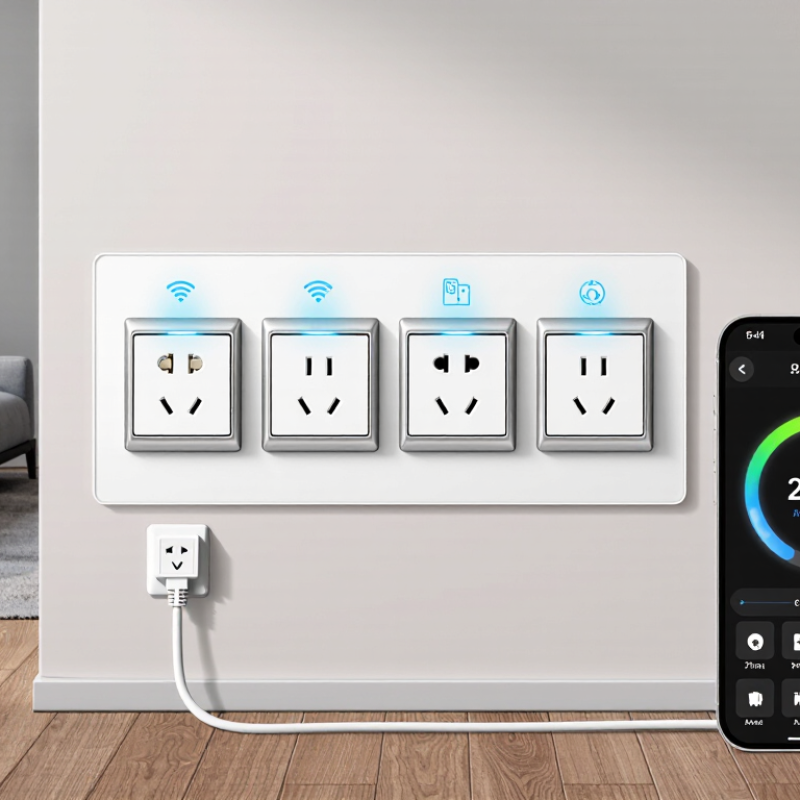
Smart wall sockets come in several practical types. In-wall models replace a standard outlet and create a cleaner appearance. Plug-in adapters are easier to install, especially in rented homes. Outdoor versions usually add weather protection for garden lighting or covered patios. Choose the type that matches the location, wiring condition, and local socket standard.

Connectivity affects daily use. Wi-Fi sockets connect directly to a home router, but they may become unreliable in rooms with weak signals. Zigbee or Thread models often need a compatible hub, yet they can support a more stable connected home. Bluetooth models suit nearby control and simple setups. Check voltage, frequency, plug shape, grounding, and required safety certification before ordering internationally. Small differences matter.

Useful features include schedules, countdown timers, remote switching, child protection, and energy monitoring. Energy data can reveal that a heater uses far more power than a lamp. Look for overload, overheat, and short-circuit protection, not only a stylish app. A physical button is helpful when the internet fails. I once underestimated installation depth; the socket did not fit comfortably behind the wall box. That mistake taught me to measure twice and confirm neutral-wire requirements. Some product descriptions remain unclear, so request wiring diagrams and test reports from the supplier before purchase.

Check Voltage, Frequency, and Plug Compatibility by Country

Before buying a smart wall socket, check the country’s voltage and frequency. Voltage is not interchangeable. Many homes in the United States and Canada use 120V at 60Hz. The United Kingdom, Australia, and much of Europe commonly use 230V at 50Hz. Japan uses 100V, with both 50Hz and 60Hz regions. These differences can affect safety and performance.

Match the socket’s rated input to the local supply. A plug adapter only changes the physical shape. It does not convert voltage or frequency. A socket designed for 120V may fail on a 230V circuit. Motors, timers, and older appliances can also behave poorly with the wrong frequency. Check the label, installation guide, and maximum load in watts. A warm faceplate is a warning sign.

Plug compatibility needs more than a matching hole pattern. Check the country’s plug type, pin spacing, grounding method, and shutter requirements. Type G plugs differ from Type A, B, C, F, and I designs. Some sockets accept several shapes, but that does not guarantee correct grounding. Local electrical rules may also require a qualified installer. I once focused too much on wireless features and nearly missed the frequency rating. It is an easy mistake, especially when product listings use unclear regional terms. Look for independent safety testing and clear technical documents before purchase.

Evaluate Safety Certifications, Materials, and Installation Standards

A smart wall socket should match local voltage, frequency, and installation rules. Do not guess. Check recognized certifications, such as IEC or applicable national standards. A printed mark is not enough. Ask for the certificate number, test scope, and issuing laboratory. Verify that the documents cover the exact model, not an older product. In my buying checks, missing paperwork often signals weak quality control.

Material choice affects safety and service life. Look for flame-retardant housing materials that resist heat and impact. Internal contacts should use suitable copper alloys with stable conductivity. Strong terminal screws matter too. Poor plating may corrode in humid rooms. Inspect the shutter movement, faceplate fit, and cable clamps. They should feel firm, not loose or brittle. Small details matter.

Installation standards deserve equal attention. Confirm the socket fits the local wall box depth and wiring method. Grounding must be clearly identified and properly connected. For kitchens, bathrooms, or outdoor areas, check the required moisture protection rating. A qualified electrician should test polarity, insulation, earth continuity, and load performance after installation. Do not rely on appearance alone. A neat socket can still hide a dangerous connection. I would also recheck the instructions, because assumptions about wire colors or terminals can be wrong across countries. Safety is never improved by rushing.

Compare Connectivity, App Support, and Smart Home Integration

10 Smart Wall Socket Buying Tips for Global Buyers

Connectivity should match the room, not just the product page. Wi-Fi sockets are easy to install, but crowded networks can cause delays. Thread or Zigbee models may respond more reliably across larger homes, though they often need a compatible hub. IoT Analytics reported about 18.8 billion connected IoT devices worldwide in 2024. That scale makes interoperability increasingly important. Tip 1: Check the wireless standard, frequency, hub requirement, and offline behavior. Tip 2: Confirm whether the socket supports local control when internet service fails.

App quality is practical, not cosmetic. Test the setup process before purchase if possible. Look for clear energy readings, schedules, device sharing, and two-factor authentication. The app should explain permissions in plain language. It should also publish firmware support expectations. I once chose a socket with excellent hardware but a confusing app. That assumption was wrong. Tip 3: Read recent user feedback about updates and pairing failures. Tip 4: Check whether the app remains useful after a phone or router change. Short support is a warning sign.

Smart home integration deserves careful checking. Matter support can simplify cross-platform control, but certification does not guarantee every feature works everywhere. The Connectivity Standards Alliance continues expanding device and platform interoperability, yet manufacturers may implement functions differently. Tip 5: Verify voice control, energy monitoring, scenes, and remote access separately. Tip 6: Prefer documented compatibility over vague “works with smart home” claims. Tip 7: Review regional app availability, language options, and data-handling policies before ordering globally.

10 Smart Wall Socket Buying Tips for Global Buyers - Compare Connectivity, App Support, and Smart Home Integration

No. Buying Dimension What to Compare Practical Buyer Check Why It Matters
1 Electrical Compatibility Rated voltage, frequency, plug geometry, grounding, and neutral-wire requirements. Match the socket to the destination electrical system; confirm whether a neutral wire is required before installation. Electrical standards differ by market, and an incompatible device can be unsafe or impossible to install.
2 Load Capacity Maximum continuous current, maximum wattage, resistive-load rating, and motor-load limitations. Use the lower of the socket rating and the local circuit rating; check separate limits for heaters, pumps, and motors. Different appliances create different electrical loads, even when their nominal wattage appears similar.
3 Wireless Connectivity Wi-Fi, Thread, Zigbee, Bluetooth commissioning, hub requirements, frequency bands, and network security. Confirm router compatibility, supported Wi-Fi bands, and whether the socket works without a separate hub. A socket may be electrically suitable but unusable if its radio protocol does not match the home network.
4 Matter and Ecosystem Support Matter version, supported controller ecosystems, commissioning method, and available device features. Check whether on/off control, energy monitoring, schedules, and other functions remain available after integration. Cross-platform compatibility can simplify household setup, but not every feature is exposed through every ecosystem.
5 Mobile App Support iOS and Android availability, account requirements, language options, remote access, and update policy. Review the app's current permissions, update history, privacy policy, and whether basic control works locally. App quality and long-term maintenance affect daily usability and product longevity.
6 Automation and Local Control Schedules, timers, sunrise/sunset rules, scenes, geofencing, offline operation, and LAN or local API access. Determine which automations continue during internet or cloud-service outages. Local control can reduce latency and preserve essential functions when the internet is unavailable.
7 Energy Monitoring Real-time power, voltage, current, cumulative energy, export options, and stated measurement conditions. Look for published accuracy information and confirm whether readings are available in the app and through integrations. Energy data is useful for cost tracking, but measurement performance varies with load type and operating range.
8 Safety and Certification Applicable national approval marks, overload protection, thermal protection, child protection, and installation instructions. Verify documentation for the destination market rather than relying only on a generic certification claim. Certification requirements and installation rules differ across countries and regions.
9 Physical Fit and Environment Wall-box depth, faceplate dimensions, terminal layout, indoor rating, temperature range, and moisture protection. Measure the existing wall box and avoid using an indoor-rated product in locations exposed to water or excessive humidity. A correct electrical rating does not guarantee physical or environmental suitability.
10 Security, Privacy, and Lifecycle Secure onboarding, encrypted communication, firmware updates, vulnerability reporting, data retention, warranty, and support. Prefer products with documented update practices, strong account protection, clear data policies, and a stated warranty period. Connected electrical devices should remain secure and supported throughout their expected service life.

Note: Always follow local electrical codes and use a qualified electrician for fixed-wall installation.

Review Supplier Quality, Warranty, Pricing, and Shipping Terms

Choosing a smart wall socket requires more than comparing online prices. Supplier quality matters first. Request production samples, wiring diagrams, safety test reports, and batch inspection records. Check relay endurance, heat resistance, grounding, and app security. The International Energy Agency reports that buildings use about 30% of global final energy, but smart controls do not guarantee savings. Poor installation or standby consumption can reduce the benefit.

Tips: Compare the landed cost, not the unit price. Include tooling, testing, packaging, duties, insurance, and replacement parts. Ask whether the warranty covers labor, shipping, firmware failures, and early relay defects. A written replacement process is stronger than a generous promise. Two years sounds attractive, but unclear exclusions can make it nearly useless. I would still test a small batch before committing. That step is easy to skip.

Shipping terms deserve equal attention. Confirm the Incoterm, production lead time, carton dimensions, moisture protection, and inspection point. The World Bank’s 2023 Logistics Performance Index shows major differences in customs and logistics performance across economies. UNCTAD also highlights continuing disruption risks in global maritime transport. Therefore, request a realistic delivery window, not an optimistic date. Pricing should be reviewed beside warranty risk and freight volatility. A cheaper supplier may become expensive after failures, delays, and emergency replacements.