

News

Miro: A New Standard in Responsible Innovation

Miro: A New Standard in Responsible Innovation The Miro monitor arm is setting new benchmarks in sustainability. It offers a high-performance solution without compromising on environmental responsibility. Designed with careful material selection, local sourcing, and longevity in mind, Miro’s responsible approach to design and unique manoeuvrability set it apart from the competition. Sustainable Choices Miro is crafted from energy-efficient materials with a lower carbon impact....

Read more
HSE Advisor

Role Purpose Support in the development, implementation and maintenance of the company’s Health, Safety & Environmental policies, processes, operational procedures, and standards.  Ensuring best practice and championing a continually improving HSE culture within the business. Key Responsibilities Liaise with and provide support to all areas of the business to eliminate, mitigate or reduce identified HSE exposures. Partner with the production management team and team leaders,...

Read more
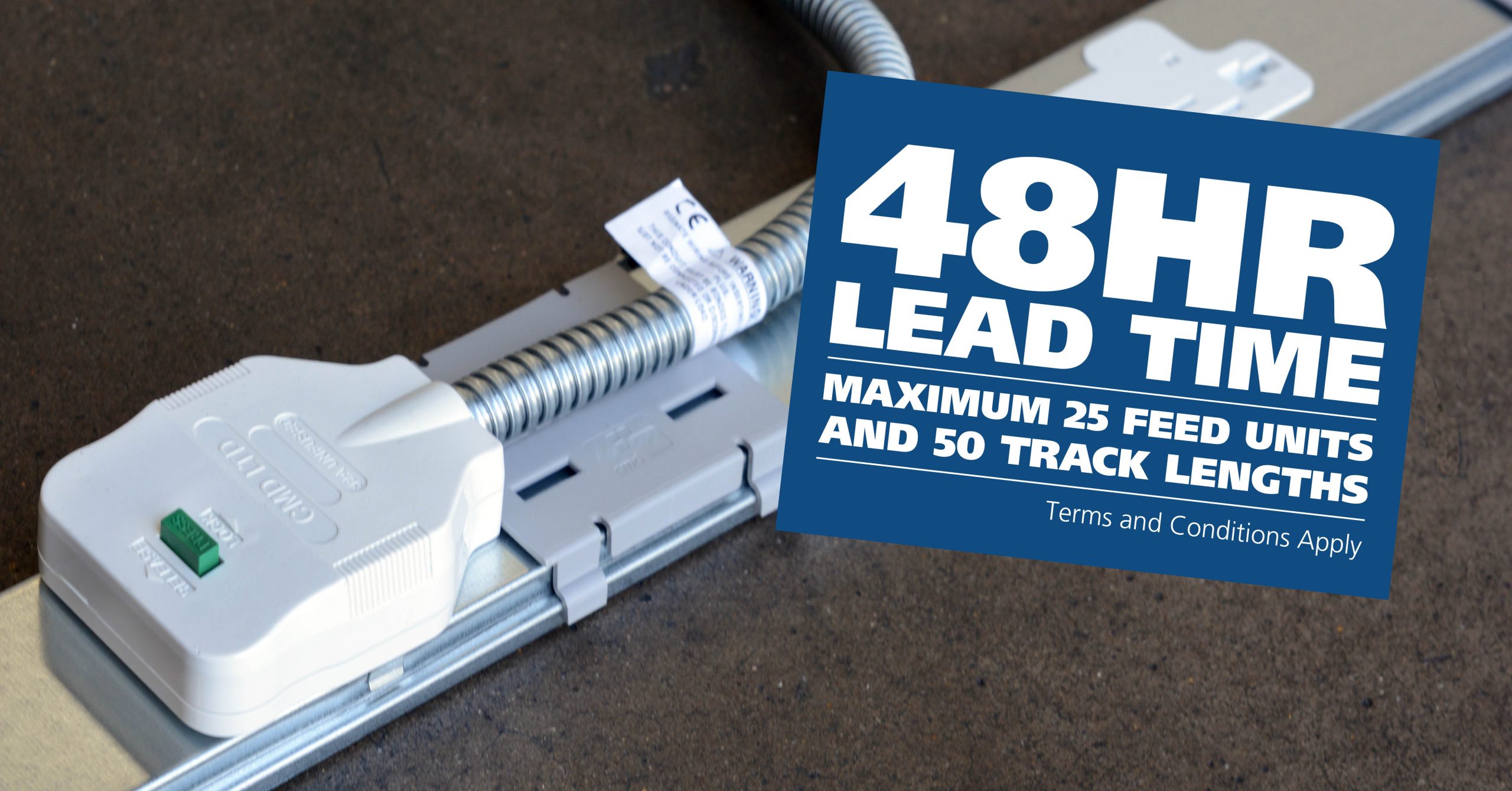
CMD Ltd LAUNCHES 48-HOUR TURNAROUND ON BETATRAK® RAPID ORDERING SERVICE

CMD Ltd, the specialist in power distribution systems, workstation power and monitor arms, has launched a rapid ordering service for its Betatrak® underfloor powertrack distribution systems and accessories, with a commitment to delivering within 48-hours of an approved purchase order*. The service enables customers to order up to 50 lengths of Standard or Clean Earth (C/E) low noise Betatrak, along with up to 25 feed...

Read more
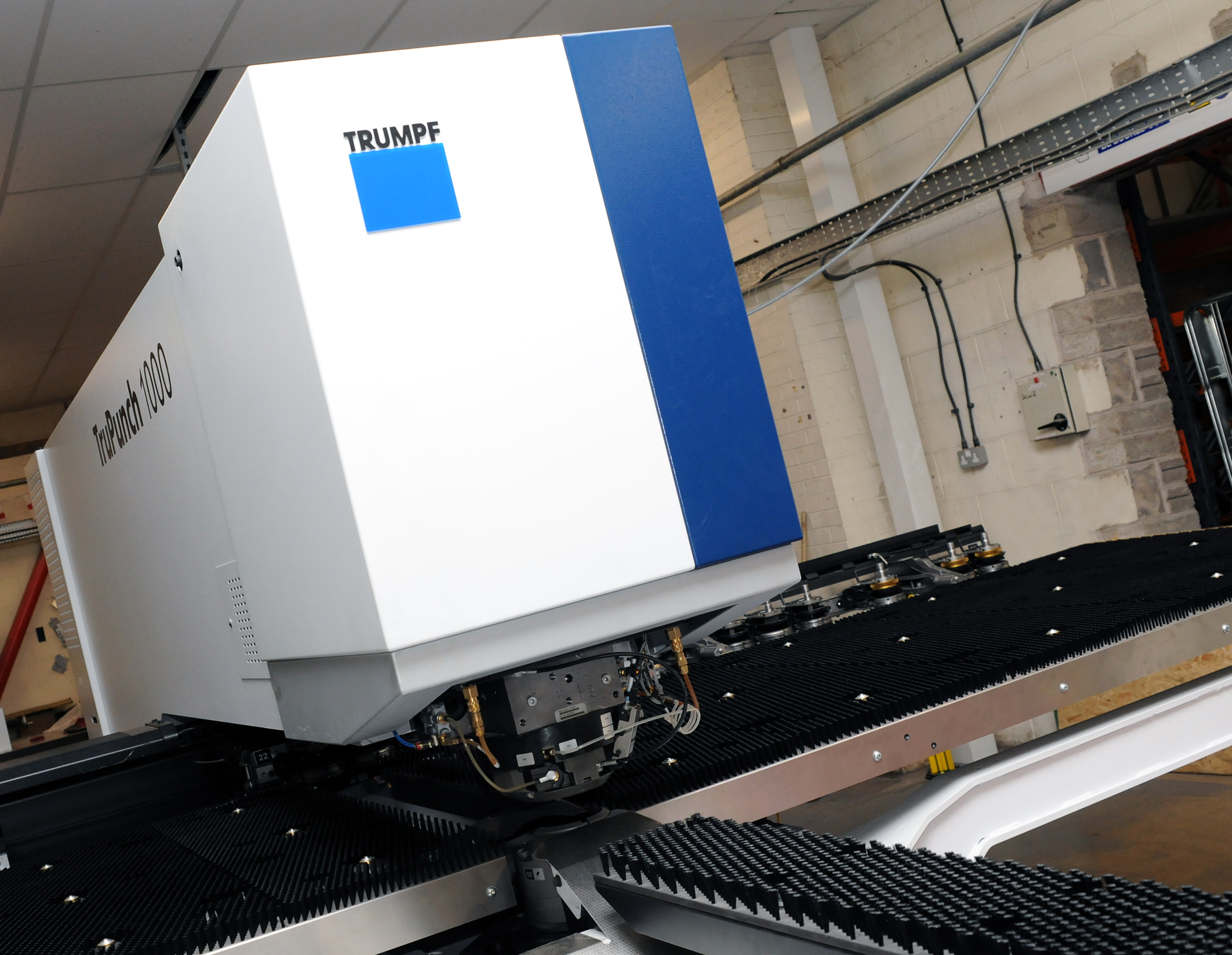
CMD INVESTS £1/4 MILLION IN NEW MACHINE AS PART OF FACTORY UPGRADE

We have invested in a new £1/4m TRUMPF CNC metal punch as part of an asset renewal strategy for our UK manufacturing capability. The new machine will be used in the production of a wide variety of our power distribution systems and workstation power products at our Rotherham factory. Suitable for handling sheet metal between 0.9mm and 3.0mm thick, the new machine will replace one...

Read more
CMD CATALOGUE PROVIDES TECHNICAL POWER DISTRIBUTION GUIDE

CMD Ltd has released a new catalogue, providing an easy to follow technical guide to our power distribution systems and plug and play desk modules. Detailing CMD’s full range of UK-manufactured power distribution systems and plug and play desk modules, the catalogue will be a helpful source of information to M&E engineers and contractors alike to understand how our power distribution systems connect together and...

Read more
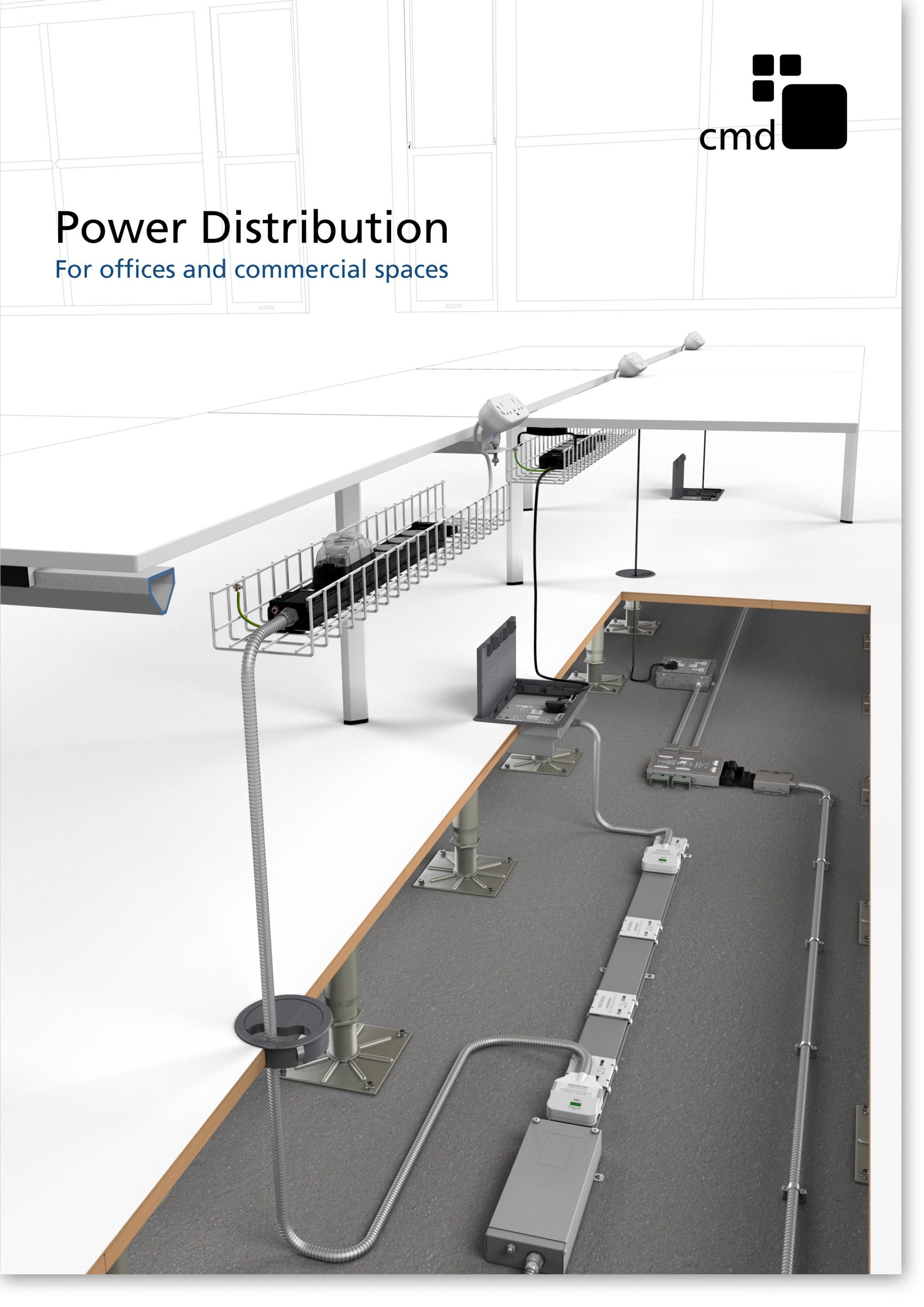
Power Distribution Catalogue
CMD Ltd PLAYS ESSENTIAL ROLE IN ELECTRICAL FIT OUT AT LONDON’S PRESTIGIOUS OFFICE DEVELOPMENT

CMD Ltd, specialist in workplace connectivity and ergonomic solutions, has provided a flexible and high-quality power distribution network for The Ray, a prestigious office development in London’s Farringdon. Well-known for being the former site of The Guardian newspaper, The Ray now stands as an 83,000ft² office development characterised by a modernised warehouse aesthetic, with level two now occupied by a global social media company. The...

Read more

The Ray
CMD plugs in to european opportunity with Schuko Capsule unit launch

CMD Ltd, the specialist in power and connectivity solutions for commercial environments, has launched a Schuko version of its popular fixed format Capsule workstation power module for export to mainland Europe and beyond. A popular on desk power module comprising two sockets and dual USB (type A and C) chargers, CMD’s Capsule unit is already widely specified in the UK as an off-the-shelf workstation power...

Read more
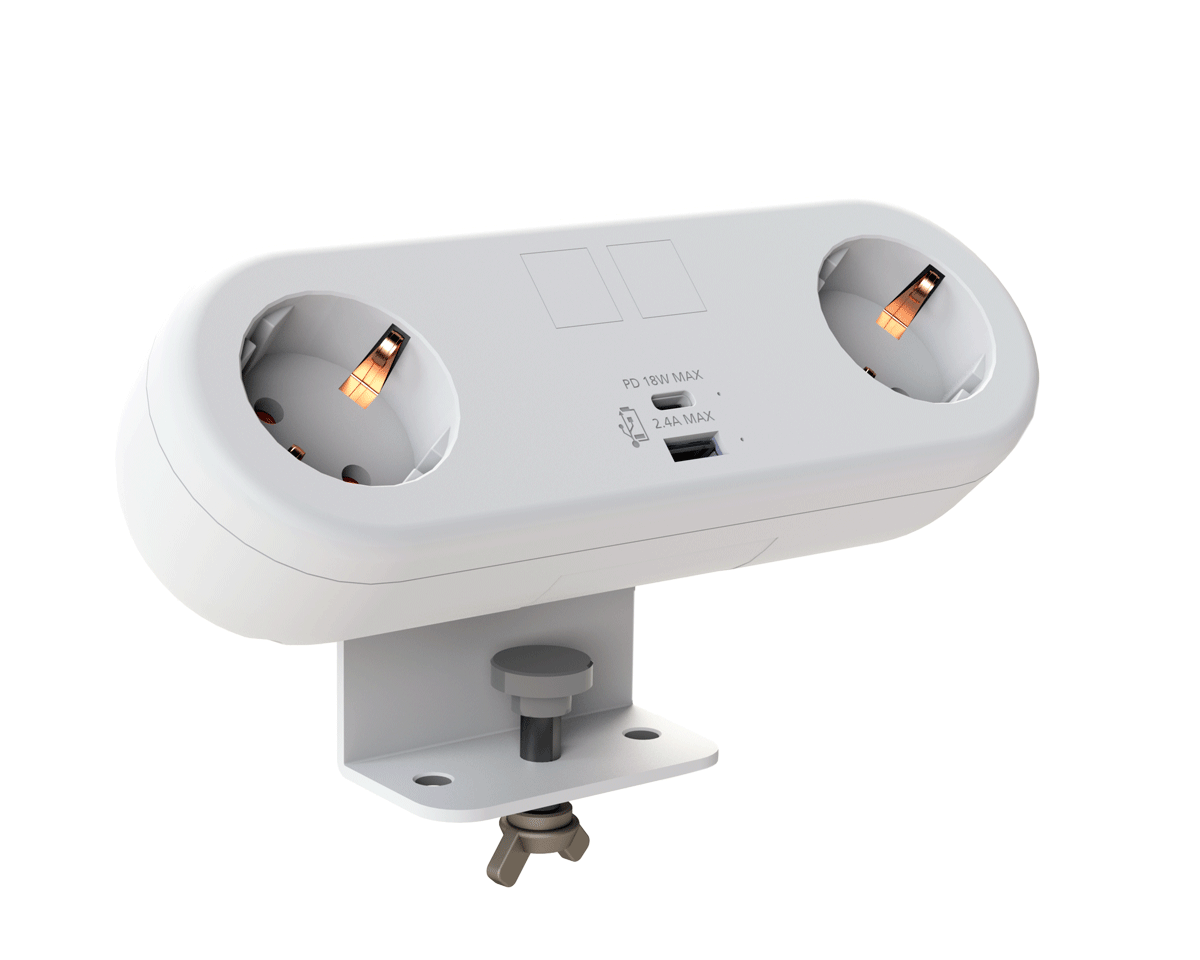
CMD White Schuko Capsule Desk Power Module
CMD LTD EXTENDS MONITOR ARM RANGE WITH THE LAUNCH OF REACH PLUS

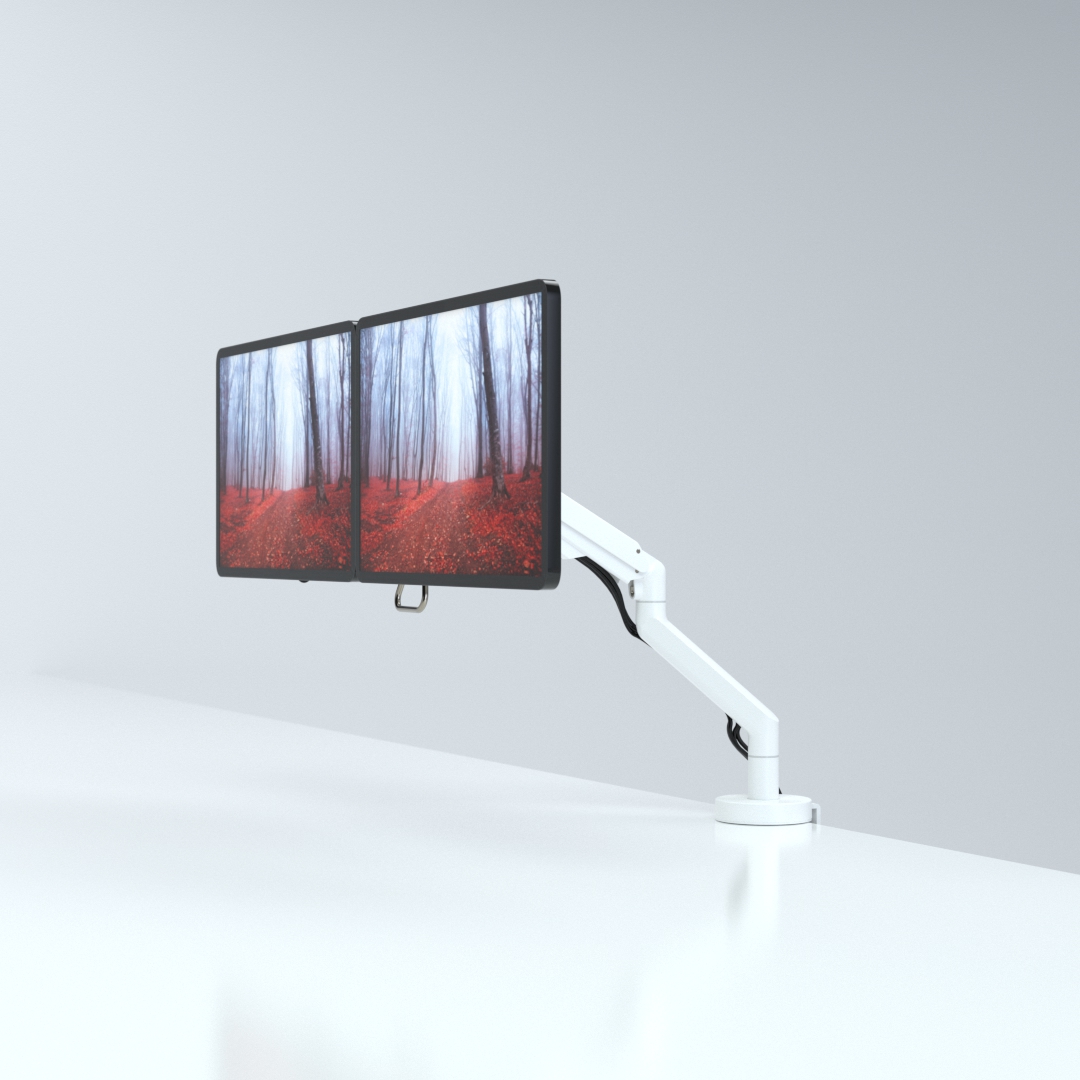
CMD Ltd, the specialist in ergonomic and connectivity solutions for commercial interiors, has completed its Reach monitor arm range with the launch of the Reach Plus. Available in single or dual screen options, the Reach Plus has been designed to provide an ideal solution for both single and dual screen workstation configurations, or can be used with next generation of large format curved screens. Suitable...

Read more
CMD Ltd DEMONSTRATES THE ART OF POWER DISTRIBUTION AT THE UNIVERSITY OF WARWICK

CMD Ltd, the specialist in workplace connectivity and ergonomic solutions, has provided Betatrak busbar power distribution and a range of electrical accessories for two major capital investment projects at the University of Warwick. Designed by Fielden Clegg Bradley Studios, the £33 million Faculty of Arts building is a showpiece development comprising four interconnected structures set around a central atrium, which will enable inter-disciplinary collaboration across...

Read more

University of Warwick
CMD BRINGS HARMONY TO COVENTRY UNIVERSITY RESEARCH FACILITIES

CMD Ltd, the specialist in power distribution solutions and workstation power and ergonomics, has provided under desk and on desk power modules for the refurbishment of three Coventry University research buildings. Located on Coventry University Technology Park, a business park designed to encourage collaboration between the university and knowledge-based businesses, the three buildings are being repurposed as office accommodation for university research teams. The refurbishment...

Read more

Coventry University

What You Need to Know About Sliding Rollers?

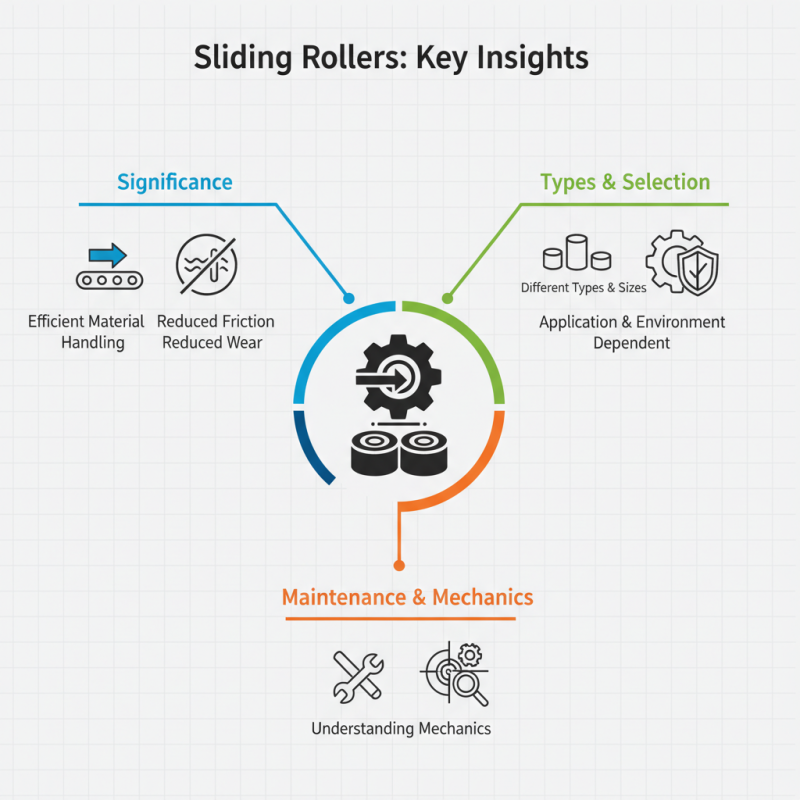
When it comes to sliding rollers, understanding their significance can be challenging. Renowned industry expert, John Smith, once stated, "Sliding rollers are crucial for efficient material handling." This simple truth underscores the importance of these devices in various applications. They provide a seamless movement, reducing friction and wear on surfaces.

sliding rollers come in different types and sizes, each with unique features. Ignoring these differences could lead to poor performance or even accidents. Choosing the right sliding roller depends on the specific application and environment. Careful evaluation is necessary to avoid potential failures.

Moreover, regular maintenance often gets overlooked. Neglect can lead to issues that affect efficiency and safety. A sliding roller may seem simple, but understanding its mechanics is vital. Users should reflect on their choices and practices concerning sliding rollers to enhance performance and reliability in their operations.

What You Need to Know About Sliding Rollers?

Understanding the Basics of Sliding Rollers

Sliding rollers are essential components in numerous applications. They allow for smooth movement and reduced friction in machinery, furniture, and industrial designs. Understanding sliding rollers enhances efficiency and performance.

Choosing the right roller is crucial. Consider factors like load capacity and surface material. According to a 2022 report from the International Journal of Mechanical Engineering, using the appropriate roller can increase system durability by up to 30%. Make sure to assess your specific needs.

Tip: Always measure the load and space available before selecting sliding rollers. If installed incorrectly, these rollers can cause unexpected breakdowns. It's vital to double-check specifications.

Another aspect to consider is maintenance. Sliding rollers require periodic checks to avoid wear that leads to inefficiency. A study indicated that 25% of machinery failures result from neglecting roller maintenance. Keeping a schedule can prevent costly downtime.

Tip: Apply lubrication regularly. It reduces friction and prolongs roller life. Remember, a small oversight can lead to significant issues down the line. Reflect on past installations and learn from mistakes to improve future choices.

What You Need to Know About Sliding Rollers

This chart represents the different materials used in manufacturing sliding rollers and their corresponding usage proportion in various applications.

Types of Sliding Rollers and Their Applications

Sliding rollers are essential components in various industries. Their effectiveness lies in their design and function. Understanding the types of sliding rollers can help improve operational efficiency.

There are several types of sliding rollers. For instance, metal rollers are commonly used in heavy machinery. They can handle substantial weights but may wear out quickly in harsh conditions. On the other hand, plastic rollers are lighter and more resistant to corrosion. However, they may not support as much weight. Data from industry reports indicate that about 30% of machine failures are related to inadequate roller quality. This is a crucial point for businesses to consider.

Another type is the composite roller. These offer a balance between strength and weight. Their applications range from assembly lines to conveyor belts. However, they might not always perform well under extreme temperatures. User feedback often points to complications when the environment changes. Companies need to regularly assess their roller selections to avoid costly downtime.

Benefits of Using Sliding Rollers in Various Projects

Sliding rollers have become increasingly popular in various projects, offering significant benefits. These devices reduce friction and enhance mobility. According to a report by the International Journal of Engineering, using sliding rollers can decrease energy consumption by up to 30%. This efficiency translates into cost savings, making them appealing for construction, manufacturing, and more.

In addition to energy savings, sliding rollers improve safety. Projects often involve heavy equipment. A mishap can lead to serious injuries. A study from the Occupational Safety and Health Administration highlights that smoother movements decrease the risk of accidents by 25%. Maintaining workplace safety is crucial for any operation, yet many overlook the significant role of proper equipment.

However, not every project will benefit from sliding rollers equally. Factors such as surface type and load weight can influence their effectiveness. Some may experience uneven wear and tear due to lack of maintenance. Regular inspections and timely replacements can mitigate these issues. By understanding the specific needs of each project, teams can apply sliding rollers where they yield the best results.

Installation and Maintenance Tips for Sliding Rollers

Sliding rollers play a crucial role in ensuring smooth movement in various applications. Proper installation is vital for their optimal performance. Start by carefully selecting the right material for your sliding roller. According to industry reports, materials such as nylon, steel, and polypropylene have varying durability levels. Each material's lifespan can differ significantly, so it’s essential to consider the environment where the rollers will be used. High-load environments may demand heavier-duty options, while lighter applications may suffice with more economical choices.

Maintenance of sliding rollers often gets overlooked. Regular lubrication is key to extending their lifespan. Use appropriate lubricants, and remember that too much can lead to contamination. Inspecting rollers for wear and tear should be a routine task. For instance, studies indicate that nearly 30% of mechanical failures arise from inadequate maintenance. Visual inspections can help in identifying misalignment. It’s not unusual for users to assume everything is functioning well until a failure occurs, potentially causing costly downtimes.

Pay attention to installation angles and support structures. Incorrect setups can lead to premature failures or uneven wear. In practice, it’s not uncommon for users to rush through installation, thinking all angles are right. This can lead to significant problems over time. Taking the time to ensure everything is level and securely fastened will save headaches later. Reflection on these practices will ensure that the sliding rollers function effectively for years to come.

What You Need to Know About Sliding Rollers? - Installation and Maintenance Tips for Sliding Rollers

Dimension Description Tip
Roller Material Common materials include nylon, steel, and polyurethane. Choose the material based on load-bearing capacity and environment.
Weight Capacity Typical capacity ranges from 200 lbs to 1000 lbs per roller. Always check the specifications to ensure safety and compliance.
Installation Method Rollers can be installed using screws, brackets, or clips. Ensure alignment for smooth sliding action during installation.
Maintenance Frequency Inspect rollers every 6 months for wear and tear. Lubricate bearings as needed and replace damaged rollers promptly.
Common Issues Skipping, sticking, or excessive noise during operation. Diagnosis may require checking for debris and ensuring proper lubrication.

Common Issues and Troubleshooting with Sliding Rollers

Sliding rollers are essential components in various applications, especially in material handling systems. Common issues arise that can affect performance significantly. According to a 2021 industry report, over 25% of roller-related problems stem from improper alignment. Misalignment can lead to increased friction and premature wear, impacting efficiency.

Another frequent issue is contamination. Dust and debris can infiltrate the roller system, causing blockages. In a survey conducted in 2022, nearly 30% of maintenance professionals reported that contamination was a major source of downtime. Regular cleaning and maintenance can minimize this risk. Yet, many overlook the importance of routine checks.

Unexpected noises often indicate deeper issues. Grinding or squeaking sounds shouldn't be ignored. They typically signal lubrication problems or bearing wear. In fact, 40% of equipment failures are attributed to inadequate lubrication practices, according to a recent technical document. Identifying these issues early can prevent costly repairs and extend roller lifespan.

Article Source: