

News

Miro: A New Standard in Responsible Innovation

Miro: A New Standard in Responsible Innovation The Miro monitor arm is setting new benchmarks in sustainability. It offers a high-performance solution without compromising on environmental responsibility. Designed with careful material selection, local sourcing, and longevity in mind, Miro’s responsible approach to design and unique manoeuvrability set it apart from the competition. Sustainable Choices Miro is crafted from energy-efficient materials with a lower carbon impact....

Read more
HSE Advisor

Role Purpose Support in the development, implementation and maintenance of the company’s Health, Safety & Environmental policies, processes, operational procedures, and standards.  Ensuring best practice and championing a continually improving HSE culture within the business. Key Responsibilities Liaise with and provide support to all areas of the business to eliminate, mitigate or reduce identified HSE exposures. Partner with the production management team and team leaders,...

Read more
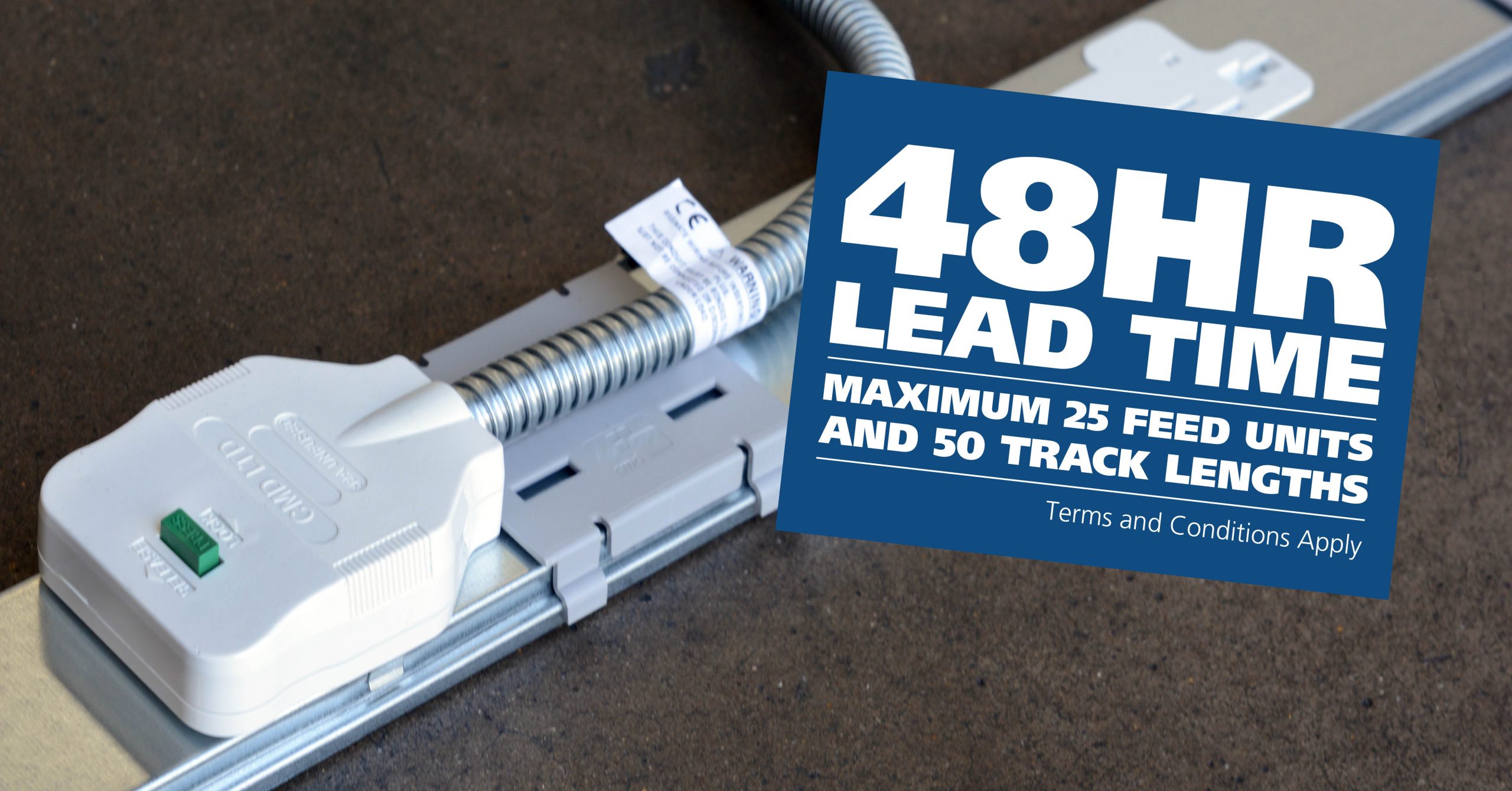
CMD Ltd LAUNCHES 48-HOUR TURNAROUND ON BETATRAK® RAPID ORDERING SERVICE

CMD Ltd, the specialist in power distribution systems, workstation power and monitor arms, has launched a rapid ordering service for its Betatrak® underfloor powertrack distribution systems and accessories, with a commitment to delivering within 48-hours of an approved purchase order*. The service enables customers to order up to 50 lengths of Standard or Clean Earth (C/E) low noise Betatrak, along with up to 25 feed...

Read more
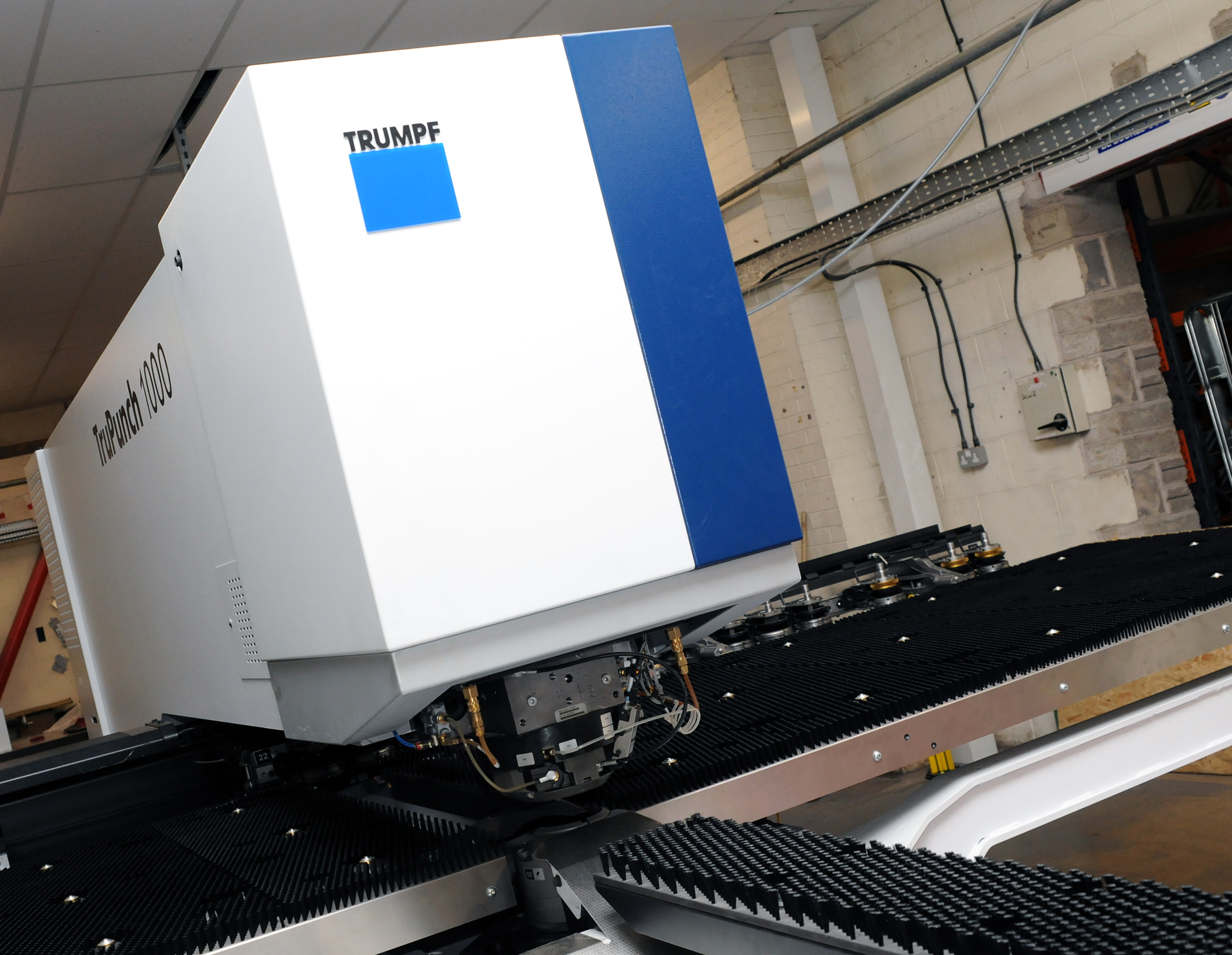
CMD INVESTS £1/4 MILLION IN NEW MACHINE AS PART OF FACTORY UPGRADE

We have invested in a new £1/4m TRUMPF CNC metal punch as part of an asset renewal strategy for our UK manufacturing capability. The new machine will be used in the production of a wide variety of our power distribution systems and workstation power products at our Rotherham factory. Suitable for handling sheet metal between 0.9mm and 3.0mm thick, the new machine will replace one...

Read more
CMD CATALOGUE PROVIDES TECHNICAL POWER DISTRIBUTION GUIDE

CMD Ltd has released a new catalogue, providing an easy to follow technical guide to our power distribution systems and plug and play desk modules. Detailing CMD’s full range of UK-manufactured power distribution systems and plug and play desk modules, the catalogue will be a helpful source of information to M&E engineers and contractors alike to understand how our power distribution systems connect together and...

Read more
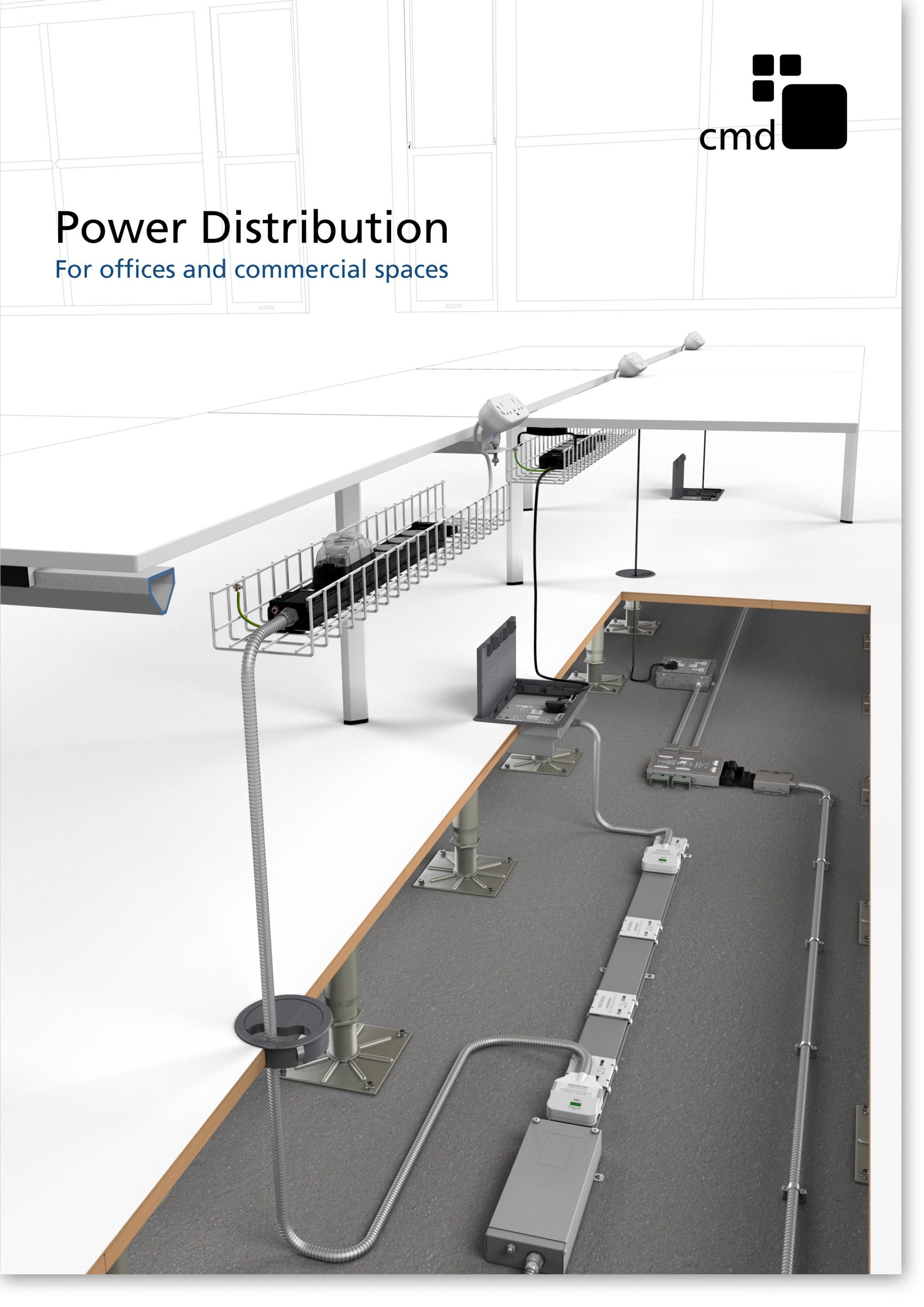
Power Distribution Catalogue
CMD Ltd PLAYS ESSENTIAL ROLE IN ELECTRICAL FIT OUT AT LONDON’S PRESTIGIOUS OFFICE DEVELOPMENT

CMD Ltd, specialist in workplace connectivity and ergonomic solutions, has provided a flexible and high-quality power distribution network for The Ray, a prestigious office development in London’s Farringdon. Well-known for being the former site of The Guardian newspaper, The Ray now stands as an 83,000ft² office development characterised by a modernised warehouse aesthetic, with level two now occupied by a global social media company. The...

Read more

The Ray
CMD plugs in to european opportunity with Schuko Capsule unit launch

CMD Ltd, the specialist in power and connectivity solutions for commercial environments, has launched a Schuko version of its popular fixed format Capsule workstation power module for export to mainland Europe and beyond. A popular on desk power module comprising two sockets and dual USB (type A and C) chargers, CMD’s Capsule unit is already widely specified in the UK as an off-the-shelf workstation power...

Read more
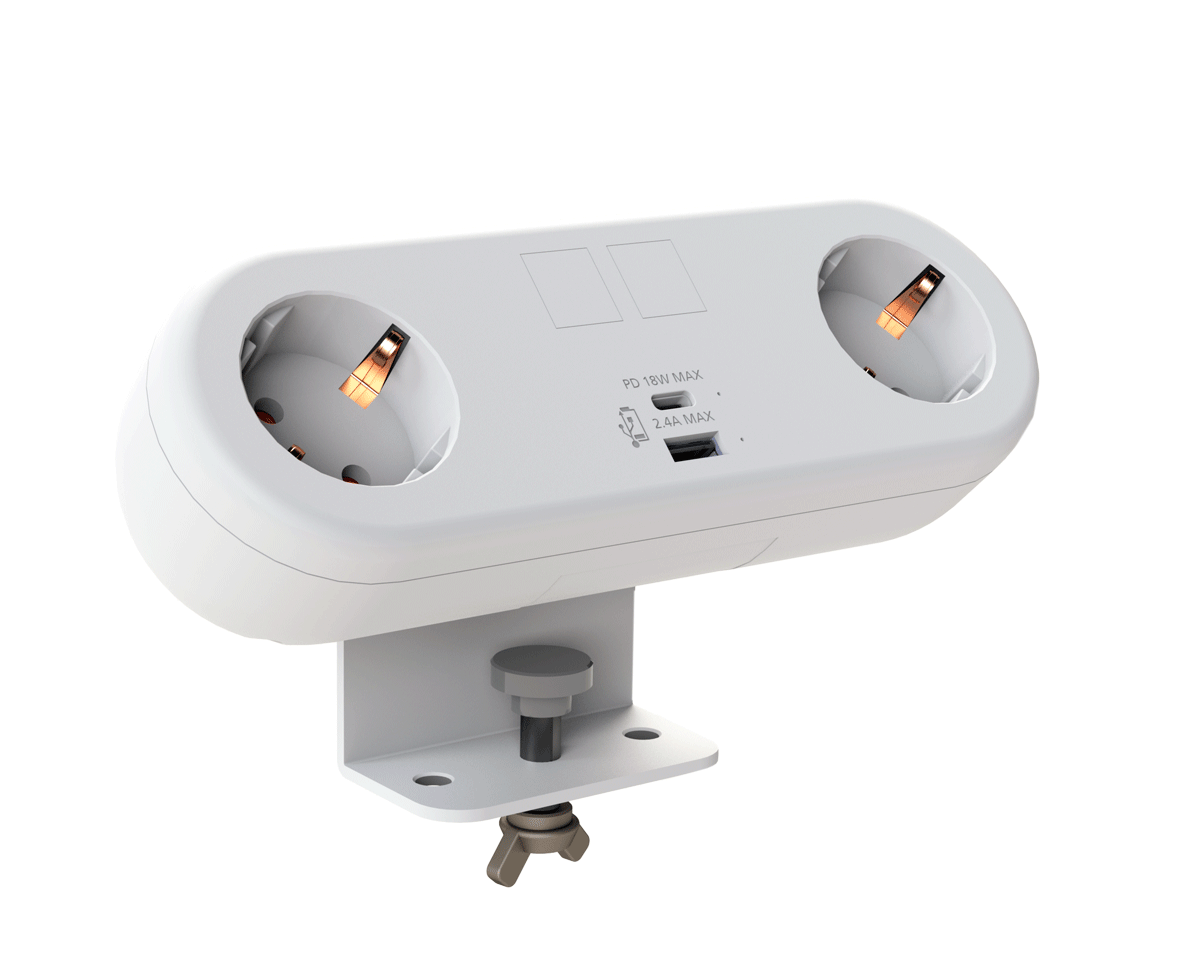
CMD White Schuko Capsule Desk Power Module
CMD LTD EXTENDS MONITOR ARM RANGE WITH THE LAUNCH OF REACH PLUS

CMD Ltd, the specialist in ergonomic and connectivity solutions for commercial interiors, has completed its Reach monitor arm range with the launch of the Reach Plus. Available in single or dual screen options, the Reach Plus has been designed to provide an ideal solution for both single and dual screen workstation configurations, or can be used with next generation of large format curved screens. Suitable...

Read more

CMD Ltd DEMONSTRATES THE ART OF POWER DISTRIBUTION AT THE UNIVERSITY OF WARWICK

CMD Ltd, the specialist in workplace connectivity and ergonomic solutions, has provided Betatrak busbar power distribution and a range of electrical accessories for two major capital investment projects at the University of Warwick. Designed by Fielden Clegg Bradley Studios, the £33 million Faculty of Arts building is a showpiece development comprising four interconnected structures set around a central atrium, which will enable inter-disciplinary collaboration across...

Read more

University of Warwick
CMD BRINGS HARMONY TO COVENTRY UNIVERSITY RESEARCH FACILITIES

CMD Ltd, the specialist in power distribution solutions and workstation power and ergonomics, has provided under desk and on desk power modules for the refurbishment of three Coventry University research buildings. Located on Coventry University Technology Park, a business park designed to encourage collaboration between the university and knowledge-based businesses, the three buildings are being repurposed as office accommodation for university research teams. The refurbishment...

Read more

Coventry University

How to Set Up a High Voltage Output Electric Fence?

Setting up a high voltage output electric fence can seem daunting. However, with the right guidance, it becomes more manageable. Expert John Smith, a well-known figure in fencing technology, emphasizes, "A correctly installed electric fence can protect your property effectively.” His expertise underlines the importance of understanding the components involved.

Choosing the right equipment is crucial. A high voltage output electric fence requires specific wires, insulators, and energizers. Quality materials ensure reliability and effectiveness. For example, using thick gauge wire can enhance durability. Conversely, insufficient attention to detail may lead to frustrating results.

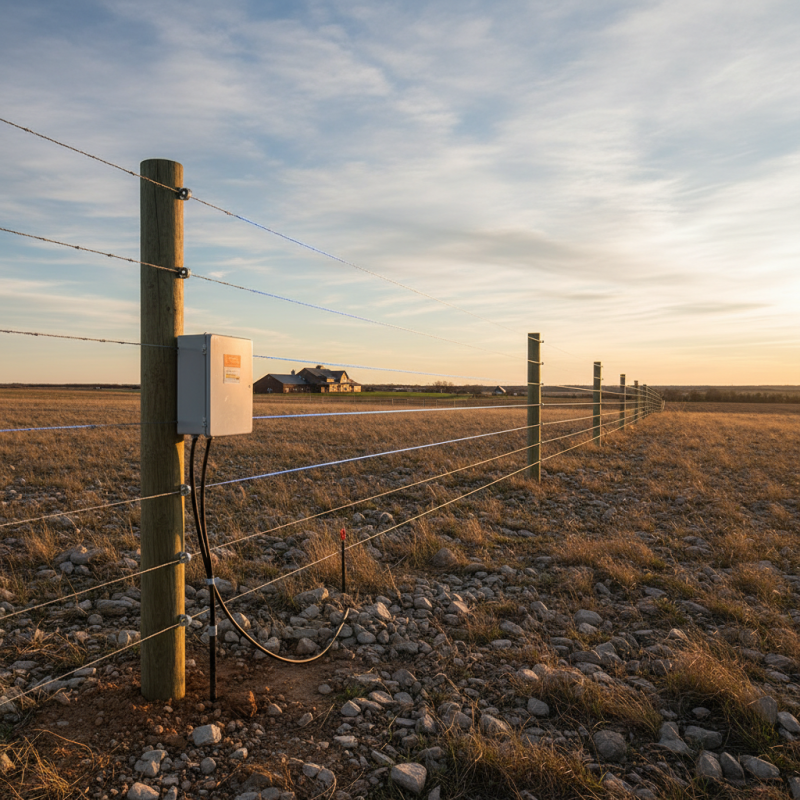
Another aspect to consider is the location. Terrain can influence fence performance. Rocky or uneven ground presents unique challenges. It’s vital to reflect on these factors when planning. Overall, while the process may have its complexities, the benefits of a high voltage output electric fence are undeniable. With careful planning and execution, property protection can be significantly enhanced.

How to Set Up a High Voltage Output Electric Fence?

Understanding High Voltage Electric Fences: Basic Principles

High voltage electric fences are effective deterrents for livestock and property. These systems operate on the principle of delivering a brief yet high-voltage shock. When an animal touches the wire, it completes the circuit. The shock is not lethal but serves as a strong warning, teaching them to avoid the fence.

Understanding the components is essential. The power source creates voltage, while insulated wires transmit it. Regular checks are necessary to ensure functionality. An unintentional grounding or a damaged wire may lead to weak output. Animals can be surprisingly clever at figuring out weak spots. Observing their behavior can provide insights into where improvements are needed.

Maintenance can be cumbersome. Overgrown vegetation may short the fence, and rusted components can reduce effectiveness. Weather conditions can also affect performance. Regular inspections are vital. It's important to remain observant for any signs of wear or environmental impacts. This attention to detail often determines the success of a high voltage electric fence system.

Essential Tools and Materials for Setting Up an Electric Fence

Setting up a high voltage output electric fence requires careful planning and the right supplies. Essential tools include a fence test meter, wire cutters, and pliers. A good quality insulator is crucial for maintaining the electric circuit. You might also need a grounding rod for proper operation.


When selecting materials, use high tensile wire. It's durable and can handle tension effectively. Insulators should be made of weather-resistant plastic to withstand the elements. Don't forget about a good energizer. This will provide the necessary power for your fence.


Tips: Always check the voltage. A simple tester helps ensure everything works. Make sure the fence line is clear of vegetation. Plants can create shorts and reduce efficiency. Reflecting on your setup is important, too. If animals breach the fence, think about what might have gone wrong. Adjust your strategy accordingly.

Step-by-Step Installation Process for High Voltage Electric Fences

Setting up a high voltage output electric fence can seem daunting. However, with a clear step-by-step process, it becomes manageable. Begin by choosing the right location. Ensure there are minimal obstructions and that the area is secure. According to industry reports, a properly installed electric fence can reduce livestock losses by up to 85%.

Next, prepare your materials. You'll need fence posts, wire, insulators, and a high voltage energizer. Pay attention to the gauge of the wire. A thicker wire is often more durable. When installing the posts, make sure they are buried deep enough to withstand pressure. Tips: Use a level to ensure posts are straight. Regularly checking tension can help avoid sagging wire.

Once the structure is in place, install the insulators. They keep the electric wire from touching the posts. Connect the wire to the energizer, making sure all connections are secure. This step is crucial for safety. Implement regular maintenance checks. Untangle any twisted wires and replace damaged components. This will prolong the life of your fence and ensure it remains effective.

Safety Precautions When Working with High Voltage Electric Fences

When working with high voltage electric fences, safety is paramount. According to the International Electrotechnical Commission (IEC), incidents related to electric fence injuries can be severe. A voltage above 1000V can cause serious harm. Ensure that your fence operates within safe limits, typically between 3000V and 7000V for livestock deterrent. This voltage range is effective yet avoids unnecessary risks.

Wear appropriate gear. Insulated gloves are essential. Rubber boots can provide additional protection. Regularly inspect your equipment for wear and tear. Damaged insulators can create dangerous situations. Always isolate the power before starting maintenance work. It’s also vital to educate anyone near the fence about the potential hazards. Clear signage can help prevent accidental contact.

Take note of weather conditions. Wet ground increases the risk of electrical conduction. The National Electrical Code (NEC) advises maintaining a safe distance from power lines. Keep your fence wires at least 10 feet away from overhead lines. A misplaced fence could lead to electricity jumping or arcing. Pay attention to grounding techniques as well. Improper grounding can lead to erratic behavior and unexpected shocks.

How to Set Up a High Voltage Output Electric Fence? - Safety Precautions When Working with High Voltage Electric Fences

Item Description Safety Precaution Recommended Voltage
Electric Fence Charger Device that powers the electric fence Ensure the charger is installed according to manufacturer's instructions 2,000 - 10,000 Volts
Insulators Used to prevent electrical leakage Check for damage regularly -
Fencing Wire Conducts the electrical current along the fence line Use galvanized wire for durability -
Ground Rod Provides grounding for the electric fence system Install in moist soil for better conductivity -
Warning Sign Notifies people of electric fence presence Place signs prominently around the fence -

Maintenance Tips for Long-Lasting Electric Fence Performance

Maintaining a high voltage electric fence is crucial for optimal performance. Begin by regularly checking the entire system. Look for broken insulators or damaged wires. Small issues can escalate quickly if ignored. Ensure the fence line is clear of weeds and shrubs. They can draw power away, compromising its effectiveness.

Every few months, inspect the energizer. Dust and moisture can affect its performance. A clean, dry unit is essential for peak function. Check the battery, too, if applicable. Replacing it at regular intervals can prevent unexpected failures. Also, examine ground rods to ensure they are securely in place. A poor ground can lead to weak shocks.

Weather can be unpredictable. Heavy rains or storms may also cause unforeseen damage. Be prepared to reassess your setup after such events. Consider keeping a maintenance log. This will help track any necessary repairs or performance issues over time. Finding a balanced routine is key. Don’t rush, but prioritize essential checks. Not all problems are obvious at first glance. Regular maintenance can save time and resources in the long run.