
News

Miro: A New Standard in Responsible Innovation

Miro: A New Standard in Responsible Innovation The Miro monitor arm is setting new benchmarks in sustainability. It offers a high-performance solution without compromising on environmental responsibility. Designed with careful material selection, local sourcing, and longevity in mind, Miro’s responsible approach to design and unique manoeuvrability set it apart from the competition. Sustainable Choices Miro is crafted from energy-efficient materials with a lower carbon impact....

Read more
HSE Advisor

Role Purpose Support in the development, implementation and maintenance of the company’s Health, Safety & Environmental policies, processes, operational procedures, and standards.  Ensuring best practice and championing a continually improving HSE culture within the business. Key Responsibilities Liaise with and provide support to all areas of the business to eliminate, mitigate or reduce identified HSE exposures. Partner with the production management team and team leaders,...

Read more
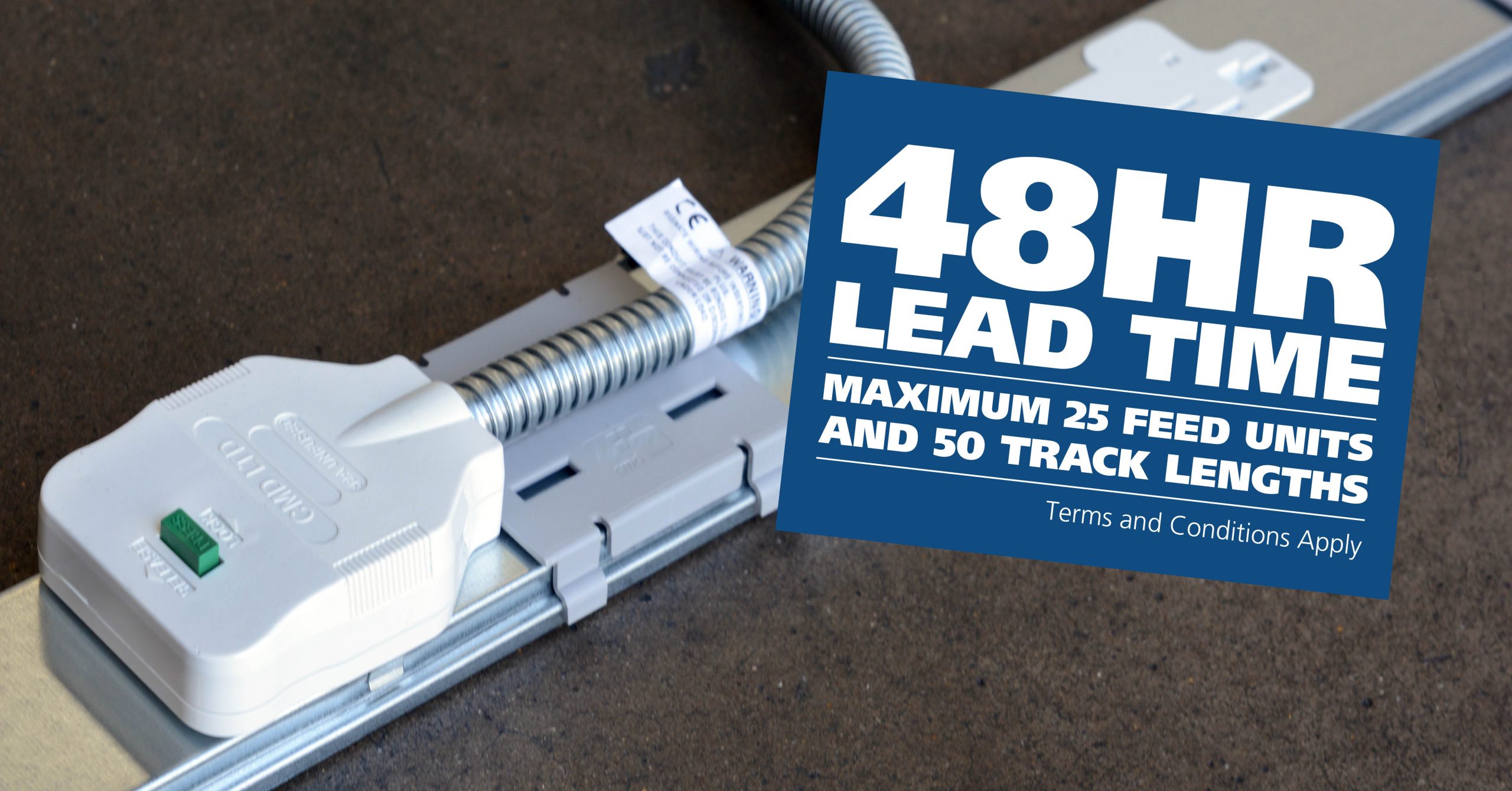
CMD Ltd LAUNCHES 48-HOUR TURNAROUND ON BETATRAK® RAPID ORDERING SERVICE

CMD Ltd, the specialist in power distribution systems, workstation power and monitor arms, has launched a rapid ordering service for its Betatrak® underfloor powertrack distribution systems and accessories, with a commitment to delivering within 48-hours of an approved purchase order*. The service enables customers to order up to 50 lengths of Standard or Clean Earth (C/E) low noise Betatrak, along with up to 25 feed...

Read more
CMD INVESTS £1/4 MILLION IN NEW MACHINE AS PART OF FACTORY UPGRADE

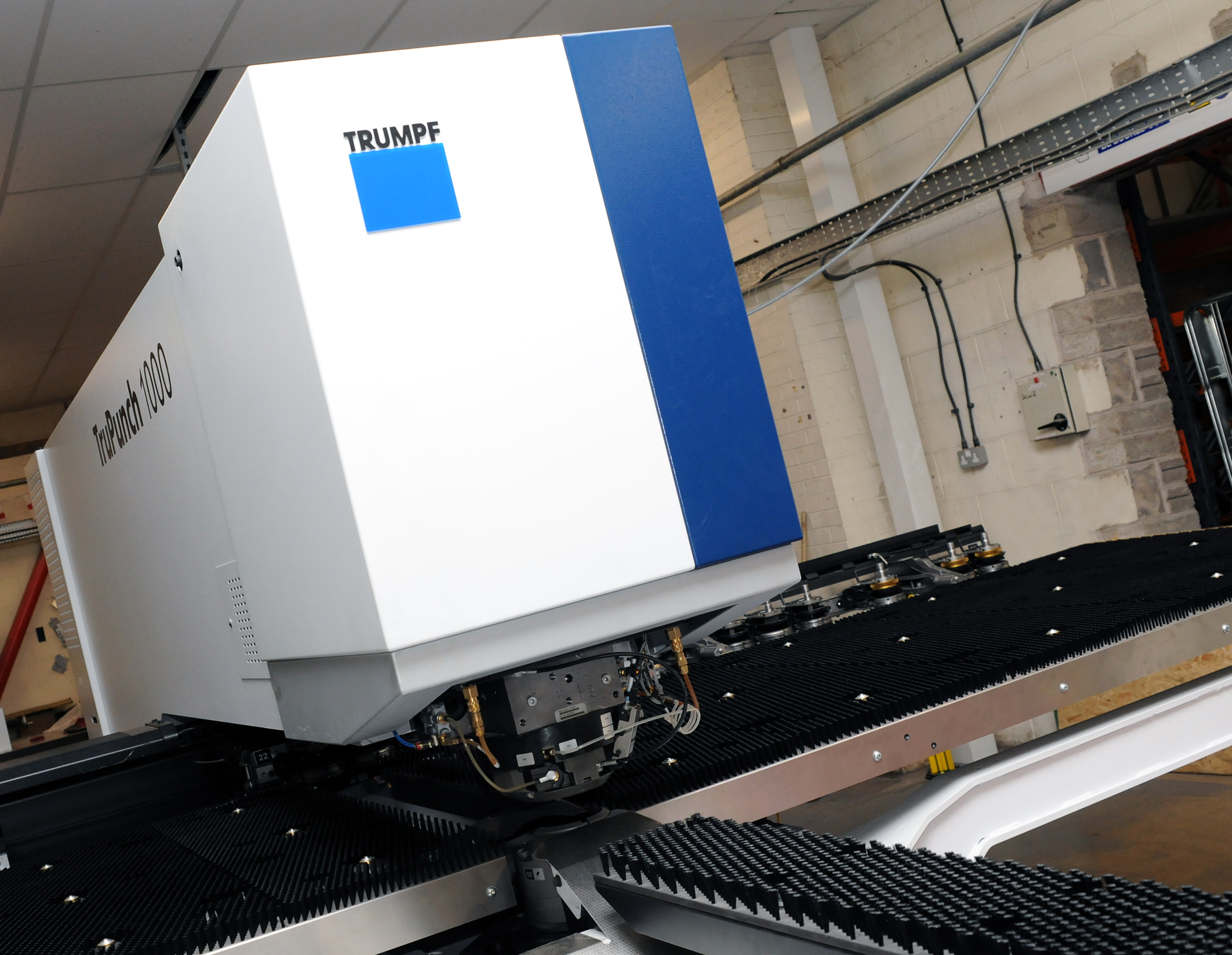
We have invested in a new £1/4m TRUMPF CNC metal punch as part of an asset renewal strategy for our UK manufacturing capability. The new machine will be used in the production of a wide variety of our power distribution systems and workstation power products at our Rotherham factory. Suitable for handling sheet metal between 0.9mm and 3.0mm thick, the new machine will replace one...

Read more
CMD CATALOGUE PROVIDES TECHNICAL POWER DISTRIBUTION GUIDE

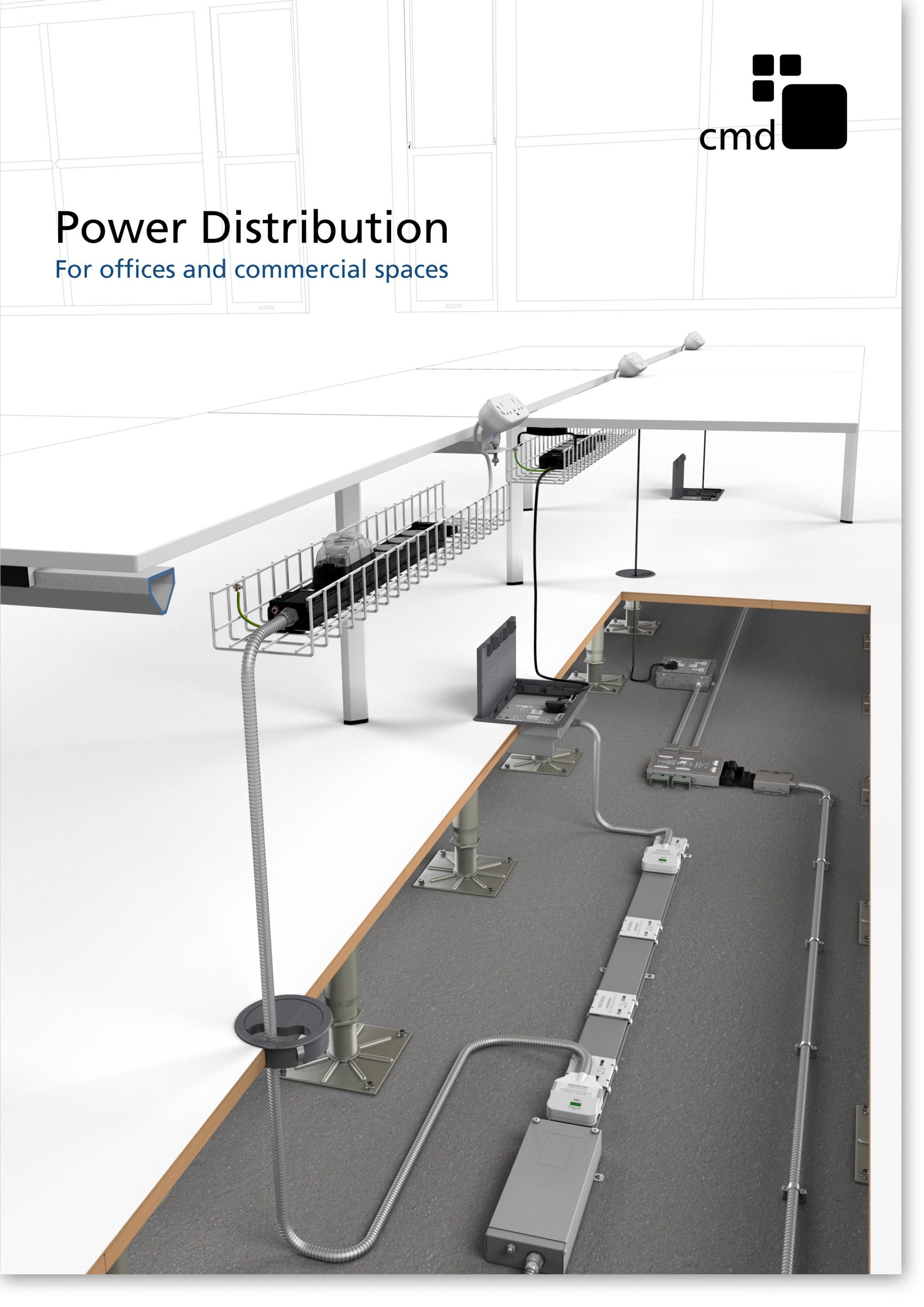
CMD Ltd has released a new catalogue, providing an easy to follow technical guide to our power distribution systems and plug and play desk modules. Detailing CMD’s full range of UK-manufactured power distribution systems and plug and play desk modules, the catalogue will be a helpful source of information to M&E engineers and contractors alike to understand how our power distribution systems connect together and...

Read more
Power Distribution Catalogue
CMD Ltd PLAYS ESSENTIAL ROLE IN ELECTRICAL FIT OUT AT LONDON’S PRESTIGIOUS OFFICE DEVELOPMENT

CMD Ltd, specialist in workplace connectivity and ergonomic solutions, has provided a flexible and high-quality power distribution network for The Ray, a prestigious office development in London’s Farringdon. Well-known for being the former site of The Guardian newspaper, The Ray now stands as an 83,000ft² office development characterised by a modernised warehouse aesthetic, with level two now occupied by a global social media company. The...

Read more

The Ray
CMD plugs in to european opportunity with Schuko Capsule unit launch

CMD Ltd, the specialist in power and connectivity solutions for commercial environments, has launched a Schuko version of its popular fixed format Capsule workstation power module for export to mainland Europe and beyond. A popular on desk power module comprising two sockets and dual USB (type A and C) chargers, CMD’s Capsule unit is already widely specified in the UK as an off-the-shelf workstation power...

Read more
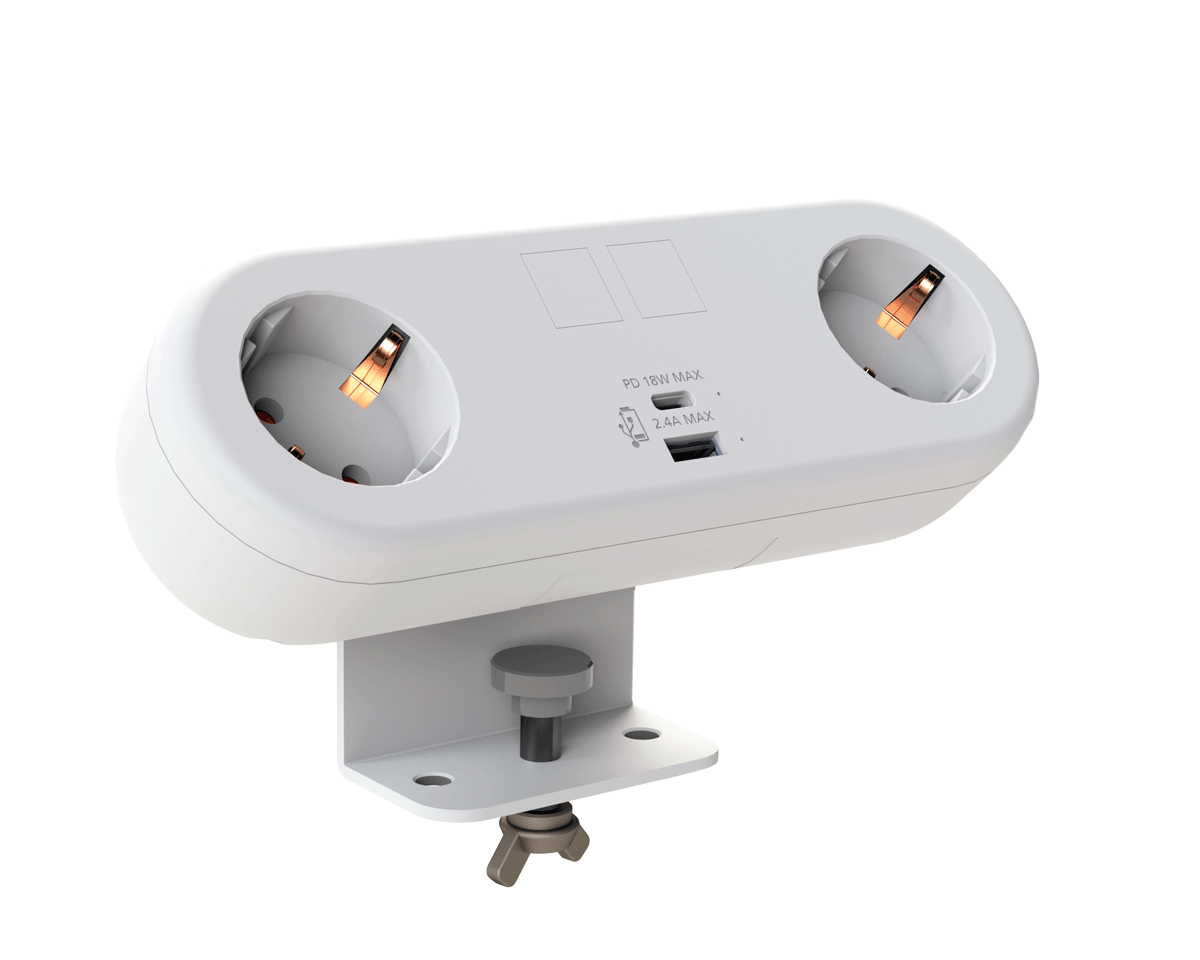
CMD White Schuko Capsule Desk Power Module
CMD LTD EXTENDS MONITOR ARM RANGE WITH THE LAUNCH OF REACH PLUS

CMD Ltd, the specialist in ergonomic and connectivity solutions for commercial interiors, has completed its Reach monitor arm range with the launch of the Reach Plus. Available in single or dual screen options, the Reach Plus has been designed to provide an ideal solution for both single and dual screen workstation configurations, or can be used with next generation of large format curved screens. Suitable...

Read more
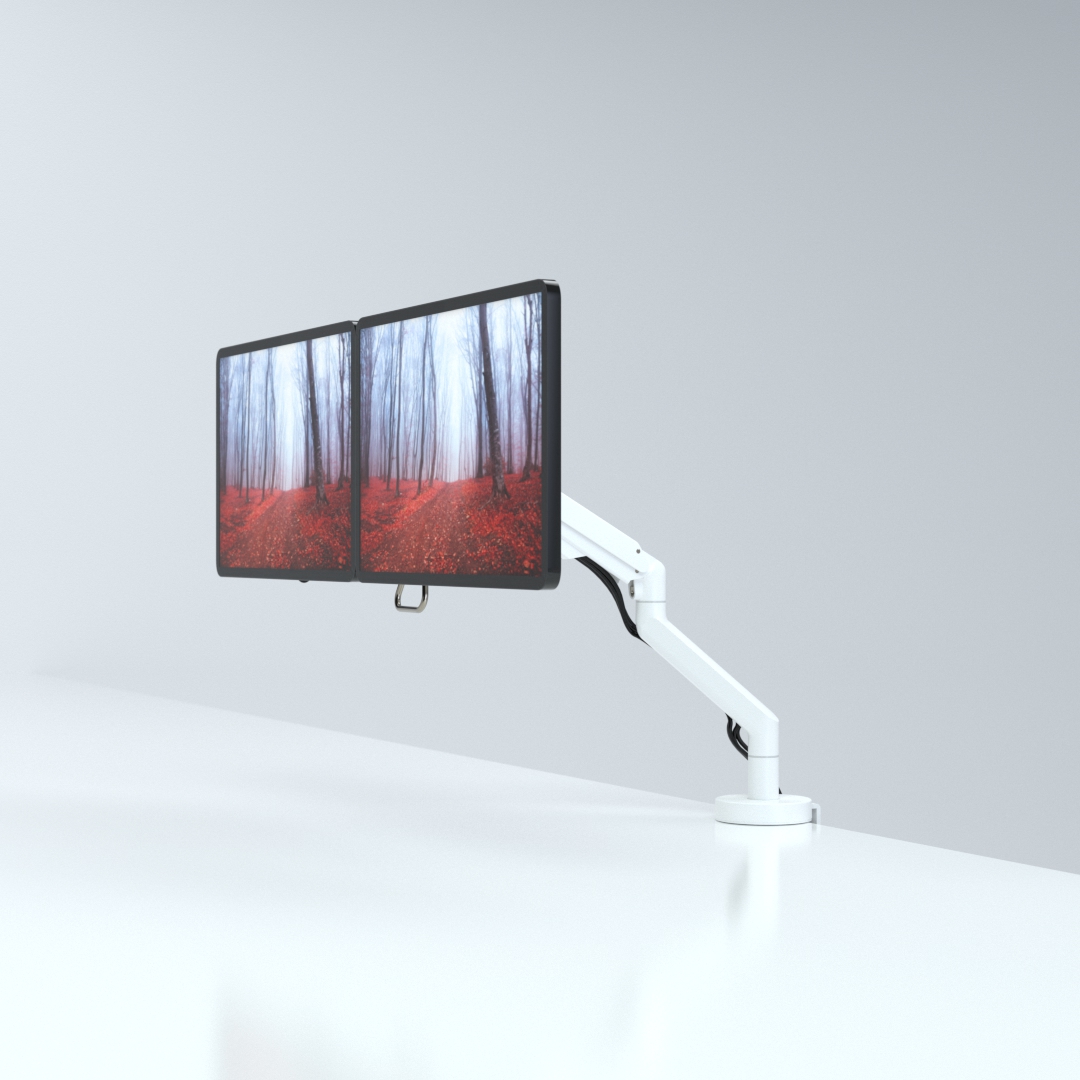
CMD Ltd DEMONSTRATES THE ART OF POWER DISTRIBUTION AT THE UNIVERSITY OF WARWICK

CMD Ltd, the specialist in workplace connectivity and ergonomic solutions, has provided Betatrak busbar power distribution and a range of electrical accessories for two major capital investment projects at the University of Warwick. Designed by Fielden Clegg Bradley Studios, the £33 million Faculty of Arts building is a showpiece development comprising four interconnected structures set around a central atrium, which will enable inter-disciplinary collaboration across...

Read more

University of Warwick
CMD BRINGS HARMONY TO COVENTRY UNIVERSITY RESEARCH FACILITIES

CMD Ltd, the specialist in power distribution solutions and workstation power and ergonomics, has provided under desk and on desk power modules for the refurbishment of three Coventry University research buildings. Located on Coventry University Technology Park, a business park designed to encourage collaboration between the university and knowledge-based businesses, the three buildings are being repurposed as office accommodation for university research teams. The refurbishment...

Read more

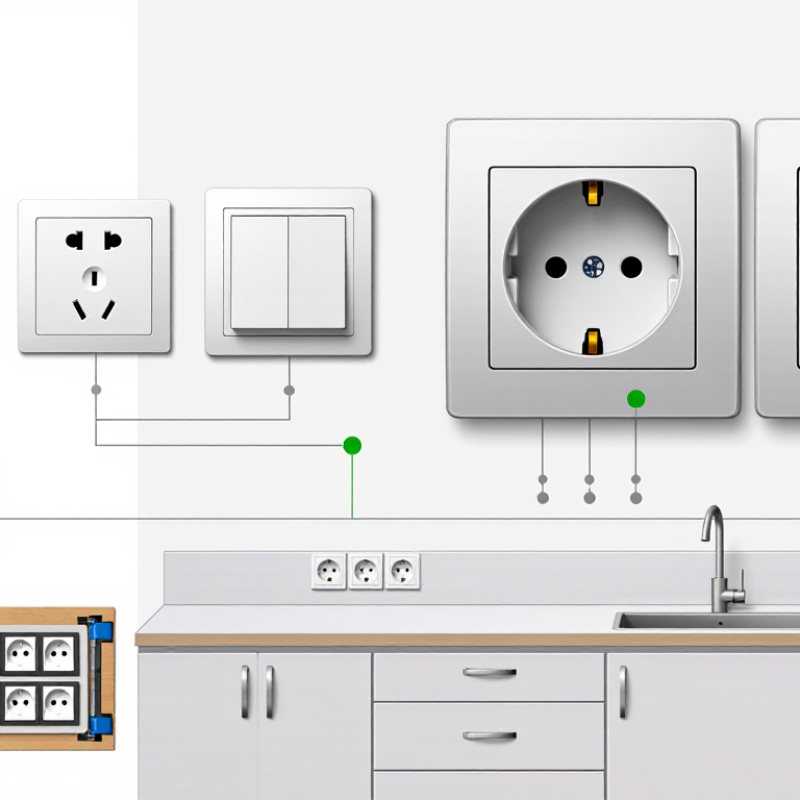
Coventry University

What Is a Plug Socket and What Types Are There?

A plug socket is the fixed connection point that lets an appliance draw power from a building’s electrical system. The familiar wall outlet is only one design. Socket shapes, pin arrangements, voltage ratings, and safety features differ between regions and applications. Some sockets include shutters, grounding contacts, or USB ports; others are built for workshops, kitchens, or outdoor use. Small differences matter: a plug that fits poorly can feel loose, while a damaged faceplate may expose warning signs that deserve attention.

The NFPA report Home Electrical Fires estimates that U.S. fire departments responded to an average of 24,200 home fires involving electrical distribution or lighting equipment each year from 2015 to 2019. Those figures cover more than sockets alone, but they show why sound connections and careful product selection matter. Electrical Safety First technical director Martyn Allen has emphasized the risks posed by unsafe electrical products; the practical takeaway is to check a socket’s condition and suitability, not just whether a plug fits. That is a summary of the safety guidance, not a verbatim quotation.

This guide explains what a plug socket does and how common types differ. It looks at domestic, grounded, switched, USB-equipped, and specialist sockets, along with the details visible on their labels. A tidy plate can still hide a poor fit. Understanding the basics helps readers ask better questions before choosing or using one.

What Is a Plug Socket and What Types Are There?

What a Plug Socket Is

A plug socket is a fixed electrical outlet that accepts the pins of a compatible plug and connects an appliance to a building’s wiring. The socket is usually set into a wall or mounted on its surface, with a faceplate covering the opening. Behind it, metal contacts connect to the electrical circuit. The plug’s pins meet those contacts to carry power to the appliance.

A small distinction. The socket is not the plug. Socket designs differ in shape, pin arrangement, and safety features, so a plug must match the outlet and the local electrical system. Many sockets include an earth connection, which helps reduce the risk of electric shock if a fault occurs. Some also have shutters that help block access to the live contacts. A socket should feel secure and remain cool during ordinary use. If it becomes warm, buzzes, or sits loose in the wall, stop using it and seek help from a qualified electrician. Even familiar outlets can differ internally.

How a Plug Socket Connects an Appliance to Power

A plug socket is the fixed connection point between an appliance and a building’s electrical circuit. When a plug enters the socket, its pins meet internal metal contacts. This creates a path for current to reach the appliance’s wiring and operate its motor, lamp, or heating element. A small meeting point. Yet the connection depends on correctly matched plug and socket designs.

Socket types differ by pin shape, contact layout, and safety features. Many include an earth connection, which provides a protective route for fault current if a live wire touches an appliance’s outer casing. Some designs also use shutters that help prevent accidental contact with internal parts. The socket itself does not regulate every electrical risk, though. A damaged cable, loose fit, or overloaded circuit can still create a hazard.

A secure plug should sit firmly, without wobbling or needing force. If a socket feels hot, sparks repeatedly, or makes a crackling sound, stop using it and ask a qualified electrician to inspect it. I used to think a tight fit was only about convenience; it can also affect contact quality. Still, appearance alone cannot confirm that wiring is safe. Only a proper inspection can do that.

What Is a Plug Socket and What Types Are There? — How a Plug Socket Connects an Appliance to Power

Socket type Common regions Typical plug contacts Typical supply voltage Grounding How it connects an appliance
Type A Common in parts of North America and Japan Two flat parallel pins Usually 100–127 V The basic Type A connection has no grounding pin The pins contact the socket’s live and neutral connections to complete the power circuit.
Type B Common in parts of North America and Japan Two flat parallel pins and one round grounding pin Usually 100–127 V Grounded The two flat pins carry the supply connections; the grounding pin provides a protective path for compatible appliances.
Type C Common in parts of Europe and other regions Two round pins Often 220–240 V The basic Type C plug is ungrounded The two pins connect to the socket’s supply contacts. Compatibility depends on the specific socket design and local rules.
Type E and Type F Common in many European countries Two round pins; grounding is provided by a socket pin, side contacts, or both, depending on the system Often 220–240 V Grounded when used with a compatible plug and socket The round pins carry power, while the grounding arrangement connects protective earth before or alongside the power contacts.
Type G Common in the United Kingdom, Ireland, and several other regions Three rectangular pins arranged in a triangular pattern Usually about 230 V Grounded The live and neutral pins supply the appliance; the longer grounding pin connects to protective earth and can operate socket safety shutters.
Type I Common in Australia, New Zealand, and parts of Asia Two angled flat pins; grounded versions have a third pin Often 220–240 V Available with or without grounding, depending on the plug and socket The angled pins meet the socket’s supply contacts; a compatible third pin provides a protective earth connection.

A plug socket is a fixed electrical outlet. When a compatible plug is inserted, its pins or contacts meet the socket’s internal terminals, connecting the appliance to the electrical supply. Voltage, frequency, socket design, and safety requirements vary by country; check the appliance rating and local standards before use.

Key Parts of a Plug Socket

Key Parts of a Plug Socket

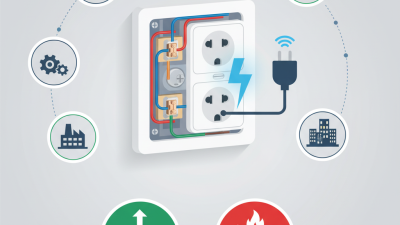
A plug socket’s faceplate covers its internal contacts and helps keep fingers away from live parts. Behind it, the insulated body holds metal terminals for the live and neutral conductors. Many designs also include an earth contact, which provides a path for fault current when compatible equipment is plugged in. The contact springs grip the plug pins; worn or loose springs can cause poor contact and heat. Small parts matter. Some sockets add shutters that block access to the live contacts when no plug is inserted, but features vary by design.

Terminals connect the socket to building wiring, often with screws or clamps. Loose connections can overheat, so installation and inspection require care; never remove a faceplate while the circuit is energized. IEC 60884-1:2022 covers household and similar AC plugs and socket-outlets rated up to 440 volts and 32 amps, with the precise limits depending on the configuration. NFPA’s 2022 report, based on U.S. estimates for 2015–2019, found an annual average of 24,200 home fires involving electrical distribution or lighting equipment. Those figures cover more than sockets alone, but they underline why secure terminals and sound insulation matter. A socket can look intact while a connection behind it has loosened.

Common Plug Socket Types Around the World

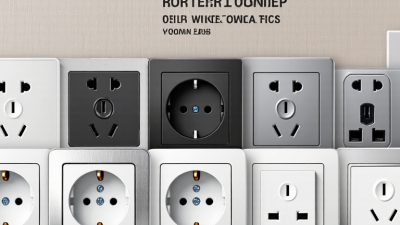
Common plug socket types differ by pin shape, grounding method, and electrical rating. Type A and B sockets are widely used in North America and Japan. Type C appears across many parts of Europe, while Types E and F provide grounding through different designs. Type G is common in the United Kingdom, and Type I is used in Australia and China. The IEC 60083 standard documents national plug and socket systems, showing why one universal shape has not emerged. A familiar-looking socket can still have a different voltage or frequency.

Ratings matter. Many Type F sockets are rated at 16 A and 250 V, but actual installations and appliances may differ. IEC 60884-1 sets general safety requirements for household plugs and socket-outlets; it is not a guarantee that every socket meets those requirements. Small detail, big difference. Travel adapters change plug fit, not voltage. That distinction is easy to overlook.

Tips: Check the appliance label and the destination’s supply voltage before plugging in. For example, a Type A plug will not fit a Type G socket without an adapter. Still, matching the shape is only part of the check—look for grounding and rating details too. Socket charts help, but they can oversimplify regional variation.

How Socket Types Differ in Safety and Compatibility

A plug socket is the fixed outlet that receives a plug and connects an appliance to a building’s electrical supply. Socket types differ in pin shape, spacing, and whether they accept grounded plugs. These details affect compatibility, but appearance alone does not show whether an outlet can safely handle an appliance’s voltage or current. Looks are not enough. Some sockets also include shutters that help prevent objects from reaching live contacts, while others rely on different protective designs.

Tips: Check the appliance’s voltage and current rating against the socket and circuit. A travel adapter may change plug shape, but it does not necessarily convert voltage or provide grounding. Don’t force a plug that feels loose or resists insertion. That matters.

For safer use, match the plug to the socket type and use grounded connections when the appliance requires them. Keep sockets dry, and stop using one that is cracked, warm, or sparking. A socket that accepts a plug is not automatically suitable for every device. It can be easy to miss that distinction, especially when two outlets look nearly identical. If ratings are unclear or the outlet appears damaged, ask a qualified electrician to check it rather than guessing.