

News

Miro: A New Standard in Responsible Innovation

Miro: A New Standard in Responsible Innovation The Miro monitor arm is setting new benchmarks in sustainability. It offers a high-performance solution without compromising on environmental responsibility. Designed with careful material selection, local sourcing, and longevity in mind, Miro’s responsible approach to design and unique manoeuvrability set it apart from the competition. Sustainable Choices Miro is crafted from energy-efficient materials with a lower carbon impact....

Read more
HSE Advisor

Role Purpose Support in the development, implementation and maintenance of the company’s Health, Safety & Environmental policies, processes, operational procedures, and standards.  Ensuring best practice and championing a continually improving HSE culture within the business. Key Responsibilities Liaise with and provide support to all areas of the business to eliminate, mitigate or reduce identified HSE exposures. Partner with the production management team and team leaders,...

Read more
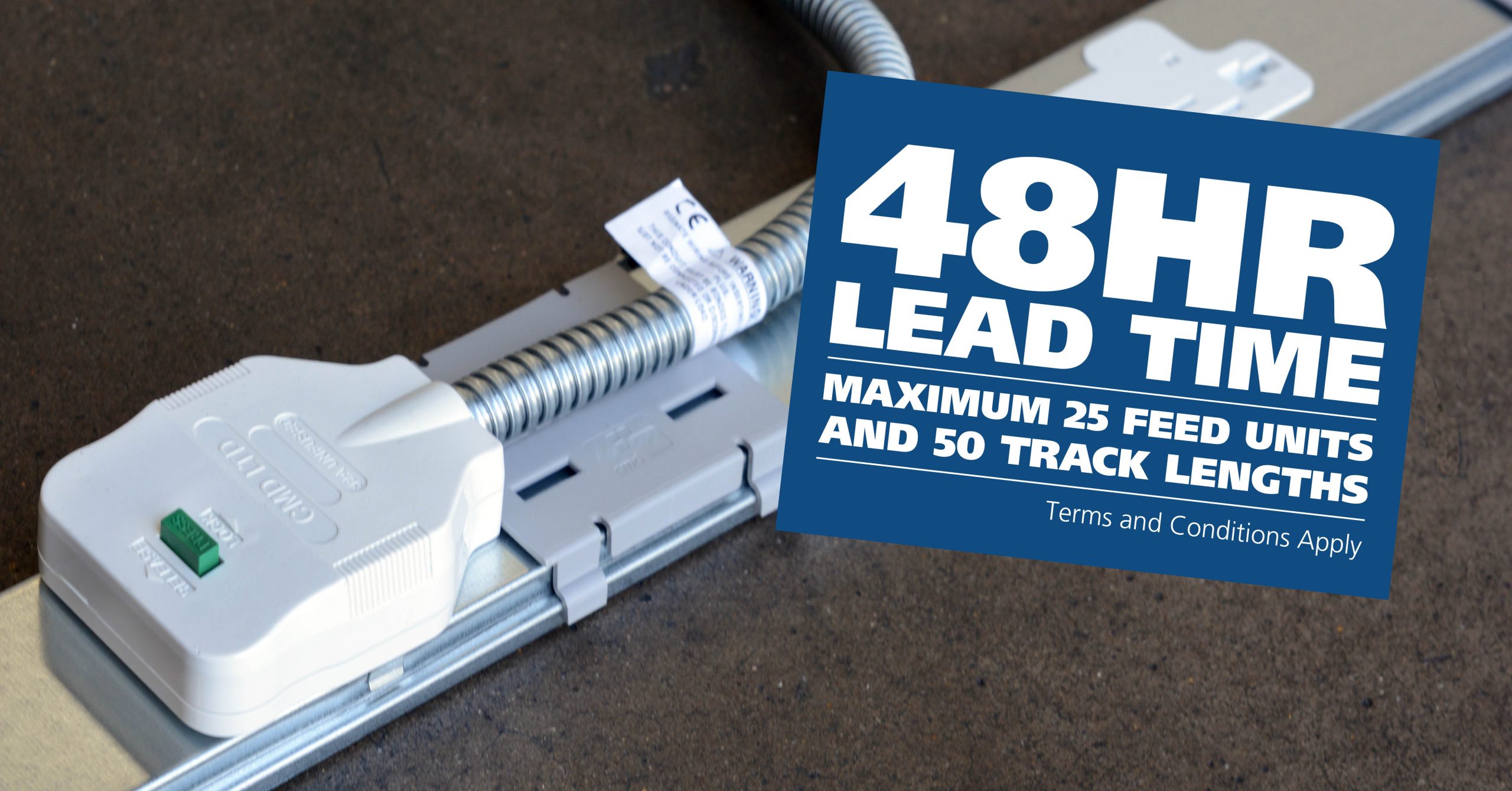
CMD Ltd LAUNCHES 48-HOUR TURNAROUND ON BETATRAK® RAPID ORDERING SERVICE

CMD Ltd, the specialist in power distribution systems, workstation power and monitor arms, has launched a rapid ordering service for its Betatrak® underfloor powertrack distribution systems and accessories, with a commitment to delivering within 48-hours of an approved purchase order*. The service enables customers to order up to 50 lengths of Standard or Clean Earth (C/E) low noise Betatrak, along with up to 25 feed...

Read more
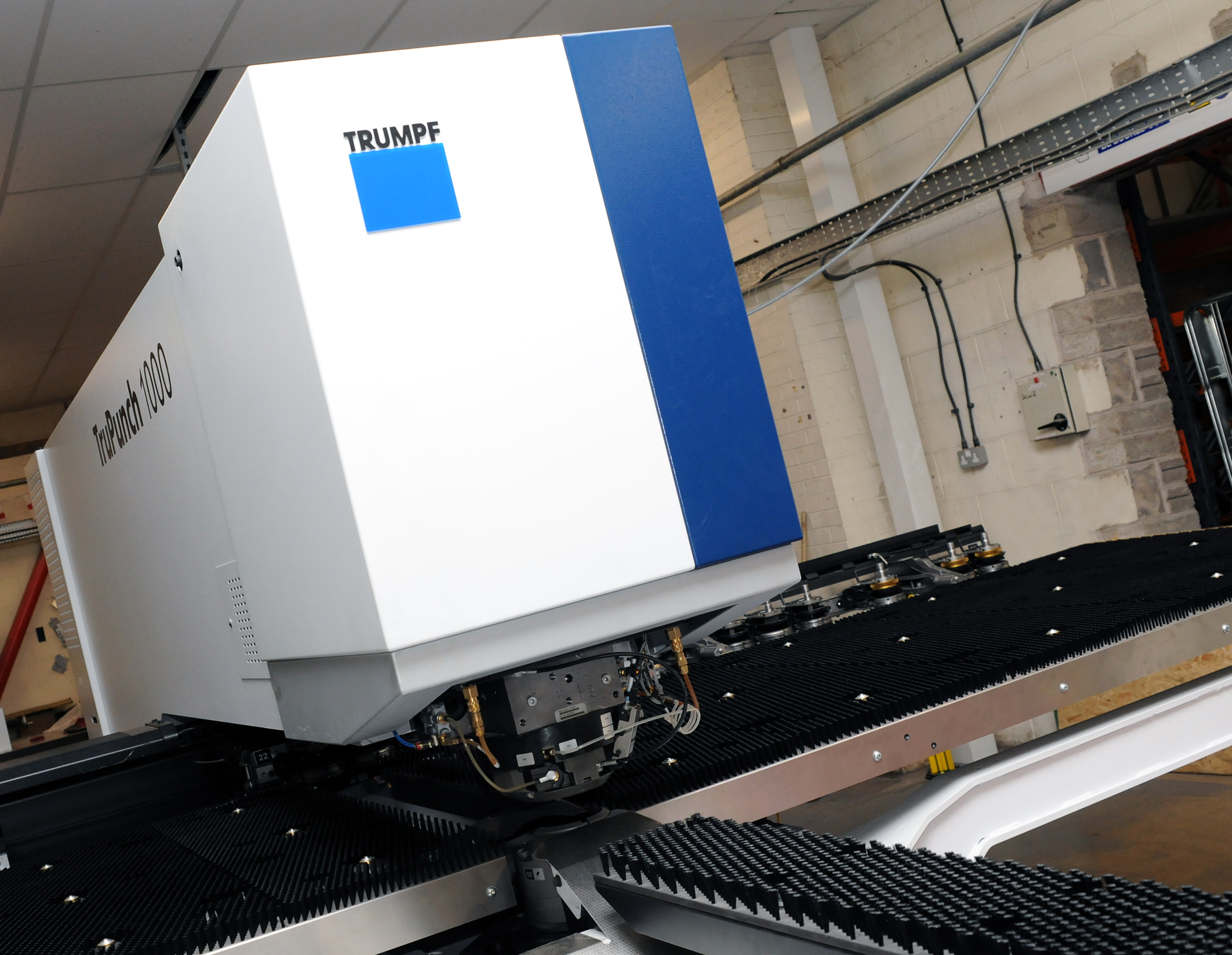
CMD INVESTS £1/4 MILLION IN NEW MACHINE AS PART OF FACTORY UPGRADE

We have invested in a new £1/4m TRUMPF CNC metal punch as part of an asset renewal strategy for our UK manufacturing capability. The new machine will be used in the production of a wide variety of our power distribution systems and workstation power products at our Rotherham factory. Suitable for handling sheet metal between 0.9mm and 3.0mm thick, the new machine will replace one...

Read more
CMD CATALOGUE PROVIDES TECHNICAL POWER DISTRIBUTION GUIDE

CMD Ltd has released a new catalogue, providing an easy to follow technical guide to our power distribution systems and plug and play desk modules. Detailing CMD’s full range of UK-manufactured power distribution systems and plug and play desk modules, the catalogue will be a helpful source of information to M&E engineers and contractors alike to understand how our power distribution systems connect together and...

Read more
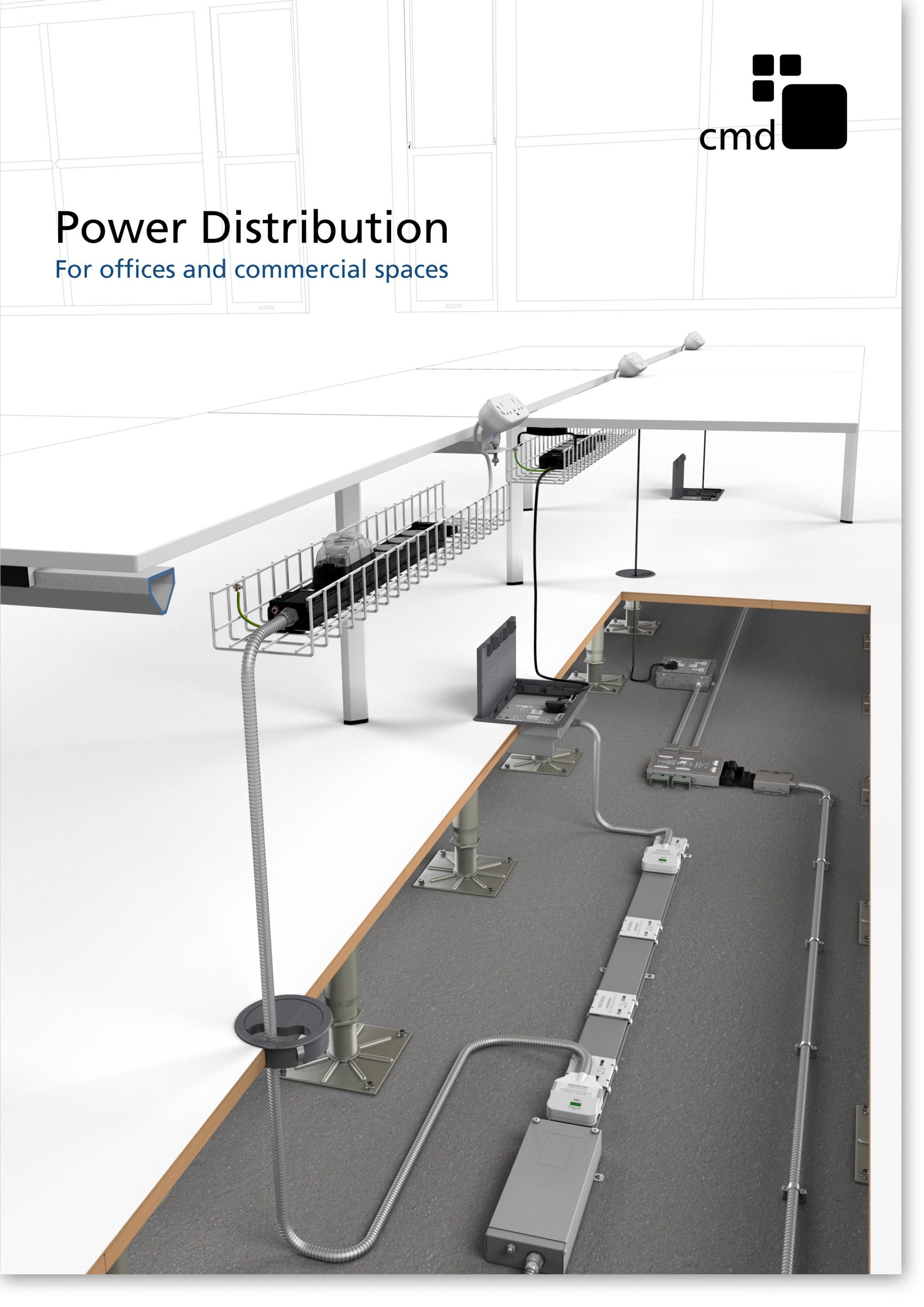
Power Distribution Catalogue
CMD Ltd PLAYS ESSENTIAL ROLE IN ELECTRICAL FIT OUT AT LONDON’S PRESTIGIOUS OFFICE DEVELOPMENT

CMD Ltd, specialist in workplace connectivity and ergonomic solutions, has provided a flexible and high-quality power distribution network for The Ray, a prestigious office development in London’s Farringdon. Well-known for being the former site of The Guardian newspaper, The Ray now stands as an 83,000ft² office development characterised by a modernised warehouse aesthetic, with level two now occupied by a global social media company. The...

Read more

The Ray
CMD plugs in to european opportunity with Schuko Capsule unit launch

CMD Ltd, the specialist in power and connectivity solutions for commercial environments, has launched a Schuko version of its popular fixed format Capsule workstation power module for export to mainland Europe and beyond. A popular on desk power module comprising two sockets and dual USB (type A and C) chargers, CMD’s Capsule unit is already widely specified in the UK as an off-the-shelf workstation power...

Read more
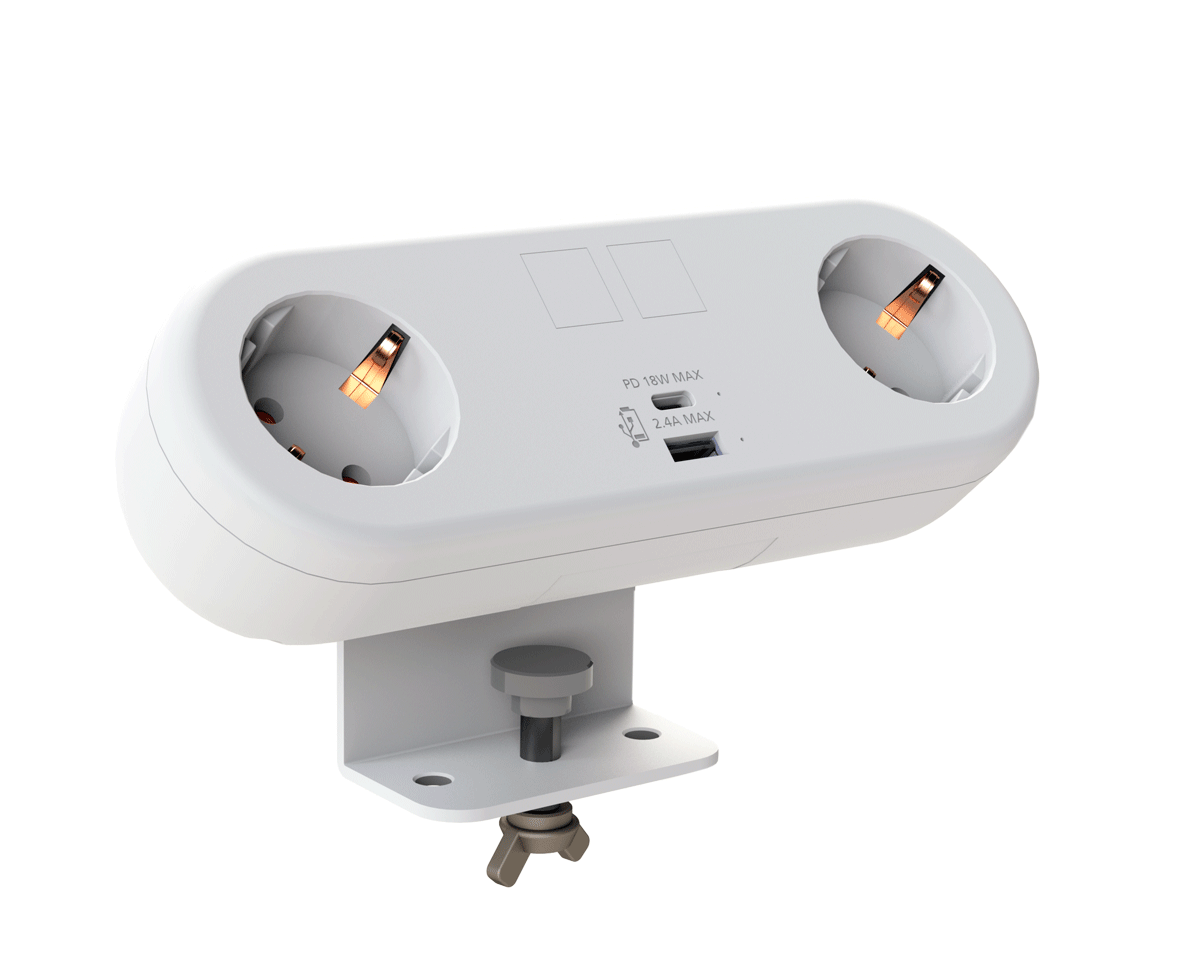
CMD White Schuko Capsule Desk Power Module
CMD LTD EXTENDS MONITOR ARM RANGE WITH THE LAUNCH OF REACH PLUS

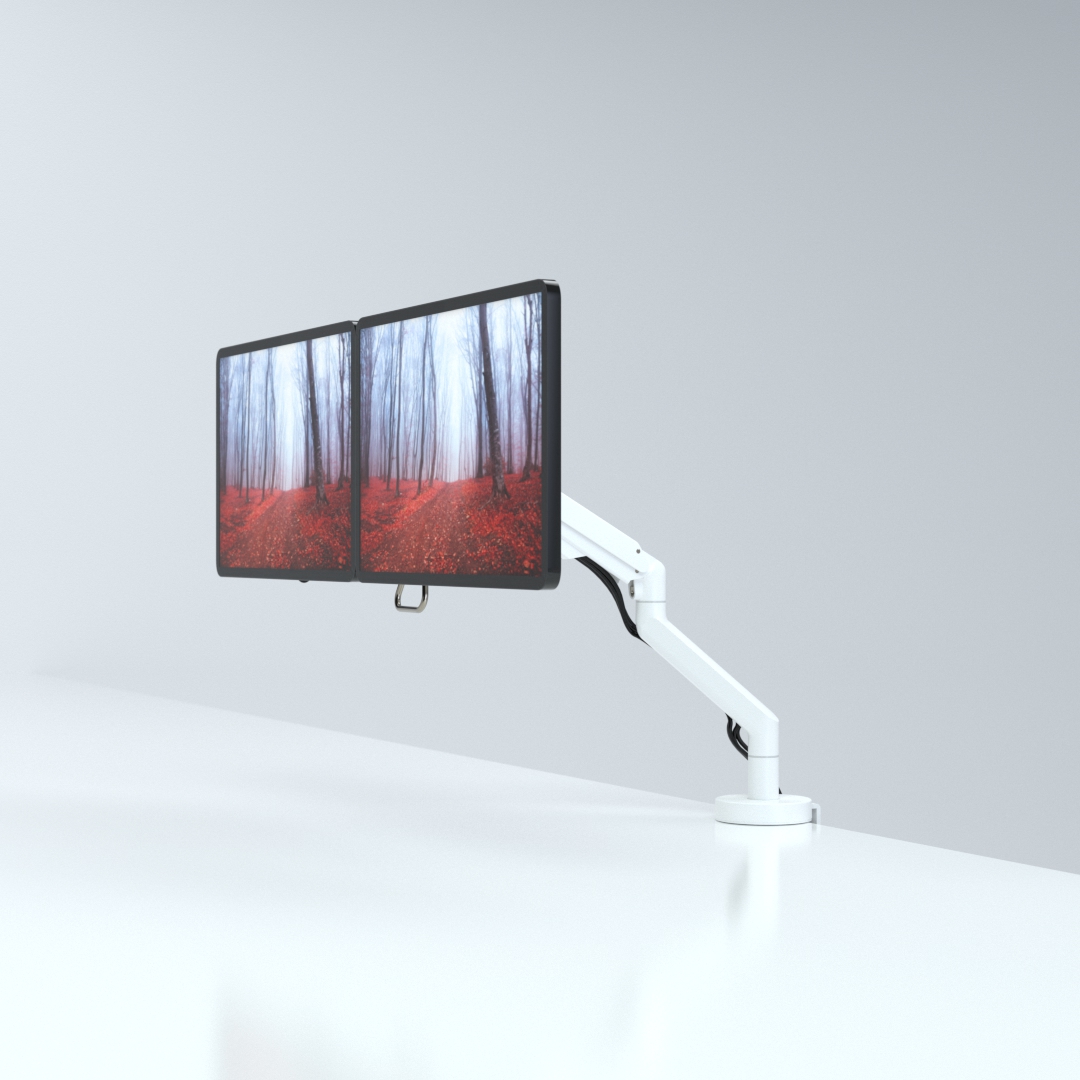
CMD Ltd, the specialist in ergonomic and connectivity solutions for commercial interiors, has completed its Reach monitor arm range with the launch of the Reach Plus. Available in single or dual screen options, the Reach Plus has been designed to provide an ideal solution for both single and dual screen workstation configurations, or can be used with next generation of large format curved screens. Suitable...

Read more
CMD Ltd DEMONSTRATES THE ART OF POWER DISTRIBUTION AT THE UNIVERSITY OF WARWICK

CMD Ltd, the specialist in workplace connectivity and ergonomic solutions, has provided Betatrak busbar power distribution and a range of electrical accessories for two major capital investment projects at the University of Warwick. Designed by Fielden Clegg Bradley Studios, the £33 million Faculty of Arts building is a showpiece development comprising four interconnected structures set around a central atrium, which will enable inter-disciplinary collaboration across...

Read more

University of Warwick
CMD BRINGS HARMONY TO COVENTRY UNIVERSITY RESEARCH FACILITIES

CMD Ltd, the specialist in power distribution solutions and workstation power and ergonomics, has provided under desk and on desk power modules for the refurbishment of three Coventry University research buildings. Located on Coventry University Technology Park, a business park designed to encourage collaboration between the university and knowledge-based businesses, the three buildings are being repurposed as office accommodation for university research teams. The refurbishment...

Read more

Coventry University

What is a Patient Monitor and How Does it Work?

In modern healthcare, a Patient Monitor serves as a vital tool in ensuring patient safety and well-being. These devices continuously track essential health parameters. According to a recent report by Market Research Future, the global patient monitoring market is projected to reach $36 billion by 2025. This growth underscores the increasing reliance on technology in clinical settings.

Patient Monitors provide real-time data on heart rate, blood pressure, and oxygen saturation. They are essential in intensive care units and emergency departments. However, despite their benefits, challenges remain. The effectiveness of Patient Monitors can be hindered by technical malfunctions, user errors, or inadequate training.

The integration of advanced features, like wireless connectivity, is transforming Patient Monitors. This innovation allows healthcare providers to make quicker decisions. Yet, healthcare professionals must remain vigilant. Over-reliance on technology may lead to missed assessments and human errors. Thus, while Patient Monitors enhance care efficiency, critical thinking remains essential in patient management.

What is a Patient Monitor and How Does it Work?

What is a Patient Monitor? An Overview of Its Purpose and Functionality

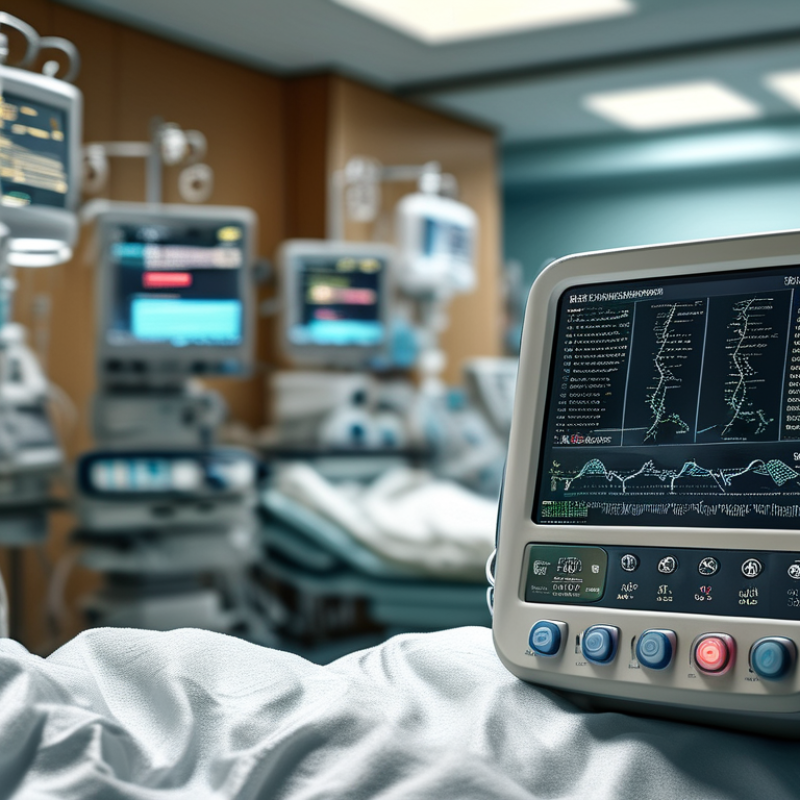
A patient monitor is an essential medical device that continuously tracks a patient's vital signs. This equipment measures parameters like heart rate, blood pressure, oxygen saturation, and respiratory rate. It provides real-time data to healthcare professionals, ensuring immediate response in critical situations. By displaying these metrics on a screen, healthcare teams can make informed decisions faster.

Tips: Ensure that the monitor is calibrated correctly for accurate readings. Regular maintenance checks can prevent malfunctions.

While patient monitors offer impressive capabilities, they are not infallible. False alarms can occur, leading to unnecessary stress for patients and staff. Understanding the limitations of the equipment is crucial. Medical staff should be trained to interpret the data accurately.

Tips: Stay updated on monitoring technologies and protocols. Continuous education can enhance the effectiveness of monitoring systems.

Types of Patient Monitors: Variations and Their Specific Uses in Healthcare

Patient monitors play a crucial role in healthcare, equipped to track vital signs and other parameters. There are various types of monitors, each designed for specific clinical needs. For instance, vital sign monitors are commonly used in hospitals to measure heart rate, blood pressure, and oxygen saturation. According to a recent report by Grand View Research, the global patient monitoring market is expected to reach approximately USD 56 billion by 2025, reflecting the rising demand for precise monitoring technologies.

Another significant category is telemetry monitors. These devices enable continuous monitoring of patients' heart rhythms, especially in critical care settings. They transmit data wirelessly, allowing healthcare providers to respond swiftly in emergencies. A study published in the Journal of Clinical Monitoring and Computing highlighted that telemetry systems reduce response times by an average of 30%, enhancing overall patient safety.

Moreover, specialized monitors for neurological assessment are gaining traction. These devices can track brain activity and detect seizures in real time. Yet, even with advancements, challenges remain. A review in the Journal of Medical Systems noted that some monitors still lack interoperability, leading to fragmented data management in electronic health records. This reflects the need for ongoing improvement in technology integration within the healthcare landscape.

Key Parameters Monitored: Vital Signs and Their Clinical Importance

Patient monitors play a crucial role in healthcare settings by tracking vital signs. These parameters include heart rate, blood pressure, respiratory rate, and oxygen saturation. Each of these signs provides essential information about a patient’s health status. For instance, a sudden drop in heart rate can indicate distress, while elevated blood pressure may signal an impending health crisis.

Understanding the clinical importance of these monitored parameters is vital. Heart rate reflects the heart's efficiency and can indicate various conditions such as arrhythmias or shock. Blood pressure readings provide insights into circulatory health. A consistently high or low reading can demand immediate medical intervention. Meanwhile, respiratory rate informs about lung function and can detect potential respiratory failures.

Monitoring oxygen saturation is critical, especially for patients with respiratory issues. Low levels can quickly lead to serious complications. However, relying solely on these numbers can be misleading. Equipment errors or patient movement can affect readings. Continuous training and experience are necessary for healthcare professionals to interpret these results accurately. Staying vigilant about potential inaccuracies is as important as understanding the measurements themselves.

How Patient Monitors Work: The Technology Behind Continuous Monitoring

Patient monitors are crucial in healthcare. They provide real-time data about a patient's vital signs. This technology allows for continuous monitoring and quick responses to changes in health status. Sensors placed on the patient's body collect data like heart rate, blood pressure, and oxygen levels. These monitors transmit the information to a display unit, often located near the patient or in a central monitoring station.


The underlying technology involves sensors, software, and display systems. Sensors can utilize various methods, such as electrical signals or light waves, to gather data. The software processes this data and analyzes it for patterns. This analysis helps in alerting medical personnel to any alarming changes. While patient monitors excel at keeping track of vital signs, they sometimes produce false readings. Misinterpretation of data can lead to unnecessary panic or, worse, a lack of response.


Tips: Regular calibrations can enhance monitor accuracy. Always verify critical readings with manual assessments. Training on equipment usage can prevent errors in emergencies. Reliable data paired with skilled interpretation leads to better patient outcomes.

Future Trends in Patient Monitoring: Innovations Shaping Patient Care

The landscape of patient monitoring is rapidly evolving. Innovations such as wearable technology are reshaping how healthcare providers track patient conditions. These devices can provide real-time data on vital signs, enabling faster medical responses. The integration of artificial intelligence enhances predictive capabilities, allowing for more proactive patient care.

Telemedicine is another significant trend in patient monitoring. Patients can now receive care remotely, making healthcare more accessible. This shift is especially beneficial for those in rural areas or with mobility issues. However, there are challenges, such as the need for reliable internet access and technology literacy among patients.

Despite these advancements, patient monitoring still has its flaws. Data security remains a concern, as sensitive information is often transmitted online. Moreover, the reliance on technology raises questions about accuracy. False readings can lead to misdiagnoses or unnecessary stress for patients. Continued reflection on these issues is vital to fully harness the benefits of innovation in patient care.