

News

Miro: A New Standard in Responsible Innovation

Miro: A New Standard in Responsible Innovation The Miro monitor arm is setting new benchmarks in sustainability. It offers a high-performance solution without compromising on environmental responsibility. Designed with careful material selection, local sourcing, and longevity in mind, Miro’s responsible approach to design and unique manoeuvrability set it apart from the competition. Sustainable Choices Miro is crafted from energy-efficient materials with a lower carbon impact....

Read more
HSE Advisor

Role Purpose Support in the development, implementation and maintenance of the company’s Health, Safety & Environmental policies, processes, operational procedures, and standards.  Ensuring best practice and championing a continually improving HSE culture within the business. Key Responsibilities Liaise with and provide support to all areas of the business to eliminate, mitigate or reduce identified HSE exposures. Partner with the production management team and team leaders,...

Read more
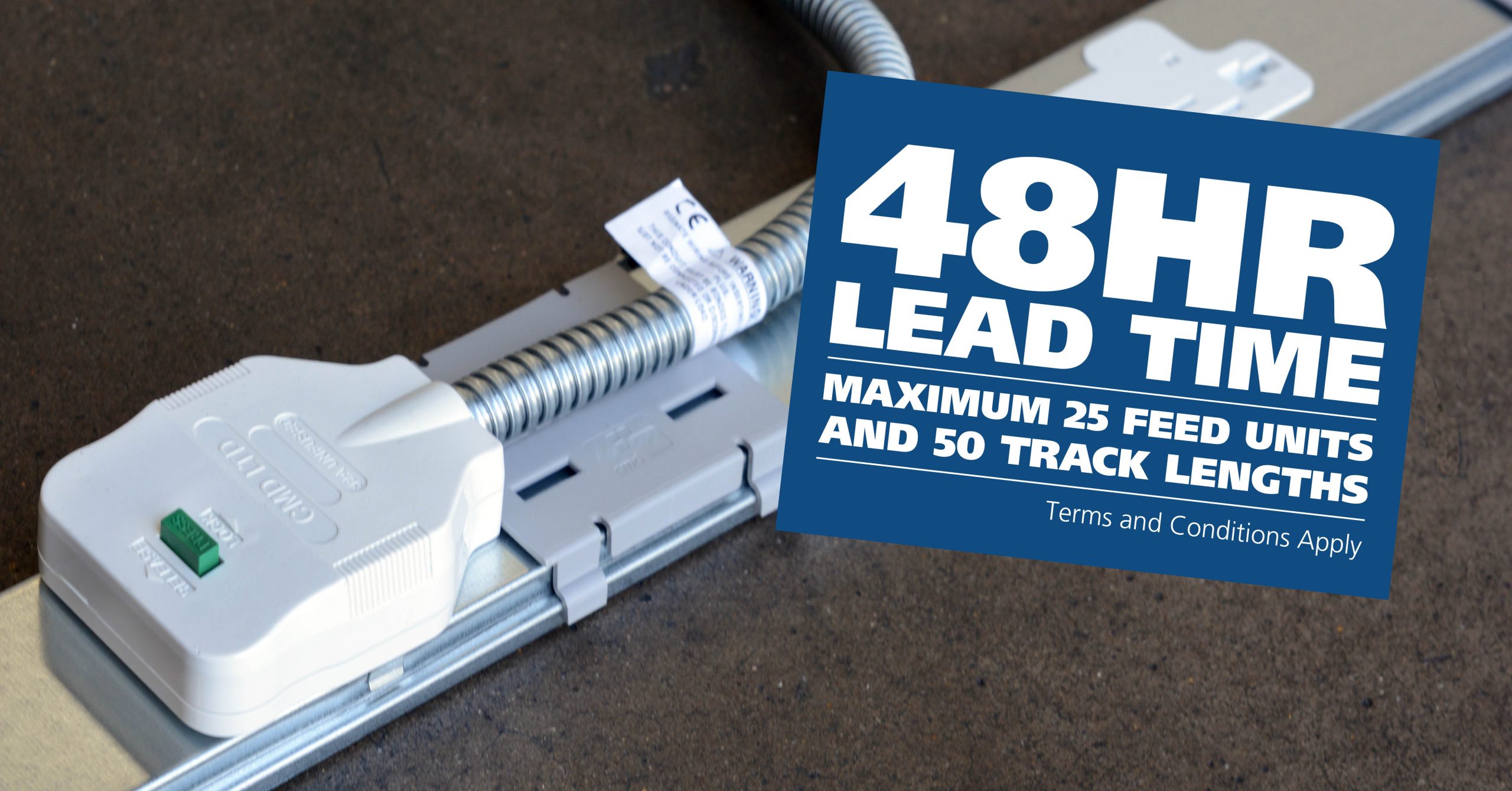
CMD Ltd LAUNCHES 48-HOUR TURNAROUND ON BETATRAK® RAPID ORDERING SERVICE

CMD Ltd, the specialist in power distribution systems, workstation power and monitor arms, has launched a rapid ordering service for its Betatrak® underfloor powertrack distribution systems and accessories, with a commitment to delivering within 48-hours of an approved purchase order*. The service enables customers to order up to 50 lengths of Standard or Clean Earth (C/E) low noise Betatrak, along with up to 25 feed...

Read more
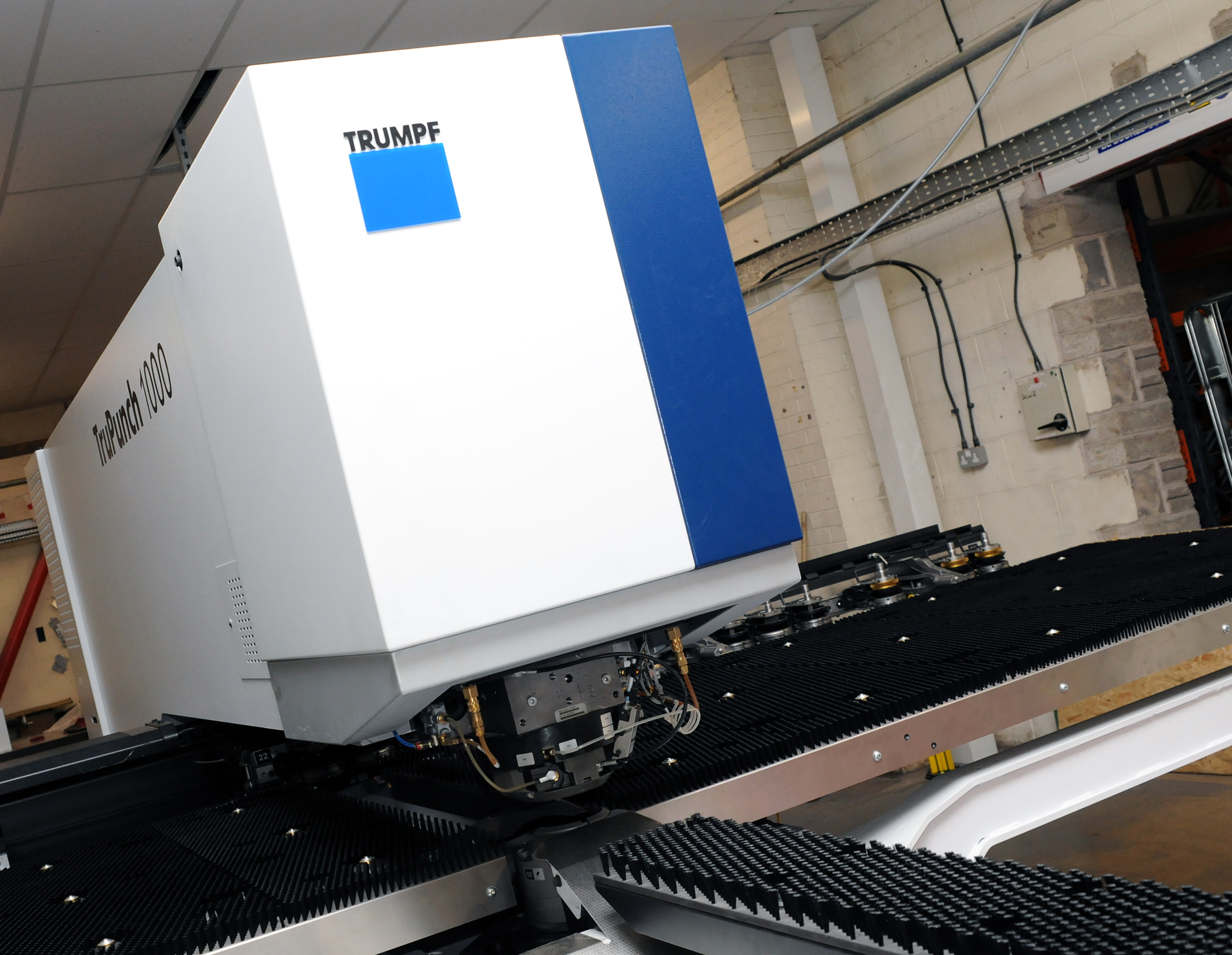
CMD INVESTS £1/4 MILLION IN NEW MACHINE AS PART OF FACTORY UPGRADE

We have invested in a new £1/4m TRUMPF CNC metal punch as part of an asset renewal strategy for our UK manufacturing capability. The new machine will be used in the production of a wide variety of our power distribution systems and workstation power products at our Rotherham factory. Suitable for handling sheet metal between 0.9mm and 3.0mm thick, the new machine will replace one...

Read more
CMD CATALOGUE PROVIDES TECHNICAL POWER DISTRIBUTION GUIDE

CMD Ltd has released a new catalogue, providing an easy to follow technical guide to our power distribution systems and plug and play desk modules. Detailing CMD’s full range of UK-manufactured power distribution systems and plug and play desk modules, the catalogue will be a helpful source of information to M&E engineers and contractors alike to understand how our power distribution systems connect together and...

Read more
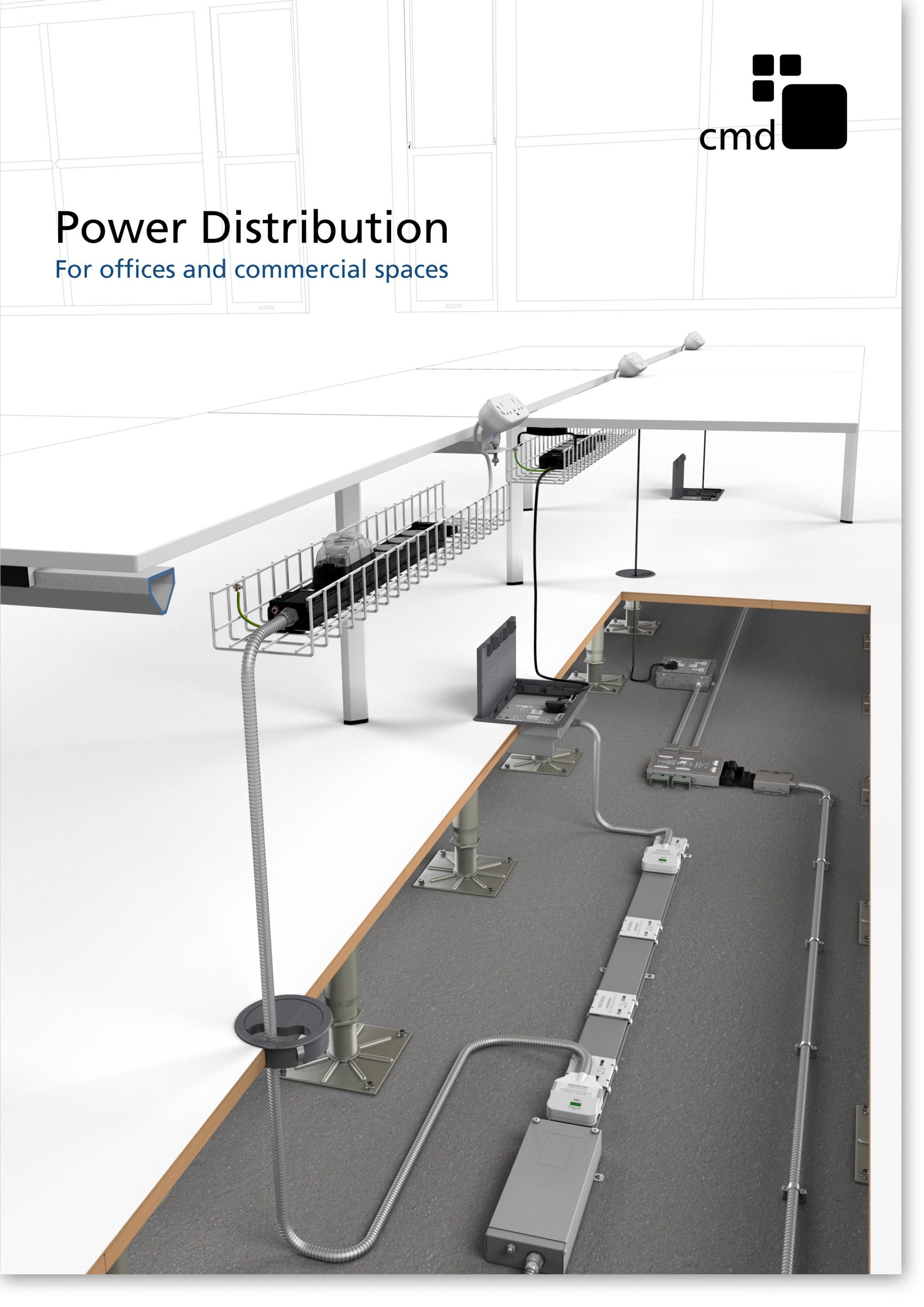
Power Distribution Catalogue
CMD Ltd PLAYS ESSENTIAL ROLE IN ELECTRICAL FIT OUT AT LONDON’S PRESTIGIOUS OFFICE DEVELOPMENT

CMD Ltd, specialist in workplace connectivity and ergonomic solutions, has provided a flexible and high-quality power distribution network for The Ray, a prestigious office development in London’s Farringdon. Well-known for being the former site of The Guardian newspaper, The Ray now stands as an 83,000ft² office development characterised by a modernised warehouse aesthetic, with level two now occupied by a global social media company. The...

Read more

The Ray
CMD plugs in to european opportunity with Schuko Capsule unit launch

CMD Ltd, the specialist in power and connectivity solutions for commercial environments, has launched a Schuko version of its popular fixed format Capsule workstation power module for export to mainland Europe and beyond. A popular on desk power module comprising two sockets and dual USB (type A and C) chargers, CMD’s Capsule unit is already widely specified in the UK as an off-the-shelf workstation power...

Read more
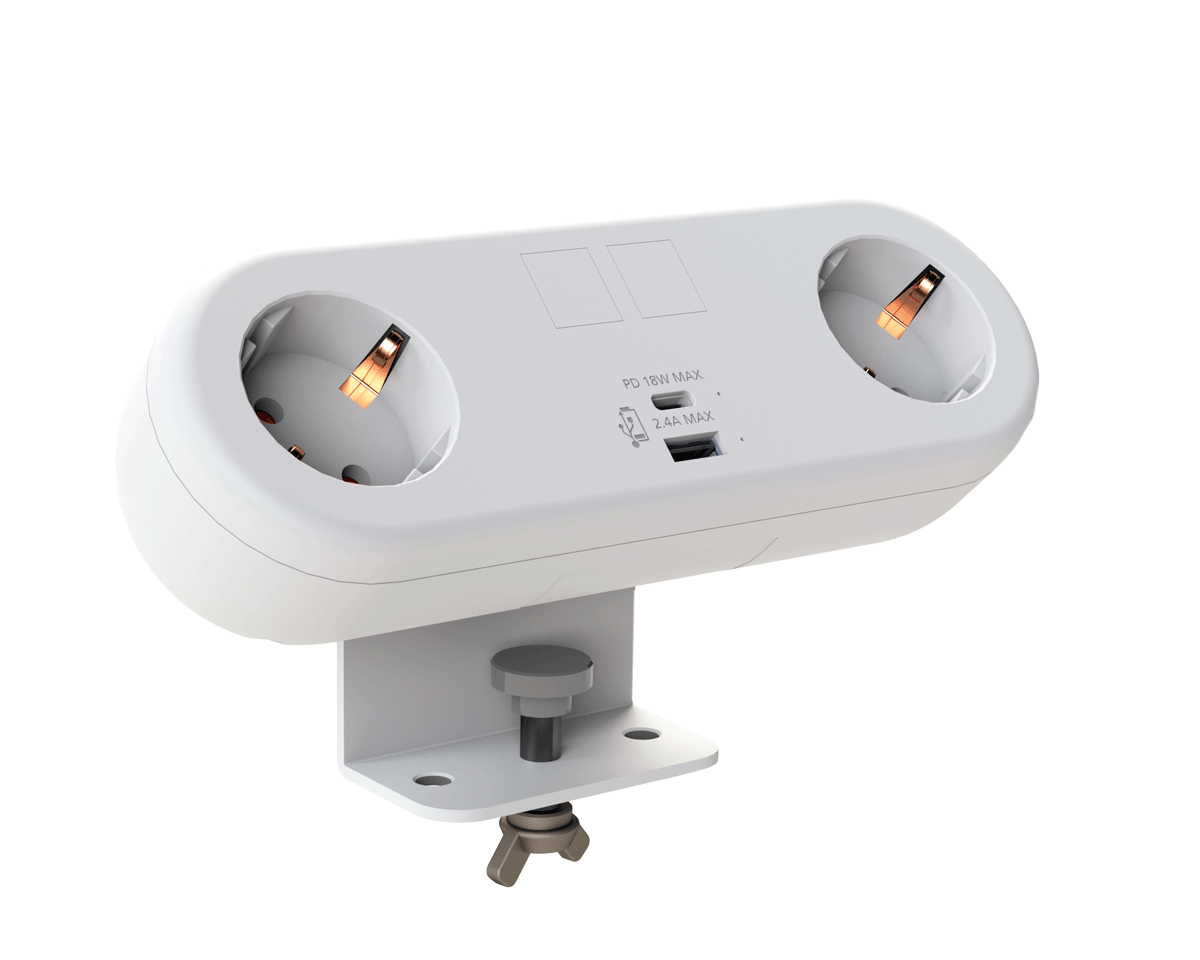
CMD White Schuko Capsule Desk Power Module
CMD LTD EXTENDS MONITOR ARM RANGE WITH THE LAUNCH OF REACH PLUS

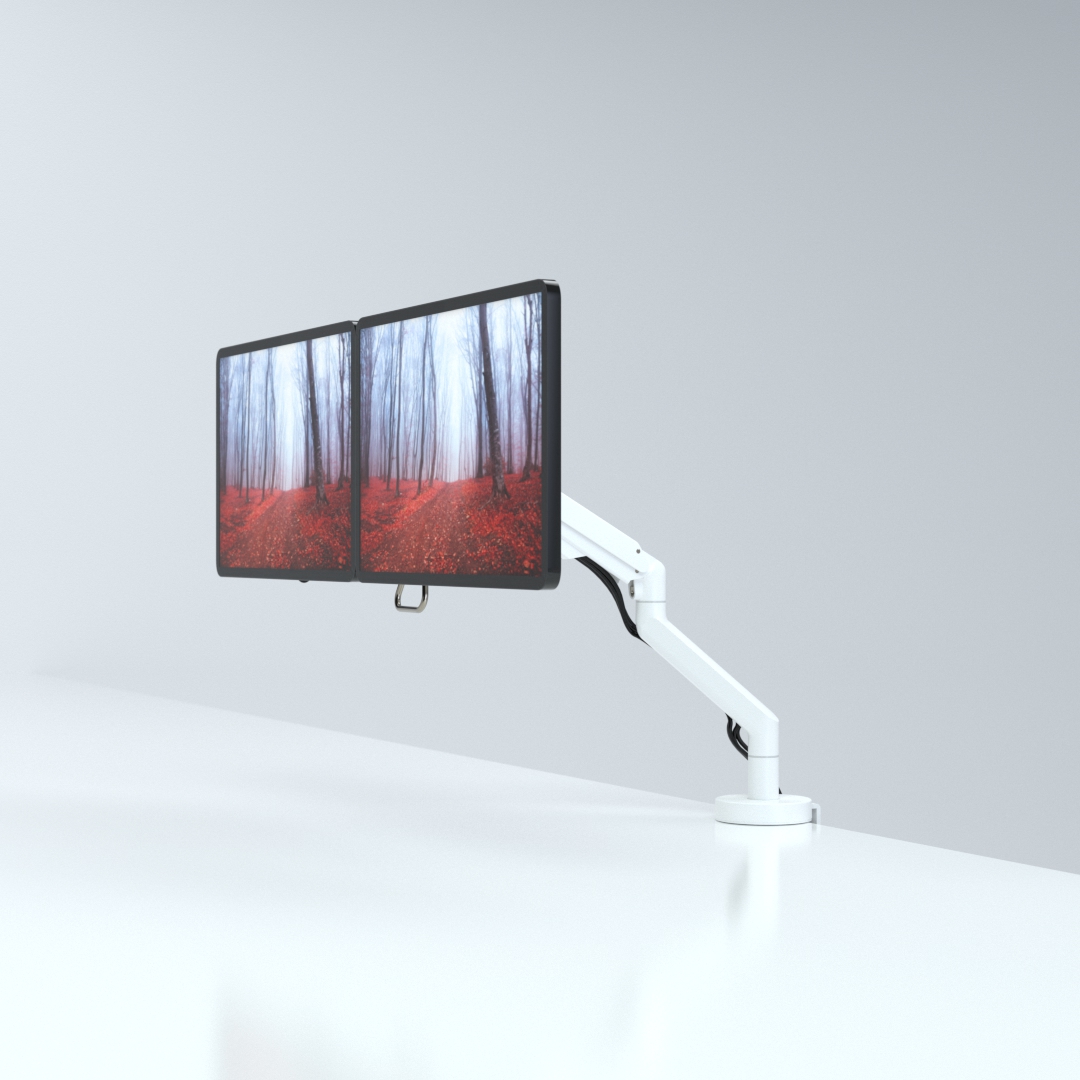
CMD Ltd, the specialist in ergonomic and connectivity solutions for commercial interiors, has completed its Reach monitor arm range with the launch of the Reach Plus. Available in single or dual screen options, the Reach Plus has been designed to provide an ideal solution for both single and dual screen workstation configurations, or can be used with next generation of large format curved screens. Suitable...

Read more
CMD Ltd DEMONSTRATES THE ART OF POWER DISTRIBUTION AT THE UNIVERSITY OF WARWICK

CMD Ltd, the specialist in workplace connectivity and ergonomic solutions, has provided Betatrak busbar power distribution and a range of electrical accessories for two major capital investment projects at the University of Warwick. Designed by Fielden Clegg Bradley Studios, the £33 million Faculty of Arts building is a showpiece development comprising four interconnected structures set around a central atrium, which will enable inter-disciplinary collaboration across...

Read more

University of Warwick
CMD BRINGS HARMONY TO COVENTRY UNIVERSITY RESEARCH FACILITIES

CMD Ltd, the specialist in power distribution solutions and workstation power and ergonomics, has provided under desk and on desk power modules for the refurbishment of three Coventry University research buildings. Located on Coventry University Technology Park, a business park designed to encourage collaboration between the university and knowledge-based businesses, the three buildings are being repurposed as office accommodation for university research teams. The refurbishment...

Read more


Coventry University

Why Are Lithium Batteries Essential for Modern Technology?

Lithium Batteries are pivotal for maintaining our modern lifestyle. They power smartphones, laptops, and electric cars, making daily tasks easier. Their high energy density allows devices to run longer on a single charge, surpassing older battery technologies. In a world driven by technology, these batteries present a solution to many energy challenges.

However, the surge in demand raises concerns. Production processes can be environmentally damaging. Resources for lithium are finite, leading to questions about sustainability. As we rely more on Lithium Batteries, it’s essential to reflect on the environmental impact of this choice. Will we have enough resources in the future? How can we mitigate the negative effects of battery production?

Understanding the role of Lithium Batteries is crucial. They represent the heart of technological advancement. But we must also examine the implications of their use. By facing these challenges, we can harness their benefits while securing a sustainable future.

Why Are Lithium Batteries Essential for Modern Technology?

The Role of Lithium Batteries in Powering Portable Electronics

Lithium batteries play a crucial role in modern portable electronics. They are lightweight and compact, making them ideal for smartphones, tablets, and laptops. These devices rely on lithium batteries for their performance and longevity. They allow users to stay connected and productive on the go.

The energy density of lithium batteries is remarkable. A small battery can store a significant amount of energy. This means devices can run longer without needing a recharge. However, the production of these batteries raises environmental concerns. Mining lithium can harm ecosystems, and recycling processes are still being developed.

Despite the advantages, drawbacks exist. Users often rush to charge their devices, sometimes leading to overheating. This not only affects battery life but also raises safety issues. As technology advances, it’s essential to find a balance. We must prioritize both convenience and sustainability in the use of lithium batteries.

Why Are Lithium Batteries Essential for Modern Technology?

Application Battery Type Energy Density (Wh/kg) Typical Capacity (mAh) Cycle Life (Approx.)
Smartphones Lithium-Ion 250-300 2000-3000 500-800
Laptops Lithium Polymer 300-400 4000-6000 300-500
Electric Vehicles NMC (Nickel Manganese Cobalt) 150-250 20000-100000 1000-2000
Tablets Lithium-Ion 250-280 3000-8000 500-1000
Wearable Devices Lithium Polymer 150-250 200-1000 300-500

Lithium Batteries in Renewable Energy Storage Solutions

Lithium batteries play a crucial role in renewable energy storage solutions. Their ability to store energy makes them indispensable. Solar and wind energy production can be inconsistent. This variability requires effective storage systems to harness power when production peaks.

These batteries can store excess energy generated during sunny or windy days. They release energy when generation dips. This balance is vital for a stable energy supply. However, there are challenges. The production of lithium batteries is resource-intensive. Mining can lead to environmental concerns and habitat destruction.

Moreover, battery recycling remains a significant issue. Many batteries end up in landfills. This problem raises questions about sustainability. While lithium batteries offer advantages, the industry must address these shortcomings. Solutions must be found to ensure we maximize their potential.

Impact of Lithium Batteries on Electric Vehicle Development

Lithium batteries play a crucial role in the evolution of electric vehicles (EVs). In 2021, nearly 6.6 million EVs were sold globally, largely powered by lithium-ion technology. These batteries provide the energy density required for long-range travel, enabling vehicles to cover over 300 miles on a single charge. However, the rapid demand for lithium poses challenges.

The lithium supply chain is under pressure. Mining operations are often criticized for environmental impacts. Water usage in lithium extraction can strain local resources. A study by the International Energy Agency indicates that to meet EV targets, lithium production needs to increase sixfold by 2030. This creates a conflict between sustainability and technological advancement.

Battery recycling also remains a significant hurdle. Currently, only about 5% of used lithium batteries are recycled. This inefficiency raises concerns about waste and resource management. Innovators are exploring new recycling methods, yet progress is slow. Sustainable practices in lithium sourcing and recycling will be vital as the industry continues to grow.

Impact of Lithium Batteries on Electric Vehicle Development

Advancements in Lithium Battery Technology and Efficiency

The advancements in lithium battery technology have revolutionized our daily lives. These batteries are now lighter and more efficient than ever before. Powering everything from smartphones to electric vehicles, they are a cornerstone of modern technology. The development of solid-state batteries shows promise for enhanced safety and energy density. Yet, the quest for a breakthrough is ongoing.

Despite these improvements, challenges persist. The extraction of lithium has significant environmental impacts. Sustainable practices are still not fully established. Recycling methods for lithium batteries are not widely adopted, contributing to waste. Innovators must find ways to address these issues while improving battery performance. Each step forward brings us closer to an eco-friendly future, but the path is not straightforward.

As technology advances, consumers demand more from their devices. This creates pressure for lithium battery manufacturers. Scientists are exploring alternative materials to reduce dependency on lithium. It's a race against time to meet energy needs sustainably. The future is full of potential, yet requires careful consideration of both progress and pitfalls.

Environmental Considerations of Lithium Battery Production and Disposal

The production and disposal of lithium batteries raise significant environmental concerns. Mining lithium requires vast amounts of water. This can lead to water scarcity in regions that already face shortages. Additionally, the process can harm local ecosystems, threatening wildlife and plant species. Factories producing these batteries often release pollutants into the air, affecting nearby communities.

Disposing of lithium batteries poses another challenge. They contain toxic materials that can contaminate soil and groundwater if not handled properly. Improper disposal leads to leaching, which can gradually spread harmful substances. While recycling programs exist, they are not widespread enough. Many batteries still end up in landfills, creating long-lasting environmental issues.

We must reflect on these realities. The demand for lithium batteries grows every day. Balancing technology needs with environmental impact is crucial. Finding better methods for production and disposal is necessary. Sustainable practices can help mitigate some of these concerns, but more action is required. Our reliance on this technology demands careful consideration of its environmental footprint.