

News

Miro: A New Standard in Responsible Innovation

Miro: A New Standard in Responsible Innovation The Miro monitor arm is setting new benchmarks in sustainability. It offers a high-performance solution without compromising on environmental responsibility. Designed with careful material selection, local sourcing, and longevity in mind, Miro’s responsible approach to design and unique manoeuvrability set it apart from the competition. Sustainable Choices Miro is crafted from energy-efficient materials with a lower carbon impact....

Read more
HSE Advisor

Role Purpose Support in the development, implementation and maintenance of the company’s Health, Safety & Environmental policies, processes, operational procedures, and standards.  Ensuring best practice and championing a continually improving HSE culture within the business. Key Responsibilities Liaise with and provide support to all areas of the business to eliminate, mitigate or reduce identified HSE exposures. Partner with the production management team and team leaders,...

Read more
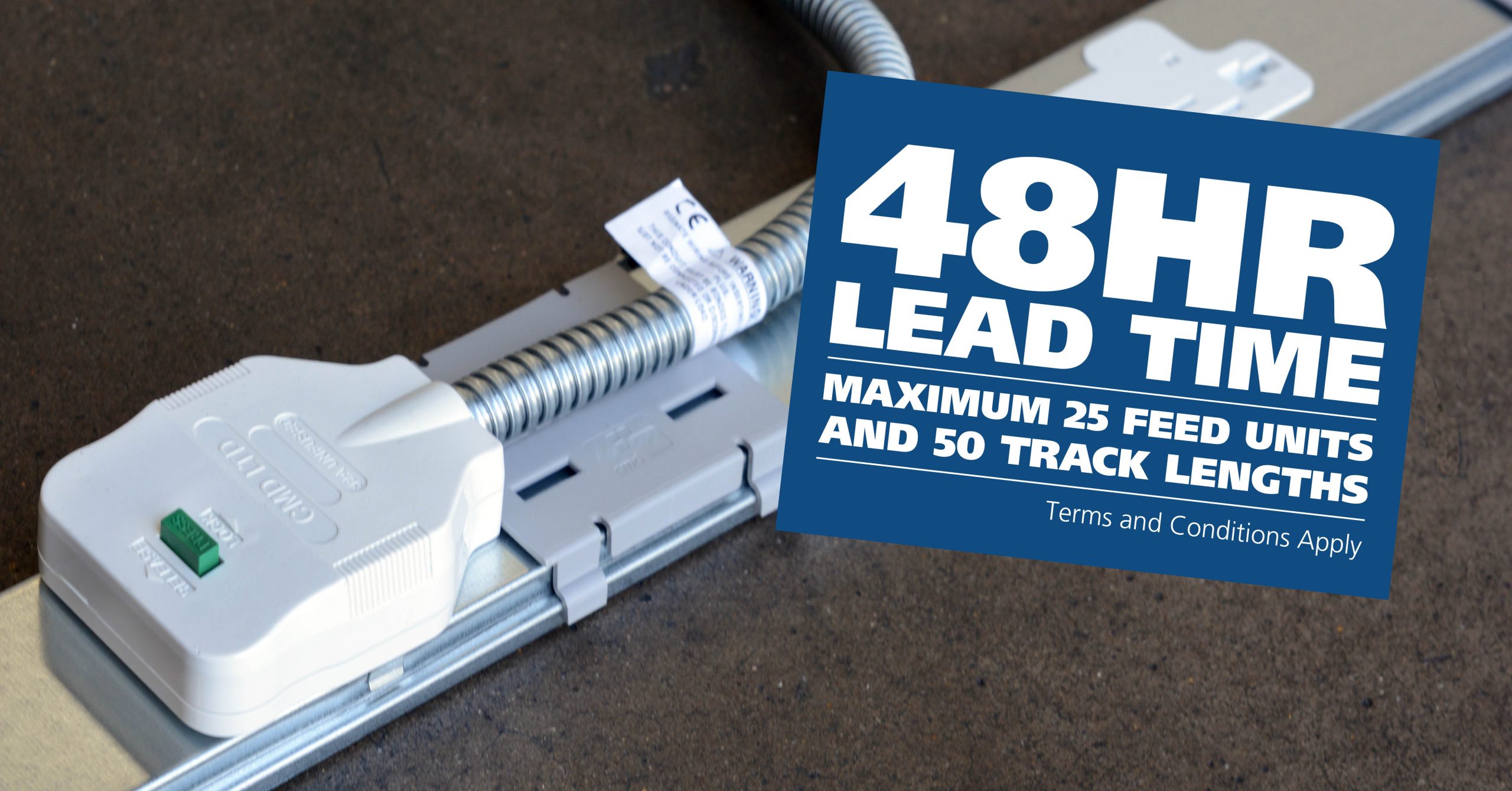
CMD Ltd LAUNCHES 48-HOUR TURNAROUND ON BETATRAK® RAPID ORDERING SERVICE

CMD Ltd, the specialist in power distribution systems, workstation power and monitor arms, has launched a rapid ordering service for its Betatrak® underfloor powertrack distribution systems and accessories, with a commitment to delivering within 48-hours of an approved purchase order*. The service enables customers to order up to 50 lengths of Standard or Clean Earth (C/E) low noise Betatrak, along with up to 25 feed...

Read more
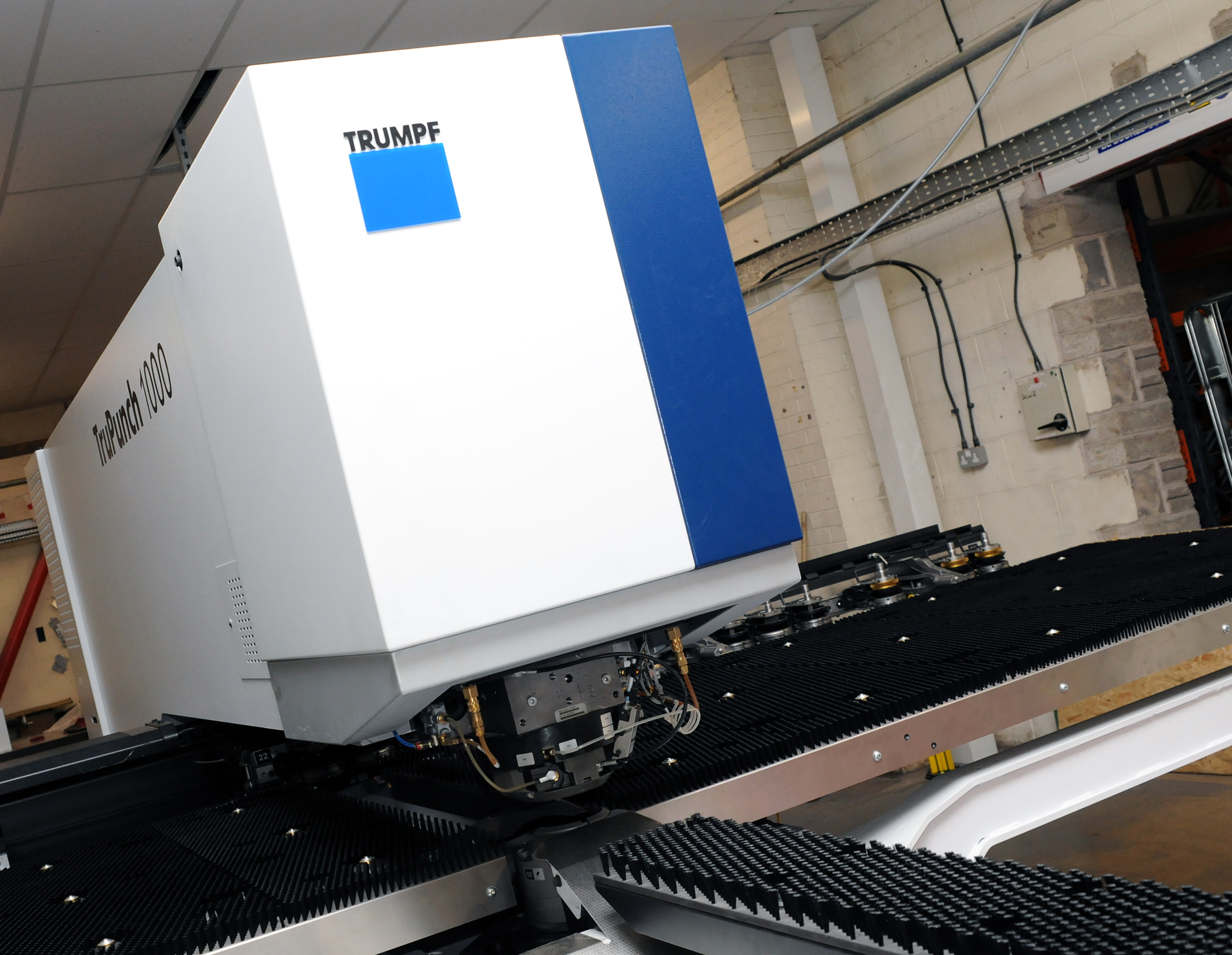
CMD INVESTS £1/4 MILLION IN NEW MACHINE AS PART OF FACTORY UPGRADE

We have invested in a new £1/4m TRUMPF CNC metal punch as part of an asset renewal strategy for our UK manufacturing capability. The new machine will be used in the production of a wide variety of our power distribution systems and workstation power products at our Rotherham factory. Suitable for handling sheet metal between 0.9mm and 3.0mm thick, the new machine will replace one...

Read more
CMD CATALOGUE PROVIDES TECHNICAL POWER DISTRIBUTION GUIDE

CMD Ltd has released a new catalogue, providing an easy to follow technical guide to our power distribution systems and plug and play desk modules. Detailing CMD’s full range of UK-manufactured power distribution systems and plug and play desk modules, the catalogue will be a helpful source of information to M&E engineers and contractors alike to understand how our power distribution systems connect together and...

Read more
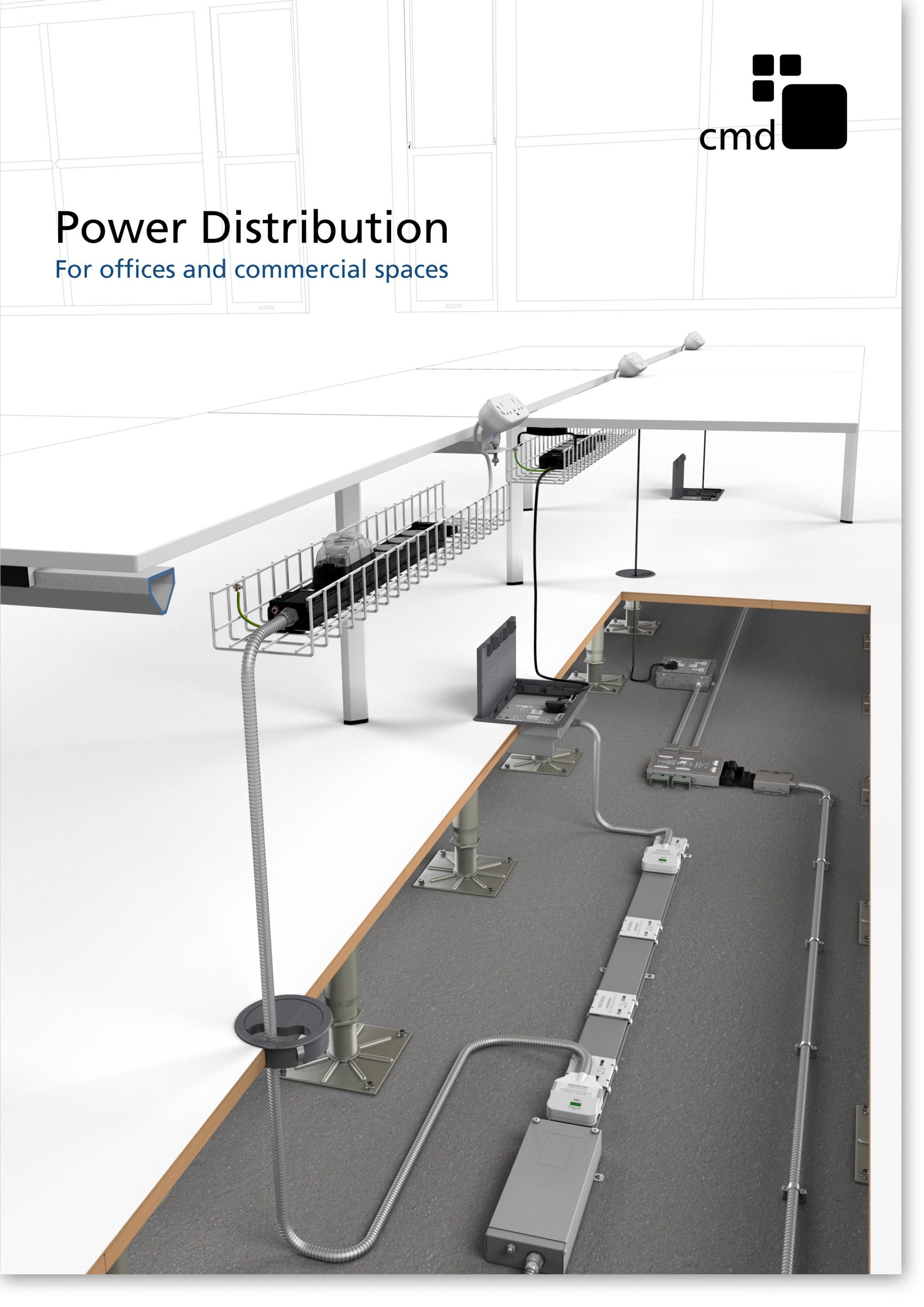
Power Distribution Catalogue
CMD Ltd PLAYS ESSENTIAL ROLE IN ELECTRICAL FIT OUT AT LONDON’S PRESTIGIOUS OFFICE DEVELOPMENT

CMD Ltd, specialist in workplace connectivity and ergonomic solutions, has provided a flexible and high-quality power distribution network for The Ray, a prestigious office development in London’s Farringdon. Well-known for being the former site of The Guardian newspaper, The Ray now stands as an 83,000ft² office development characterised by a modernised warehouse aesthetic, with level two now occupied by a global social media company. The...

Read more

The Ray
CMD plugs in to european opportunity with Schuko Capsule unit launch

CMD Ltd, the specialist in power and connectivity solutions for commercial environments, has launched a Schuko version of its popular fixed format Capsule workstation power module for export to mainland Europe and beyond. A popular on desk power module comprising two sockets and dual USB (type A and C) chargers, CMD’s Capsule unit is already widely specified in the UK as an off-the-shelf workstation power...

Read more
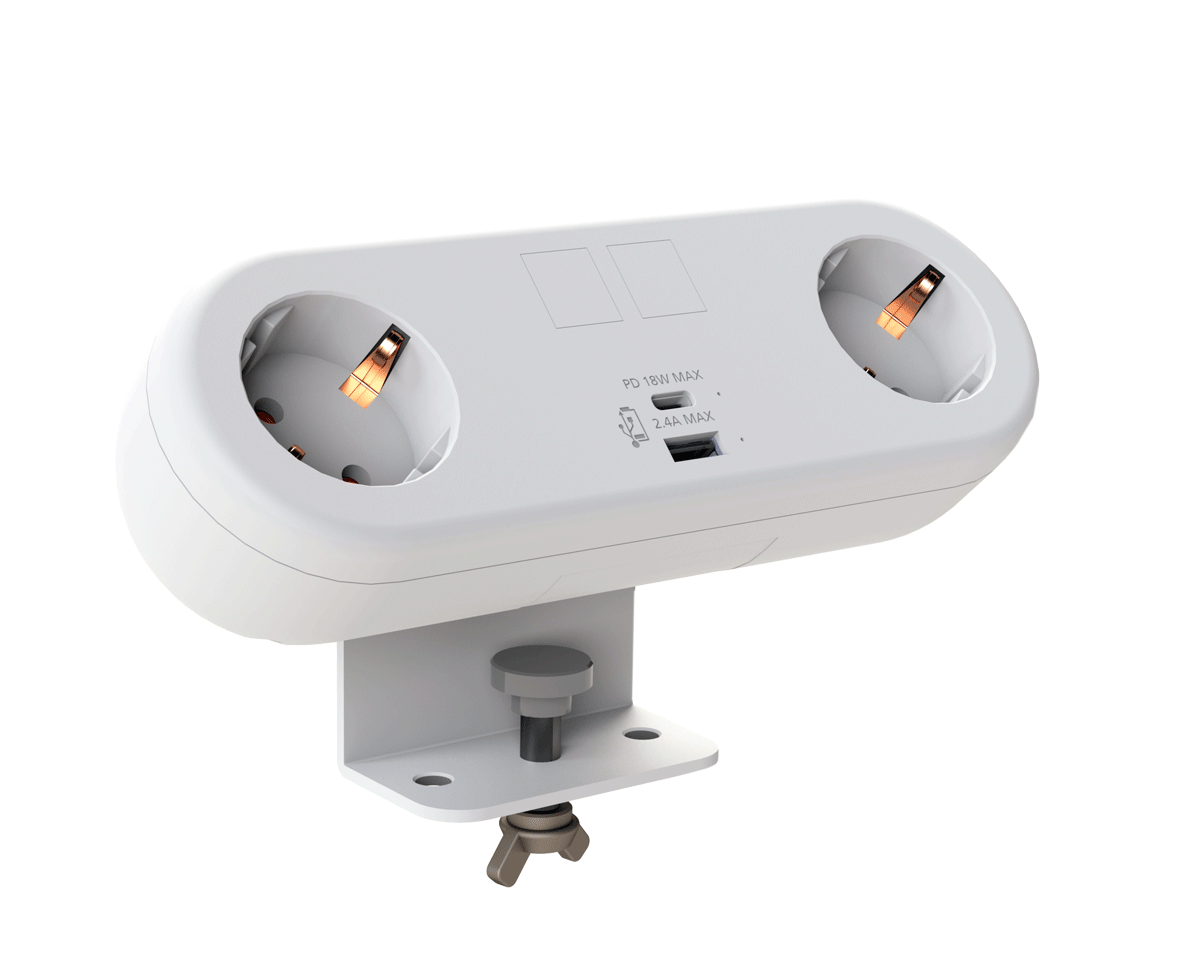
CMD White Schuko Capsule Desk Power Module
CMD LTD EXTENDS MONITOR ARM RANGE WITH THE LAUNCH OF REACH PLUS

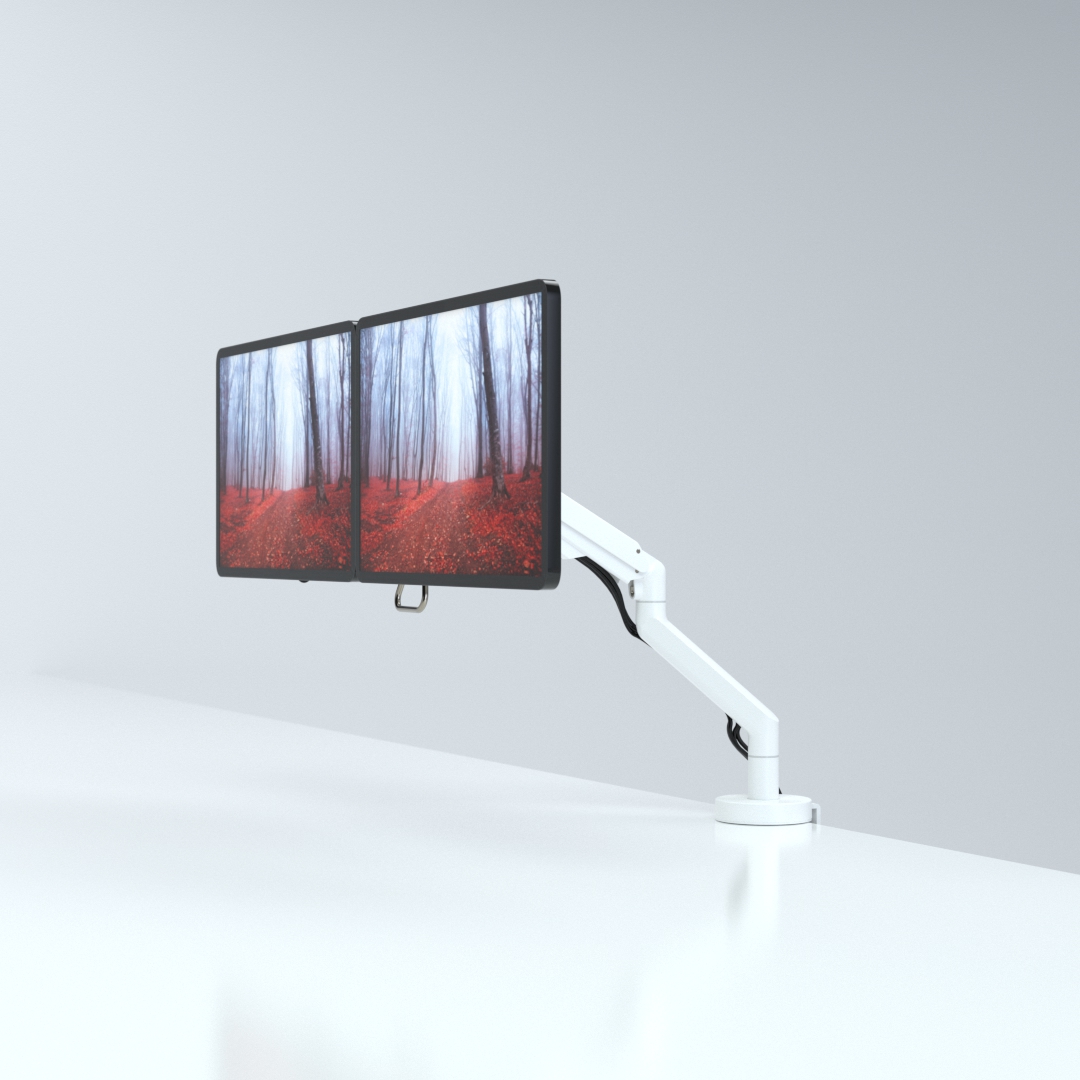
CMD Ltd, the specialist in ergonomic and connectivity solutions for commercial interiors, has completed its Reach monitor arm range with the launch of the Reach Plus. Available in single or dual screen options, the Reach Plus has been designed to provide an ideal solution for both single and dual screen workstation configurations, or can be used with next generation of large format curved screens. Suitable...

Read more
CMD Ltd DEMONSTRATES THE ART OF POWER DISTRIBUTION AT THE UNIVERSITY OF WARWICK

CMD Ltd, the specialist in workplace connectivity and ergonomic solutions, has provided Betatrak busbar power distribution and a range of electrical accessories for two major capital investment projects at the University of Warwick. Designed by Fielden Clegg Bradley Studios, the £33 million Faculty of Arts building is a showpiece development comprising four interconnected structures set around a central atrium, which will enable inter-disciplinary collaboration across...

Read more

University of Warwick
CMD BRINGS HARMONY TO COVENTRY UNIVERSITY RESEARCH FACILITIES

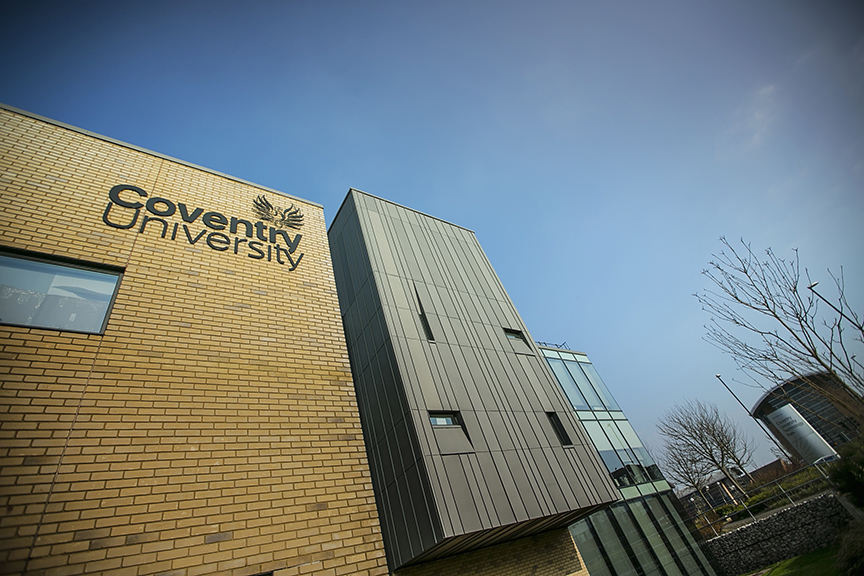
CMD Ltd, the specialist in power distribution solutions and workstation power and ergonomics, has provided under desk and on desk power modules for the refurbishment of three Coventry University research buildings. Located on Coventry University Technology Park, a business park designed to encourage collaboration between the university and knowledge-based businesses, the three buildings are being repurposed as office accommodation for university research teams. The refurbishment...

Read more
Coventry University

What is a laboratory sample pulverizer and how does it work?

laboratory sample pulverizers are essential tools in material analysis and research. They are widely used across various industries, including mining and pharmaceuticals. According to a report by Johnson Research Group, the demand for laboratory pulverizers has increased by 15% annually over the past five years. This growth reflects the rising need for precise sample preparation to ensure reliable test results.

Expert Dr. Emily Carter, a leading figure in analytical chemistry, stated, “The efficiency of a laboratory sample pulverizer greatly impacts the quality of analytical results.” Her insights emphasize the importance of selecting the right equipment. Laboratory sample pulverizers not only reduce the particle size of samples but also help in obtaining uniformity in composition.

Despite the advancements in technology, there are still considerations. Many laboratories face challenges with sample contamination and variability. Ensuring equipment cleanliness is crucial for accurate results. Additionally, the choice between different pulverization methods can lead to significant differences in outcomes. This highlights the ongoing need for improvements and innovations in the laboratory pulverizer industry.

What is a laboratory sample pulverizer and how does it work?

What is a Laboratory Sample Pulverizer?

Laboratory sample pulverizers are essential tools in material preparation. They grind materials into fine particles for easier analysis. These machines are commonly used in laboratories for geological, chemical, and metallurgical testing.

A typical laboratory sample pulverizer can crush samples down to particle sizes of 75 microns or smaller. This is crucial for obtaining accurate results. According to a report by the International Journal of Material Science, achieving particle sizes below this threshold can significantly impact the reliability of test outcomes. Moreover, it ensures a uniform particle distribution, which is vital for experiments.

However, not all pulverizers are created equal. Some may struggle with certain materials, especially hard rocks. The friction generated can lead to overheating, affecting sample integrity. Researchers must take this into account when selecting equipment. Additionally, regular calibration is necessary to maintain precision. In a fast-paced lab environment, consistent checks are often overlooked, which can lead to erroneous results. Understanding these nuances is crucial for laboratory professionals aiming to enhance their processes.

Laboratory Sample Pulverizer Efficiency

This chart illustrates the efficiency of different types of laboratory sample pulverizers measured in percentage. Higher efficiency indicates better performance in sample preparation.

Components of a Laboratory Sample Pulverizer

A laboratory sample pulverizer is essential in material testing. Its main job is to crush and grind samples into a finer state. Various industries utilize this device. It helps create homogenous samples for analysis, ensuring accuracy.

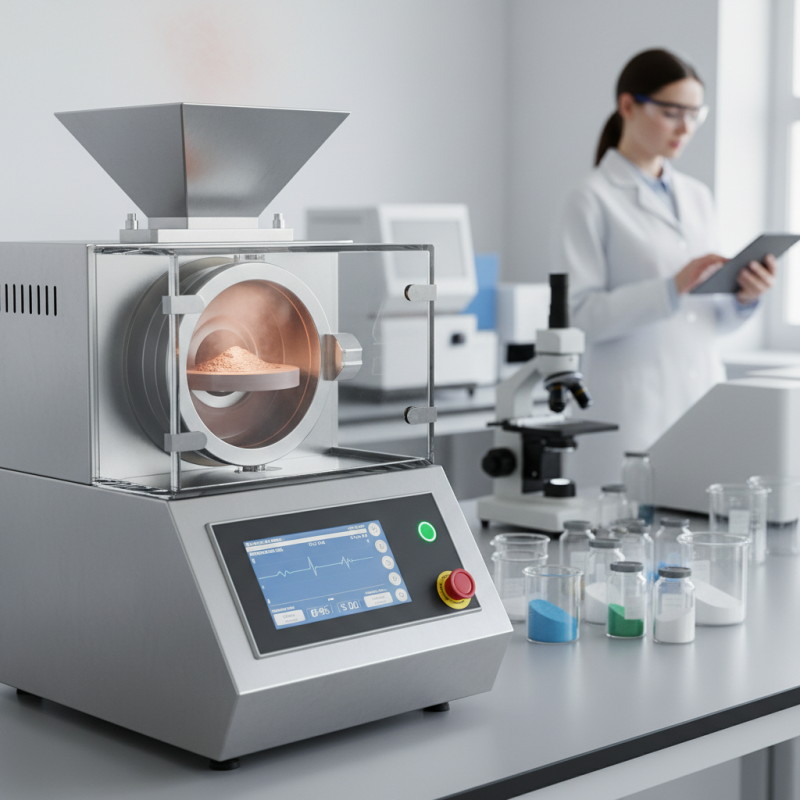
The components of a laboratory sample pulverizer are crucial. The grinding chamber houses the materials to be pulverized. It often features various grinding mechanisms, like steel balls or millstones. These components work together to reduce particle size effectively. The feeding system directs the material into the chamber. It ensures a steady flow, preventing jams and inefficiencies. A motor powers the pulverizer, enabling swift operation.

Tips: Regular maintenance is vital. Check the components frequently for wear and tear. Ensuring everything is in good condition extends the lifespan. Always use appropriate sample sizes. Oversized samples can lead to inconsistent results. Adjust the settings according to material type.

The dust collection system helps maintain a clean workspace. However, sometimes these systems fail to capture all particles. This oversight can lead to contamination and inaccurate results. Examining the entire setup often reveals hidden issues.

What is a laboratory sample pulverizer and how does it work? - Components of a Laboratory Sample Pulverizer

Component Description Function
Crushing Chamber A contained area where the sample material is crushed. Reduces the particle size of the sample.
Pulverizing Plates Two plates that crush the material together. Grinds the material into a fine powder.
Drive Motor Electric motor that powers the pulverizer. Provides the mechanical energy required for pulverization.
Feeding Mechanism System to introduce samples into the chamber. Ensures controlled input of material for efficient grinding.
Collection Bin Container to collect the pulverized sample. Holds finished material for analysis or storage.
Control Panel User interface to operate the pulverizer. Allows adjustment of speed and power settings.

How Laboratory Sample Pulverizers Work

Laboratory sample pulverizers play a crucial role in preparing materials for analysis. They reduce the size of samples, making them easier to handle in testing processes. These devices are designed to achieve a fine powder consistency, which is essential for accurate results. A well-functioning pulverizer can handle various materials, including minerals and organic matter. According to industry reports, achieving particle sizes below 50 microns ensures comprehensive material analyses.

The operation of a laboratory sample pulverizer involves several steps. First, the material is placed in the grinding chamber. As the machine runs, mechanical force is applied. This force can result from rotating blades or hammers. The intensity of this force is adjustable. This ensures that various materials can be effectively reduced to desired sizes. Laboratory technicians often need to fine-tune these settings for optimal outcomes. Not every operation yields perfect results, and adjustments may be necessary based on the sample's characteristics.

In many cases, the efficiency of sample pulverizers varies. Factors like feed size and material hardness significantly influence performance. For instance, softer materials may pulverize more quickly than harder ones. Monitoring output is vital. Sometimes, the desired fineness is not achieved on the first attempt. Technicians must learn to recognize these shortcomings. Fine-tuning the process can lead to improvements, but it requires time and experience. Understanding these nuances is essential for laboratories aiming to enhance their sample preparation processes.

Applications of Laboratory Sample Pulverizers

Laboratory sample pulverizers play a crucial role in various fields of research and industry. They are commonly used to prepare materials for testing and analysis. For instance, in geology, these machines help in grinding rock samples to a fine powder. This process allows geologists to conduct detailed mineralogical studies. The samples can then be mixed with chemical reagents for more precise results.

In the food industry, pulverizers assist in testing ingredients. They enable the analysis of spices and grains to determine quality and nutritional content. The uniform particle size obtained is vital for consistent testing. However, meticulous calibration is necessary. If not, variations can occur in particle size. Such discrepancies may lead to inaccurate results, provoking questions about reliability.

Moreover, environmental science relies on pulverizers for soil sample preparation. By grinding soil to a consistent texture, researchers can assess contaminants accurately. Such applications highlight the versatility of laboratory sample pulverizers. Yet, the balance between efficiency and accuracy remains a common challenge. Operators must continuously refine techniques to minimize errors. This reflexive approach ensures reliability in test outcomes.

Benefits of Using a Laboratory Sample Pulverizer

A laboratory sample pulverizer is essential for preparing materials for analysis. It efficiently reduces bulk samples into fine powders. This process aids in achieving homogeneity and accuracy in testing.

The benefits of using a laboratory sample pulverizer are numerous. It saves time and enhances precision. By crushing samples into smaller particles, the pulverizer ensures that the analysis yields reliable results. This device can handle various materials like minerals, chemicals, and even organic substances.

Tips: Always calibrate the pulverizer before use. Check the settings to match the sample type. Consistency in particle size improves testing outcomes. Consider using a sieve afterward to ensure uniformity. Remember, not all materials work well in every pulverizer. Testing in small batches can prevent waste. Keep the pulverizer clean to avoid contamination.