

News

Miro: A New Standard in Responsible Innovation

Miro: A New Standard in Responsible Innovation The Miro monitor arm is setting new benchmarks in sustainability. It offers a high-performance solution without compromising on environmental responsibility. Designed with careful material selection, local sourcing, and longevity in mind, Miro’s responsible approach to design and unique manoeuvrability set it apart from the competition. Sustainable Choices Miro is crafted from energy-efficient materials with a lower carbon impact....

Read more
HSE Advisor

Role Purpose Support in the development, implementation and maintenance of the company’s Health, Safety & Environmental policies, processes, operational procedures, and standards.  Ensuring best practice and championing a continually improving HSE culture within the business. Key Responsibilities Liaise with and provide support to all areas of the business to eliminate, mitigate or reduce identified HSE exposures. Partner with the production management team and team leaders,...

Read more
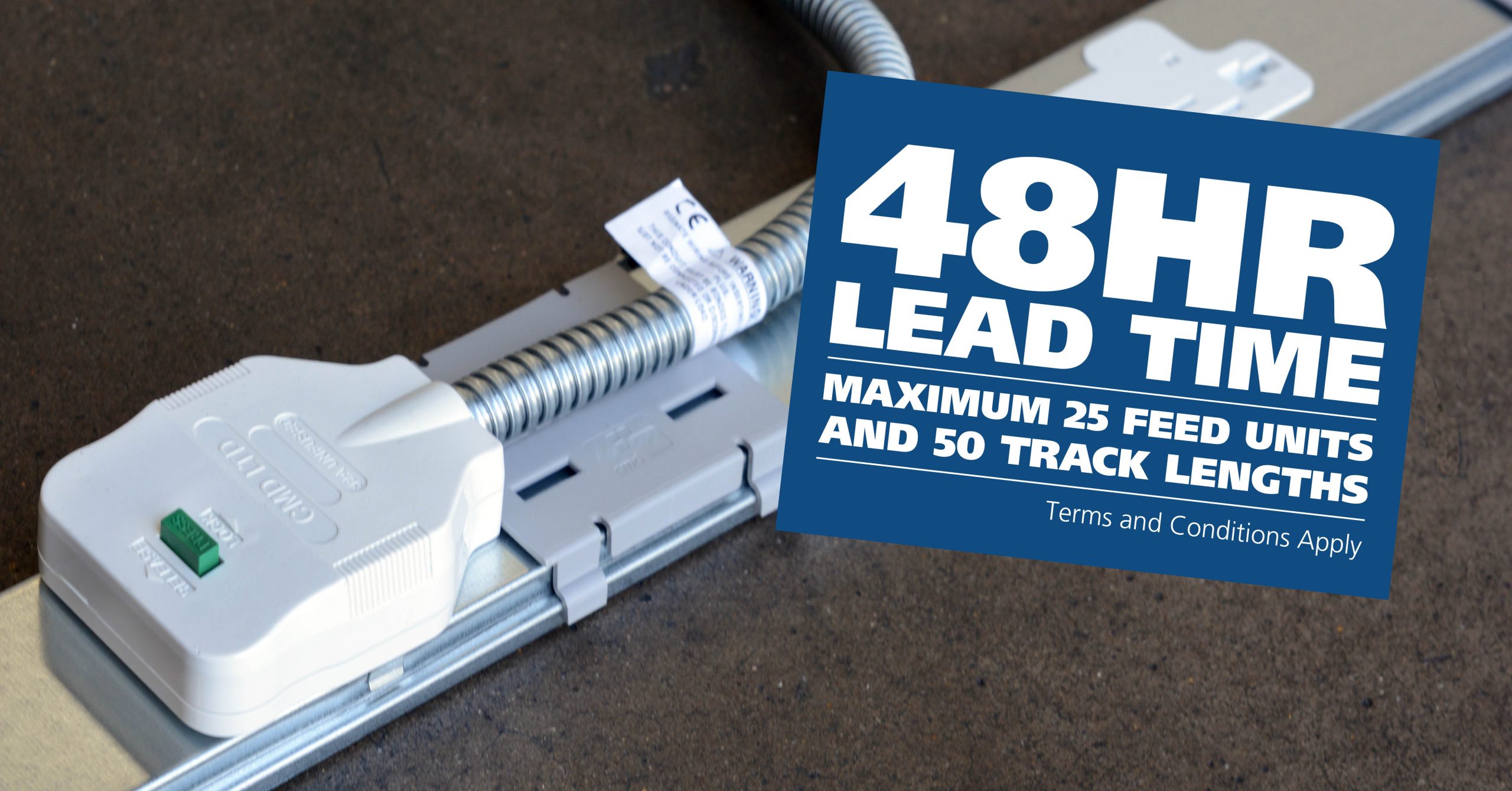
CMD Ltd LAUNCHES 48-HOUR TURNAROUND ON BETATRAK® RAPID ORDERING SERVICE

CMD Ltd, the specialist in power distribution systems, workstation power and monitor arms, has launched a rapid ordering service for its Betatrak® underfloor powertrack distribution systems and accessories, with a commitment to delivering within 48-hours of an approved purchase order*. The service enables customers to order up to 50 lengths of Standard or Clean Earth (C/E) low noise Betatrak, along with up to 25 feed...

Read more
CMD INVESTS £1/4 MILLION IN NEW MACHINE AS PART OF FACTORY UPGRADE

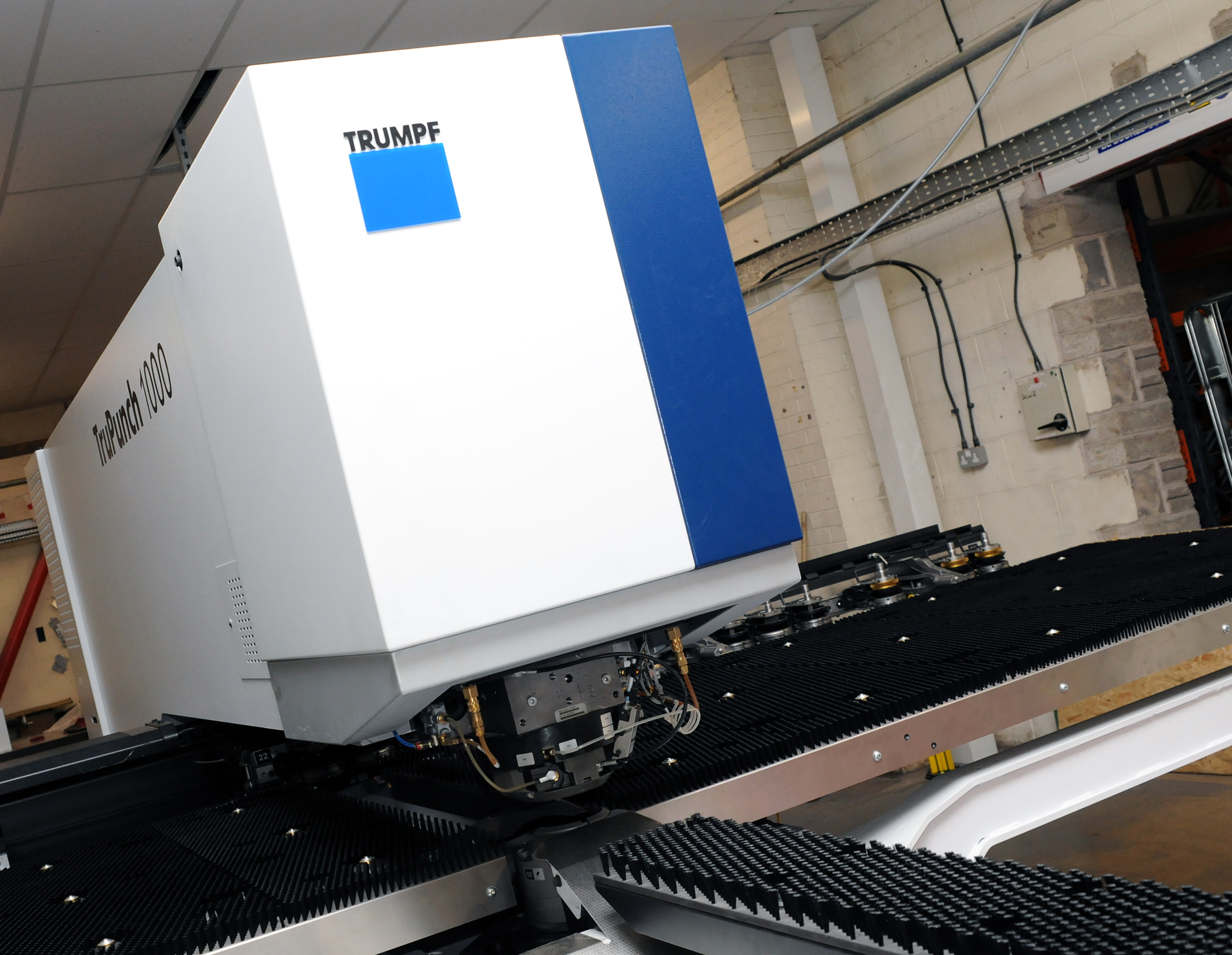
We have invested in a new £1/4m TRUMPF CNC metal punch as part of an asset renewal strategy for our UK manufacturing capability. The new machine will be used in the production of a wide variety of our power distribution systems and workstation power products at our Rotherham factory. Suitable for handling sheet metal between 0.9mm and 3.0mm thick, the new machine will replace one...

Read more
CMD CATALOGUE PROVIDES TECHNICAL POWER DISTRIBUTION GUIDE

CMD Ltd has released a new catalogue, providing an easy to follow technical guide to our power distribution systems and plug and play desk modules. Detailing CMD’s full range of UK-manufactured power distribution systems and plug and play desk modules, the catalogue will be a helpful source of information to M&E engineers and contractors alike to understand how our power distribution systems connect together and...

Read more

Power Distribution Catalogue
CMD Ltd PLAYS ESSENTIAL ROLE IN ELECTRICAL FIT OUT AT LONDON’S PRESTIGIOUS OFFICE DEVELOPMENT

CMD Ltd, specialist in workplace connectivity and ergonomic solutions, has provided a flexible and high-quality power distribution network for The Ray, a prestigious office development in London’s Farringdon. Well-known for being the former site of The Guardian newspaper, The Ray now stands as an 83,000ft² office development characterised by a modernised warehouse aesthetic, with level two now occupied by a global social media company. The...

Read more

The Ray
CMD plugs in to european opportunity with Schuko Capsule unit launch

CMD Ltd, the specialist in power and connectivity solutions for commercial environments, has launched a Schuko version of its popular fixed format Capsule workstation power module for export to mainland Europe and beyond. A popular on desk power module comprising two sockets and dual USB (type A and C) chargers, CMD’s Capsule unit is already widely specified in the UK as an off-the-shelf workstation power...

Read more
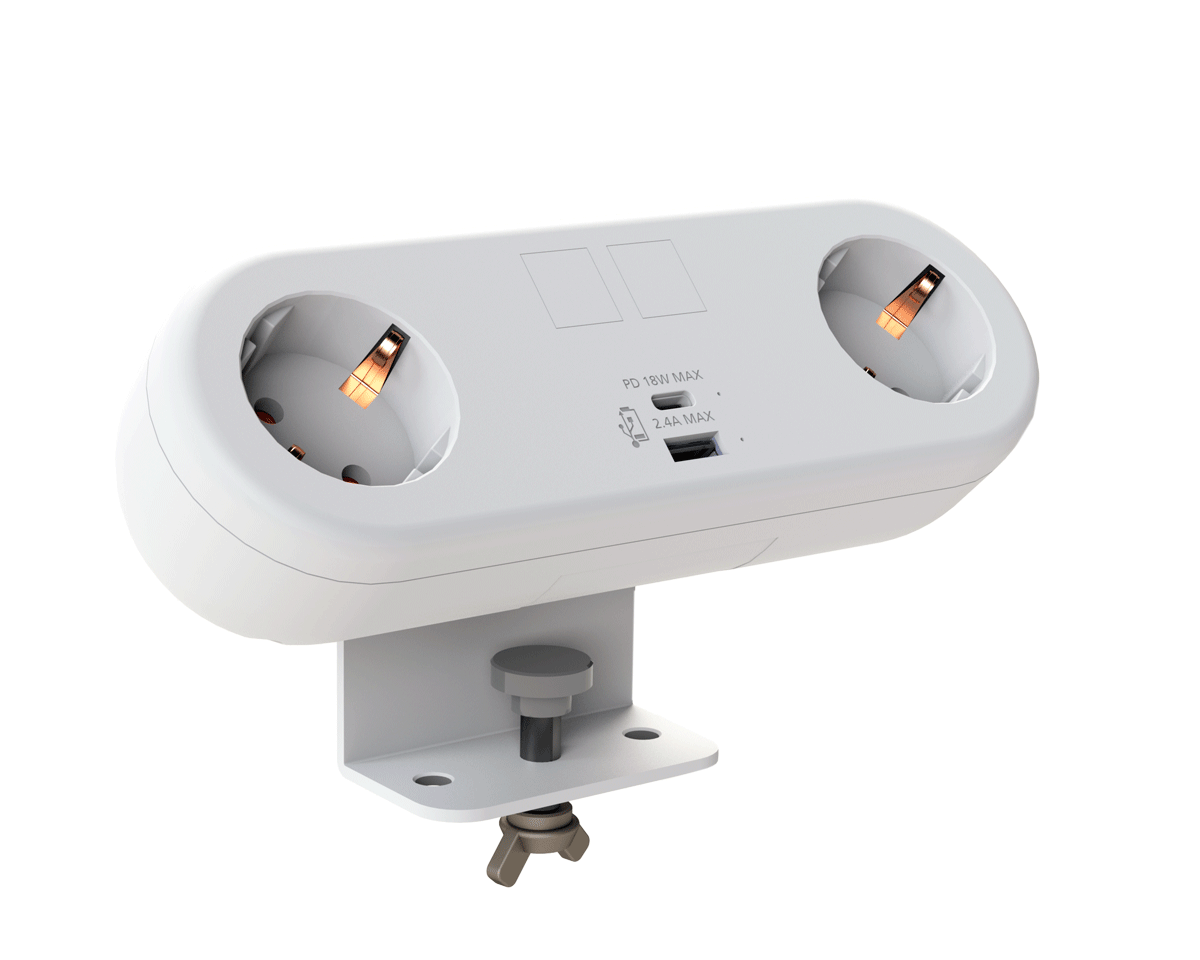
CMD White Schuko Capsule Desk Power Module
CMD LTD EXTENDS MONITOR ARM RANGE WITH THE LAUNCH OF REACH PLUS

CMD Ltd, the specialist in ergonomic and connectivity solutions for commercial interiors, has completed its Reach monitor arm range with the launch of the Reach Plus. Available in single or dual screen options, the Reach Plus has been designed to provide an ideal solution for both single and dual screen workstation configurations, or can be used with next generation of large format curved screens. Suitable...

Read more

CMD Ltd DEMONSTRATES THE ART OF POWER DISTRIBUTION AT THE UNIVERSITY OF WARWICK

CMD Ltd, the specialist in workplace connectivity and ergonomic solutions, has provided Betatrak busbar power distribution and a range of electrical accessories for two major capital investment projects at the University of Warwick. Designed by Fielden Clegg Bradley Studios, the £33 million Faculty of Arts building is a showpiece development comprising four interconnected structures set around a central atrium, which will enable inter-disciplinary collaboration across...

Read more

University of Warwick
CMD BRINGS HARMONY TO COVENTRY UNIVERSITY RESEARCH FACILITIES

CMD Ltd, the specialist in power distribution solutions and workstation power and ergonomics, has provided under desk and on desk power modules for the refurbishment of three Coventry University research buildings. Located on Coventry University Technology Park, a business park designed to encourage collaboration between the university and knowledge-based businesses, the three buildings are being repurposed as office accommodation for university research teams. The refurbishment...

Read more


Coventry University

2026 How to Choose the Best Organic Fertilizer for Agriculture?

In recent years, the demand for Agriculture Fertilizer Organic products has surged. According to a report by the Organic Trade Association, the organic fertilizer market is projected to reach $10 billion by 2026. This shift reflects a growing preference for sustainable farming practices. Experts suggest that the right choice of organic fertilizer can significantly impact crop yield and soil health. Dr. Emily Wang, a prominent figure in the field, states, "Understanding the specific needs of soil and crops is essential for effective organic fertilization."

Choosing the best organic fertilizer is not straightforward. Farmers must consider various factors such as soil composition, crop type, and environmental impact. Many products claim to be organic, yet their effectiveness may vary. For instance, a study from the International Journal of Agronomy found that not all organic fertilizers deliver the expected nutrient levels. It underlines the need for careful selection and tailored applications.

While organic fertilizers offer benefits, they also present challenges. There might be a steep learning curve for those new to organic practices. Additionally, inconsistent nutrient release from organic sources can lead to less predictable results. Thus, thorough research and expert consultations are critical in navigating these complexities. Making informed choices in Agriculture Fertilizer Organic can ultimately drive agricultural success and promote sustainable development.

2026 How to Choose the Best Organic Fertilizer for Agriculture?

Understanding Organic Fertilizers: Types and Benefits

Organic fertilizers play a crucial role in sustainable agriculture. They are derived from natural sources and are rich in nutrients. Understanding their types and benefits helps farmers make informed choices. For instance, compost, manure, and bone meal provide essential nutrients. Research from the Organic Trade Association shows that organic farming can boost soil health and biodiversity.

Compost improves soil structure and water retention. It also provides a multitude of beneficial microorganisms that enhance soil fertility. According to the USDA, organic farming can increase soil carbon levels by 30% over conventional methods. This finding highlights the long-term benefits of using organic fertilizers. However, the nutrient content can vary widely. This variability poses a challenge for farmers seeking consistent results.

Moreover, while organic fertilizers are beneficial, they also come with limitations. They often release nutrients slowly. This slow release can be problematic during critical growth stages. Farmers need to monitor crop needs closely. Balancing organic inputs with crop requirements is vital. Analyzing soil health regularly can help in making adjustments. The relationships in organic farming involve many variables that require careful management.

Factors to Consider When Selecting Organic Fertilizers

Choosing the right organic fertilizer is crucial for successful agriculture. Several factors impact this decision. Soil type is a primary consideration. Different soils require specific nutrients. For instance, clay soils retain moisture but may lack aeration. Sandy soils, on the other hand, drain quickly but can be nutrient-poor.

The nutrient composition of fertilizers also plays a vital role. Organic fertilizers often contain nitrogen, phosphorus, and potassium. Understanding the nutrient needs of your crops is essential. Testing soil can reveal nutrient deficiencies. By doing this, farmers can tailor their fertilizer choices accordingly.

Another aspect to reflect on is the source of the organic matter. Compost, manure, and green manure each have distinct benefits. Compost enriches soil structure, while manure provides immediate nutrients. However, sourcing organic materials can lead to variability in quality and nutrient levels. It's important to verify the reliability of these sources to ensure optimal crop growth. Ultimately, vigilant assessment can guide better choices in organic fertilizer selection.

2026 How to Choose the Best Organic Fertilizer for Agriculture? - Factors to Consider When Selecting Organic Fertilizers

Factor Description Recommended Level
Nutrient Content The essential nutrients needed for plant growth include nitrogen, phosphorus, and potassium. Balanced ratio (e.g., 4-3-2)
Source of Fertilizer Organic materials such as compost, manure, or plant-based sources. 100% organic materials
Application Method Methods include broadcasting, side-dressing, or incorporating into the soil. Application should suit crop type and growth stage
Environmental Impact Evaluating how the fertilizer affects soil health and biodiversity. Minimal negative impact
Cost The price per application or per nutrient unit. Affordable options with good efficacy
Compatibility Suitability for specific crops and soil conditions. Fertilizer should enhance plant health and yield

Assessing Nutrient Content for Crop Needs

When selecting the best organic fertilizer, understanding its nutrient content is crucial. Each crop has specific needs. A soil test can reveal nutrient levels. This insight aids in choosing a suitable fertilizer. Look for balanced nitrogen, phosphorus, and potassium ratios. These are essential for plant growth.

Consider micronutrients as well. Calcium, magnesium, and iron can enhance crop health. Many organic fertilizers contain these elements, but concentrations vary. Reading labels carefully is vital. A fertilizer high in nitrogen may benefit leafy greens. Root vegetables, however, often require a different balance.

Not all organic fertilizers perform equally. Some may lack essential nutrients, while others might be overly enriched. Rotating crops can also affect nutrient requirements each season. Documenting these changes can help ensure that your choice supports sustainable farming practices. Engaging with local agricultural expertise can provide additional insight and should be a part of your decision-making process.

Evaluating Soil Health and Fertilizer Compatibility

Evaluating soil health is crucial for selecting the best organic fertilizer. Healthy soil contains diverse microorganisms. These organisms help plants access nutrients effectively. Testing soil pH, organic matter, and nutrient levels provides a clear picture of its condition.

Compatibility between soil and fertilizer is essential. Not all fertilizers match every soil type. Some may raise pH levels excessively, harming crops. Understanding the specific needs of your soil ensures better growth. Tailoring your fertilizer choice can boost soil microbial activity. This enhances plant resilience and productivity.

Organic fertilizers offer a sustainable solution. They improve soil structure and enhance water retention. However, not all are created equal. Some might lack essential nutrients. Regular soil assessments help guide these choices. Strive for a balance that promotes long-term soil health.

Evaluation of Organic Fertilizer Types based on Soil Health Impact

This chart illustrates the effectiveness of different types of organic fertilizers in improving soil health parameters such as nitrogen levels, phosphorus levels, and soil microbial activity.

Sustainable Practices in Organic Fertilizer Application

In recent years, organic fertilizer application has become crucial for sustainable agriculture. Research shows that organic fertilizers can improve soil health significantly. According to the USDA, using organic materials can enhance soil structure and boost its water retention capacity by up to 25%. This practice reduces the need for synthetic inputs, leading to a healthier ecosystem.


However, farmers must carefully choose the right organic fertilizer. Not all organic options share the same nutrient profiles. Some products may fall short in essential micronutrients. A soil test is a reliable method to determine specific needs. It guides farmers in selecting the most suitable organic amendments. Regular testing can help in adjusting fertilizer application for optimal plant growth.


Tip: Apply organic fertilizers during the growing season. This aligns nutrient availability with plant needs. Moreover, consider combining different organic sources. This practice ensures a balanced nutrient release. Monitor crop responses closely to refine your approach. Reflect on application methods to minimize waste and enhance soil benefits.