

News

Miro: A New Standard in Responsible Innovation

Miro: A New Standard in Responsible Innovation The Miro monitor arm is setting new benchmarks in sustainability. It offers a high-performance solution without compromising on environmental responsibility. Designed with careful material selection, local sourcing, and longevity in mind, Miro’s responsible approach to design and unique manoeuvrability set it apart from the competition. Sustainable Choices Miro is crafted from energy-efficient materials with a lower carbon impact....

Read more
HSE Advisor

Role Purpose Support in the development, implementation and maintenance of the company’s Health, Safety & Environmental policies, processes, operational procedures, and standards.  Ensuring best practice and championing a continually improving HSE culture within the business. Key Responsibilities Liaise with and provide support to all areas of the business to eliminate, mitigate or reduce identified HSE exposures. Partner with the production management team and team leaders,...

Read more
CMD Ltd LAUNCHES 48-HOUR TURNAROUND ON BETATRAK® RAPID ORDERING SERVICE

CMD Ltd, the specialist in power distribution systems, workstation power and monitor arms, has launched a rapid ordering service for its Betatrak® underfloor powertrack distribution systems and accessories, with a commitment to delivering within 48-hours of an approved purchase order*. The service enables customers to order up to 50 lengths of Standard or Clean Earth (C/E) low noise Betatrak, along with up to 25 feed...

Read more

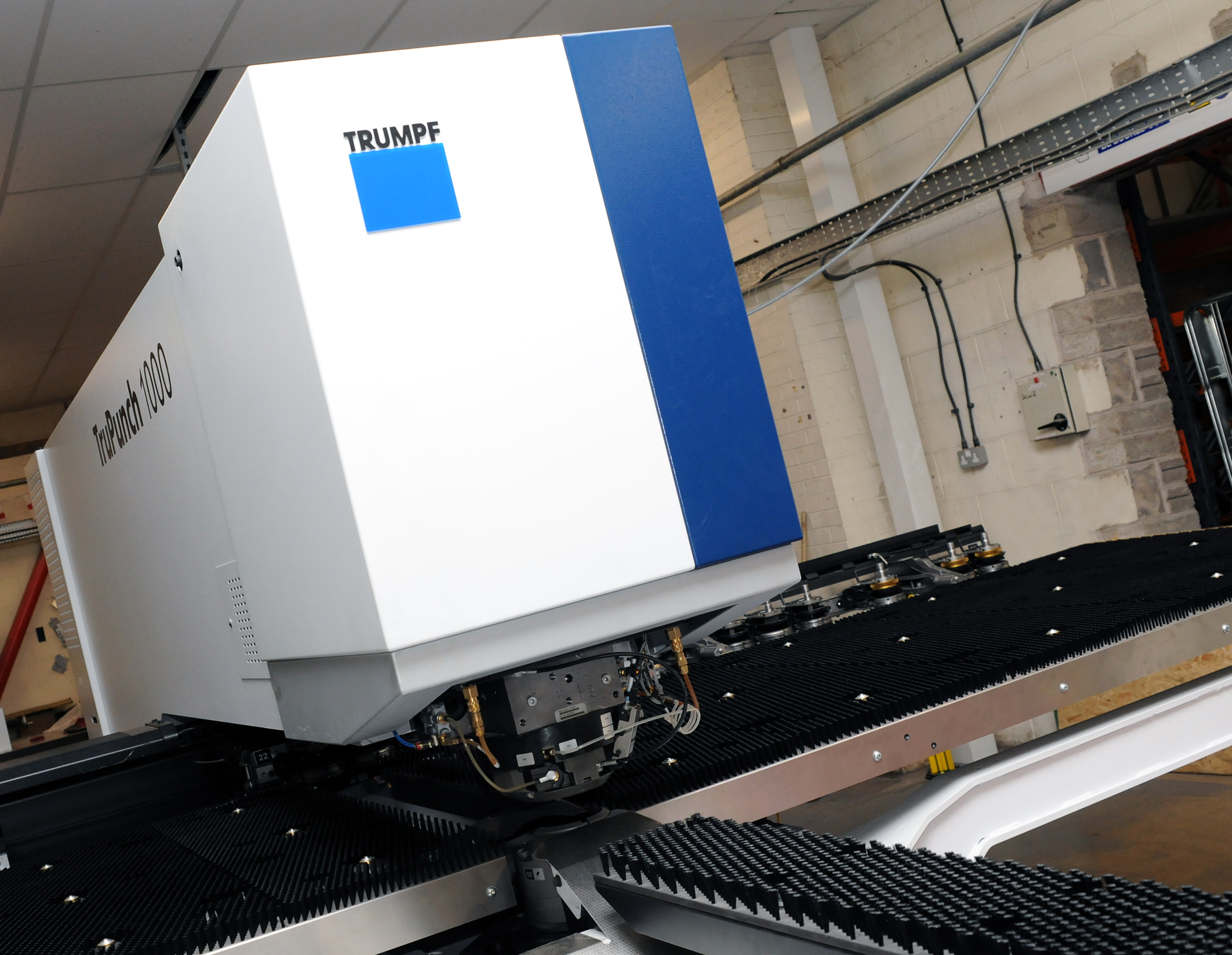
CMD INVESTS £1/4 MILLION IN NEW MACHINE AS PART OF FACTORY UPGRADE

We have invested in a new £1/4m TRUMPF CNC metal punch as part of an asset renewal strategy for our UK manufacturing capability. The new machine will be used in the production of a wide variety of our power distribution systems and workstation power products at our Rotherham factory. Suitable for handling sheet metal between 0.9mm and 3.0mm thick, the new machine will replace one...

Read more
CMD CATALOGUE PROVIDES TECHNICAL POWER DISTRIBUTION GUIDE

CMD Ltd has released a new catalogue, providing an easy to follow technical guide to our power distribution systems and plug and play desk modules. Detailing CMD’s full range of UK-manufactured power distribution systems and plug and play desk modules, the catalogue will be a helpful source of information to M&E engineers and contractors alike to understand how our power distribution systems connect together and...

Read more
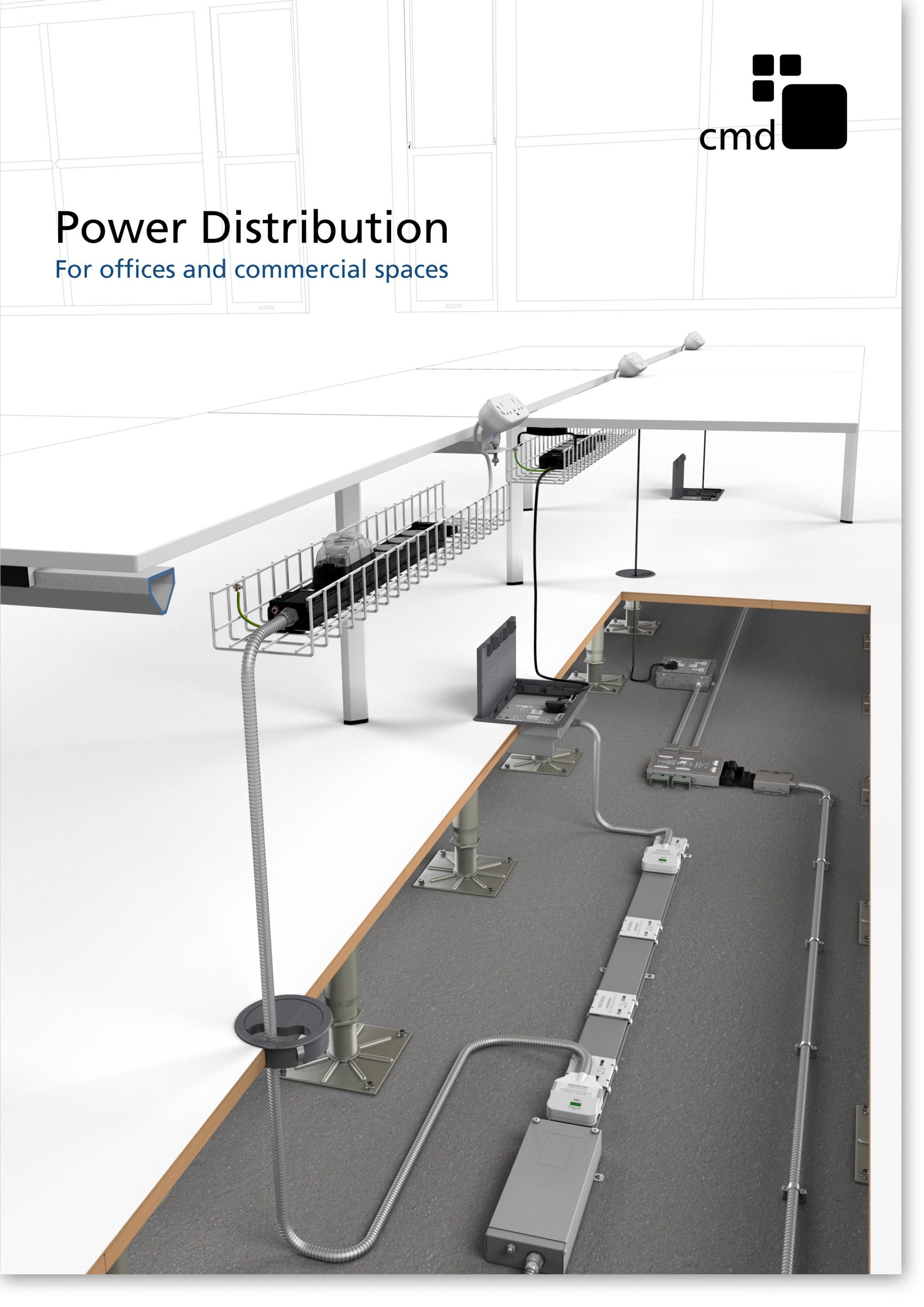
Power Distribution Catalogue
CMD Ltd PLAYS ESSENTIAL ROLE IN ELECTRICAL FIT OUT AT LONDON’S PRESTIGIOUS OFFICE DEVELOPMENT

CMD Ltd, specialist in workplace connectivity and ergonomic solutions, has provided a flexible and high-quality power distribution network for The Ray, a prestigious office development in London’s Farringdon. Well-known for being the former site of The Guardian newspaper, The Ray now stands as an 83,000ft² office development characterised by a modernised warehouse aesthetic, with level two now occupied by a global social media company. The...

Read more

The Ray
CMD plugs in to european opportunity with Schuko Capsule unit launch

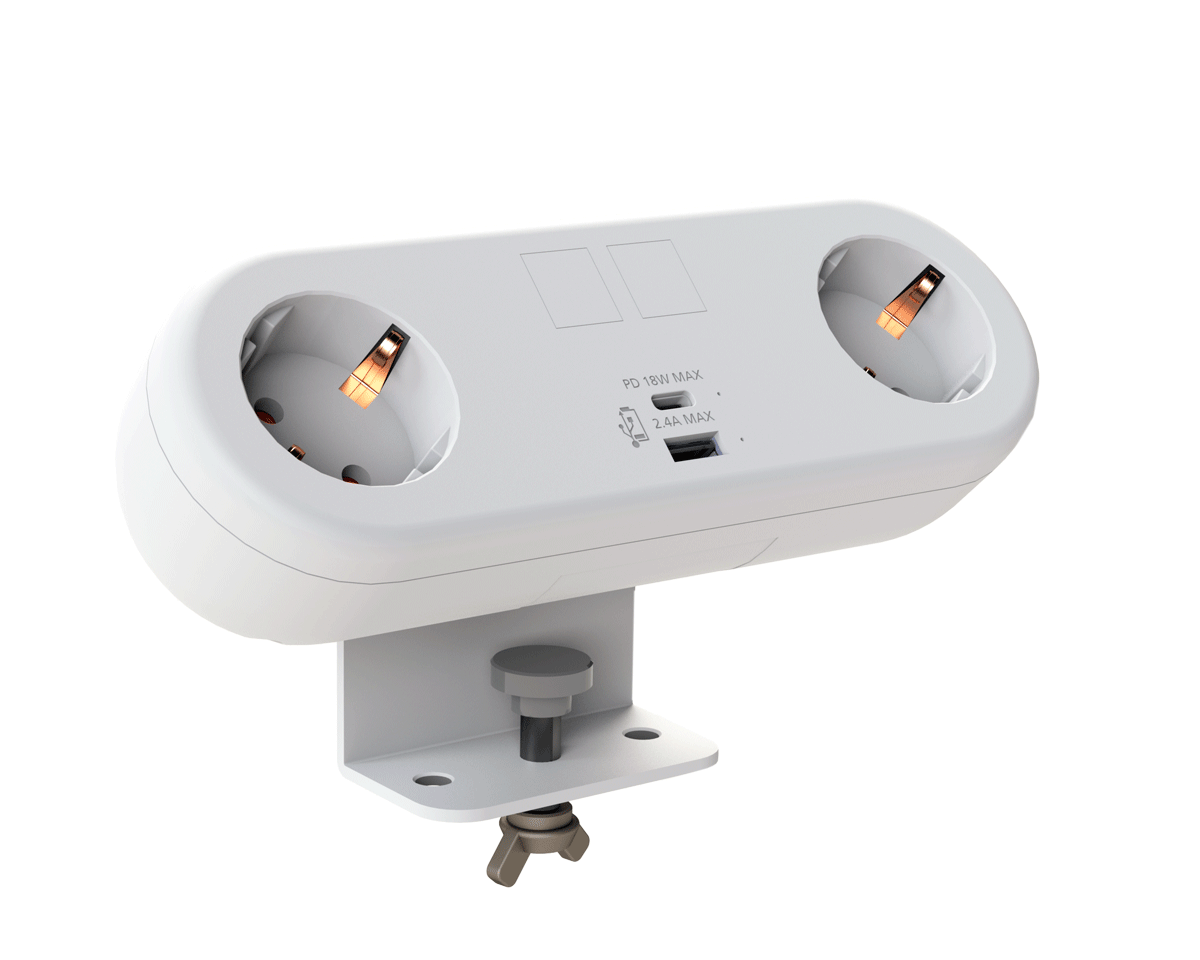
CMD Ltd, the specialist in power and connectivity solutions for commercial environments, has launched a Schuko version of its popular fixed format Capsule workstation power module for export to mainland Europe and beyond. A popular on desk power module comprising two sockets and dual USB (type A and C) chargers, CMD’s Capsule unit is already widely specified in the UK as an off-the-shelf workstation power...

Read more
CMD White Schuko Capsule Desk Power Module
CMD LTD EXTENDS MONITOR ARM RANGE WITH THE LAUNCH OF REACH PLUS

CMD Ltd, the specialist in ergonomic and connectivity solutions for commercial interiors, has completed its Reach monitor arm range with the launch of the Reach Plus. Available in single or dual screen options, the Reach Plus has been designed to provide an ideal solution for both single and dual screen workstation configurations, or can be used with next generation of large format curved screens. Suitable...

Read more

CMD Ltd DEMONSTRATES THE ART OF POWER DISTRIBUTION AT THE UNIVERSITY OF WARWICK

CMD Ltd, the specialist in workplace connectivity and ergonomic solutions, has provided Betatrak busbar power distribution and a range of electrical accessories for two major capital investment projects at the University of Warwick. Designed by Fielden Clegg Bradley Studios, the £33 million Faculty of Arts building is a showpiece development comprising four interconnected structures set around a central atrium, which will enable inter-disciplinary collaboration across...

Read more

University of Warwick
CMD BRINGS HARMONY TO COVENTRY UNIVERSITY RESEARCH FACILITIES

CMD Ltd, the specialist in power distribution solutions and workstation power and ergonomics, has provided under desk and on desk power modules for the refurbishment of three Coventry University research buildings. Located on Coventry University Technology Park, a business park designed to encourage collaboration between the university and knowledge-based businesses, the three buildings are being repurposed as office accommodation for university research teams. The refurbishment...

Read more

Coventry University

10 Container Home Buying Tips for Global Buyers?

For global buyers, a Container Home can look like a practical answer to rising housing costs, limited land, and faster construction. Yet a steel box is not automatically a safe, affordable, or sustainable home. The United Nations Human Settlements Programme estimates that about 1.6 billion people live in inadequate housing worldwide. This urgent need encourages creative solutions, but it also demands careful purchasing decisions.

Energy performance matters. The 2024 Global Status Report for Buildings and Construction, published by UNEP and the Global Alliance for Buildings and Construction, reports that buildings consume approximately 32% of global energy and produce about 34% of global carbon emissions. A poorly insulated container may become dangerously hot in tropical climates and cold in winter regions. Buyers should examine insulation thickness, ventilation, glazing, moisture control, and local energy requirements before comparing prices.

The International Code Council’s guidance on tiny houses and modular construction also shows why design approval, structural safety, and services cannot be treated as afterthoughts. Local planning rules vary widely. So do transport costs, foundation requirements, taxes, utility connections, and inspection procedures. This guide presents 10 Container Home buying tips for global buyers, using practical checks for suppliers, materials, contracts, delivery, and long-term maintenance. Some advertised savings may disappear after site preparation and custom engineering. That is the uncomfortable part. A container may be recyclable, but conversion can involve cutting, welding, chemical residues, and significant new materials. The best purchase is not always the cheapest unit. It is the one that remains safe, legal, comfortable, and financially realistic after installation.

10 Container Home Buying Tips for Global Buyers?

Define Your Housing Needs, Budget, and Preferred Container Home Type

Before comparing container homes, define how you will live inside one. Measure sleeping areas, storage, workspaces, and kitchen equipment. A couple may need one modified container, while a family may require two connected units. Consider local weather, too. Hot climates need shading and strong ventilation. Cold regions require serious insulation and efficient heating.

Set a complete budget, not just a purchase price. Include transport, site preparation, foundations, permits, utility connections, interior finishing, and future maintenance. Get written estimates from qualified builders and check their previous projects. I once underestimated delivery costs because the site had a narrow access road. That mistake changed the entire budget.

Choose the container home type around your daily routine. A basic single-unit design may suit a guest room or compact retreat. A multi-unit layout offers more privacy but needs more land and coordination. New containers can provide cleaner surfaces, while used units may require inspections for corrosion, odors, and structural damage. Ask for material specifications and construction details. Do not rely on attractive drawings alone. Some designs look spacious online but feel tight after furniture arrives. Leave room for revision.

Check Local Laws, Zoning Rules, and Building Permit Requirements

10 Container Home Buying Tips for Global Buyers?

Before buying a container home, check the laws where the property sits. Rules can differ between cities, districts, and rural areas. A structure accepted in one town may be refused nearby. Contact the local planning office, not only the seller. Ask whether the land allows residential use, temporary housing, or modular construction.

Then confirm zoning details. Some areas restrict building height, floor coverage, setbacks, access roads, or exterior appearance. Coastal, agricultural, and heritage zones may have additional controls. A written zoning response is safer than informal advice. Keep copies of emails, maps, and application numbers. Small details matter.

You may also need building permits, structural drawings, energy reports, drainage plans, and fire-safety documents. Local authorities often require engineering calculations for cutting walls or adding large windows. Hire professionals who understand local construction standards and can communicate with officials. A foreign design may need major changes. That can affect both price and delivery time.

Do not assume a container is exempt because it can be moved. Some jurisdictions classify it as a permanent building after connection to utilities. Electricity, water, wastewater, and road access may require separate approvals. I underestimated this distinction once while reviewing a rural project. The land looked suitable, but wastewater restrictions changed the entire plan. Recheck every requirement before paying a deposit.

Evaluate Suppliers, Construction Quality, Materials, and Customization Options

10 Container Home Buying Tips for Global Buyers

Buying a container home requires more than comparing online prices. I have found that supplier communication often reveals construction habits. Ask for factory videos, welding photographs, material certificates, and recent project references. Request a written production schedule, payment milestones, and inspection access. An independent local engineer should review the design before fabrication begins. Cheap offers can hide weak documentation, unclear exclusions, or expensive delivery changes.

Construction quality deserves close attention. Examine weld continuity, corner fittings, floor support, insulation thickness, and roof drainage. Ask how steel surfaces are cleaned and protected against corrosion. Coastal locations need stronger moisture protection than dry inland areas. Materials should match the climate, transport route, and local building requirements. Check window performance, fire resistance, plumbing components, and electrical systems. Certificates matter, but they do not replace physical inspection.

Customization can improve comfort, but every change affects weight, structure, cost, or shipping. Large windows may require reinforced openings. Extra bathrooms need careful water and waste planning. Confirm whether cabinets, lighting, appliances, and interior finishes are included. I once underestimated the value of a detailed room-by-room specification; vague wording caused frustrating revisions. Some design decisions still need reconsideration. A beautiful layout may perform poorly in intense heat or heavy rain. Ask for drawings, material samples, and a final inspection report before approving shipment.

10 Container Home Buying Tips for Global Buyers? - Evaluate Suppliers, Construction Quality, Materials, and Customization Options
No. Evaluation Dimension What to Check Recommended Evidence Common Risk Buyer Action
1 Supplier Legitimacy and Experience Confirm the supplier’s legal registration, operating history, production capacity, export experience, and experience with the destination country.
  • Business registration documents
  • Verifiable project references
  • Factory or workshop video inspection
  • Written quotation with company details
High
Unverified intermediaries, incomplete documentation, or unrealistic delivery promises.
Request at least three completed project references and verify them independently before paying a deposit.
2 Structural Condition of the Container Inspect the condition of the steel frame, corner castings, roof, floor, doors, and load-bearing members. Any alterations must not compromise structural integrity.
  • Container inspection report
  • Steel grade and thickness information
  • Welding and reinforcement details
  • Photographs before interior finishes are installed
High
Corrosion, hidden repairs, excessive cutting, or weak reinforcement around openings.
Use an independent structural professional to review drawings and inspect the unit before shipment whenever possible.
3 Compliance with Local Building Codes The design should address local requirements for structural safety, fire protection, insulation, ventilation, electrical work, plumbing, accessibility, and energy performance.
  • Code-compliant architectural and structural drawings
  • Material certificates and test reports
  • Permit support documents
  • Written confirmation of design responsibility
High
A home may be transportable yet not legally suitable for residential occupation.
Ask a local architect, engineer, or building authority to confirm approval requirements before ordering.
4 Insulation and Climate Suitability Select insulation, vapor control, windows, shading, heating, and cooling systems according to the destination climate zone.
  • Insulation type and thickness
  • Thermal performance calculations
  • Window specification and glazing details
  • Heating, ventilation, and air-conditioning schedule
High
Condensation, mold, overheating, cold floors, and excessive energy use.
Provide the exact site climate and request a condensation-control strategy, not only a nominal insulation value.
5 Material Quality and Durability Evaluate steel protection, roof and wall systems, flooring, windows, sealants, fasteners, cabinetry, and exterior finishes for the intended service environment.
  • Technical data sheets
  • Corrosion-protection specification
  • Fire and moisture performance information
  • Sample board or approved material samples
Medium
Low-cost finishes may deteriorate quickly in coastal, humid, cold, or high-UV locations.
Compare materials by performance, warranty, maintenance needs, and replacement availability in the destination country.
6 Fabrication and Construction Quality Check dimensional accuracy, weld quality, surface preparation, waterproofing, service penetrations, interior alignment, and protection of finishes during transport.
  • Stage-by-stage quality inspection plan
  • Factory acceptance checklist
  • Welding and waterproofing inspection records
  • Pre-shipment photographs and video
High
Defects may be concealed by finishes and become expensive to correct after delivery.
Include an independent pre-shipment inspection and define acceptance criteria in the purchase contract.
7 Customization and Design Flexibility Confirm which changes are possible for layout, windows, doors, kitchens, bathrooms, electrical systems, finishes, accessibility, and renewable-energy preparation.
  • Dimensioned floor plans and elevations
  • Revision-controlled drawings
  • Itemized customization schedule
  • Written impact on price and delivery time
Medium
Late changes can create structural conflicts, additional fees, and approval delays.
Freeze the design before production and require written approval for every revision.
8 Utilities and Installation Scope Clarify whether the price includes internal wiring, plumbing, fixtures, appliances, foundations, utility connections, site works, commissioning, and installation.
  • Detailed inclusion and exclusion list
  • Electrical load schedule
  • Plumbing and drainage drawings
  • Foundation and anchoring requirements
High
A low factory price can exclude major site, foundation, utility, crane, or installation costs.
Build a complete delivered-and-installed budget, including taxes, permits, transport, lifting, foundations, and local labor.
9 Shipping, Packaging, and Import Requirements Confirm transport dimensions, gross weight, lifting points, packaging method, port handling, customs documents, import duties, and delivery terms.
  • Packing list and commercial invoice
  • Estimated shipping dimensions and weight
  • Delivery-term statement
  • Country-specific import documentation
High
Port storage, customs delays, transit damage, or equipment limitations at the site.
Confirm the route with a freight professional and inspect road access, crane access, turning radius, and site unloading conditions.
10 Contract, Warranty, and After-Sales Support The contract should define specifications, milestones, payment protection, delivery dates, inspection rights, defect correction, warranty coverage, and dispute resolution.
  • Signed technical specification
  • Warranty terms and exclusions
  • Spare-parts and maintenance procedure
  • Escalation contact and response times
High
Verbal promises may be difficult to enforce across borders.
Use a written contract reviewed for the relevant jurisdiction and link final payment to documented acceptance.

Compare Total Costs, Delivery Logistics, Installation, and Utility Connections

Global buyers should compare the complete delivered cost, not only the factory price. A low quote may exclude customs duties, port handling, inland transport, crane hire, foundations, insurance, and site preparation. Request an itemized quotation with currency, taxes, payment stages, and delivery limits. Keep a contingency fund for weather, storage, and damaged components. Ten percent may still be optimistic.

Measure the delivery route before ordering. Check bridge heights, narrow turns, road weight limits, and crane access. Ask who manages customs clearance and port storage. Confirm the container’s external dimensions and lifting points. Get installation drawings and a written schedule. A local surveyor can identify soil problems early. Poor access can cost more than the home itself. I learned that estimates often fail at the driveway.

Utility connections need equal attention. Ask the local authority about planning approval, electrical standards, water supply, drainage, and fire safety. Use licensed professionals for structural, electrical, and plumbing work. Confirm the distance to power and water mains, then price trenching separately. Rural sites may require a septic system, water tank, or upgraded transformer. Include testing, inspection, and final connection fees. Never assume a standard outlet will match local voltage or regulations. Mistakes here are expensive.

Verify Contracts, Inspections, Warranties, Insurance, and After-Sales Support

10 Container Home Buying Tips for Global Buyers

A low price can hide expensive gaps. Ask for a complete contract before paying any deposit. It should list the container grade, steel treatment, insulation, windows, plumbing, electrical work, delivery, and installation. Confirm who handles permits in your location. A local architect or building surveyor should review unfamiliar clauses. Translation matters too. Never rely on verbal promises.

Arrange an independent inspection before shipment and after installation. Inspect welds, roof seams, floor moisture, door alignment, and drainage points. Request dated photographs and written measurements. Electrical systems should match local standards, not only the seller’s country. I once underestimated drainage clearance on a small project. Heavy rain exposed the mistake quickly. That experience changed my inspection checklist.

Read the warranty line by line. Check its duration, exclusions, labor coverage, transport costs, and claim process. Ask whether repairs require returning the unit overseas. Obtain insurance confirmation for transport, fire, weather damage, and installation risks. Some policies exclude unoccupied homes or modified containers. Ask for those exclusions in writing. After-sales support should include named contacts, response times, spare-part access, and remote troubleshooting. Keep invoices, inspection reports, drawings, and delivery records in one secure folder. Professional advice is not wasted money when construction crosses borders.

Standard container footprints are calculated from nominal ISO external dimensions. Actual internal space may be smaller because of wall insulation, framing, doors, windows, and services. Global buyers should verify the exact specification, condition, modification work, delivery terms, warranty, insurance requirements, and after-sales support before signing a contract.