

News

Miro: A New Standard in Responsible Innovation

Miro: A New Standard in Responsible Innovation The Miro monitor arm is setting new benchmarks in sustainability. It offers a high-performance solution without compromising on environmental responsibility. Designed with careful material selection, local sourcing, and longevity in mind, Miro’s responsible approach to design and unique manoeuvrability set it apart from the competition. Sustainable Choices Miro is crafted from energy-efficient materials with a lower carbon impact....

Read more
HSE Advisor

Role Purpose Support in the development, implementation and maintenance of the company’s Health, Safety & Environmental policies, processes, operational procedures, and standards.  Ensuring best practice and championing a continually improving HSE culture within the business. Key Responsibilities Liaise with and provide support to all areas of the business to eliminate, mitigate or reduce identified HSE exposures. Partner with the production management team and team leaders,...

Read more
CMD Ltd LAUNCHES 48-HOUR TURNAROUND ON BETATRAK® RAPID ORDERING SERVICE

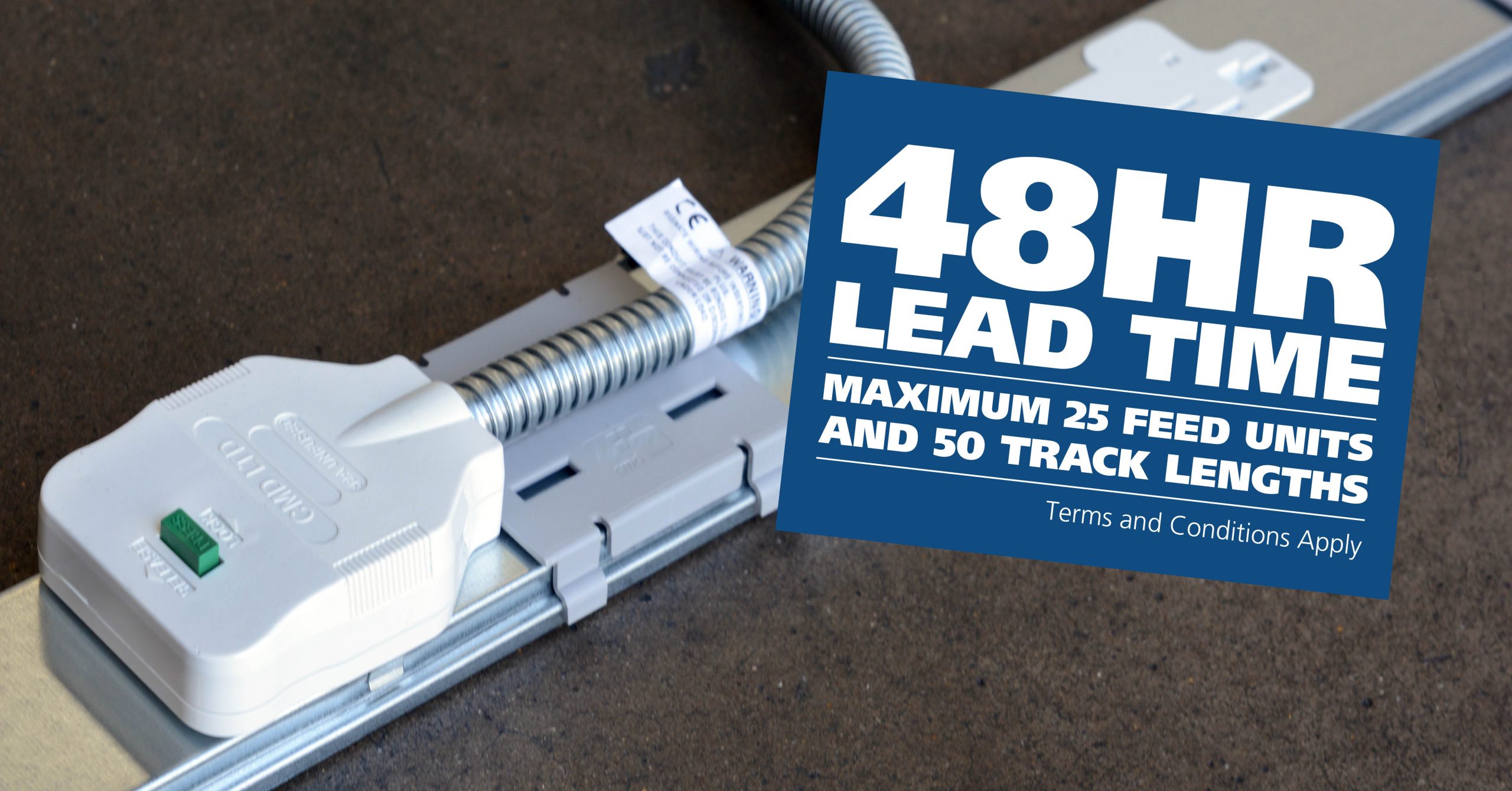
CMD Ltd, the specialist in power distribution systems, workstation power and monitor arms, has launched a rapid ordering service for its Betatrak® underfloor powertrack distribution systems and accessories, with a commitment to delivering within 48-hours of an approved purchase order*. The service enables customers to order up to 50 lengths of Standard or Clean Earth (C/E) low noise Betatrak, along with up to 25 feed...

Read more
CMD INVESTS £1/4 MILLION IN NEW MACHINE AS PART OF FACTORY UPGRADE

We have invested in a new £1/4m TRUMPF CNC metal punch as part of an asset renewal strategy for our UK manufacturing capability. The new machine will be used in the production of a wide variety of our power distribution systems and workstation power products at our Rotherham factory. Suitable for handling sheet metal between 0.9mm and 3.0mm thick, the new machine will replace one...

Read more

CMD CATALOGUE PROVIDES TECHNICAL POWER DISTRIBUTION GUIDE

CMD Ltd has released a new catalogue, providing an easy to follow technical guide to our power distribution systems and plug and play desk modules. Detailing CMD’s full range of UK-manufactured power distribution systems and plug and play desk modules, the catalogue will be a helpful source of information to M&E engineers and contractors alike to understand how our power distribution systems connect together and...

Read more
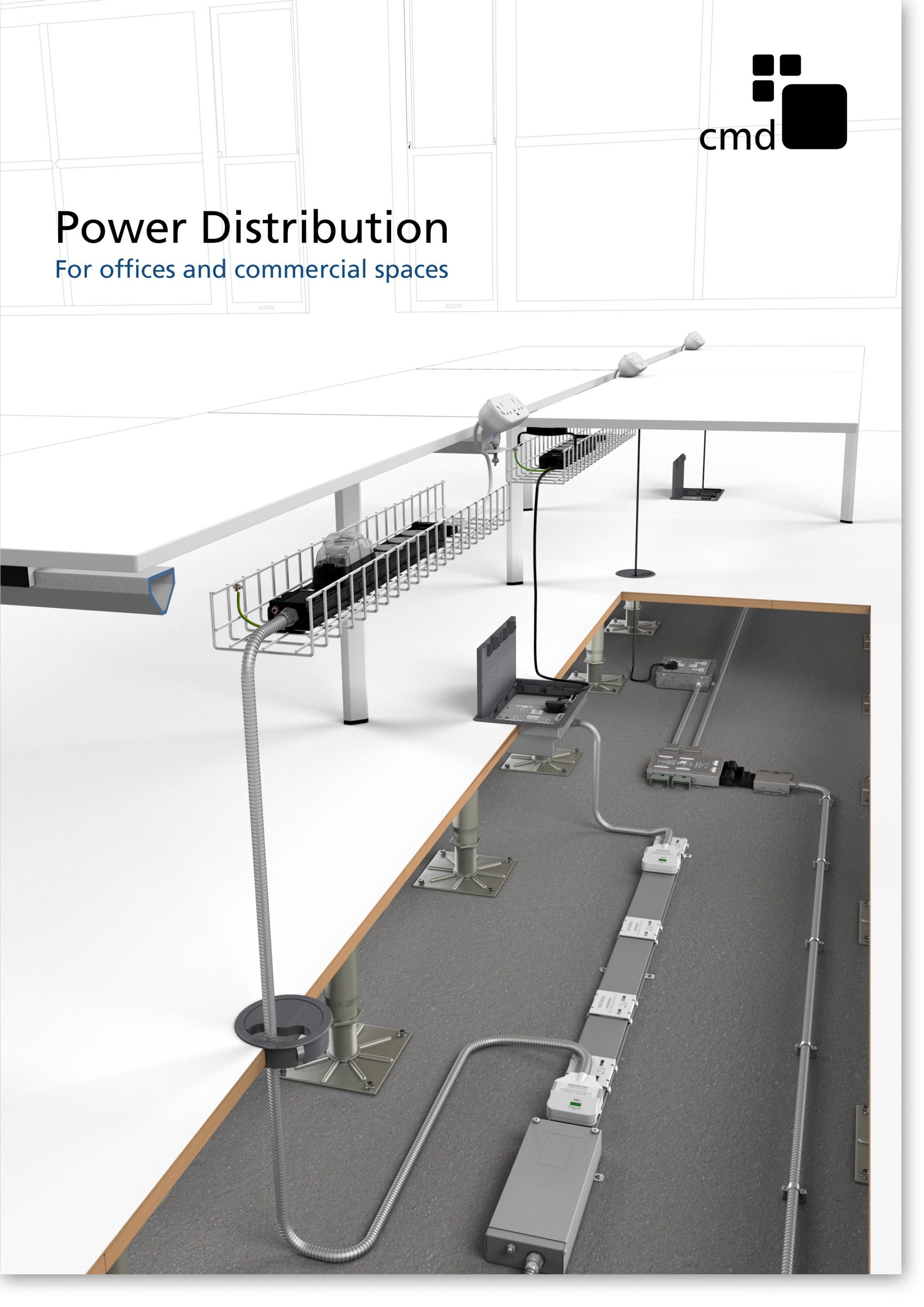
Power Distribution Catalogue
CMD Ltd PLAYS ESSENTIAL ROLE IN ELECTRICAL FIT OUT AT LONDON’S PRESTIGIOUS OFFICE DEVELOPMENT

CMD Ltd, specialist in workplace connectivity and ergonomic solutions, has provided a flexible and high-quality power distribution network for The Ray, a prestigious office development in London’s Farringdon. Well-known for being the former site of The Guardian newspaper, The Ray now stands as an 83,000ft² office development characterised by a modernised warehouse aesthetic, with level two now occupied by a global social media company. The...

Read more

The Ray
CMD plugs in to european opportunity with Schuko Capsule unit launch

CMD Ltd, the specialist in power and connectivity solutions for commercial environments, has launched a Schuko version of its popular fixed format Capsule workstation power module for export to mainland Europe and beyond. A popular on desk power module comprising two sockets and dual USB (type A and C) chargers, CMD’s Capsule unit is already widely specified in the UK as an off-the-shelf workstation power...

Read more
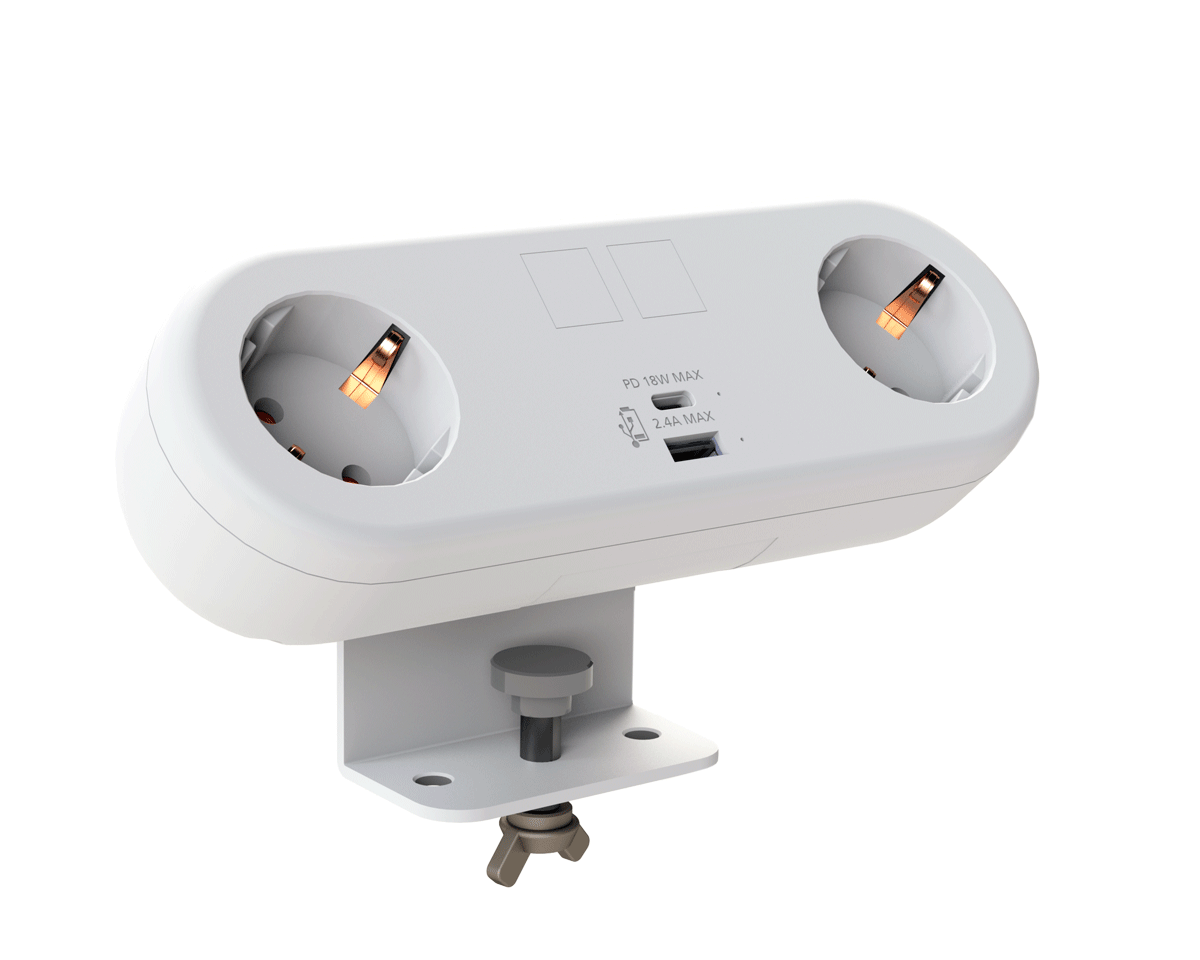
CMD White Schuko Capsule Desk Power Module
CMD LTD EXTENDS MONITOR ARM RANGE WITH THE LAUNCH OF REACH PLUS

CMD Ltd, the specialist in ergonomic and connectivity solutions for commercial interiors, has completed its Reach monitor arm range with the launch of the Reach Plus. Available in single or dual screen options, the Reach Plus has been designed to provide an ideal solution for both single and dual screen workstation configurations, or can be used with next generation of large format curved screens. Suitable...

Read more

CMD Ltd DEMONSTRATES THE ART OF POWER DISTRIBUTION AT THE UNIVERSITY OF WARWICK

CMD Ltd, the specialist in workplace connectivity and ergonomic solutions, has provided Betatrak busbar power distribution and a range of electrical accessories for two major capital investment projects at the University of Warwick. Designed by Fielden Clegg Bradley Studios, the £33 million Faculty of Arts building is a showpiece development comprising four interconnected structures set around a central atrium, which will enable inter-disciplinary collaboration across...

Read more

University of Warwick
CMD BRINGS HARMONY TO COVENTRY UNIVERSITY RESEARCH FACILITIES

CMD Ltd, the specialist in power distribution solutions and workstation power and ergonomics, has provided under desk and on desk power modules for the refurbishment of three Coventry University research buildings. Located on Coventry University Technology Park, a business park designed to encourage collaboration between the university and knowledge-based businesses, the three buildings are being repurposed as office accommodation for university research teams. The refurbishment...

Read more


Coventry University

How to Choose the Right Webbing Sling for Your Needs?

Choosing the right Webbing Sling is crucial for safety and efficiency in lifting operations. According to a report by the Lifting Equipment Engineers Association (LEEA), improper selection of lifting equipment contributes to over 30% of workplace accidents. This highlights the importance of informed choices. Industry expert James Brook emphasizes, “The right webbing sling can make all the difference in ensuring safe lifting.”

Webbing slings come in various types, materials, and sizes. Selecting the wrong one can lead to accidents or equipment damage. For instance, polyester slings are popular due to their flexibility and resistance to UV rays. However, they lack strength compared to nylon slings, which can handle heavier loads. Knowing your load requirements and sling capacities is essential.

Additionally, organizations often neglect regular inspection protocols for webbing slings. Over time, wear and tear can compromise their strength. A Sling Safety Report showed that 25% of slings are used beyond their recommended lifespan, increasing risk. A vigilant approach to maintenance is necessary for ensuring safety. When choosing a webbing sling, consider both technical specifications and potential hazards to make an informed choice.

How to Choose the Right Webbing Sling for Your Needs?

Understanding the Basics of Webbing Slings and Their Uses

Webbing slings are essential tools in lifting and transporting heavy loads. Their design allows for flexibility, strength, and durability. Understanding the types of webbing slings, including flat and round slings, can significantly impact their application. According to industry reports, flat slings are best suited for stable loads, while round slings offer more versatility for varied load shapes.

When selecting a webbing sling, consider its working load limit (WLL). For instance, the WLL can differ greatly depending on the sling's width and material. Typically, polyester slings offer a strong, lightweight option with a WLL ranging from 1 to 50 tons. However, misuse or choosing the wrong sling can lead to serious accidents. A recent safety audit indicated that improper sling selection caused 30% of loading mishaps last year.

Inspecting slings regularly is crucial. Wear and tear can compromise their integrity. Small cuts and frays may seem insignificant but can lead to catastrophic failures if overlooked. Even with proper care, slings have a finite lifespan. Some experts recommend replacing slings every three to five years, regardless of visible wear, to ensure safety and reliability in lifting operations.

Webbing Slings: Load Capacity vs. Sling Width

Types of Webbing Slings and Their Specific Applications

Webbing slings come in various types, each designed for specific applications. Flat webbing slings are versatile and often used in lifting and rigging operations. They excel in situations where the load is wide and evenly distributed. Their flat design reduces points of pressure, making them ideal for delicate surfaces.

Round slings are another popular option, known for their flexibility and strength. The round shape allows for better load control, especially in irregular shapes. They can be used in lifting, hoisting, and even as load protection. The inherent design makes them less prone to abrasion, extending their lifespan in rugged environments.

Choker slings provide excellent grip on loads, making them suitable for heavy lifting where stability is crucial. However, their design requires careful handling to prevent damage. It’s essential to consider these factors before choosing a sling type. Understanding the specific characteristics of each sling type helps ensure safe and efficient operations in diverse environments.

How to Choose the Right Webbing Sling for Your Needs?

Type of Webbing Sling Material Load Capacity Typical Applications Features
Polyester Webbing Sling Polyester Up to 20 tons Construction, Shipping Low stretch, UV resistant
Nylon Webbing Sling Nylon Up to 10 tons Heavy lifting, Automotive High abrasion resistance
Round Sling Polyester Up to 50 tons Lifting in tight spaces Lightweight and flexible
Webbing Sling with Loops Polyester/Nylon Varies by design Industrial lifting Multiple lifting configurations
High-Temperature Sling Specialized materials Up to 15 tons Glass and metal industries Heat resistant

Factors to Consider When Selecting a Webbing Sling

Choosing the right webbing sling is crucial for safety and efficiency in lifting operations. One significant factor to consider is the load capacity. According to industry standards, webbing slings are rated based on the maximum load they can handle. The American National Standards Institute (ANSI) outlines these ratings, emphasizing the importance of understanding Weight Load Limits (WLL). Miscalculations can lead to dangerous situations.

Another important factor is the sling material. Most webbing slings are made from nylon or polyester. Nylon slings are more elastic and can absorb shock loads, while polyester slings resist UV degradation better. A study from the Sling Manufacturers Association (SMA) indicates that about 30% of lifting accidents are linked to choosing the wrong material. Users should assess the working environment before making a decision.

The width and length of the sling are equally vital. Wider slings distribute the load more evenly, reducing the risk of damage. The European Standards (EN) recommend selecting a sling length that accommodates the load without excessive slack. This prevents potential slipping and increases safety. Selecting the right webbing sling is not just about meeting specifications; it involves careful analysis of your specific lifting needs.

Safety Standards and Regulations for Webbing Slings

When selecting a webbing sling, understanding safety standards is crucial. The American National Standards Institute (ANSI) and Occupational Safety and Health Administration (OSHA) set rigorous guidelines. According to ANSI, webbing slings must undergo periodic inspections to ensure integrity. A comprehensive safety plan often includes regular checks to detect wear, cuts, or mildew.

Different materials have varying safety factors. For instance, polyester slings typically have a safety factor of 5:1, meaning they can lift five times their rated load. However, users often misjudge load limits. The United States Army Corps of Engineers reported that improper use resulted in significant accidents, underlining the importance of following safety regulations.

Training is another critical aspect. Workers should be educated about sling capacities and limitations. Inadequate training can lead to misuse, which can be detrimental. More than 35% of sling-related accidents occur due to a lack of understanding of proper lifting techniques. Continuous education ensures that safety standards are upheld and risks are mitigated effectively.

Maintenance and Care for Optimal Sling Performance

Proper maintenance and care of webbing slings are crucial for their longevity and performance. Regular inspections should be conducted to check for any signs of wear, tear, or abrasions. Look for fraying edges or cuts in the material. These signs can indicate compromised strength and safety. It's important to always store slings in a clean, dry place to prevent damage from harsh environmental conditions, such as UV exposure or moisture.

Cleaning webbing slings is also essential. Hand wash them using mild soap and water. Avoid using harsh chemicals that could weaken the fibers. Rinse thoroughly to remove any soap residue. After cleaning, it’s vital to let them dry completely before storage. Wet slings can develop mold or mildew, impairing their effectiveness.

Reflect on how you use your slings. Are they being used correctly? Misuse can cause unexpected damage. Even a minor oversight can lead to significant issues down the road. Always follow the manufacturer's guidelines for weight limits and application methods. A little extra care goes a long way in maintaining the integrity and performance of your webbing slings.