

News

Miro: A New Standard in Responsible Innovation

Miro: A New Standard in Responsible Innovation The Miro monitor arm is setting new benchmarks in sustainability. It offers a high-performance solution without compromising on environmental responsibility. Designed with careful material selection, local sourcing, and longevity in mind, Miro’s responsible approach to design and unique manoeuvrability set it apart from the competition. Sustainable Choices Miro is crafted from energy-efficient materials with a lower carbon impact....

Read more
HSE Advisor

Role Purpose Support in the development, implementation and maintenance of the company’s Health, Safety & Environmental policies, processes, operational procedures, and standards.  Ensuring best practice and championing a continually improving HSE culture within the business. Key Responsibilities Liaise with and provide support to all areas of the business to eliminate, mitigate or reduce identified HSE exposures. Partner with the production management team and team leaders,...

Read more
CMD Ltd LAUNCHES 48-HOUR TURNAROUND ON BETATRAK® RAPID ORDERING SERVICE

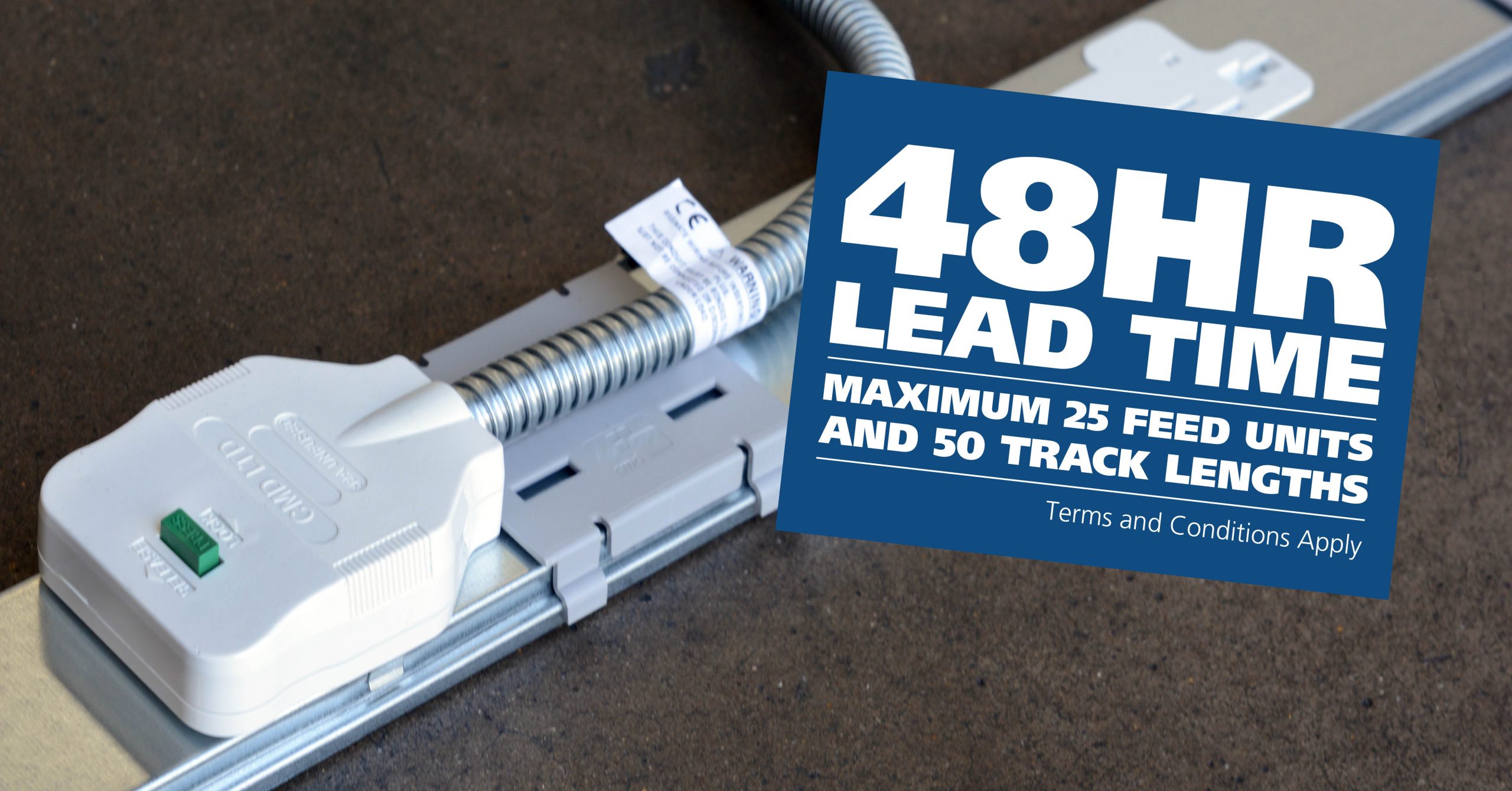
CMD Ltd, the specialist in power distribution systems, workstation power and monitor arms, has launched a rapid ordering service for its Betatrak® underfloor powertrack distribution systems and accessories, with a commitment to delivering within 48-hours of an approved purchase order*. The service enables customers to order up to 50 lengths of Standard or Clean Earth (C/E) low noise Betatrak, along with up to 25 feed...

Read more
CMD INVESTS £1/4 MILLION IN NEW MACHINE AS PART OF FACTORY UPGRADE

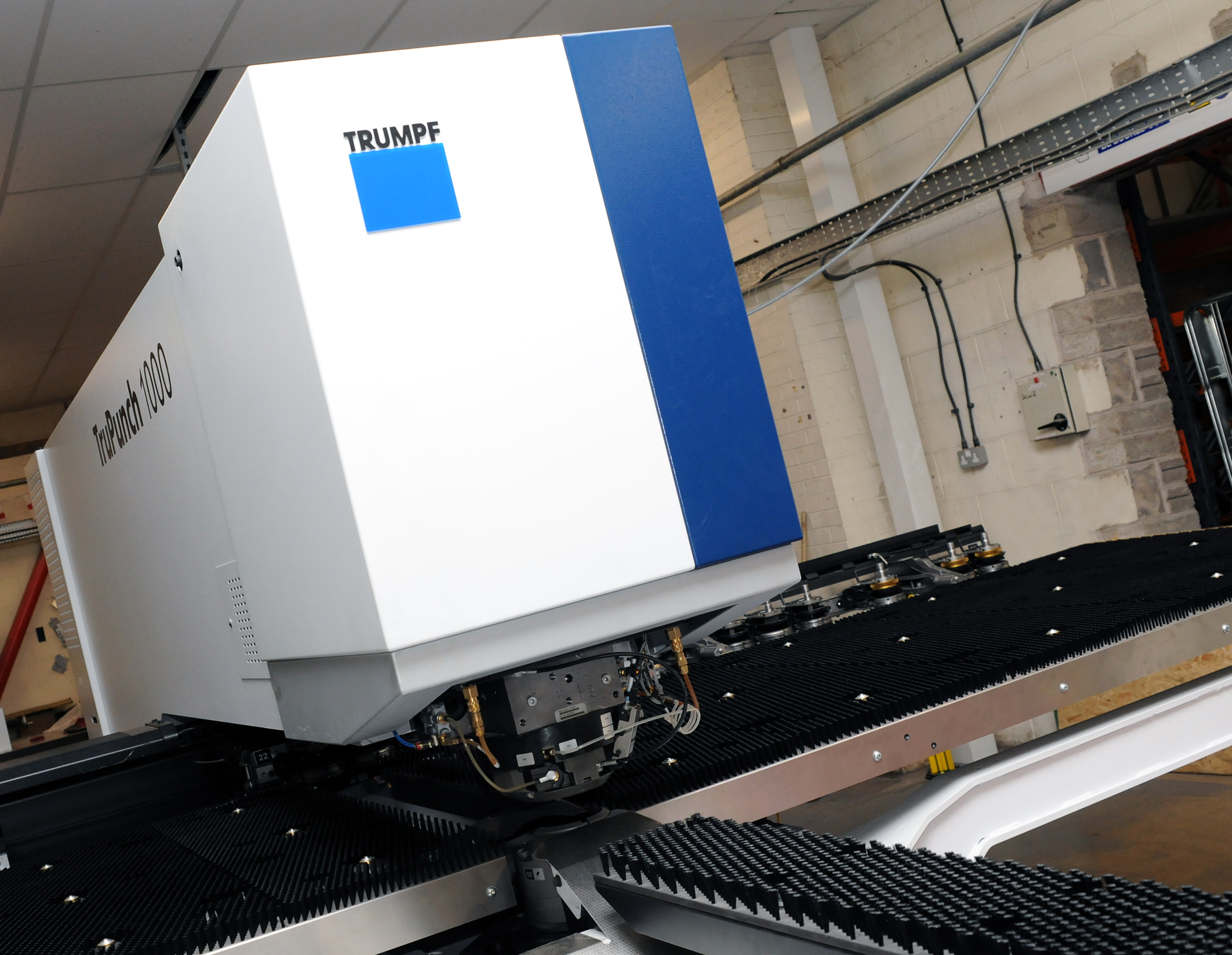
We have invested in a new £1/4m TRUMPF CNC metal punch as part of an asset renewal strategy for our UK manufacturing capability. The new machine will be used in the production of a wide variety of our power distribution systems and workstation power products at our Rotherham factory. Suitable for handling sheet metal between 0.9mm and 3.0mm thick, the new machine will replace one...

Read more
CMD CATALOGUE PROVIDES TECHNICAL POWER DISTRIBUTION GUIDE

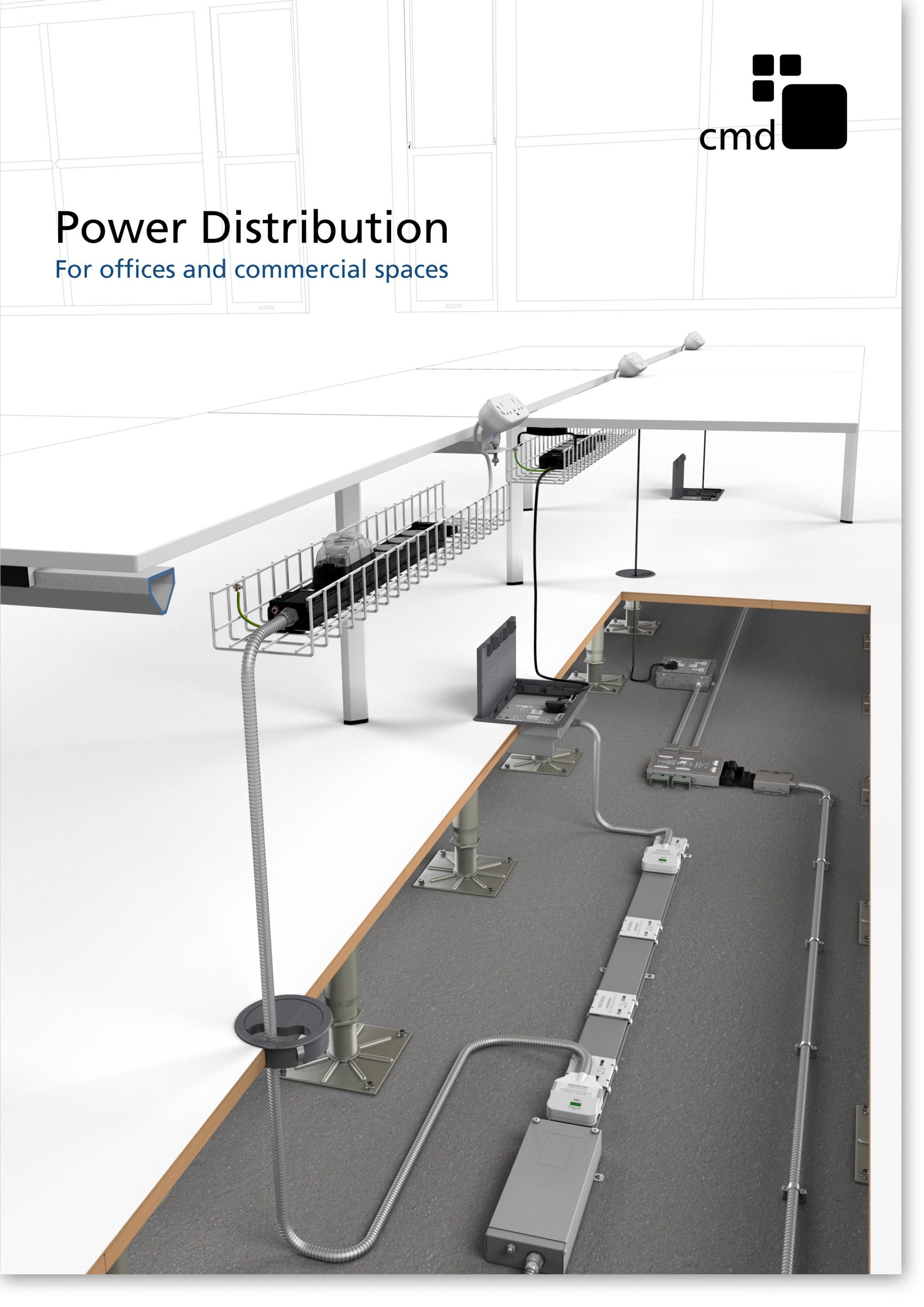
CMD Ltd has released a new catalogue, providing an easy to follow technical guide to our power distribution systems and plug and play desk modules. Detailing CMD’s full range of UK-manufactured power distribution systems and plug and play desk modules, the catalogue will be a helpful source of information to M&E engineers and contractors alike to understand how our power distribution systems connect together and...

Read more
Power Distribution Catalogue
CMD Ltd PLAYS ESSENTIAL ROLE IN ELECTRICAL FIT OUT AT LONDON’S PRESTIGIOUS OFFICE DEVELOPMENT

CMD Ltd, specialist in workplace connectivity and ergonomic solutions, has provided a flexible and high-quality power distribution network for The Ray, a prestigious office development in London’s Farringdon. Well-known for being the former site of The Guardian newspaper, The Ray now stands as an 83,000ft² office development characterised by a modernised warehouse aesthetic, with level two now occupied by a global social media company. The...

Read more

The Ray
CMD plugs in to european opportunity with Schuko Capsule unit launch

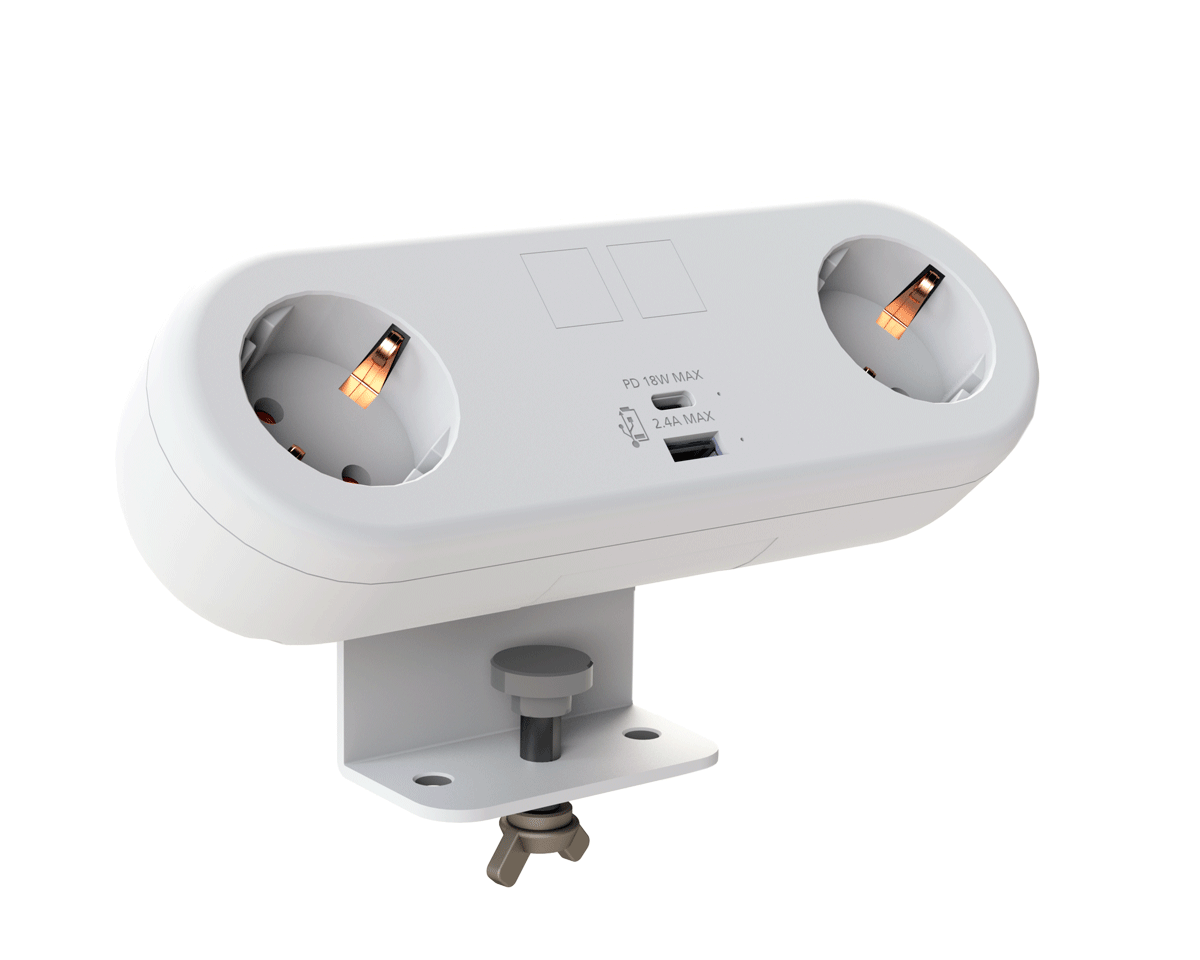
CMD Ltd, the specialist in power and connectivity solutions for commercial environments, has launched a Schuko version of its popular fixed format Capsule workstation power module for export to mainland Europe and beyond. A popular on desk power module comprising two sockets and dual USB (type A and C) chargers, CMD’s Capsule unit is already widely specified in the UK as an off-the-shelf workstation power...

Read more
CMD White Schuko Capsule Desk Power Module
CMD LTD EXTENDS MONITOR ARM RANGE WITH THE LAUNCH OF REACH PLUS

CMD Ltd, the specialist in ergonomic and connectivity solutions for commercial interiors, has completed its Reach monitor arm range with the launch of the Reach Plus. Available in single or dual screen options, the Reach Plus has been designed to provide an ideal solution for both single and dual screen workstation configurations, or can be used with next generation of large format curved screens. Suitable...

Read more

CMD Ltd DEMONSTRATES THE ART OF POWER DISTRIBUTION AT THE UNIVERSITY OF WARWICK

CMD Ltd, the specialist in workplace connectivity and ergonomic solutions, has provided Betatrak busbar power distribution and a range of electrical accessories for two major capital investment projects at the University of Warwick. Designed by Fielden Clegg Bradley Studios, the £33 million Faculty of Arts building is a showpiece development comprising four interconnected structures set around a central atrium, which will enable inter-disciplinary collaboration across...

Read more

University of Warwick
CMD BRINGS HARMONY TO COVENTRY UNIVERSITY RESEARCH FACILITIES

CMD Ltd, the specialist in power distribution solutions and workstation power and ergonomics, has provided under desk and on desk power modules for the refurbishment of three Coventry University research buildings. Located on Coventry University Technology Park, a business park designed to encourage collaboration between the university and knowledge-based businesses, the three buildings are being repurposed as office accommodation for university research teams. The refurbishment...

Read more

Coventry University

How to Choose an Electrical Parking Lift?

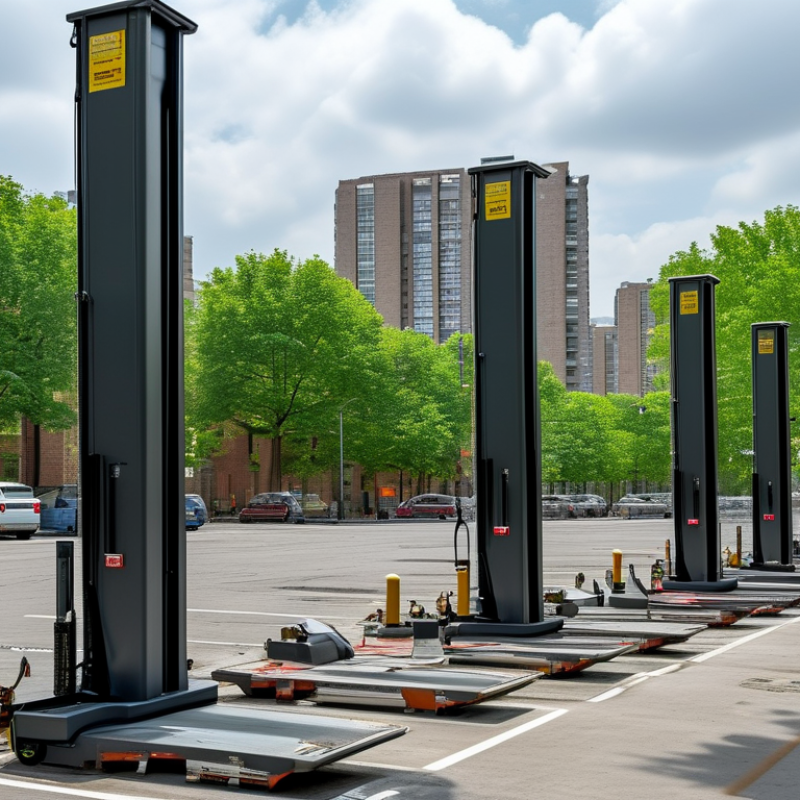
Choosing an Electrical Parking Lift is no longer a simple space-saving decision. Urban land is becoming more expensive, while vehicle ownership continues to pressure existing parking areas. The United Nations projects that 68% of the world’s population will live in urban areas by 2050. That trend makes vertical parking increasingly practical for apartments, offices, hotels, and compact garages.

The technology is also changing. The International Energy Agency reported in Global EV Outlook 2024 that electric car sales exceeded 17 million worldwide in 2024. This growth raises practical questions about platform clearance, vehicle weight, charging access, and electrical capacity. A lift designed for a small sedan may not safely support a heavier electric SUV. Check the numbers carefully.

This guide explains how to evaluate lifting capacity, platform dimensions, installation height, operating speed, noise, drainage, and emergency protection. It also considers daily traffic, maintenance access, and local safety requirements. Reports from the U.S. Department of Energy’s Alternative Fuels Data Center show that charging equipment requires suitable electrical planning, which parking-lift buyers sometimes overlook.

A reliable choice should include tested structural components, clear user controls, mechanical locking systems, and documented inspection procedures. The cheapest model may create higher costs through installation changes or frequent servicing. Still, no single specification fits every site. Measure the actual space, observe how drivers use it, and question assumptions before signing an order. Safety comes first.

How to Choose an Electrical Parking Lift?

Define Your Parking Needs and Available Installation Space

How to Choose an Electrical Parking Lift?

Define Your Parking Needs and Available Installation Space

Start with the vehicles, not the lift. Record each car’s length, width, height, wheelbase, and weight. SUVs often need more vertical clearance than expected. Measure the full route, including gates, ramps, and turning areas. A practical parking survey should also count daily arrivals, peak-hour demand, and driver skill levels. INRIX’s 2023 Global Traffic Scorecard reported that U.S. drivers lost an average of 42 hours in congestion. Better on-site parking circulation can reduce unnecessary searching and queuing.

Available space determines whether an electrical parking lift is realistic. Measure ceiling height at the lowest obstruction, not the room’s average height. Check slab thickness, drainage, ventilation, lighting, and electrical capacity. Leave room for doors to open safely. The International Building Code and local electrical regulations may impose additional requirements. EN 14010 also provides safety guidance for powered parking equipment. A qualified engineer should verify structural loads before installation.

Tips: Sketch the bay at full scale. Mark columns, pipes, sprinklers, and pedestrian paths. Ask for the lift’s platform size, maximum load, lifting height, cycle time, and emergency release method. Do not trust a brochure alone. The first space estimate is often wrong, especially when mirrors, roof racks, or uneven floors are ignored. Recheck the design with your largest vehicle, not your smallest one.

Compare Electrical Lift Types, Capacity, and Vehicle Compatibility

How to Choose an Electrical Parking Lift?

Choosing an electrical parking lift starts with its lifting mechanism. Screw-driven lifts offer controlled movement and stable positioning. Hydraulic-electric systems can be faster, but they need careful inspection of hoses and seals. Four-post platforms suit long-term parking and heavier vehicles. Two-post designs save floor space, yet door clearance and balance become more demanding. Capacity must exceed the vehicle’s curb weight, passengers, and cargo. A practical margin of 15–20% is sensible. I would not rely on the brochure alone.

Vehicle compatibility is becoming more important. The IEA Global EV Outlook 2024 reported nearly 14 million electric cars sold worldwide in 2023, representing about 18% of new-car sales. Electric vehicles often carry heavier battery packs, so axle loads may differ from petrol vehicles. Check total weight, front and rear axle ratings, wheelbase, tire width, ground clearance, and lifting-point locations. The U.S. EPA Automotive Trends Report 2023 also documented a long-term rise in average vehicle weight, driven partly by larger SUVs and pickups. Measure twice. Small errors matter.

Tips: Request the lift’s rated capacity, platform dimensions, duty cycle, and emergency-lowering procedure. Verify third-party certification against applicable standards, such as ANSI/ALI ALCTV. Leave clearance for mirrors, charging cables, and opening doors. A compact lift may fit today’s sedan, but tomorrow’s larger vehicle could expose a poor choice.

Evaluate Safety Systems, Controls, and Structural Protection

How to Choose an Electrical Parking Lift?

Choosing an electrical parking lift requires more than checking its rated load. Safety systems, control logic, and structural protection deserve close attention. During site inspections, I look for visible locks, guarded moving parts, and clearly marked emergency stops. Mechanical locks should support the platform without relying only on motor power. Sensors must detect uneven positioning, open gates, and unexpected movement. These details can prevent a minor fault from becoming a serious incident. Do not accept vague safety claims.

Ask how the lift behaves during power loss. A dependable design should stop safely and provide a controlled recovery procedure. Controls should be simple enough for a trained operator to understand quickly. Clear displays should show platform position, active alarms, and operating status. A manual lowering procedure must be documented and physically accessible. Test it carefully. Confusing instructions are a warning sign. Regular inspections should verify switches, cables, brakes, and emergency devices under real operating conditions.

Structural protection begins with accurate site measurements. Check the foundation, slab thickness, drainage, headroom, and vehicle clearances before installation. The surrounding columns and walls should not obstruct movement or create impact points. Protective barriers can reduce damage from careless parking, although they cannot replace good training. Corrosion protection also matters in damp garages. I once underestimated how quickly standing water could affect exposed metalwork. That assumption needed correction. Have a qualified engineer review load paths and anchoring details against applicable requirements. Keep inspection records, repair dates, and operator training logs together. Small gaps in documentation often reveal larger maintenance problems.

Check Power Requirements, Installation Conditions, and Maintenance

How to Choose an Electrical Parking Lift?

Power requirements deserve careful checking before selecting an electrical parking lift. Review the motor rating, voltage, phase, starting current, and available circuit capacity. Power comes first. A qualified electrician should verify the supply and install suitable protection devices under local electrical codes. Do not rely only on the lift’s advertised capacity. A crowded circuit, long cable run, or weak connection can cause voltage drops and repeated shutdowns.

Installation conditions matter just as much. Measure ceiling height, vehicle length, platform clearance, and access width before delivery. Inspect the concrete slab for thickness, cracks, reinforcement, and anchor positions. Moisture and poor drainage may damage electrical components over time. In practical site checks, small obstructions often create larger problems than expected. A low beam can prevent a vehicle door from opening safely. That detail is easy to miss.

Maintenance should be realistic, not merely promised in a brochure. Ask how often technicians must inspect cables, limit switches, control panels, brakes, and emergency systems. Keep records. A simple maintenance log can reveal unusual noise, slower movement, or repeated error codes. Clean exposed electrical areas and keep water away from control equipment. I have seen owners postpone minor repairs, hoping the lift would continue working normally. That decision can increase downtime and repair costs. The service plan should also explain response times, spare-part availability, and inspection responsibilities. Look beyond the purchase price.

Assess Certifications, Warranty Coverage, and Long-Term Operating Costs

How to Choose an Electrical Parking Lift?

When evaluating an electrical parking lift, inspect certifications before comparing prices. Look for documented compliance with applicable electrical, structural, and machine-safety standards. Ask who performed the testing and whether certificates cover the exact model. A clear load-test report matters. So does an emergency-stop demonstration. During site assessments, I also check wiring protection, platform alignment, and access around control panels. Small installation details can become expensive faults later.

Warranty wording deserves equal attention. Confirm coverage for motors, control boards, sensors, hydraulic or mechanical components, and labor. Check the warranty period, service response time, and exclusions for corrosion or improper maintenance. A long warranty may still provide weak protection. Read the conditions carefully. Request maintenance schedules and replacement-part availability in writing. This creates a more reliable ownership record and reduces disputes.

Tips: Calculate total operating cost over five to ten years. Include electricity, inspections, lubrication, technician visits, downtime, and eventual component replacement. Compare energy use during standby, not only lifting cycles. Ask for realistic noise and speed data from similar installations. A cheaper lift can demand more attention. That is easy to overlook. Leave room for uncertainty, because usage patterns and site conditions often change after installation.

How to Choose an Electrical Parking Lift? - Assess Certifications, Warranty Coverage, and Long-Term Operating Costs

Evaluation Dimension What to Verify Recommended Benchmark or Evidence Typical Data or Cost Range Risk if Overlooked Priority
Load Capacity Rated lifting capacity, vehicle weight distribution, and platform dimensions. Choose a rated capacity above the heaviest permitted vehicle, including cargo. Confirm axle-load limits and usable platform width in the technical manual. Common passenger-vehicle systems are often rated around 2,000–3,500 kg, but the exact rating depends on the lift design. Overloading, structural fatigue, unsafe operation, or refusal of warranty claims. Critical
Applicable Safety Standards Whether the lift is designed, tested, and installed according to the rules applicable in the installation country. Look for relevant documentation such as EN 1493 for vehicle lifts, applicable machinery-safety requirements, and nationally required electrical approvals. Certification and inspection requirements vary by jurisdiction; local authority approval may be mandatory before use. Installation delays, failed inspections, liability exposure, or forced replacement of components. Critical
Electrical Compliance Control-panel construction, wiring protection, grounding, emergency-stop circuits, and protection against electric shock. Request electrical schematics, conformity declarations, test records, and evidence that the control system follows applicable electrical-machine requirements such as IEC 60204-1 where relevant. Electrical requirements depend on supply voltage, location, enclosure rating, and local code; documentation should identify the exact tested configuration. Electric shock, nuisance trips, fire risk, inspection failure, or difficult troubleshooting. Critical
Safety Devices Mechanical locks, anti-fall protection, limit switches, slack-chain or cable detection, emergency stop, and obstruction protection. Verify that safety devices are independent where required, tested during commissioning, and included in the maintenance schedule. A complete safety system should include both mechanical load-holding protection and electrical monitoring; software-only protection is not sufficient. Uncontrolled platform movement, vehicle damage, serious injury, or unsafe recovery after power loss. Critical
Installation Requirements Floor strength, slab thickness, headroom, clearance, drainage, ambient temperature, and access for maintenance. Obtain a site survey and written foundation requirements before purchase. Confirm whether structural calculations or professional anchoring are required. Site preparation costs commonly range from several hundred to several thousand currency units, depending on civil-work requirements. Unexpected construction costs, poor alignment, vibration, reduced capacity, or installation cancellation. Critical
Warranty Coverage Coverage period, included parts, labor terms, exclusions, response time, and whether corrosion or electrical components are covered. Prefer a written warranty with separate terms for structure, motors, controls, seals, and consumable items. Confirm whether labor and travel are included. Market warranties commonly range from 12–24 months, while structural coverage may be longer; terms differ substantially by supplier. High repair bills, disputes over exclusions, and extended downtime. High
Service and Spare Parts Availability of replacement motors, limit switches, hydraulic or mechanical components, control boards, cables, and safety locks. Request a spare-parts list, part numbers, expected availability period, service contacts, and diagnostic procedures. Routine replacement parts may cost tens to several hundred currency units; control boards and motors can cost substantially more. Long downtime or the need to replace the entire control system because one component is unavailable. High
Energy Consumption Motor rating, lifting-cycle duration, standby consumption, duty cycle, and electricity tariff. Use measured power data rather than motor nameplate power alone. Calculate energy for the actual number of lifting cycles per day. For a 2–5 kW motor operating for approximately 1–3 minutes per lifting cycle, energy use is usually modest; actual consumption depends on cycles and control logic. Underestimated operating costs and unsuitable electrical-capacity planning. Medium
Preventive Maintenance Inspection frequency, lubrication, fastener checks, cable or chain inspection, lock testing, and electrical testing. Require a maintenance manual with daily or user checks, periodic professional inspections, and documented safety-device tests. A reasonable planning allowance is about 1–3% of purchase price per year for routine maintenance, excluding major failures and site repairs. Accelerated wear, unsafe operation, voided warranty, and higher emergency-repair costs. High
Downtime Exposure Average repair response time, local technician availability, manual-lowering procedure, and recovery after power failure. Confirm service-level targets and require a documented emergency-lowering method that does not bypass safety locks. Planned downtime may be limited to scheduled inspections, but parts delays can extend repairs from days to several weeks. Blocked parking spaces, vehicle-access complaints, lost revenue, and emergency call-out charges. High
Five-Year Operating Cost Total cost of ownership, including energy, inspections, preventive maintenance, repairs, and replacement parts. Compare at least three scenarios: normal use, heavy use, and delayed-repair conditions. Include installation and disposal costs in the calculation. Five-year operating expenses often equal approximately 10–30% of the initial equipment price, excluding major structural modifications; local labor and usage can change this substantially. Low purchase price may result in higher lifetime cost and lower availability. High
User Safety and Accessibility Clearances, anti-slip surfaces, lighting, signage, pinch-point protection, access control, and safe pedestrian movement. Check the installation against local building, fire, accessibility, and workplace-safety requirements. Keep operating instructions visible near the controls. Safety upgrades such as lighting, barriers, signage, or access control can add hundreds to several thousand currency units. Collision, trapping, unauthorized use, accessibility complaints, or regulatory non-compliance. Critical
Documentation and Training Operating manual, risk assessment, inspection checklist, electrical drawings, certificates, and operator training. Do not accept a lift without complete documentation matching the delivered model and serial configuration. Training is often included or available as a small additional service cost; missing documentation creates long-term service risk. Improper operation, inconsistent inspections, difficult repairs, and weak evidence after an incident. High

Note: Cost ranges are planning benchmarks rather than quotations. Final requirements and costs depend on vehicle type, installation country, site conditions, usage frequency, local labor rates, inspection rules, and electricity tariffs.