

News

Miro: A New Standard in Responsible Innovation

Miro: A New Standard in Responsible Innovation The Miro monitor arm is setting new benchmarks in sustainability. It offers a high-performance solution without compromising on environmental responsibility. Designed with careful material selection, local sourcing, and longevity in mind, Miro’s responsible approach to design and unique manoeuvrability set it apart from the competition. Sustainable Choices Miro is crafted from energy-efficient materials with a lower carbon impact....

Read more
HSE Advisor

Role Purpose Support in the development, implementation and maintenance of the company’s Health, Safety & Environmental policies, processes, operational procedures, and standards.  Ensuring best practice and championing a continually improving HSE culture within the business. Key Responsibilities Liaise with and provide support to all areas of the business to eliminate, mitigate or reduce identified HSE exposures. Partner with the production management team and team leaders,...

Read more
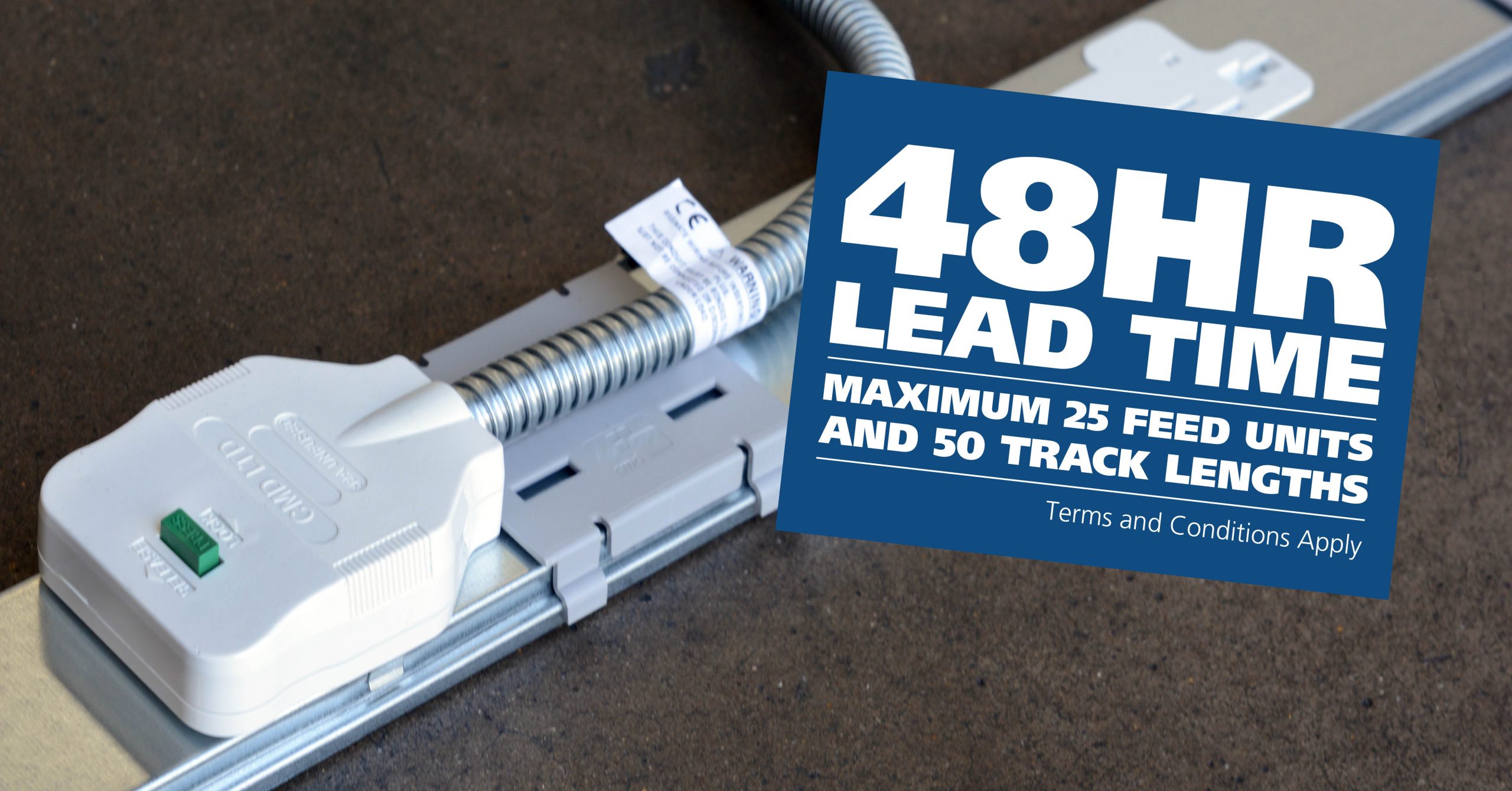
CMD Ltd LAUNCHES 48-HOUR TURNAROUND ON BETATRAK® RAPID ORDERING SERVICE

CMD Ltd, the specialist in power distribution systems, workstation power and monitor arms, has launched a rapid ordering service for its Betatrak® underfloor powertrack distribution systems and accessories, with a commitment to delivering within 48-hours of an approved purchase order*. The service enables customers to order up to 50 lengths of Standard or Clean Earth (C/E) low noise Betatrak, along with up to 25 feed...

Read more
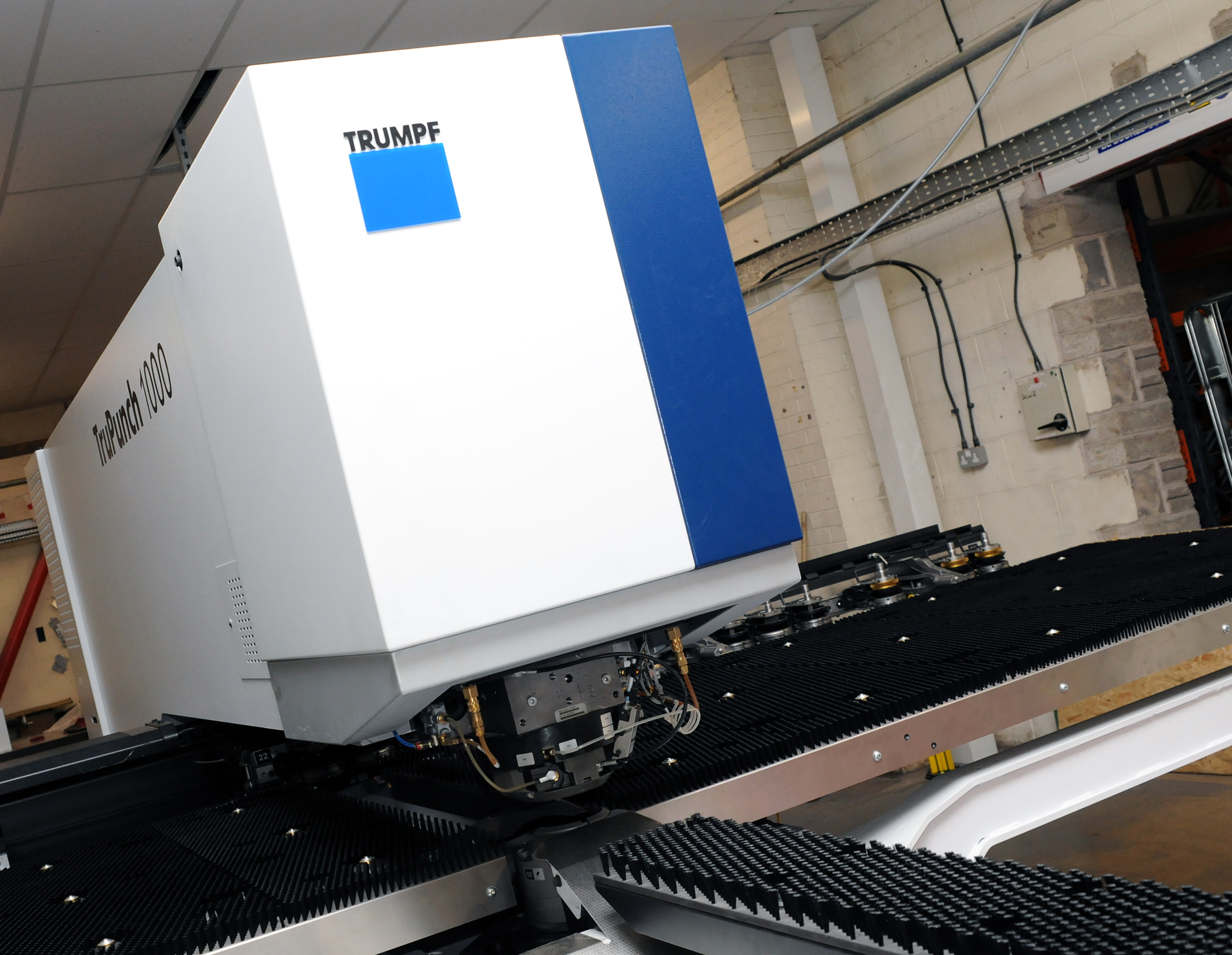
CMD INVESTS £1/4 MILLION IN NEW MACHINE AS PART OF FACTORY UPGRADE

We have invested in a new £1/4m TRUMPF CNC metal punch as part of an asset renewal strategy for our UK manufacturing capability. The new machine will be used in the production of a wide variety of our power distribution systems and workstation power products at our Rotherham factory. Suitable for handling sheet metal between 0.9mm and 3.0mm thick, the new machine will replace one...

Read more
CMD CATALOGUE PROVIDES TECHNICAL POWER DISTRIBUTION GUIDE

CMD Ltd has released a new catalogue, providing an easy to follow technical guide to our power distribution systems and plug and play desk modules. Detailing CMD’s full range of UK-manufactured power distribution systems and plug and play desk modules, the catalogue will be a helpful source of information to M&E engineers and contractors alike to understand how our power distribution systems connect together and...

Read more
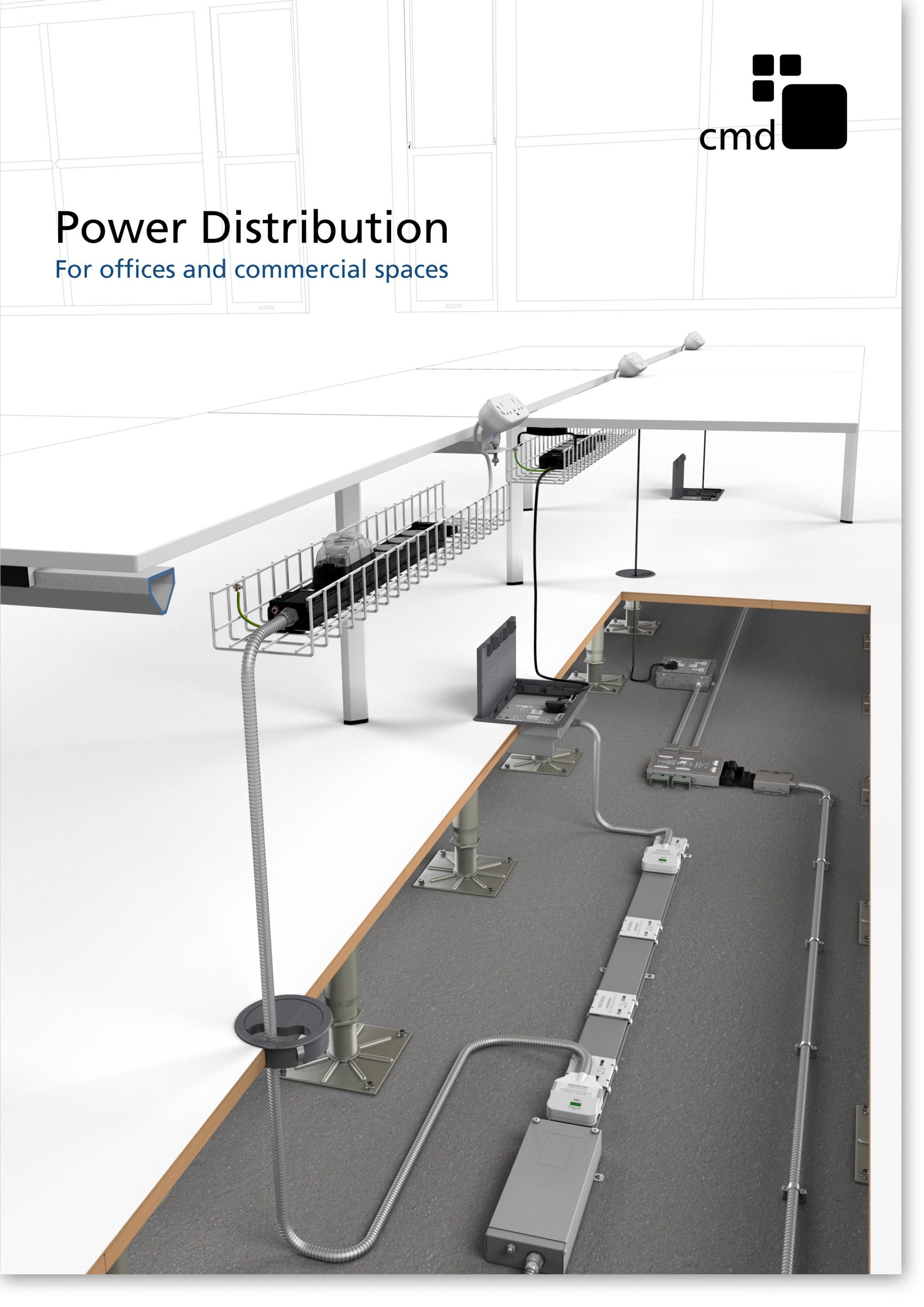
Power Distribution Catalogue
CMD Ltd PLAYS ESSENTIAL ROLE IN ELECTRICAL FIT OUT AT LONDON’S PRESTIGIOUS OFFICE DEVELOPMENT

CMD Ltd, specialist in workplace connectivity and ergonomic solutions, has provided a flexible and high-quality power distribution network for The Ray, a prestigious office development in London’s Farringdon. Well-known for being the former site of The Guardian newspaper, The Ray now stands as an 83,000ft² office development characterised by a modernised warehouse aesthetic, with level two now occupied by a global social media company. The...

Read more

The Ray
CMD plugs in to european opportunity with Schuko Capsule unit launch

CMD Ltd, the specialist in power and connectivity solutions for commercial environments, has launched a Schuko version of its popular fixed format Capsule workstation power module for export to mainland Europe and beyond. A popular on desk power module comprising two sockets and dual USB (type A and C) chargers, CMD’s Capsule unit is already widely specified in the UK as an off-the-shelf workstation power...

Read more
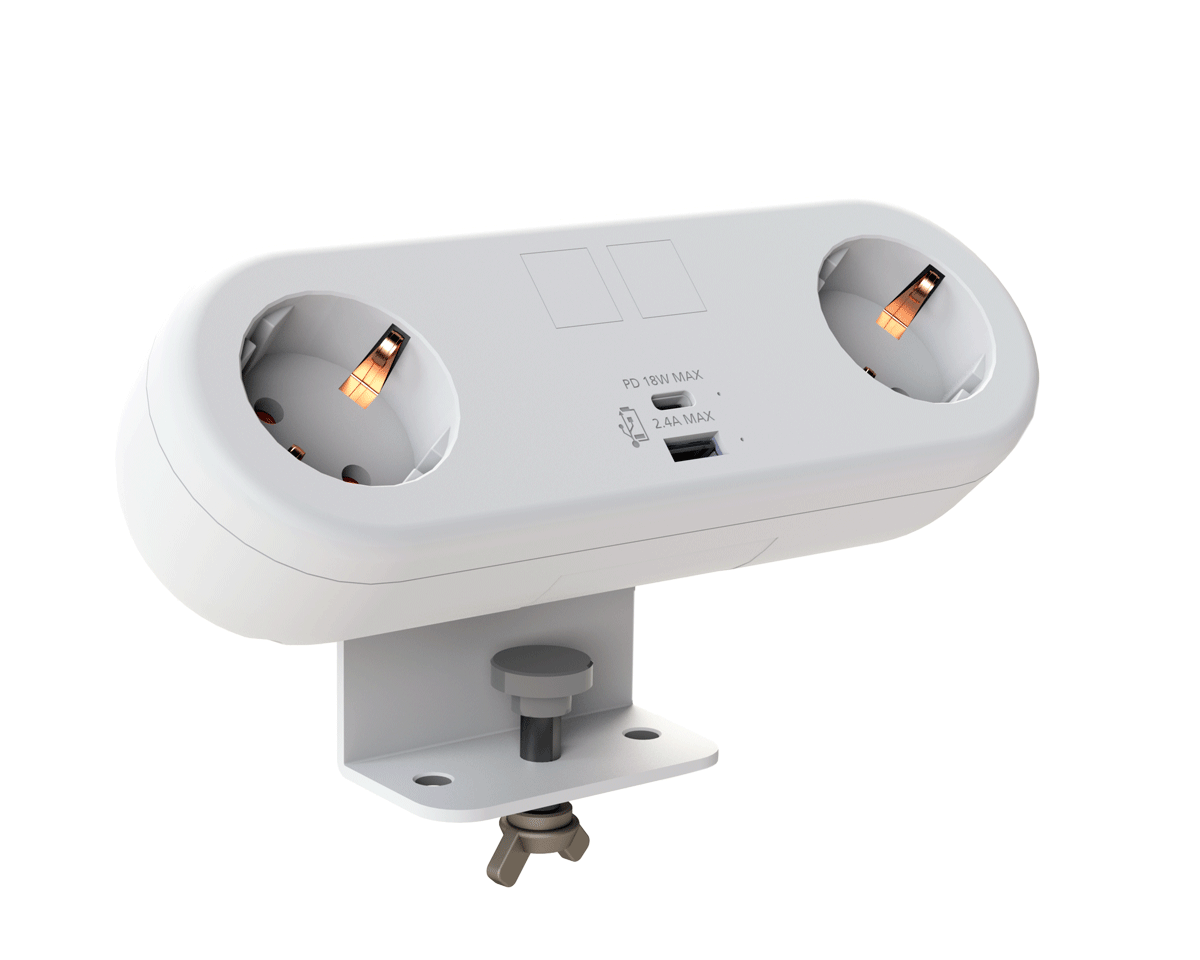
CMD White Schuko Capsule Desk Power Module
CMD LTD EXTENDS MONITOR ARM RANGE WITH THE LAUNCH OF REACH PLUS

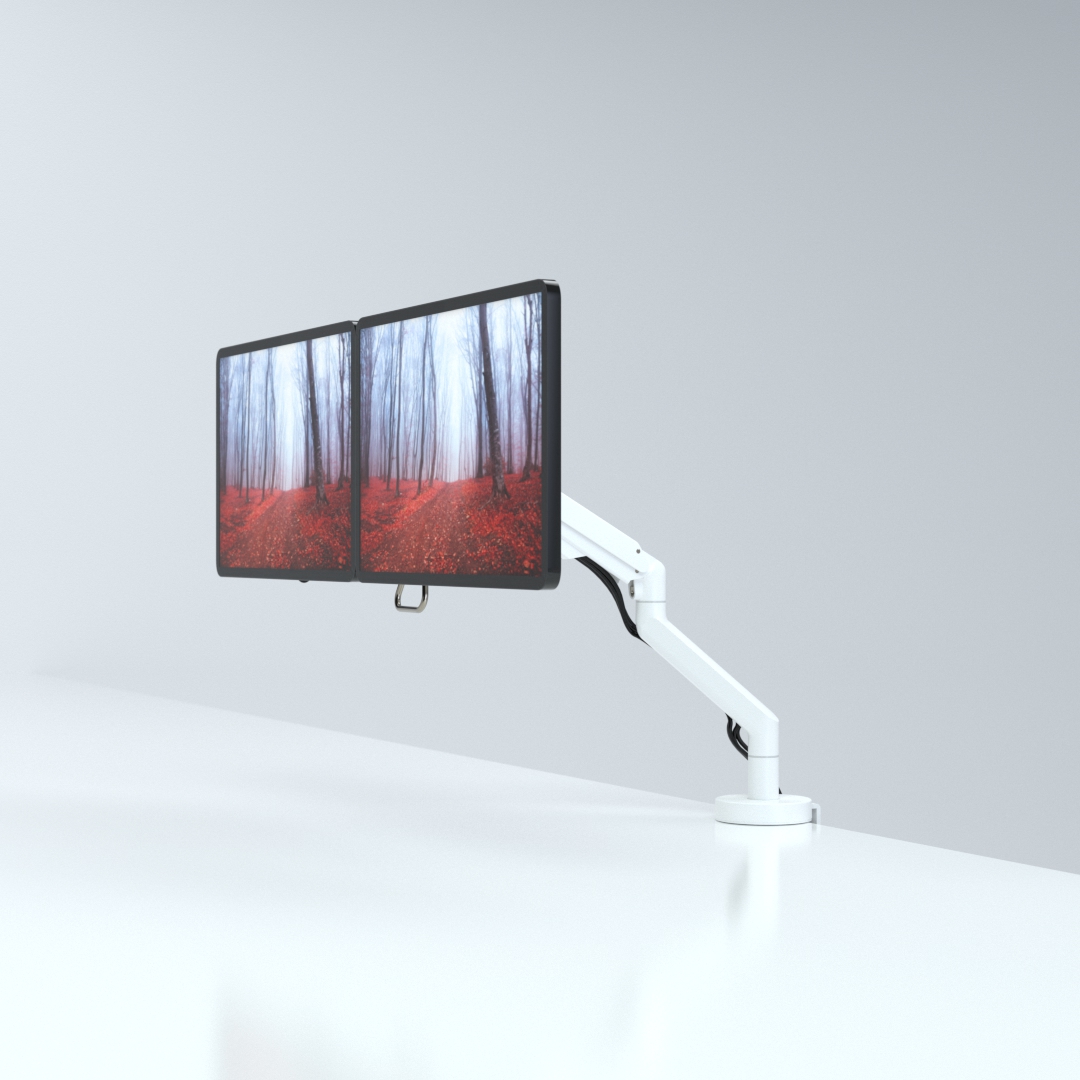
CMD Ltd, the specialist in ergonomic and connectivity solutions for commercial interiors, has completed its Reach monitor arm range with the launch of the Reach Plus. Available in single or dual screen options, the Reach Plus has been designed to provide an ideal solution for both single and dual screen workstation configurations, or can be used with next generation of large format curved screens. Suitable...

Read more
CMD Ltd DEMONSTRATES THE ART OF POWER DISTRIBUTION AT THE UNIVERSITY OF WARWICK

CMD Ltd, the specialist in workplace connectivity and ergonomic solutions, has provided Betatrak busbar power distribution and a range of electrical accessories for two major capital investment projects at the University of Warwick. Designed by Fielden Clegg Bradley Studios, the £33 million Faculty of Arts building is a showpiece development comprising four interconnected structures set around a central atrium, which will enable inter-disciplinary collaboration across...

Read more

University of Warwick
CMD BRINGS HARMONY TO COVENTRY UNIVERSITY RESEARCH FACILITIES

CMD Ltd, the specialist in power distribution solutions and workstation power and ergonomics, has provided under desk and on desk power modules for the refurbishment of three Coventry University research buildings. Located on Coventry University Technology Park, a business park designed to encourage collaboration between the university and knowledge-based businesses, the three buildings are being repurposed as office accommodation for university research teams. The refurbishment...

Read more

Coventry University

How to Choose an Electrical Enclosure in 2026

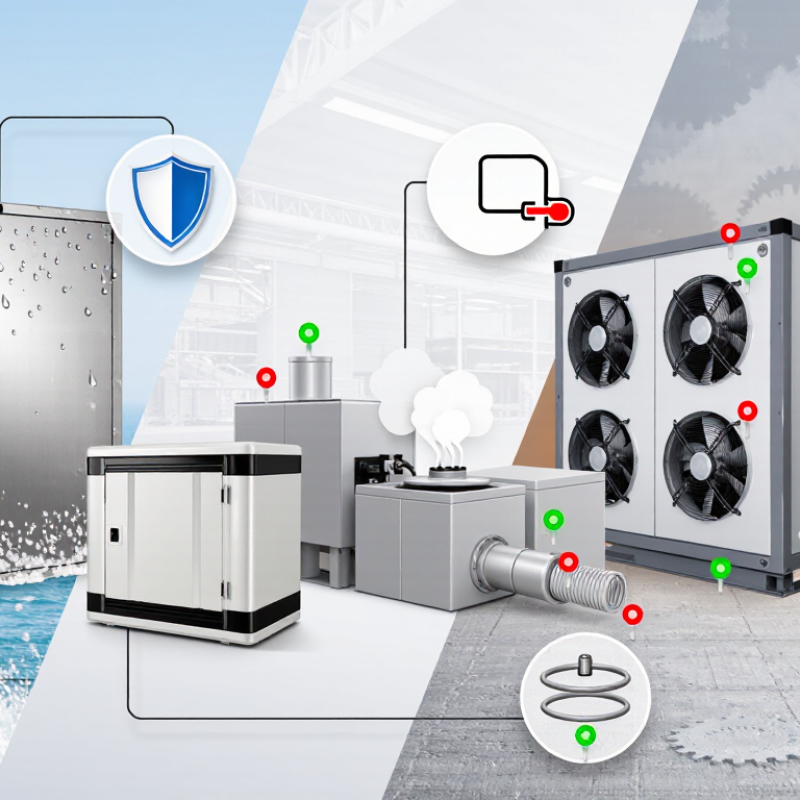
Choosing an Electrical Enclosure in 2026 requires more than comparing prices, dimensions, and surface finishes. The enclosure must match the environment, equipment, maintenance routine, and future expansion plans. A cabinet beside a coastal pump station faces salt spray. A control box near a food-processing line may face frequent washdowns. A factory floor can add vibration, dust, heat, and accidental impact.

Electrical enclosure engineer and consultant John P. Nelson describes the guiding principle this way: “An enclosure should protect the system, not simply contain it.” That distinction matters. A sealed box can still fail when internal heat exceeds component limits. A strong cabinet can still corrode when its coating does not suit the atmosphere. Small oversights become expensive repairs.

This guide examines NEMA and IP ratings, stainless steel, painted steel, polycarbonate, thermal management, cable entry, grounding, and service access. It also considers connected equipment and the growing need for organized, traceable maintenance. In 2026, smart sensors may report temperature or door status, but they cannot correct poor enclosure selection.

Measure twice.

Real projects are rarely perfect. Drawings may change. Spare capacity may disappear. A cabinet selected only for today can restrict tomorrow’s upgrade. The better decision balances certified protection, practical installation, total ownership cost, and honest risk assessment. That process takes experience, reliable specifications, and a willingness to question attractive but unsuitable options.

How to Choose an Electrical Enclosure in 2026

Define the Electrical Enclosure’s Purpose and Installation Environment

An electrical enclosure should be chosen for the job it must perform, not just its dimensions. Start by listing what it will contain: a small control circuit, a drive, or equipment that generates noticeable heat. Think about who needs to open it and how often. A service panel beside a busy walkway needs different access and protection than a locked cabinet in a dry utility room. Small details matter.

Then study the installation environment. Outdoor sun can heat a cabinet; coastal air, cleaning sprays, dust, and vibration can shorten its useful life. Check the expected temperature range and whether water may come from rain, hoses, or condensation. Match the enclosure’s rated protection to those actual conditions, including doors, cable entries, and fittings. An overlooked opening can weaken an otherwise suitable enclosure. Leave room for wiring bends, airflow, and safe maintenance, and confirm the final choice with the equipment requirements and a qualified electrical professional.

Tips: Visit the installation location before ordering. Note nearby heat sources, washdown areas, and cable routes. Take a photo. Recheck your assumptions; “indoors” does not always mean dry.

How to Choose an Electrical Enclosure in 2026: Define Its Purpose and Installation Environment

Compare common IP ratings when assessing protection from solid particles and water. Choose a rating that matches the actual exposure at the installation site.

The chart shows the protection-level digits defined by IEC 60529, not a performance score. Higher digits indicate greater protection within each category. IPX8 immersion conditions are specified for the particular enclosure and application.

Select the Right Enclosure Material and Protection Rating

How to Choose an Electrical Enclosure in 2026

Select the Right Enclosure Material and Protection Rating

Choosing an enclosure starts with the conditions around it, not its appearance. A painted steel cabinet suits many indoor spaces, but chipped coating can expose metal to moisture and corrosion. Stainless steel handles washdown and corrosive environments well, though it may cost more than the application needs. Aluminum is lighter and sheds heat effectively. Nonmetallic options resist rust, but sunlight, chemicals, and impact can affect different formulations. Check the actual product specifications.

Then match the protection rating to real exposure. An IP rating describes resistance to solid objects and water under defined test conditions; it does not guarantee protection against every cleaning method or chemical. Dust, dripping water, spray, and temporary immersion are different demands. Be specific. A high rating is not automatically better if cable entries, gaskets, or door hardware weaken the assembled enclosure. Inspect those details, too.

Think about heat and maintenance before finalizing the choice. A tightly sealed cabinet can trap heat from drives, power supplies, or nearby equipment. Measure expected loads and ambient temperatures, then confirm that the enclosure can manage them without compromising protection. Leave room for wiring bends and service access. I have seen a suitable cabinet become frustrating because terminals were packed too tightly. That is easy to overlook. Recheck the installation conditions, including mounting orientation and likely future changes, before ordering.

Match Size, Layout, and Access Requirements to the Equipment

Choosing an electrical enclosure in 2026 starts with the equipment inside, not the empty cabinet on a catalog page. Measure the power supply, terminals, wiring bends, and future additions. Leave working space around heat-producing components. A crowded enclosure may pass a first inspection, yet become difficult to service later.

Match the enclosure layout to how technicians actually work. Front access suits equipment checked often, while removable panels can simplify deeper maintenance. Hinged doors need clearance from walls, cable trays, and nearby machines. Confirm the required ingress protection level for dust, water, and cleaning conditions. In practice, I have seen small cable bends cause more trouble than large components. That detail is easy to miss. Also check mounting points, grounding provisions, ventilation needs, and door swing before ordering. A tidy drawing does not always reflect the installation site.

Tips: Create a simple layout mock-up with cardboard or software. Mark every cable entry and service tool. Measure twice. Keep spare capacity, but avoid oversized cabinets that waste space and complicate transport. Review heat calculations with a qualified engineer, especially when drives, transformers, or dense control equipment share one enclosure. If the environment changes seasonally, reassess condensation and temperature exposure. Document the final dimensions, access zones, and inspection requirements for the installation team. I would also invite a technician to review the layout; designers can overlook practical hand clearance.

Evaluate Thermal Management, Safety, and Regulatory Compliance

Choosing an electrical enclosure in 2026 means looking beyond dimensions and appearance. Heat, moisture, dust, and maintenance access can all affect equipment reliability. Start with the components’ heat output and the enclosure’s expected ambient temperature. A crowded cabinet in direct afternoon sun may need more cooling than its equipment ratings suggest. Check airflow paths, filter maintenance, and whether cooling equipment could introduce moisture or dust. Small details matter.

Safety depends on the installation environment. Consider whether workers may contact live parts during inspection, and select suitable barriers, grounding provisions, and door hardware. An enclosure’s ingress-protection or environmental rating should match real exposure, such as washdown spray, corrosive air, or outdoor rain. Ratings are not interchangeable, so confirm what each test actually covers. This is easy to overlook.

Regulatory compliance needs careful verification, not assumptions based on a supplier’s description. Identify the standards and approval requirements that apply to the equipment, installation location, and intended use. Review current documentation, including material ratings, test evidence, and any required labels. Requirements can vary by market and application, so involve a qualified electrical professional when uncertain. A common mistake is specifying a compliant enclosure but overlooking cable entries, cooling openings, or modifications that change its protection. Leave room for future wiring and inspection; I have seen tight layouts turn routine servicing into awkward work. The perfect enclosure is rare. Choose one whose verified ratings, thermal approach, and service access fit the actual site.

Compare Durability, Maintenance Needs, and Total Cost

How to Choose an Electrical Enclosure in 2026

Compare Durability, Maintenance Needs, and Total Cost

An electrical enclosure should match its environment, not just its equipment. A dusty workshop, coastal cabinet, and outdoor pump station create different risks. Check ingress protection, impact resistance, corrosion resistance, and operating temperature. A stainless enclosure may survive salt spray better, while coated steel can reduce initial cost indoors. Confirm ratings against applicable local standards and the actual installation conditions.

Durability affects more than replacement frequency. A warped door can damage seals, admit moisture, and create repeated maintenance calls. Inspect hinges, latches, gasket quality, mounting points, and cable entries. Small details matter. In practice, technicians often lose time searching for compatible seals or removing crowded wiring. Leave service space around terminals and heat-producing components. Poor ventilation can shorten component life, even when the enclosure looks strong.

Maintenance cost includes cleaning, inspections, seal replacement, corrosion treatment, and downtime. Record how often the enclosure will be opened and who will service it. A higher purchase price may be sensible if it reduces access time and unplanned shutdowns. Still, expensive materials are not automatically better. I would not choose a premium enclosure without checking its repair process and spare-part availability. A cheaper box can become an expensive lesson when water enters after one neglected gasket. Calculate purchase, installation, maintenance, energy, and replacement costs over the expected service period. That estimate will not be perfect. It should be reviewed after real maintenance data appears.