

News

Miro: A New Standard in Responsible Innovation

Miro: A New Standard in Responsible Innovation The Miro monitor arm is setting new benchmarks in sustainability. It offers a high-performance solution without compromising on environmental responsibility. Designed with careful material selection, local sourcing, and longevity in mind, Miro’s responsible approach to design and unique manoeuvrability set it apart from the competition. Sustainable Choices Miro is crafted from energy-efficient materials with a lower carbon impact....

Read more
HSE Advisor

Role Purpose Support in the development, implementation and maintenance of the company’s Health, Safety & Environmental policies, processes, operational procedures, and standards.  Ensuring best practice and championing a continually improving HSE culture within the business. Key Responsibilities Liaise with and provide support to all areas of the business to eliminate, mitigate or reduce identified HSE exposures. Partner with the production management team and team leaders,...

Read more
CMD Ltd LAUNCHES 48-HOUR TURNAROUND ON BETATRAK® RAPID ORDERING SERVICE

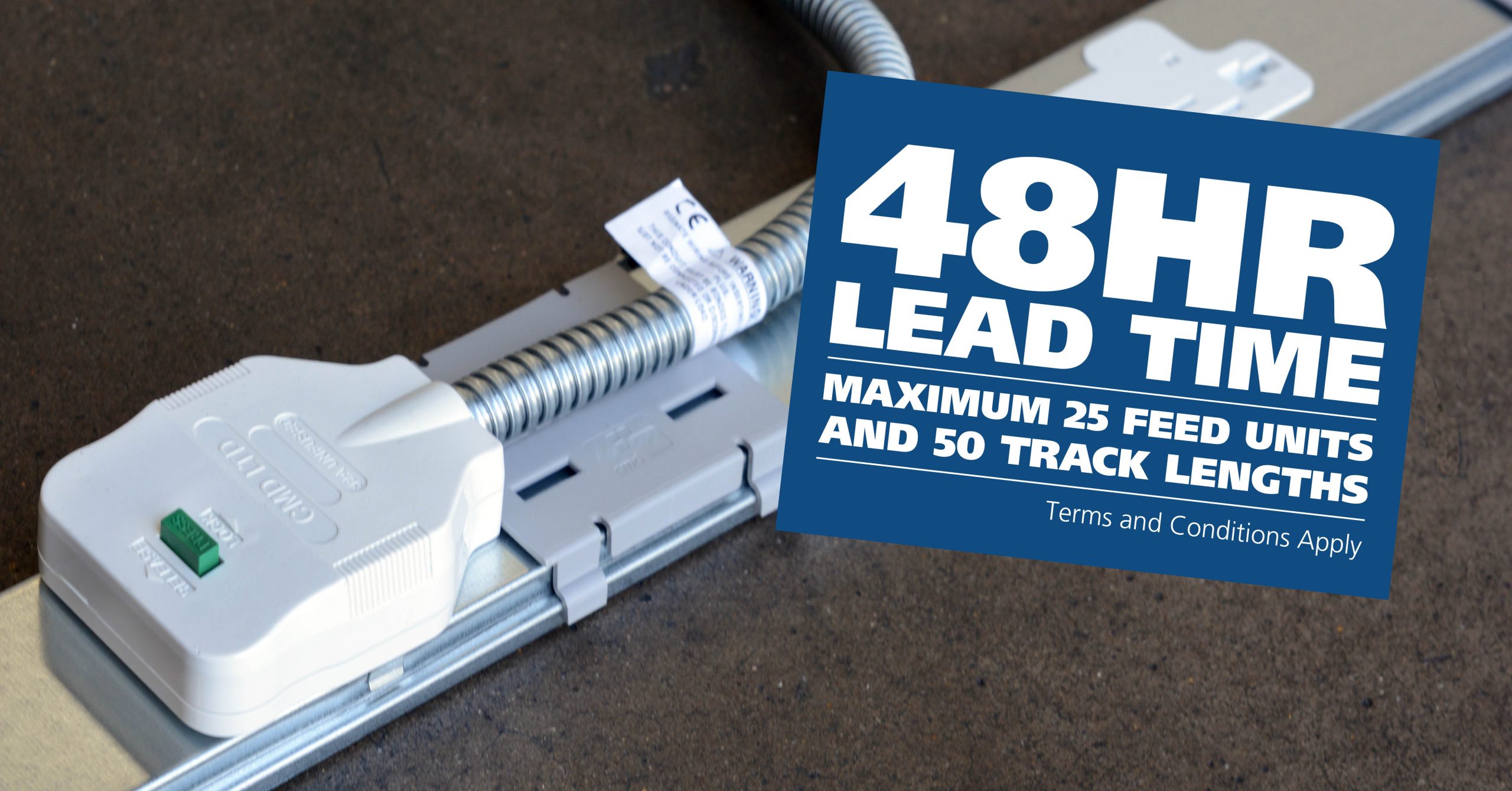
CMD Ltd, the specialist in power distribution systems, workstation power and monitor arms, has launched a rapid ordering service for its Betatrak® underfloor powertrack distribution systems and accessories, with a commitment to delivering within 48-hours of an approved purchase order*. The service enables customers to order up to 50 lengths of Standard or Clean Earth (C/E) low noise Betatrak, along with up to 25 feed...

Read more
CMD INVESTS £1/4 MILLION IN NEW MACHINE AS PART OF FACTORY UPGRADE

We have invested in a new £1/4m TRUMPF CNC metal punch as part of an asset renewal strategy for our UK manufacturing capability. The new machine will be used in the production of a wide variety of our power distribution systems and workstation power products at our Rotherham factory. Suitable for handling sheet metal between 0.9mm and 3.0mm thick, the new machine will replace one...

Read more

CMD CATALOGUE PROVIDES TECHNICAL POWER DISTRIBUTION GUIDE

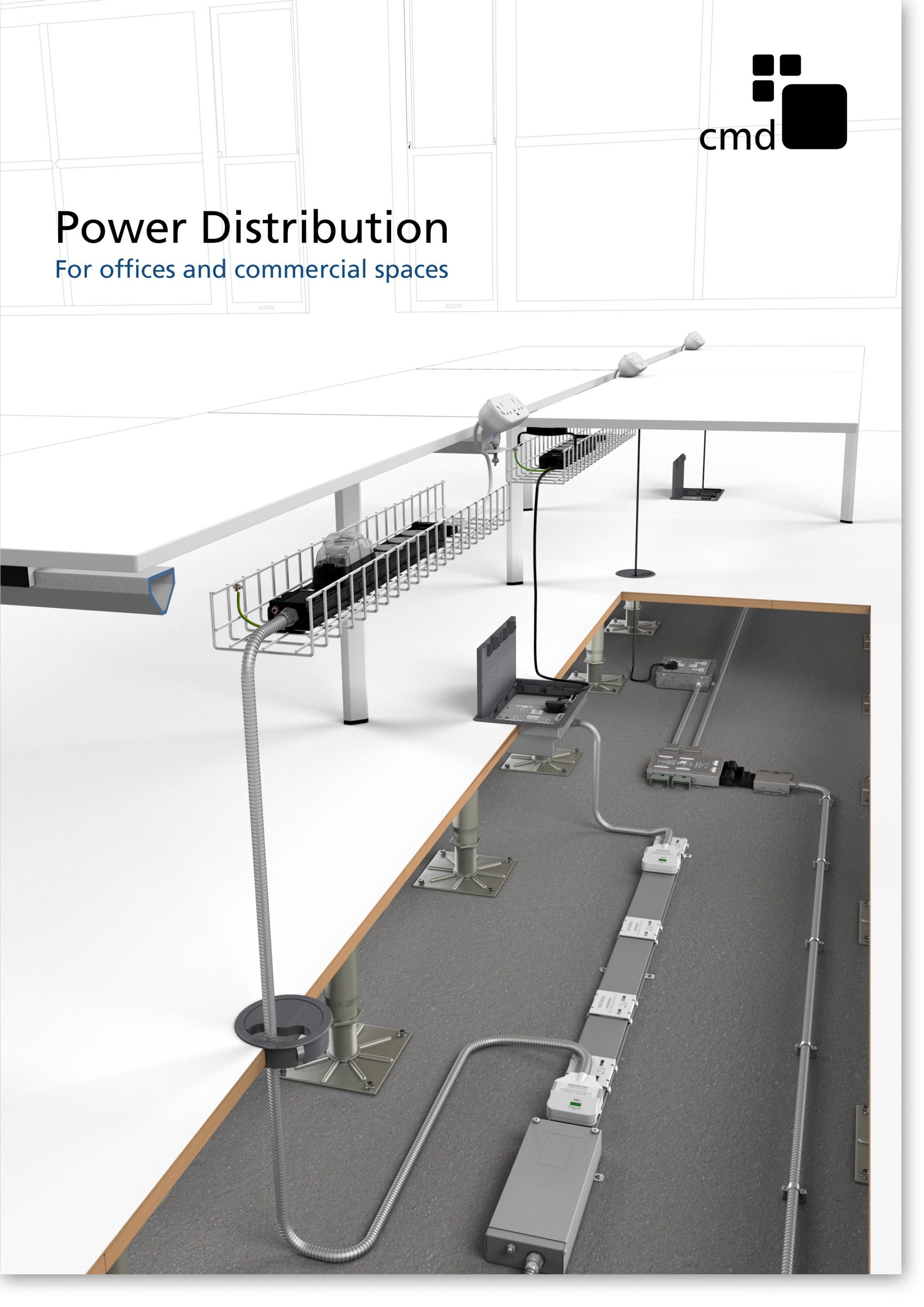
CMD Ltd has released a new catalogue, providing an easy to follow technical guide to our power distribution systems and plug and play desk modules. Detailing CMD’s full range of UK-manufactured power distribution systems and plug and play desk modules, the catalogue will be a helpful source of information to M&E engineers and contractors alike to understand how our power distribution systems connect together and...

Read more
Power Distribution Catalogue
CMD Ltd PLAYS ESSENTIAL ROLE IN ELECTRICAL FIT OUT AT LONDON’S PRESTIGIOUS OFFICE DEVELOPMENT

CMD Ltd, specialist in workplace connectivity and ergonomic solutions, has provided a flexible and high-quality power distribution network for The Ray, a prestigious office development in London’s Farringdon. Well-known for being the former site of The Guardian newspaper, The Ray now stands as an 83,000ft² office development characterised by a modernised warehouse aesthetic, with level two now occupied by a global social media company. The...

Read more

The Ray
CMD plugs in to european opportunity with Schuko Capsule unit launch

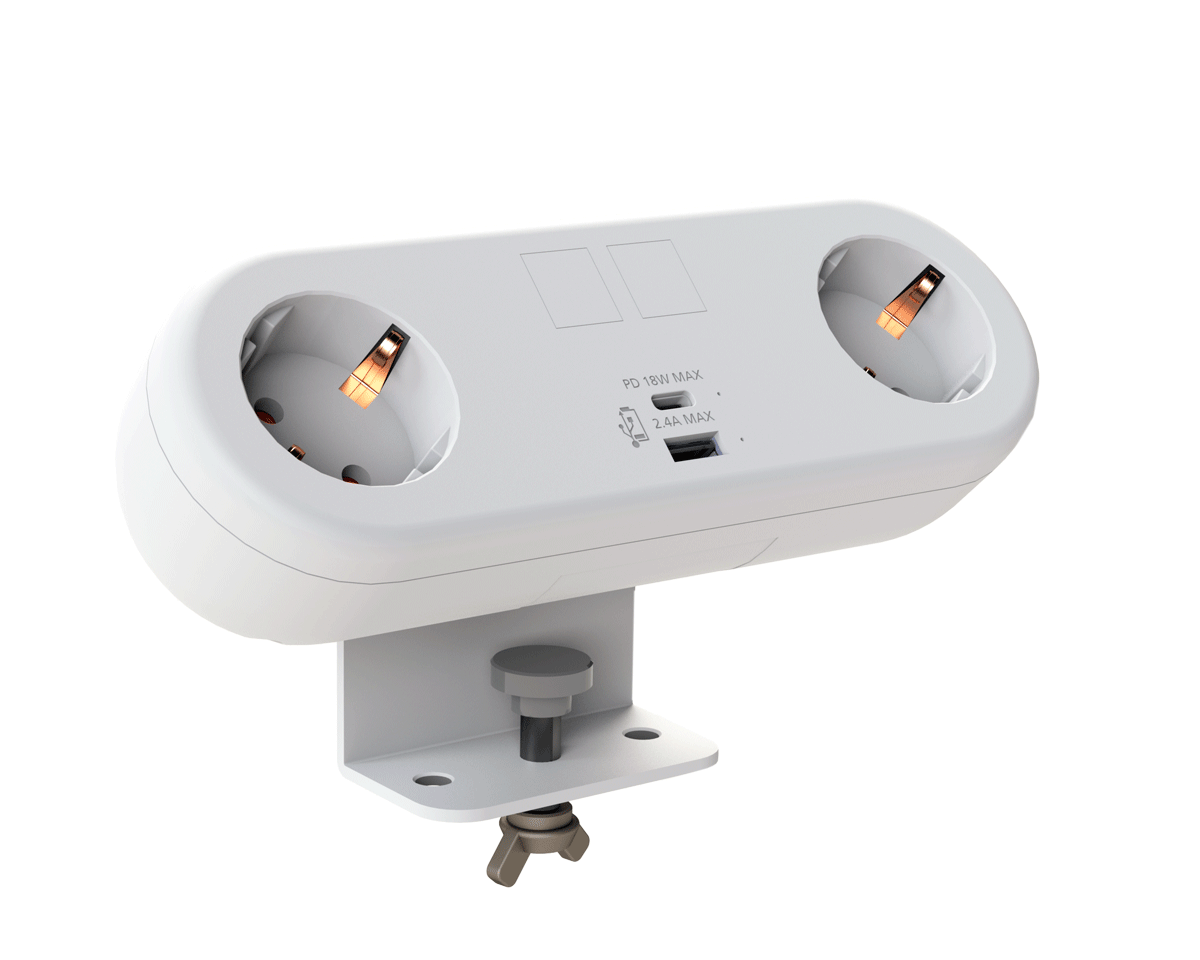
CMD Ltd, the specialist in power and connectivity solutions for commercial environments, has launched a Schuko version of its popular fixed format Capsule workstation power module for export to mainland Europe and beyond. A popular on desk power module comprising two sockets and dual USB (type A and C) chargers, CMD’s Capsule unit is already widely specified in the UK as an off-the-shelf workstation power...

Read more
CMD White Schuko Capsule Desk Power Module
CMD LTD EXTENDS MONITOR ARM RANGE WITH THE LAUNCH OF REACH PLUS

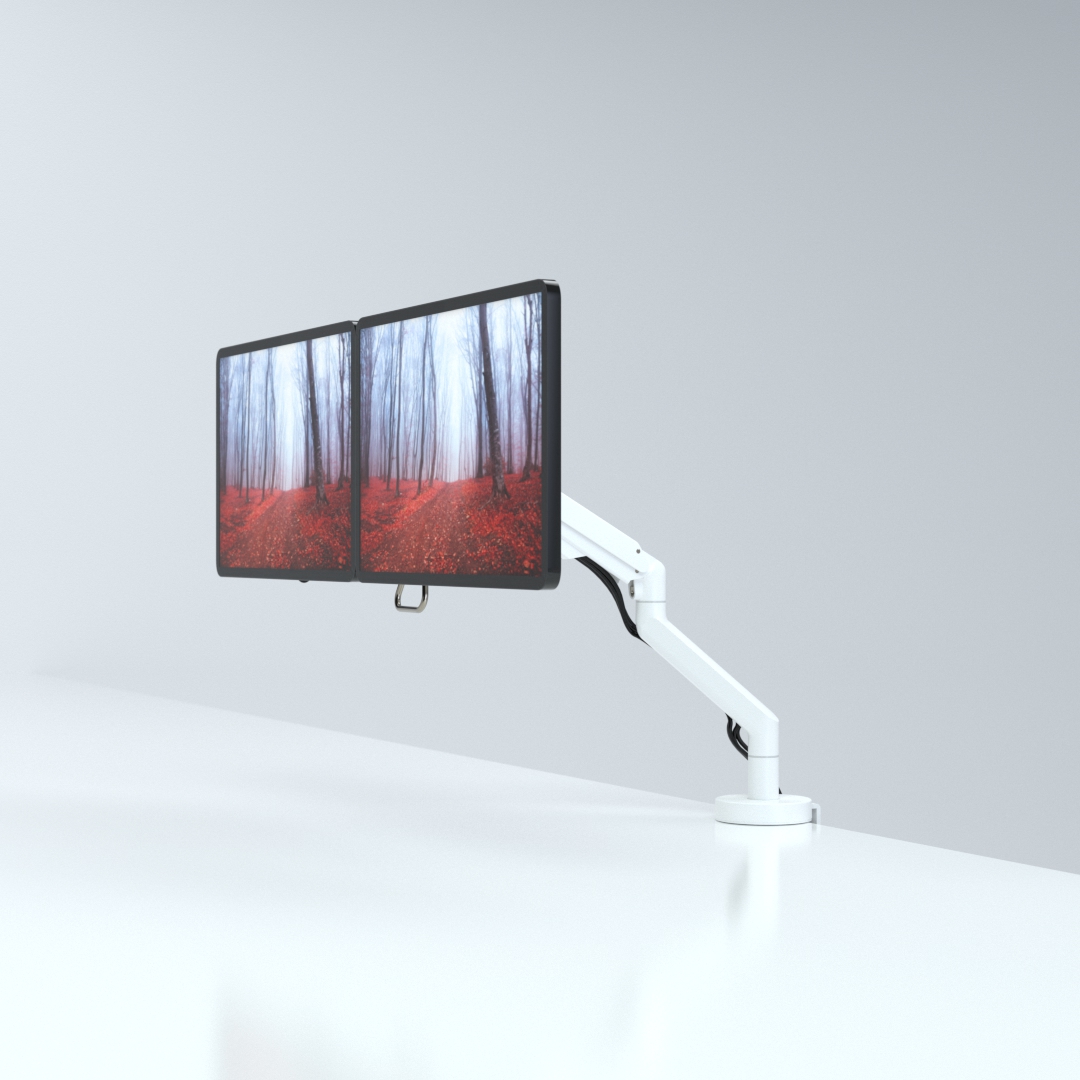
CMD Ltd, the specialist in ergonomic and connectivity solutions for commercial interiors, has completed its Reach monitor arm range with the launch of the Reach Plus. Available in single or dual screen options, the Reach Plus has been designed to provide an ideal solution for both single and dual screen workstation configurations, or can be used with next generation of large format curved screens. Suitable...

Read more
CMD Ltd DEMONSTRATES THE ART OF POWER DISTRIBUTION AT THE UNIVERSITY OF WARWICK

CMD Ltd, the specialist in workplace connectivity and ergonomic solutions, has provided Betatrak busbar power distribution and a range of electrical accessories for two major capital investment projects at the University of Warwick. Designed by Fielden Clegg Bradley Studios, the £33 million Faculty of Arts building is a showpiece development comprising four interconnected structures set around a central atrium, which will enable inter-disciplinary collaboration across...

Read more

University of Warwick
CMD BRINGS HARMONY TO COVENTRY UNIVERSITY RESEARCH FACILITIES

CMD Ltd, the specialist in power distribution solutions and workstation power and ergonomics, has provided under desk and on desk power modules for the refurbishment of three Coventry University research buildings. Located on Coventry University Technology Park, a business park designed to encourage collaboration between the university and knowledge-based businesses, the three buildings are being repurposed as office accommodation for university research teams. The refurbishment...

Read more


Coventry University

How to Choose the Right Disc Glass Insulator?

Choosing the right Disc Glass Insulator means matching electrical duty, mechanical loading, and site exposure—not simply selecting a familiar voltage rating. A line crossing a wet valley may face fog, salt, or industrial deposits. Each can affect the required creepage distance and insulation performance. Wind, ice, conductor tension, and fitting compatibility also matter. Small details count: a mismatched pin or cap can complicate installation and maintenance.

The wider grid context makes careful selection increasingly important. The International Energy Agency’s Electricity Grids and Secure Energy Transitions (2023) estimates that more than 80 million kilometres of grids must be added or replaced by 2040. It also says annual grid investment needs to exceed USD 600 billion by 2030. These figures describe grid expansion, not demand for any single insulator type. Still, they underline why equipment choices should be based on documented conditions and verified specifications. Standards such as IEC 60305 and IEC 60383 provide relevant requirements and test frameworks for glass and porcelain line insulators. Compare the system voltage, pollution severity, mechanical load, and local environment against the manufacturer’s certified data. And inspect the fittings. A catalogue rating alone cannot capture every site condition. The right choice is the one supported by engineering evidence, field requirements, and a realistic maintenance plan. Even then, assumptions deserve review.

How to Choose the Right Disc Glass Insulator?

Understand the Purpose and Construction of Disc Glass Insulators

Disc glass insulators support overhead conductors while keeping them electrically isolated from towers. They are commonly assembled in strings, with each disc contributing insulation and mechanical strength. Their umbrella-shaped sheds extend the surface path that leakage current must travel when dust, salt, or moisture gathers. Small detail, big consequence. The glass body is usually toughened, so a failed unit may fragment visibly rather than develop an easily missed crack. That can aid inspection, but it does not replace regular checks. A metal cap and pin connect neighboring discs, with the fittings secured to the glass, often using cement. The complete string carries conductor weight and forces from wind, not just electrical stress.

Choosing a suitable disc means matching its construction and rating to the actual installation. Consider system voltage, pollution exposure, altitude, mechanical loading, and the string’s fittings. A coastal line, for example, may face salt deposits that increase surface leakage risk; a dusty inland route has different contamination patterns. More discs are not automatically the right answer. Their number and arrangement should follow an engineered design and applicable utility requirements. During inspection, look for missing or fragmented glass, damaged fittings, and unusual deposits. A clean-looking surface is not proof of sound performance. Field conditions can be messy, and design assumptions deserve review when they no longer match what crews observe.

Determine the Voltage and Electrical Requirements

Start with the system’s maximum operating voltage, not just its nominal rating. Confirm the equipment’s highest voltage, grounding method, and expected temporary overvoltages. Small details matter. A 230 kV network does not mean every insulation decision uses 230 kV; phase-to-ground stress and lightning or switching surges also affect the required string.

Pollution can change the choice. IEC 60815-1:2008 lists reference unified specific creepage distances of 22, 27.8, 34.7, and 43.3 mm/kV for light through very heavy pollution. Treat these as preliminary guidance, not a final design value. Ask which site conditions apply, then check the creepage requirement against the project’s highest voltage and insulation coordination study. IEC 60071-1:2019 provides a framework for selecting insulation withstand levels.

Look closely at the actual route and hardware. Coastal salt, cement dust, and long dry periods can affect surface performance. Check altitude, disc spacing, fittings, and the number of units required by the selected insulator’s ratings. A calculation may look tidy and still miss local contamination patterns; site measurements and utility experience can challenge the assumptions. Keep those uncertainties visible.

Assess Mechanical Loads and Environmental Conditions

Choosing a disc glass insulator starts with the loads it must carry. Check the conductor’s weight, span length, line angle, and expected tension. Wind and ice can add substantial force, especially on exposed routes. Include installation loads and possible conductor movement. Do not select a unit using everyday conditions alone. The specified mechanical rating should exceed the calculated load, with a suitable safety margin. Have a qualified line engineer verify the assumptions; site details can change the result.

Environmental conditions matter just as much. Salt spray, industrial dust, and agricultural pollution can encourage surface leakage, so assess contamination severity and required creepage distance. Heavy rain may wash some deposits away, but not reliably. Consider temperature swings, altitude, and local icing patterns, too. Glass surfaces are easy to inspect for visible damage, though a clean-looking unit does not prove the whole string is sound. That part is easy to overlook.

Tips: Review local weather and maintenance records. Compare the rated mechanical load with the complete string design, not just one disc. Check applicable utility specifications. If pollution levels are uncertain, request a site assessment before finalizing the creepage distance. A conservative choice can help, but excessive specification may add weight and cost without solving the real exposure problem.

Compare Insulator Design, Ratings, and Standards

Choosing a disc glass insulator starts with matching its mechanical rating to the line’s actual loading, not simply its voltage.

IEC 60305 lists suspension-unit classes with specified mechanical failing loads, including 70, 120, and 160 kN. These figures help compare units, but they are not working-load targets. Allow for conductor weight, wind, ice, and string arrangement, then check the project’s design factors.

Details matter. A 120 kN unit may suit one span and be inadequate for another.

Compare dimensions and interfaces as carefully as ratings. IEC 60120 covers ball-and-socket coupling dimensions; mismatched fittings can complicate string assembly or replacement. Check creepage distance and dry arcing distance against the pollution level, altitude, and system voltage.

Then review the applicable requirements, such as IEC 60305 or the relevant ANSI C29.2 specification, and request routine and type-test records for the exact unit. Test data should identify the tested design and rating, not just a similar product.

Not interchangeable.

Field inspection also matters: look for chipped glass, corrosion around metal fittings, and signs of uneven wear. I would still verify the assumptions with a line engineer; standards do not capture every site condition.

Verify System Compatibility and Maintenance Needs

A disc glass insulator must match the line’s electrical, mechanical, and environmental conditions. Check system voltage, string length, required insulation level, and the tower’s mechanical load before comparing units. IEC 60305 covers ceramic and glass cap-and-pin units for AC overhead lines above 1 kV. Confirm that the disc dimensions and coupling fit the existing hardware; a small mismatch can complicate installation.

Small details matter.

Pollution and maintenance needs deserve equal attention. IEC 60815-1 classifies site pollution severity in five levels, from very light to very heavy. Use local records, such as salt deposits, industrial dust, and fog patterns, to assess the site rather than relying on a regional average. Then compare creepage distance and washing access with the expected contamination.

During inspections, look for chipped glass, corrosion at metal fittings, damaged cement, and unusual discharge marks. Glass breakage is often visible, but a clean-looking disc does not prove the whole string is sound. Maintenance logs are sometimes incomplete; note that uncertainty and inspect more closely where exposure is severe. Check utility test data and applicable IEC requirements before approving substitutions.