

News

Miro: A New Standard in Responsible Innovation

Miro: A New Standard in Responsible Innovation The Miro monitor arm is setting new benchmarks in sustainability. It offers a high-performance solution without compromising on environmental responsibility. Designed with careful material selection, local sourcing, and longevity in mind, Miro’s responsible approach to design and unique manoeuvrability set it apart from the competition. Sustainable Choices Miro is crafted from energy-efficient materials with a lower carbon impact....

Read more
HSE Advisor

Role Purpose Support in the development, implementation and maintenance of the company’s Health, Safety & Environmental policies, processes, operational procedures, and standards.  Ensuring best practice and championing a continually improving HSE culture within the business. Key Responsibilities Liaise with and provide support to all areas of the business to eliminate, mitigate or reduce identified HSE exposures. Partner with the production management team and team leaders,...

Read more
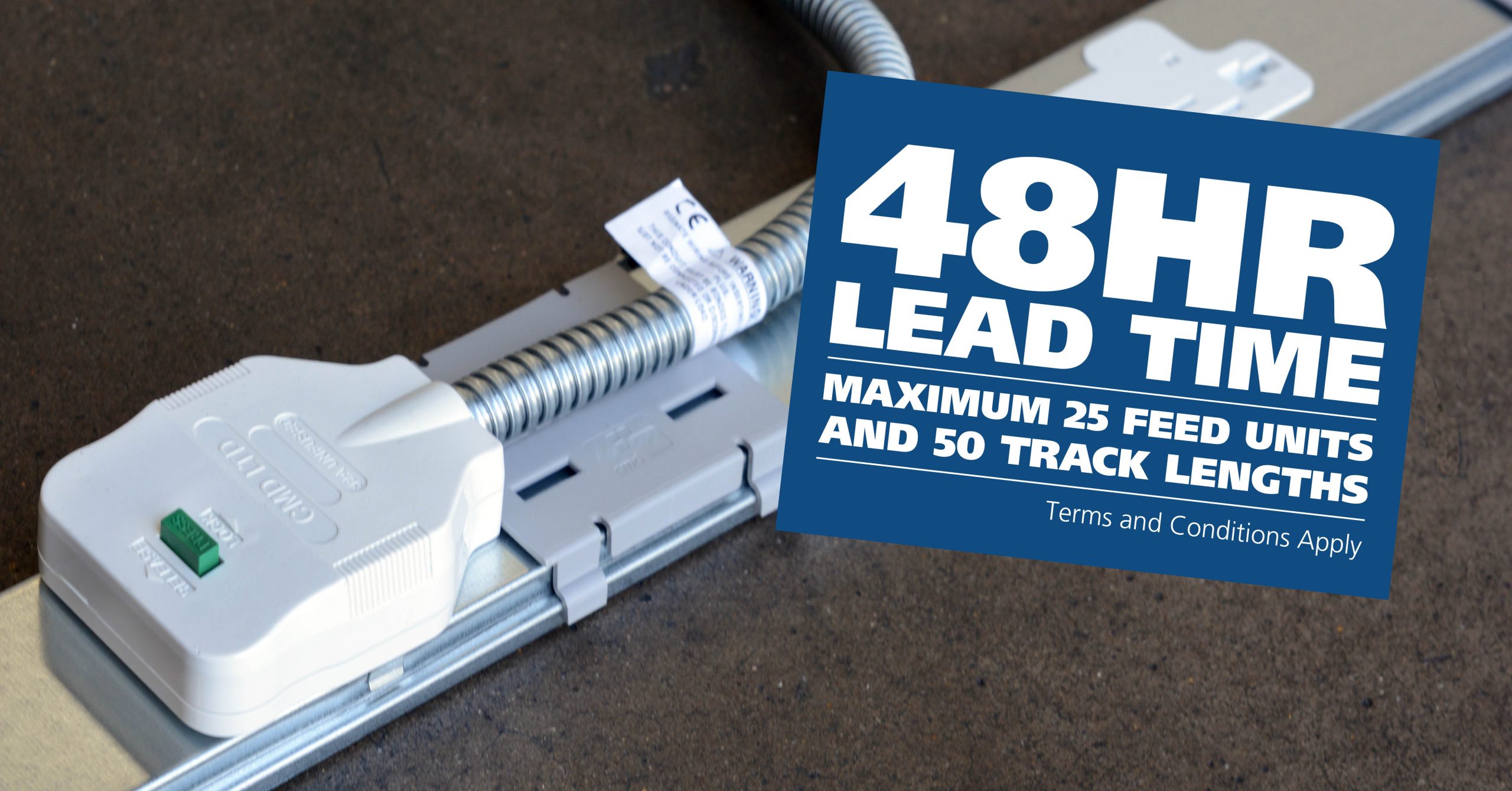
CMD Ltd LAUNCHES 48-HOUR TURNAROUND ON BETATRAK® RAPID ORDERING SERVICE

CMD Ltd, the specialist in power distribution systems, workstation power and monitor arms, has launched a rapid ordering service for its Betatrak® underfloor powertrack distribution systems and accessories, with a commitment to delivering within 48-hours of an approved purchase order*. The service enables customers to order up to 50 lengths of Standard or Clean Earth (C/E) low noise Betatrak, along with up to 25 feed...

Read more
CMD INVESTS £1/4 MILLION IN NEW MACHINE AS PART OF FACTORY UPGRADE

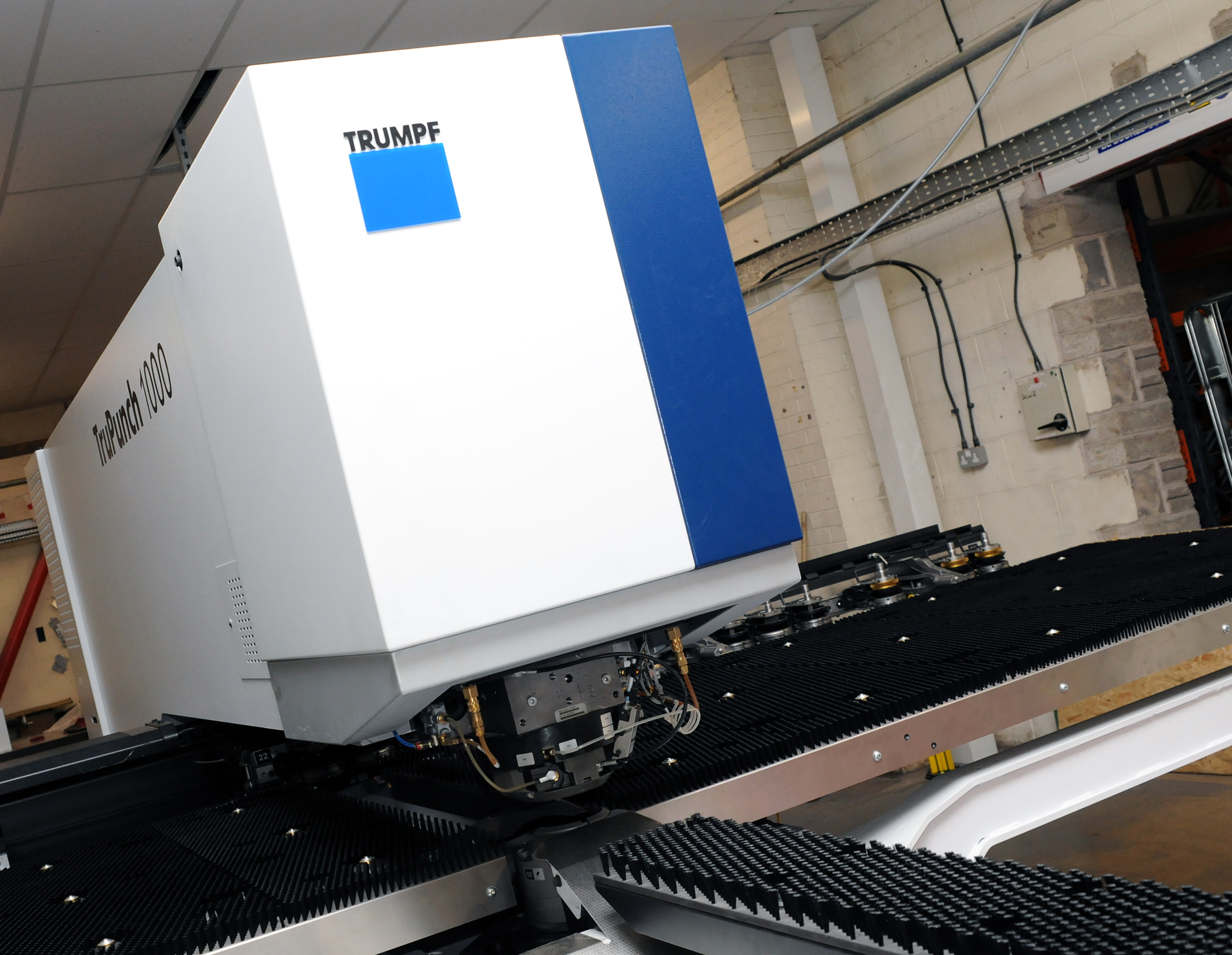
We have invested in a new £1/4m TRUMPF CNC metal punch as part of an asset renewal strategy for our UK manufacturing capability. The new machine will be used in the production of a wide variety of our power distribution systems and workstation power products at our Rotherham factory. Suitable for handling sheet metal between 0.9mm and 3.0mm thick, the new machine will replace one...

Read more
CMD CATALOGUE PROVIDES TECHNICAL POWER DISTRIBUTION GUIDE

CMD Ltd has released a new catalogue, providing an easy to follow technical guide to our power distribution systems and plug and play desk modules. Detailing CMD’s full range of UK-manufactured power distribution systems and plug and play desk modules, the catalogue will be a helpful source of information to M&E engineers and contractors alike to understand how our power distribution systems connect together and...

Read more
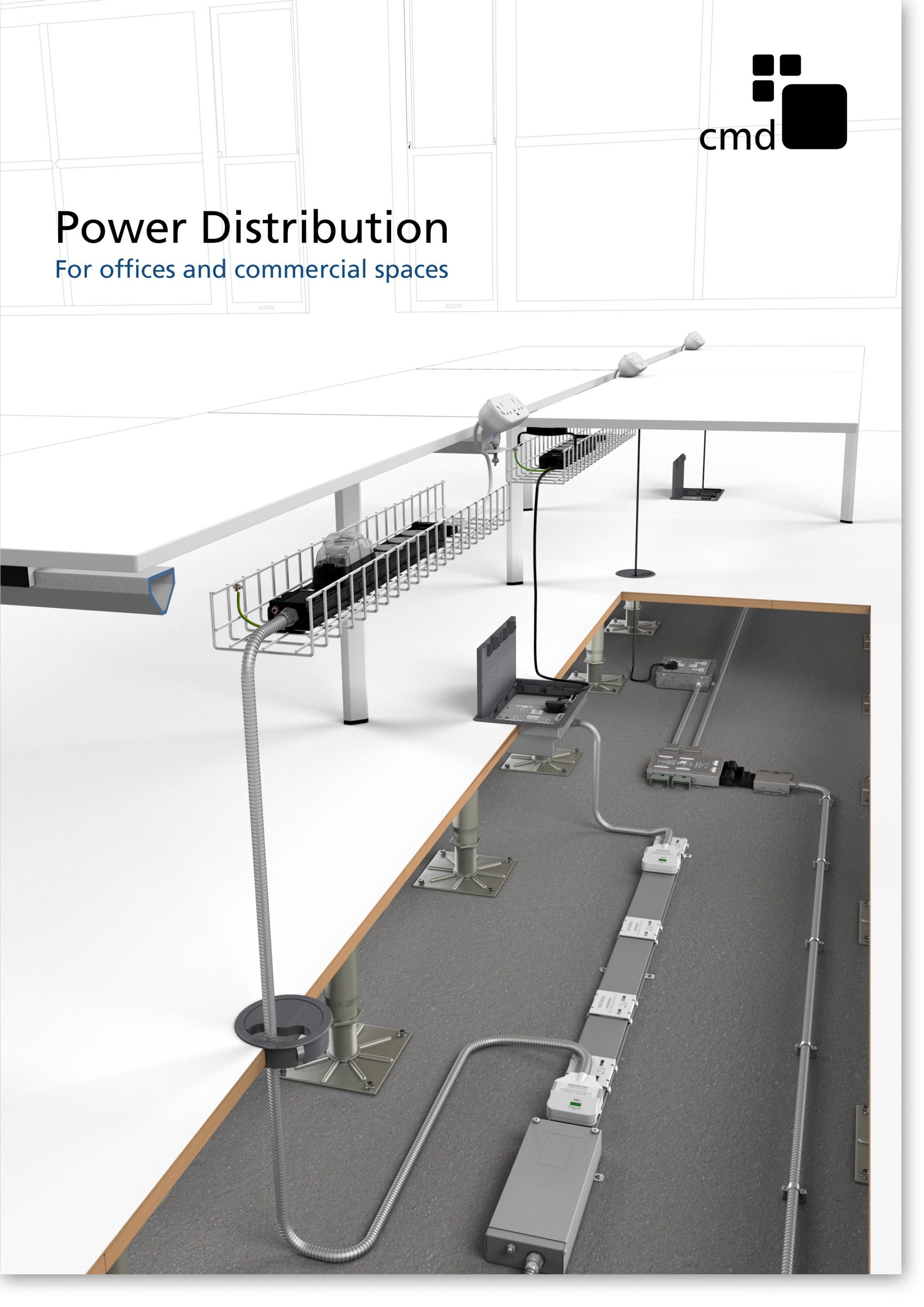
Power Distribution Catalogue
CMD Ltd PLAYS ESSENTIAL ROLE IN ELECTRICAL FIT OUT AT LONDON’S PRESTIGIOUS OFFICE DEVELOPMENT

CMD Ltd, specialist in workplace connectivity and ergonomic solutions, has provided a flexible and high-quality power distribution network for The Ray, a prestigious office development in London’s Farringdon. Well-known for being the former site of The Guardian newspaper, The Ray now stands as an 83,000ft² office development characterised by a modernised warehouse aesthetic, with level two now occupied by a global social media company. The...

Read more

The Ray
CMD plugs in to european opportunity with Schuko Capsule unit launch

CMD Ltd, the specialist in power and connectivity solutions for commercial environments, has launched a Schuko version of its popular fixed format Capsule workstation power module for export to mainland Europe and beyond. A popular on desk power module comprising two sockets and dual USB (type A and C) chargers, CMD’s Capsule unit is already widely specified in the UK as an off-the-shelf workstation power...

Read more
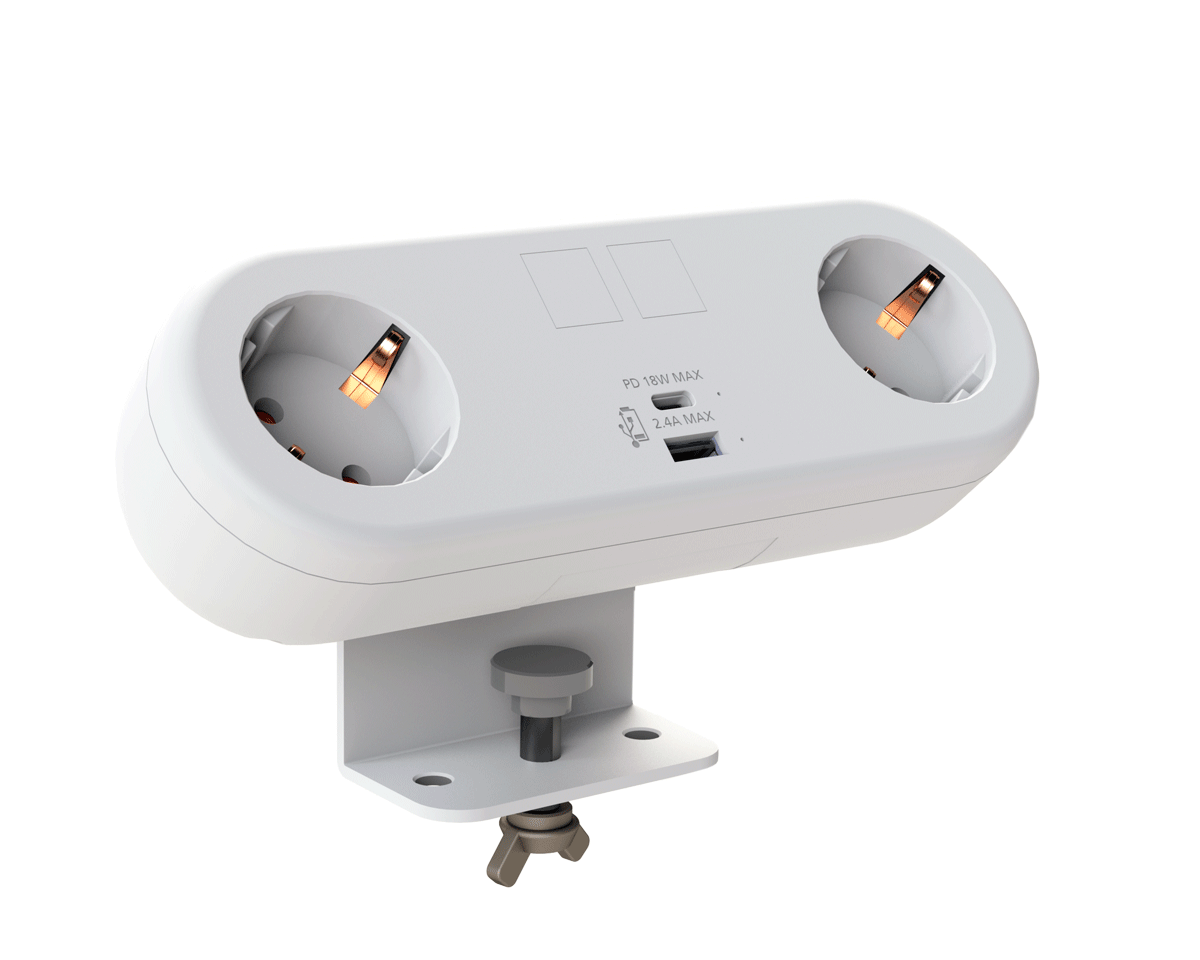
CMD White Schuko Capsule Desk Power Module
CMD LTD EXTENDS MONITOR ARM RANGE WITH THE LAUNCH OF REACH PLUS

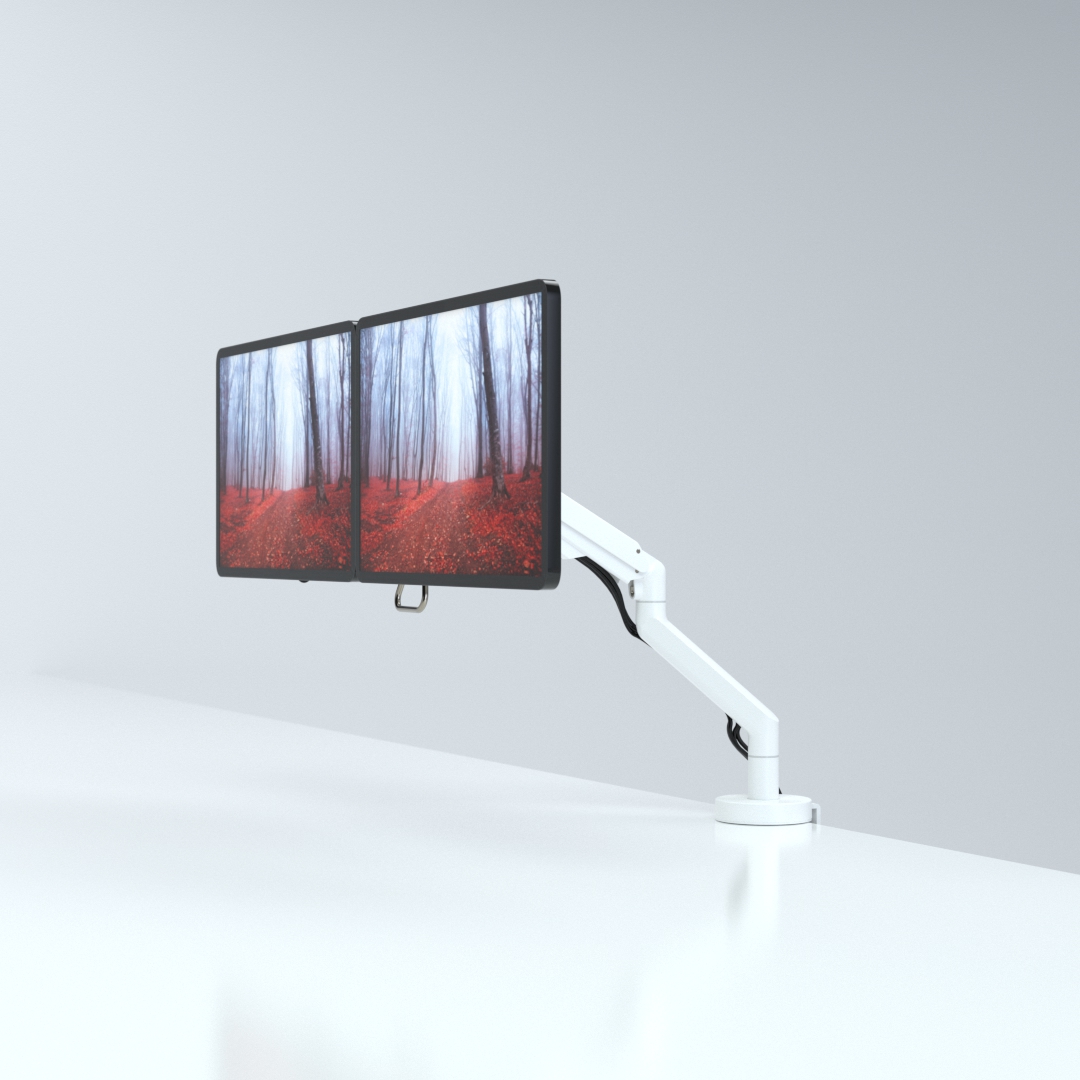
CMD Ltd, the specialist in ergonomic and connectivity solutions for commercial interiors, has completed its Reach monitor arm range with the launch of the Reach Plus. Available in single or dual screen options, the Reach Plus has been designed to provide an ideal solution for both single and dual screen workstation configurations, or can be used with next generation of large format curved screens. Suitable...

Read more
CMD Ltd DEMONSTRATES THE ART OF POWER DISTRIBUTION AT THE UNIVERSITY OF WARWICK

CMD Ltd, the specialist in workplace connectivity and ergonomic solutions, has provided Betatrak busbar power distribution and a range of electrical accessories for two major capital investment projects at the University of Warwick. Designed by Fielden Clegg Bradley Studios, the £33 million Faculty of Arts building is a showpiece development comprising four interconnected structures set around a central atrium, which will enable inter-disciplinary collaboration across...

Read more

University of Warwick
CMD BRINGS HARMONY TO COVENTRY UNIVERSITY RESEARCH FACILITIES

CMD Ltd, the specialist in power distribution solutions and workstation power and ergonomics, has provided under desk and on desk power modules for the refurbishment of three Coventry University research buildings. Located on Coventry University Technology Park, a business park designed to encourage collaboration between the university and knowledge-based businesses, the three buildings are being repurposed as office accommodation for university research teams. The refurbishment...

Read more


Coventry University

How to Choose the Best Wireless Relay Module for Your Needs?

Choosing the right Wireless Relay Module can be overwhelming. With numerous options available, understanding your needs is vital. These modules play a crucial role in automating devices and improving connectivity.

When selecting a Wireless Relay Module, consider factors like range, power consumption, and compatibility. A module that fits your range needs may not work well with all devices. Testing different models can reveal unexpected results. Sometimes, what seems perfect may underperform in real-world applications.

Don't overlook user reviews and expert opinions. Their insights can shed light on the reliability of specific modules. An informed choice relies on practical knowledge and real-world experiences. Take the time to explore alternatives and reflect on your specific requirements. This thoughtful approach can lead you to the best Wireless Relay Module for your project.

How to Choose the Best Wireless Relay Module for Your Needs?

Understanding Wireless Relay Modules and Their Applications

Wireless relay modules serve as crucial components in modern automation systems. They enable remote control of devices, making them ideal for a variety of applications. Understanding these modules can significantly enhance your project’s effectiveness.

In a typical setup, a wireless relay module receives commands from a remote transmitter. This allows you to control lights, appliances, or even complex machinery. Many applications utilize these modules for home automation, industrial control, and security systems. Their ease of integration makes them attractive for both hobbyists and professionals. However, the choice of a module depends on specific requirements, such as range, power consumption, and frequency.

Adopting wireless relay modules does come with challenges. Signal interference can lead to inconsistent performance. It's essential to consider the environment where you will use these modules. Testing in real-world situations can provide valuable insights. Some users may find the learning curve steep. Mistakes can occur, but each offers a chance to improve and adapt the installation. Effective use of wireless relay modules requires patience and thoughtful decision-making.

Key Features to Consider When Choosing a Wireless Relay Module

When selecting a wireless relay module, it’s crucial to evaluate specific features to ensure it meets your needs. Range is one of the most important factors. Some modules operate within a limited distance, while others offer extensive coverage. Consider the environment where you'll use the module. Urban areas with high interference may require a unit with better range and signal stability.

Power consumption also deserves attention. High consumption modules may drain batteries quickly. If you plan to use the relay for extended periods, opt for energy-efficient options. Look into the operating voltage as well; it should be compatible with your existing systems. Compatibility can save you from unnecessary modifications.

Reliability is key in practical applications. Choose a module with a proven track record. Customer reviews can provide insight into real-world performance. However, don't rely solely on them; hands-on testing can reveal issues that reviews might overlook. Ultimately, careful evaluation of these features—range, power usage, and reliability—will guide you to the most suitable option for your project.

Different Types of Wireless Relay Technologies Explained

When choosing a wireless relay module, understanding different wireless relay technologies is crucial. This choice affects factors such as range, power consumption, and ease of integration. Common technologies include Wi-Fi, Bluetooth, Zigbee, and LoRa. Each has unique strengths that cater to specific applications. For instance, Zigbee operates on a low power, mesh networking basis, ideal for smart home devices. It can connect multiple devices without overwhelming bandwidth, a concern noted in industry reports showing Zigbee’s growth in home automation markets by approximately 25% annually.

Wi-Fi offers higher data rates and extensive range, making it suitable for video integration systems. However, Wi-Fi’s power consumption can be a drawback in battery-operated devices. On the other hand, LoRa excels in long-range applications, but it has lower data rates. Its ability to transmit data over 15 kilometers in rural areas allows for applications in agriculture and environmental monitoring. Reports indicate that LoRa technology is expanding rapidly, with a market forecast to grow by 35% in the next five years.

The choice of technology should also reflect the specific requirements of your project. Interference and signal robustness can be critical factors to consider. Evaluating compatibility with existing systems and the scalability of solutions usually involves trial and error. Assessing your long-term needs versus immediate functionality is often a challenging yet essential part of making the right choice.

Evaluating the Range and Power Requirements of Relay Modules

When evaluating wireless relay modules, range and power requirements are crucial. The range determines how far the relay can effectively communicate. For small projects, a range of about 100 meters may suffice. However, for larger setups, look for modules with enhanced range capabilities. Assess your environment too. Obstructions like walls can significantly affect performance.

Power requirements also play a vital role. Some relay modules are designed for low-power applications. Others may need more energy, especially if they drive high-current devices. Consider whether your power source can support the relay module's demands. Battery-operated systems require efficient energy usage. Ensure the module can operate optimally under its power constraints.

Testing different modules in real-world scenarios can reveal strengths and weaknesses. A module that works wonderfully in lab conditions might falter in practice. Look for feedback from community forums or technical reviews. This information can highlight potential issues others have encountered. Remember, the right choice may involve a bit of trial and error.

How to Choose the Best Wireless Relay Module for Your Needs? - Evaluating the Range and Power Requirements of Relay Modules

Module Type Maximum Range (meters) Power Supply (Volts) Number of Channels Power Consumption (mA)
WiFi Relay Module 100 5 1 50
Zigbee Relay Module 30 3 4 20
Bluetooth Relay Module 10 5 2 40
RF Relay Module 200 12 1 30
GSM Relay Module Global 5 2 60

Assessing Compatibility with Existing Systems and Components

When selecting a wireless relay module, it's crucial to assess its compatibility with your existing systems. This ensures seamless integration and optimal performance. Many new users overlook this step, leading to connectivity issues. Understanding the specifications of your current systems can save time and frustration.

Compatibility involves more than just power requirements. Check the communication protocols as well. For instance, if your controller uses a specific frequency, the module must match that. Many modules offer different protocols like Wi-Fi, Bluetooth, or Zigbee. Misalignment here can lead to operational failures. Also, consider the range. Modules should cover the distance between the relay and its controlling system effectively.

Incorporating user feedback is another key aspect. Reviews from those who have used similar setups can provide insight into potential issues. Some users may find a module works well initially, but functionality declines over time. Look for comments about long-term reliability. Mindful research will equip you with the knowledge to make a well-informed choice.