

News

Miro: A New Standard in Responsible Innovation

Miro: A New Standard in Responsible Innovation The Miro monitor arm is setting new benchmarks in sustainability. It offers a high-performance solution without compromising on environmental responsibility. Designed with careful material selection, local sourcing, and longevity in mind, Miro’s responsible approach to design and unique manoeuvrability set it apart from the competition. Sustainable Choices Miro is crafted from energy-efficient materials with a lower carbon impact....

Read more
HSE Advisor

Role Purpose Support in the development, implementation and maintenance of the company’s Health, Safety & Environmental policies, processes, operational procedures, and standards.  Ensuring best practice and championing a continually improving HSE culture within the business. Key Responsibilities Liaise with and provide support to all areas of the business to eliminate, mitigate or reduce identified HSE exposures. Partner with the production management team and team leaders,...

Read more
CMD Ltd LAUNCHES 48-HOUR TURNAROUND ON BETATRAK® RAPID ORDERING SERVICE

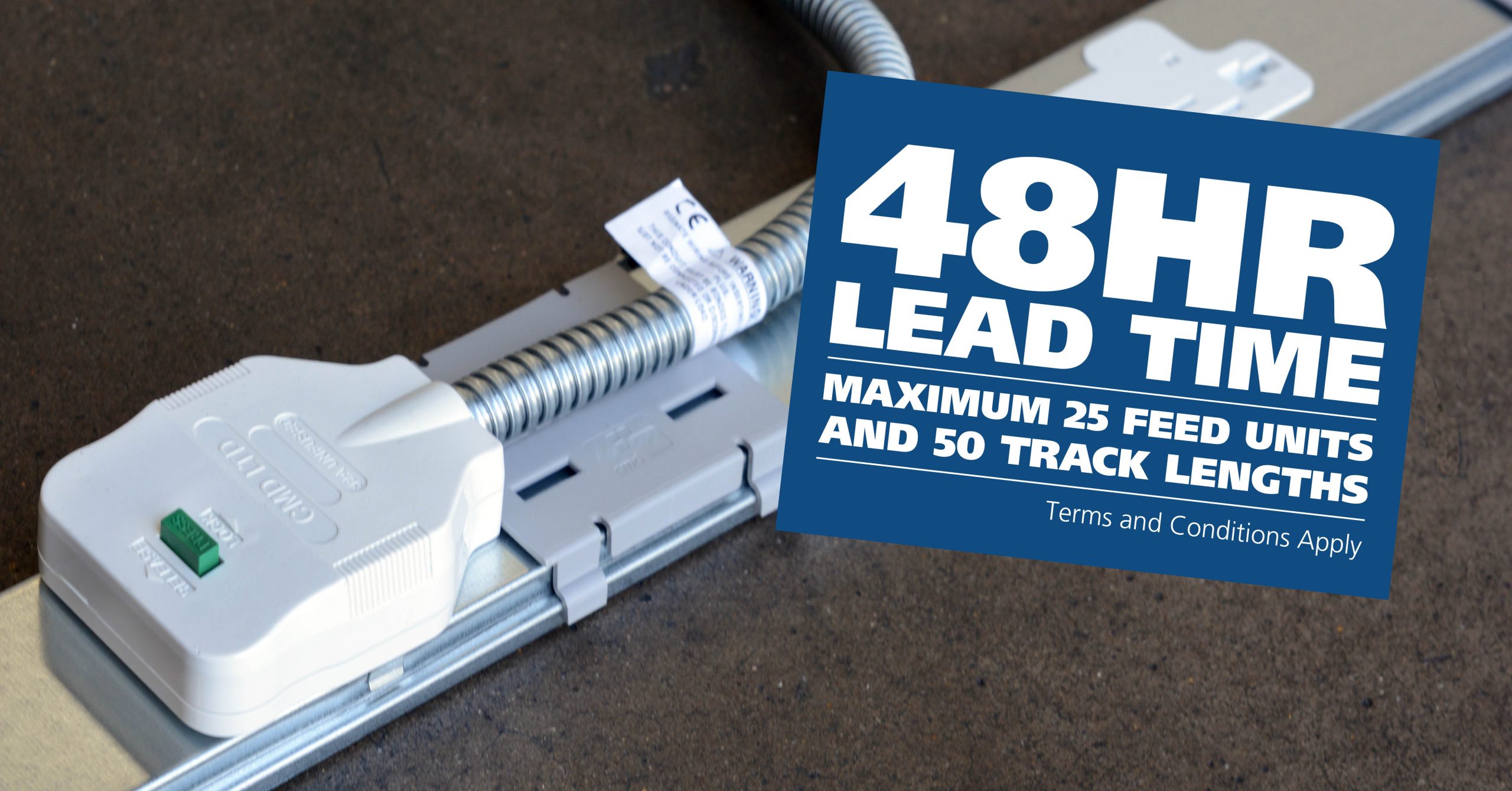
CMD Ltd, the specialist in power distribution systems, workstation power and monitor arms, has launched a rapid ordering service for its Betatrak® underfloor powertrack distribution systems and accessories, with a commitment to delivering within 48-hours of an approved purchase order*. The service enables customers to order up to 50 lengths of Standard or Clean Earth (C/E) low noise Betatrak, along with up to 25 feed...

Read more
CMD INVESTS £1/4 MILLION IN NEW MACHINE AS PART OF FACTORY UPGRADE

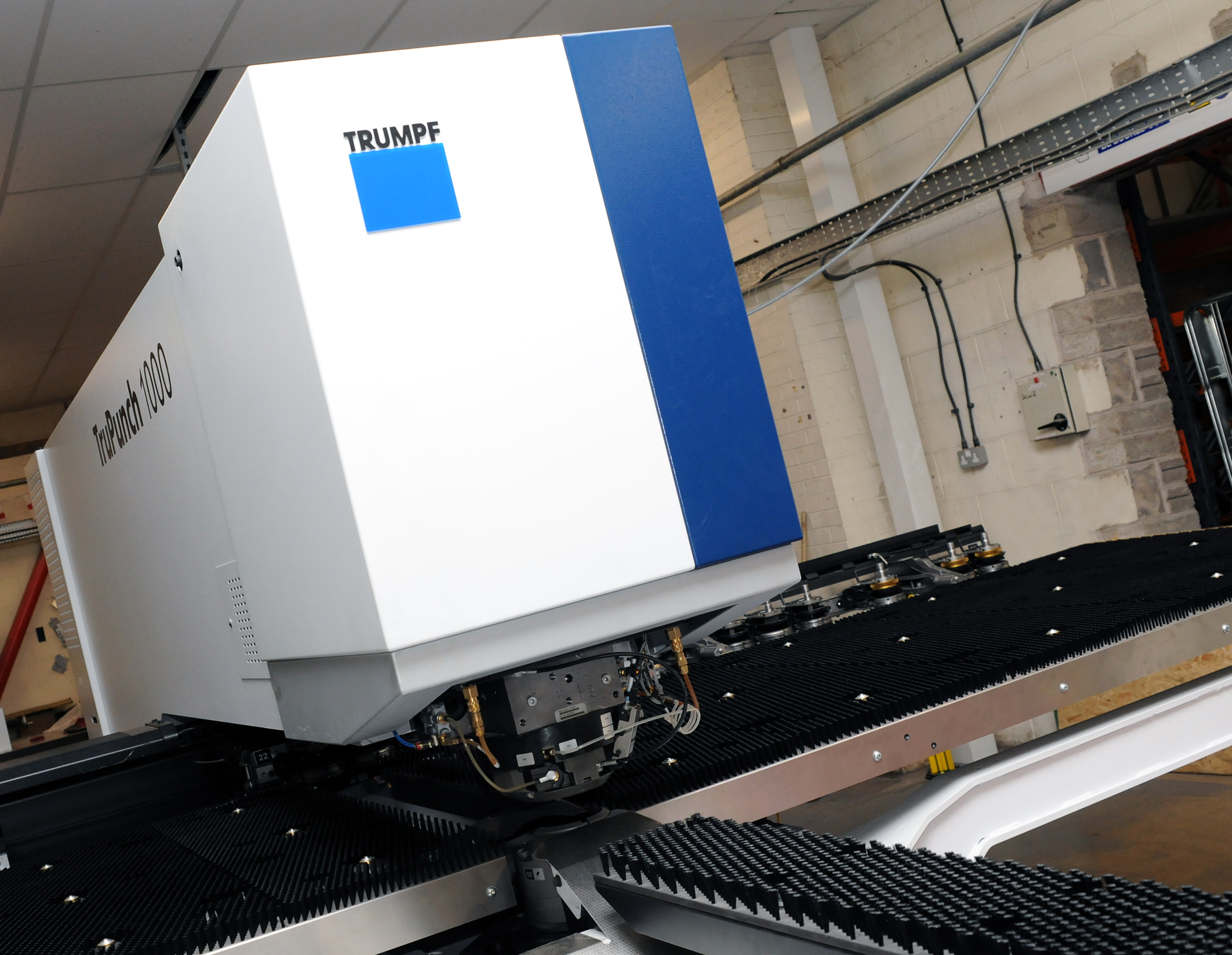
We have invested in a new £1/4m TRUMPF CNC metal punch as part of an asset renewal strategy for our UK manufacturing capability. The new machine will be used in the production of a wide variety of our power distribution systems and workstation power products at our Rotherham factory. Suitable for handling sheet metal between 0.9mm and 3.0mm thick, the new machine will replace one...

Read more
CMD CATALOGUE PROVIDES TECHNICAL POWER DISTRIBUTION GUIDE

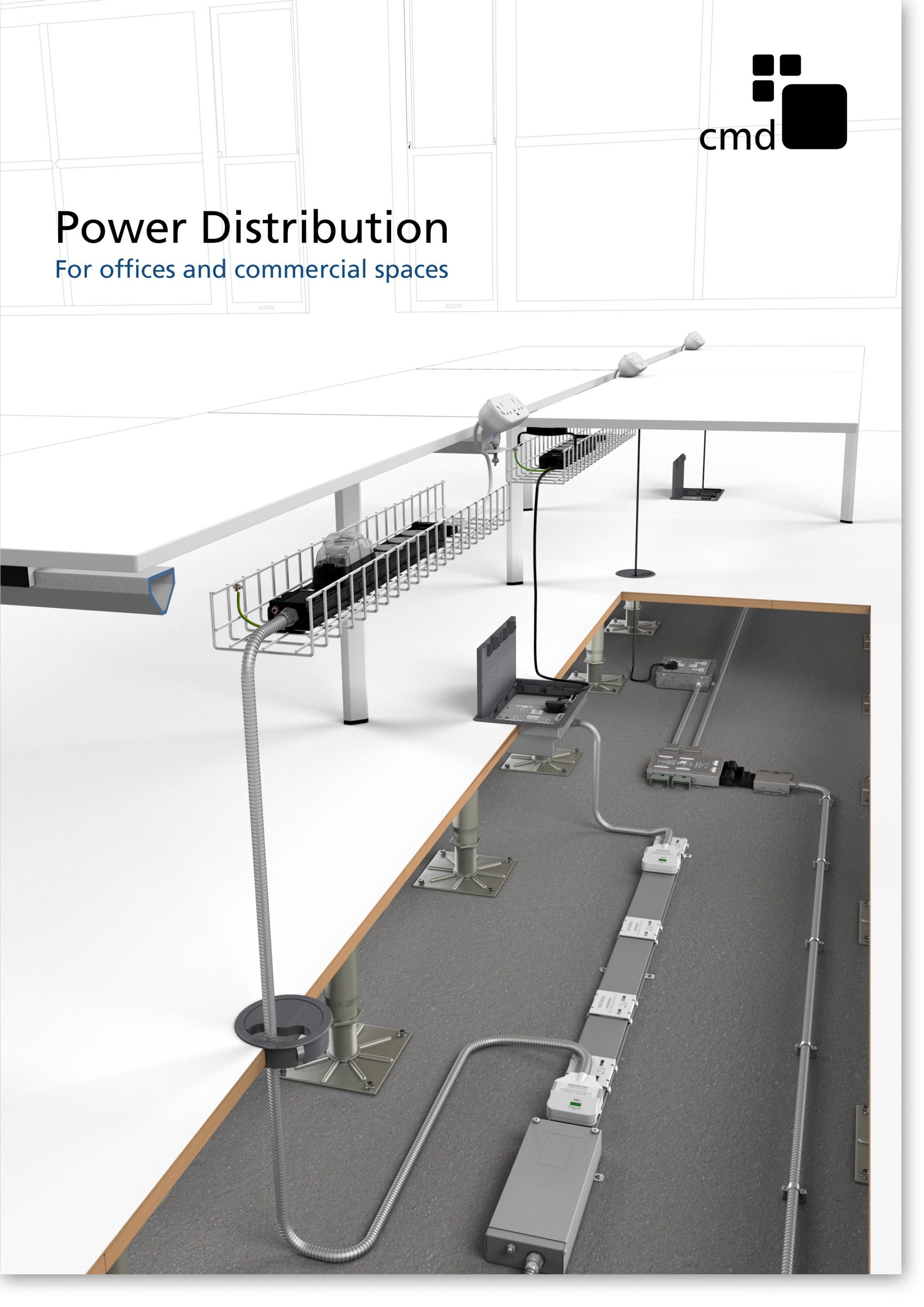
CMD Ltd has released a new catalogue, providing an easy to follow technical guide to our power distribution systems and plug and play desk modules. Detailing CMD’s full range of UK-manufactured power distribution systems and plug and play desk modules, the catalogue will be a helpful source of information to M&E engineers and contractors alike to understand how our power distribution systems connect together and...

Read more
Power Distribution Catalogue
CMD Ltd PLAYS ESSENTIAL ROLE IN ELECTRICAL FIT OUT AT LONDON’S PRESTIGIOUS OFFICE DEVELOPMENT

CMD Ltd, specialist in workplace connectivity and ergonomic solutions, has provided a flexible and high-quality power distribution network for The Ray, a prestigious office development in London’s Farringdon. Well-known for being the former site of The Guardian newspaper, The Ray now stands as an 83,000ft² office development characterised by a modernised warehouse aesthetic, with level two now occupied by a global social media company. The...

Read more

The Ray
CMD plugs in to european opportunity with Schuko Capsule unit launch

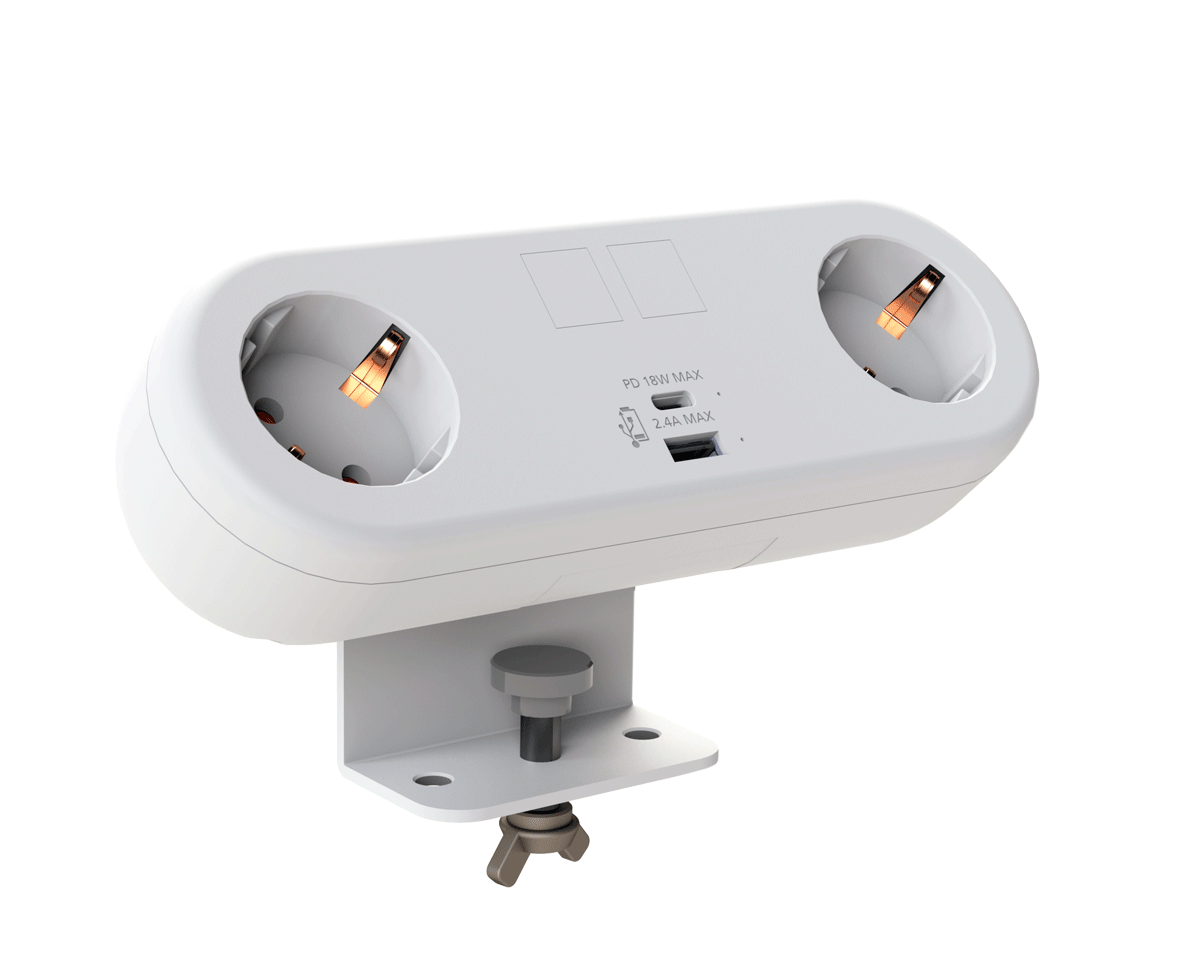
CMD Ltd, the specialist in power and connectivity solutions for commercial environments, has launched a Schuko version of its popular fixed format Capsule workstation power module for export to mainland Europe and beyond. A popular on desk power module comprising two sockets and dual USB (type A and C) chargers, CMD’s Capsule unit is already widely specified in the UK as an off-the-shelf workstation power...

Read more
CMD White Schuko Capsule Desk Power Module
CMD LTD EXTENDS MONITOR ARM RANGE WITH THE LAUNCH OF REACH PLUS

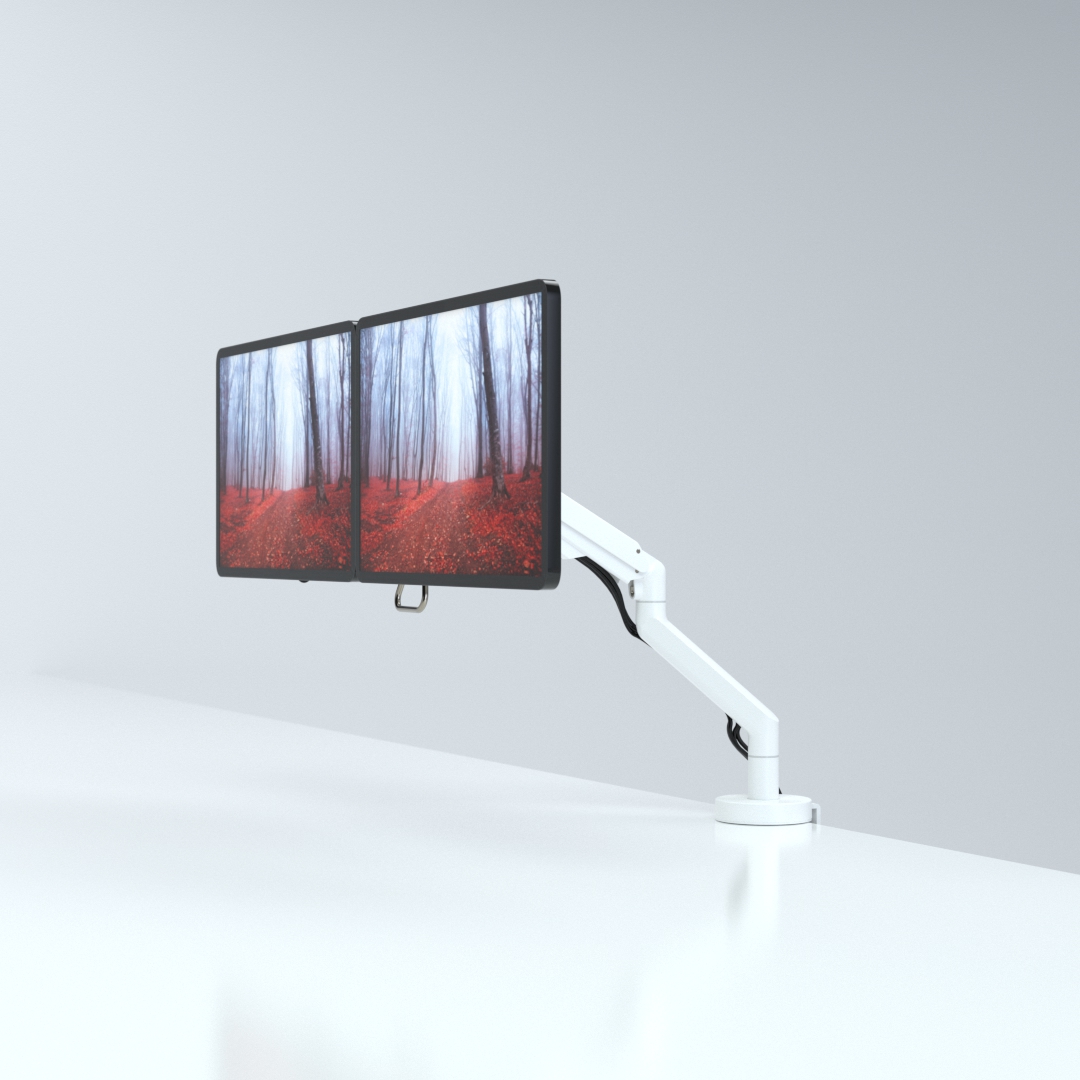
CMD Ltd, the specialist in ergonomic and connectivity solutions for commercial interiors, has completed its Reach monitor arm range with the launch of the Reach Plus. Available in single or dual screen options, the Reach Plus has been designed to provide an ideal solution for both single and dual screen workstation configurations, or can be used with next generation of large format curved screens. Suitable...

Read more
CMD Ltd DEMONSTRATES THE ART OF POWER DISTRIBUTION AT THE UNIVERSITY OF WARWICK

CMD Ltd, the specialist in workplace connectivity and ergonomic solutions, has provided Betatrak busbar power distribution and a range of electrical accessories for two major capital investment projects at the University of Warwick. Designed by Fielden Clegg Bradley Studios, the £33 million Faculty of Arts building is a showpiece development comprising four interconnected structures set around a central atrium, which will enable inter-disciplinary collaboration across...

Read more

University of Warwick
CMD BRINGS HARMONY TO COVENTRY UNIVERSITY RESEARCH FACILITIES

CMD Ltd, the specialist in power distribution solutions and workstation power and ergonomics, has provided under desk and on desk power modules for the refurbishment of three Coventry University research buildings. Located on Coventry University Technology Park, a business park designed to encourage collaboration between the university and knowledge-based businesses, the three buildings are being repurposed as office accommodation for university research teams. The refurbishment...

Read more

Coventry University

How to Choose the Best UV Absorber for Your Products?

Choosing the right UV Absorber can be critical for product longevity and performance. Ultraviolet light can degrade materials, diminish their integrity, and shorten their lifespan. According to a recent industry report by the Global UV Stabilizers Association, nearly 40% of products exposed to UV light suffer from accelerated aging. This statistic highlights the importance of selecting effective UV absorbers.

Expert opinions further underscore this necessity. Dr. Laura Simmons, a recognized authority in materials science, stated, "The right UV absorber can enhance both the durability and appearance of products exposed to sunlight." Her research emphasizes how well-chosen UV absorbers can dramatically improve product viability in outdoor applications. Yet, many manufacturers overlook the significance of this selection process, resulting in costly product failures.

Finding a suitable UV absorber requires understanding specific application needs. It's about balancing cost, efficacy, and compatibility with materials. As the market evolves, ongoing research is key. Companies must continually reassess their choices for UV absorbers. The wrong decision can lead to setbacks, necessitating a careful approach.

How to Choose the Best UV Absorber for Your Products?

Understanding the Role of UV Absorbers in Product Performance

UV absorbers play a crucial role in enhancing product performance by mitigating the harmful effects of ultraviolet (UV) radiation. Prolonged exposure to UV light can lead to degradation and discoloration in products ranging from plastics to cosmetics. A report by the American Chemical Society states that UV exposure can reduce product lifespan by up to 50%, underscoring the importance of effective UV protection.

When selecting UV absorbers, it's essential to consider their mechanism of action. These compounds work by absorbing UV radiation and converting it into harmless heat. Various studies indicate that the right UV absorber can significantly improve the stability of formulations. For instance, a study found that formulations with adequate UV absorbers exhibited 70% less photodegradation compared to those without.

However, not all UV absorbers are created equal. Some may perform better in specific applications than others. This complexity calls for careful analysis to choose the appropriate absorber. Factors such as product type, exposure conditions, and regulatory compliance must all be considered. Relying on generic information without thorough testing can lead to less effective formulations. Inadequate UV protection can result in higher costs and customer dissatisfaction.

UV Absorbers in Product Performance

Types of UV Absorbers: Chemical vs. Physical Options

When selecting a UV absorber, it's crucial to understand the types available. Chemical UV absorbers include organic compounds that absorb UV light and dissipate it as heat. They are widely used in plastics and coatings. These absorbers can be very effective but may degrade over time, especially under prolonged UV exposure. Their effectiveness can also depend on the surrounding environment, leading to variable performance.

Physical UV absorbers, on the other hand, work differently. They reflect or scatter UV radiation rather than absorbing it. Titanium dioxide is a common example. This option often provides greater durability, especially in outdoor applications. However, their white appearance can be a drawback in some transparent products. The performance may vary with particle size and formulation.

When choosing between these options, consider your product's specific needs. Both types have advantages and limitations. Testing your chosen UV absorber is crucial to ensure it meets your expectations. This is often an iterative process that requires close attention and adjustments. Ultimately, the right choice hinges on balancing effectiveness, aesthetics, and long-term stability.

Key Factors to Consider When Selecting UV Absorbers

Choosing the right UV absorber is crucial for product longevity. It helps protect materials from harmful UV rays. Consider the type of application. Different settings may require different absorbents.

Evaluate the absorption range. A broad range is often beneficial. Understand your product’s exposure to sunlight. Some products may only face indirect sunlight. In such cases, less aggressive absorbers can suffice.

Examine stability and compatibility. Some absorbers degrade over time. This can compromise their effectiveness. Testing small batches could be a wise step. You might find some options work unexpectedly well. Others may interact poorly with your materials. Reflect on your choices, and don’t hesitate to seek expert advice for the best results.

Evaluating the Compatibility of UV Absorbers with Your Materials

When selecting a UV absorber, compatibility with your materials is crucial. Different substrates interact uniquely with UV absorbers. For instance, polymers can vary widely in their chemical structure, which affects their responsiveness to UV absorbers. Research shows that approximately 30% of failures in UV protection stem from inadequate compatibility between these additives and the materials used.

Evaluating compatibility requires thorough testing. For example, a study in the Journal of Applied Polymer Science indicates that specific UV absorbers can degrade polycarbonate under certain conditions. This degradation leads to decreased transparency and compromised mechanical properties. Conducting compatibility tests through accelerated aging simulations can provide valuable insights. Such assessments help predict long-term efficacy in real-world applications.

Also, consider the processing temperatures involved in your material's production. High temperatures may impact the UV absorber's stability. Aligning the thermal properties of the UV absorber with your material's requirements is essential. An estimated 25% of manufacturers overlook this aspect, leading to early product failures. Testing for compatibility is not an optional step; it's a critical part of quality assurance in any UV-stabilized product.

Best Practices for Testing and Implementing UV Absorbers in Products

Selecting the right UV absorber requires thorough testing and thoughtful implementation. Start by identifying the specific needs of your product. Different materials react differently to UV exposure. Testing under controlled conditions can provide insights into performance duration.

Tips: Use a variety of wavelengths when testing. This helps gauge how the UV absorber works across light spectrum ranges. Also, consider the application method. Coatings can affect adhesion and efficacy.

Be aware that some UV absorbers may change the product's appearance. Running consumer tests can reveal any visual or textural changes. Understand that certain absorbers may not perform well at high temperatures. Adjust your formulation accordingly.

Tips: Conduct stability testing over time. This will help predict how the UV absorber might degrade. Gather feedback from initial product users to refine your approach. Remember, experimenting is crucial in finding the best fit for your product.

How to Choose the Best UV Absorber for Your Products?

UV Absorber Type Wavelength Range (nm) Material Compatibility Application Suitability Cost (per kg)
Benzotriazole 280-320 Polycarbonate, PMMA Outdoor Applications $50
Benzophenone 280-400 Polyethylene, Polystyrene Cosmetic Products $65
Hindered Amine Light Stabilizers (HALS) 290-400 Polyethylene, PVC Outdoor Plastics $75
UV-Absorbing Polymers 300-400 Acrylic, Polycarbonate Optical Applications $85