

News

Miro: A New Standard in Responsible Innovation

Miro: A New Standard in Responsible Innovation The Miro monitor arm is setting new benchmarks in sustainability. It offers a high-performance solution without compromising on environmental responsibility. Designed with careful material selection, local sourcing, and longevity in mind, Miro’s responsible approach to design and unique manoeuvrability set it apart from the competition. Sustainable Choices Miro is crafted from energy-efficient materials with a lower carbon impact....

Read more
HSE Advisor

Role Purpose Support in the development, implementation and maintenance of the company’s Health, Safety & Environmental policies, processes, operational procedures, and standards.  Ensuring best practice and championing a continually improving HSE culture within the business. Key Responsibilities Liaise with and provide support to all areas of the business to eliminate, mitigate or reduce identified HSE exposures. Partner with the production management team and team leaders,...

Read more
CMD Ltd LAUNCHES 48-HOUR TURNAROUND ON BETATRAK® RAPID ORDERING SERVICE

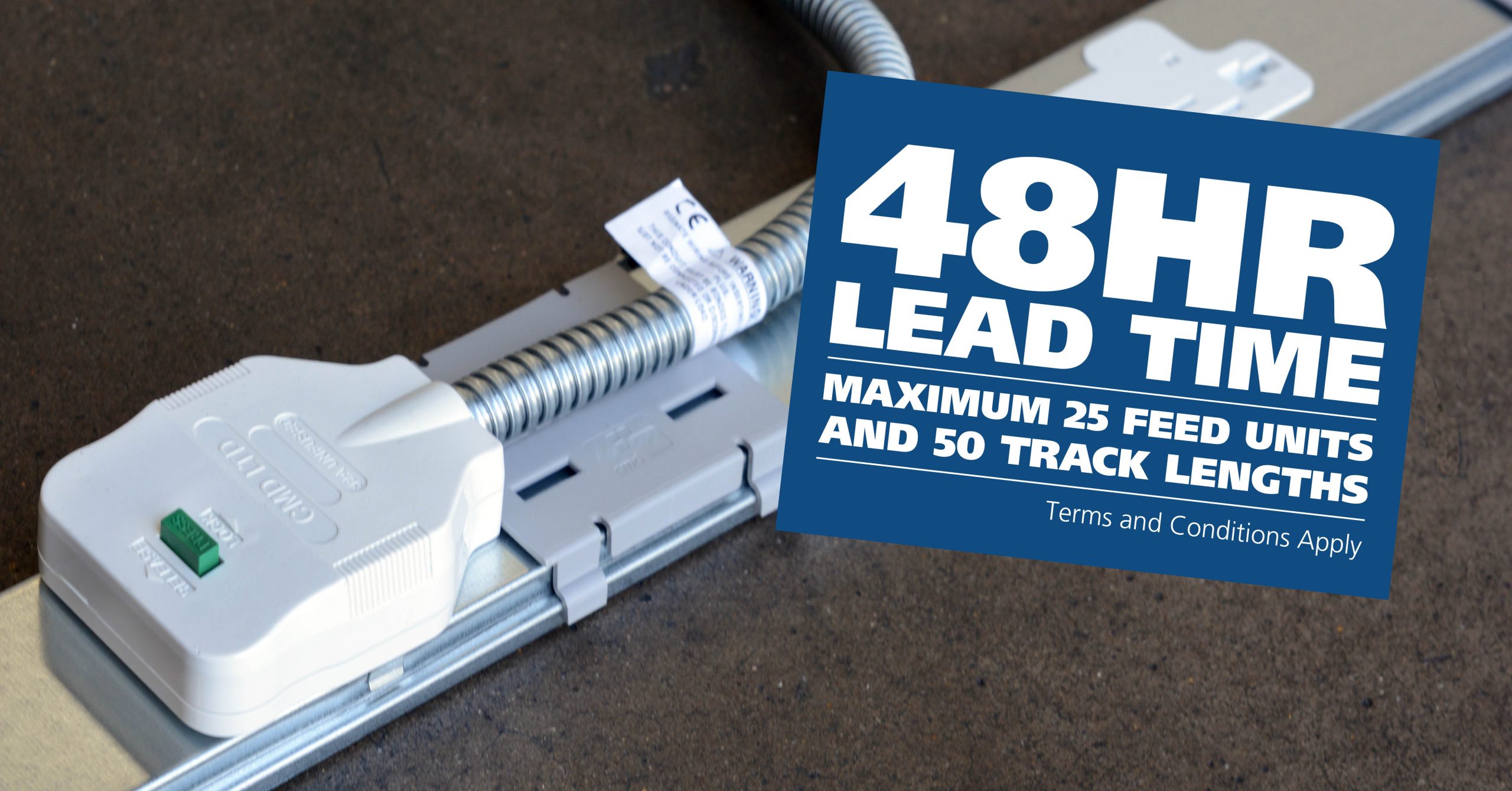
CMD Ltd, the specialist in power distribution systems, workstation power and monitor arms, has launched a rapid ordering service for its Betatrak® underfloor powertrack distribution systems and accessories, with a commitment to delivering within 48-hours of an approved purchase order*. The service enables customers to order up to 50 lengths of Standard or Clean Earth (C/E) low noise Betatrak, along with up to 25 feed...

Read more
CMD INVESTS £1/4 MILLION IN NEW MACHINE AS PART OF FACTORY UPGRADE

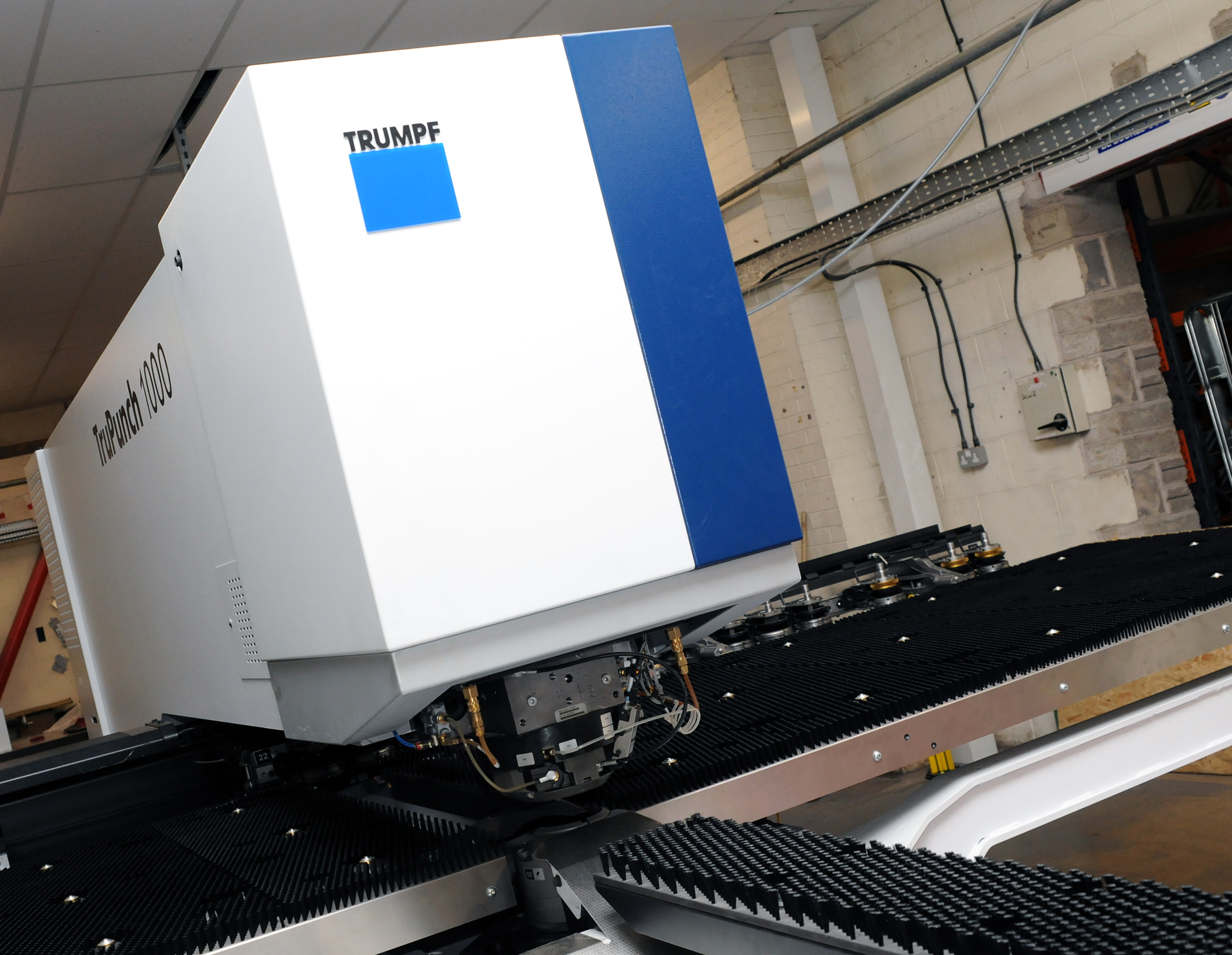
We have invested in a new £1/4m TRUMPF CNC metal punch as part of an asset renewal strategy for our UK manufacturing capability. The new machine will be used in the production of a wide variety of our power distribution systems and workstation power products at our Rotherham factory. Suitable for handling sheet metal between 0.9mm and 3.0mm thick, the new machine will replace one...

Read more
CMD CATALOGUE PROVIDES TECHNICAL POWER DISTRIBUTION GUIDE

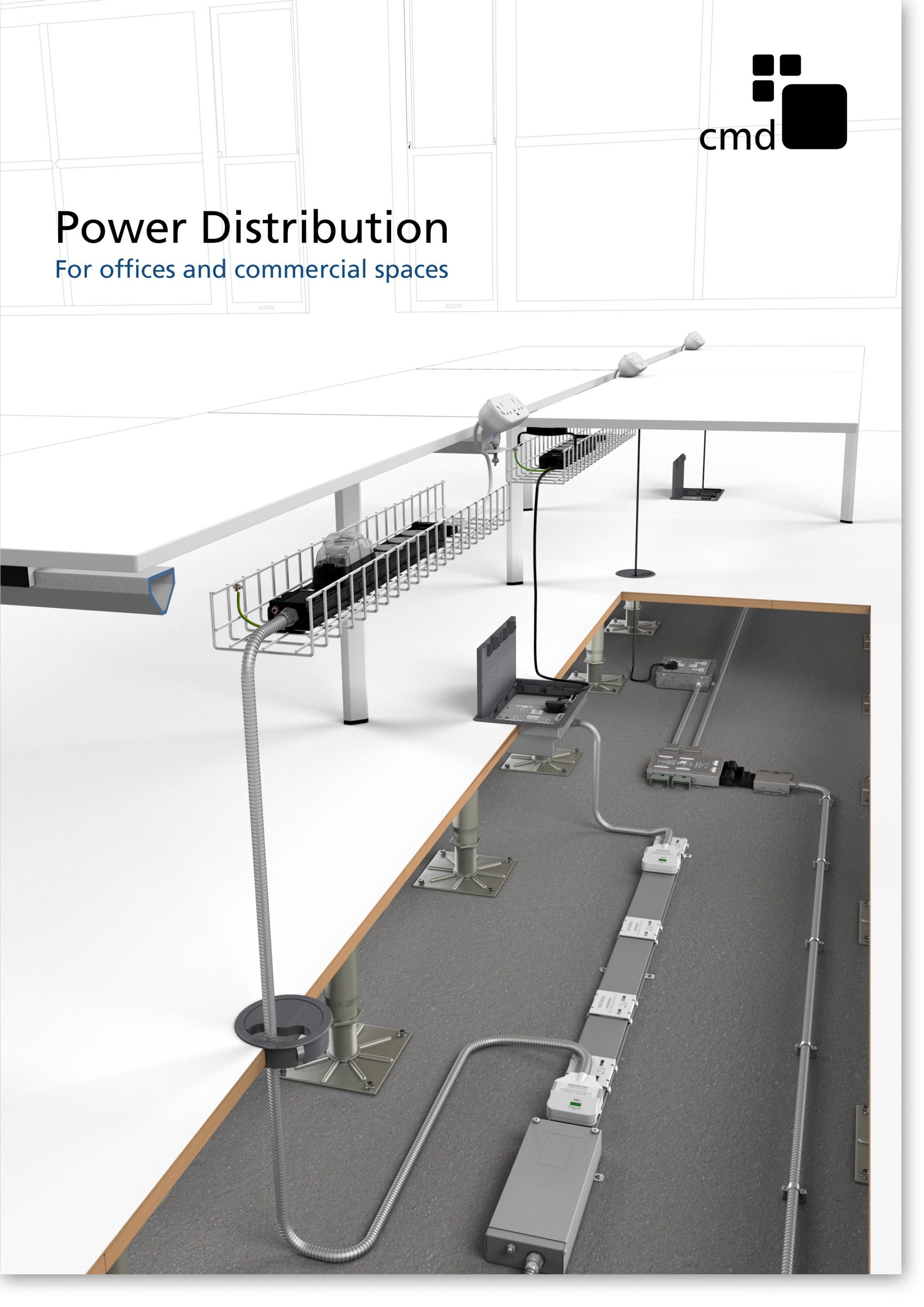
CMD Ltd has released a new catalogue, providing an easy to follow technical guide to our power distribution systems and plug and play desk modules. Detailing CMD’s full range of UK-manufactured power distribution systems and plug and play desk modules, the catalogue will be a helpful source of information to M&E engineers and contractors alike to understand how our power distribution systems connect together and...

Read more
Power Distribution Catalogue
CMD Ltd PLAYS ESSENTIAL ROLE IN ELECTRICAL FIT OUT AT LONDON’S PRESTIGIOUS OFFICE DEVELOPMENT

CMD Ltd, specialist in workplace connectivity and ergonomic solutions, has provided a flexible and high-quality power distribution network for The Ray, a prestigious office development in London’s Farringdon. Well-known for being the former site of The Guardian newspaper, The Ray now stands as an 83,000ft² office development characterised by a modernised warehouse aesthetic, with level two now occupied by a global social media company. The...

Read more

The Ray
CMD plugs in to european opportunity with Schuko Capsule unit launch

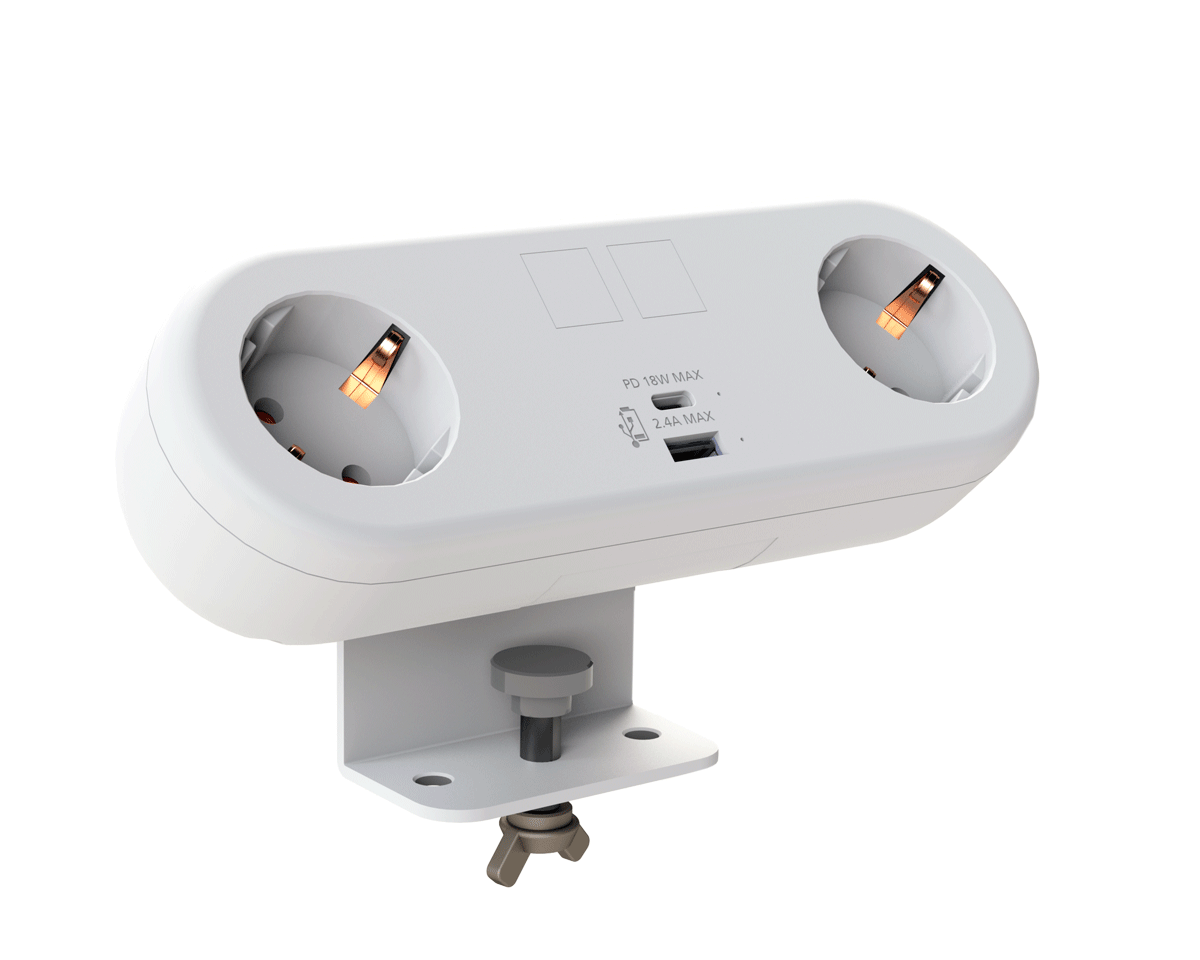
CMD Ltd, the specialist in power and connectivity solutions for commercial environments, has launched a Schuko version of its popular fixed format Capsule workstation power module for export to mainland Europe and beyond. A popular on desk power module comprising two sockets and dual USB (type A and C) chargers, CMD’s Capsule unit is already widely specified in the UK as an off-the-shelf workstation power...

Read more
CMD White Schuko Capsule Desk Power Module
CMD LTD EXTENDS MONITOR ARM RANGE WITH THE LAUNCH OF REACH PLUS

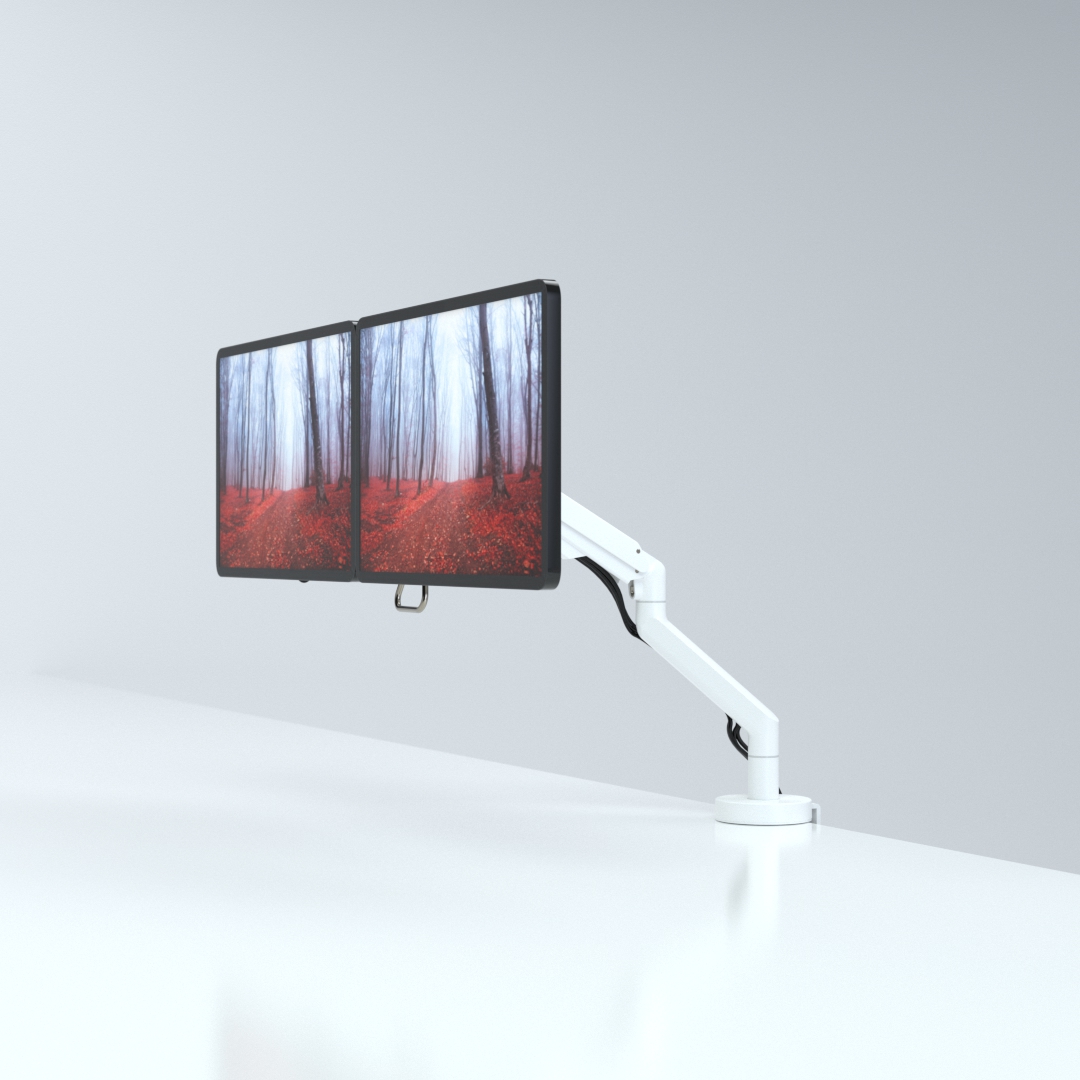
CMD Ltd, the specialist in ergonomic and connectivity solutions for commercial interiors, has completed its Reach monitor arm range with the launch of the Reach Plus. Available in single or dual screen options, the Reach Plus has been designed to provide an ideal solution for both single and dual screen workstation configurations, or can be used with next generation of large format curved screens. Suitable...

Read more
CMD Ltd DEMONSTRATES THE ART OF POWER DISTRIBUTION AT THE UNIVERSITY OF WARWICK

CMD Ltd, the specialist in workplace connectivity and ergonomic solutions, has provided Betatrak busbar power distribution and a range of electrical accessories for two major capital investment projects at the University of Warwick. Designed by Fielden Clegg Bradley Studios, the £33 million Faculty of Arts building is a showpiece development comprising four interconnected structures set around a central atrium, which will enable inter-disciplinary collaboration across...

Read more

University of Warwick
CMD BRINGS HARMONY TO COVENTRY UNIVERSITY RESEARCH FACILITIES

CMD Ltd, the specialist in power distribution solutions and workstation power and ergonomics, has provided under desk and on desk power modules for the refurbishment of three Coventry University research buildings. Located on Coventry University Technology Park, a business park designed to encourage collaboration between the university and knowledge-based businesses, the three buildings are being repurposed as office accommodation for university research teams. The refurbishment...

Read more

Coventry University

How to Choose the Best USB Streaming Microphone?

Choosing the best Usb Streaming Microphone is no longer a minor desk-upgrade decision. It affects voice clarity, audience retention, and daily recording comfort. Edison Research’s Infinite Dial 2024 reported that 47% of Americans aged 12 and older listened to podcasts monthly. That growing audio audience expects cleaner sound, even from bedrooms, gaming rooms, and small offices.

A good microphone should match your room, voice, connection, and workflow. USB models offer practical plug-and-play setup, while built-in headphone monitoring can reveal background hum immediately. However, specifications alone can mislead. A high sample rate will not fix a noisy fan or poor microphone placement. I have seen affordable microphones outperform expensive ones when positioned close to the speaker and angled away from keyboard noise. Small details matter.

The IAB and PwC Internet Advertising Revenue Report shows the commercial importance of digital audio, including podcast advertising. That does not mean every creator needs studio equipment. It means reliable speech reproduction deserves careful evaluation. This guide compares pickup patterns, gain control, monitoring latency, software compatibility, and real-world noise handling. It also considers desk space and long-session comfort.

Some recommendations may remain subjective. Voice tone differs. Rooms behave differently. That is worth admitting. The “best” Usb Streaming Microphone is not always the newest or most expensive model. It is the one that produces consistent, intelligible sound in your actual recording environment. Expect trade-offs. Test before trusting the box.

How to Choose the Best USB Streaming Microphone?

Define Your USB Streaming Microphone Needs and Recording Environment

Before choosing a USB streaming microphone, define what you actually record. Live gaming, spoken tutorials, music, and video calls need different sound priorities. A clear speaking voice may need less sensitivity than a quiet acoustic performance. Write down your main use, speaking distance, and typical session length. This small exercise prevents buying features you will never use.

Your recording environment matters just as much. A bedroom with bare walls can create sharp echoes, while a desk near a window may capture traffic and wind. Listen for background noise before shopping. Record thirty seconds of normal speech, then replay it through headphones. I once underestimated keyboard noise because it sounded harmless in the room. The recording proved otherwise. That mistake changed how I judge microphone placement.

Choose a microphone that matches your space, not just its specifications. A directional pickup pattern can reduce sound from the sides, but it cannot erase every reflection. Keep the microphone near mouth level and about a handspan away. Use a stable stand, and avoid touching the desk during a stream. USB connection is convenient, yet software controls and monitoring delay still deserve attention. Test gain at your normal speaking volume. If the signal clips during excited speech, lower the input level. If quiet words disappear, move closer before adding excessive gain. Your room may need simple treatment, such as curtains, rugs, or a bookshelf. Do not assume expensive equipment will fix an untreated space.

Compare Microphone Types, Pickup Patterns, and Sound Characteristics

Choosing a USB streaming microphone starts with its type. Condenser microphones capture detailed vocals, keyboard clicks, and room ambience. They suit quiet rooms with controlled acoustics. Dynamic microphones usually reject more background noise and handle louder voices well. They can be forgiving beside a computer fan. I have found that beginners often choose excessive detail, then spend weeks fighting echoes.

Pickup pattern changes the recording more than many shoppers expect. A cardioid pattern focuses on sound from the front and reduces noise behind the microphone. It works well for solo streaming. An omnidirectional pattern collects sound around the capsule, which can help group conversations but exposes room noise.

Bidirectional pickup records the front and rear, making it useful for interviews. Stereo pickup can add width, though it may complicate voice balance. Aim carefully.

Sound characteristics deserve patient listening. A bright microphone can make speech feel clear, but sharp consonants may become tiring. A warm microphone can soften voices, yet muddy low frequencies may hide words. USB controls such as gain, mute, and headphone monitoring improve practical control. Keep the microphone close, but avoid breathing directly into it. Small movements matter.

I sometimes prefer a less impressive raw sound. It may need less correction later. Test your voice from different distances and angles. Record a short sample beside your actual desk. A microphone that sounds excellent in reviews may behave differently in your room. That is the part specifications cannot fully predict.

Check USB Compatibility, Controls, Monitoring, and Connection Features

Choosing a USB streaming microphone starts with checking compatibility, not appearance. Confirm whether your computer uses USB-A, USB-C, or requires an adapter. Check the operating system requirements and available power from your port. Some microphones work poorly through unpowered hubs. A direct connection is safer for live sessions. I usually test the microphone with a short recording before streaming. Listen for dropouts, delayed audio, and sudden volume changes.

Physical controls can prevent awkward pauses during a broadcast. A large mute button is easier to find than a small touch control. Gain adjustment should respond smoothly, without jumping from quiet to harsh. A headphone volume dial is also useful when background noise changes. Headphone monitoring lets you hear your voice immediately. Zero-latency monitoring matters when timing reactions, interviews, or game commentary. Keep the headphone jack within easy reach. Small details become important after two hours.

Connection features deserve a practical inspection. A detachable cable is easier to replace, while a threaded mount supports a desk arm or stand. Check whether the microphone remembers settings after reconnecting. I once assumed a device saved its gain level, then discovered it reset during a live test. That mistake taught me to verify every setting before recording. Software control can add flexibility, but essential functions should remain available on the microphone itself. Test the setup with your actual computer, headphones, cable, and streaming software. Compatibility claims are helpful, but real-world testing is more reliable.

Evaluate Audio Quality, Build Design, Mounting Options, and Accessories

Choosing the best USB streaming microphone requires more than chasing high resolution. During home recordings, I listen for clear speech, controlled bass, and low background noise. A 24-bit interface can offer useful headroom, but it cannot fix a noisy room. The IAB/PwC Internet Advertising Revenue Report recorded 1.9 billion dollars in U.S. podcast advertising revenue in 2023. That growth raises expectations for clean, intelligible voices.

Build design matters during long sessions. A heavy metal body usually stays steadier than thin plastic. Check the grille, mute control, cable connection, and desktop stability. A microphone should not wobble when you tap the desk. Shock isolation can reduce keyboard vibrations, but some systems add bulk. My first mistake was judging quality by weight alone. A heavy microphone can still sound harsh. I now compare recordings at equal volume and use headphones.

Tips: Test the microphone from 15 centimeters away. Then try 30 centimeters. Select a mounting option that suits your space. A boom arm saves desk room, while a stand offers simpler setup. Confirm thread compatibility before buying accessories. A pop filter helps with sharp “p” sounds, but it may hide poor microphone placement. Keep the cable short and secure. Extra adapters often create clutter. Room treatment is imperfect, too. A curtain may reduce reflections, yet it cannot replace careful positioning. ━

Match Your Budget With Reliable Performance and Long-Term Usability

Choosing a USB streaming microphone starts with your budget, not the brightest specification sheet. A $60 model may be enough for a quiet bedroom. In a reflective room, it may reveal keyboard clicks, fan noise, and harsh consonants. I learned this after replacing a cheap microphone twice. The second purchase sounded better, but it was not a wiser investment. Spend on consistency.

Edison Research’s 2024 Infinite Dial reports that 47% of Americans aged 12 and older consume podcasts monthly, while 34% listen weekly. That audience expects clear speech, even during casual streams. Prioritize a reliable USB connection, physical mute control, and headphone monitoring. Stable gain matters more than extreme sampling rates. Keep the microphone 15 to 20 centimeters from your mouth, slightly off-axis. Use a desk stand that does not wobble. Test longer.

MarketsandMarkets projects the microphone market will reach USD 3.7 billion by 2028. Its 2023 report estimates a 9.1% compound annual growth rate. Growth alone misleads. Check warranty length, cable replaceability, driver support, and grille strength before buying. A stable microphone lasting three years can beat a cheaper model replaced annually. I would still question my own math. Electricity, accessories, and lost setup time count. That is easy to forget.