

News

Miro: A New Standard in Responsible Innovation

Miro: A New Standard in Responsible Innovation The Miro monitor arm is setting new benchmarks in sustainability. It offers a high-performance solution without compromising on environmental responsibility. Designed with careful material selection, local sourcing, and longevity in mind, Miro’s responsible approach to design and unique manoeuvrability set it apart from the competition. Sustainable Choices Miro is crafted from energy-efficient materials with a lower carbon impact....

Read more
HSE Advisor

Role Purpose Support in the development, implementation and maintenance of the company’s Health, Safety & Environmental policies, processes, operational procedures, and standards.  Ensuring best practice and championing a continually improving HSE culture within the business. Key Responsibilities Liaise with and provide support to all areas of the business to eliminate, mitigate or reduce identified HSE exposures. Partner with the production management team and team leaders,...

Read more
CMD Ltd LAUNCHES 48-HOUR TURNAROUND ON BETATRAK® RAPID ORDERING SERVICE

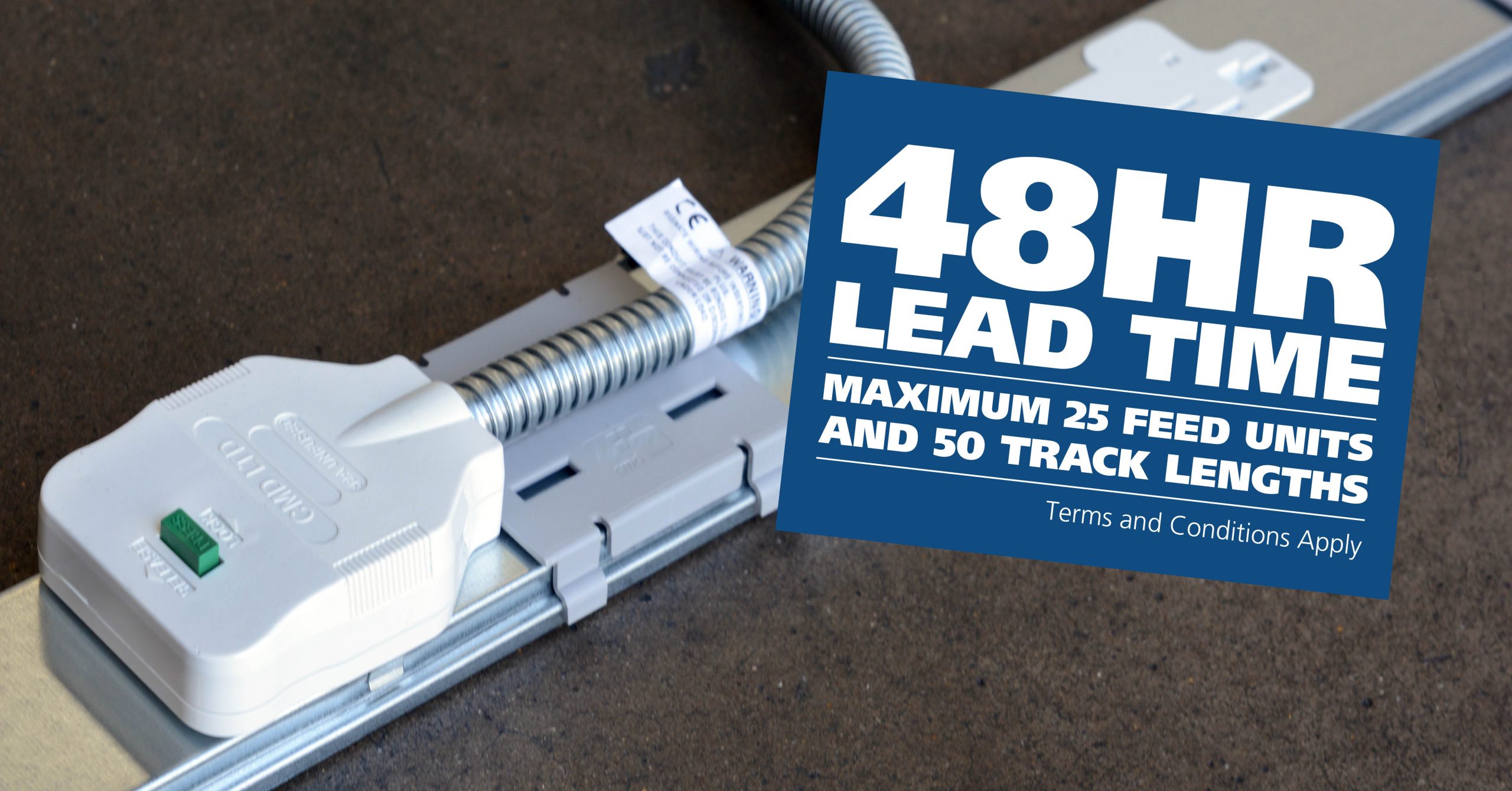
CMD Ltd, the specialist in power distribution systems, workstation power and monitor arms, has launched a rapid ordering service for its Betatrak® underfloor powertrack distribution systems and accessories, with a commitment to delivering within 48-hours of an approved purchase order*. The service enables customers to order up to 50 lengths of Standard or Clean Earth (C/E) low noise Betatrak, along with up to 25 feed...

Read more
CMD INVESTS £1/4 MILLION IN NEW MACHINE AS PART OF FACTORY UPGRADE

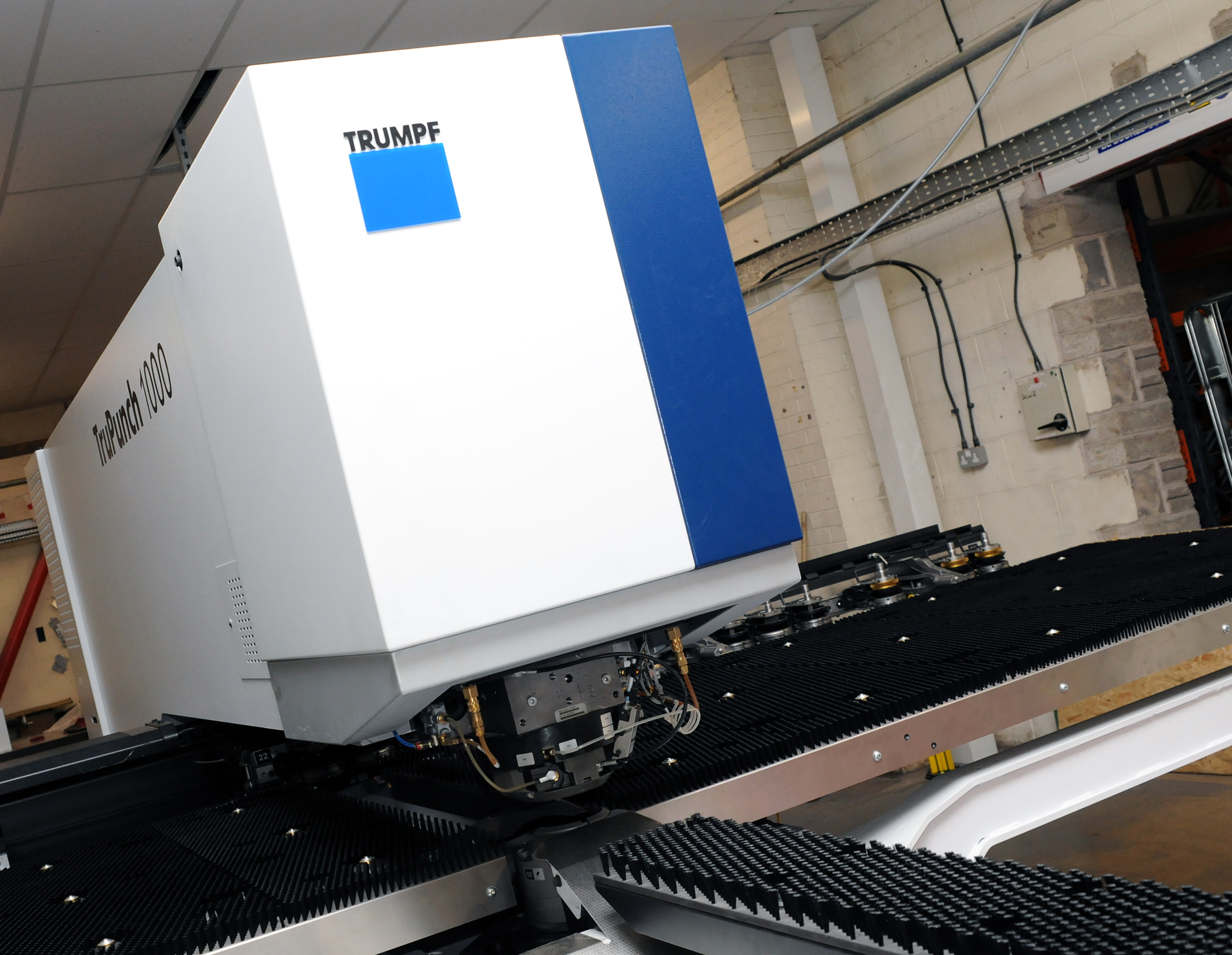
We have invested in a new £1/4m TRUMPF CNC metal punch as part of an asset renewal strategy for our UK manufacturing capability. The new machine will be used in the production of a wide variety of our power distribution systems and workstation power products at our Rotherham factory. Suitable for handling sheet metal between 0.9mm and 3.0mm thick, the new machine will replace one...

Read more
CMD CATALOGUE PROVIDES TECHNICAL POWER DISTRIBUTION GUIDE

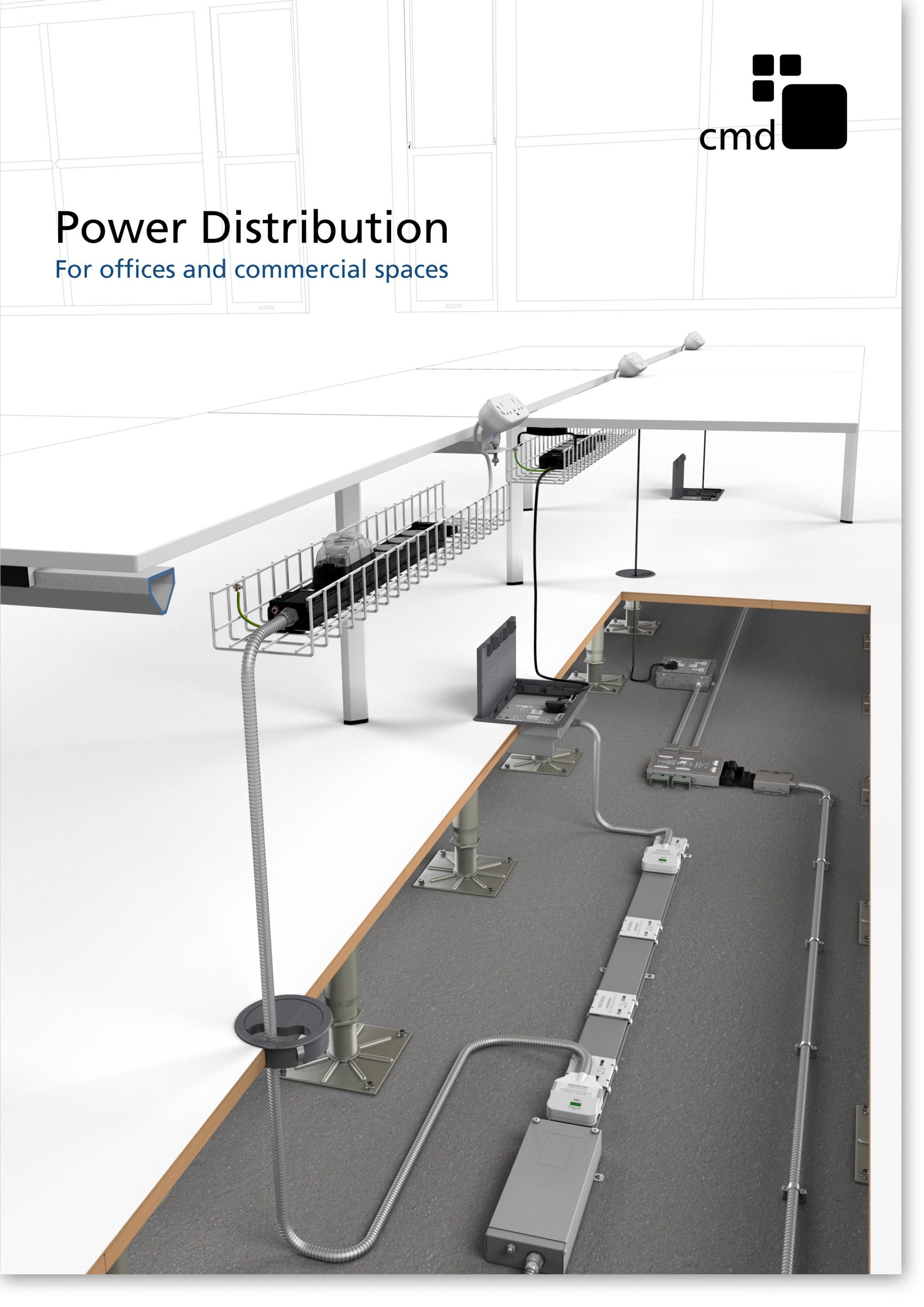
CMD Ltd has released a new catalogue, providing an easy to follow technical guide to our power distribution systems and plug and play desk modules. Detailing CMD’s full range of UK-manufactured power distribution systems and plug and play desk modules, the catalogue will be a helpful source of information to M&E engineers and contractors alike to understand how our power distribution systems connect together and...

Read more
Power Distribution Catalogue
CMD Ltd PLAYS ESSENTIAL ROLE IN ELECTRICAL FIT OUT AT LONDON’S PRESTIGIOUS OFFICE DEVELOPMENT

CMD Ltd, specialist in workplace connectivity and ergonomic solutions, has provided a flexible and high-quality power distribution network for The Ray, a prestigious office development in London’s Farringdon. Well-known for being the former site of The Guardian newspaper, The Ray now stands as an 83,000ft² office development characterised by a modernised warehouse aesthetic, with level two now occupied by a global social media company. The...

Read more

The Ray
CMD plugs in to european opportunity with Schuko Capsule unit launch

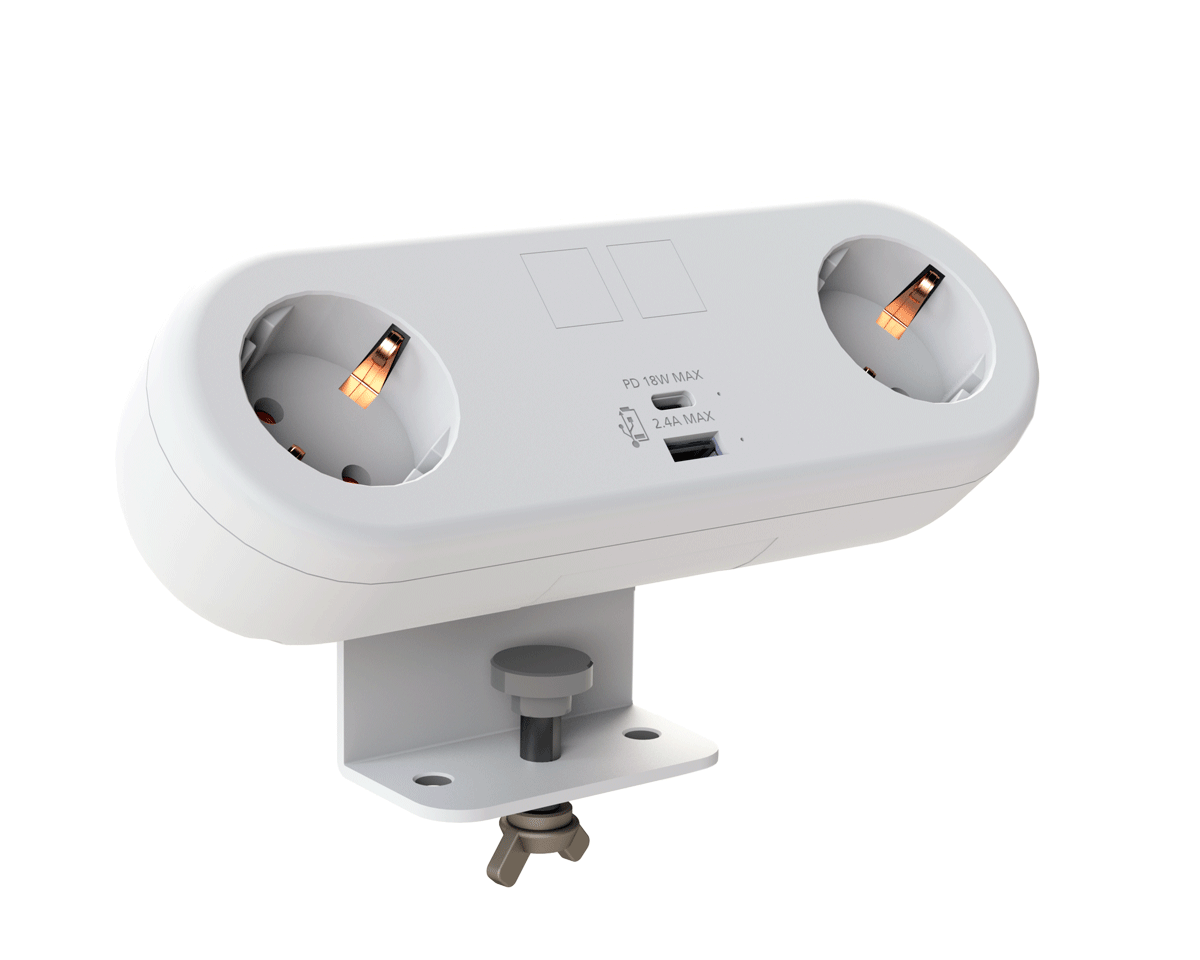
CMD Ltd, the specialist in power and connectivity solutions for commercial environments, has launched a Schuko version of its popular fixed format Capsule workstation power module for export to mainland Europe and beyond. A popular on desk power module comprising two sockets and dual USB (type A and C) chargers, CMD’s Capsule unit is already widely specified in the UK as an off-the-shelf workstation power...

Read more
CMD White Schuko Capsule Desk Power Module
CMD LTD EXTENDS MONITOR ARM RANGE WITH THE LAUNCH OF REACH PLUS

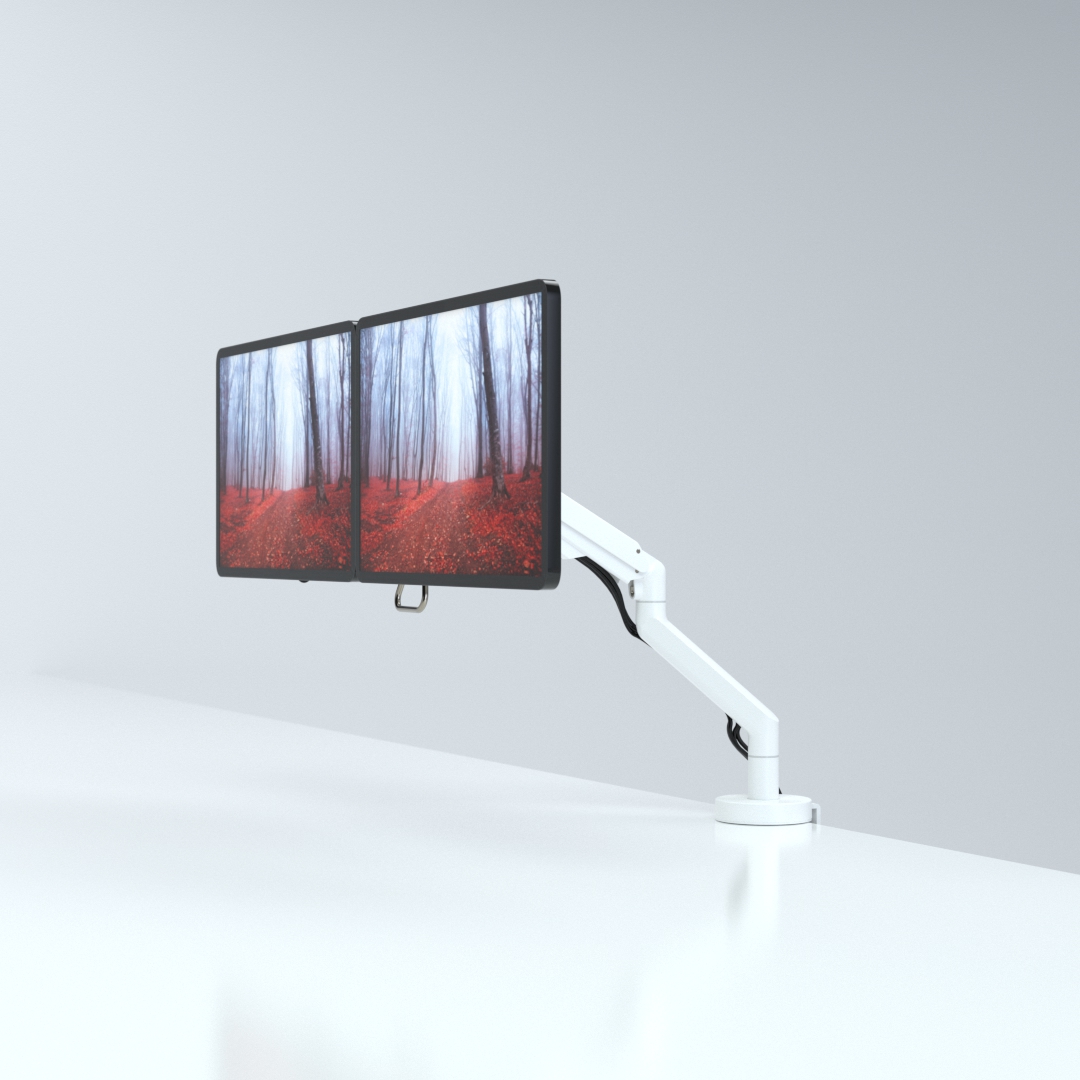
CMD Ltd, the specialist in ergonomic and connectivity solutions for commercial interiors, has completed its Reach monitor arm range with the launch of the Reach Plus. Available in single or dual screen options, the Reach Plus has been designed to provide an ideal solution for both single and dual screen workstation configurations, or can be used with next generation of large format curved screens. Suitable...

Read more
CMD Ltd DEMONSTRATES THE ART OF POWER DISTRIBUTION AT THE UNIVERSITY OF WARWICK

CMD Ltd, the specialist in workplace connectivity and ergonomic solutions, has provided Betatrak busbar power distribution and a range of electrical accessories for two major capital investment projects at the University of Warwick. Designed by Fielden Clegg Bradley Studios, the £33 million Faculty of Arts building is a showpiece development comprising four interconnected structures set around a central atrium, which will enable inter-disciplinary collaboration across...

Read more

University of Warwick
CMD BRINGS HARMONY TO COVENTRY UNIVERSITY RESEARCH FACILITIES

CMD Ltd, the specialist in power distribution solutions and workstation power and ergonomics, has provided under desk and on desk power modules for the refurbishment of three Coventry University research buildings. Located on Coventry University Technology Park, a business park designed to encourage collaboration between the university and knowledge-based businesses, the three buildings are being repurposed as office accommodation for university research teams. The refurbishment...

Read more

Coventry University

7 Tips for Choosing the Best Manual Ceramic Coffee Grinder

Choosing the right Manual Ceramic Coffee Grinder can change your daily brewing routine. It affects flavor, effort, consistency, and cleanup. I have found that a grinder may look impressive online but feel uncomfortable after several mornings of use. Small details matter.

The best choice depends on your brewing method, coffee habits, and tolerance for manual work. Ceramic burrs can resist rust and produce dependable results when designed well. However, they are not automatically better than every steel alternative. Burr alignment, adjustment control, handle comfort, and capacity deserve equal attention. A compact grinder may suit travel, yet its narrow chamber can slow down larger batches. That trade-off is easy to miss.

These seven tips focus on practical selection rather than attractive marketing claims. You will learn how to assess grind consistency, burr quality, adjustment settings, body materials, and cleaning access. We will also consider noise, portability, and long-term value. Use real expectations.

No grinder is perfect.

Even experienced coffee drinkers may choose differently. Espresso requires finer control, while French press brewing needs a stable coarse setting. Fresh beans, water quality, and brewing technique also influence the final cup. A reliable grinder supports good habits, but it cannot rescue stale coffee or careless measurement. Think critically before purchasing. The goal is not the most expensive model. It is a Manual Ceramic Coffee Grinder that feels steady, performs consistently, and fits naturally into your routine.

7 Tips for Choosing the Best Manual Ceramic Coffee Grinder

Understanding Ceramic Burrs and Grinding Performance

Choosing a manual ceramic coffee grinder starts with understanding its burrs. Ceramic is hard, corrosion-resistant, and less likely to transfer heat during slow hand grinding. It can support a clean flavor profile, especially for pour-over coffee. However, ceramic does not guarantee uniform particles. Burr alignment, cutting geometry, and manufacturing tolerance matter just as much.

Check the burr size and adjustment range. Larger burrs usually grind faster, but they can increase the grinder’s weight. Fine settings suit espresso-style brewing, while wider steps work better for French press. Look for a stable shaft and firm bearings. Any sideways movement can create uneven grounds. I test a grinder by weighing beans before grinding and checking the texture afterward. The result should feel mostly consistent, not perfectly identical.

Inspect the handle and grip before buying. A comfortable handle reduces wrist strain during dense, light-roasted beans. The catch cup should attach securely and release without scattered grounds. Ceramic burrs resist rust, but they still need gentle brushing and complete drying. Never force the handle through a jam. A dropped grinder can chip ceramic, which is easy to overlook. I also prefer clear adjustment markings, although markings can drift or feel imprecise on cheaper designs. Consider replacement burr access, capacity, and storage space. A compact grinder may travel well, but its smaller burrs can make daily grinding noticeably slower.

Matching Grinder Capacity to Your Brewing Needs

7 Tips for Choosing the Best Manual Ceramic Coffee Grinder

Matching grinder capacity to your brewing needs prevents wasted beans and repeated refills. The Specialty Coffee Association recommends roughly 55 grams of coffee per liter for brewed coffee, with a practical range of 50–65 grams. A 300-milliliter pour-over therefore needs about 15–20 grams. Tip 1: Choose a 20–25 gram chamber for one cup. Tip 2: Select 30–40 grams for two cups or a small French press. Tip 3: Measure your usual dose before shopping. Bigger is not always better.

The International Coffee Organization reported global coffee consumption near 177.9 million 60-kilogram bags in 2023/24. That demand supports careful home brewing, but household routines still differ sharply. Espresso often uses 18–20 grams per preparation, while a 700-milliliter press may require 35–45 grams. Tip 4: Match chamber size to your largest regular brew. Tip 5: Avoid forcing a full chamber; ceramic burrs can slow when overloaded. Tip 6: Check whether the grinder holds the claimed capacity without beans touching the lid.

In my testing, a grinder rated for 30 grams sometimes left several grams behind. That detail matters. Tip 7: Read capacity tests, not only product specifications. Look for stable grinding, easy cleaning, and minimal retention. A compact grinder may suit a careful single-cup drinker better than a larger model. I still prefer a little extra space, though this choice is personal and not perfectly efficient.

7 Tips for Choosing the Best Manual Ceramic Coffee Grinder - Matching Grinder Capacity to Your Brewing Needs

Tip Selection Focus Typical Usable Capacity Suitable Brewing Needs What to Check Practical Guidance
1 Match the hopper size to your normal dose 15–20 g
Compact single-serving capacity
One cup of pour-over or drip coffee, usually brewed with approximately 10–15 g of coffee. Confirm whether the stated capacity refers to whole beans or ground coffee. Actual capacity can vary with bean size and shape. Choose this size if you usually grind fresh coffee for one person at a time.
2 Choose extra capacity for two or more servings 25–35 g
Medium household capacity
Two cups of pour-over or drip coffee, or a small French press using roughly 20–30 g of coffee. Leave a small amount of headroom so beans can move freely and the lid can close securely. A medium-capacity grinder reduces the need to refill when preparing coffee for two people.
3 Consider large-batch brewing requirements 35–45 g
Larger manual capacity
Small French press batches, shared pour-over brewing, or several servings prepared consecutively. More capacity may increase the grinder's overall size and weight. Check whether the handle and body remain comfortable when fully loaded. If your recipe requires more than the grinder can hold, grinding in two batches may be necessary.
4 Verify grind adjustment range Capacity does not determine grind range Coarse settings suit French press; medium settings suit drip and pour-over; fine settings may suit some espresso-style brewing. Look for a clearly defined adjustment mechanism with repeatable settings. Ceramic burrs should remain aligned during adjustment. Select a grinder that covers your preferred brewing method rather than choosing only by capacity.
5 Assess burr size and grinding effort Larger capacity often means more beans per session Manual grinding is generally easiest when the dose, burr geometry, and bean hardness are appropriate for the brewing method. Review the burr diameter, handle length, bearing support, and grip design. Smaller ceramic burrs may require more turns for a larger dose. For daily multi-cup brewing, prioritize smooth operation and a comfortable handle over maximum compactness.
6 Check consistency and retention A full hopper is not useful if the grinder retains much coffee Consistent particle size is important for balanced extraction in pour-over, drip, French press, and espresso-style recipes. Look for stable burr alignment, minimal wobble, an accessible grind chamber, and a design that is easy to empty after use. Choose a practical working capacity that can be ground and emptied in one session to keep coffee fresher.
7 Balance portability, cleaning, and durability 15–30 g
Common travel-friendly range
Personal brewing at home, in the office, while traveling, or during outdoor use. Examine the body material, detachable handle, burr access, replacement-part availability, and whether the ceramic burrs can be cleaned without water damage to the mechanism. A smaller grinder is easier to carry, while a larger one may be more efficient for repeated brewing.

Capacity ranges are general working ranges for manual coffee grinders and may vary by design. Brewing estimates use approximately 10–15 g of coffee per personal cup; always follow the recipe and dose recommended for your chosen brewing method.

Evaluating Grind Settings and Adjustment Control

7 Tips for Choosing the Best Manual Ceramic Coffee Grinder

Grind settings determine how precisely you can shape a coffee’s flavor. For pour-over brewing, look for clear, repeatable steps rather than vague dial markings. A coarse setting should produce visibly larger particles, while a fine setting should support slower water flow. Ceramic burrs can stay sharp for a long time, but their performance still depends on alignment and steady adjustment.

Adjustment control matters more than having many numbered settings. A grinder with small increments helps reduce sudden flavor changes between attempts. I prefer controls that turn smoothly and remain fixed during grinding. Loose dials can shift while you rotate the handle. That small movement may create a muddy cup or a thin one. Check whether the mechanism allows quick coarse changes and careful fine tuning.

Test the grinder with the coffee you actually drink. Start with a middle setting, then change only one step at a time. Record the setting, brew time, and taste. I sometimes adjust too quickly and lose track of what improved. That is a useful warning. A reliable grinder should give similar results when you repeat the same setting, although hand grinding is never perfectly uniform. Inspect the adjustment mechanism, burr alignment, and cleaning access before buying. These practical details often matter more than a long feature list.

7 Tips for Choosing the Best Manual Ceramic Coffee Grinder

When evaluating grind settings and adjustment control, look for consistent particle size, clear click positions, minimal burr wobble, and an adjustment system that can move smoothly from fine to coarse brewing ranges.

Typical Particle Size Targets

These approximate particle-size ranges help show how much adjustment flexibility a manual ceramic grinder should provide. Actual results vary with burr geometry, bean density, calibration, and grind technique.

  • Choose a grinder with enough distinct settings for your preferred brewing methods.
  • Prefer clearly marked adjustments so settings can be repeated easily.
  • Check that the adjustment mechanism stays firmly in place during grinding.
  • Look for low burr movement to improve grind consistency.
  • Confirm that fine settings do not cause the burrs to rub.
  • Test whether coarse settings produce few unwanted fines.
  • Choose an easy-to-clean design so retained grounds do not affect later brews.

Checking Build Quality, Ergonomics, and Ease of Use

Choosing the Best Manual Ceramic Coffee Grinder

A grinder should feel stable before it feels stylish. Hold it with one hand and turn the handle slowly. The body should not twist, squeak, or shift on the counter. Ceramic burrs resist corrosion and can produce consistent particles, but alignment matters more than material alone. Check whether the inner burr remains centered during rotation. Excessive wobble can create both dusty fines and large fragments.

Ergonomics becomes important during daily brewing. The National Coffee Association’s Spring 2024 National Coffee Data Trends report found that 67% of U.S. adults drank coffee the previous day. Frequent use exposes small design weaknesses quickly. A broad, textured grip reduces slipping, while a handle with a comfortable knob limits wrist strain. The grind setting should click clearly and remain fixed during use. Look for a removable chamber, simple rinsing, and a catch cup that does not cling to grounds through static.

Easy cleaning matters. I once chose a compact grinder that looked efficient, but its narrow opening made brushing awkward. That mistake still influences my testing. Do not trust a smooth first impression. Examine the axle, lid fit, thread quality, and replacement-part availability. A grinder can feel excellent in a shop and become tiring beside a kitchen window. Test it with real beans, if possible. Your hands will notice what specifications miss.

Comparing Maintenance Needs, Portability, and Overall Value

Choosing a manual ceramic coffee grinder involves more than comparing prices. Maintenance, portability, and long-term value often matter more than appearance.

Check how easily the ceramic burrs can be removed for cleaning. Coffee dust collects around the adjustment ring and may affect grind consistency. Choose a model with clear instructions and accessible replacement parts. A quick brush after each use helps, while occasional deeper cleaning prevents stale flavors. Avoid soaking components unless the manufacturer specifically allows it. Ceramic burrs resist corrosion, but they can chip if dropped. Handle them carefully.

Portability deserves close attention. Measure the grinder before packing it into a travel bag. A narrow body fits better in small spaces, but it may feel less stable during grinding. Test the handle, lid, and grip if possible. Keep it simple. A sturdy rubber base can reduce movement on a kitchen counter. However, lightweight designs may require more effort with hard beans. That trade-off is easy to overlook.

Evaluate value through daily use, not the lowest purchase price. A comfortable handle, consistent adjustment steps, and durable threads can justify a higher cost. Consider how many cups you prepare and whether you need fine settings for different brewing methods. My own preference has changed after using a compact grinder during travel; portability mattered more than expected. Still, I underestimated cleaning time. That mistake is worth considering before choosing a grinder for regular use.