

News

Miro: A New Standard in Responsible Innovation

Miro: A New Standard in Responsible Innovation The Miro monitor arm is setting new benchmarks in sustainability. It offers a high-performance solution without compromising on environmental responsibility. Designed with careful material selection, local sourcing, and longevity in mind, Miro’s responsible approach to design and unique manoeuvrability set it apart from the competition. Sustainable Choices Miro is crafted from energy-efficient materials with a lower carbon impact....

Read more
HSE Advisor

Role Purpose Support in the development, implementation and maintenance of the company’s Health, Safety & Environmental policies, processes, operational procedures, and standards.  Ensuring best practice and championing a continually improving HSE culture within the business. Key Responsibilities Liaise with and provide support to all areas of the business to eliminate, mitigate or reduce identified HSE exposures. Partner with the production management team and team leaders,...

Read more
CMD Ltd LAUNCHES 48-HOUR TURNAROUND ON BETATRAK® RAPID ORDERING SERVICE

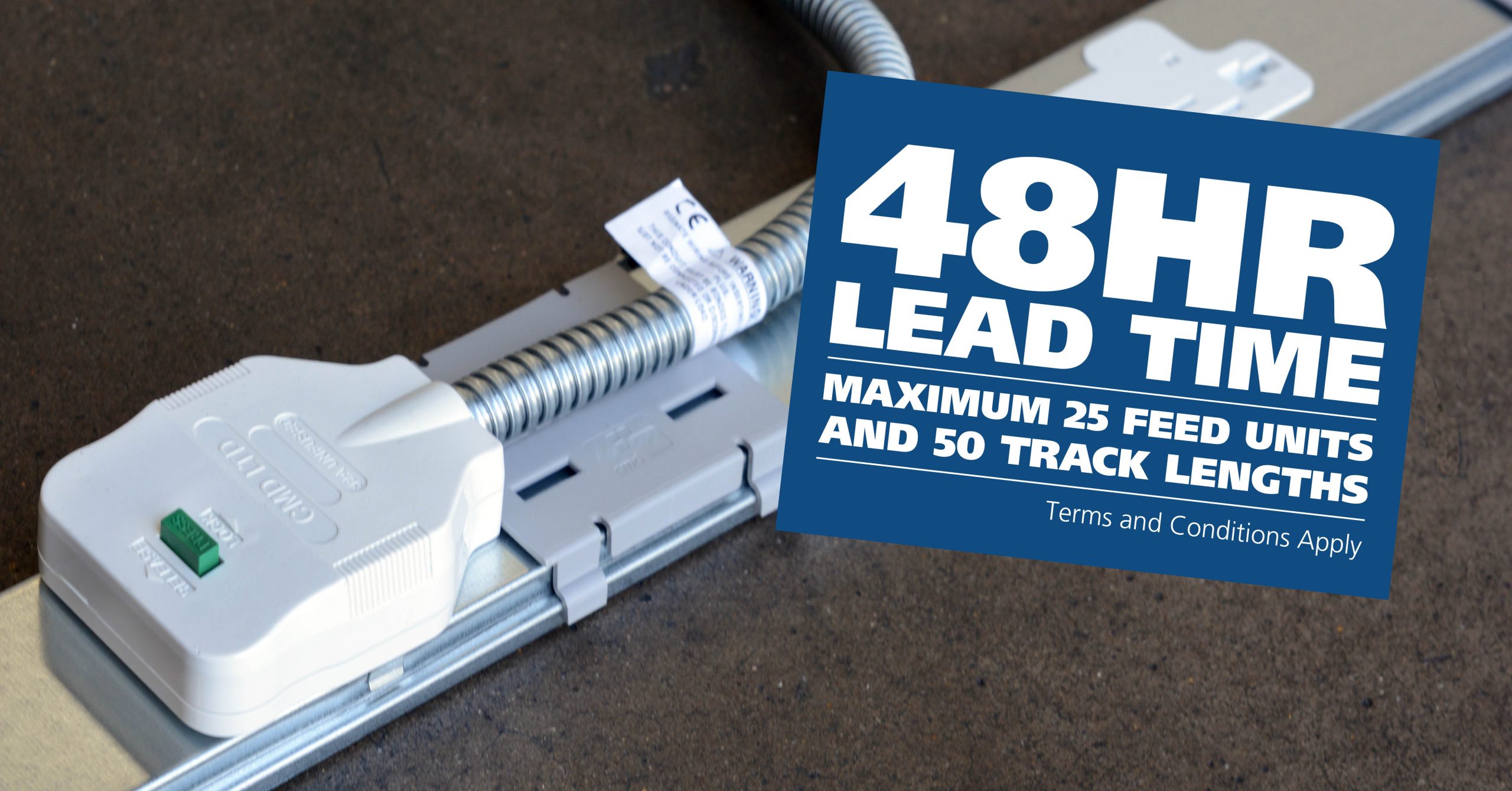
CMD Ltd, the specialist in power distribution systems, workstation power and monitor arms, has launched a rapid ordering service for its Betatrak® underfloor powertrack distribution systems and accessories, with a commitment to delivering within 48-hours of an approved purchase order*. The service enables customers to order up to 50 lengths of Standard or Clean Earth (C/E) low noise Betatrak, along with up to 25 feed...

Read more
CMD INVESTS £1/4 MILLION IN NEW MACHINE AS PART OF FACTORY UPGRADE

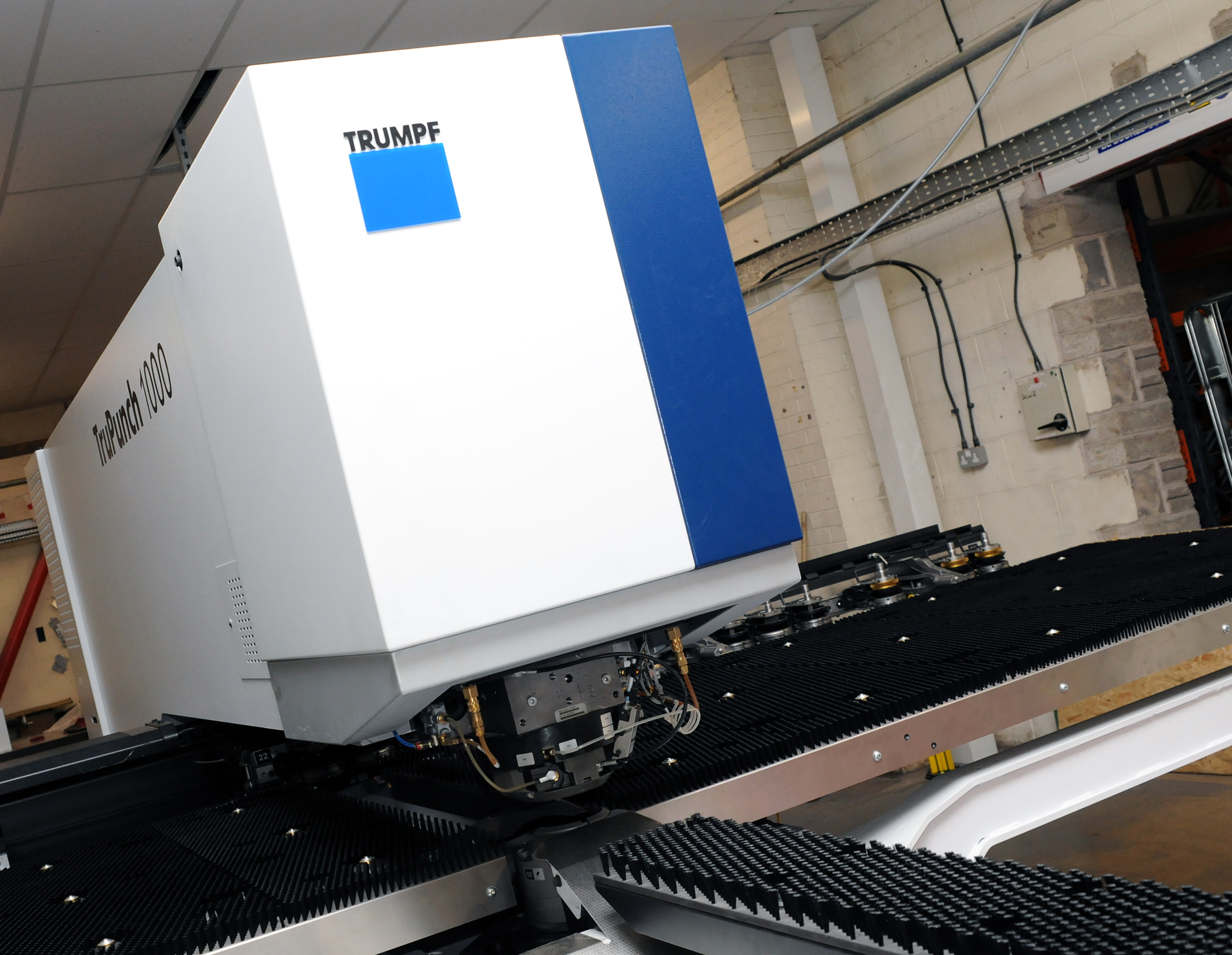
We have invested in a new £1/4m TRUMPF CNC metal punch as part of an asset renewal strategy for our UK manufacturing capability. The new machine will be used in the production of a wide variety of our power distribution systems and workstation power products at our Rotherham factory. Suitable for handling sheet metal between 0.9mm and 3.0mm thick, the new machine will replace one...

Read more
CMD CATALOGUE PROVIDES TECHNICAL POWER DISTRIBUTION GUIDE

CMD Ltd has released a new catalogue, providing an easy to follow technical guide to our power distribution systems and plug and play desk modules. Detailing CMD’s full range of UK-manufactured power distribution systems and plug and play desk modules, the catalogue will be a helpful source of information to M&E engineers and contractors alike to understand how our power distribution systems connect together and...

Read more
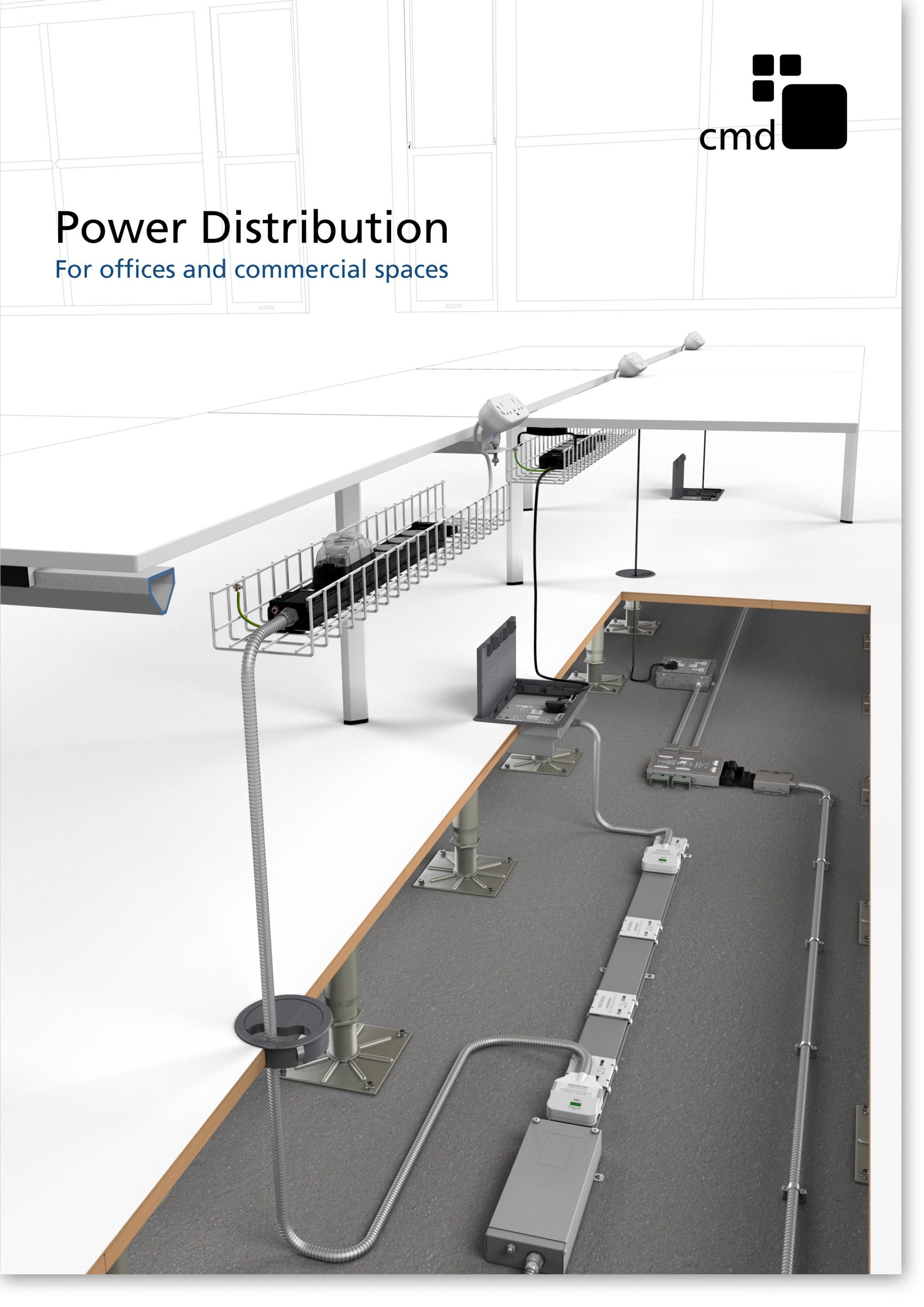
Power Distribution Catalogue
CMD Ltd PLAYS ESSENTIAL ROLE IN ELECTRICAL FIT OUT AT LONDON’S PRESTIGIOUS OFFICE DEVELOPMENT

CMD Ltd, specialist in workplace connectivity and ergonomic solutions, has provided a flexible and high-quality power distribution network for The Ray, a prestigious office development in London’s Farringdon. Well-known for being the former site of The Guardian newspaper, The Ray now stands as an 83,000ft² office development characterised by a modernised warehouse aesthetic, with level two now occupied by a global social media company. The...

Read more

The Ray
CMD plugs in to european opportunity with Schuko Capsule unit launch

CMD Ltd, the specialist in power and connectivity solutions for commercial environments, has launched a Schuko version of its popular fixed format Capsule workstation power module for export to mainland Europe and beyond. A popular on desk power module comprising two sockets and dual USB (type A and C) chargers, CMD’s Capsule unit is already widely specified in the UK as an off-the-shelf workstation power...

Read more
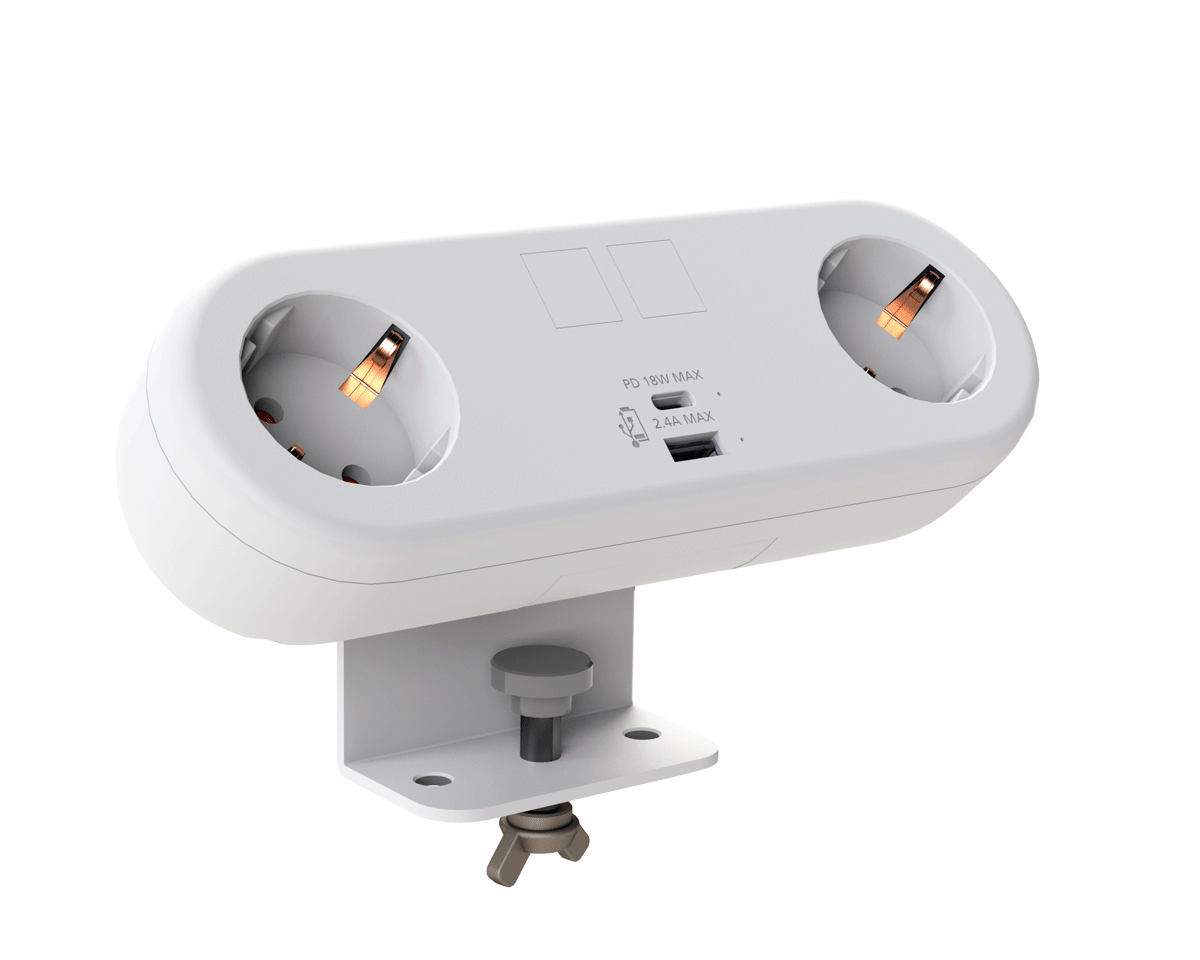
CMD White Schuko Capsule Desk Power Module
CMD LTD EXTENDS MONITOR ARM RANGE WITH THE LAUNCH OF REACH PLUS

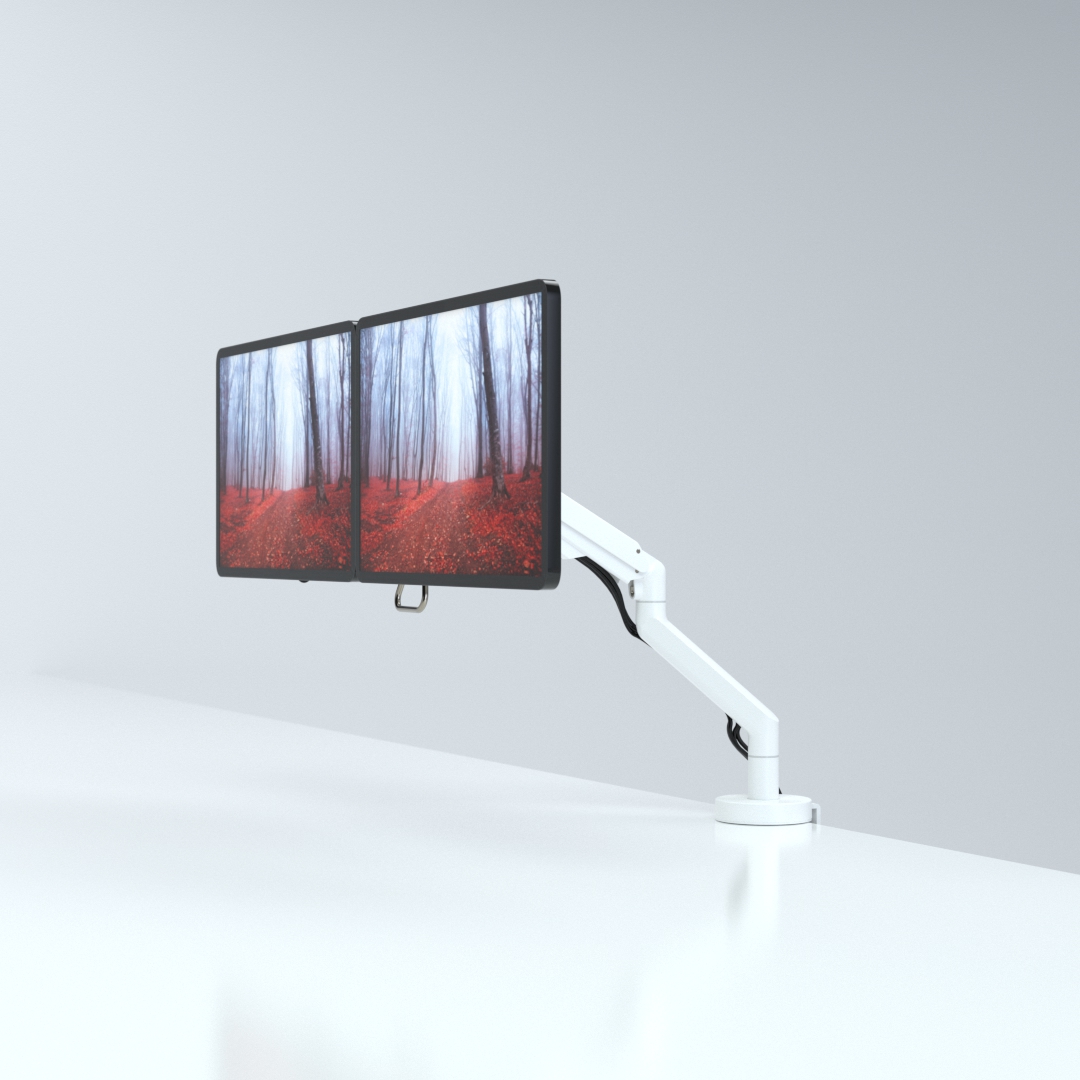
CMD Ltd, the specialist in ergonomic and connectivity solutions for commercial interiors, has completed its Reach monitor arm range with the launch of the Reach Plus. Available in single or dual screen options, the Reach Plus has been designed to provide an ideal solution for both single and dual screen workstation configurations, or can be used with next generation of large format curved screens. Suitable...

Read more
CMD Ltd DEMONSTRATES THE ART OF POWER DISTRIBUTION AT THE UNIVERSITY OF WARWICK

CMD Ltd, the specialist in workplace connectivity and ergonomic solutions, has provided Betatrak busbar power distribution and a range of electrical accessories for two major capital investment projects at the University of Warwick. Designed by Fielden Clegg Bradley Studios, the £33 million Faculty of Arts building is a showpiece development comprising four interconnected structures set around a central atrium, which will enable inter-disciplinary collaboration across...

Read more

University of Warwick
CMD BRINGS HARMONY TO COVENTRY UNIVERSITY RESEARCH FACILITIES

CMD Ltd, the specialist in power distribution solutions and workstation power and ergonomics, has provided under desk and on desk power modules for the refurbishment of three Coventry University research buildings. Located on Coventry University Technology Park, a business park designed to encourage collaboration between the university and knowledge-based businesses, the three buildings are being repurposed as office accommodation for university research teams. The refurbishment...

Read more


Coventry University

How to Choose Linked Smoke Detectors for Global Projects?

Choosing Linked Smoke Detectors for global projects requires more than comparing prices or wireless ranges. Projects may span apartments, hotels, schools, warehouses, and remote facilities. Each site presents different walls, temperatures, power conditions, languages, and maintenance capabilities. A detector that performs well in Singapore may behave differently in a cold Canadian warehouse.

NFPA’s Smoke Alarms in U.S. Home Fires report found that smoke alarms operated in 74% of reported home fires from 2018 to 2022. However, alarms failed to operate in about one-quarter of cases. The report also linked missing or non-working alarms with a much higher risk of death. These figures show why connectivity, testing, battery status, and audibility deserve equal attention. The European Commission’s Fire Information Exchange Platform similarly emphasizes early warning, reliable maintenance, and coordinated safety planning across building types.

Richard Roux, a former NFPA principal fire protection engineer, stated: “A smoke alarm is only effective if it operates and can be heard.” That principle remains practical for Linked Smoke Detectors. A signal must reach every relevant room, not merely appear in an installer’s dashboard. Teams should verify radio performance through concrete walls, stairwells, and metal service areas. They should also check regional certification, replacement parts, cybersecurity controls, and local emergency-response procedures. These details are easy to overlook. They can decide whether a system protects people or simply produces reassuring data. No single network design fits every country, and that limitation deserves honest testing before large-scale deployment.

How to Choose Linked Smoke Detectors for Global Projects?

Define Global Compliance Criteria: NFPA 72, EN 54-7, and UL 217

Global projects need more than one certification mark. They need a compliance map. NFPA 72 defines how fire alarm systems are designed, installed, tested, and maintained in the United States. It also addresses detector spacing, notification, power supplies, supervision, and interconnection. For linked smoke detectors, wireless signal loss and backup power deserve close review.

EN 54-7 focuses on point-type smoke detectors using scattered light, transmitted light, or ionization principles. Its tests examine sensitivity, environmental performance, and response behavior.

UL 217 applies mainly to residential smoke alarms and evaluates fire response, alarm timing, and resistance to nuisance sources.

These standards are not interchangeable. A detector meeting EN 54-7 may still need separate evaluation for NFPA 72 installation requirements or UL 217 acceptance.

Industry data shows why this distinction matters. The NFPA report Smoke Alarms in U.S. Home Fires, covering 2017–2021, found that smoke alarms were present in about three-quarters of reported home fires. However, alarm presence did not guarantee operation. Research also identifies missing, disconnected, or nonfunctional alarms as persistent contributors to fire deaths. In practice, project teams should record each country’s authority, required listing, spacing rule, radio-frequency limits, and inspection method. A simple matrix helps, but it can be incomplete. Local interpretation still matters. Test one linked group in a concrete corridor, not only in a laboratory plan.

Calculate Detector Coverage Using NFPA 72’s 30-Foot Spacing Benchmark

How to Choose Linked Smoke Detectors for Global Projects?

NFPA 72 uses 30 feet as a practical spacing benchmark for smoke detectors on smooth ceilings. A 30-by-30-foot grid suggests about 900 square feet per detector. Treat this as a starting point, not a guaranteed coverage area. Walls, beams, stairwells, ceiling height, and airflow can quickly change the layout. A detector should usually remain within 15 feet of a wall under this spacing method. Local codes may require tighter distances.

For linked systems, map every detector before installation. Mark a warehouse floor, corridor, or hotel room on a scaled drawing. Then check whether one alarm reaches every connected unit. A 1,800-square-foot open room may need two detectors, but two equal squares do not always fit the real geometry. That shortcut is tempting. Sometimes it is wrong.

NFPA’s Smoke Alarms in U.S. Home Fires report found alarms operated in 89 percent of reported home fires from 2014 to 2018. It also reported a 55 percent lower death rate when working alarms were present. The U.S. Fire Administration notes that roughly three out of five home fire deaths involve missing or non-operating alarms.

These figures support linked detection, but they do not replace commissioning. Test alarm transmission, battery status, signal strength, and response time on site. Record failures, even small ones. NFPA 72 spacing is useful, yet real buildings rarely behave like clean diagrams.

Choose Wired or Wireless Links Across 868, 915, and 2.4 GHz Bands

Choosing linked smoke detectors for a global project starts with the communication path, not the device appearance.

Wired links provide predictable timing and stable performance through concrete walls, metal rooms, and busy radio environments. They suit new construction, plant rooms, hospitals, and projects with accessible cable routes. However, cable faults can affect several detectors, so installers need clear zoning, testing points, and documented fault indicators.

Wireless links reduce installation time, especially in finished buildings. The selected band matters. The 868 MHz range often supports strong penetration across many European deployments, while 915 MHz is common in several Americas and regional markets. Regional rules and channel plans still require verification. The 2.4 GHz band offers broad ecosystem support, but crowded offices, Wi-Fi traffic, and shorter wall penetration can reduce reliability. Use it only after a realistic site survey.

Test the actual building. Not a model.

Place temporary detectors near stairwells, lift shafts, kitchens, and electrical rooms. Check link strength with doors closed and equipment operating. A mesh route may look healthy during commissioning, then weaken when furniture changes. Battery condition, supervision intervals, and alarm latency also deserve records.

I have seen teams trust a strong signal reading too quickly. That is a useful warning.

For mixed-country projects, keep one documented frequency strategy, but allow regional hardware variations and retesting. Reliable links are engineered, not assumed.

Verify Alarm Performance at NFPA 72’s 75 dBA Sleeping-Area Threshold

For global projects, linked smoke detectors should be selected against measurable alarm performance, not connectivity claims. NFPA 72, 2022 Edition, Section 18.4.5.1, requires at least 75 dBA in sleeping areas, measured at the pillow. The test point matters. A detector may sound loud in a hallway but remain weak beside a sleeping occupant.

During commissioning, place a calibrated sound-level meter near the pillow, with doors closed and typical furnishings installed. Test every linked detector, not only the initiating unit. Record alarm delay, sound pressure, network continuity, and battery status. NFPA’s Smoke Alarms in U.S. Home Fires report found alarms operated in 89% of homes where alarms were present and performance was known. The remaining failures included power problems and maintenance issues. A connected system is not automatically a reliable system.

Project teams should also compare local requirements with NFPA 72, EN 14604, or other adopted standards. Requirements can differ. Do not assume one global setting fits every residence. Background noise, wall construction, ceiling height, and closed doors can reduce audibility. Field conditions are messy. App status can look normal while a weak battery or obstructed sound path remains unnoticed. Recheck after installation changes, especially near bedrooms. Seventy-five decibels is a threshold, not a comfort guarantee. Voices, fans, and hearing loss still deserve practical review.

Plan Testing, Battery Replacement, and 10-Year Alarm-Service Requirements

How to Choose Linked Smoke Detectors for Global Projects?

Linked smoke detectors need a maintenance plan before installation begins. In global projects, testing routines may differ by site, language, and local authority. A practical plan should define monthly user tests, scheduled professional inspections, and commissioning checks. Test one detector and confirm that every linked unit responds within the expected time. Record the date, location, result, and corrective action. Small records prevent large gaps.

Battery planning deserves equal attention. Confirm whether each detector uses replaceable batteries or a sealed battery designed for ten years. Keep replacement stock near remote sites, especially where shipping takes weeks. A ten-year alarm-service requirement does not mean ten years without inspection. Dust, humidity, construction work, and false alarms can shorten reliable operation. Inspectors should check sensor condition, sound levels, communication links, and mounting stability. Our first maintenance schedule was too optimistic. Access delays changed everything. Build realistic service windows instead. Local regulations may also require specific testing intervals, disposal procedures, or qualified personnel. Verify these requirements with the responsible authority before approving the design. Clear labels and simple instructions help local teams act correctly. The system must remain understandable years after handover.