How to Choose Coloured Cable Sleeving for Any Application
Choosing the right Coloured Cable Sleeving is more than matching a shade to a wiring diagram. The sleeve must fit the cable diameter, installation temperature, abrasion level, and expected movement. A bright red sleeve may improve identification, yet it can fail quickly near a hot engine or sharp metal edge. The application always matters more than appearance.
Lena Hoffmann, a cable-assembly engineer and materials consultant, explains, “Good sleeving should protect the cable, clarify its purpose, and remain practical after installation.” That principle guides this article. We will examine expandable polyester, braided PET, heat-shrink, flame-retardant, and abrasion-resistant options. Each material behaves differently when pulled over connectors, routed through tight corners, or exposed to oil and vibration.
Measure carefully. Leave room for connectors. Check recovery ratios. These small details matter.
Colour coding can support maintenance teams, especially inside control cabinets, server racks, vehicles, and audio systems. However, colour alone should never replace clear labels or a verified wiring schedule. That assumption can fail during repairs, particularly when lighting is poor or several similar cables run together.
Real installations are rarely perfect. A sleeve may look suitable in a catalogue but feel too stiff on site. A larger size may install faster, yet move excessively during vibration. This guide considers those practical compromises, helping readers choose Coloured Cable Sleeving with greater confidence, clearer identification, and more reliable long-term protection.
Define the Purpose and Environment of the Cable Installation
How to Choose Coloured Cable Sleeving for Any Application
Define the Purpose and Environment of the Cable Installation
Start with the cable’s job, not its colour. A control cabinet needs abrasion protection, clear identification, and tidy routing. Outdoor wiring may face sunlight, rain, dust, and temperature changes. Moving cables need flexible sleeving that tolerates repeated bending. Polyethylene terephthalate braided sleeving suits abrasion control, while heat-shrink tubing can improve bundling and moisture resistance. However, sleeving is not automatically electrical insulation. Check its voltage, temperature, flame, and chemical ratings before installation.
The NFPA Home Structure Fires report recorded an average of 32,520 fires involving electrical distribution and lighting equipment each year from 2016 to 2020. This figure highlights the importance of correct cable protection and inspection. For heat exposure, compare the sleeve rating with the highest local temperature, not the room average. IEC 60695 flame-testing methods can help assess fire behaviour, but the final application still requires engineering judgement. A neat installation can still be unsuitable.
Tips: List the hazards first. Record heat, moisture, oil, movement, sunlight, and available space. Use colour for identification only, and document the colour code. Leave enough room for connectors and maintenance. I have seen oversized sleeves snag on brackets, while tight sleeves split during bending. That small mistake is easy to miss. Check the cut edges and inspect the installation after its first operating cycle.
Compare Sleeving Materials, Sizes, and Protection Levels
Choosing coloured cable sleeving starts with the material, not the colour. PVC suits general wiring, with common temperature ratings around -20°C to 105°C. Silicone handles wider thermal movement, often from approximately -60°C to 200°C. PTFE offers stronger chemical resistance and can tolerate temperatures near 260°C. Actual ratings vary by construction, so verify the datasheet.
Size affects both safety and installation quality. Measure the cable bundle, connector backshell, and largest bend diameter. Select sleeving with a recovery ratio that accommodates the connector without excessive stretching. A loose sleeve can slide during vibration. A tight sleeve can damage insulation. Measure twice. Heat changes everything.
Protection levels should match the working environment. Under UL 224, electrical sleeving may be assessed for insulation, flame resistance, and temperature performance. The IEC 60684-3 series covers dimensional, mechanical, thermal, and electrical requirements for insulating sleeving. For engine compartments, choose abrasion and fluid resistance, not appearance alone. For control cabinets, flame performance and voltage insulation may matter more. Braided PET sleeving improves abrasion resistance but offers limited sealing. Heat-shrink tubing provides tighter coverage, while dual-wall types add adhesive sealing. I have seen installers specify “high protection” without defining the hazard. That wording is too vague. Name the risk: heat, oil, moisture, friction, or voltage. Then match the test evidence to that risk.
Select Colours for Identification, Safety, and Visual Organization
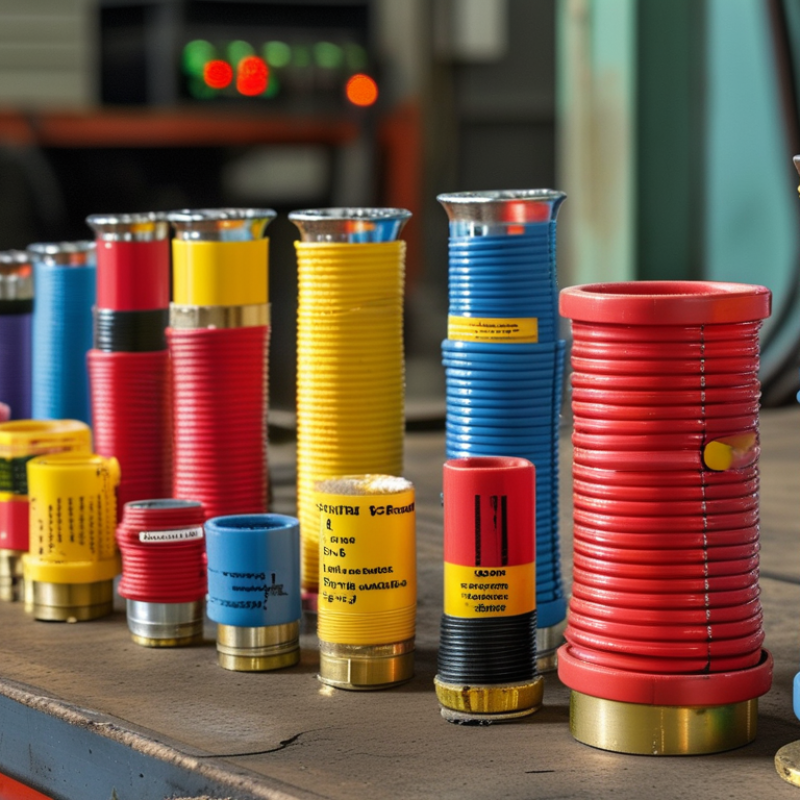
Coloured cable sleeving can make complex wiring easier to identify, inspect, and maintain. In practice, colour selection should begin with a clear site-wide coding system. For example, blue may identify control circuits, yellow may mark caution areas, and green may indicate grounding-related conductors where appropriate. Never rely on colour alone. Add printed labels, circuit numbers, or durable markers for confirmation.
Safety colours need careful handling. A bright warning colour can draw attention near moving equipment, hot surfaces, or service panels. However, sleeving does not replace required signs, insulation ratings, or established electrical procedures. Check local requirements and your organization’s wiring conventions before installation. Strong contrast also matters. A dark sleeve may disappear inside a black enclosure, while pale colours can become dirty and difficult to read.
Material choice affects identification over time. Select sleeving that withstands the application’s heat, abrasion, moisture, chemicals, and sunlight. I have seen a neat colour system lose value when labels faded after outdoor exposure. That detail is easy to miss. Use a colour chart and record it in the maintenance documentation. Consider technicians with limited colour vision, too. Pair colours with symbols, text, or different sleeve patterns. Before full installation, test a short section under real working conditions. Colours that look distinct on a desk may appear almost identical under dim cabinet lighting.
Check Installation Methods, Compatibility, and Long-Term Durability
How to Choose Coloured Cable Sleeving for Any Application
Choosing coloured cable sleeving starts with the installation method, not the colour chart. Measure the cable bundle at its widest point, including connectors and bends. Expandable braided sleeving needs enough flexibility to pass over terminals. Heat-shrink sleeving requires careful sizing and controlled heating.
Leave room for movement.
During workshop installations, I have found that tight sleeving can pull against connectors during maintenance. A slightly larger size often performs better, especially around hinges, engine compartments, and control cabinets. Secure the ends with suitable clips, heat-shrink collars, or approved cable ties. Do not rely on colour alone to identify conductors. Sleeving is not automatically electrical insulation.
Compatibility also depends on the working environment. Check the cable jacket, surrounding plastics, cleaning chemicals, oil exposure, and expected temperature range. Some materials resist abrasion well but soften near heat sources. Others handle ultraviolet exposure better but lose flexibility in cold conditions. Confirm the sleeving’s technical data before installation.
Long-term durability needs practical testing. Flex the finished cable repeatedly, inspect the entry points, and look for fraying or flattening. In one installation, the colour remained clear, but the sleeve rubbed against a sharp panel edge. The problem was easy to miss. I should have checked the routing earlier. Add edge protection where necessary, and avoid compressing the sleeve under clamps. A neat appearance matters, but service access matters more.
Verify Standards, Maintenance Needs, and Application Requirements
How to Choose Coloured Cable Sleeving for Any Application
Choosing coloured cable sleeving starts with the installation environment, not the colour chart. Verify the relevant safety standards before selecting a material or diameter. Requirements may cover flame behaviour, voltage exposure, temperature range, smoke, and chemical resistance. A sleeve used inside a control cabinet may need different protection from one fitted near an engine. Measure the cable bundle carefully, including connectors and bends. A tight sleeve can split during installation. A loose sleeve can move, trap dirt, or obscure identification. I once underestimated a bend radius, and the finished harness looked tidy but pulled against its terminals. That mistake was avoidable.
Tips
Keep the compliance documents with the project records. Check the sleeve after cutting, fitting, and heat exposure. Use colour as a secondary identification method, not the only one. Labels, routing records, and clear termination markings improve reliability. Ask a qualified technician to confirm uncertain requirements. Do not rely on a supplier’s colour description alone.
Maintenance needs also shape the decision. In dusty areas, inspect for abrasion and residue around entry points. In damp locations, check whether moisture can travel beneath the sleeve. High-temperature zones deserve regular inspection for hardening, shrinkage, or discolouration. Some applications need removable sleeving for later repairs. Others benefit from permanent protection that resists vibration. Review the actual service conditions, including cleaning chemicals and repeated movement. Laboratory data is useful, but field conditions can be less predictable. Leave room for that uncertainty.