

News

Miro: A New Standard in Responsible Innovation

Miro: A New Standard in Responsible Innovation The Miro monitor arm is setting new benchmarks in sustainability. It offers a high-performance solution without compromising on environmental responsibility. Designed with careful material selection, local sourcing, and longevity in mind, Miro’s responsible approach to design and unique manoeuvrability set it apart from the competition. Sustainable Choices Miro is crafted from energy-efficient materials with a lower carbon impact....

Read more
HSE Advisor

Role Purpose Support in the development, implementation and maintenance of the company’s Health, Safety & Environmental policies, processes, operational procedures, and standards.  Ensuring best practice and championing a continually improving HSE culture within the business. Key Responsibilities Liaise with and provide support to all areas of the business to eliminate, mitigate or reduce identified HSE exposures. Partner with the production management team and team leaders,...

Read more
CMD Ltd LAUNCHES 48-HOUR TURNAROUND ON BETATRAK® RAPID ORDERING SERVICE

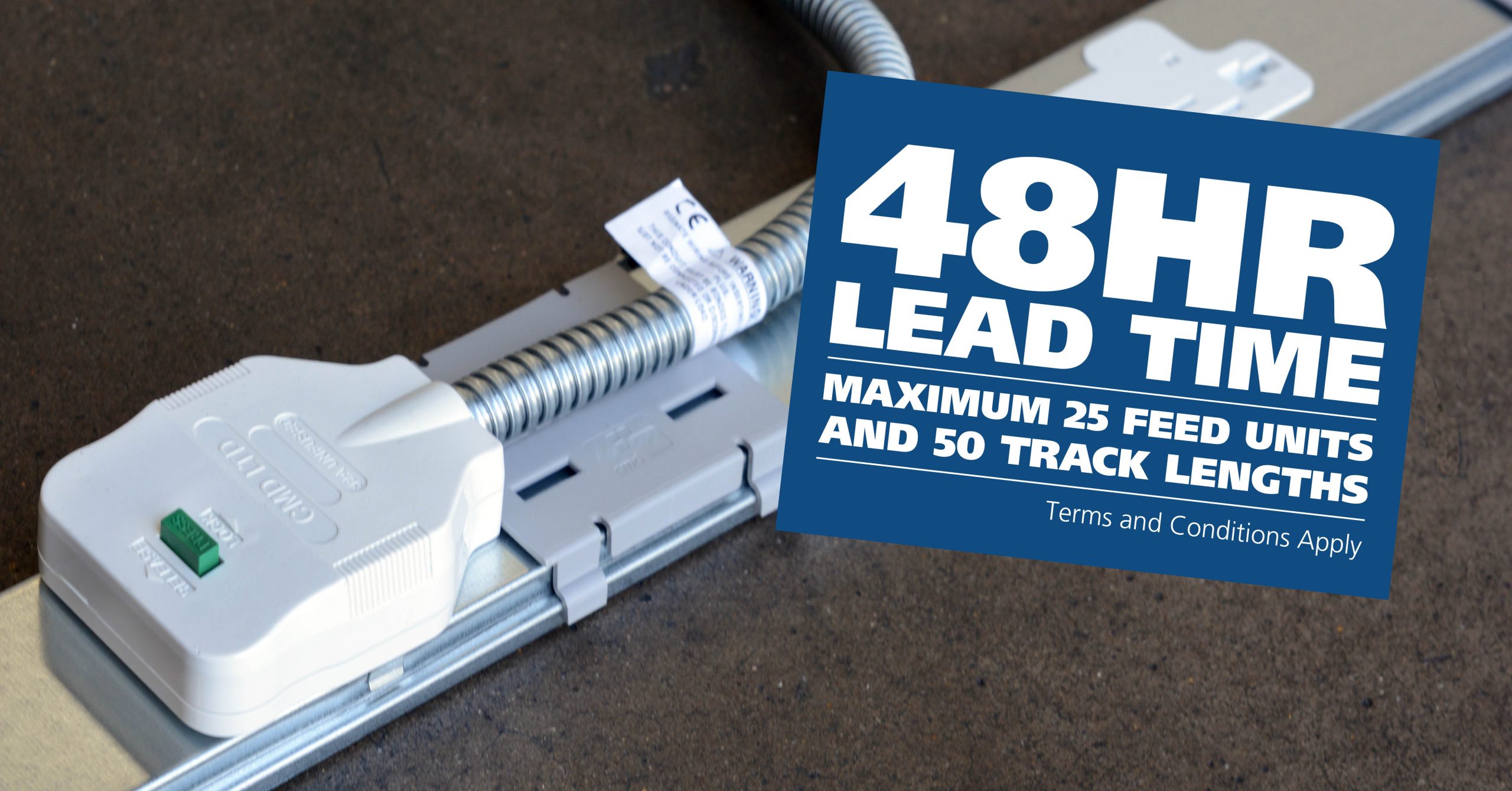
CMD Ltd, the specialist in power distribution systems, workstation power and monitor arms, has launched a rapid ordering service for its Betatrak® underfloor powertrack distribution systems and accessories, with a commitment to delivering within 48-hours of an approved purchase order*. The service enables customers to order up to 50 lengths of Standard or Clean Earth (C/E) low noise Betatrak, along with up to 25 feed...

Read more
CMD INVESTS £1/4 MILLION IN NEW MACHINE AS PART OF FACTORY UPGRADE

We have invested in a new £1/4m TRUMPF CNC metal punch as part of an asset renewal strategy for our UK manufacturing capability. The new machine will be used in the production of a wide variety of our power distribution systems and workstation power products at our Rotherham factory. Suitable for handling sheet metal between 0.9mm and 3.0mm thick, the new machine will replace one...

Read more

CMD CATALOGUE PROVIDES TECHNICAL POWER DISTRIBUTION GUIDE

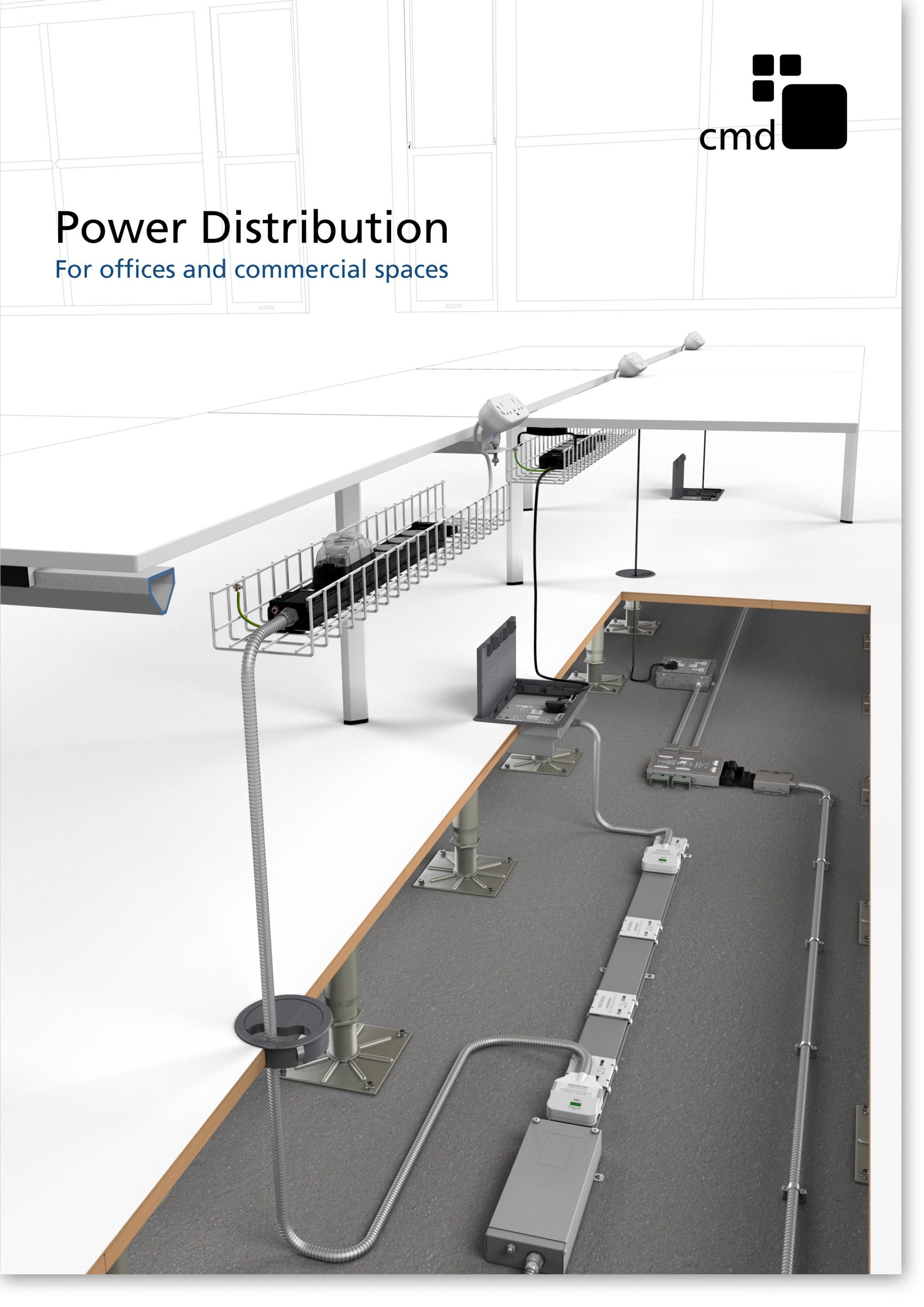
CMD Ltd has released a new catalogue, providing an easy to follow technical guide to our power distribution systems and plug and play desk modules. Detailing CMD’s full range of UK-manufactured power distribution systems and plug and play desk modules, the catalogue will be a helpful source of information to M&E engineers and contractors alike to understand how our power distribution systems connect together and...

Read more
Power Distribution Catalogue
CMD Ltd PLAYS ESSENTIAL ROLE IN ELECTRICAL FIT OUT AT LONDON’S PRESTIGIOUS OFFICE DEVELOPMENT

CMD Ltd, specialist in workplace connectivity and ergonomic solutions, has provided a flexible and high-quality power distribution network for The Ray, a prestigious office development in London’s Farringdon. Well-known for being the former site of The Guardian newspaper, The Ray now stands as an 83,000ft² office development characterised by a modernised warehouse aesthetic, with level two now occupied by a global social media company. The...

Read more

The Ray
CMD plugs in to european opportunity with Schuko Capsule unit launch

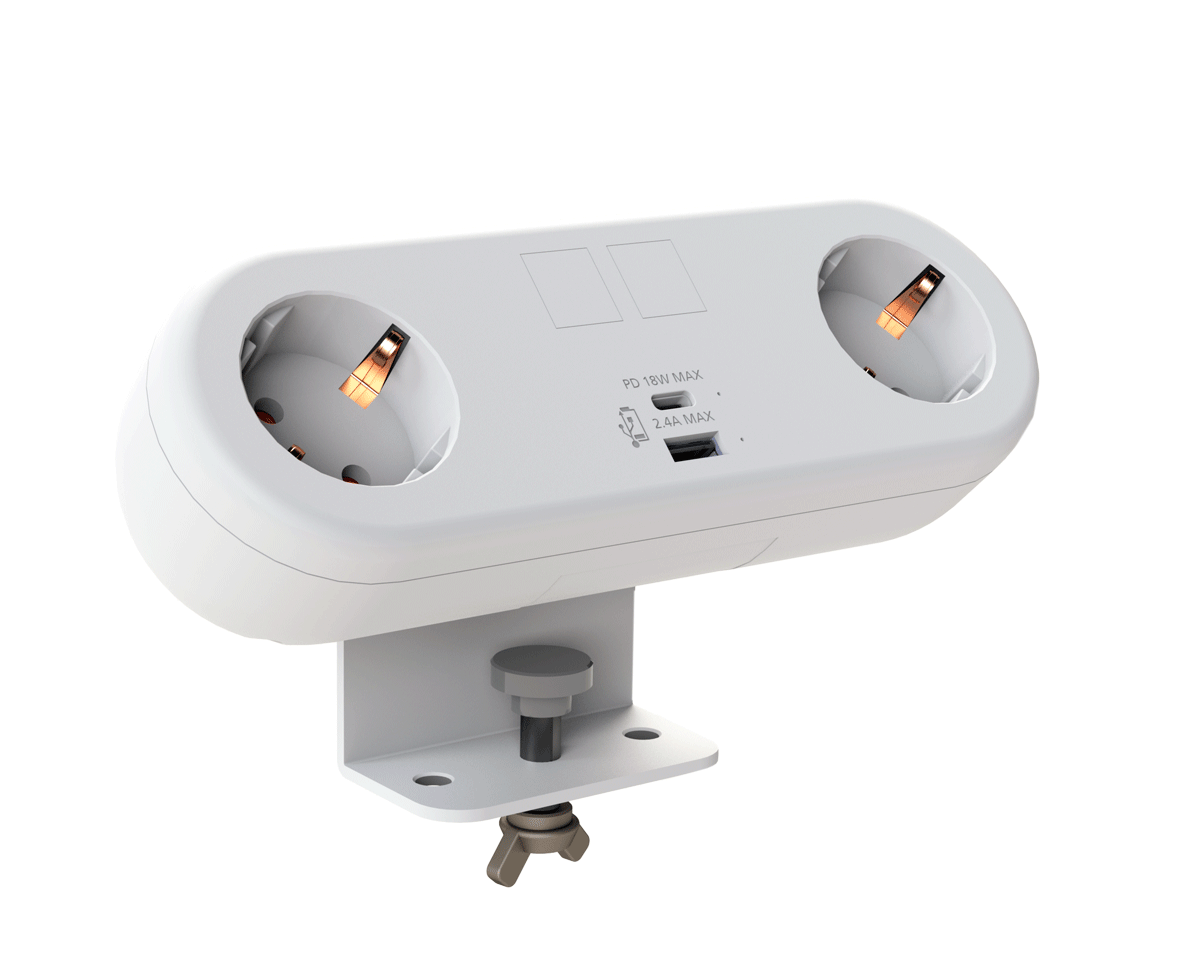
CMD Ltd, the specialist in power and connectivity solutions for commercial environments, has launched a Schuko version of its popular fixed format Capsule workstation power module for export to mainland Europe and beyond. A popular on desk power module comprising two sockets and dual USB (type A and C) chargers, CMD’s Capsule unit is already widely specified in the UK as an off-the-shelf workstation power...

Read more
CMD White Schuko Capsule Desk Power Module
CMD LTD EXTENDS MONITOR ARM RANGE WITH THE LAUNCH OF REACH PLUS

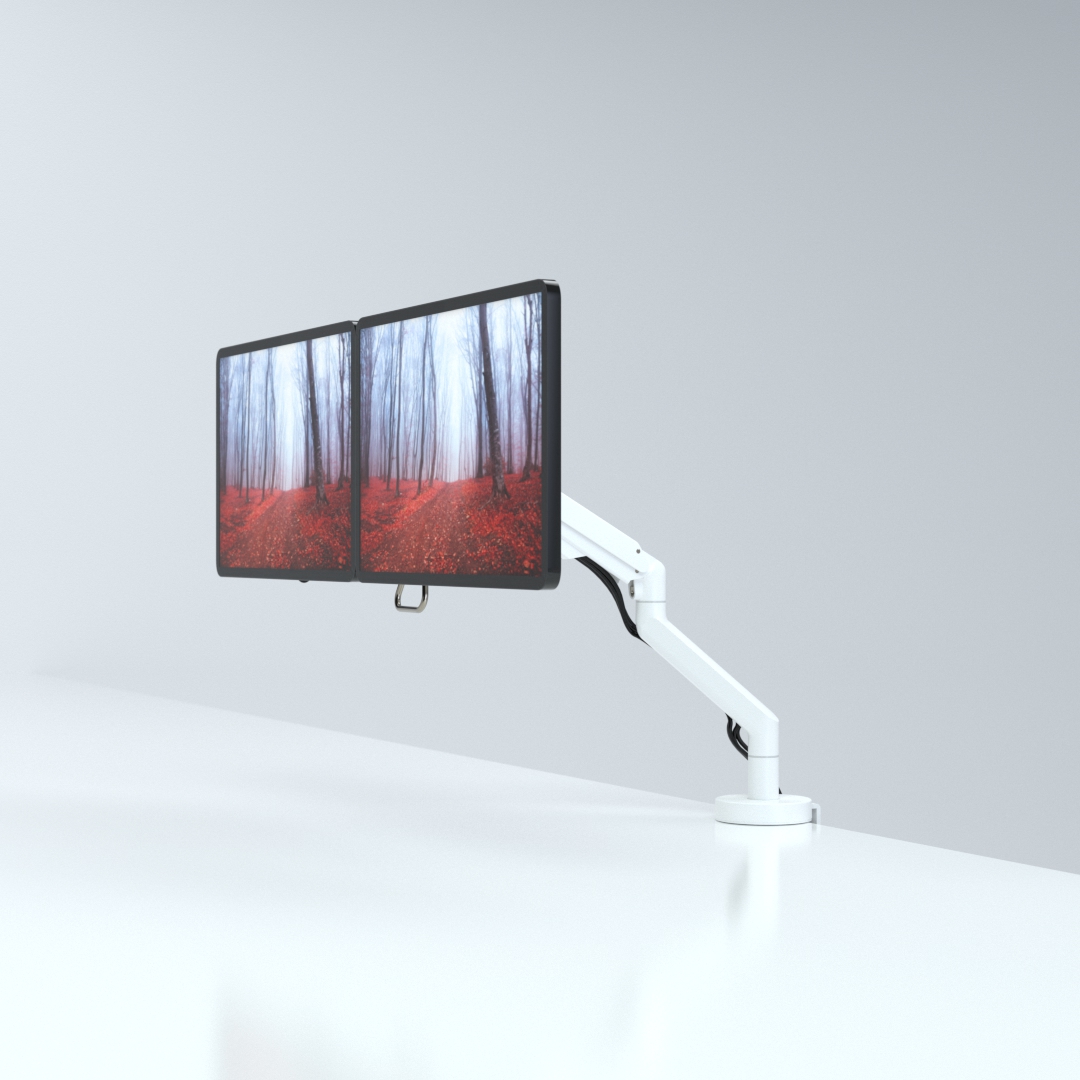
CMD Ltd, the specialist in ergonomic and connectivity solutions for commercial interiors, has completed its Reach monitor arm range with the launch of the Reach Plus. Available in single or dual screen options, the Reach Plus has been designed to provide an ideal solution for both single and dual screen workstation configurations, or can be used with next generation of large format curved screens. Suitable...

Read more
CMD Ltd DEMONSTRATES THE ART OF POWER DISTRIBUTION AT THE UNIVERSITY OF WARWICK

CMD Ltd, the specialist in workplace connectivity and ergonomic solutions, has provided Betatrak busbar power distribution and a range of electrical accessories for two major capital investment projects at the University of Warwick. Designed by Fielden Clegg Bradley Studios, the £33 million Faculty of Arts building is a showpiece development comprising four interconnected structures set around a central atrium, which will enable inter-disciplinary collaboration across...

Read more

University of Warwick
CMD BRINGS HARMONY TO COVENTRY UNIVERSITY RESEARCH FACILITIES

CMD Ltd, the specialist in power distribution solutions and workstation power and ergonomics, has provided under desk and on desk power modules for the refurbishment of three Coventry University research buildings. Located on Coventry University Technology Park, a business park designed to encourage collaboration between the university and knowledge-based businesses, the three buildings are being repurposed as office accommodation for university research teams. The refurbishment...

Read more
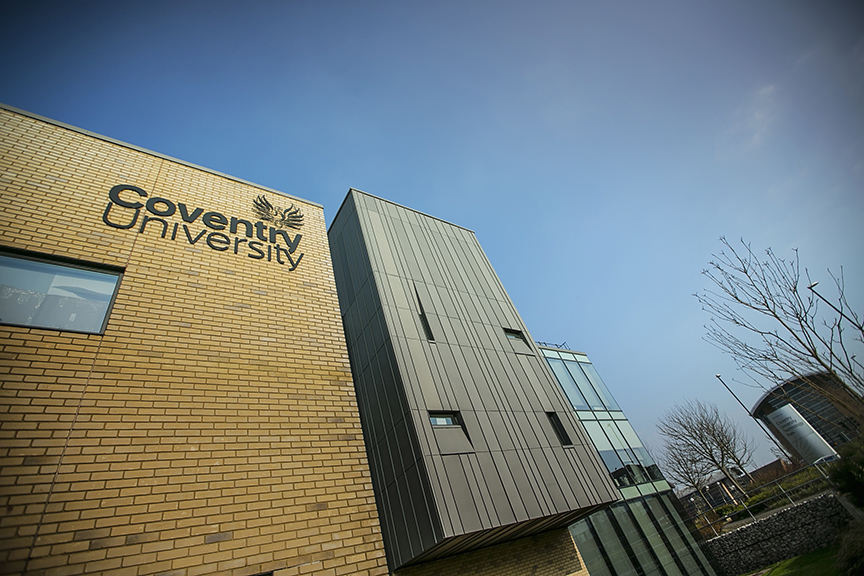
Coventry University

2026 How to Choose the Best Wood Plastic Composite for Your Project?

Wood Plastic Composite (WPC) has become increasingly popular in construction and outdoor projects. According to a report by MarketsandMarkets, the global WPC market is expected to reach $9.2 billion by 2026, growing at a significant rate. This growth reflects a rising demand for sustainable materials. Homeowners and builders favor WPC due to its durability and eco-friendliness.

Selecting the right WPC for your project is crucial. Various factors influence your choice, such as the intended use, climate conditions, and budget considerations. Not every WPC is the same. Some products can warp or fade under extreme conditions. Research is essential. Evaluating manufacturer credibility helps ensure quality. Understanding warranties and customer reviews can provide insights into performance.

While WPC offers many advantages, there are challenges. Some users report concerns about scratch resistance and color retention. It's important to weigh these potential drawbacks against the benefits. By carefully considering your options, you can choose the best WPC for your specific requirements, ensuring a long-lasting and appealing outcome.

2026 How to Choose the Best Wood Plastic Composite for Your Project?

Understanding Wood Plastic Composite (WPC) and Its Benefits

Wood Plastic Composite (WPC) is an innovative material combining wood fibers and plastic. It offers numerous benefits for various projects. WPC is resistant to moisture, decay, and insects. This makes it perfect for outdoor use, such as decks and fences. Its durability ensures a long lifespan, reducing the need for frequent replacements.

WPC also provides aesthetic versatility. It comes in various colors and textures, mimicking natural wood beautifully. However, not all WPC products are created equal. Some may warp or fade over time. It’s crucial to research materials thoroughly before making a choice. Consider the specific needs of your project. Will it be exposed to sun or heavy rain?

Understand the environmental impact of WPC as well. While it is often marketed as eco-friendly, production processes can vary. Look for manufacturers that prioritize sustainability. This can make your project not only durable but also responsible. Be aware of these details to ensure the best outcome for your construction needs.

Identifying Key Factors for Selecting WPC for Your Project

When selecting the right wood plastic composite (WPC) for your project, several key factors demand close attention. Understanding the project’s specific needs is crucial. Consider the environmental conditions the WPC will face. Factors such as moisture, sunlight, and temperature fluctuations play a significant role in durability.

Tips: Evaluate your local climate. High humidity may encourage mold. Excessive sunlight can lead to fading. Choose a WPC that suits these conditions.

Another essential factor is maintenance. Some WPC materials require more care than others. Look for options that offer long-lasting performance with minimal upkeep. This can save you time and resources in the long run.

Tips: Check the warranty offered. A more extended warranty often indicates higher quality. Ensure it covers fading, warping, and damage from the elements.

Lastly, consider the aesthetic aspect. WPCs come in various colors and textures. A composite that fits your design vision will enhance your project’s appeal. However, be cautious about trends. Styles change, and what's popular now might feel outdated soon.

Tips: Request samples to visualize options. This ensures your choice aligns with the project’s overall look and feel. Reflect on how your selection meshes with future trends.

Comparing Different Types of Wood Plastic Composites Available

When choosing a wood plastic composite (WPC) for a project, understanding the variations available is crucial. There are primarily two types of WPC: the capped and uncapped varieties. Capped WPC contains a protective outer layer that enhances durability. This layer can resist fading and moisture, making it suitable for outdoor use. In contrast, uncapped composites are more affordable but may require more maintenance over time.

The American Society for Testing and Materials (ASTM) reports that capped WPCs have a lifespan up to 25 years, whereas uncapped types may last for about 10 to 15 years. This difference can significantly affect decision-making based on budget and usage. A study by Freedonia Group indicates that the demand for WPCs is expected to grow by 10% annually, highlighting their increasing popularity due to sustainability.

Evaluating the aesthetic aspects is also essential. WPCs are available in various colors and textures that mimic real wood. However, not all composites are made equal. Some lower-quality composites may warp or fade faster. Consider the installation process too; some WPCs are designed for easy DIY installs, while others may require professional help for optimal results. Reflecting on these factors can lead to a better selection for any project.

Evaluating Cost vs. Durability in WPC Selection

When evaluating wood plastic composites (WPC) for your project, cost and durability are critical factors. A recent report from the American Composites Manufacturers Association highlights that WPCs can last up to 25 years if maintained properly. This durability often justifies the higher initial investment when compared to traditional materials. However, many projects fail to account for long-term maintenance costs. This oversight can lead to unexpected expenses over time.

Durability is not just about the material's lifespan; it's also about performance against environmental stresses. A study from the U.S. Forest Service found that WPCs resist moisture and reduce the risk of rotting, a common issue with wood products. This resistance can save homeowners about 30% on maintenance costs, a significant factor in choosing the right composite. Still, not all WPCs offer the same level of protection, and some lower-cost options may not hold up as well.

Yet, some users report that certain budget-friendly options might crack or fade over time. Choosing a low-cost product without examining its durability can lead to disappointment. Selecting the right WPC requires a balance between initial costs and long-term benefits. Understanding the specific needs of your project can help avoid costly mistakes and ensure a satisfactory outcome.

Cost vs. Durability of Wood Plastic Composites (WPC)

This chart illustrates the relationship between the cost of Wood Plastic Composites (WPC) and their durability. As the cost increases from low to high, the expected durability also increases, showcasing the trade-off between initial investment and longevity in material performance.

Sustainability Considerations When Choosing WPC for Your Project

When selecting wood plastic composite (WPC) for your project, sustainability should be a key factor. WPC is generally made from recycled wood fibers and plastic, which contributes to reducing waste. However, not all WPC products are created equal. It's essential to look for materials that prioritize eco-friendly production methods. Always check for certifications that verify sustainable sourcing and recycling practices.

Tips: Look for products with a high percentage of recycled content. This shows the manufacturer values sustainability. Avoid options with harmful additives that could affect the environment.

Moreover, consider the lifecycle of the materials you choose. WPC has an extended lifespan compared to traditional wood, often lasting for decades. This durability can mean less frequent replacements, reducing your project's overall environmental footprint. However, be wary of products claiming longevity without proper testing data. Transparency is key when assessing the impact of your choice on both the environment and your budget.

Tips: Research the manufacturer's history and their commitment to sustainability. A reputable company is often more reliable. Always consider how the WPC will perform in your specific climate for long-term benefits.