News

Miro: A New Standard in Responsible Innovation

Miro: A New Standard in Responsible Innovation The Miro monitor arm is setting new benchmarks in sustainability. It offers a high-performance solution without compromising on environmental responsibility. Designed with careful material selection, local sourcing, and longevity in mind, Miro’s responsible approach to design and unique manoeuvrability set it apart from the competition. Sustainable Choices Miro is crafted from energy-efficient materials with a lower carbon impact....

Read more
HSE Advisor

Role Purpose Support in the development, implementation and maintenance of the company’s Health, Safety & Environmental policies, processes, operational procedures, and standards.  Ensuring best practice and championing a continually improving HSE culture within the business. Key Responsibilities Liaise with and provide support to all areas of the business to eliminate, mitigate or reduce identified HSE exposures. Partner with the production management team and team leaders,...

Read more
CMD Ltd LAUNCHES 48-HOUR TURNAROUND ON BETATRAK® RAPID ORDERING SERVICE

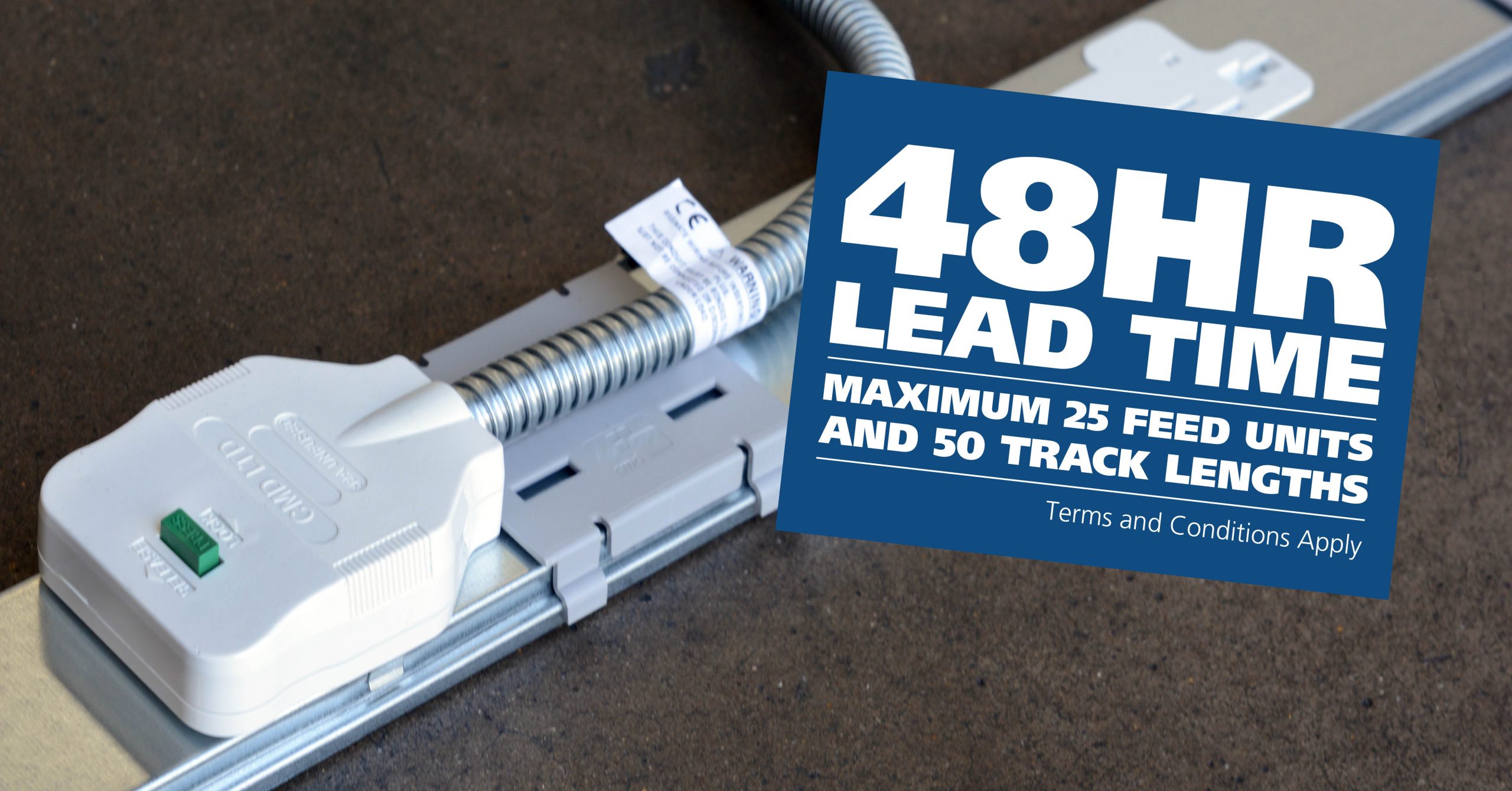
CMD Ltd, the specialist in power distribution systems, workstation power and monitor arms, has launched a rapid ordering service for its Betatrak® underfloor powertrack distribution systems and accessories, with a commitment to delivering within 48-hours of an approved purchase order*. The service enables customers to order up to 50 lengths of Standard or Clean Earth (C/E) low noise Betatrak, along with up to 25 feed...

Read more
CMD INVESTS £1/4 MILLION IN NEW MACHINE AS PART OF FACTORY UPGRADE

We have invested in a new £1/4m TRUMPF CNC metal punch as part of an asset renewal strategy for our UK manufacturing capability. The new machine will be used in the production of a wide variety of our power distribution systems and workstation power products at our Rotherham factory. Suitable for handling sheet metal between 0.9mm and 3.0mm thick, the new machine will replace one...

Read more
CMD CATALOGUE PROVIDES TECHNICAL POWER DISTRIBUTION GUIDE

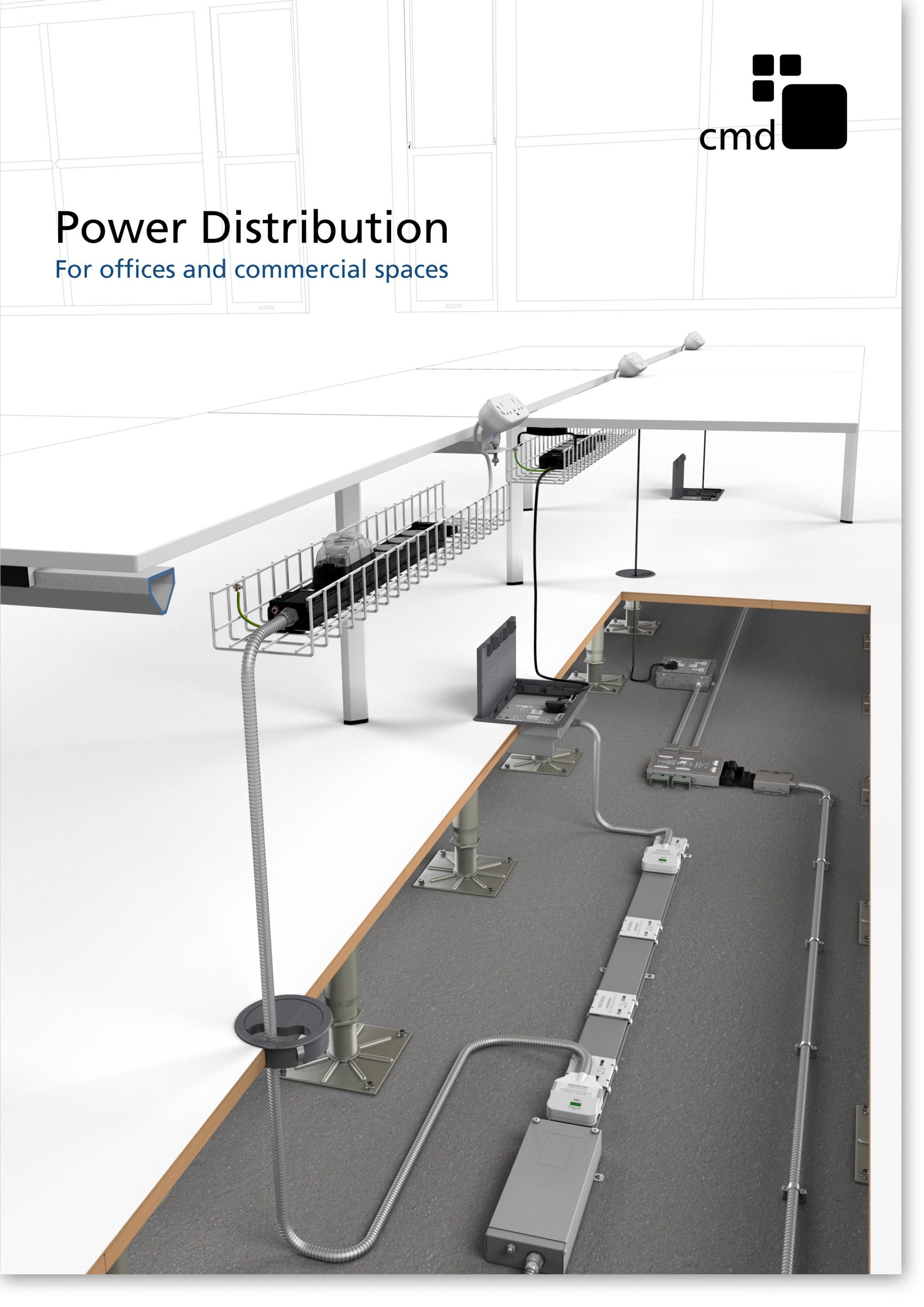
CMD Ltd has released a new catalogue, providing an easy to follow technical guide to our power distribution systems and plug and play desk modules. Detailing CMD’s full range of UK-manufactured power distribution systems and plug and play desk modules, the catalogue will be a helpful source of information to M&E engineers and contractors alike to understand how our power distribution systems connect together and...

Read more
Power Distribution Catalogue
CMD Ltd PLAYS ESSENTIAL ROLE IN ELECTRICAL FIT OUT AT LONDON’S PRESTIGIOUS OFFICE DEVELOPMENT

CMD Ltd, specialist in workplace connectivity and ergonomic solutions, has provided a flexible and high-quality power distribution network for The Ray, a prestigious office development in London’s Farringdon. Well-known for being the former site of The Guardian newspaper, The Ray now stands as an 83,000ft² office development characterised by a modernised warehouse aesthetic, with level two now occupied by a global social media company. The...

Read more
The Ray
CMD plugs in to european opportunity with Schuko Capsule unit launch

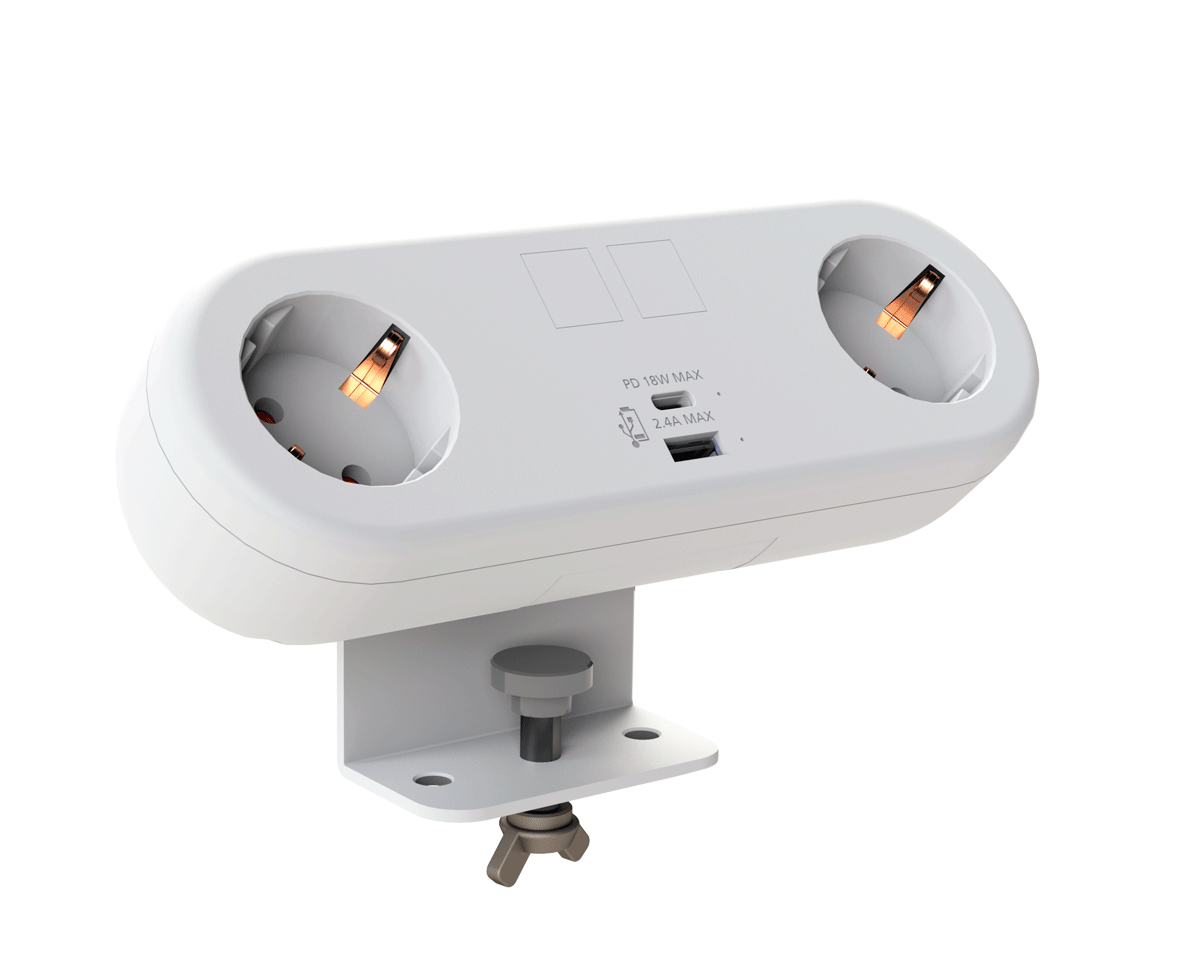
CMD Ltd, the specialist in power and connectivity solutions for commercial environments, has launched a Schuko version of its popular fixed format Capsule workstation power module for export to mainland Europe and beyond. A popular on desk power module comprising two sockets and dual USB (type A and C) chargers, CMD’s Capsule unit is already widely specified in the UK as an off-the-shelf workstation power...

Read more
CMD White Schuko Capsule Desk Power Module
CMD LTD EXTENDS MONITOR ARM RANGE WITH THE LAUNCH OF REACH PLUS

CMD Ltd, the specialist in ergonomic and connectivity solutions for commercial interiors, has completed its Reach monitor arm range with the launch of the Reach Plus. Available in single or dual screen options, the Reach Plus has been designed to provide an ideal solution for both single and dual screen workstation configurations, or can be used with next generation of large format curved screens. Suitable...

Read more
CMD Ltd DEMONSTRATES THE ART OF POWER DISTRIBUTION AT THE UNIVERSITY OF WARWICK

CMD Ltd, the specialist in workplace connectivity and ergonomic solutions, has provided Betatrak busbar power distribution and a range of electrical accessories for two major capital investment projects at the University of Warwick. Designed by Fielden Clegg Bradley Studios, the £33 million Faculty of Arts building is a showpiece development comprising four interconnected structures set around a central atrium, which will enable inter-disciplinary collaboration across...

Read more
University of Warwick
CMD BRINGS HARMONY TO COVENTRY UNIVERSITY RESEARCH FACILITIES

CMD Ltd, the specialist in power distribution solutions and workstation power and ergonomics, has provided under desk and on desk power modules for the refurbishment of three Coventry University research buildings. Located on Coventry University Technology Park, a business park designed to encourage collaboration between the university and knowledge-based businesses, the three buildings are being repurposed as office accommodation for university research teams. The refurbishment...

Read more
Coventry University

How to Choose a Leading China Square Bottom FIBC Supplier?

Choosing a reliable China Leading Square Bottom Fibc Supplier requires more than comparing prices on a product page. Buyers should examine manufacturing experience, material control, testing procedures, and communication quality. A square bottom FIBC must remain stable during filling, storage, transport, and discharge. Its seams, lifting loops, fabric strength, and discharge spout deserve close attention. Small details matter.

An experienced supplier should explain its production process clearly. Ask about polypropylene sourcing, weaving conditions, lamination options, load testing, and inspection records. Factory photographs help, but verified samples provide stronger evidence. Request a sample that matches your intended capacity, liner design, filling method, and working environment. Then inspect the base shape, stitching consistency, loop alignment, and printed information. Real performance is more important than polished claims.

A dependable China Leading Square Bottom Fibc Supplier also understands industry differences. Food, chemical, agricultural, and construction applications may require different fabric designs and documentation. The supplier should discuss safe handling, working load limits, moisture protection, and practical storage conditions. Certifications can support trust, but they should be current, traceable, and relevant to the product. Do not accept vague promises.

Consider the full partnership. Can the supplier maintain consistent dimensions across repeated orders? Does it respond quickly when specifications change? Can it provide production updates before shipment? These questions reveal operational maturity. I have seen buyers focus heavily on unit cost and overlook rejected bags, delayed delivery, or unsuitable discharge designs. That approach often becomes expensive. A thoughtful evaluation may take longer, yet it reduces avoidable risk and supports stable long-term sourcing. Still, no supplier is flawless. Careful verification remains necessary.

How to Choose a Leading China Square Bottom FIBC Supplier?

Understanding Square Bottom FIBC Specifications and Applications

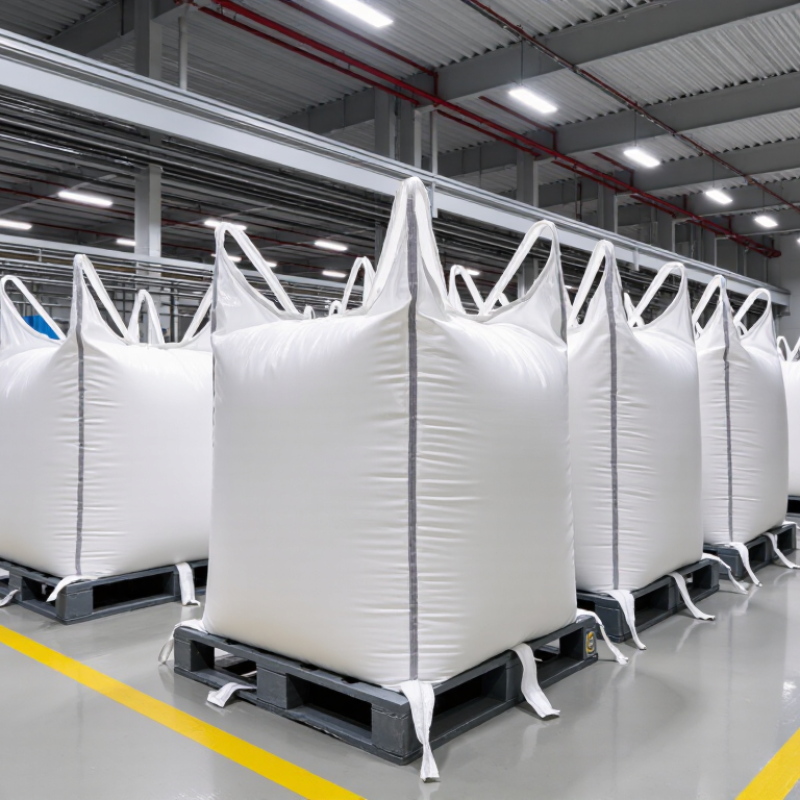
Choosing a leading China square bottom FIBC supplier requires more than comparing prices. The bag must match the material, filling process, storage time, and discharge method. Square bottom FIBCs usually offer stable stacking and efficient warehouse use. Their shape is especially useful for powders, granules, minerals, agricultural products, and other dry materials.

Check the working load, safety factor, fabric weight, dimensions, and lifting loop design. For moisture-sensitive contents, a coated fabric or inner liner may be necessary. A discharge spout can improve controlled emptying, while a full-open bottom suits faster unloading. The inlet size also matters when filling equipment runs at high speed. Small details matter.

Ask the supplier for material specifications, production records, and practical test results. Load testing should reflect the intended handling conditions, not only laboratory assumptions. Review seam construction, stitching quality, and dimensional consistency across samples. A reliable manufacturer should explain how it controls raw materials, printing, inspection, and packaging. I would still request a trial order. One sample can look excellent, yet reveal weak seams after transport. That is an easy mistake to overlook. Supplier experience is useful, but verified performance is stronger evidence.

Assessing Supplier Manufacturing Capabilities and Quality Standards

Choosing a leading China square bottom FIBC supplier requires more than comparing quotations. Manufacturing capability should be visible on the factory floor. Check whether the supplier operates circular looms, coating lines, cutting equipment, and automated sewing stations. Ask for production records from recent orders. These records can reveal capacity, downtime, and control over delivery schedules.

Inspect how the factory manages fabric density, seam strength, and dimensional accuracy. A square bottom FIBC must stand evenly when filled, without distorted panels or weak corners. Request test data for safe working load, top lift strength, stacking performance, and drop resistance. Independent laboratory reports are more useful when they identify the tested material, batch, and method. Certificates should also show their issuing body, validity, and exact scope.

Quality depends on routine discipline. Look for incoming material checks, in-process inspections, and final sampling procedures. Traceable batch numbers can connect a finished bag to its polypropylene fabric and sewing records. Ask how the supplier handles nonconforming products. A supplier that only promises “zero defects” may be less credible than one that explains its corrective process. No factory is flawless. The real question is whether weaknesses are detected early and corrected honestly. Small details matter. A loose thread, uneven stitch, or missing document can signal deeper process gaps. Supplier visits, retained samples, and repeat testing provide stronger evidence than polished presentations.

How to Choose a Leading China Square Bottom FIBC Supplier? - Assessing Supplier Manufacturing Capabilities and Quality Standards
Assessment Dimension Weight Evidence-Based Benchmark What to Verify from the Supplier Recommended Decision Indicator
FIBC Design and Load Capacity 15% Common commercial FIBC safe working loads are approximately 500–2,000 kg, depending on construction, dimensions, material, and filling conditions. Approved drawings showing bag dimensions, square-bottom construction, lifting-loop configuration, discharge spout, liner option, safe working load, and safety factor. Pass when the design is supported by calculations, drawings, and a documented load specification.
Applicable Product Standard 12% ISO 21898 specifies requirements and test methods for flexible intermediate bulk containers intended for non-dangerous goods. Current conformity documentation, test reports, product specifications, and traceability to the applicable edition of ISO 21898. Pass when the supplier clearly identifies the applicable standard and product scope.
Safety Factor and Top-Lift Performance 12% FIBC safety factors are commonly specified as 5:1 or 6:1, but the required rating depends on the intended reuse and handling cycle. Independent or controlled internal top-lift test reports, test load, test duration, number of cycles, failure criteria, and sample identification. Pass when test conditions match the intended working load and reuse category.
Fabric and Tape Quality 10% Woven polypropylene fabric and tapes should have consistent denier, tensile strength, elongation, coating quality, and UV-resistance requirements where exposure is expected. Incoming inspection records, fabric technical data sheets, tensile-test results, coating checks, and batch-level raw-material traceability. Pass when each production batch can be linked to defined material specifications.
Seam and Stitching Control 10% Critical seams should be designed and tested for the specified load; seam performance depends on stitch type, thread, stitch density, and construction. Seam-strength test results, sewing specifications, stitch-density standards, operator instructions, and inspection records for body, corners, loops, and spouts. Pass when seam testing covers all load-bearing components, not only the fabric.
Square-Bottom Stability and Discharge Function 10% A square-bottom FIBC should maintain its intended footprint during filling, storage, transport, and discharge without unacceptable leaning or deformation. Prototype test records for filling height, pallet stability, stacking, forklift handling, discharge-spout operation, and residual-material performance. Pass when the completed bag is tested in a configuration equivalent to the customer's process.
Dimensional and Weight Consistency 8% Dimensional tolerances should be defined on the approved specification rather than left to informal production judgment. Control plans covering finished length, width, height, inlet and outlet dimensions, loop spacing, liner fit, and finished-bag weight. Pass when inspection limits are measurable and recorded by production lot.
Contamination and Cleanliness Control 8% Food, pharmaceutical, chemical, and other sensitive applications require controls appropriate to the cargo and regulatory environment. Production-area zoning, foreign-material control, compressed-air quality controls where applicable, cleaning procedures, packaging controls, and declarations of compliance. Pass when hygiene controls are matched to the intended end use and supported by records.
Quality Management System 7% A documented quality management system should control purchasing, production, inspection, nonconformities, corrective action, and document revision. Valid management-system certificate when applicable, internal-audit records, corrective-action reports, calibration records, and quality objectives. Pass when the system is active in daily operations rather than limited to certification paperwork.
Traceability and Inspection Records 4% Traceability should connect raw materials, production dates, operators or lines, inspection results, and shipment records. Lot-number format, retained samples, inspection forms, complaint records, and the ability to retrieve records for a shipped batch. Pass when a finished bag can be traced back to its materials and inspection results.
Testing Laboratory Capability 4% Critical tests may include tensile strength, seam strength, top-lift performance, dimensional checks, and functional testing of closures and spouts. Laboratory equipment list, calibration certificates, test methods, personnel competency records, and use of independent laboratories for validation when required. Pass when test equipment is calibrated and test methods are documented.
Scoring guidance: Rate each dimension from 0 to 5, multiply the rating by the assigned weight, and prioritize suppliers that can provide objective records, repeatable test results, and samples manufactured with the same process used for mass production.

Verifying Materials, Certifications, and Product Customization Options

How to Choose a Leading China Square Bottom FIBC Supplier?

When evaluating a China square bottom FIBC supplier, begin with the fabric. Ask whether the bag uses virgin polypropylene, recycled content, or a blended material. The answer affects strength, cleanliness, and product suitability. Request fabric specifications, coating details, and batch traceability. A dependable supplier should explain yarn density, seam construction, and safe working load clearly.

Check certifications carefully. A certificate alone proves little. Confirm the issuing organization, validity period, tested product type, and matching factory address. Request recent test reports for lifting strength, drop performance, UV resistance, and electrostatic control when relevant. During factory audits, inspect stored materials and production records. Small gaps matter. Labels can be correct while the actual fabric changes.

Customization should be practical, not merely attractive. Discuss dimensions, filling and discharge designs, lifting loops, liners, coated fabric, printing, and pallet stability. Ask for a pre-production sample and compare its measurements with your drawing. A square bottom must remain stable when filled, not only when empty. I have seen excellent samples fail after bulk production because seam tension changed. That risk deserves a written quality plan, inspection points, and an agreed replacement process. No supplier is perfect. The reliable one welcomes uncomfortable questions and provides evidence before payment.

Comparing Pricing, Minimum Orders, Lead Times, and Export Services

Choosing a leading China square bottom FIBC supplier requires more than comparing the lowest quotation. Pricing should include fabric grade, coating, printing, lifting loops, pallets, and inspection fees. Ask for a detailed proforma invoice. A cheap unit price may hide expensive export preparation.

Minimum order quantities affect cash flow and storage. Some suppliers accept trial orders, while others require full-container volumes. Request a physical sample before committing. Check seam strength, dimensions, discharge design, and base stability. In real purchasing, small measurement errors can create serious loading problems. I have found that written specifications prevent more disputes than friendly promises.

Tips: Compare production lead times with your delivery schedule. Ask how many days cover sampling, weaving, sewing, inspection, and port handling. Request recent export documents, packaging photos, and a clear responsibility matrix. Confirm whether the supplier supports customs paperwork, container loading, certificates, and shipment tracking. Leave buffer time for holidays or rework. This part is often underestimated. A reliable supplier should answer technical questions precisely, disclose limitations, and provide consistent inspection records. Cost matters, but predictable delivery usually protects the project better.

How to Choose a Leading China Square Bottom FIBC Supplier?

Indicative comparison of common China export supplier profiles based on typical market quotation ranges. Lower pricing, MOQ, and lead time are generally more favorable, while a higher export-service coverage indicates broader documentation and logistics support.

Benchmark assumptions: standard square bottom FIBC, food-grade or industrial-grade fabric options, normal production schedules, and sea-export documentation. Actual figures vary by specification, testing, printing, liner, destination, and order volume.

Evaluating Supplier Reputation, Communication, and Long-Term Support

Choosing a leading China square bottom FIBC supplier requires more than comparing prices. Reputation appears in practical evidence: consistent bag dimensions, clean stitching, accurate loading tests, and dependable delivery records. Ask for recent quality documents, production photos, and customer references from similar industries. A supplier should explain fabric strength, coating options, filling methods, and safe working limits in clear language.

Communication matters during every stage. Notice how quickly the sales team answers technical questions. Do they confirm liner size, discharge design, lifting loops, and printing details in writing? Request a sample before placing a large order. Measure its seams and check how the base sits on a warehouse pallet. Small details often reveal production discipline. I once accepted a vague delivery promise, and the delayed shipment disrupted storage planning. That mistake still influences how I evaluate suppliers.

Long-term support should include traceable batch records, replacement discussions, and practical advice after delivery. Reliable suppliers keep specifications, inspection results, and approved samples organized. They also respond when a bag performs differently in humid conditions or during repeated handling. Ask who manages complaints and how corrective actions are documented. Silence is a warning. Strong technical teams may admit a limitation instead of promising everything. That honesty can protect future orders. Still, personal impressions are not enough; compare written commitments with actual performance over several shipments.