
News

Miro: A New Standard in Responsible Innovation

Miro: A New Standard in Responsible Innovation The Miro monitor arm is setting new benchmarks in sustainability. It offers a high-performance solution without compromising on environmental responsibility. Designed with careful material selection, local sourcing, and longevity in mind, Miro’s responsible approach to design and unique manoeuvrability set it apart from the competition. Sustainable Choices Miro is crafted from energy-efficient materials with a lower carbon impact....

Read more
HSE Advisor

Role Purpose Support in the development, implementation and maintenance of the company’s Health, Safety & Environmental policies, processes, operational procedures, and standards.  Ensuring best practice and championing a continually improving HSE culture within the business. Key Responsibilities Liaise with and provide support to all areas of the business to eliminate, mitigate or reduce identified HSE exposures. Partner with the production management team and team leaders,...

Read more
CMD Ltd LAUNCHES 48-HOUR TURNAROUND ON BETATRAK® RAPID ORDERING SERVICE

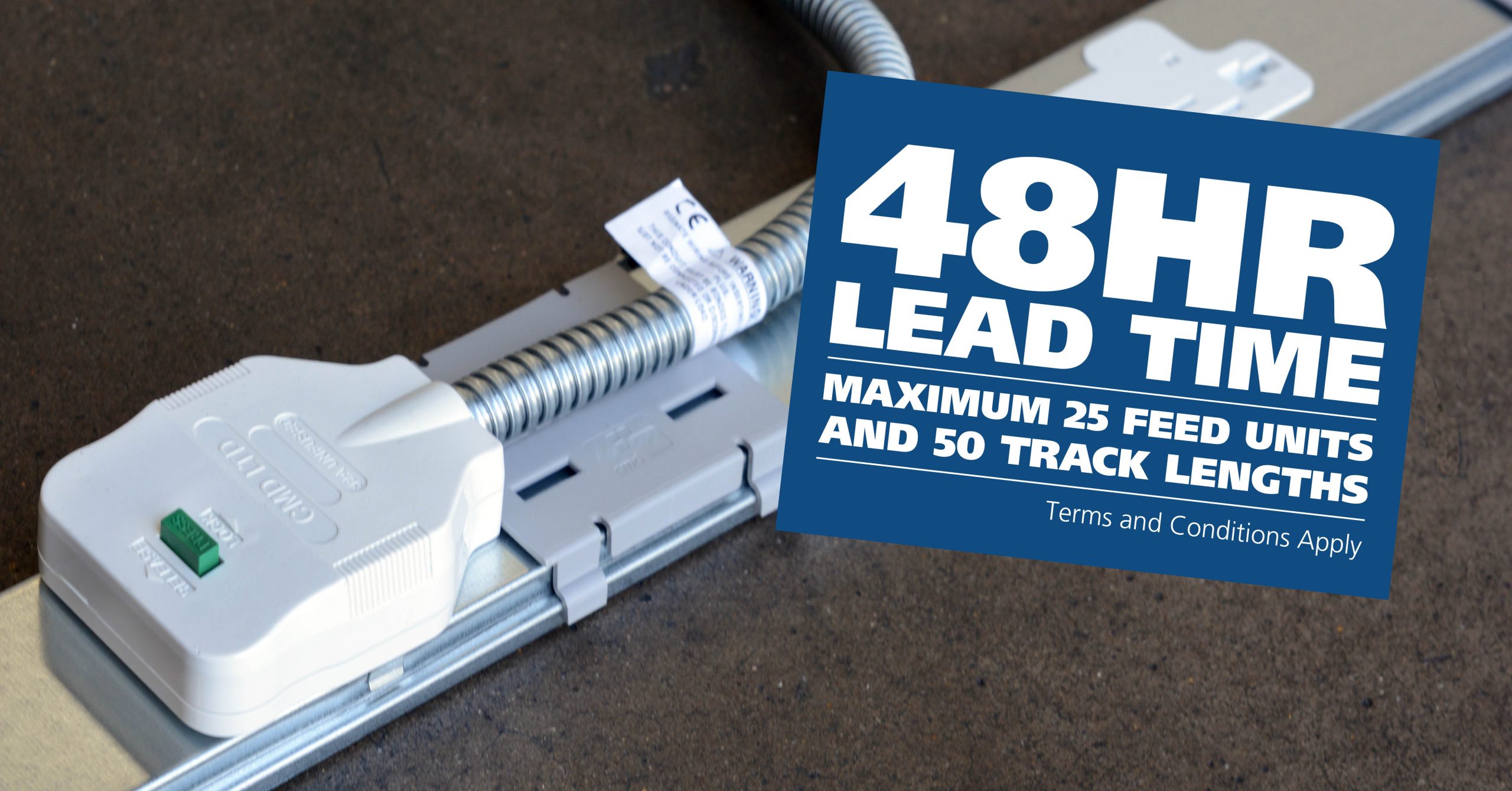
CMD Ltd, the specialist in power distribution systems, workstation power and monitor arms, has launched a rapid ordering service for its Betatrak® underfloor powertrack distribution systems and accessories, with a commitment to delivering within 48-hours of an approved purchase order*. The service enables customers to order up to 50 lengths of Standard or Clean Earth (C/E) low noise Betatrak, along with up to 25 feed...

Read more
CMD INVESTS £1/4 MILLION IN NEW MACHINE AS PART OF FACTORY UPGRADE

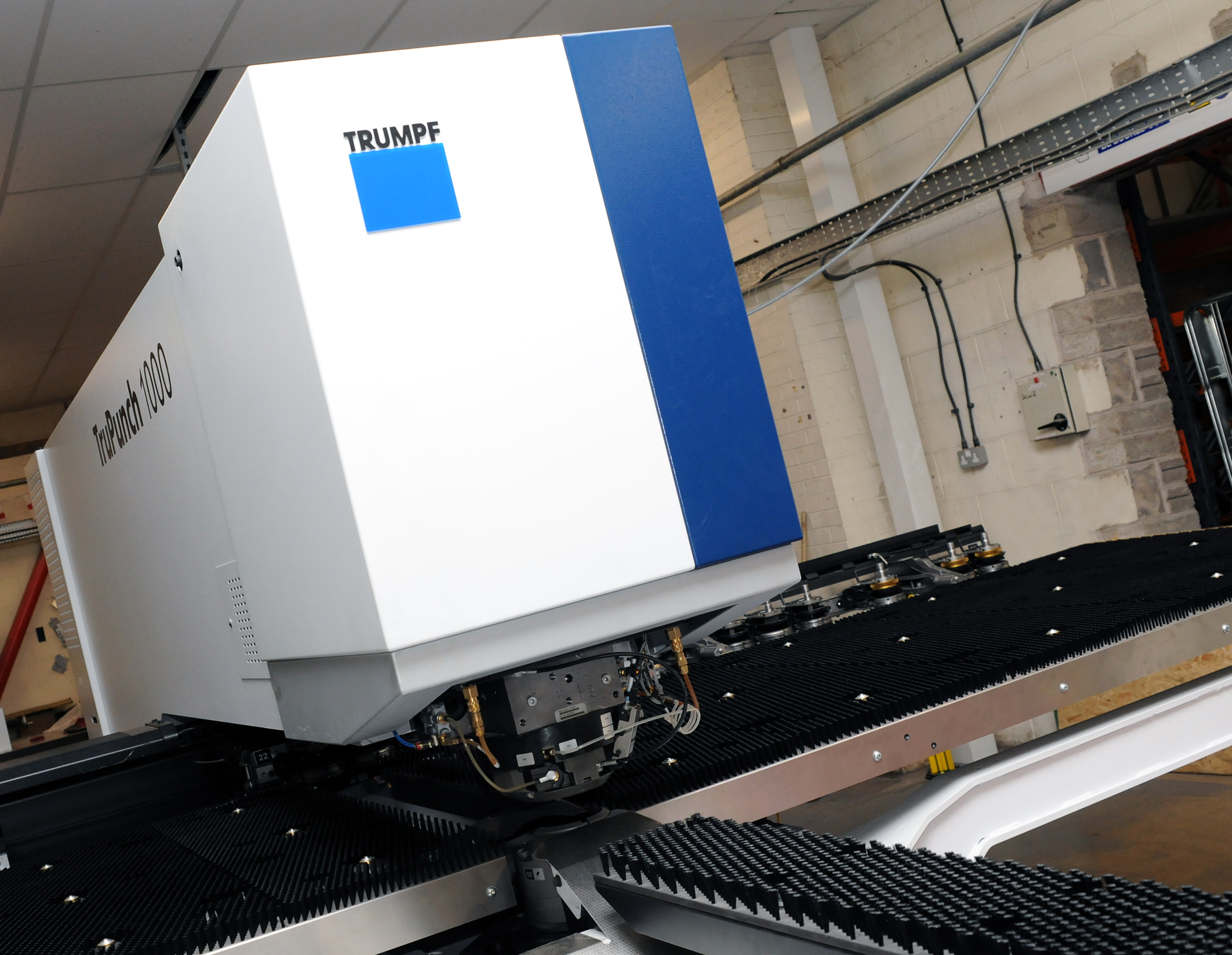
We have invested in a new £1/4m TRUMPF CNC metal punch as part of an asset renewal strategy for our UK manufacturing capability. The new machine will be used in the production of a wide variety of our power distribution systems and workstation power products at our Rotherham factory. Suitable for handling sheet metal between 0.9mm and 3.0mm thick, the new machine will replace one...

Read more
CMD CATALOGUE PROVIDES TECHNICAL POWER DISTRIBUTION GUIDE

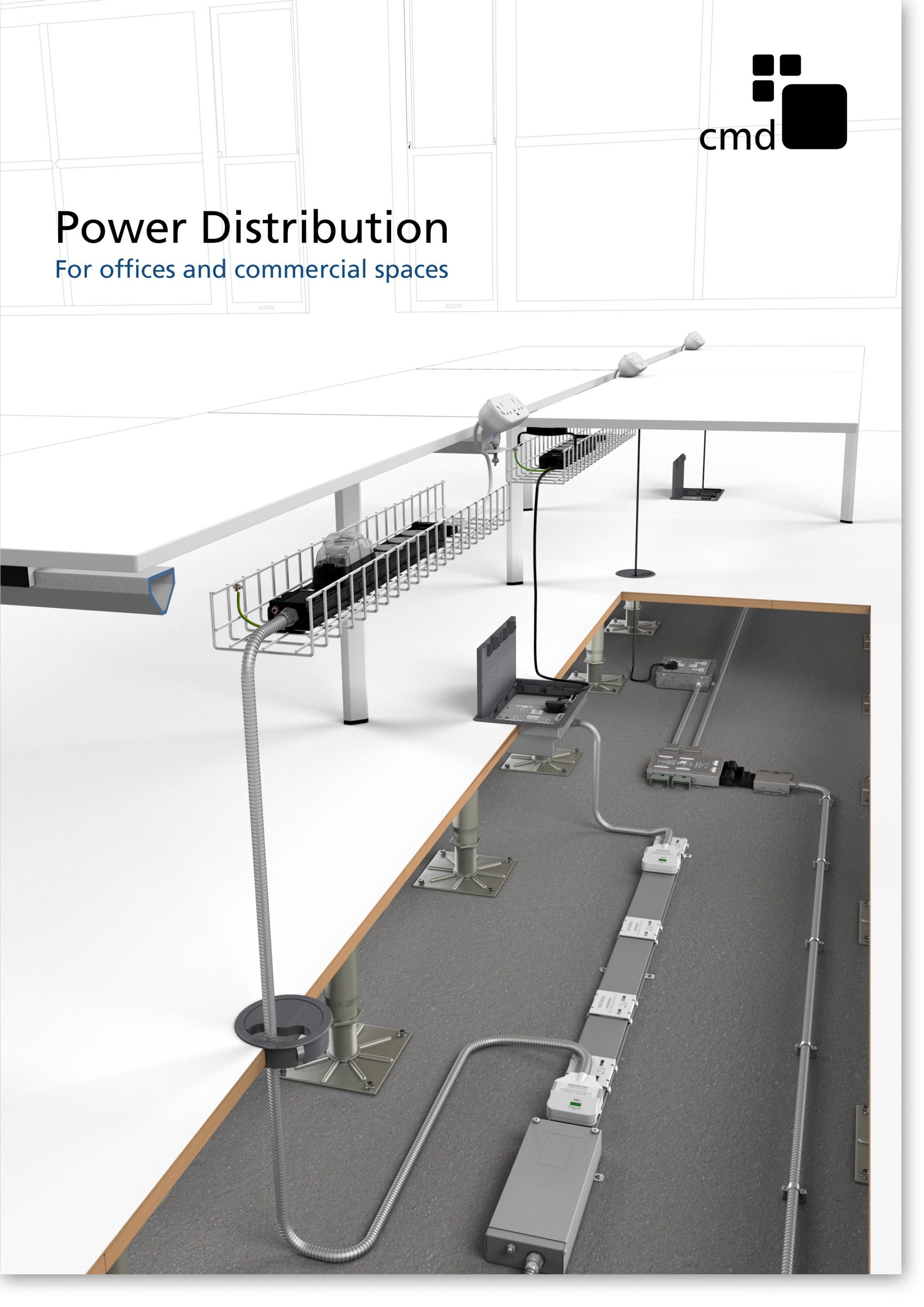
CMD Ltd has released a new catalogue, providing an easy to follow technical guide to our power distribution systems and plug and play desk modules. Detailing CMD’s full range of UK-manufactured power distribution systems and plug and play desk modules, the catalogue will be a helpful source of information to M&E engineers and contractors alike to understand how our power distribution systems connect together and...

Read more
Power Distribution Catalogue
CMD Ltd PLAYS ESSENTIAL ROLE IN ELECTRICAL FIT OUT AT LONDON’S PRESTIGIOUS OFFICE DEVELOPMENT

CMD Ltd, specialist in workplace connectivity and ergonomic solutions, has provided a flexible and high-quality power distribution network for The Ray, a prestigious office development in London’s Farringdon. Well-known for being the former site of The Guardian newspaper, The Ray now stands as an 83,000ft² office development characterised by a modernised warehouse aesthetic, with level two now occupied by a global social media company. The...

Read more

The Ray
CMD plugs in to european opportunity with Schuko Capsule unit launch

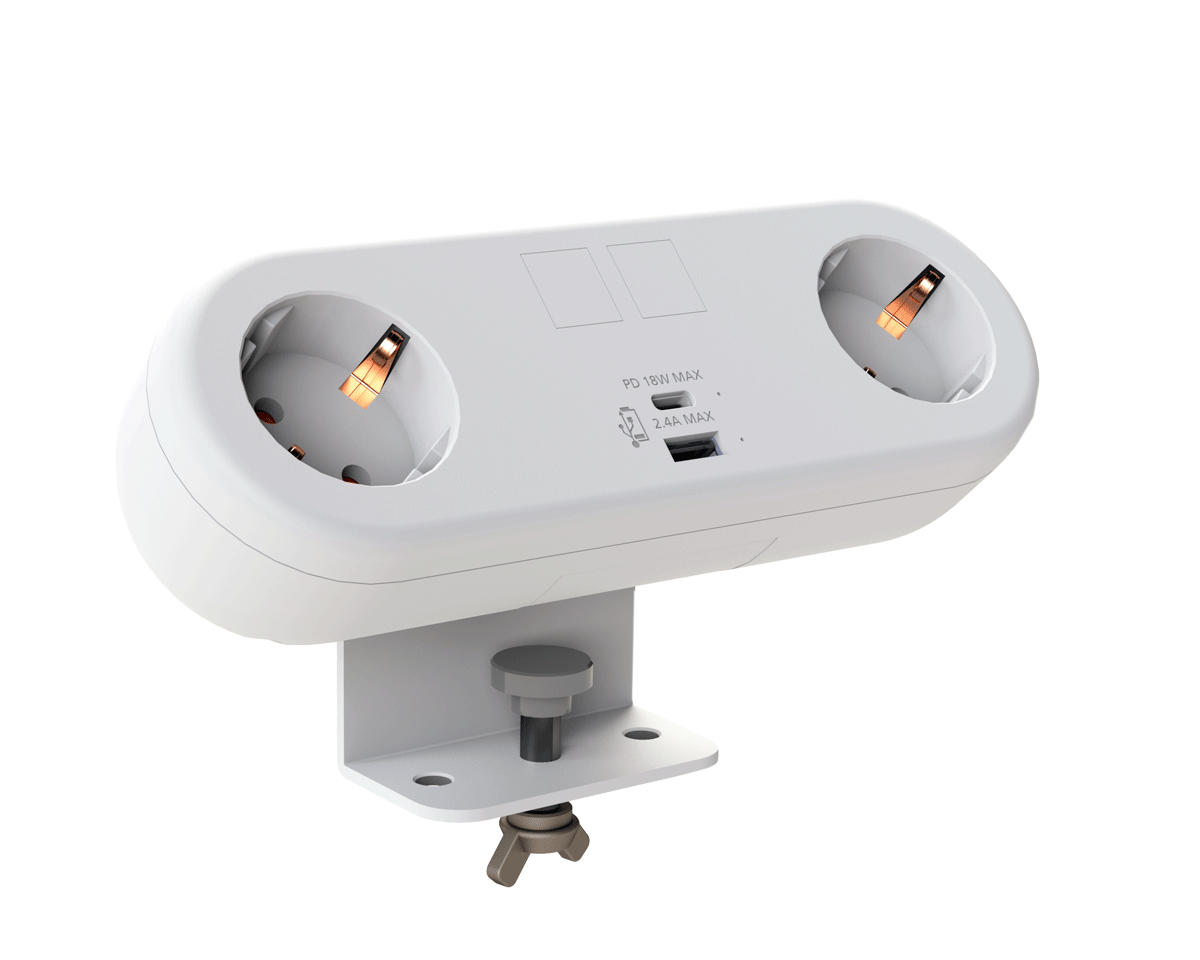
CMD Ltd, the specialist in power and connectivity solutions for commercial environments, has launched a Schuko version of its popular fixed format Capsule workstation power module for export to mainland Europe and beyond. A popular on desk power module comprising two sockets and dual USB (type A and C) chargers, CMD’s Capsule unit is already widely specified in the UK as an off-the-shelf workstation power...

Read more
CMD White Schuko Capsule Desk Power Module
CMD LTD EXTENDS MONITOR ARM RANGE WITH THE LAUNCH OF REACH PLUS

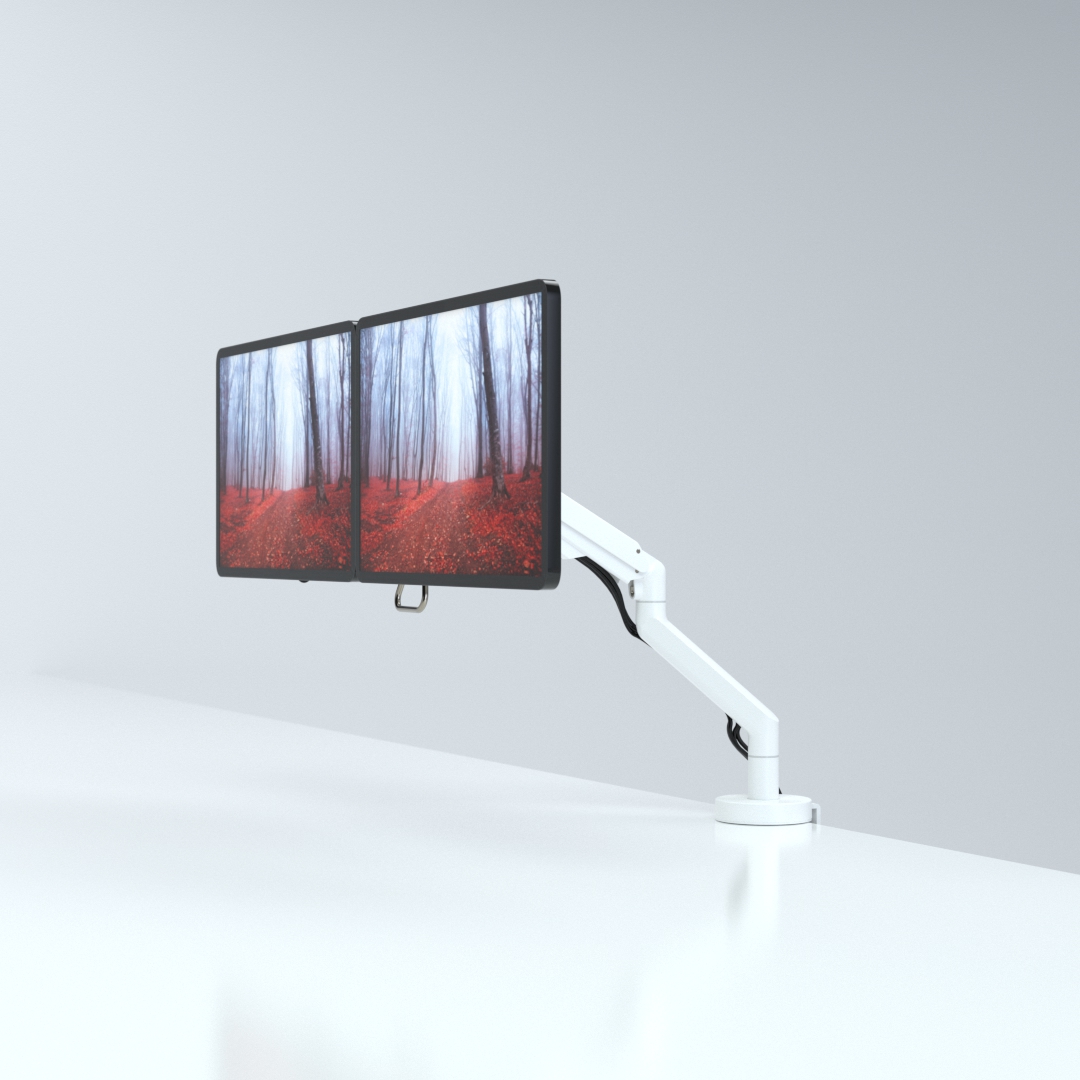
CMD Ltd, the specialist in ergonomic and connectivity solutions for commercial interiors, has completed its Reach monitor arm range with the launch of the Reach Plus. Available in single or dual screen options, the Reach Plus has been designed to provide an ideal solution for both single and dual screen workstation configurations, or can be used with next generation of large format curved screens. Suitable...

Read more
CMD Ltd DEMONSTRATES THE ART OF POWER DISTRIBUTION AT THE UNIVERSITY OF WARWICK

CMD Ltd, the specialist in workplace connectivity and ergonomic solutions, has provided Betatrak busbar power distribution and a range of electrical accessories for two major capital investment projects at the University of Warwick. Designed by Fielden Clegg Bradley Studios, the £33 million Faculty of Arts building is a showpiece development comprising four interconnected structures set around a central atrium, which will enable inter-disciplinary collaboration across...

Read more

University of Warwick
CMD BRINGS HARMONY TO COVENTRY UNIVERSITY RESEARCH FACILITIES

CMD Ltd, the specialist in power distribution solutions and workstation power and ergonomics, has provided under desk and on desk power modules for the refurbishment of three Coventry University research buildings. Located on Coventry University Technology Park, a business park designed to encourage collaboration between the university and knowledge-based businesses, the three buildings are being repurposed as office accommodation for university research teams. The refurbishment...

Read more

Coventry University

Who Are the Best Type C Charging Port Suppliers in China?

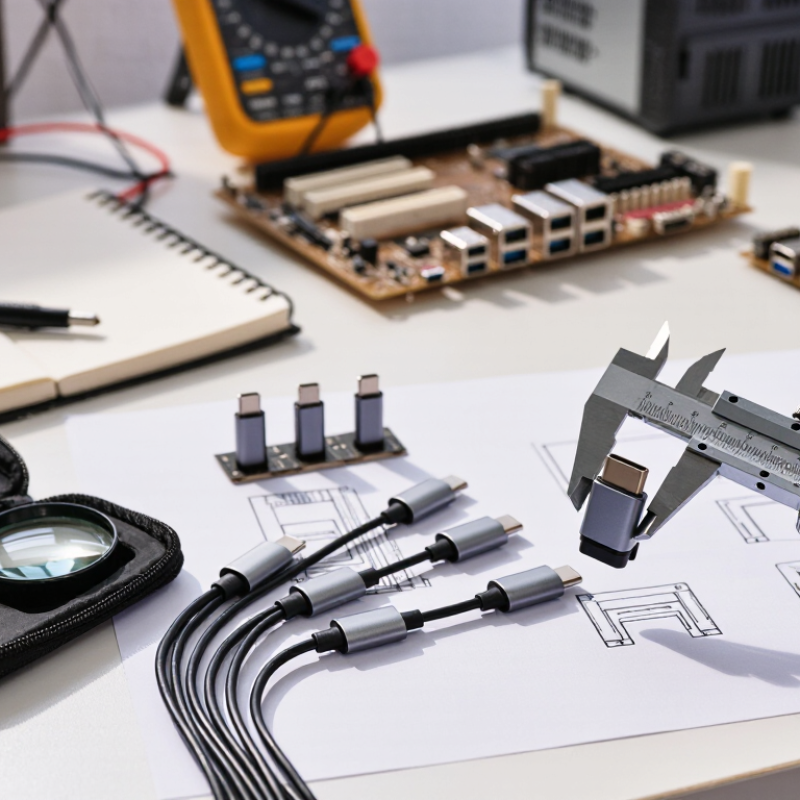
Choosing a type c charging port supplier in China takes more than comparing unit prices. A polished product photo cannot show plating thickness, contact alignment, or how a connector holds up after repeated insertion. Buyers should examine drawings, material specifications, sample quality, production controls, and traceability. Ask how the supplier tests continuity, retention force, and durability. Then compare its answers with your product’s actual requirements.

USB-IF president Brad Saunders is a relevant industry authority on USB technology. A practical paraphrase of his standards-focused perspective—not a verbatim quotation—is: “Reliable connectivity depends on consistent implementation, not just the connector’s shape.” That distinction matters. Similar-looking ports may differ in pin configuration, current rating, mounting style, and supported features. Confirm compatibility with the intended cable, charging circuit, and device design before approving a sample.

This guide looks at Chinese suppliers through practical evidence: engineering support, documented quality procedures, customization capability, and communication during sampling. A factory audit may reveal more than a catalog. So can a close look at solder joints under magnification. No single supplier is best for every project. Some excel at fast prototyping; others suit stable, high-volume orders. And a neat datasheet is not proof of long-term reliability. The comparisons that follow aim to help buyers ask sharper questions, verify claims, and shortlist partners with confidence.

Who Are the Best Type C Charging Port Suppliers in China?

USB-C Port Fundamentals: 24 Pins, 240 W USB PD, and 40 Gbps Data

USB-C ports use 24 contacts to support reversible connection and multiple functions. Yet a 24-pin layout alone does not guarantee fast charging or data transfer. Contact quality, circuit design, and thermal performance all matter.

Under USB Power Delivery Extended Power Range, compatible equipment can deliver up to 240 W. This requires suitable cables, controllers, and protection components.

Some USB-C systems also support data rates up to 40 Gbps. The port itself cannot promise that speed; the host, cable, and protocol must support it too. Small details matter.

When comparing Chinese suppliers, ask for dimensional drawings, contact-plating details, rated-current data, and test reports. Check how the port performs after repeated insertion cycles.

For high-power use, request thermal-rise results under stated test conditions. A supplier’s sample may look solid, but production consistency deserves equal attention.

I would also verify that the connector matches the PCB layout and intended assembly process. This step is easy to underestimate.

Tips:

  • Define power and data targets before requesting quotes.
  • Test the complete assembly, not just the loose connector.
  • If a specification seems unusually broad, ask what cable, controller, and test setup were used.
  • Recheck the numbers.

How to Evaluate Chinese Suppliers by Yield, Capacity, MOQ, and Lead Time

Who Are the Best Type C Charging Port Suppliers in China?

How to Evaluate Chinese Suppliers by Yield, Capacity, MOQ, and Lead Time

A strong supplier can show how it measures yield, not just quote a high percentage. Ask for recent inspection records and clarify whether yield means production pass rate or final outgoing acceptance. Check how defects such as bent contacts or uneven solder joints are counted. Numbers need context. Compare reports from similar products and production runs.

Tips: Request a sample inspection report, monthly output figures, MOQ options, and a written lead-time estimate. Ask whether capacity figures include other customers’ orders. A busy line may not have room for yours.

Confirm that quoted capacity covers your required monthly volume, with room for demand changes. For MOQ, compare the unit price against your forecast and the cost of holding extra stock. Lead time should separate tooling, sample approval, production, and shipping preparation. Ask what could delay each stage, and get updates against agreed milestones. A supplier’s estimate may still prove optimistic; that is worth checking before placing a large order. Verify details through a trial order and consistent quality checks.

Leading Chinese Suppliers: Luxshare ICT, Deren, and Specialized OEM Makers

China remains a major sourcing base for USB Type-C charging ports, especially through large connector manufacturers and specialized OEM makers. Grand View Research estimates that the global USB Type-C market will expand at a strong double-digit rate through 2030. Demand is rising with smartphones, laptops, vehicles, and industrial equipment. Scale matters, but it is not everything.

Leading Chinese suppliers usually fall into two groups. Large manufacturers offer automated stamping, molding, plating, and high-volume delivery. Specialized OEM factories provide faster customization for unusual housing shapes, cable exits, and board layouts. During supplier audits, buyers should inspect contact plating thickness, shell alignment, solder quality, and pull-force testing. A port may look perfect but fail after repeated insertion. Small details hurt.

The USB Implementers Forum requires testing for certified USB products, yet certification alone does not guarantee long-term factory consistency. Ask for batch traceability, inspection records, and sample results from independent laboratories. Check whether the supplier can support USB Power Delivery, high-current charging, and thermal testing. Industry research from MarketsandMarkets also links connector growth with electric vehicles and connected devices, raising reliability expectations. A low quotation still looks attractive. It can be a trap. Some OEM makers need stronger engineering documentation, while larger suppliers may move too slowly for small design changes. Procurement teams should compare both realities.

Compliance Standards: USB-IF, RoHS, REACH, and 10,000-Cycle Durability

China’s best USB Type-C charging-port suppliers should prove compliance, not merely promise it. In supplier audits, I request USB-IF test records, material declarations, and traceable lot numbers. The USB Type-C specification defines connector performance, signaling, and power requirements. A supplier should identify the exact tested configuration. Small differences matter.

RoHS documentation must confirm restricted substances stay within legal limits. Lead, mercury, hexavalent chromium, PBB, PBDE, and phthalates generally face a 0.1% limit. Cadmium faces a stricter 0.01% limit. REACH evidence should include current SVHC screening. The European Chemicals Agency updates its Candidate List regularly, so old declarations can become unreliable. A certificate alone is not enough.

Durability testing deserves equal attention. A 10,000-cycle claim should show test speed, insertion force, mating equipment, electrical load, and failure criteria. Otherwise, the number sounds impressive but proves little. The European Commission estimates common-charger rules could reduce electronic waste by about 11,000 tonnes annually and save consumers €250 million each year. That pressure increases the value of dependable ports. During sampling, inspect plating thickness, shell alignment, solder joints, and heat rise after repeated charging. I would still request independent laboratory verification, because production variation can quietly weaken a good design.

Key Compliance and Durability Benchmarks for Type-C Port Suppliers

This benchmark summarizes the main verification points used when evaluating China-based USB Type-C charging port suppliers. USB-IF compliance is treated as a pass/fail evidence gate, while RoHS, REACH, and connector endurance are shown using their relevant reference quantities. The figures are evaluation benchmarks, not company rankings.

Supplier Comparison: Pricing, Customization, Certifications, and Quality Metrics

Who Are the Best Type C Charging Port Suppliers in China?

Choosing a Type C charging port supplier requires more than comparing unit prices. Standard receptacles may cost about $0.08–$0.30 in volume. Reinforced, waterproof, or high-current versions cost more. Buyers should request quotes at several quantities, such as 1,000, 10,000, and 50,000 pieces. Tooling fees, minimum order quantities, and sample charges can change the real price. That gap matters.

Customization usually covers shell shape, pin layout, mounting style, plating, and cable orientation. A capable supplier should provide drawings, 3D files, prototypes, and a clear engineering-change process. Ask how quickly they can produce samples. Two weeks sounds reasonable, but complex molds may take longer. I would not trust a fast promise without a sample inspection.

Certifications should match the product and target market. Useful documents may include RoHS, REACH, UL-related material evidence, and USB Type-C compliance test reports. Check report numbers, testing laboratories, and expiration details. Quality comparisons should include contact resistance, insertion cycles, solderability, pull strength, and thermal aging. A serious factory records these results by batch. Ask for failure photos, not only polished certificates. Suppliers sometimes present excellent samples while production control remains inconsistent. That risk deserves attention.