

News

Miro: A New Standard in Responsible Innovation

Miro: A New Standard in Responsible Innovation The Miro monitor arm is setting new benchmarks in sustainability. It offers a high-performance solution without compromising on environmental responsibility. Designed with careful material selection, local sourcing, and longevity in mind, Miro’s responsible approach to design and unique manoeuvrability set it apart from the competition. Sustainable Choices Miro is crafted from energy-efficient materials with a lower carbon impact....

Read more
HSE Advisor

Role Purpose Support in the development, implementation and maintenance of the company’s Health, Safety & Environmental policies, processes, operational procedures, and standards.  Ensuring best practice and championing a continually improving HSE culture within the business. Key Responsibilities Liaise with and provide support to all areas of the business to eliminate, mitigate or reduce identified HSE exposures. Partner with the production management team and team leaders,...

Read more
CMD Ltd LAUNCHES 48-HOUR TURNAROUND ON BETATRAK® RAPID ORDERING SERVICE

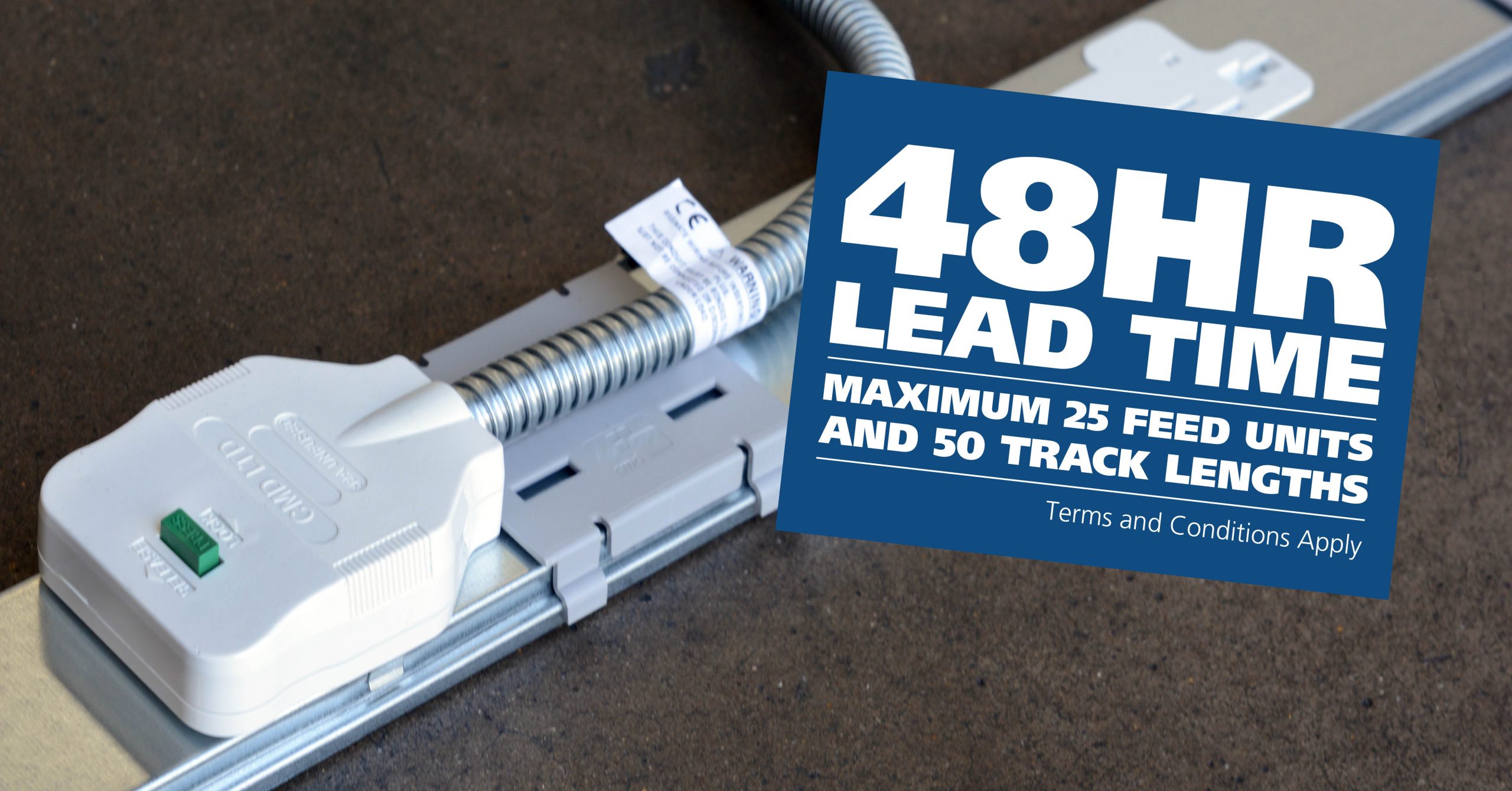
CMD Ltd, the specialist in power distribution systems, workstation power and monitor arms, has launched a rapid ordering service for its Betatrak® underfloor powertrack distribution systems and accessories, with a commitment to delivering within 48-hours of an approved purchase order*. The service enables customers to order up to 50 lengths of Standard or Clean Earth (C/E) low noise Betatrak, along with up to 25 feed...

Read more
CMD INVESTS £1/4 MILLION IN NEW MACHINE AS PART OF FACTORY UPGRADE

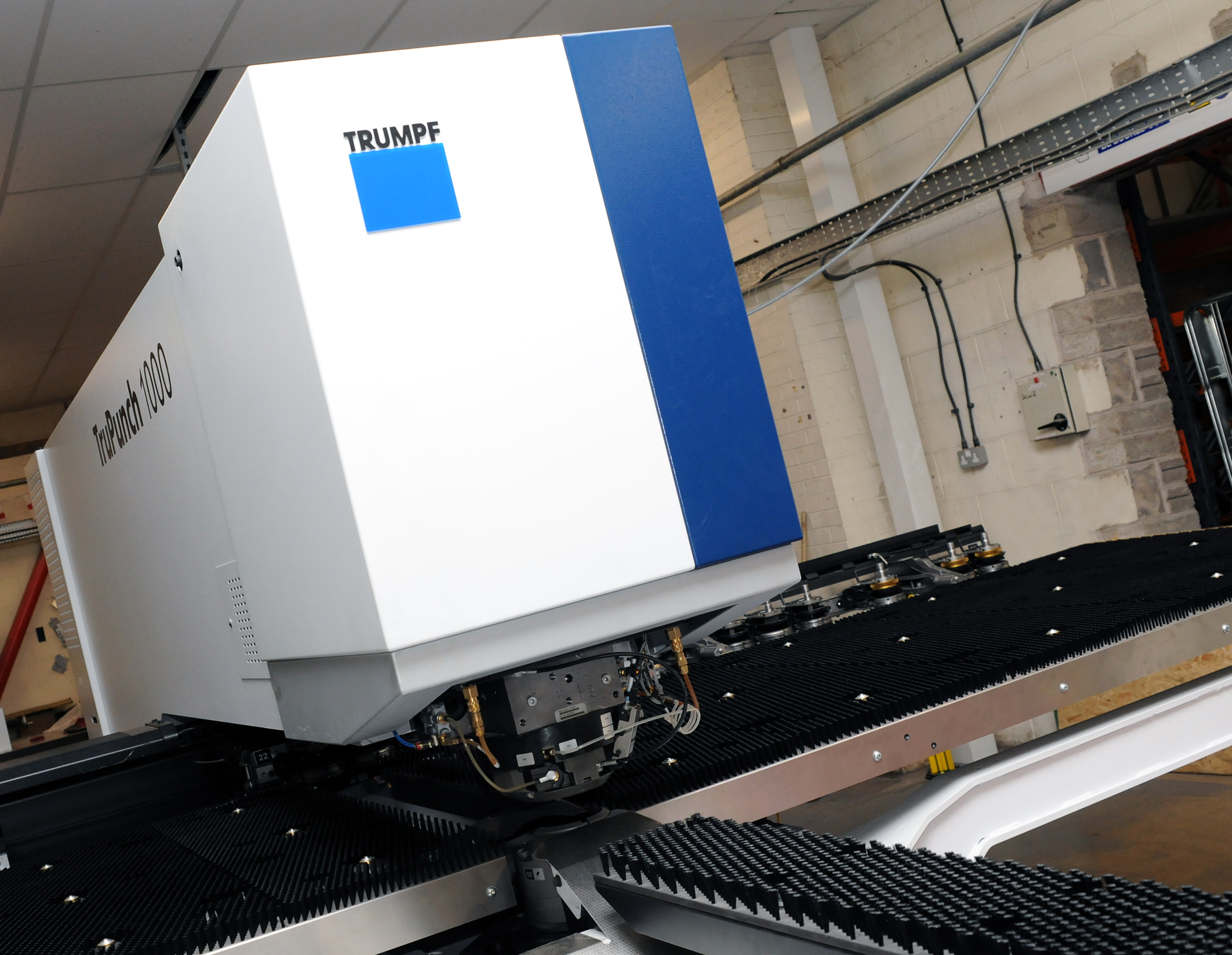
We have invested in a new £1/4m TRUMPF CNC metal punch as part of an asset renewal strategy for our UK manufacturing capability. The new machine will be used in the production of a wide variety of our power distribution systems and workstation power products at our Rotherham factory. Suitable for handling sheet metal between 0.9mm and 3.0mm thick, the new machine will replace one...

Read more
CMD CATALOGUE PROVIDES TECHNICAL POWER DISTRIBUTION GUIDE

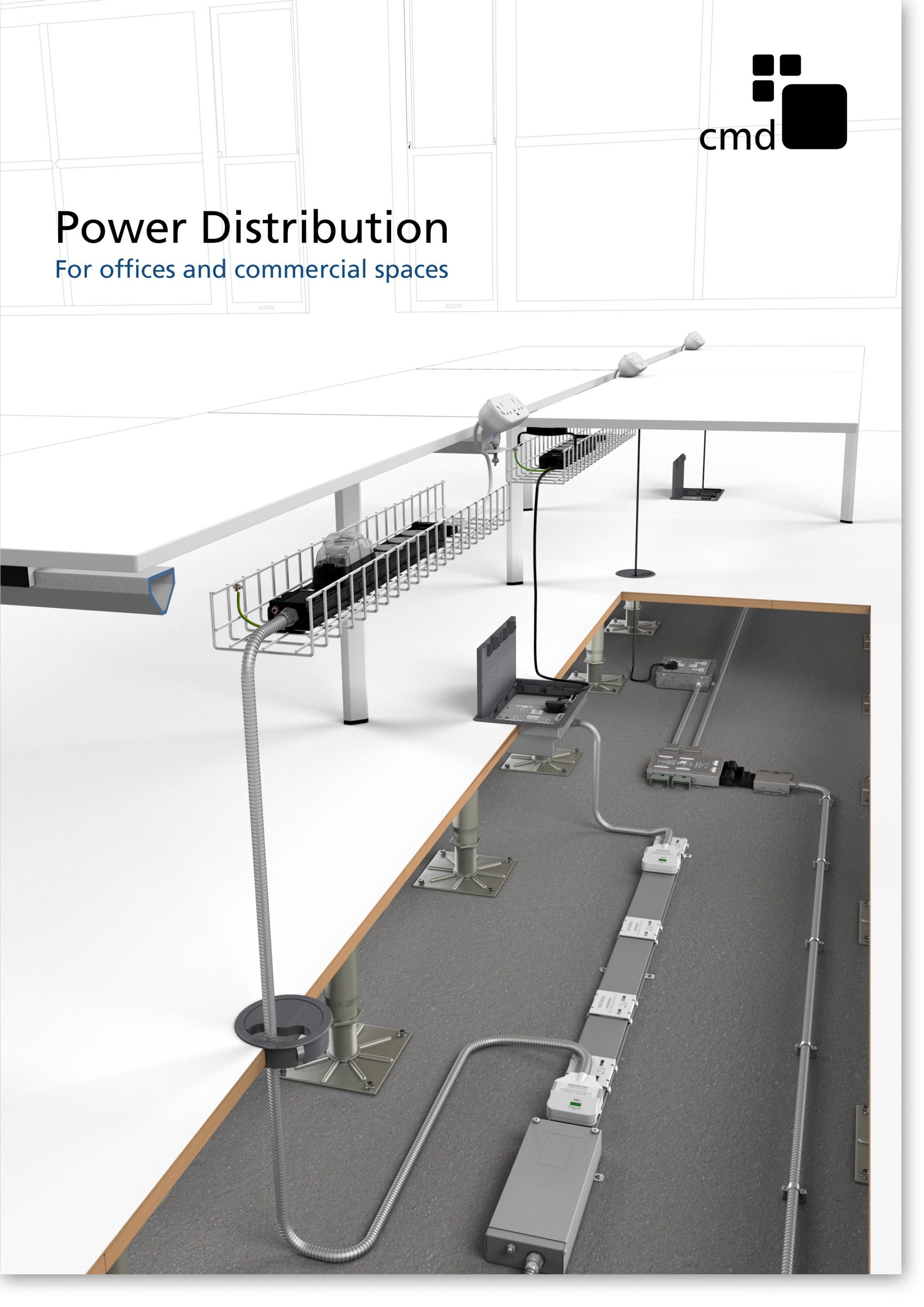
CMD Ltd has released a new catalogue, providing an easy to follow technical guide to our power distribution systems and plug and play desk modules. Detailing CMD’s full range of UK-manufactured power distribution systems and plug and play desk modules, the catalogue will be a helpful source of information to M&E engineers and contractors alike to understand how our power distribution systems connect together and...

Read more
Power Distribution Catalogue
CMD Ltd PLAYS ESSENTIAL ROLE IN ELECTRICAL FIT OUT AT LONDON’S PRESTIGIOUS OFFICE DEVELOPMENT

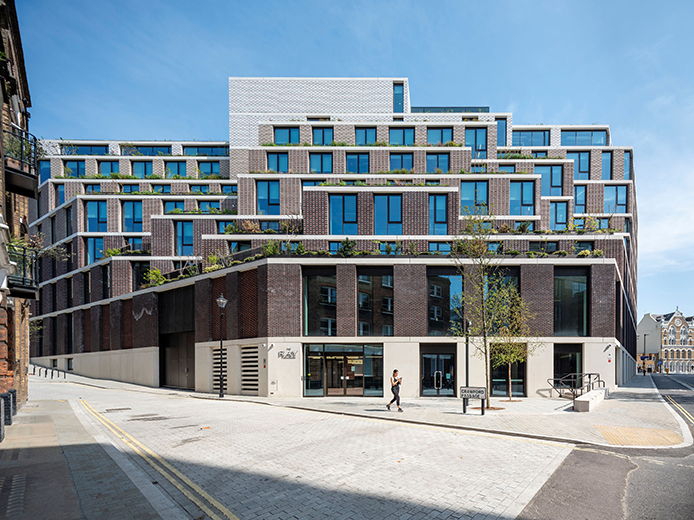
CMD Ltd, specialist in workplace connectivity and ergonomic solutions, has provided a flexible and high-quality power distribution network for The Ray, a prestigious office development in London’s Farringdon. Well-known for being the former site of The Guardian newspaper, The Ray now stands as an 83,000ft² office development characterised by a modernised warehouse aesthetic, with level two now occupied by a global social media company. The...

Read more
The Ray
CMD plugs in to european opportunity with Schuko Capsule unit launch

CMD Ltd, the specialist in power and connectivity solutions for commercial environments, has launched a Schuko version of its popular fixed format Capsule workstation power module for export to mainland Europe and beyond. A popular on desk power module comprising two sockets and dual USB (type A and C) chargers, CMD’s Capsule unit is already widely specified in the UK as an off-the-shelf workstation power...

Read more
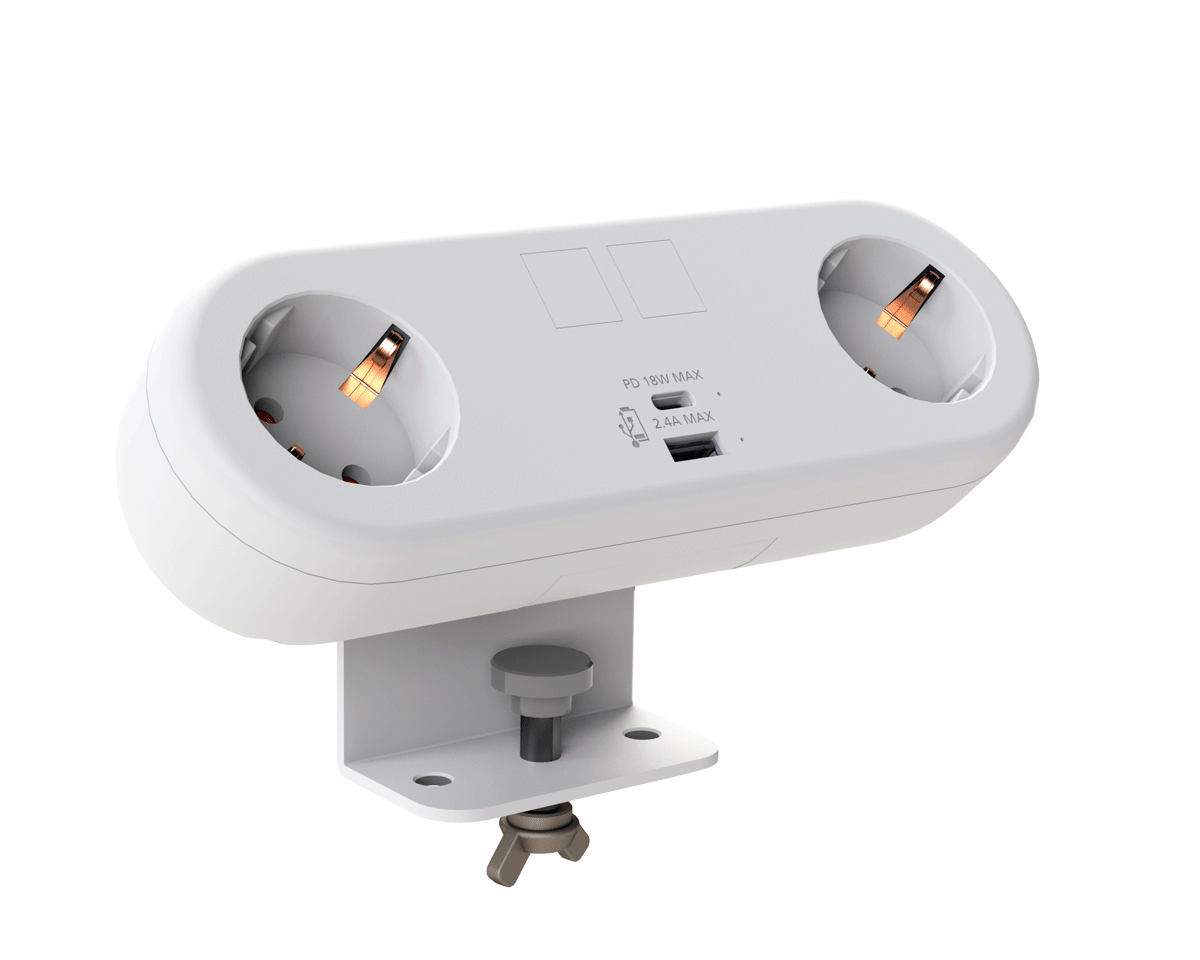
CMD White Schuko Capsule Desk Power Module
CMD LTD EXTENDS MONITOR ARM RANGE WITH THE LAUNCH OF REACH PLUS

CMD Ltd, the specialist in ergonomic and connectivity solutions for commercial interiors, has completed its Reach monitor arm range with the launch of the Reach Plus. Available in single or dual screen options, the Reach Plus has been designed to provide an ideal solution for both single and dual screen workstation configurations, or can be used with next generation of large format curved screens. Suitable...

Read more
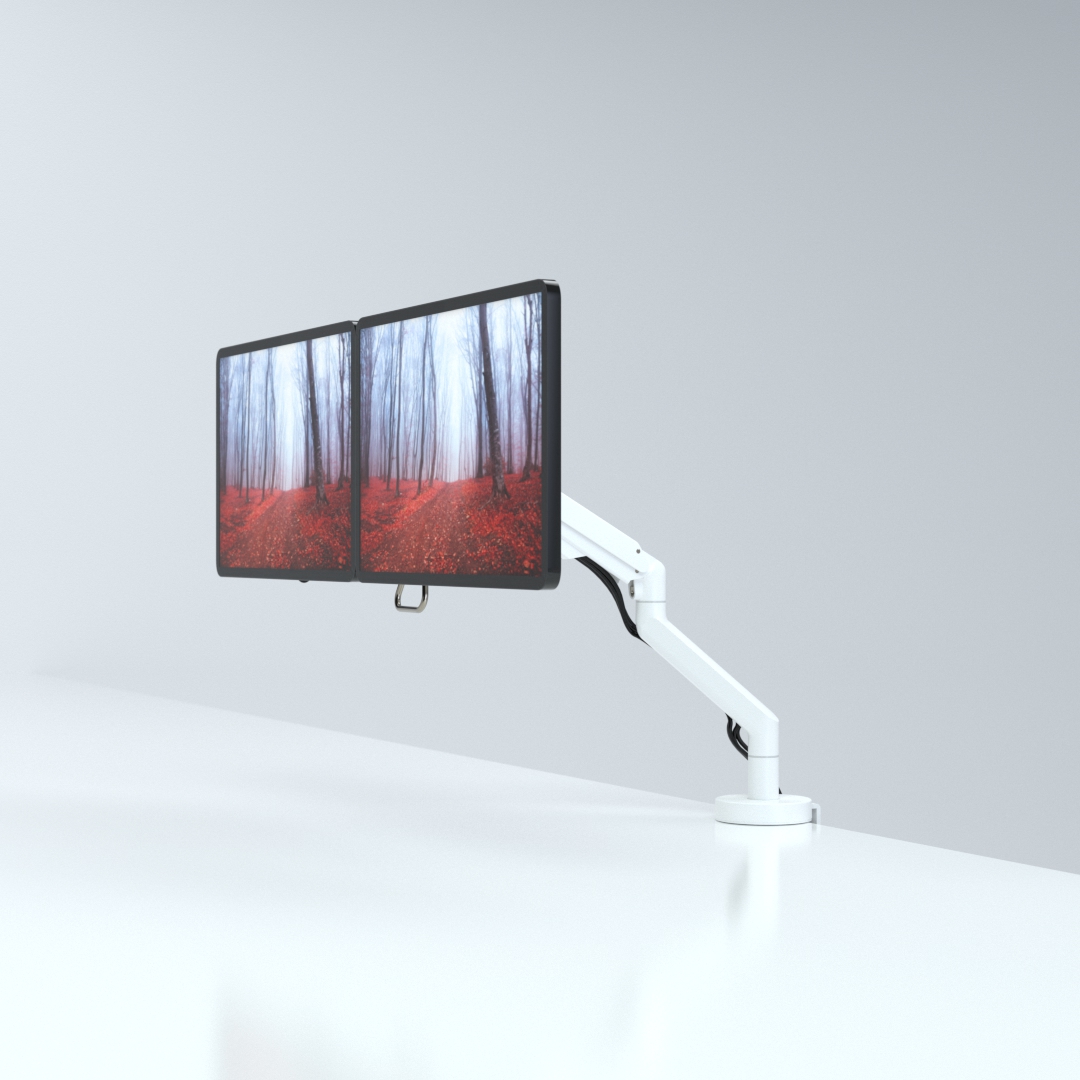
CMD Ltd DEMONSTRATES THE ART OF POWER DISTRIBUTION AT THE UNIVERSITY OF WARWICK

CMD Ltd, the specialist in workplace connectivity and ergonomic solutions, has provided Betatrak busbar power distribution and a range of electrical accessories for two major capital investment projects at the University of Warwick. Designed by Fielden Clegg Bradley Studios, the £33 million Faculty of Arts building is a showpiece development comprising four interconnected structures set around a central atrium, which will enable inter-disciplinary collaboration across...

Read more
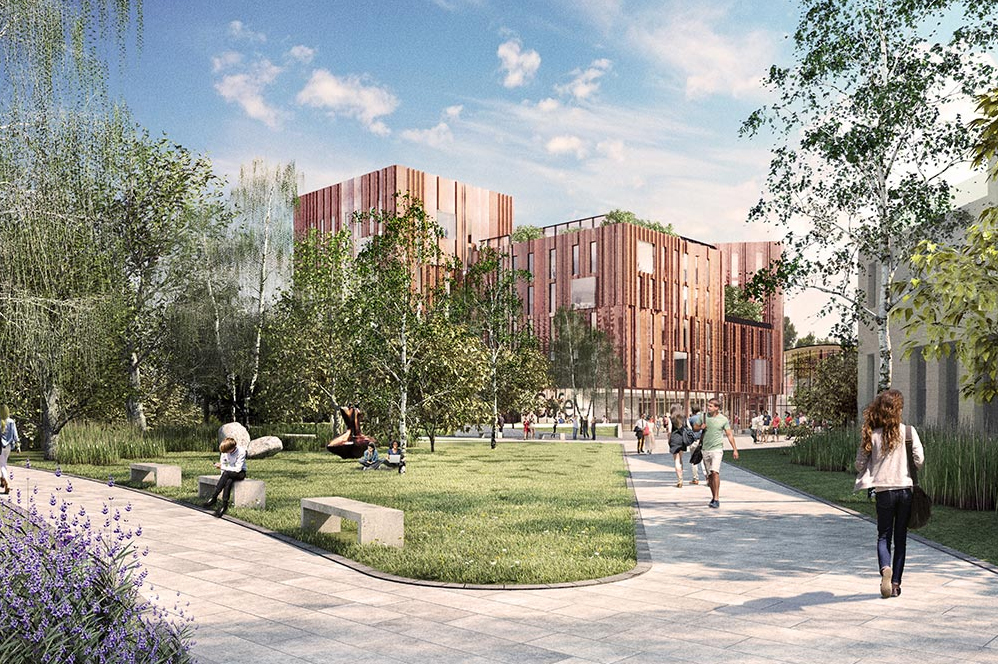
University of Warwick
CMD BRINGS HARMONY TO COVENTRY UNIVERSITY RESEARCH FACILITIES

CMD Ltd, the specialist in power distribution solutions and workstation power and ergonomics, has provided under desk and on desk power modules for the refurbishment of three Coventry University research buildings. Located on Coventry University Technology Park, a business park designed to encourage collaboration between the university and knowledge-based businesses, the three buildings are being repurposed as office accommodation for university research teams. The refurbishment...

Read more
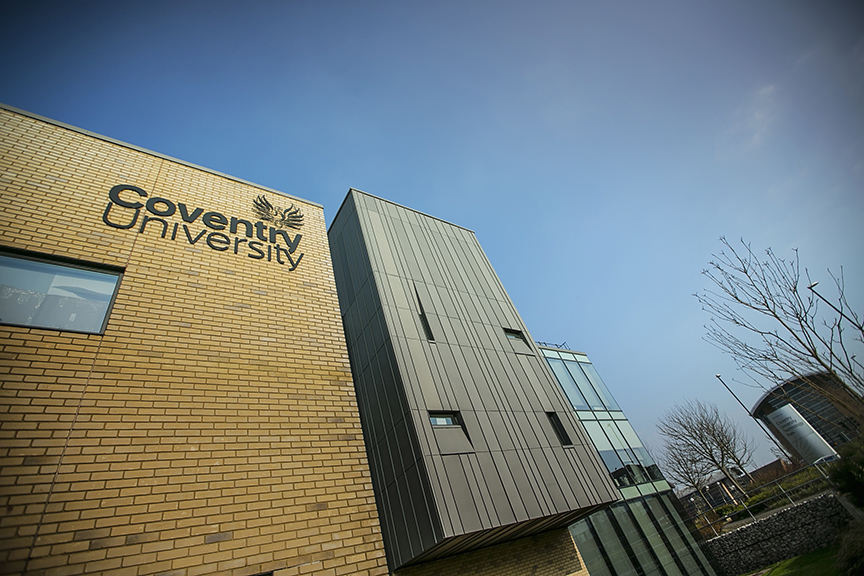
Coventry University

What Is the Best Suspended LED Panel for Global Buyers in 2026?

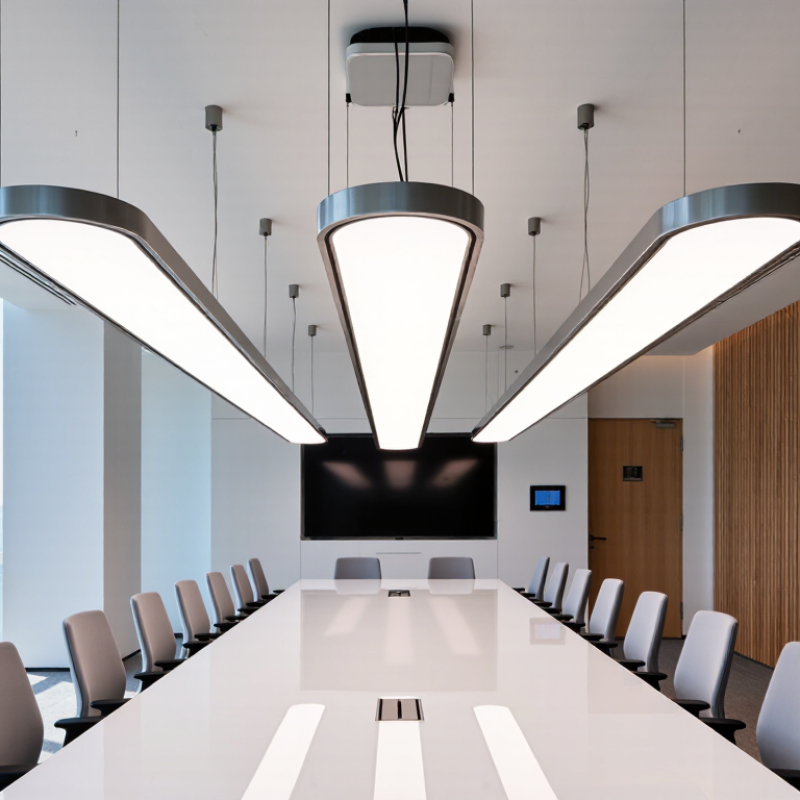
Choosing the best Suspended Led Panel for global buyers in 2026 requires more than comparing wattage and price. A panel may look efficient in a showroom, yet create glare above a conference table. Another may offer excellent brightness, but reveal uneven color across a retail aisle. Buyers must examine optical comfort, color consistency, suspension hardware, controls, warranty support, and installation conditions. These details become important in offices, schools, hotels, and public interiors with different ceiling heights and viewing angles.

Lighting designer Richard Kelly described architectural lighting through three purposes: “Light for seeing, light for looking, and light for gazing.” His principle remains useful when assessing modern suspended systems. A reliable Suspended Led Panel should provide enough light for tasks, guide attention naturally, and create a comfortable visual atmosphere. That balance is not always obvious from a product datasheet. Glare ratings, beam distribution, flicker performance, and dimming compatibility deserve careful checking. Small details matter.

Global purchasing also introduces practical uncertainty. Voltage ranges, certifications, spare-part availability, packaging quality, and local technical support can change the real cost. A low-priced panel is not automatically economical. Sometimes, it becomes an expensive replacement project. I have seen specifications appear impressive until installers confront weak cables, unclear instructions, or incompatible controls. That is where this guide stays cautious. It compares performance claims with actual use, while recognizing that no single panel suits every market. The best choice depends on the room, the people using it, and the support available after delivery.

What Is the Best Suspended LED Panel for Global Buyers in 2026?

What Is a Suspended LED Panel and How Does It Work?

A suspended LED panel is a thin lighting fixture hung below a ceiling by adjustable cables or rods. It creates a clean, floating appearance in offices, retail spaces, schools, and public interiors. Inside, a driver converts incoming AC power into controlled DC current. LED chips then produce light through semiconductor materials. A diffuser spreads that light across the panel, reducing harsh points and shadows.

Its performance depends on more than brightness. Optical design, driver quality, color rendering, flicker control, and heat management all matter. The International Energy Agency reports that buildings consume about 30% of global final energy. Efficient lighting can support lower operational demand. The U.S. Department of Energy also reports that LED lighting uses at least 75% less energy and lasts up to 25 times longer than incandescent lighting. These figures are useful, but they do not guarantee equal savings in every suspended installation. Room height, operating hours, controls, and maintenance change the result.

Tips: Check lumens, not watts alone. Choose a color temperature suited to the room. Neutral white often works well for offices. Ask for flicker data and tested lifetime ratings. Verify suspension length before ordering. A beautiful panel can still create glare. I have seen specifications look impressive while the diffuser felt uncomfortable at desk level. Mock-up testing remains wise, especially for global projects with different ceiling systems and electrical standards.

What Is the Best Suspended LED Panel for Global Buyers in 2026?

A suspended LED panel is a flat LED luminaire hung below the ceiling with suspension cables or rods. Its LED modules convert electrical energy into light, while the driver regulates current and the diffuser distributes light evenly to reduce glare. The best choice depends on required brightness, efficacy, beam distribution, glare control, dimming compatibility, input voltage, and local safety certification.

The chart shows calculated annual electricity consumption for common suspended LED panel wattages. Values use 8 operating hours per day and 260 operating days per year: annual energy use = rated power × operating hours × operating days. Actual consumption varies with dimming, controls, maintenance, and operating schedules.

Which Features Define the Best Suspended LED Panel in 2026?

The best suspended LED panel in 2026 is not simply the brightest model. It must deliver measured efficiency, visual comfort, reliable controls, and easy installation across different markets. The U.S. Department of Energy’s 2023 Solid-State Lighting R&D Opportunities report identifies efficacy, color quality, reliability, and controllability as major development priorities. Buyers should therefore request LM-79 photometric reports, not rely on promotional lumen claims.

Look for at least 100 lm/W in practical commercial applications, while checking the complete fixture output. A high color-rendering index, preferably CRI 80 or above, supports offices, classrooms, and retail displays. Low flicker matters too, especially near cameras and computer screens. UGR below 19 is often suitable for office environments, but room geometry can change the result. Small details matter.

The panel should support wide input voltage, such as 100–240V, and include documented surge protection. DALI-2, 0–10V, or wireless control can reduce operating waste, although compatibility problems remain common. The DesignLights Consortium’s SSL requirements emphasize verified photometry, lifetime projections, and tested performance. Ask for TM-21 data and clear L70 ratings.

In my experience, suspension cables are often treated as accessories. They should not be. Cable adjustment, ceiling anchors, emergency options, and replacement drivers affect real project costs. A 50,000-hour rating sounds convincing, but heat, dust, and unstable voltage can shorten it. I would question any specification without test conditions.

What Is the Best Suspended LED Panel for Global Buyers in 2026? - Which Features Define the Best Suspended LED Panel in 2026?

2026 buyer benchmark for comparing suspended LED panels. Values are practical target ranges and should be verified through test reports, samples, and project-specific calculations.
Evaluation Dimension Recommended 2026 Benchmark Why It Matters to Global Buyers Suggested Verification Method Priority Evaluation Weight
System efficacy At least 120 lm/W; 140–160 lm/W is a strong target for efficient commercial installations. Higher efficacy can reduce energy consumption while maintaining the required illuminance level. Check the complete luminaire efficacy in an LM-79-style photometric report, not only the LED-chip efficacy. Essential 15%
Rated service life L80 at 50,000 hours or more; preferably with an L70/L80 projection supported by temperature data. Longer useful life reduces relamping, access equipment, labor, and maintenance disruption. Review the lumen-maintenance report and the declared case-temperature or ambient-temperature conditions. Essential 12%
Color rendering CRI/Ra ≥80 for offices and general areas; CRI/Ra ≥90 for retail, hospitality, healthcare, and design-sensitive spaces. Accurate color rendering improves visual comfort and helps products, materials, and skin tones appear more natural. Request the spectral test report and verify R9 performance when saturated red colors are important. Essential 8%
Color temperature Fixed options commonly include 3000K, 3500K, 4000K, and 5000K; tunable white is useful for flexible projects. Different regions and applications prefer different visual atmospheres and workplace lighting practices. Confirm the actual CCT tolerance, available presets, and whether field adjustment is possible after installation. High 6%
Color consistency MacAdam 3-step to 5-step binning, with consistent color between panels in the same installation. Consistent color prevents visible patchiness across continuous suspended rows or open ceilings. Check the binning declaration and inspect multiple production samples side by side. High 6%
Glare control UGR <19 is a strong target for computer-based offices; use project calculations for the actual room geometry. Low glare supports visual comfort and reduces reflections on monitors and glossy surfaces. Request a photometric file such as IES or LDT and calculate UGR for the intended mounting height and spacing. Essential 12%
Flicker performance Prefer low-flicker drivers with documented results for PstLM and SVM; avoid visible flicker during dimming and high-speed camera recording. Flicker can affect comfort, visual tasks, video production, and the perceived quality of the installation. Review driver test data across the full dimming range rather than checking only the maximum output level. Essential 10%
Input-voltage compatibility Choose a region-appropriate input range, such as 100–277 VAC or 220–240 VAC, with 50/60 Hz compatibility. Correct voltage selection supports reliable operation across different national electrical systems. Compare the driver label, datasheet, and local electrical requirements before ordering. Essential 8%
Power quality Power factor ≥0.90; lower total harmonic distortion is preferable, especially for large projects. Good power quality helps reduce avoidable electrical losses and potential interaction with sensitive equipment. Request driver test data at typical, minimum, and maximum rated input conditions. High 5%
Dimming and controls At minimum, offer reliable on/off control; preferred options include 0–10 V, DALI-2, or a documented wireless control system. Control compatibility affects energy savings, scene setting, occupancy response, and future building-management integration. Test the complete driver-control combination for dimming depth, startup behavior, grouping, and interoperability. High 7%
Emergency lighting readiness Offer a compatible emergency module with commonly required autonomy options such as 1–3 hours where local codes require it. Emergency capability can simplify compliance and avoid replacing the main luminaire in safety-critical areas. Verify emergency output, battery type, recharge time, test function, and local certification requirements. High 5%
Thermal design Use a metal heat-spreading body and maintain stable performance within the declared ambient range, commonly around −20°C to +45°C for indoor products. Lower operating temperature generally supports better lumen maintenance and driver reliability. Review thermal test data and confirm the rated ambient temperature for the complete luminaire. Essential 6%
Ingress protection IP20 is generally suitable for clean, dry interiors; IP44 or higher may be appropriate for dusty or damp locations when permitted by the design. The correct protection level helps prevent premature damage from dust, moisture, or cleaning conditions. Check the enclosure rating and ensure it applies to the fully assembled suspended product, including connectors. Medium 3%
Suspension system Adjustable aircraft-cable or rod suspension, secure locking points, and a typical adjustable drop of approximately 0.5–2.0 m. Flexible suspension simplifies ceiling coordination, improves visual alignment, and supports different ceiling heights. Check load capacity, adjustment range, anti-drop features, ceiling-fixing options, and installation instructions. High 4%
Optical diffuser Uniform opal or micro-prismatic diffuser with no visible LED hotspots at normal viewing angles. A well-designed diffuser improves appearance and glare control while maintaining useful light output. Inspect the lit sample from typical observer positions and compare the photometric distribution with the project requirements. High 4%
Compliance documentation Provide applicable electrical, photobiological, EMC, RoHS, and energy-performance documentation for the destination market. Complete documentation reduces customs, approval, installation, and project handover risks. Match certificates and reports to the exact model, driver, voltage, and configuration being purchased. Essential 8%
Warranty and spare parts Prefer a clearly written multi-year warranty, replaceable drivers, and documented availability of critical spare parts. Serviceability protects the total cost of ownership when a driver or control component eventually requires replacement. Review warranty exclusions, claim procedure, spare-part lead time, and driver interchangeability. High 6%
Packaging and logistics Use impact-resistant packaging, clear carton identification, moisture protection, and modular packing for suspension accessories. International shipping exposes luminaires to vibration, compression, humidity, and repeated handling. Check packaging specifications, drop-test evidence where available, carton dimensions, and replacement procedures for transit damage. Medium 3%

How Should Global Buyers Compare Light Quality, Efficiency, and Lifespan?

For global buyers, a suspended LED panel should be judged as a complete lighting system. The LED chip alone proves little. Measure delivered lumens, wattage, and efficacy at the fixture. The U.S. Department of Energy reports that LED lighting can use up to 75% less energy than incandescent lighting. However, office panels often replace fluorescent systems, so real savings may be smaller. Verify them through a project-level calculation.

Light quality needs more than a high CRI number. Specify CRI 90 or higher for offices, retail, and educational spaces. Check R9 values for stronger red rendering, then review TM-30 results. The Illuminating Engineering Society recommends TM-30 for a fuller view of colour fidelity and gamut. Also request flicker data, including Pst LM and SVM measurements. A bright panel can still create discomfort. Glare matters too; compare UGR ratings with the actual ceiling height and desk layout.

Lifespan claims deserve careful reading. LM-80 measures LED lumen maintenance, while TM-21 projects performance from that testing. Ask whether the stated L70 life includes the driver and operating temperature. A 100,000-hour claim may not describe the whole fixture. Numbers can mislead. The DesignLights Consortium commonly evaluates commercial products around measurable efficacy, controls, and lumen maintenance requirements, but buyers should inspect the current specification sheet.

In my installation reviews, poorly cooled drivers caused earlier failures than the LEDs. A cooler housing, stable dimming, and tested power quality often matter more than impressive catalogue figures.

What Installation, Safety, and Certification Standards Matter Worldwide?

For global buyers, the best suspended LED panel is not simply the brightest model. It must suit local installation methods, electrical rules, and inspection practices. The International Energy Agency’s Energy Efficiency 2023 report states that lighting consumes about 15% of global electricity. Efficient panels matter, but efficiency never replaces safe mounting. Select models with photometric data, thermal testing, and a stated suspension load.

Installation documents should specify ceiling anchors, cable diameter, maximum spacing, and a secondary safety wire. Suspended hardware must support the luminaire independently of the power cable. Seismic areas may require restraint clips or additional bracing. A recurring site mistake is trusting generic anchors in plasterboard ceilings. That is not a universal solution. Check the substrate, tested load, maintenance access, and installation height before ordering.

Certification needs country-specific review. IEC 60598-1 covers general luminaire safety, while IEC 60598-2-1 addresses fixed general-purpose luminaires. North American projects commonly request UL 1598 or an accepted equivalent. Europe usually requires CE compliance under applicable electrical, EMC, and chemical rules. CE is not a product-quality certificate. The U.S. Department of Energy’s Solid-State Lighting R&D Opportunities report highlights temperature and driver quality as major performance factors. Request flicker data, ingress ratings, emergency-lighting evidence, and factory traceability. Documents may still be incomplete. Independent verification remains worthwhile before shipment.

How Can Buyers Select the Right Suspended LED Panel for Their Market?

Selecting the right suspended LED panel starts with the target market, not the catalog image. Ceiling height, room size, voltage, climate, and working habits all affect performance. An office in a bright coastal city may need stronger glare control and corrosion resistance. A retail space may prioritize color accuracy and flexible dimming. Check UGR, CRI, lumen output, color temperature, and rated lifetime before comparing prices. Warm light can feel comfortable, but it may weaken product visibility.

Ask the supplier for photometric files, driver specifications, safety test reports, and installation instructions. Requirements differ between countries, so local certification and electrical rules must be verified independently. Request a physical sample when possible. Test its brightness, diffuser quality, suspension stability, and driver noise in a real room. Paper data can look excellent.

Installation details often decide whether a panel remains reliable. Confirm ceiling compatibility, cable length, adjustment range, emergency options, and replacement access. Consider dust, humidity, cleaning routines, and future maintenance costs. A low purchase price can become expensive when drivers are difficult to replace. I have seen buyers overlook this. I still question whether every stated lifetime reflects actual site conditions.

A small pilot order can expose flicker, uneven light, or weak fittings before a larger shipment. Don’t skip that test.