

News

Miro: A New Standard in Responsible Innovation

Miro: A New Standard in Responsible Innovation The Miro monitor arm is setting new benchmarks in sustainability. It offers a high-performance solution without compromising on environmental responsibility. Designed with careful material selection, local sourcing, and longevity in mind, Miro’s responsible approach to design and unique manoeuvrability set it apart from the competition. Sustainable Choices Miro is crafted from energy-efficient materials with a lower carbon impact....

Read more
HSE Advisor

Role Purpose Support in the development, implementation and maintenance of the company’s Health, Safety & Environmental policies, processes, operational procedures, and standards.  Ensuring best practice and championing a continually improving HSE culture within the business. Key Responsibilities Liaise with and provide support to all areas of the business to eliminate, mitigate or reduce identified HSE exposures. Partner with the production management team and team leaders,...

Read more
CMD Ltd LAUNCHES 48-HOUR TURNAROUND ON BETATRAK® RAPID ORDERING SERVICE

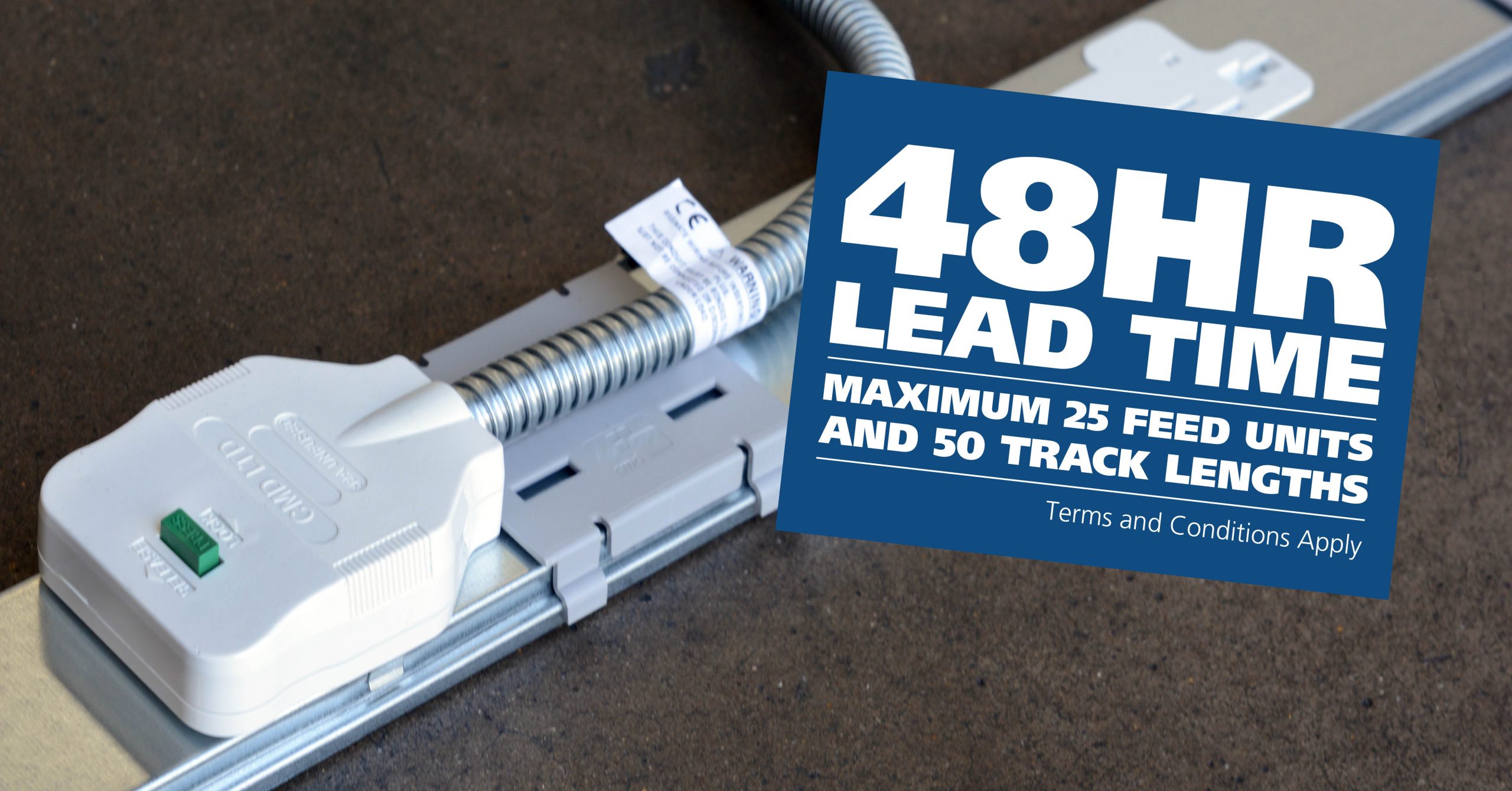
CMD Ltd, the specialist in power distribution systems, workstation power and monitor arms, has launched a rapid ordering service for its Betatrak® underfloor powertrack distribution systems and accessories, with a commitment to delivering within 48-hours of an approved purchase order*. The service enables customers to order up to 50 lengths of Standard or Clean Earth (C/E) low noise Betatrak, along with up to 25 feed...

Read more
CMD INVESTS £1/4 MILLION IN NEW MACHINE AS PART OF FACTORY UPGRADE

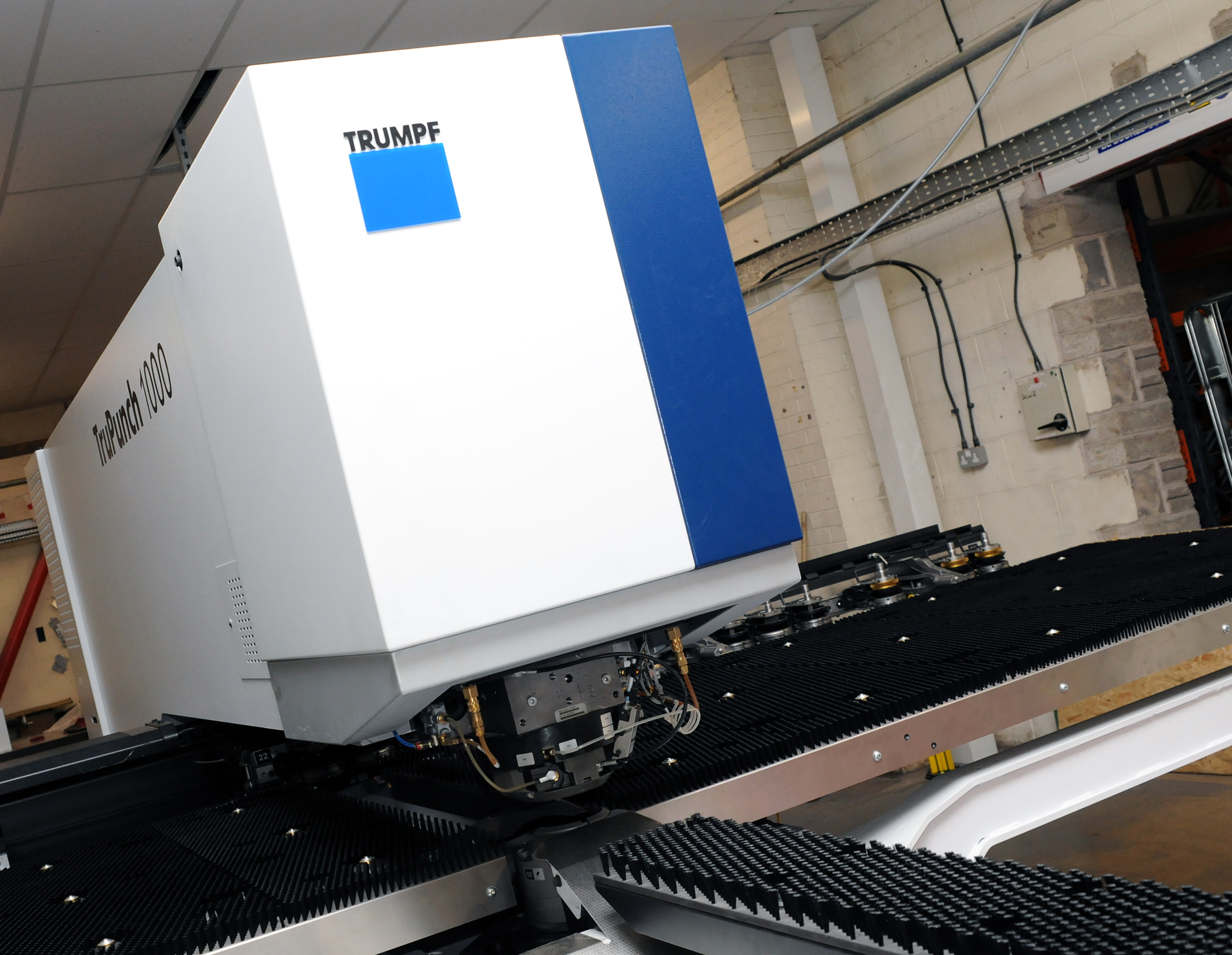
We have invested in a new £1/4m TRUMPF CNC metal punch as part of an asset renewal strategy for our UK manufacturing capability. The new machine will be used in the production of a wide variety of our power distribution systems and workstation power products at our Rotherham factory. Suitable for handling sheet metal between 0.9mm and 3.0mm thick, the new machine will replace one...

Read more
CMD CATALOGUE PROVIDES TECHNICAL POWER DISTRIBUTION GUIDE

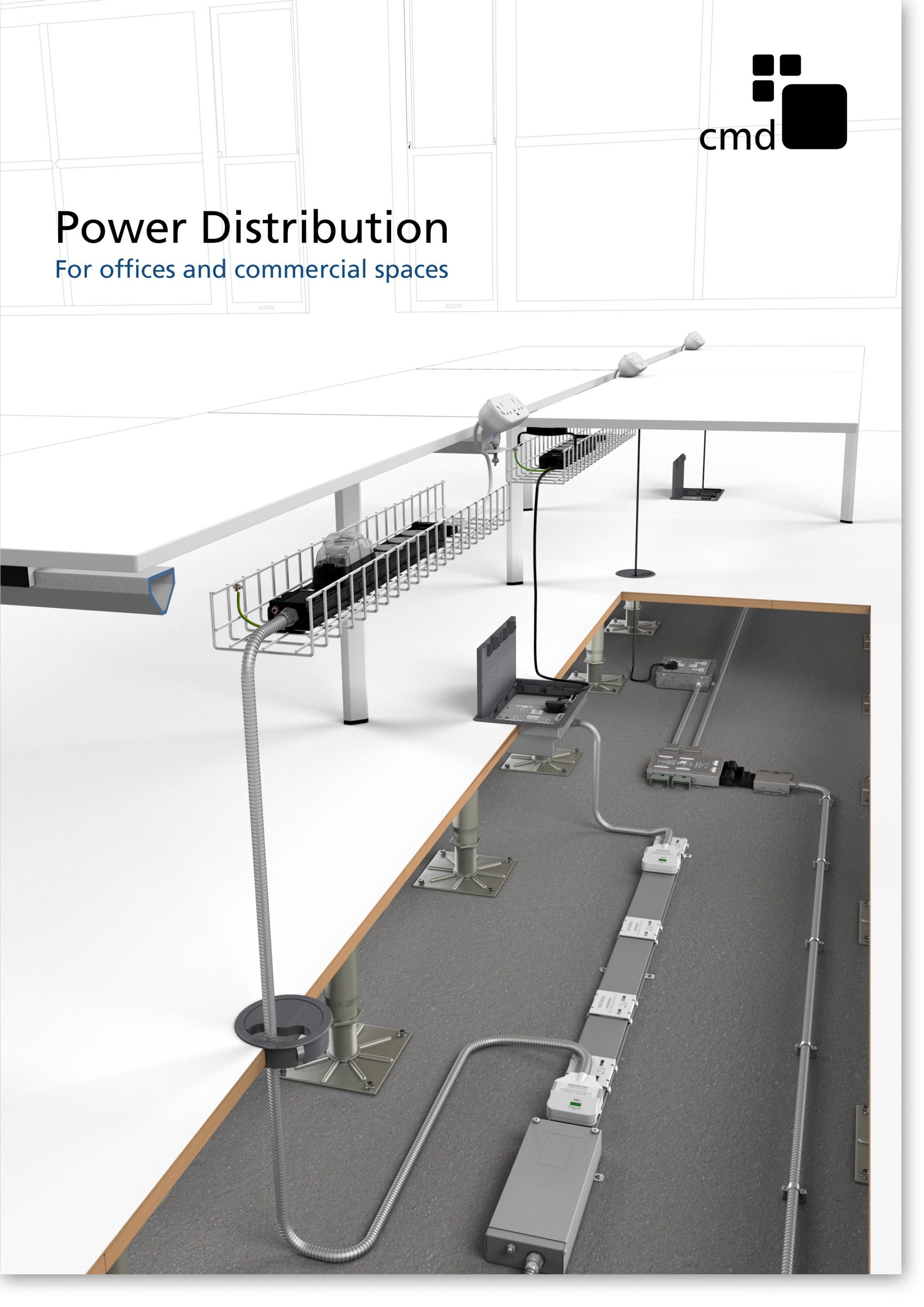
CMD Ltd has released a new catalogue, providing an easy to follow technical guide to our power distribution systems and plug and play desk modules. Detailing CMD’s full range of UK-manufactured power distribution systems and plug and play desk modules, the catalogue will be a helpful source of information to M&E engineers and contractors alike to understand how our power distribution systems connect together and...

Read more
Power Distribution Catalogue
CMD Ltd PLAYS ESSENTIAL ROLE IN ELECTRICAL FIT OUT AT LONDON’S PRESTIGIOUS OFFICE DEVELOPMENT

CMD Ltd, specialist in workplace connectivity and ergonomic solutions, has provided a flexible and high-quality power distribution network for The Ray, a prestigious office development in London’s Farringdon. Well-known for being the former site of The Guardian newspaper, The Ray now stands as an 83,000ft² office development characterised by a modernised warehouse aesthetic, with level two now occupied by a global social media company. The...

Read more

The Ray
CMD plugs in to european opportunity with Schuko Capsule unit launch

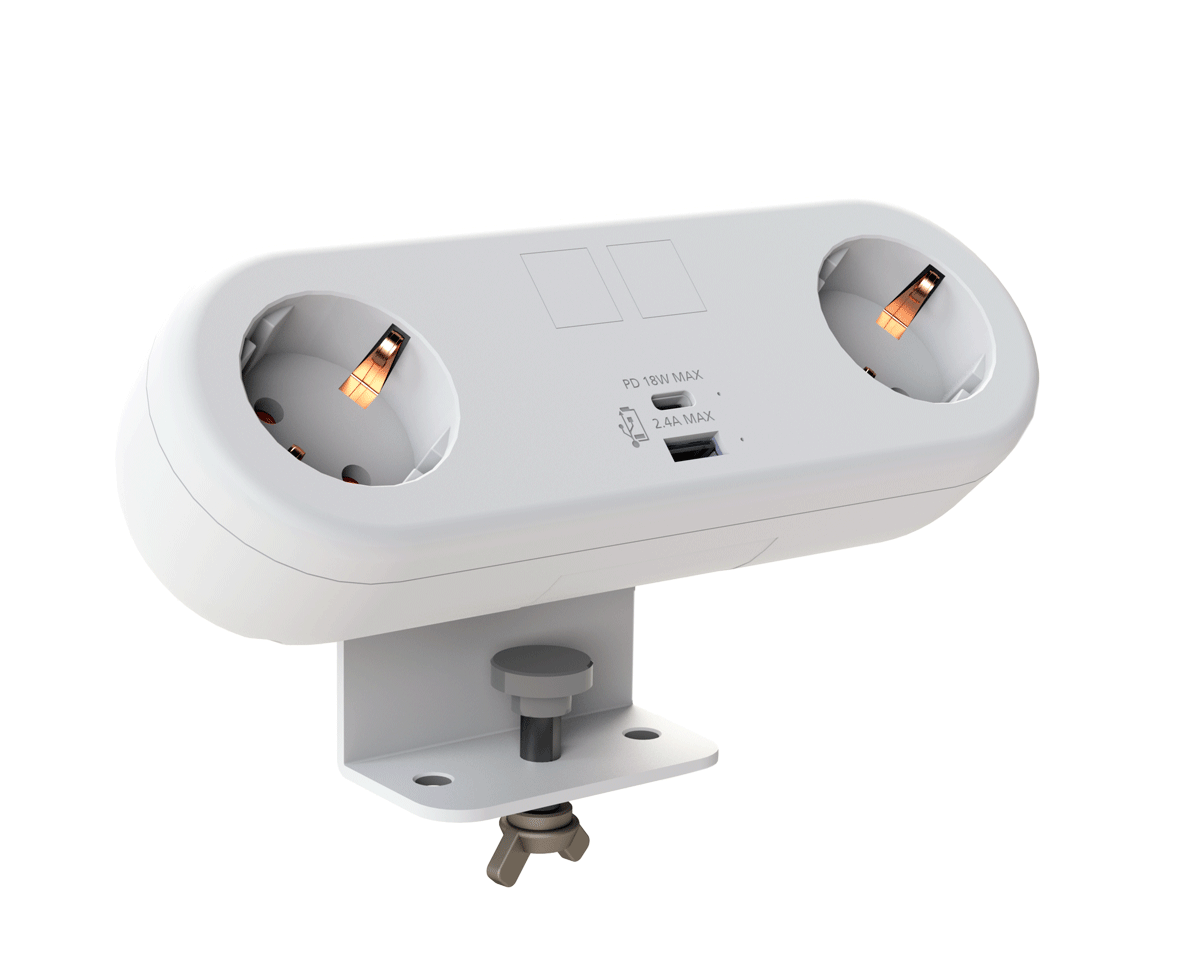
CMD Ltd, the specialist in power and connectivity solutions for commercial environments, has launched a Schuko version of its popular fixed format Capsule workstation power module for export to mainland Europe and beyond. A popular on desk power module comprising two sockets and dual USB (type A and C) chargers, CMD’s Capsule unit is already widely specified in the UK as an off-the-shelf workstation power...

Read more
CMD White Schuko Capsule Desk Power Module
CMD LTD EXTENDS MONITOR ARM RANGE WITH THE LAUNCH OF REACH PLUS

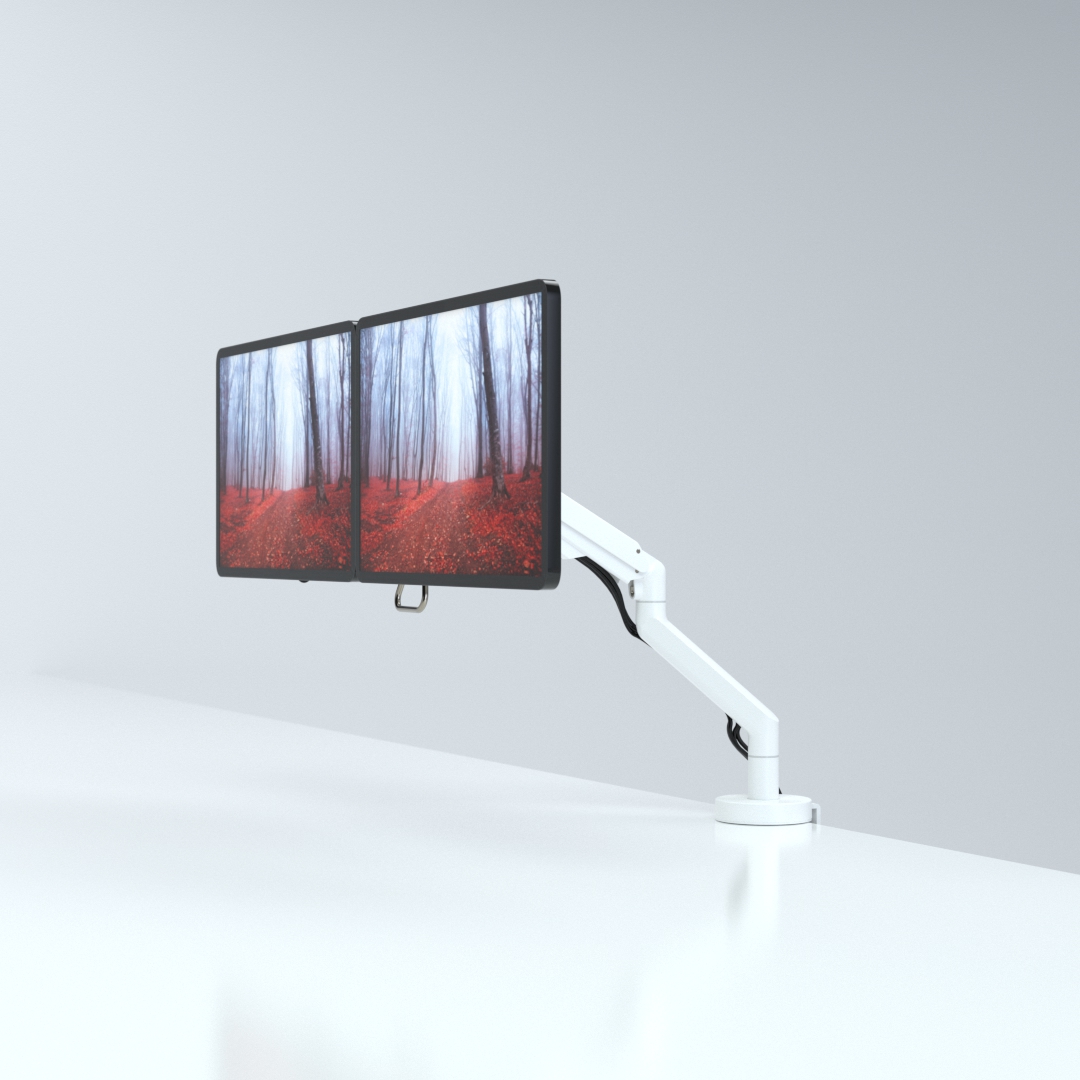
CMD Ltd, the specialist in ergonomic and connectivity solutions for commercial interiors, has completed its Reach monitor arm range with the launch of the Reach Plus. Available in single or dual screen options, the Reach Plus has been designed to provide an ideal solution for both single and dual screen workstation configurations, or can be used with next generation of large format curved screens. Suitable...

Read more
CMD Ltd DEMONSTRATES THE ART OF POWER DISTRIBUTION AT THE UNIVERSITY OF WARWICK

CMD Ltd, the specialist in workplace connectivity and ergonomic solutions, has provided Betatrak busbar power distribution and a range of electrical accessories for two major capital investment projects at the University of Warwick. Designed by Fielden Clegg Bradley Studios, the £33 million Faculty of Arts building is a showpiece development comprising four interconnected structures set around a central atrium, which will enable inter-disciplinary collaboration across...

Read more

University of Warwick
CMD BRINGS HARMONY TO COVENTRY UNIVERSITY RESEARCH FACILITIES

CMD Ltd, the specialist in power distribution solutions and workstation power and ergonomics, has provided under desk and on desk power modules for the refurbishment of three Coventry University research buildings. Located on Coventry University Technology Park, a business park designed to encourage collaboration between the university and knowledge-based businesses, the three buildings are being repurposed as office accommodation for university research teams. The refurbishment...

Read more

Coventry University

What Is the Best Retail POS System in China?

Choosing the best Retail Pos System in China requires more than comparing monthly prices or attractive dashboards. Retailers must examine real store conditions, customer habits, and local payment expectations. A busy Shanghai shop may need fast QR-code payments, precise inventory updates, and reliable receipt management. A rural retailer may value offline functions and responsive technical support more.

Retail consultant Bob Phibbs states, “The goal of a retailer is to create a customer for life.” That principle matters when evaluating Chinese POS platforms. The strongest system should support Alipay, WeChat Pay, membership programs, promotions, and omnichannel orders without confusing staff. It should also provide clear sales reports, role-based permissions, and dependable data protection. These details influence daily decisions, from replenishing a popular beverage to identifying a weak product category.

No system is perfect. A platform with advanced analytics may feel excessive for a small shop. A low-cost option may create hidden expenses through limited integrations or poor service. That assumption can fail. Retailers should request product demonstrations, test payment workflows, and speak with current users before signing a contract. They should also confirm language support, local invoicing needs, hardware compatibility, and migration assistance.

This guide compares leading options through practical retail criteria, not marketing claims alone. It considers usability, scalability, integration quality, security, reporting depth, and total ownership cost. The final choice depends on business size and operating model. Careful testing remains essential.

What Is the Best Retail POS System in China?

China’s Retail Baseline: ¥47.15 Trillion in Retail Sales in 2023 (NBS)

What Is the Best Retail POS System in China?

China’s retail baseline is enormous. The National Bureau of Statistics reported ¥47.15 trillion in retail sales of consumer goods in 2023. Physical online retail reached ¥13.02 trillion, or 27.6% of total sales. These figures show why a POS system must connect stores, warehouses, online orders, and customer service.

The China Internet Network Information Center reported 915 million online shoppers by December 2023. A suitable POS should therefore support QR payments, fast refunds, real-time stock updates, and consistent customer records. Multi-store retailers also need permission controls and clear sales reports. The best system is not always the most expensive one. It is the one that reduces checkout errors and gives managers useful data quickly. I would test every workflow before purchase. A polished demonstration can hide weak inventory synchronization.

Tips: Ask for a live test using five products, two stores, one return, and an online order. Check whether stock changes immediately. Review export functions, staff permissions, system uptime, and after-sales support. Keep the trial practical. Real counters are rarely tidy. Reports from NBS and CNNIC provide the market scale, but your own transaction data should guide the final decision.

Core POS Evaluation Criteria: Omnichannel, Tax, Inventory, and Payment Support

What Is the Best Retail POS System in China?

The strongest POS system supports China’s blended retail reality. The National Bureau of Statistics reported 13.08 trillion yuan in online physical-goods retail sales in 2024, rising 6.5%. A store POS should connect counters, mini-program orders, marketplaces, and delivery workflows. Inventory must update quickly across every channel. One delayed stock adjustment can create an embarrassing oversell.

Tax capability needs equal attention. The system should generate compliant electronic invoices, preserve transaction records, and separate taxable items clearly. It should also support local tax configurations without relying on manual spreadsheets.

Payment acceptance must cover QR payments, bank cards, mobile wallets, refunds, and split transactions. Worldpay’s 2024 Global Payments Report estimated digital wallets held about 82% of China’s e-commerce payment value in 2023. Payment flexibility is not optional.

In practice, I test the system during a busy promotion, not in a quiet demo room. Can staff scan ten items, issue an invoice, and process a partial refund? Can managers see store-level stock within minutes? These details reveal operational maturity. A polished interface can still hide weak reconciliation.

I would not choose the system with the longest feature list. I would choose the one with reliable integrations, clear audit trails, responsive local support, and measurable recovery procedures. Some retailers may still need a hybrid setup. That is less elegant, but often more realistic.

Leading China POS Models: Local Platforms Versus Global Enterprise Systems

What Is the Best Retail POS System in China?

China’s strongest POS choice depends on store complexity, not popularity. Local platforms often fit domestic retail operations more naturally. They usually support local payment methods, electronic invoices, Mandarin workflows, and regional tax settings. Staff can learn them quickly. Support teams may also respond faster during a busy sales period.

Global enterprise systems offer different strengths. They provide mature access controls, standardized reporting, and deeper connections with finance, inventory, and supply-chain tools. These features help companies manage stores across several countries. However, localization can require extra configuration. A small change to receipt rules may need a long internal approval process.

Look closely.

During a store evaluation, test the system at the checkout counter, not only in a presentation. Scan a damaged barcode, process a return, and continue selling during a network interruption. Check whether managers can review hourly sales without exporting spreadsheets. A local system may win on speed and flexibility. An enterprise system may win on governance and long-term integration.

The difficult part is measuring hidden costs. Training time, technical support, data migration, and custom development can outweigh the subscription fee. I would also question any claim of “full compliance” without written documentation and regular updates. My own evaluation can be imperfect when it focuses too heavily on daily operations. Finance, security, and regional managers may notice risks that store teams miss. A controlled pilot across one urban store and one lower-connectivity location can expose those gaps.

Payment and Compliance Requirements Under China’s Digital Economy

What Is the Best Retail POS System in China?

Payment and Compliance Requirements Under China’s Digital Economy

The best retail POS system in China is not simply the fastest checkout tool. It must handle domestic QR payments, bank cards, electronic receipts, refunds, and unstable network conditions. CNNIC’s 53rd Statistical Report recorded 1.009 billion online payment users in China by December 2023. Digital payment is therefore the daily expectation, not an optional feature.

Worldpay’s 2024 Global Payments Report estimated that digital wallets represented about 83% of China’s e-commerce payment value in 2023.

A suitable POS should reconcile each payment automatically and preserve clear transaction records. Small details matter. A cashier may need to scan a phone, issue a compliant receipt, and process a partial refund within seconds. Offline transaction controls also deserve testing, because convenience can create reconciliation risks.

Compliance needs equal attention. The system should support real-name merchant onboarding, permission-based access, audit trails, and secure retention of transaction data. Under China’s Personal Information Protection Law, retailers should collect only necessary customer information and assess cross-border data transfer requirements. The Payment System Operation Report issued by the People’s Bank of China can guide payment-risk controls and operational monitoring.

Tax invoice integration is important too.

Yet, no checklist catches every exception. Retailers should test provincial requirements, refund scenarios, and peak-hour failures before deployment. A system may look efficient in a showroom and still fail beside a crowded checkout counter.

Best-Fit POS Selection by Store Scale, Sector, and Omnichannel Complexity

What Is the Best Retail POS System in China?

The best-fit POS depends on store scale, sector, and omnichannel complexity. China’s retail market is too diverse for one universal answer. The National Bureau of Statistics reported 47.15 trillion yuan in total retail sales in 2023. Physical retailers also competed with 13.02 trillion yuan in online sales of goods. This gap makes channel integration a practical requirement, not a fashionable feature.

Small shops should prioritize fast checkout, simple inventory counts, mobile payments, and easy staff training. A system with fewer settings may reduce daily mistakes. Grocery and fresh-food stores need weighing, expiry tracking, batch controls, and flexible promotions. Apparel retailers require size-color matrices, store transfers, and clear return workflows. Food-service operators should test table management, kitchen tickets, and peak-hour recovery. Different sectors fail in different places.

Larger chains need centralized pricing, role permissions, unified customer records, and reliable APIs. The China Internet Network Information Center recorded 915 million online shopping users by December 2023. That figure shows why online and offline orders cannot remain separate. Yet integration is not automatically intelligent. A complex dashboard may slow a busy cashier. A cheaper system may appear efficient until seasonal traffic exposes weak synchronization. No vendor scorecard predicts every store-level failure. Retailers should run live trials during lunch peaks, weekend queues, stock transfers, and refund requests. The best choice is often less impressive, but more dependable.

Best-Fit Retail POS Selection by Store Profile

The fit score uses practical retail requirements: transaction speed, offline selling, inventory control, multi-location management, payment flexibility, and online–offline integration. Small single stores generally prioritize simplicity and affordability, while larger and more omnichannel operations require stronger integration, centralized control, and scalable inventory visibility.