

News

Miro: A New Standard in Responsible Innovation

Miro: A New Standard in Responsible Innovation The Miro monitor arm is setting new benchmarks in sustainability. It offers a high-performance solution without compromising on environmental responsibility. Designed with careful material selection, local sourcing, and longevity in mind, Miro’s responsible approach to design and unique manoeuvrability set it apart from the competition. Sustainable Choices Miro is crafted from energy-efficient materials with a lower carbon impact....

Read more
HSE Advisor

Role Purpose Support in the development, implementation and maintenance of the company’s Health, Safety & Environmental policies, processes, operational procedures, and standards.  Ensuring best practice and championing a continually improving HSE culture within the business. Key Responsibilities Liaise with and provide support to all areas of the business to eliminate, mitigate or reduce identified HSE exposures. Partner with the production management team and team leaders,...

Read more
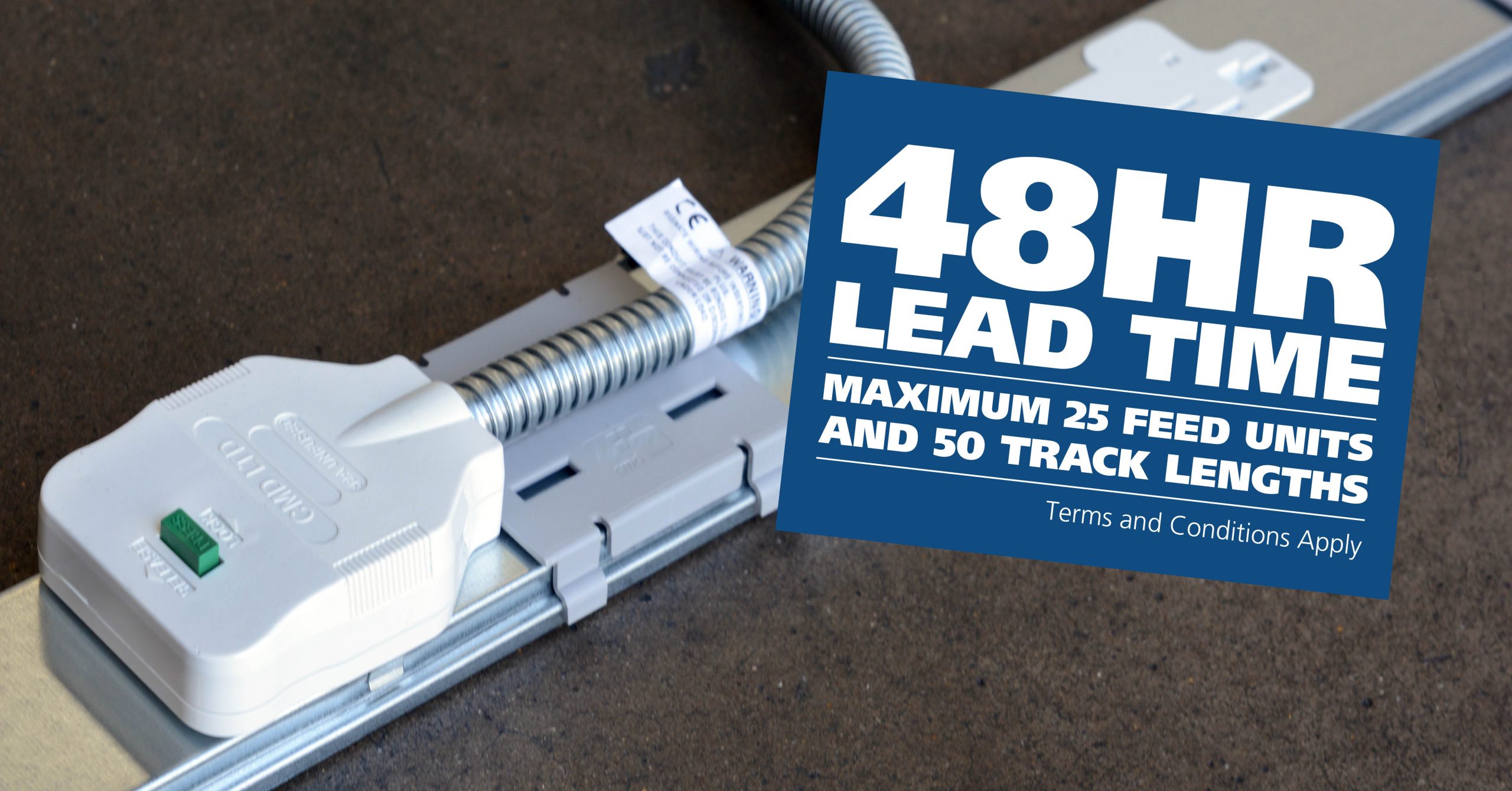
CMD Ltd LAUNCHES 48-HOUR TURNAROUND ON BETATRAK® RAPID ORDERING SERVICE

CMD Ltd, the specialist in power distribution systems, workstation power and monitor arms, has launched a rapid ordering service for its Betatrak® underfloor powertrack distribution systems and accessories, with a commitment to delivering within 48-hours of an approved purchase order*. The service enables customers to order up to 50 lengths of Standard or Clean Earth (C/E) low noise Betatrak, along with up to 25 feed...

Read more
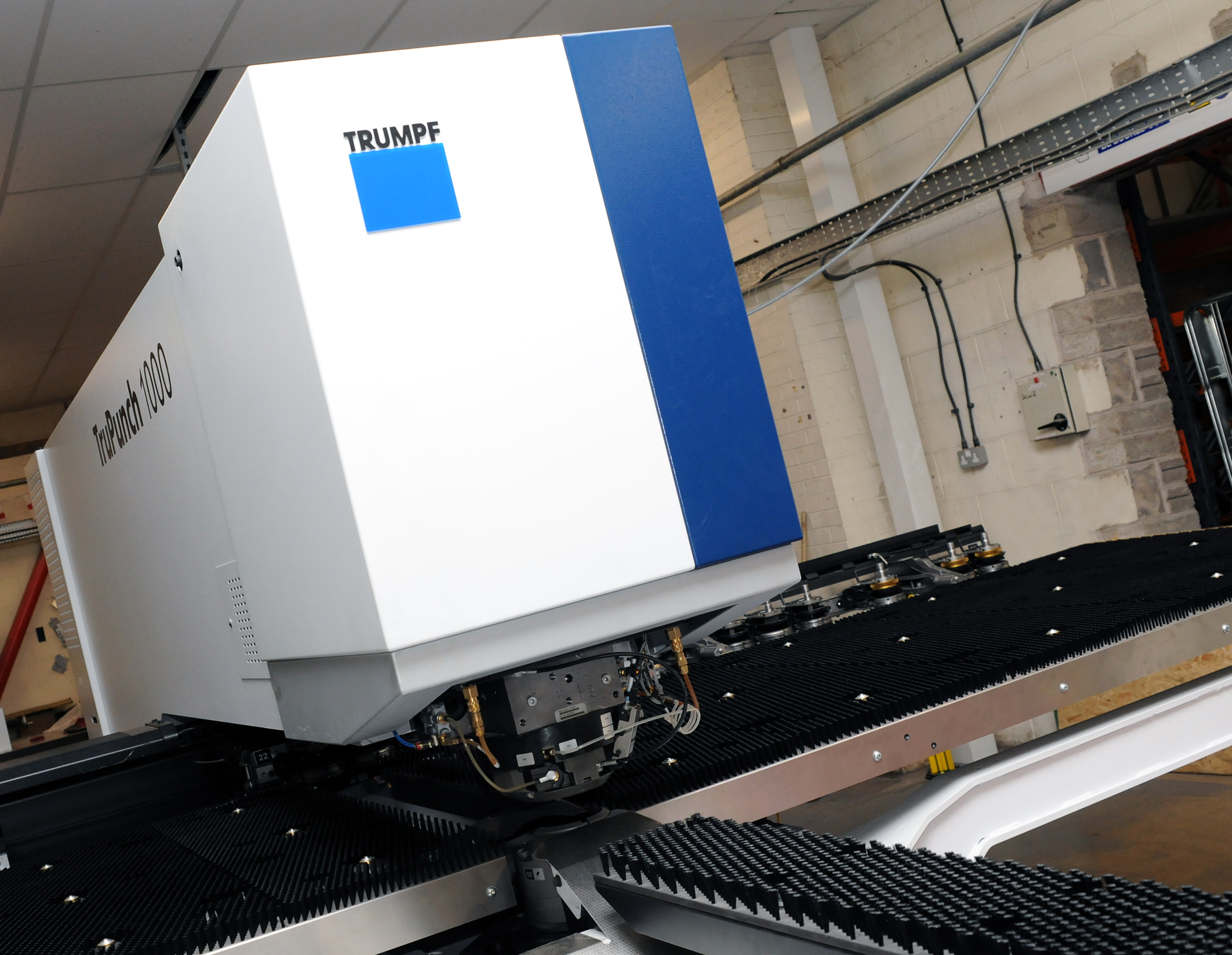
CMD INVESTS £1/4 MILLION IN NEW MACHINE AS PART OF FACTORY UPGRADE

We have invested in a new £1/4m TRUMPF CNC metal punch as part of an asset renewal strategy for our UK manufacturing capability. The new machine will be used in the production of a wide variety of our power distribution systems and workstation power products at our Rotherham factory. Suitable for handling sheet metal between 0.9mm and 3.0mm thick, the new machine will replace one...

Read more
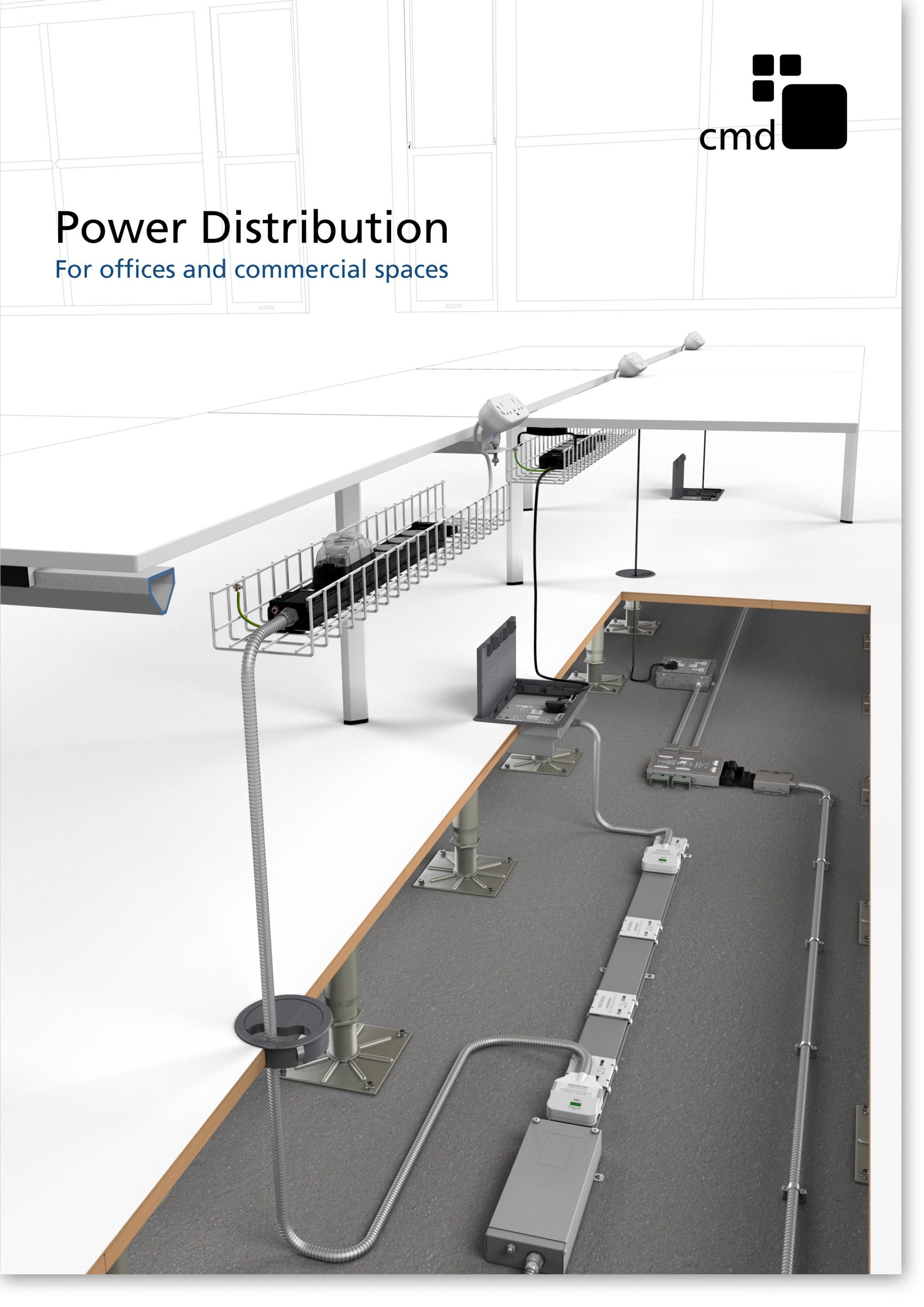
CMD CATALOGUE PROVIDES TECHNICAL POWER DISTRIBUTION GUIDE

CMD Ltd has released a new catalogue, providing an easy to follow technical guide to our power distribution systems and plug and play desk modules. Detailing CMD’s full range of UK-manufactured power distribution systems and plug and play desk modules, the catalogue will be a helpful source of information to M&E engineers and contractors alike to understand how our power distribution systems connect together and...

Read more
Power Distribution Catalogue
CMD Ltd PLAYS ESSENTIAL ROLE IN ELECTRICAL FIT OUT AT LONDON’S PRESTIGIOUS OFFICE DEVELOPMENT

CMD Ltd, specialist in workplace connectivity and ergonomic solutions, has provided a flexible and high-quality power distribution network for The Ray, a prestigious office development in London’s Farringdon. Well-known for being the former site of The Guardian newspaper, The Ray now stands as an 83,000ft² office development characterised by a modernised warehouse aesthetic, with level two now occupied by a global social media company. The...

Read more

The Ray
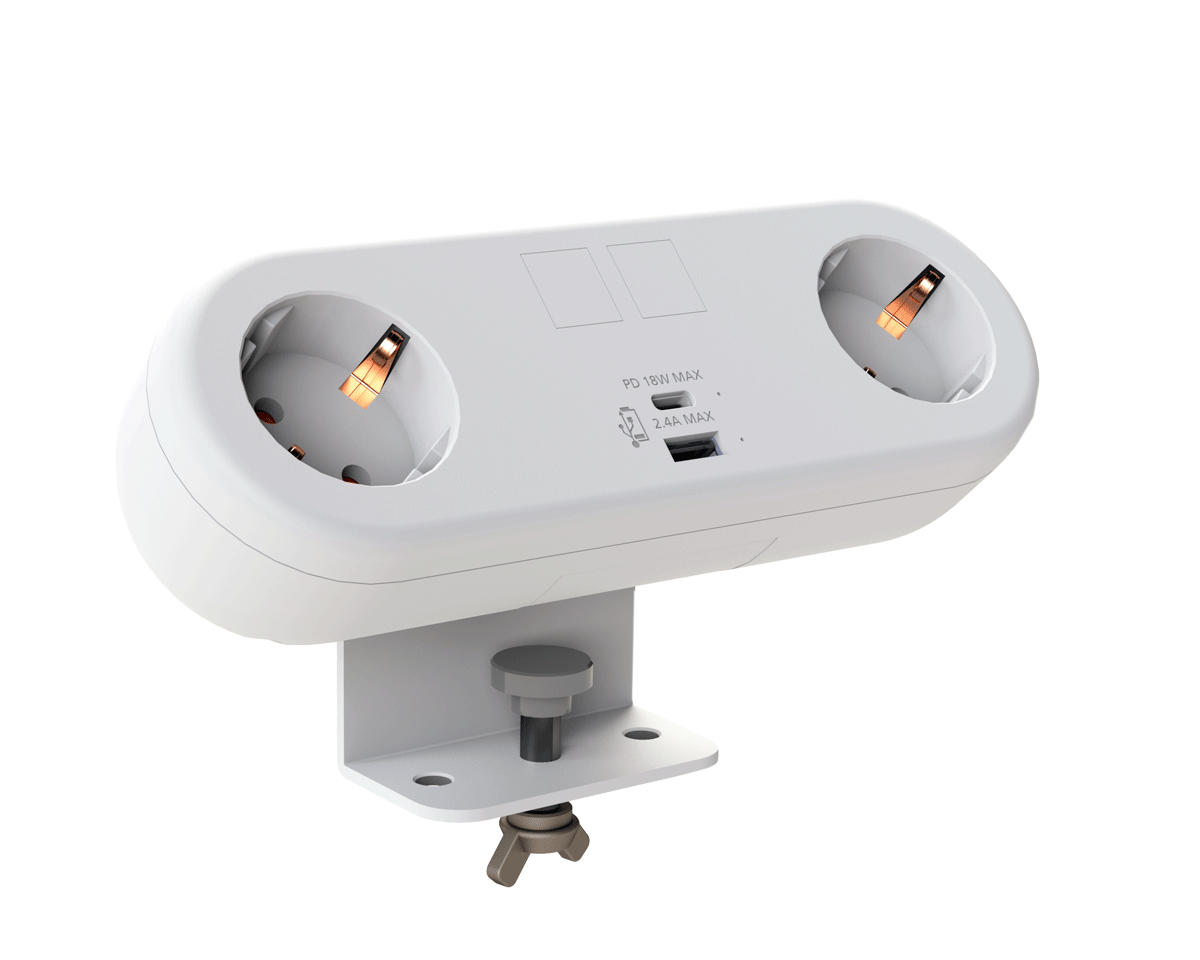
CMD plugs in to european opportunity with Schuko Capsule unit launch

CMD Ltd, the specialist in power and connectivity solutions for commercial environments, has launched a Schuko version of its popular fixed format Capsule workstation power module for export to mainland Europe and beyond. A popular on desk power module comprising two sockets and dual USB (type A and C) chargers, CMD’s Capsule unit is already widely specified in the UK as an off-the-shelf workstation power...

Read more
CMD White Schuko Capsule Desk Power Module
CMD LTD EXTENDS MONITOR ARM RANGE WITH THE LAUNCH OF REACH PLUS

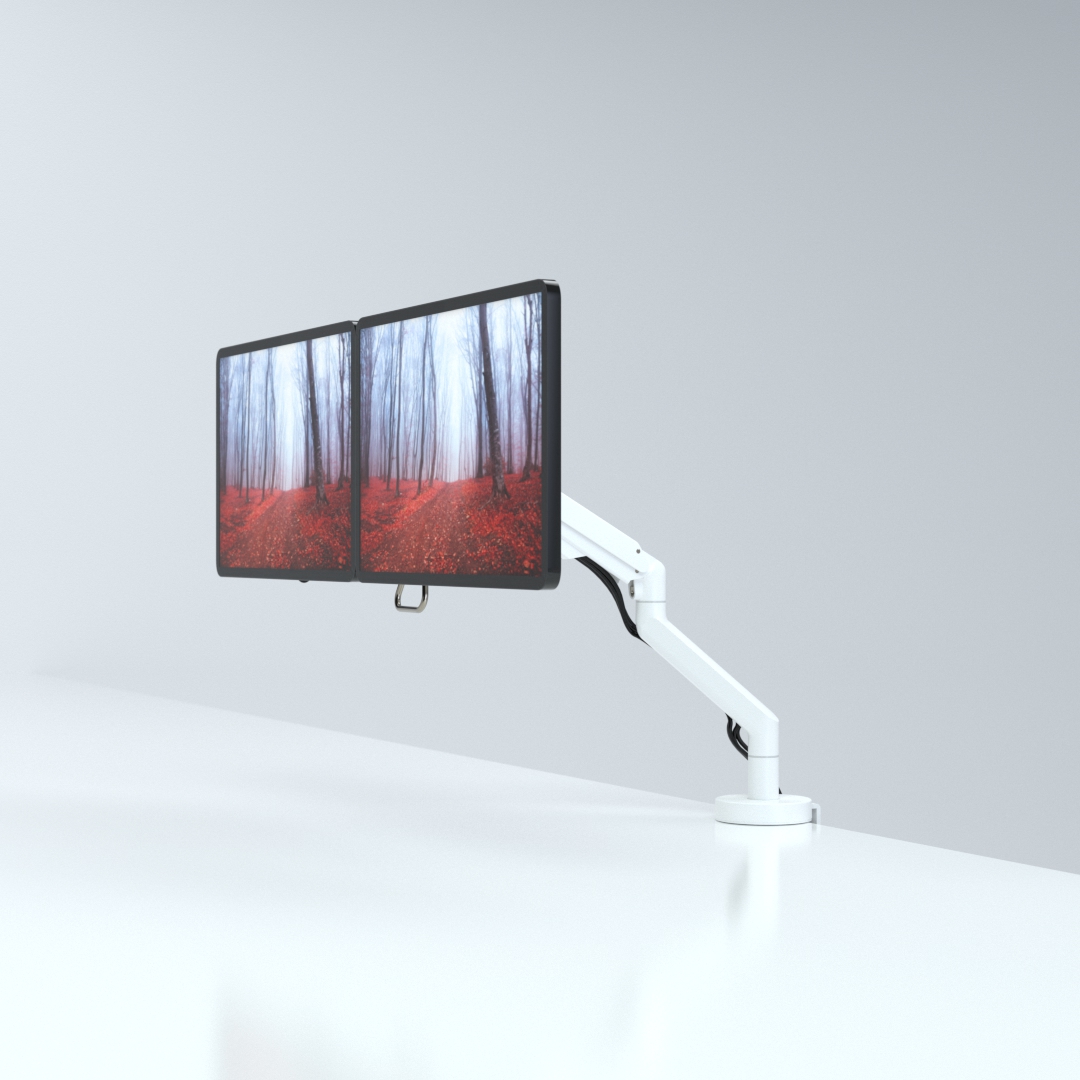
CMD Ltd, the specialist in ergonomic and connectivity solutions for commercial interiors, has completed its Reach monitor arm range with the launch of the Reach Plus. Available in single or dual screen options, the Reach Plus has been designed to provide an ideal solution for both single and dual screen workstation configurations, or can be used with next generation of large format curved screens. Suitable...

Read more
CMD Ltd DEMONSTRATES THE ART OF POWER DISTRIBUTION AT THE UNIVERSITY OF WARWICK

CMD Ltd, the specialist in workplace connectivity and ergonomic solutions, has provided Betatrak busbar power distribution and a range of electrical accessories for two major capital investment projects at the University of Warwick. Designed by Fielden Clegg Bradley Studios, the £33 million Faculty of Arts building is a showpiece development comprising four interconnected structures set around a central atrium, which will enable inter-disciplinary collaboration across...

Read more

University of Warwick
CMD BRINGS HARMONY TO COVENTRY UNIVERSITY RESEARCH FACILITIES

CMD Ltd, the specialist in power distribution solutions and workstation power and ergonomics, has provided under desk and on desk power modules for the refurbishment of three Coventry University research buildings. Located on Coventry University Technology Park, a business park designed to encourage collaboration between the university and knowledge-based businesses, the three buildings are being repurposed as office accommodation for university research teams. The refurbishment...

Read more


Coventry University

Best Optical Delay Module for Precision Timing Solutions?

In the rapidly evolving field of photonics, the Optical Delay Module stands out as a crucial component for precision timing solutions. Dr. Emily Chen, a renowned expert in optical technologies, emphasizes, "The Optical Delay Module is vital for achieving microsecond-level timing accuracy." This statement underscores the importance of such technology in advanced applications.

Optical Delay Modules allow for precise control of light signals. They are essential in telecommunications, research labs, and quantum computing. These modules can help manage signal integrity and timing requirements, leading to enhanced system performance. However, selecting the right module can be challenging. Not every solution meets the unique needs of every application.

Understanding the intricacies of Optical Delay Modules is critical. Expert insights can provide guidance on choosing the right specifications. Dr. Chen mentions, "A thorough understanding of your system's requirements will lead to the best choice." Although these modules are powerful tools, they must be matched carefully with the intended use to maximize their potential.

Best Optical Delay Module for Precision Timing Solutions?

Best Optical Delay Module for Precision Timing Solutions: An Overview

Optical delay modules play a crucial role in precision timing solutions. These devices manipulate light signals, allowing for accurate synchronization in various applications. They find uses in research labs, telecommunications, and even advanced manufacturing processes. By introducing controlled delays to light pulses, they enhance the performance of systems that rely on precise timing.

Choosing the right optical delay module is vital. Factors to consider include the module’s timing resolution and its ability to maintain signal integrity. Some modules can achieve picosecond-level precision, making them ideal for high-speed applications. However, achieving such precision is often challenging and may require regular calibration. Users may need to experiment with different configurations to optimize performance.

Despite their advantages, optical delay modules are not without limitations. Environmental factors, such as temperature and vibration, can impact their accuracy. Additionally, the complexity of the setup can lead to user error. It's essential to invest time in understanding these devices fully. Successful implementation often requires a blend of theoretical knowledge and practical experience in the field.

Best Optical Delay Module for Precision Timing Solutions

This chart presents key performance metrics for optical delay modules used in precision timing solutions. The metrics include delay time, jitter, temperature stability, wavelength range, and insertion loss, showcasing the effectiveness of different modules in real-world applications.

Key Features to Consider in Optical Delay Modules for High Precision

Choosing an optimal optical delay module is crucial for precision timing applications. When considering a module, several key features stand out. One essential characteristic is the operational bandwidth. A wider range allows for better performance in varying conditions. This feature ensures that your timing solutions remain accurate across different wavelengths.

Another important aspect is the stability of the delay time. Modules should exhibit minimal drift over time. Drift can lead to errors in timing applications. Look for specifications that detail temperature stability and external factors influencing performance. Consistency is vital in high-precision settings.

Lastly, the construction and materials of the optical delay module matter. High-quality materials enhance durability and reliability. However, certain designs may introduce complexity. A balance between performance and user-friendliness is essential. Evaluate how the module integrates with your existing systems. Each choice can dramatically impact the effectiveness of your precision timing solutions.

Industry Applications Utilizing Optical Delay Modules for Timing Solutions

Optical delay modules play a critical role in various industry applications that require precise timing solutions. These devices manipulate light signals to create programmable delays, ensuring synchronization in systems where timing is crucial. Industries such as telecommunications and photonics rely on these modules to improve signal integrity and reduce latency. For instance, data centers benefit from enhanced performance by optimizing data transmission rates.

In medical imaging, precise timing is essential for capturing high-quality images. Optical delay modules help synchronize the laser pulses used in imaging systems. This synchronization enhances the accuracy of measurements and improves diagnostics. However, these systems can be complex and require careful calibration.

Precision timing also finds application in research laboratories, where experiments demand exact timing of events. Researchers can use optical delay modules to manipulate light paths effectively. Yet, achieving optimal performance may pose challenges. Calibration errors can lead to inaccurate results, prompting continuous improvements and refinements in methodologies. Emphasizing reliability and efficiency is vital in these contexts.

Recent Advances in Optical Delay Technology and Their Impact on Precision

Recent advances in optical delay technology have made a significant impact on precision timing solutions. These developments have allowed for more accurate measurements in various scientific fields. The ability to manipulate light delay opens new opportunities in telecommunications, lasers, and even quantum computing.

Engineers now create modules capable of sub-picosecond delays. These systems utilize advanced materials and innovative designs to enhance performance. However, challenges remain. The integration of these technologies into existing systems can be complex. There is often a steep learning curve for users unfamiliar with these advances.

Moreover, while these optical modules promise high precision, variability in environmental conditions can impact their reliability. Temperature fluctuations may introduce errors. Thus, ensuring consistent performance requires careful calibration and consideration. As research continues, ongoing reflection on these challenges will be vital to refining these technologies.

Comparative Analysis of Leading Optical Delay Modules in 2023

In 2023, the landscape of optical delay modules is evolving rapidly. Researchers and technicians face a variety of choices. Each model offers unique features designed for precision timing applications. Key specifications matter here—fiber length, pulse width, and wavelength sensitivity are critical. Some models achieve remarkable performance, while others show limitations in specific scenarios.

Testing reveals that not all modules meet expectations. Certain systems struggle with stability under varying environmental conditions. This is a significant concern for precision applications. Technicians often find that the most expensive option is not always the best choice. Rigorous analysis indicates that cost-effective solutions can also perform exceptionally well.

Users often face a decision-making challenge. Carefully comparing features and performance data is essential. Hands-on experience varies widely among professionals. Many report inconsistent results when using the same module in different settings. Therefore, continual testing remains crucial for optimizing precision timing solutions. The advancements in optical technology prompt further investigation, showcasing both progress and areas needing improvement.