

News

Miro: A New Standard in Responsible Innovation

Miro: A New Standard in Responsible Innovation The Miro monitor arm is setting new benchmarks in sustainability. It offers a high-performance solution without compromising on environmental responsibility. Designed with careful material selection, local sourcing, and longevity in mind, Miro’s responsible approach to design and unique manoeuvrability set it apart from the competition. Sustainable Choices Miro is crafted from energy-efficient materials with a lower carbon impact....

Read more
HSE Advisor

Role Purpose Support in the development, implementation and maintenance of the company’s Health, Safety & Environmental policies, processes, operational procedures, and standards.  Ensuring best practice and championing a continually improving HSE culture within the business. Key Responsibilities Liaise with and provide support to all areas of the business to eliminate, mitigate or reduce identified HSE exposures. Partner with the production management team and team leaders,...

Read more
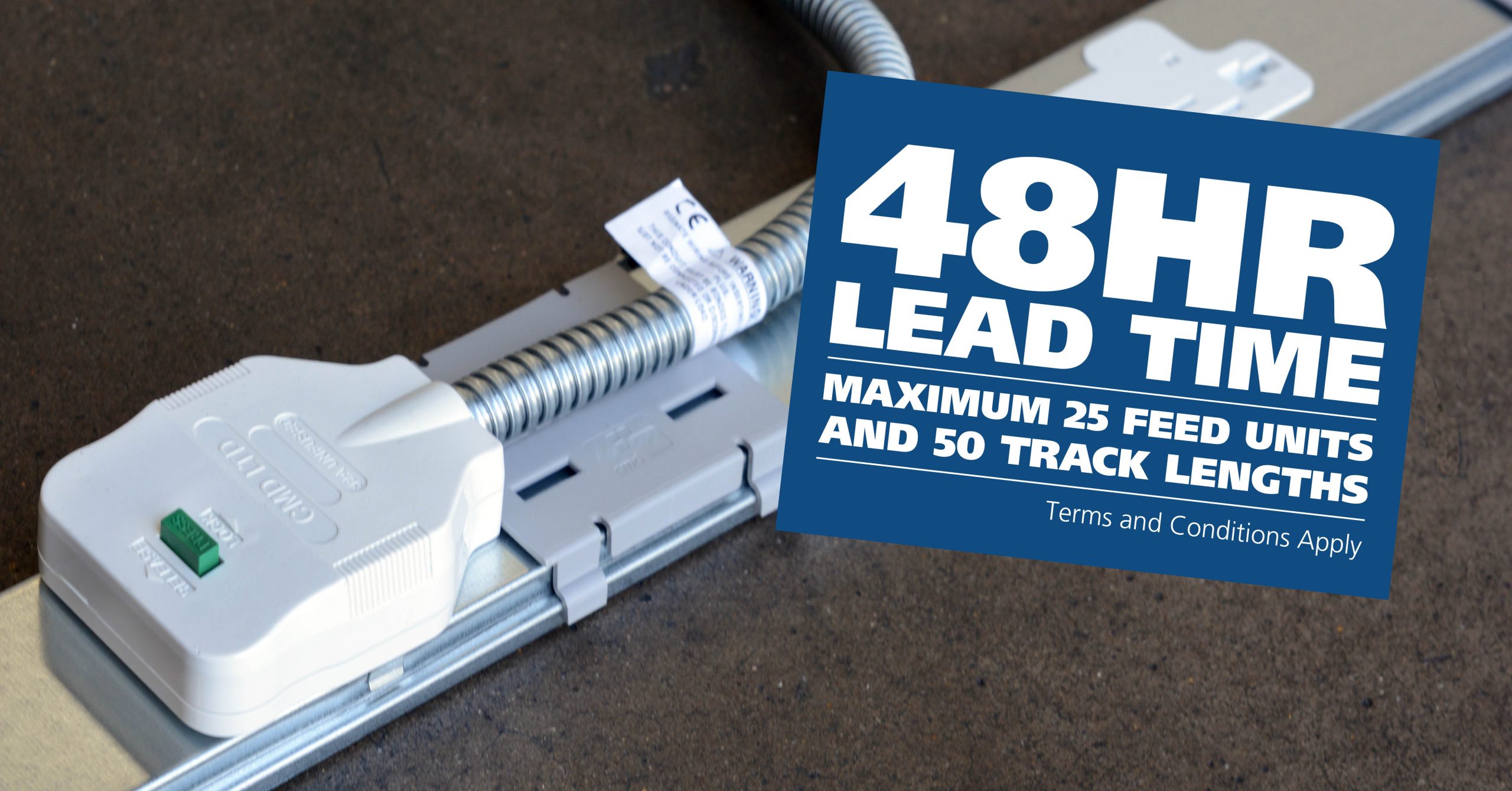
CMD Ltd LAUNCHES 48-HOUR TURNAROUND ON BETATRAK® RAPID ORDERING SERVICE

CMD Ltd, the specialist in power distribution systems, workstation power and monitor arms, has launched a rapid ordering service for its Betatrak® underfloor powertrack distribution systems and accessories, with a commitment to delivering within 48-hours of an approved purchase order*. The service enables customers to order up to 50 lengths of Standard or Clean Earth (C/E) low noise Betatrak, along with up to 25 feed...

Read more
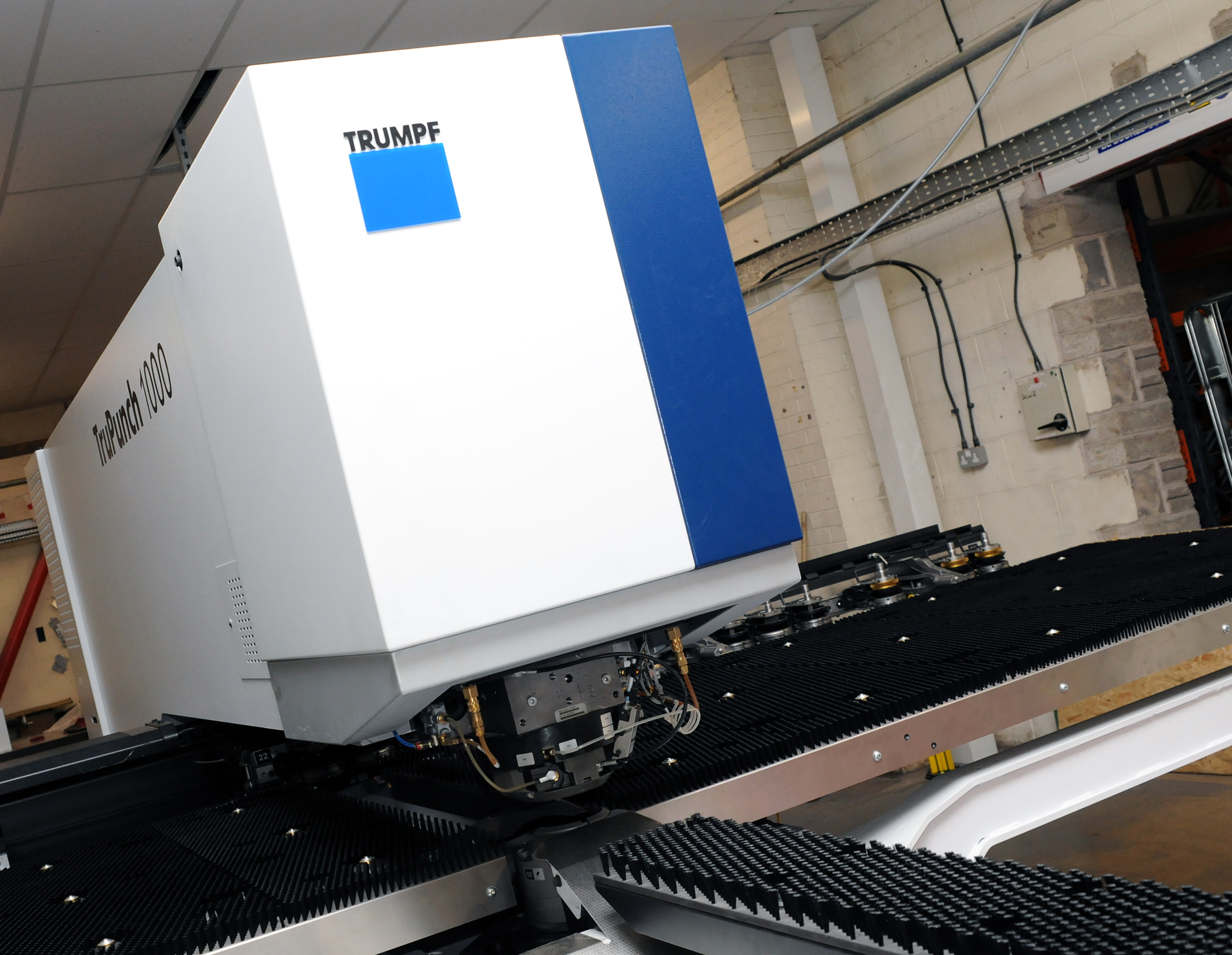
CMD INVESTS £1/4 MILLION IN NEW MACHINE AS PART OF FACTORY UPGRADE

We have invested in a new £1/4m TRUMPF CNC metal punch as part of an asset renewal strategy for our UK manufacturing capability. The new machine will be used in the production of a wide variety of our power distribution systems and workstation power products at our Rotherham factory. Suitable for handling sheet metal between 0.9mm and 3.0mm thick, the new machine will replace one...

Read more
CMD CATALOGUE PROVIDES TECHNICAL POWER DISTRIBUTION GUIDE

CMD Ltd has released a new catalogue, providing an easy to follow technical guide to our power distribution systems and plug and play desk modules. Detailing CMD’s full range of UK-manufactured power distribution systems and plug and play desk modules, the catalogue will be a helpful source of information to M&E engineers and contractors alike to understand how our power distribution systems connect together and...

Read more
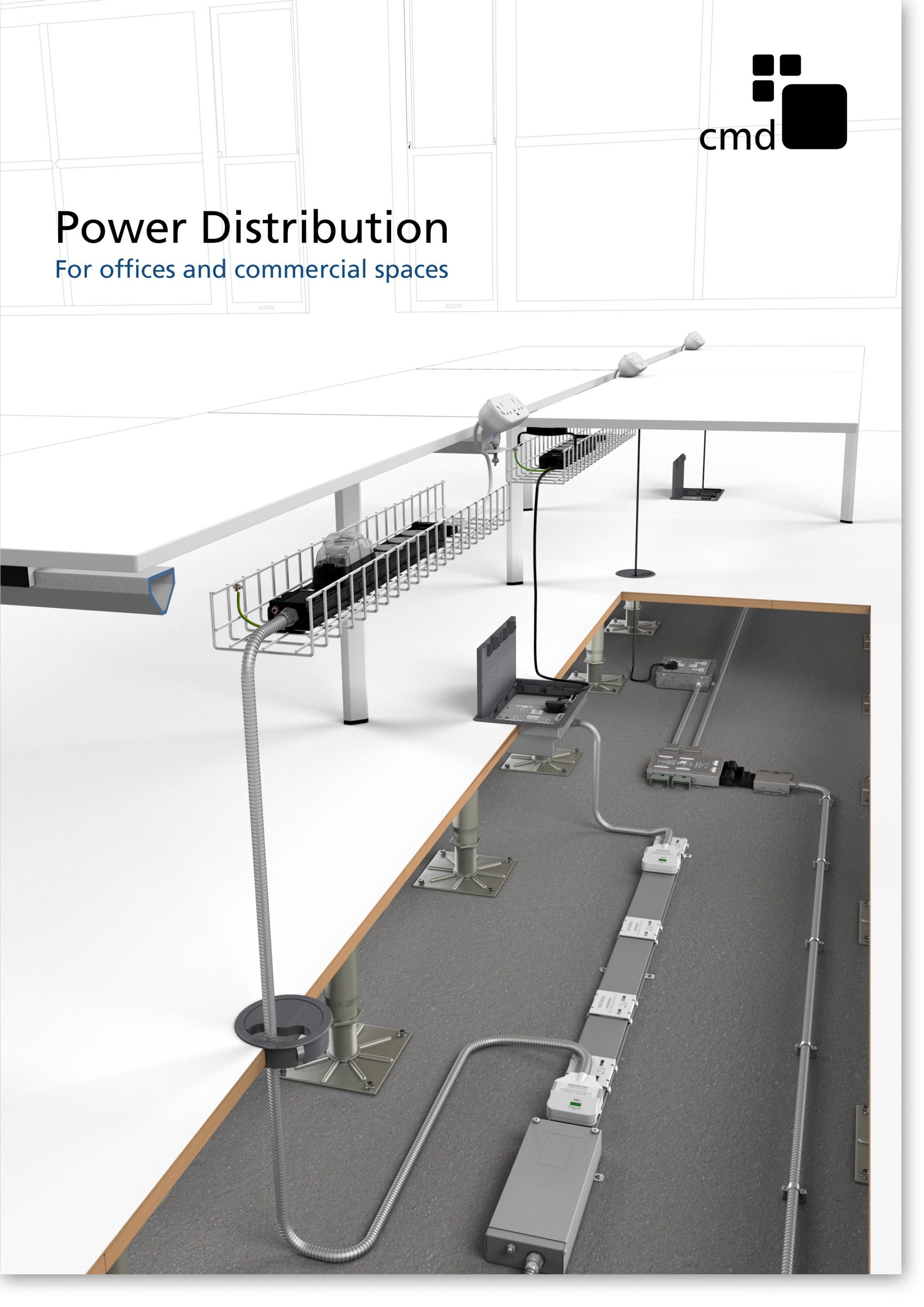
Power Distribution Catalogue
CMD Ltd PLAYS ESSENTIAL ROLE IN ELECTRICAL FIT OUT AT LONDON’S PRESTIGIOUS OFFICE DEVELOPMENT

CMD Ltd, specialist in workplace connectivity and ergonomic solutions, has provided a flexible and high-quality power distribution network for The Ray, a prestigious office development in London’s Farringdon. Well-known for being the former site of The Guardian newspaper, The Ray now stands as an 83,000ft² office development characterised by a modernised warehouse aesthetic, with level two now occupied by a global social media company. The...

Read more

The Ray
CMD plugs in to european opportunity with Schuko Capsule unit launch

CMD Ltd, the specialist in power and connectivity solutions for commercial environments, has launched a Schuko version of its popular fixed format Capsule workstation power module for export to mainland Europe and beyond. A popular on desk power module comprising two sockets and dual USB (type A and C) chargers, CMD’s Capsule unit is already widely specified in the UK as an off-the-shelf workstation power...

Read more
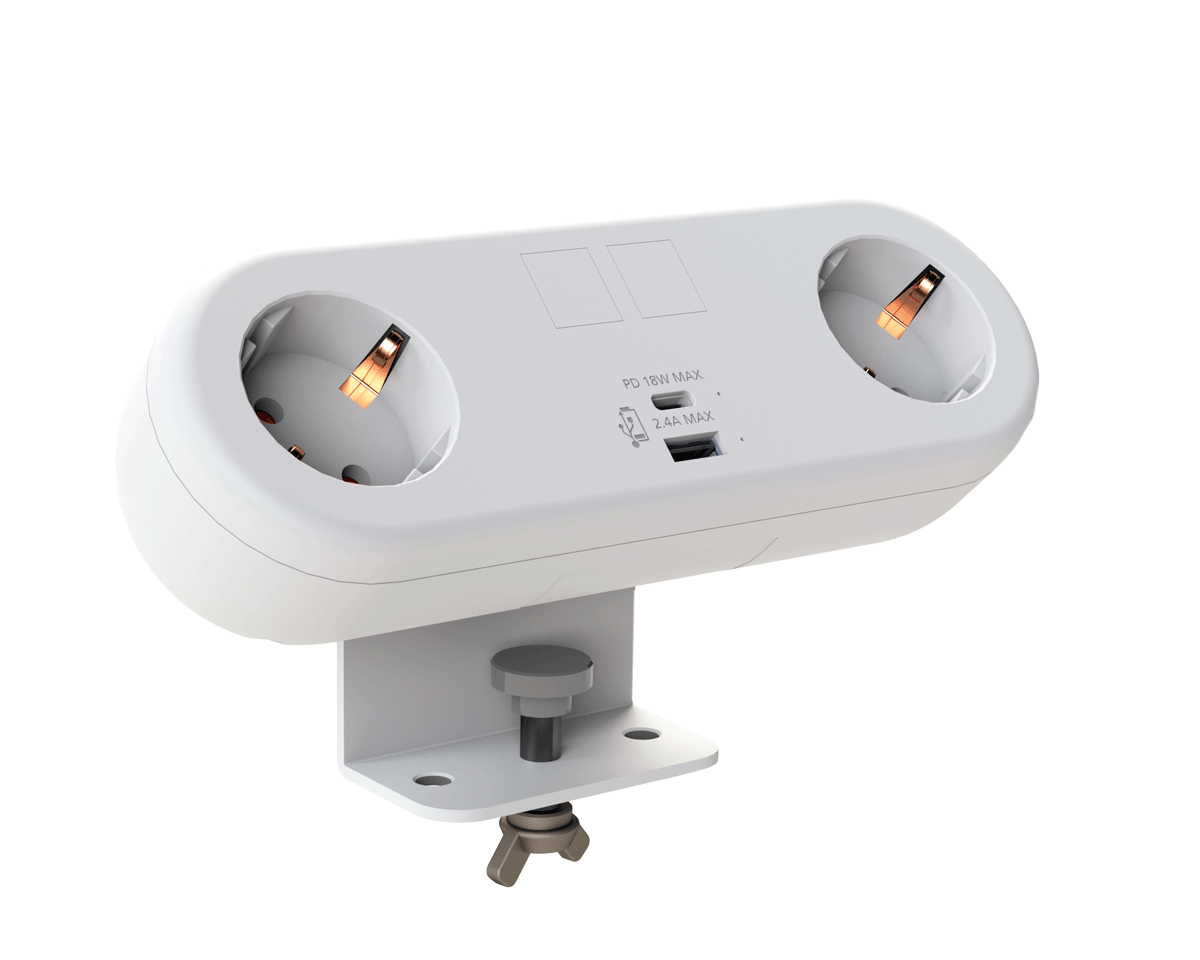
CMD White Schuko Capsule Desk Power Module
CMD LTD EXTENDS MONITOR ARM RANGE WITH THE LAUNCH OF REACH PLUS

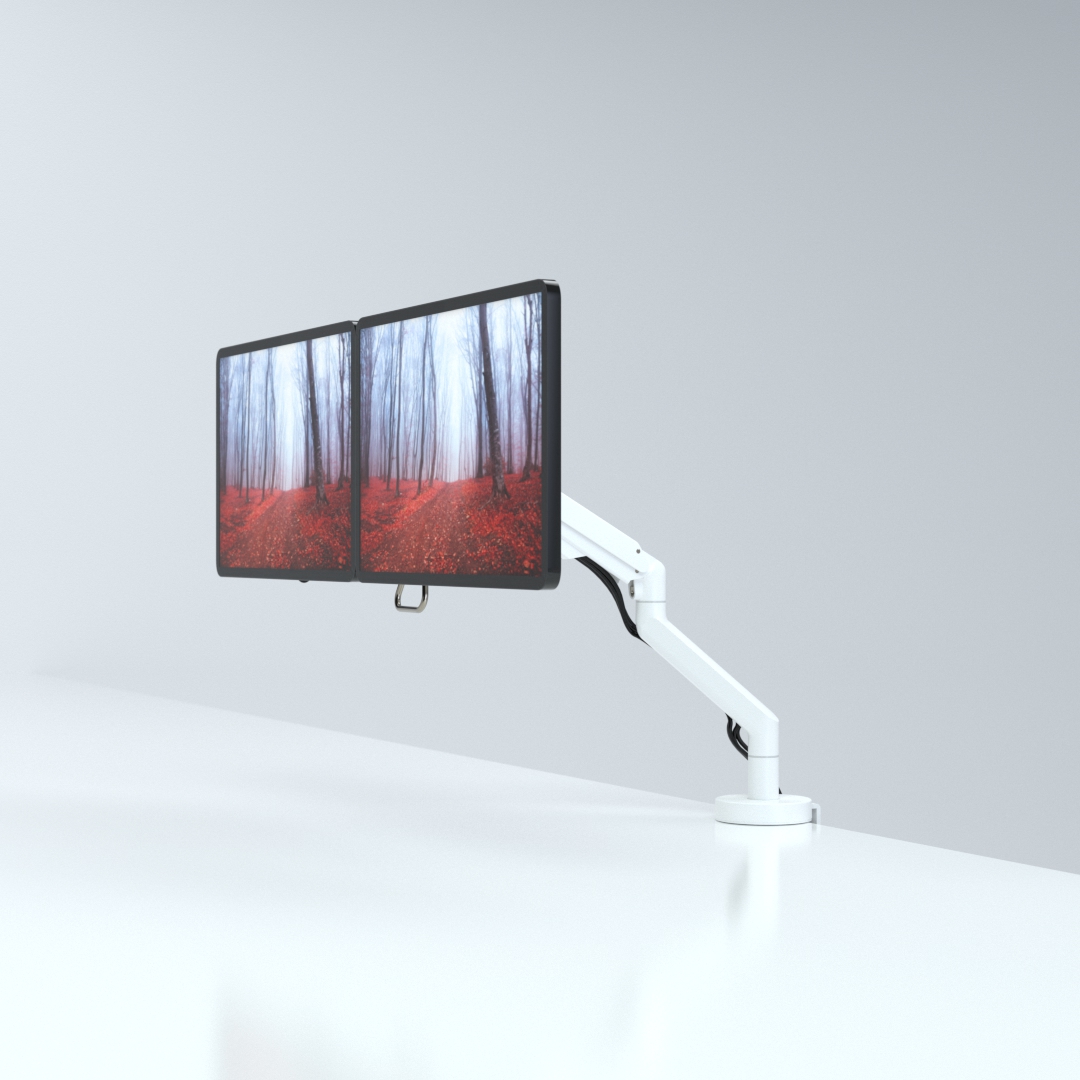
CMD Ltd, the specialist in ergonomic and connectivity solutions for commercial interiors, has completed its Reach monitor arm range with the launch of the Reach Plus. Available in single or dual screen options, the Reach Plus has been designed to provide an ideal solution for both single and dual screen workstation configurations, or can be used with next generation of large format curved screens. Suitable...

Read more
CMD Ltd DEMONSTRATES THE ART OF POWER DISTRIBUTION AT THE UNIVERSITY OF WARWICK

CMD Ltd, the specialist in workplace connectivity and ergonomic solutions, has provided Betatrak busbar power distribution and a range of electrical accessories for two major capital investment projects at the University of Warwick. Designed by Fielden Clegg Bradley Studios, the £33 million Faculty of Arts building is a showpiece development comprising four interconnected structures set around a central atrium, which will enable inter-disciplinary collaboration across...

Read more

University of Warwick
CMD BRINGS HARMONY TO COVENTRY UNIVERSITY RESEARCH FACILITIES

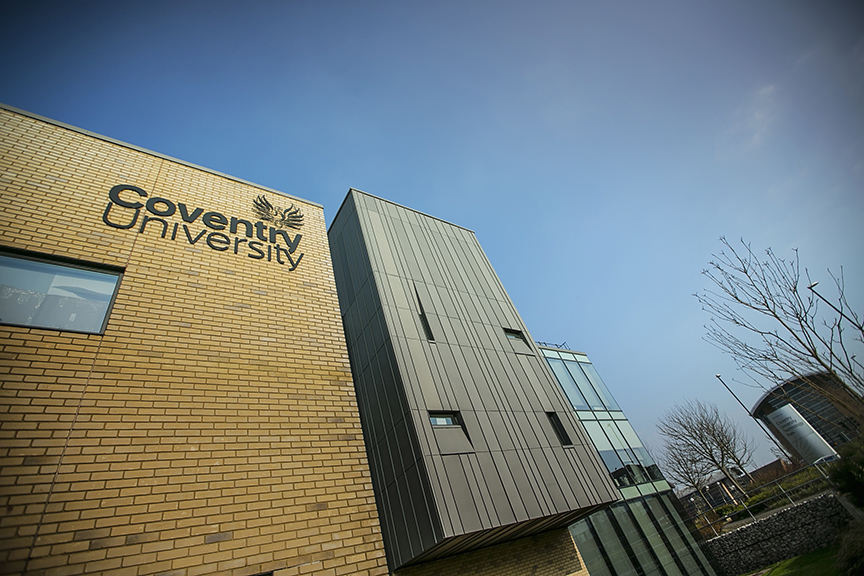
CMD Ltd, the specialist in power distribution solutions and workstation power and ergonomics, has provided under desk and on desk power modules for the refurbishment of three Coventry University research buildings. Located on Coventry University Technology Park, a business park designed to encourage collaboration between the university and knowledge-based businesses, the three buildings are being repurposed as office accommodation for university research teams. The refurbishment...

Read more
Coventry University

What Is the Best Cooled IR Camera Module from China?

Choosing the best Cooled Ir Camera Module from China requires more than comparing detector resolution or cooling temperature. Real performance appears in demanding details: thermal sensitivity, cooling time, image stability, lens compatibility, and long-term reliability. A module may look impressive on a specification sheet yet perform differently in a humid factory, a vibrating vehicle, or a dark outdoor scene.

This guide examines Chinese cooled infrared camera modules through practical and technical criteria. It considers detector type, spectral range, noise-equivalent temperature difference, frame rate, digital interfaces, power consumption, and integration support. Supplier experience also matters. Engineers should review calibration records, sample images, production history, and after-sales response before making a decision. Ask for evidence.

Field evaluation can reveal issues that brochures often miss. For example, a camera may deliver sharp images after cooling, but require several minutes before reaching stable operation. Another model may offer excellent sensitivity while consuming too much power for portable equipment. These trade-offs deserve attention.

No shortlist is perfect. Specifications can be incomplete, and test conditions may vary between manufacturers. That is why independent testing remains valuable. Buyers should compare identical scenes, temperatures, lenses, and operating durations. They should also confirm export documentation, quality procedures, warranty terms, and software compatibility. The strongest choice is not always the cheapest or the highest rated. It is the module that matches the application, integration limits, service expectations, and verified field performance.

What Is the Best Cooled IR Camera Module from China?

Define Cooled IR Modules: MWIR 3–5 μm, LWIR 8–12 μm, and 77 K Cooling

What Is the Best Cooled IR Camera Module from China?

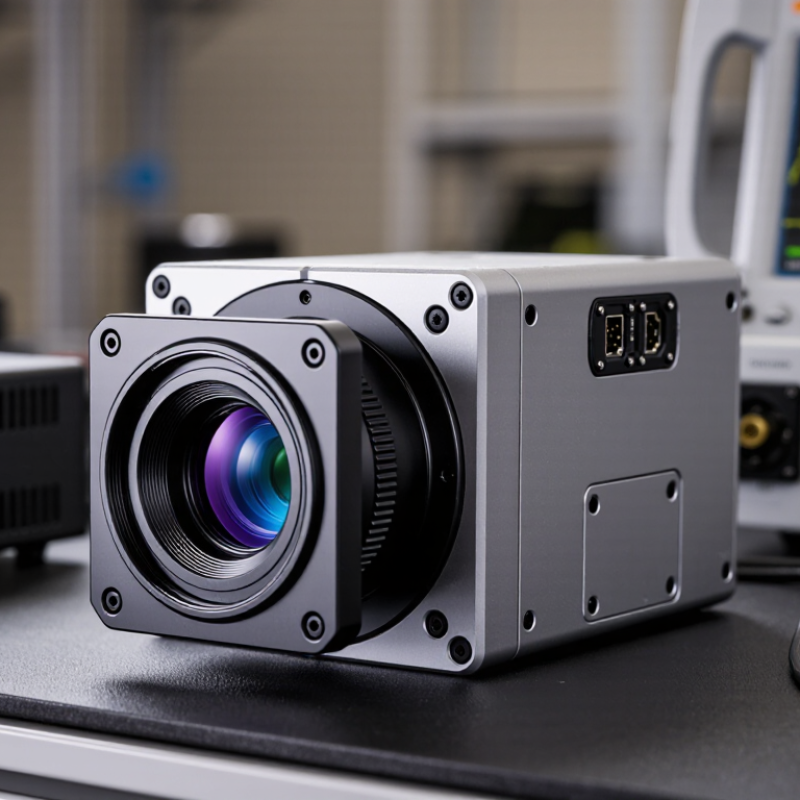
A cooled infrared module uses a detector, cryogenic cooler, vacuum housing, optics, and control electronics. Its performance depends on how these parts work together. MWIR modules typically detect 3–5 μm radiation, where hot objects show strong contrast. LWIR modules cover 8–12 μm and perform well with cooler scenes, gases, and temperature differences. Cooling takes time.

A 77 K cooler reduces detector dark current and thermal noise. This can improve sensitivity, image stability, and long-range measurement. However, 77 K is not automatically the best choice for every application. The required cooling temperature depends on detector material, integration time, frame rate, and operating environment. A reliable module should provide measured NETD, cooling time, bad-pixel data, spectral response, and calibration records.

When comparing Chinese cooled IR modules, inspect engineering evidence rather than impressive wording. Field testing should include startup time, image uniformity, vibration resistance, power consumption, and continuous operation. The control interface also matters during system integration. In practice, a module may show excellent laboratory results but lose consistency inside a compact enclosure. Details matter. A careful buyer should request sample images, test conditions, and repeatability data from several units. Some specifications remain unclear until real testing begins, and that uncertainty deserves attention.

Compare Detector Metrics: NETD Below 25 mK, 640×512 Resolution, and 100 Hz

Choosing the best cooled IR camera module from China requires more than reading a specification sheet. NETD below 25 mK suggests strong thermal sensitivity, especially when viewing small temperature differences. However, the result depends on integration, calibration, lens quality, and operating temperature. A laboratory figure may not match field performance.

A 640×512 detector provides useful detail for inspection, research, and long-distance observation. It can reveal narrow heat patterns without creating an unnecessarily large data load.

The 100 Hz frame rate is equally important. Fast scenes appear smoother, while tracking moving targets becomes more responsive. Still, high speed can increase processing demands and storage requirements.

Look closely at the test conditions. Was NETD measured at a specific temperature, integration time, or f-number? Ask for sample images, uniformity data, bad-pixel correction results, and long-duration stability records. These details show engineering maturity. In practical testing, I would compare the module beside a calibrated reference source and repeat measurements after warm-up. Small differences matter.

The numbers look impressive.

Yet no module is perfect. Lens selection may reduce the real image quality, and thermal drift can affect repeated measurements. A dependable supplier should explain these limitations clearly, provide traceable test methods, and support integration with documented interfaces. Price matters, but predictable performance matters more.

Evaluate Chinese Module Makers by Reliability, Calibration, and Export Compliance

What Is the Best Cooled IR Camera Module from China?

When evaluating Chinese cooled infrared module makers, reliability should come before image samples. Ask for thermal-cycle records, vibration results, and failure-rate data from production batches. A dependable module should start consistently after repeated cold storage and reach stable cooling without unusual noise. Examine the detector housing, connector strain relief, and cable sealing. These small details often reveal manufacturing discipline. Still, a laboratory report is not the same as long-term field experience.

Calibration deserves equal attention. Request data from a traceable blackbody source, including temperature accuracy, non-uniformity correction, and calibration intervals. Check whether the supplier can provide raw images, correction files, and controlled firmware records. A serious technical team should explain drift after transport and temperature changes. I would also compare three sample modules, not one. One perfect sample proves very little. My own assessment can be imperfect when documentation is incomplete, so independent verification remains valuable.

Tips: Confirm the export classification, end-use statement, and destination restrictions before payment. Ask for commercial invoices, packing details, serial-number records, and required certificates. The maker should screen transactions against applicable export-control rules and provide consistent paperwork. Customs delays may expose weak internal controls. Do not judge compliance by a confident sales reply. Request written answers from technical and logistics personnel, then compare them with official regulations and your importer’s requirements. Reliability is useful, but traceable evidence is better.

Assess Interfaces, Power Use, and Integration for Defense, Industry, and Research

What Is the Best Cooled IR Camera Module from China?

A strong cooled infrared module should fit the mission, not just win a specification sheet. The 2024 MarketsandMarkets report forecasts the global thermal imaging market to grow from about USD 4.6 billion in 2023 to USD 7.6 billion by 2028. That growth increases choices, but also complicates integration. For defense observation, industrial inspection, and research, detector sensitivity, cooling time, interface stability, and export documentation deserve equal attention.

Interface decisions affect real performance. Camera Link and CoaXPress can support high-speed, low-latency image transfer, while Gigabit Ethernet simplifies longer cable runs and network testing. Check trigger input, timestamp accuracy, SDK compatibility, and raw-data access before purchase. Small connectors matter. A loose synchronization line can ruin an otherwise excellent measurement. IEC 60529 ingress ratings and MIL-STD-810H environmental test references can help structure verification, although compliance claims must be independently checked.

Power use also requires practical testing. A Stirling-cooled module may need a 12- or 24-volt supply, with startup demand higher than its steady-state rating. Record current during boot, cooling, imaging, and standby. The U.S. Department of Energy reports that cooling systems can represent a substantial share of equipment energy use, so thermal management should not be an afterthought. In a sealed enclosure, heat accumulates quickly. I would not call any module universally best. A laboratory may prefer raw 14-bit data, while an industrial system may value stable Ethernet control. That judgment can change after vibration, humidity, and long-duration testing.

What Is the Best Cooled IR Camera Module from China? – Assess Interfaces, Power Use, and Integration for Defense, Industry, and Research

Module Class Typical Detector Format Spectral Band Typical NETD Cooling Temperature Frame Rate Digital Video Output Control Interfaces Typical Power Approx. Module Size Recommended Use Integration Assessment
Cooled MWIR VGA Performance Module 640 × 512, 15 μm pixel pitch 3.7–4.8 μm ≤20–25 mK at 25 °C Approximately 77 K Up to 100 Hz full frame Camera Link, 10GigE or CoaXPress, depending on configuration RS-232/RS-422, Gigabit Ethernet, discrete I/O Typically 15–30 W including cooler and electronics Approximately 110 × 75 × 65 mm, excluding lens Long-range surveillance, airborne payloads, target tracking High sensitivity and spatial resolution; requires careful thermal, vibration and high-speed data design
Cooled MWIR VGA Low-SWaP Module 640 × 512, 15 μm pixel pitch 3.7–4.8 μm ≤25–35 mK at 25 °C Approximately 77 K Up to 60 Hz full frame Camera Link or GigE Vision RS-232/RS-422, Ethernet, trigger and synchronization I/O Typically 10–20 W including cooler and electronics Approximately 95 × 70 × 60 mm, excluding lens Unmanned systems, stabilized gimbals, compact defense payloads A balanced choice where size, weight and power are more important than maximum frame rate
Cooled MWIR HD Research Module 1280 × 1024, 15 μm pixel pitch 3.7–4.8 μm ≤20–30 mK at 25 °C Approximately 77 K Up to 30–60 Hz, depending on readout mode Camera Link Full, CoaXPress or 10GigE Ethernet, RS-232/RS-422, external clock, trigger and frame synchronization Typically 25–45 W including cooler and processing electronics Approximately 145 × 95 × 80 mm, excluding lens Spectroscopy, materials research, high-resolution testing, scientific imaging Best image detail and measurement flexibility; requires high-bandwidth acquisition and stronger thermal management
Cooled LWIR Industrial Module 640 × 512, 15 μm pixel pitch 7.7–9.3 μm ≤20–30 mK at 25 °C Approximately 77 K Up to 50–100 Hz full frame Camera Link, GigE Vision or 10GigE Ethernet, RS-232/RS-422, analog video and alarm I/O on selected designs Typically 15–30 W including cooler and electronics Approximately 110 × 75 × 65 mm, excluding lens Furnace inspection, process monitoring, predictive maintenance, gas and heat studies Strong for low-temperature-difference measurement; verify window materials, emissivity handling and calibration support
Cooled SWIR InGaAs Module 640 × 512, 15 μm pixel pitch 0.9–1.7 μm Typically 20–50 μm equivalent sensitivity specification Thermoelectric or multistage cooling, commonly 200–250 K Up to 100 Hz full frame Camera Link, GigE Vision or USB 3.0 on compact designs USB, Ethernet, RS-232/RS-422, trigger and synchronization I/O Typically 5–15 W, depending on cooling method Approximately 90 × 65 × 55 mm, excluding lens Semiconductor inspection, sorting, laser alignment, low-light research Lowest power option among cooled classes; it is not a direct replacement for MWIR or LWIR thermal imaging
Selection note: The most suitable module depends on spectral band, detector resolution, NETD, frame rate, optical format, export and compliance requirements, available power, cooling heat rejection, synchronization, and the host computer interface. Values shown are representative engineering ranges for cooled infrared modules and should be confirmed against the supplier’s current datasheet, test conditions, calibration method, and environmental qualification results before procurement.

Select the Best Module Using Performance, Lifecycle Cost, and Technical Support

What Is the Best Cooled IR Camera Module from China?

Selecting the best cooled infrared module requires more than comparing resolution. In field evaluations, detector sensitivity, cooling stability, and image consistency matter most. A low NETD can reveal a warm cable joint at night, but only when calibration remains reliable. Check the spectral band, frame rate, pixel pitch, and integration options. MWIR modules often suit high-temperature scenes, while LWIR modules can support broader thermal inspections.

Performance is only one part of the purchase decision. Calculate lifecycle cost across five to ten years. Include the cooler’s power consumption, scheduled servicing, calibration equipment, spare parts, and expected replacement time. A module with a lower purchase price may demand more downtime. That hidden cost can exceed the original saving. Cooling systems also have practical limits. Continuous operation in a dusty cabinet needs careful thermal design and clean airflow.

Technical support deserves equal attention. Ask whether engineers provide interface documentation, sample code, optical guidance, and remote troubleshooting. Request realistic response times, not vague promises. A dependable supplier should explain detector aging, warranty boundaries, and software update procedures clearly. Test a sample under your actual conditions before approval. Laboratory images can look perfect. Field results may not. I would also leave room for error, because early assumptions about temperature range or vibration resistance are often incomplete. A short pilot test can expose those weaknesses before they become expensive.