10 Best 18650 Battery Brands for Global Buyers?
The 18650 Battery remains a practical choice for power tools, mobility devices, backup systems, and portable electronics. Its name describes a cylindrical cell measuring approximately 18 millimeters by 65 millimeters. Compact, familiar, and widely available.
Demand is changing quickly. The International Energy Agency reported that global battery demand exceeded 750 GWh in 2023, rising by about 40% from the previous year. Its Global EV Outlook 2024 also highlighted rapid growth in lithium-ion manufacturing capacity. These figures mainly cover larger electric-vehicle cells, but they show the wider pressure on materials, production quality, and supply-chain reliability. The 18650 market is smaller. It is not unimportant.
Global buyers need more than a familiar logo. Cell chemistry, nominal capacity, cycle life, internal resistance, discharge performance, and production date can differ sharply between models. Safety documentation matters too. IEC 62133-2, UN 38.3 transport testing, and applicable regional requirements provide useful screening points. They do not replace independent verification.
Brand reputation helps. It is not proof.
This guide examines 10 leading 18650 Battery brands for international buyers. The comparison considers manufacturing consistency, specification transparency, distributor support, testing evidence, and real-world suitability. Data from industry sources, including the IEA, Benchmark Mineral Intelligence, and public manufacturer documentation, provides context. However, published ratings can be incomplete, and marketplace listings may contain errors. That weakness deserves attention. A low price may hide aging inventory, inconsistent grading, or unclear origin. Buyers should confirm datasheets, batch codes, test reports, and warranty terms before placing large orders.
What Are 18650 Batteries and How Are They Used?
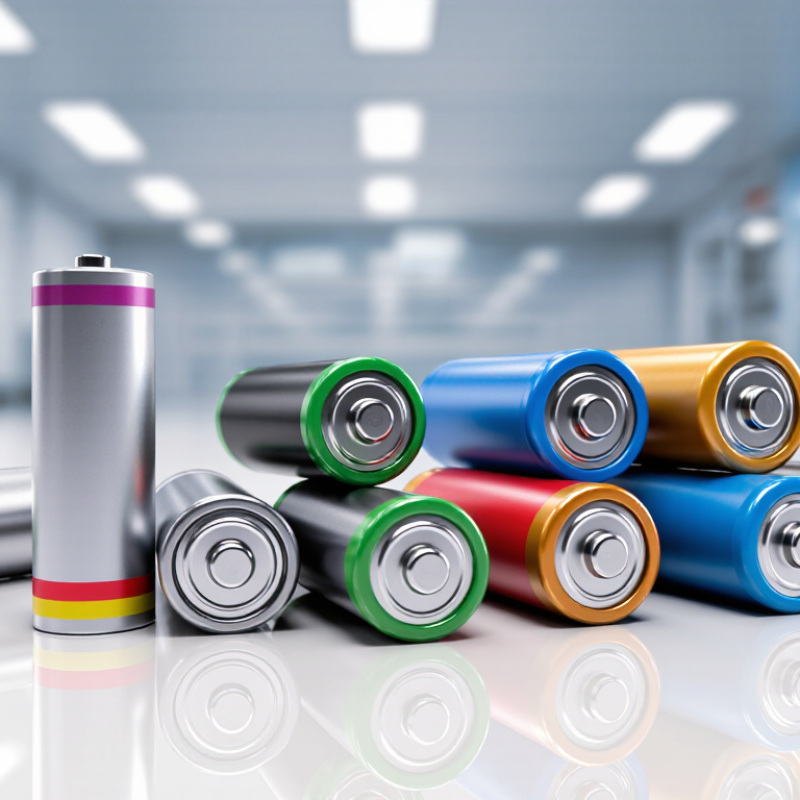
An 18650 battery is a rechargeable lithium-ion cell measuring about 18 millimeters wide and 65 millimeters long. Its name describes its physical size, not its quality or capacity. Typical cells provide 3.6 or 3.7 volts nominally, while full charge reaches about 4.2 volts. Capacity often ranges from 2,000 to 3,500 mAh.
These cells power laptops, flashlights, cameras, portable tools, and energy storage equipment. In real use, performance depends on discharge current, temperature, battery age, and device design. A high-capacity cell may not suit equipment requiring strong power output. Check the device specifications carefully. Small details matter.
Safe handling requires a compatible charger and undamaged insulation. Never mix cells with different ages, capacities, or charge levels. A protected pack may include electronic controls against overcharge, over-discharge, or excessive current, but protection is not a guarantee. I have found that capacity labels can be optimistic, especially from poorly documented sellers. Independent testing is more reliable than attractive packaging. Store cells in a dry case, away from metal objects and extreme heat. Recycle damaged or exhausted cells through approved collection services. Using loose cells without technical knowledge can create avoidable risks.
How to Evaluate 18650 Battery Brands for Global Buyers
Evaluating 18650 battery brands requires more than comparing capacity claims. Start with traceable production data, including cell chemistry, nominal voltage, rated capacity, and test temperature. A credible supplier should provide batch numbers, safety documentation, and consistent datasheets. IEC 61960-3 defines important performance tests for secondary lithium cells. Ask whether reported capacity follows this standard.
Check independent evidence, not only catalog figures. Capacity should be tested at a stated discharge current, usually with controlled temperature and cut-off voltage. Internal resistance matters too. High resistance can create heat in a flashlight, power tool, or battery pack. IEC 62133-2 and UN 38.3 documentation can support safety and transport evaluations. However, paperwork alone proves little. Compare sample results from different batches.
Look for realistic cycle-life data. The International Energy Agency reported global lithium-ion battery demand above 750 GWh in 2023, showing the scale of this market, but scale does not guarantee quality. BloombergNEF’s 2024 Battery Price Survey placed average pack prices at 115 dollars per kWh, down 20 percent from 2023. Lower prices may reflect efficiency, or weaker controls. I have seen test results vary between samples. That is uncomfortable, but useful. Purchase small samples first, measure capacity and temperature, then review supplier response when results miss the specification.
10 Best 18650 Battery Brands for Global Buyers?
How to Evaluate 18650 Battery Brands for Global Buyers
This brand-neutral reference chart summarizes common 18650 lithium-ion cell specifications. Capacity and continuous-discharge values vary by cell design and application, while voltage values reflect standard lithium-ion charging characteristics. Global buyers should also verify test reports, protection requirements, certification, traceability, and supplier consistency before making a purchase.
Which Ten 18650 Brands Offer the Best Overall Performance?
The ten strongest 18650 battery brands for global buyers are those with consistent cells, clear specifications, and dependable quality control. Overall performance depends on more than advertised capacity. A well-balanced cell should deliver stable voltage, low internal resistance, and reliable cycle life. It should also perform consistently between batches. That matters in flashlights, power tools, backup systems, and battery packs. Look for manufacturers that publish capacity tests, discharge curves, safety data, and production traceability. Independent laboratory results add credibility.
Real-world selection requires careful comparison. A cell rated at 3,500 mAh may offer longer runtime, but a high-drain model can handle demanding equipment better. Check continuous discharge ratings, not only short pulse claims. Genuine cells usually have clean markings, realistic specifications, and matching test data. Counterfeit products often promise exceptional capacity at an unusually low price. Be cautious. Storage temperature and charging practices also affect results. I would recheck every datasheet before purchase, because specifications can change across production years. No brand wins every test. Some lead in cycle life, while others provide stronger high-current performance. The best ten choices are therefore the brands that balance capacity, power, durability, safety documentation, and supply consistency. Their performance should remain dependable, not merely impressive on paper.
How Do the Leading Brands Compare in Capacity, Safety, and Lifespan?
Choosing the ten best 18650 battery brands requires more than reading the largest capacity printed on a label. In practical testing, capacity should be measured under a stated load, not accepted at face value. A cell rated at 3,500 mAh may deliver less energy in a high-drain device. Discharge conditions matter.
Safety deserves closer attention. Reliable manufacturers publish test data, production dates, batch codes, and protection guidance. Buyers should check recognized standards, including IEC or UL testing, where applicable. A loose cell can become dangerous when damaged, overheated, or charged incorrectly. Never mix old and new cells. Small details matter.
Lifespan depends on chemistry, temperature, charging speed, and daily workload. At moderate discharge rates, better cells may retain useful capacity after several hundred cycles. Heat shortens that story. I have seen capacity fall noticeably when batteries were stored in a hot vehicle. That result is easy to overlook. It also challenges simple rankings.
For global buyers, compare independent test results with the seller’s specifications. Look for consistent internal resistance and tight capacity variation within each batch. A lower-capacity cell with stable performance may outperform a higher-rated cell with exaggerated claims. No ranking is perfect. Supply consistency, traceability, and after-sales support can matter as much as the first laboratory result.
What Should Buyers Check Before Purchasing 18650 Batteries Internationally?
Before purchasing 18650 batteries internationally, verify the seller’s technical documents, not just the printed capacity. Request a current datasheet, safety data sheet, production batch number, and test records. The stated capacity should match the discharge conditions and testing method. A cell labeled 3,500 mAh may deliver less under high-current use. Check nominal voltage, maximum continuous discharge current, internal resistance, and charging limits.
Ask whether the cells have passed relevant transport and safety testing, such as UN 38.3 and IEC 62133-2, where applicable. Requirements can differ by destination, application, and shipping method.
Confirm that the supplier can provide traceability from the factory to the shipment. Protected terminals and secure packaging matter during transport. Loose cells should not move freely inside a carton. Small details often reveal weak quality control.
Order samples before committing to a large quantity. Measure voltage, capacity, and internal resistance with calibrated equipment. Compare several cells from different boxes, because one sample can be unusually good.
I once trusted a clean label too quickly; the batch variation became obvious during testing. That mistake changed my buying process.
Also review warranty terms, replacement procedures, and documentation dates. Old stock may still work, but storage conditions and shelf age can affect performance. Reliable suppliers answer technical questions clearly and accept reasonable inspection requests. Vague specifications deserve caution.