

News

Miro: A New Standard in Responsible Innovation

Miro: A New Standard in Responsible Innovation The Miro monitor arm is setting new benchmarks in sustainability. It offers a high-performance solution without compromising on environmental responsibility. Designed with careful material selection, local sourcing, and longevity in mind, Miro’s responsible approach to design and unique manoeuvrability set it apart from the competition. Sustainable Choices Miro is crafted from energy-efficient materials with a lower carbon impact....

Read more
HSE Advisor

Role Purpose Support in the development, implementation and maintenance of the company’s Health, Safety & Environmental policies, processes, operational procedures, and standards.  Ensuring best practice and championing a continually improving HSE culture within the business. Key Responsibilities Liaise with and provide support to all areas of the business to eliminate, mitigate or reduce identified HSE exposures. Partner with the production management team and team leaders,...

Read more
CMD Ltd LAUNCHES 48-HOUR TURNAROUND ON BETATRAK® RAPID ORDERING SERVICE

CMD Ltd, the specialist in power distribution systems, workstation power and monitor arms, has launched a rapid ordering service for its Betatrak® underfloor powertrack distribution systems and accessories, with a commitment to delivering within 48-hours of an approved purchase order*. The service enables customers to order up to 50 lengths of Standard or Clean Earth (C/E) low noise Betatrak, along with up to 25 feed...

Read more

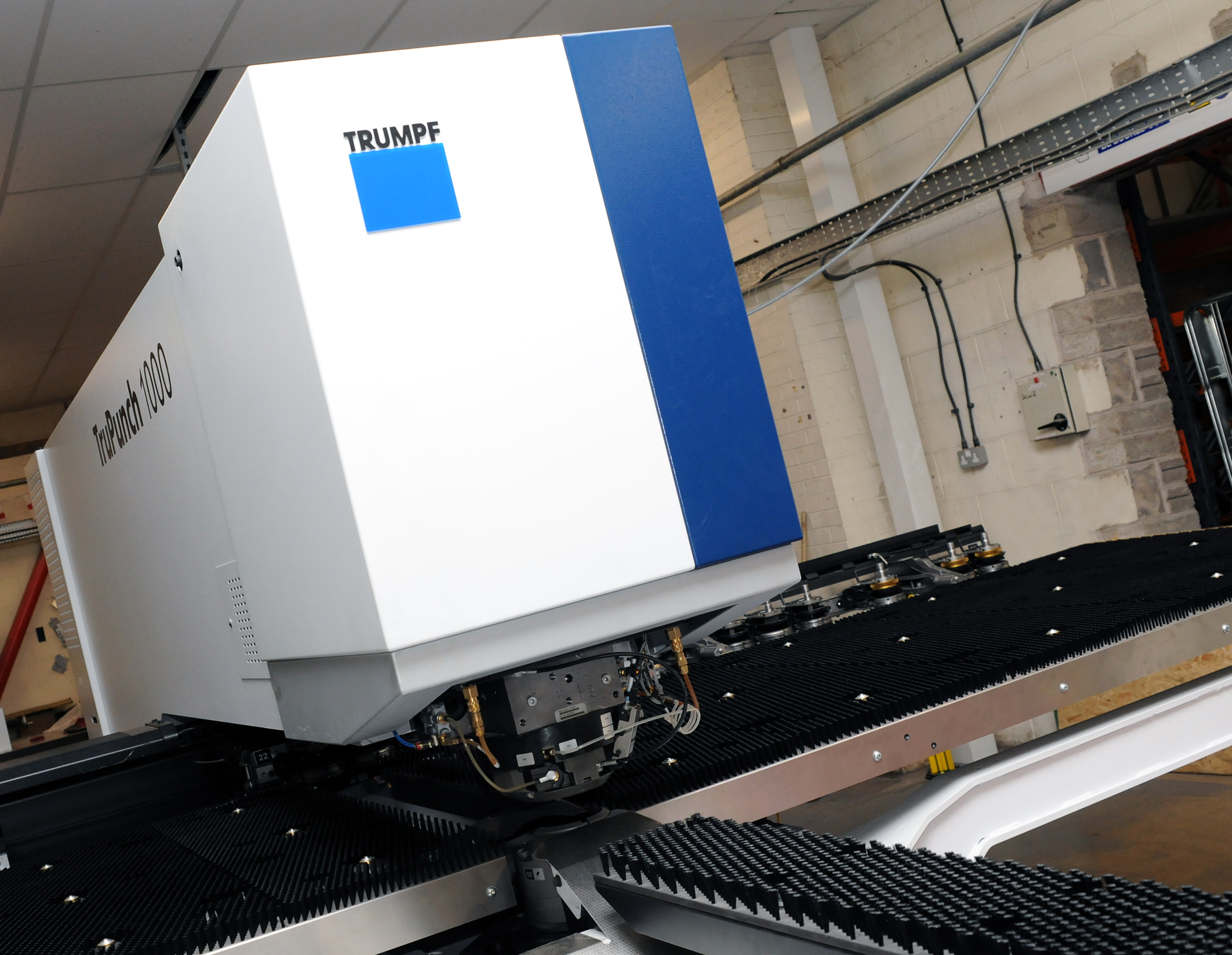
CMD INVESTS £1/4 MILLION IN NEW MACHINE AS PART OF FACTORY UPGRADE

We have invested in a new £1/4m TRUMPF CNC metal punch as part of an asset renewal strategy for our UK manufacturing capability. The new machine will be used in the production of a wide variety of our power distribution systems and workstation power products at our Rotherham factory. Suitable for handling sheet metal between 0.9mm and 3.0mm thick, the new machine will replace one...

Read more
CMD CATALOGUE PROVIDES TECHNICAL POWER DISTRIBUTION GUIDE

CMD Ltd has released a new catalogue, providing an easy to follow technical guide to our power distribution systems and plug and play desk modules. Detailing CMD’s full range of UK-manufactured power distribution systems and plug and play desk modules, the catalogue will be a helpful source of information to M&E engineers and contractors alike to understand how our power distribution systems connect together and...

Read more
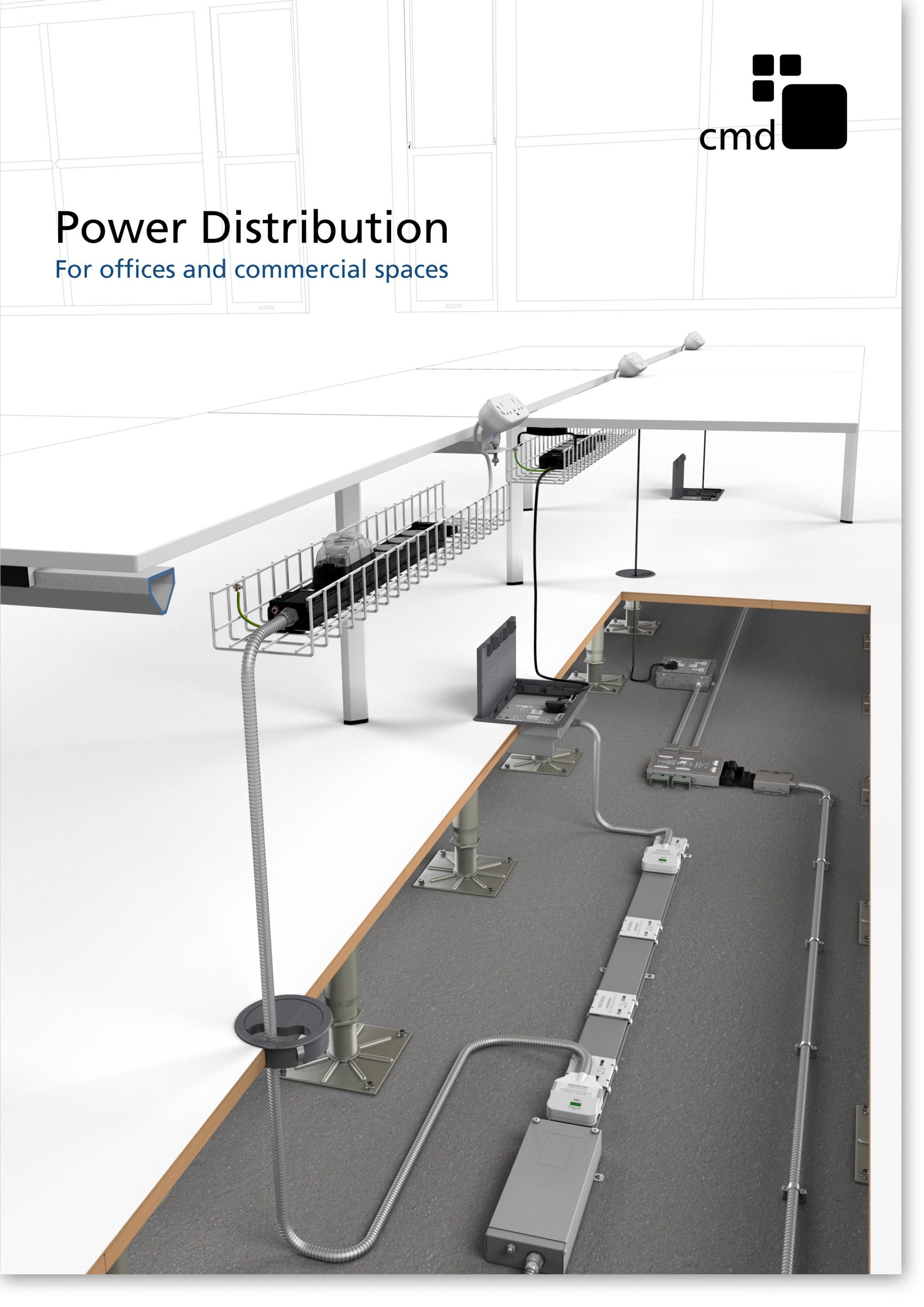
Power Distribution Catalogue
CMD Ltd PLAYS ESSENTIAL ROLE IN ELECTRICAL FIT OUT AT LONDON’S PRESTIGIOUS OFFICE DEVELOPMENT

CMD Ltd, specialist in workplace connectivity and ergonomic solutions, has provided a flexible and high-quality power distribution network for The Ray, a prestigious office development in London’s Farringdon. Well-known for being the former site of The Guardian newspaper, The Ray now stands as an 83,000ft² office development characterised by a modernised warehouse aesthetic, with level two now occupied by a global social media company. The...

Read more

The Ray
CMD plugs in to european opportunity with Schuko Capsule unit launch

CMD Ltd, the specialist in power and connectivity solutions for commercial environments, has launched a Schuko version of its popular fixed format Capsule workstation power module for export to mainland Europe and beyond. A popular on desk power module comprising two sockets and dual USB (type A and C) chargers, CMD’s Capsule unit is already widely specified in the UK as an off-the-shelf workstation power...

Read more
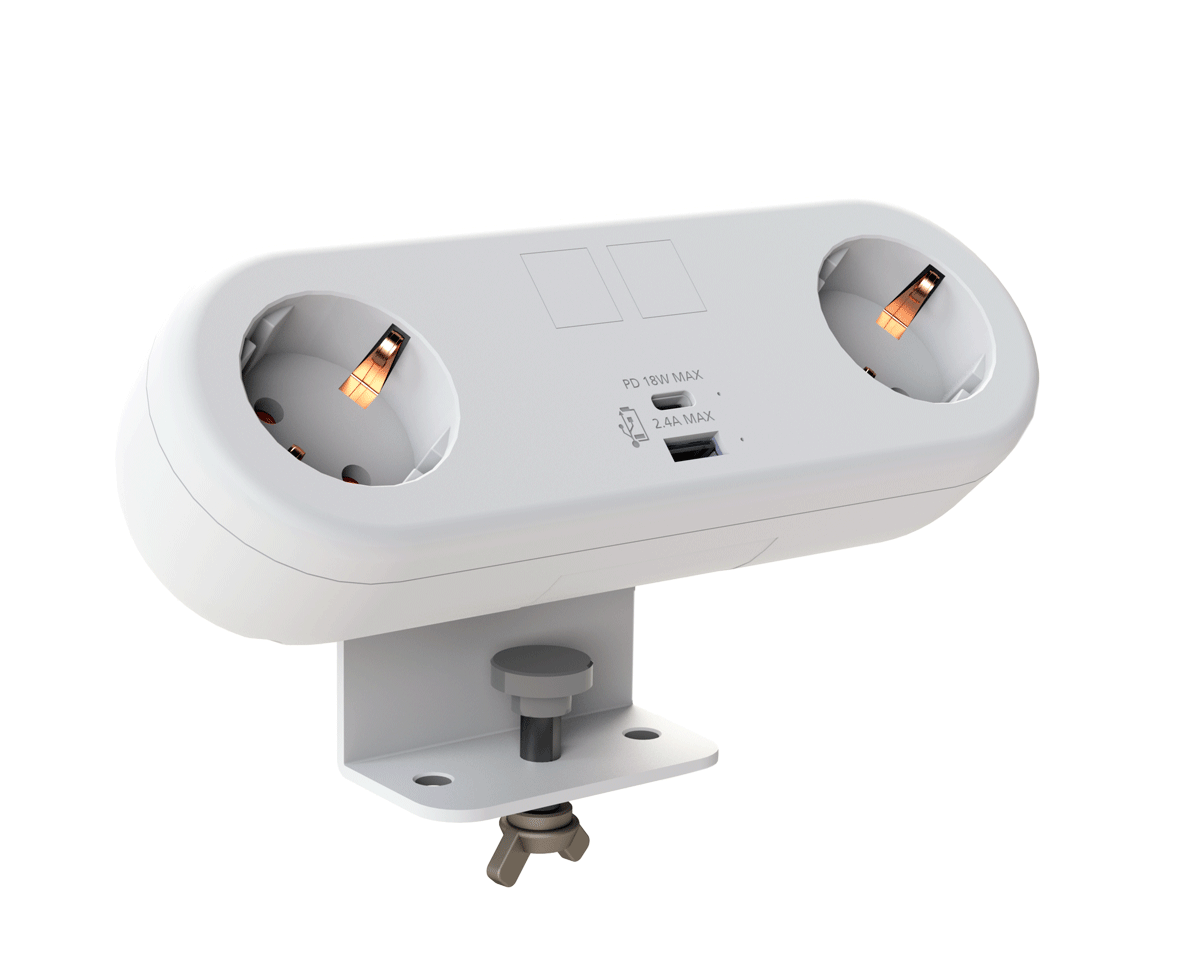
CMD White Schuko Capsule Desk Power Module
CMD LTD EXTENDS MONITOR ARM RANGE WITH THE LAUNCH OF REACH PLUS

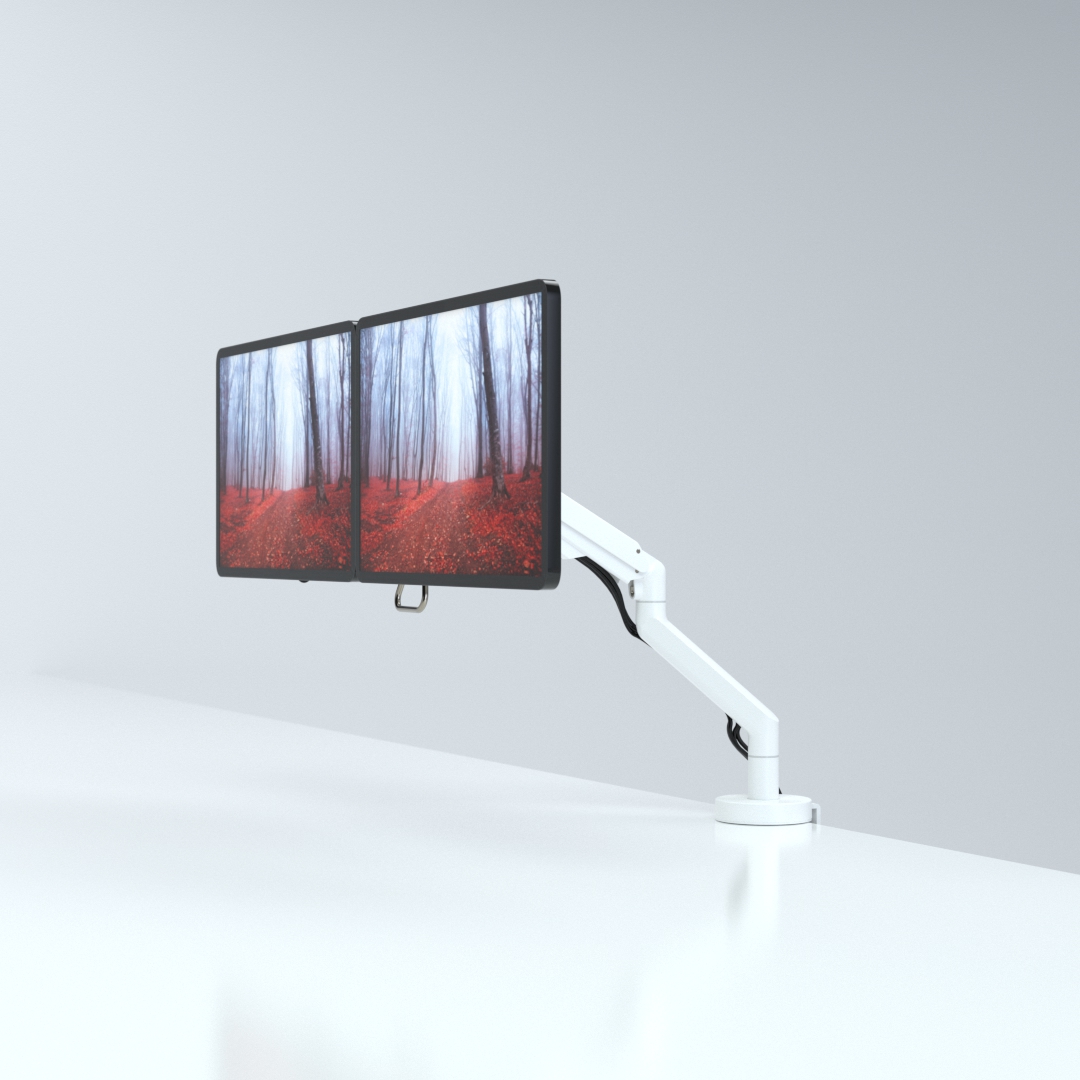
CMD Ltd, the specialist in ergonomic and connectivity solutions for commercial interiors, has completed its Reach monitor arm range with the launch of the Reach Plus. Available in single or dual screen options, the Reach Plus has been designed to provide an ideal solution for both single and dual screen workstation configurations, or can be used with next generation of large format curved screens. Suitable...

Read more
CMD Ltd DEMONSTRATES THE ART OF POWER DISTRIBUTION AT THE UNIVERSITY OF WARWICK

CMD Ltd, the specialist in workplace connectivity and ergonomic solutions, has provided Betatrak busbar power distribution and a range of electrical accessories for two major capital investment projects at the University of Warwick. Designed by Fielden Clegg Bradley Studios, the £33 million Faculty of Arts building is a showpiece development comprising four interconnected structures set around a central atrium, which will enable inter-disciplinary collaboration across...

Read more

University of Warwick
CMD BRINGS HARMONY TO COVENTRY UNIVERSITY RESEARCH FACILITIES

CMD Ltd, the specialist in power distribution solutions and workstation power and ergonomics, has provided under desk and on desk power modules for the refurbishment of three Coventry University research buildings. Located on Coventry University Technology Park, a business park designed to encourage collaboration between the university and knowledge-based businesses, the three buildings are being repurposed as office accommodation for university research teams. The refurbishment...

Read more

Coventry University

What is an Automotive Harness and Why is it Essential?

The automotive industry is undergoing rapid transformation, heavily influenced by innovations in technology and design. Within this landscape, the significance of the Automotive Harness cannot be overstated. An automotive harness is a critical component that organizes and delivers power and signals throughout the vehicle. According to a report by Allied Market Research, the global automotive wiring harness market is projected to reach $66 billion by 2027, driven by increasing vehicle production and connectivity demand.

Expert John Smith, a leading figure in automotive technology, emphasizes the importance of automotive harnesses by stating, "Without a reliable harness, modern vehicles would struggle to function efficiently." This sentiment reflects the essential role that wiring plays in ensuring safety and reliability. The complexity of today's vehicles demands high-quality harnesses to support advanced features, from safety systems to infotainment technology.

Despite advancements, challenges remain. Issues like production quality and material durability can compromise performance. Ongoing research aims to overcome these hurdles. Understanding the nuances of automotive harnesses is vital for industry stakeholders. As vehicles continue to evolve, so too must the components that power them.

What is an Automotive Harness and Why is it Essential?

What Defines an Automotive Harness in Modern Vehicles?

Automotive harnesses play a vital role in modern vehicles. They are the integrated networks of wires and connectors. These components facilitate electrical connection throughout the vehicle. A well-designed harness ensures that signals and power are transferred efficiently. It also helps prevent issues like shorts and malfunction.

In 2022, the global automotive wiring harness market was valued at over $67 billion. Research indicates that this market is expected to grow significantly, reaching $83 billion by 2028. This growth highlights the increasing complexity of vehicle electronics. A typical modern vehicle can have over 1,500 connections within its harness systems. These connections power critical functions, including safety features and infotainment systems.

However, there are challenges. Many harnesses are still designed using outdated methods, leading to inefficiencies. Improper installations can result in costly repairs. Industry experts stress the need for continuous innovation. The importance of quality control in manufacturing harnesses cannot be overstated. Such measures are crucial to maintaining vehicle safety and performance.

Automotive Harness Usage in Modern Vehicles

Key Components and Materials Used in Automotive Harness Production

Automotive harnesses are crucial for modern vehicles. They connect various electrical systems. This connection is vital for the functionality of features like lighting, infotainment, and advanced safety systems.

Key components in automotive harness production include wires, connectors, and protective coverings. According to the Automotive Component Manufacturers Association, approximately 25% of a vehicle's total electrical costs come from harnesses. Wires, often made from copper or aluminum, deliver power and signals. Connectors ensure secure attachments, while protective coverings shield the harness from elements.

Materials used in harnesses are also evolving. High-temperature plastics and rubber are common choices. These materials provide durability against heat and moisture. Data from the Society of Automotive Engineers shows that advancements in material science have improved harness longevity. However, the industry faces challenges. The need for lightweight materials must be balanced with durability. Overall, the automotive harness plays a key role in vehicle efficiency and safety.

The Role of Automotive Harnesses in Vehicle Electrical Systems

Automotive harnesses play a crucial role in the electrical systems of vehicles. These organized bundles of wires and connectors distribute power and signals throughout the car. Each harness is designed to connect different components, from the headlights to the engine control unit. This intricate network ensures the vehicle functions harmoniously. Without a robust automotive harness, electrical failures can occur, impacting safety and performance.

The design of automotive harnesses is complex. They must withstand various conditions such as extreme temperatures and vibrations. This requires selecting materials that maintain reliability under stress. A poorly designed harness can lead to short circuits or component failures. In certain cases, manufacturers may overlook the importance of proper insulation or routing, which can cause issues down the line.

While advancements in technology have improved harness design, challenges remain. Automation in production might lead to inconsistencies. Additionally, as vehicles become more electrified, the demand for more complex harnesses increases. Ensuring quality control is essential to prevent failures that could impact driver safety. The role of automotive harnesses is undeniable; they are the backbone of vehicle electrical systems.

Impact of Automotive Harness Design on Safety and Performance

The design of an automotive harness plays a crucial role in vehicle safety and performance. Each wire and connector within the harness carries vital information and energy. A poorly designed harness can lead to failures. These failures might cause issues like short circuits or signal interruptions. When components don’t communicate effectively, the vehicle can behave unpredictably. This unpredictability can endanger lives.

Furthermore, the materials used in harness design matter immensely. Good insulation protects against heat and moisture. However, not every design considers these factors adequately. Some harnesses may use subpar materials that degrade over time. Repeated exposure to harsh conditions can lead to wear. Such wear can compromise both safety and efficiency. Drivers may not notice these issues until it's too late.

Testing the harness design is essential. However, some manufacturers skip rigorous testing steps. This oversight can lead to serious consequences.

A thorough evaluation ensures that all components work harmoniously. It also guarantees that the harness can withstand vibrations and temperature changes. Investing in better design and testing processes has long-term benefits for performance and safety. Ensuring the harness functions correctly is vital for driving confidence.

Market Trends: Growth and Innovations in Automotive Wiring Harness Industry

The automotive wiring harness industry is witnessing remarkable growth and innovation. As vehicles become more advanced, the demand for efficient wiring systems increases. These harnesses are crucial for connecting various electrical components. They ensure that systems operate smoothly and reliably.

Emerging technologies are reshaping the landscape. Lightweight materials are being introduced to enhance fuel efficiency. Additionally, advancements in manufacturing processes are streamlining production. However, quality control remains a concern. Ensuring that every harness meets safety standards is vital, yet sometimes overlooked.

Collaboration between manufacturers and technology firms drives innovation. New designs focus on integration with smart systems. Despite the positive trends, challenges persist. The complexity of modern vehicles often leads to harness failures. Constant updates and rigorous testing are essential. The industry's path forward relies on addressing these issues while embracing future possibilities.